BBlogFlow

Categories

Science

12527 articles

Science

NSF lays the foundation for the next generation of technologies and support for American talent - U.S. National Science Foundation (.gov)

The U. S. National Science Foundation today announced a series of programs and initiatives to support the ambitious vision articulated in the White House report Science: A New Golden Age and in "NSF leadership in a new golden age of science. " These new programs and initiatives combined with the $1.5 billion in investments announced in August will help the agency improve how it evaluates and supports science, harness super intelligence to accelerate discovery, and invest in exceptional students and early-career researchers. NSF is establishing an Office of Metascience to serve as a testbed for studying how scientific communities respond to novel review and funding mechanisms, applying those lessons learned to NSF programs to accelerate discovery. The office will operate with full transparency, sharing its experiments and findings with academia, industry, and philanthropy. A job announcement for the head of the Office of Metascience will be forthcoming.


U.S. National Science Foundation (.gov)·
Science

Scientists accidentally discover a genetic code that breaks the rules of life - Science Daily

A routine experiment involving a microscopic organism from a freshwater pond led scientists to an extraordinary genetic discovery. The tiny creature was found to interpret DNA instructions in a way researchers had never documented before, challenging a long held assumption about how the genetic code works. The surprise came when scientists examined a previously unknown protist called Oligohymenophorea sp. PL0344. Two genetic signals that ordinarily tell cells to stop making proteins had taken on completely different functions. Even more remarkably, the signals had been reassigned to two different amino acids, breaking a pattern scientists believed was closely linked by evolution.

Science Daily·
Science

A Scorching Phoenix Planet May Solve a 3-Decade-Old Astronomical Cold Case - ScienceAlert

After being born of mostly just hydrogen and helium, a scant 14-ish billion years later the Universe is full of weird planets of wildly varying makes, shapes, and sizes. Well, maybe not shapes, because they're all pretty rotund – it's in the definition of planet. Yet some are truly alien, including oddballs as dense as iron and teeny-tiny 'next door neighbors' that make our modest Venus seem like a giant. Upping the alien ante, astronomers have just announced a suspected exoplanet like no other entity, either in astronomy or in legend: a "phoenix planet" that arose not from its own ashes, but from those of its burned-out mother star. Artist's illustration of the second-generation planet that has formed around white dwarf HS 0209+0832. (Dr Snehalata Sahu/University of Warwick)After nearly three decades of uncertainty, a team led by researchers from the University of Warwick has finally characterized what may be the first second-generation planet ever detected around a white dwarf, one named HS 0209+0832 and located only 270 light-years away. White dwarfs are the cooling cores of formerly Sun-like stars that have exhausted their nuclear fuel.

ScienceAlert·
Science

Building on our commitment to American scientific discovery - Anthropic

Anthropic is deepening its support for American scientific research by committing $150 million over three years to the Genesis Mission, a federal initiative to accelerate scientific and technological discovery through AI. The funding will go toward making Claude available to more than 15 agencies that are part of the mission, including NASA, the National Institutes of Health, and the National Science Foundation. We first announced our partnership with the US Department of Energy (DOE) and the Genesis Mission last December. Since then, we have worked with DOE to bring Claude to scientists across the national laboratories. Today, we announced this new commitment as part of the Science: A New Golden Age Summit hosted by the White House Office of Science and Technology Policy in Washington, DC. Supporting American scientistsWe share the administration’s view, laid out in “Science: A New Golden Age,” that AI can have a profound and positive impact on scientific discovery, and we are glad to back its efforts to support American scientists. Researchers at federal agencies and national laboratories work on some of the world’s most difficult scientific problems.

Anthropic·
Science

Scientists Found Ancient Americans Living Where No Humans Should Have Been - Popular Mechanics

Here’s what you’ll learn when you read this story:Archaeologists found Clovis-era remains and artifacts in the Montana mountains, which defies our previous notion of North America’s environment at that time. Evidence shows that the Clovis people lived in the high country near Yellowstone before anyone thought possible. The discovery of a child’s remains decades ago, and the uncovering of new artifacts, reframes the history of human habitation of North America. The first hint that the history of humans in North America wasn’t what we thought came in 1968. Now, though, those clues keep arriving in droves, evidence that the Clovis people likely lived in the Greater Yellowstone high country 13,000 years ago during a time when experts thought the land was covered in glacial ice. Those experts may be proven wrong by artifacts emerging from 9,000 feet up in the Beartooth Mountains. Combined with the discovery of remains of a Clovis-era child over 50 years ago, the newest research coming from Montana is prompting questions about what we thought we knew about the earliest human inhabitants of what’s now the United States. Experts are determined to find the answers.

Popular Mechanics·
Science

Scientists found Homo erectus 200,000 years earlier than expected - Science Daily

Archaeologists from La Trobe University have described 18 newly published hominin fossils from South Africa, including a second skull fragment belonging to Homo erectus. The discovery adds stronger evidence that the species was present in southern Africa 2.0 million years ago, about 200,000 years earlier than traditionally believed. The fossil collection also includes remains of P. robustus. Those specimens suggest the species was undergoing gradual evolutionary changes as it adapted to shifting environmental and climatic conditions.

Science Daily·
Science

Cascades’ New GHG Emissions Reduction Targets Approved by the Science Based Targets initiative - Cascades.com

KINGSEY FALLS, QC, Oct. 8, 2026 /CNW/ -- Cascades inc. (TSX: CAS) announced that its new 2035 greenhouse gas (GHG) emissions reduction targets have been approved by the Science Based Targets initiative (SBTi). The submitted targets are aligned with the methodology developed by the organization, which was established through a partnership among the Carbon Disclosure Project (CDP), the United Nations Global Compact, the World Resources Institute (WRI) and the World Wildlife Fund for Nature (WWF). The SBTi supports ambitious climate action in the private sector by enabling companies to set science-based GHG emissions reduction targets. With this approval, Cascades once again joins a global movement of companies committed to addressing climate change. As part of its fifth Sustainability Plan launched this past June, Cascades committed to reducing its Scopes 1 and 2 GHG emissions by 67.2% by 2035 compared to 2019.

Cascades.com·
Science

Whoops! Scientists Might Have Had the Origin of Animals All Wrong. - Popular Mechanics

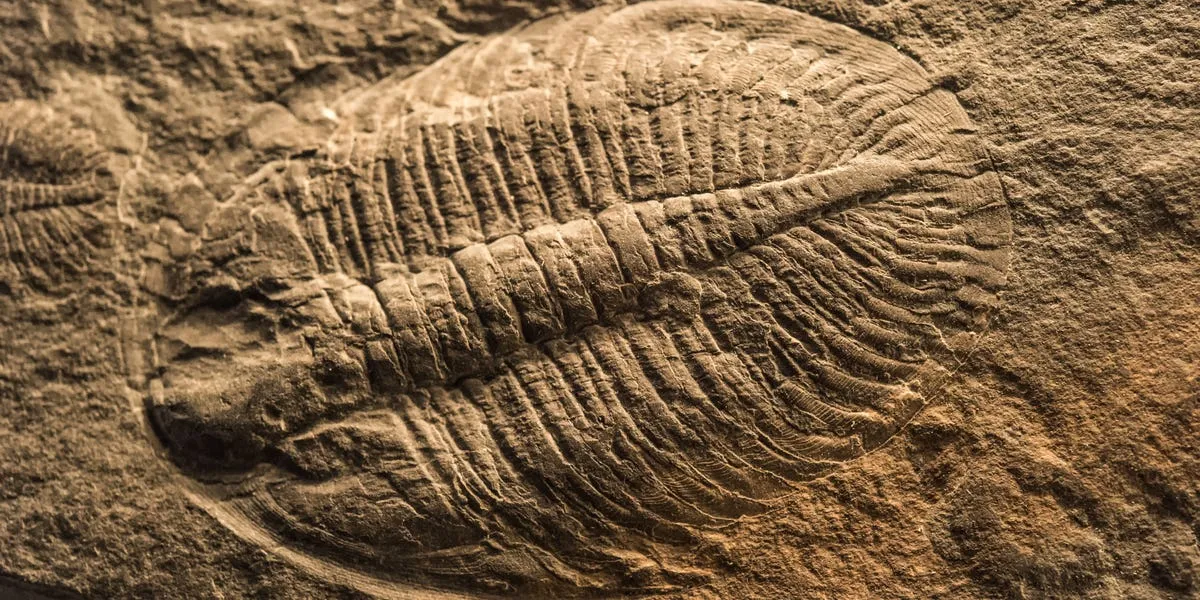
Here’s what you’ll learn when you read this story:The oldest known animal fossils are about 574 million years old, but the fossil record is too sparse to reveal when Earth’s first animals actually evolved. A new study challenges the use of animal-free deposits as evidence of animal absence, showing that one such deposit formed when animals are known to have existed. A molecular clock analysis puts the origin of animals between 700 and 800 million years ago, during or before the global glaciations of Snowball Earth. Cyclomedusa. Dickinsonia. Tribrachidium. These are only some of the strange, soft-bodied creatures that drifted and sprawled across Earth’s seafloors during the Ediacaran Period, which began 635 million years ago and produced the oldest known animal fossils some 574 million years ago. Although these fossils are conventionally treated as the first animals, the timing of animal origins remains unresolved. No animal fossils are known from before the Ediacaran, when the oceans appear to have held little more than protozoans and algae.

Popular Mechanics·
Science

The Mediterranean Diet Has a Northern Cousin That May Also Help You Live Longer - ScienceAlert

Most of us have heard of the Mediterranean diet and its many health benefits, but there's another European eating plan that could also help you live longer. It's called the Nordic diet, and it is based on the traditional foods of Denmark, Finland, Iceland, Norway, and Sweden. It shares many elements with the Mediterranean diet, but it's essentially the cold-climate version. Sometimes it's called the 'Mediterranean diet of the north'. The meals are mainly plant-based and tend to emphasize long-established foods from the Nordic culture, such as fatty fish and root vegetables. This means favoring rapeseed oil over olive oil, oats and rye over wheat and rice, and pears and apples over oranges and bananas. Now, a new study adds to growing evidence that a healthy Nordic diet may help you live longer. Researchers in Denmark drew on health data from more than 64,000 middle-aged and older adults in Sweden and used it to emulate a long-term randomized trial comparing dietary interventions. Their hypothetical analysis estimates that strictly following a healthy Nordic diet could significantly lower the risk of dying from any cause over 24 years.

ScienceAlert·
Science

Lamont Researchers Receive Major Earth Science Honors from the American Geophysical Union - Columbia University

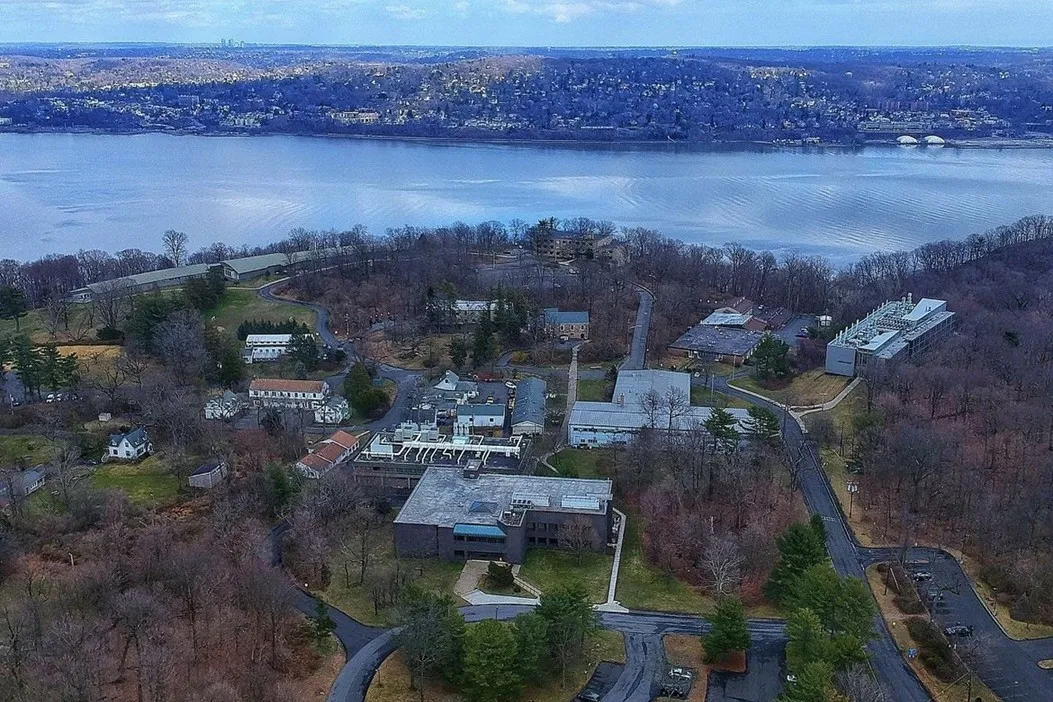
Five scientists affiliated with the Lamont-Doherty Earth Observatory have received major honors from the American Geophysical Union (AGU) this year, recognizing their contributions to our understanding of the structure of the ocean floor, deep Earth processes and sea-level change, dust and paleoclimate, the ocean carbon cycle, and the physics of Earth’s deep interior. AGU, one of the world’s largest organizations of Earth scientists, recognizes members each year for outstanding accomplishments in research, education, science communication and outreach. All five will be recognized at AGU26, the union’s annual meeting, Dec. 7–11 in San Francisco, with the honors ceremony on December 9. They join three Lamont colleagues who received major honors from other organizations earlier this year: Maureen Raymo (Nemmers Prize in Earth Science), Michael Kaplan (Guggenheim Fellowship) and Folarin Kolawole (awards from National Geographic, the Geological Society of America and the National Association of Black Geoscientists).

Columbia University·
Science

Einstein Probe reveals a hidden phase of neutron star collisions - Science Daily

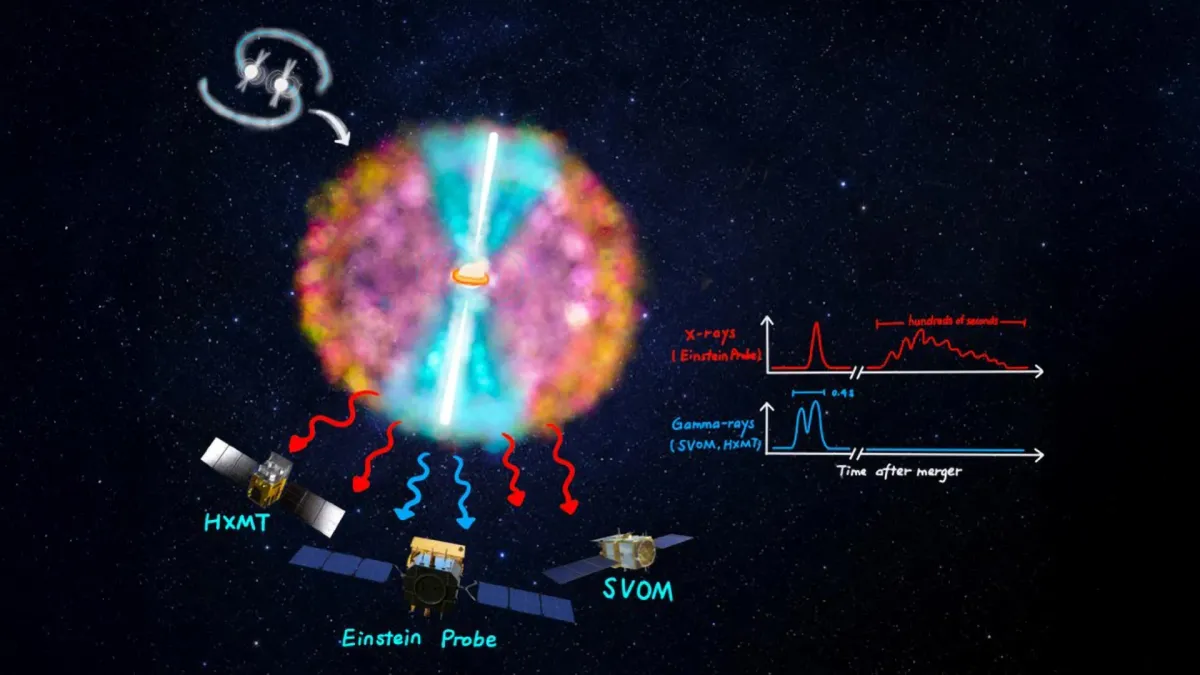
Short gamma-ray bursts, or short GRBs, are believed to occur when two compact objects, such as neutron stars, spiral toward one another before colliding and merging. These extraordinarily violent events produce gravitational waves and rank among the most powerful explosions in the Universe. For decades, astronomers have mainly detected these events through their gamma-ray flashes. Their earliest soft X-ray emission has been far more difficult to observe because most narrow-field X-ray telescopes depend on gamma-ray alerts to locate a burst before turning toward it. Einstein Probe's wide-field soft X-ray monitoring has now exposed this previously unseen stage, giving astronomers a direct look at the opening moments of a short GRB.

Science Daily·
Science

Scientists build a nuclear clock that could make atomic clocks obsolete - Science Daily

Scientists have reached a major milestone in the quest to build an entirely new kind of clock. After decades of research, a team in Vienna has developed the world's first self-stabilizing nuclear clock, a device that could eventually measure time with far greater precision than today's most advanced atomic clocks. Unlike earlier prototypes, the new nuclear clock can maintain its own stability without depending on a conventional atomic clock. Researchers have demonstrated that it can operate steadily for more than 24 hours without intervention.

Science Daily·
Science

Scientists created a tiny device that can control your nerves to treat chronic pain - Science Daily

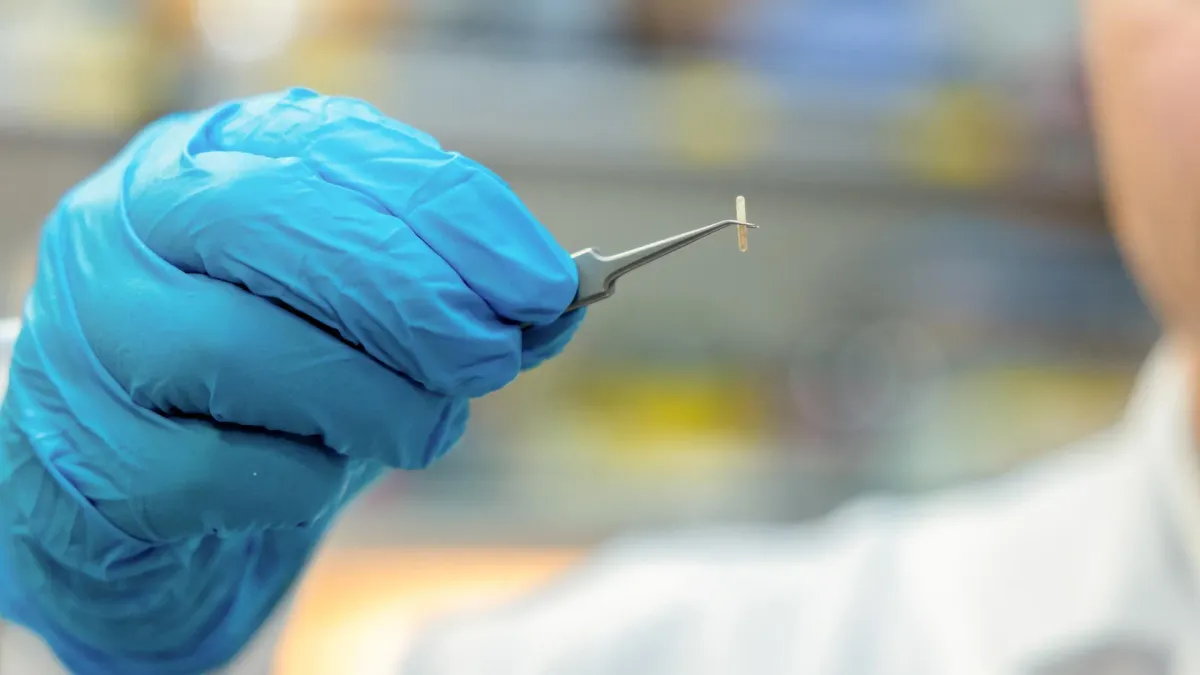
A miniature medical device small enough to be delivered through a standard needle could change how doctors treat chronic pain and movement disorders. Developed by scientists at NYU Abu Dhabi in partnership with Cleveland Clinic Abu Dhabi, the technology can regulate nerve activity without surgical implantation, batteries, or connecting wires. Roughly the size of a small seed, the device is injected into the body and positioned close to a specific nerve. Once in place, it sends carefully controlled electrical signals that alter the nerve's activity. Power is supplied wirelessly from outside the body, allowing doctors or patients to adjust the stimulation in real time.

Science Daily·