Whoops! Scientists Might Have Had the Origin of Animals All Wrong. - Popular Mechanics
This story deserves to be shared
Send it to someone who'd care, or post it on your networks.
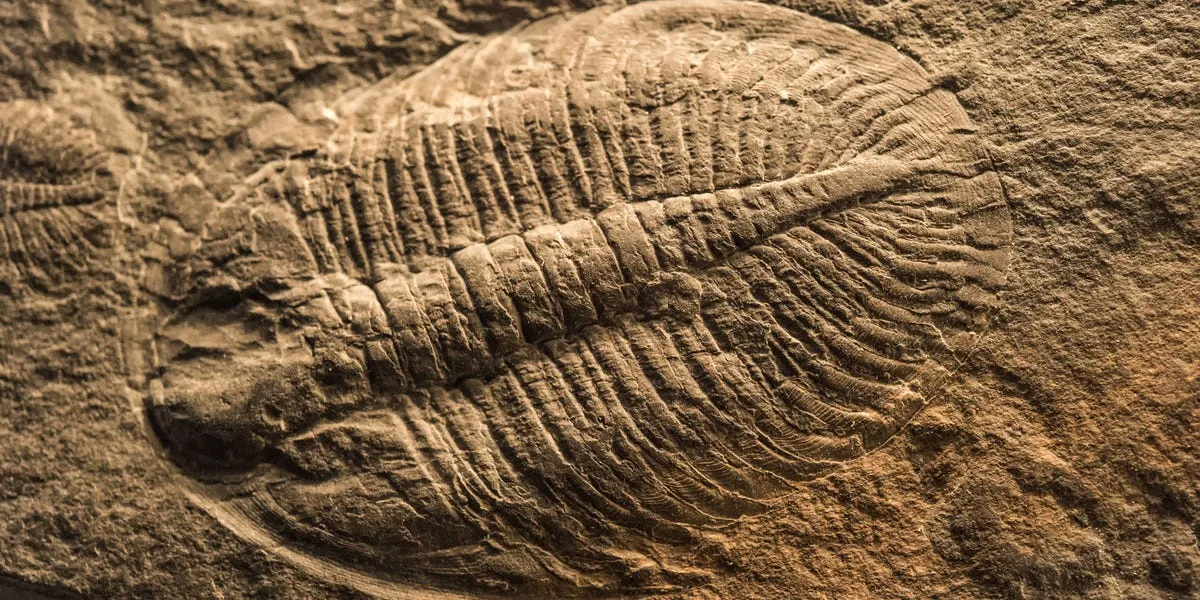
Here’s what you’ll learn when you read this story:The oldest known animal fossils are about 574 million years old, but the fossil record is too sparse to reveal when Earth’s first animals actually evolved. A new study challenges the use of animal-free deposits as evidence of animal absence, showing that one such deposit formed when animals are known to have existed. A molecular clock analysis puts the origin of animals between 700 and 800 million years ago, during or before the global glaciations of Snowball Earth. Cyclomedusa. Dickinsonia. Tribrachidium. These are only some of the strange, soft-bodied creatures that drifted and sprawled across Earth’s seafloors during the Ediacaran Period, which began 635 million years ago and produced the oldest known animal fossils some 574 million years ago. Although these fossils are conventionally treated as the first animals, the timing of animal origins remains unresolved. No animal fossils are known from before the Ediacaran, when the oceans appear to have held little more than protozoans and algae.
This article is an excerpt. To read the full content, visit the original source. Popular Mechanics
Related articles
Webb Measures Distance to Farthest Fast Radio Burst, Suggesting Origin - NASA Science (.gov)
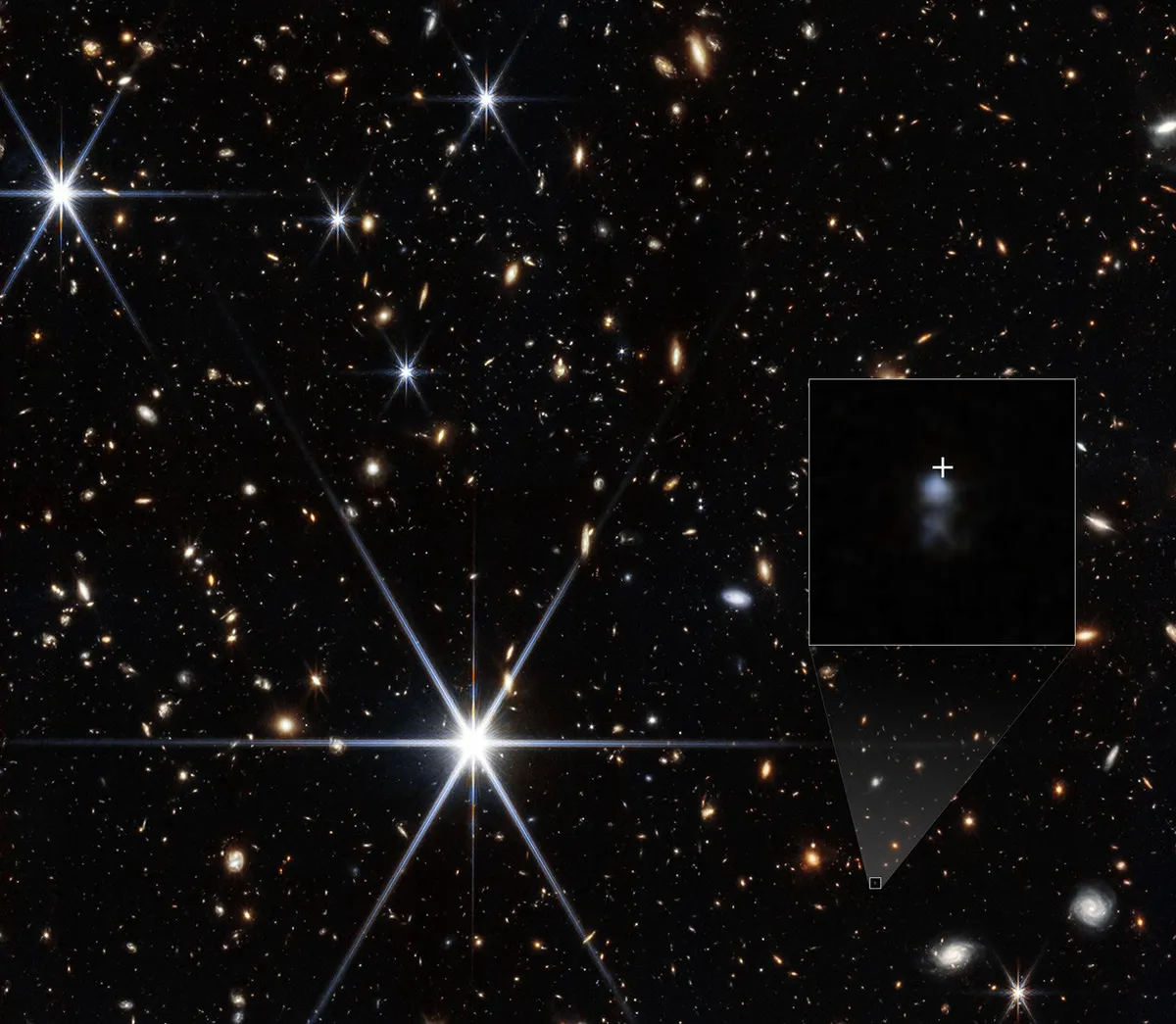
First discovered in 2007, fast radio bursts are enigmatic, millisecond-long flashes of radio emission from the distant universe. Their origin remains uncertain, particularly since most are seen once and never again. Astronomers using NASA’s James Webb Space Telescope have pinpointed the host galaxy of the most distant fast radio burst (FRB) seen to date. Their finding has implications for what kind of energetic event creates these bursts. “What makes fast radio bursts interesting is that we don't know what generates them. We have theories for what objects produce them, but we don't have conclusive proof,” said Manisha Caleb of the University of Sydney, lead author on the study published Thursday in the journal Science.
The Moon’s Origin Could Have Taken Just Five Hours—Scientists Stunned by New Findings - Futura, le média qui explore le monde
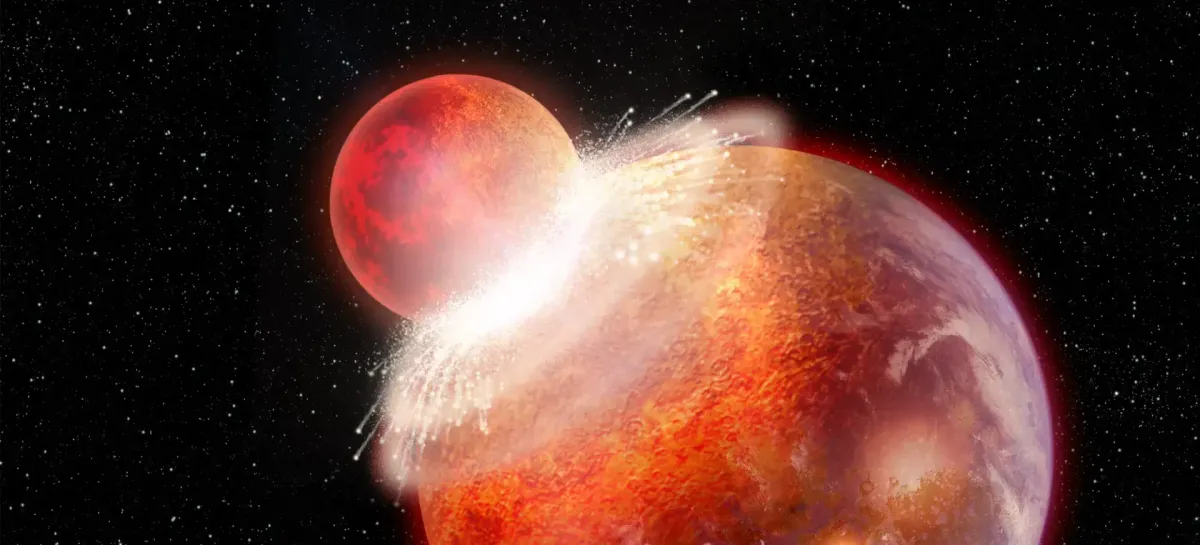
Illustration of the collision between Theia and the early Earth. © Pavel, Adobe Stock The Futura Team represents the pulse of Futura’s editorial department, bringing together a collective expertise dedicated to the dissemination of scientific knowledge. Rather than the work of a single author, every article published under this signature is the result of a rigorous collaborative process involving journalists, editors, and fact-checkers. Specializing in news analysis via desk research and international wire services, the team focuses on transforming raw information into accessible, verified content. This curation and synthesis process ensures constant monitoring of technological innovations and major scientific breakthroughs. By cross-referencing sources and conducting multiple rounds of peer review, the Futura Team guarantees scientific accuracy and pedagogical clarity. This collective signature serves as a hallmark of trust, providing reactive, cross-disciplinary information at the forefront of current events

Former NASA science leader joins Blue Origin - SpaceNews
After six years as NASA associate administrator for science, Thomas Zurbuchen joined ETH Zurich in 2023 to lead its new space initiative. Credit: Remo Neuhaus/Initiative Schweiz ANTALYA, Turkey — A former NASA associate administrator for science is joining Blue Origin to lead the company’s advanced technology work.
0 comments
No comments yet. Be the first to share your thoughts!