Categories
Health
5152 articles

Health
Designing Clinical Trials for Real-World Access - Targeted Oncology
Rethink trial design with decentralized, community-based models to cut barriers, let patients enroll closer to home, and preserve high-quality safety data. Making clinical trials more accessible requires rethinking how studies are designed, supported, and conducted, particularly for patients receiving care in community settings. In an interview with Targeted Oncology, Krish Patel, MD, executive director of hematologic cancer research at Sarah Cannon Research Institute, discusses the role of trial sponsors, research organizations, community oncology sites, and regulatory agencies in reducing barriers to participation. Patel emphasizes that while community oncology sites may have varying capabilities, they care for a large proportion of patients who could benefit from clinical trial participation. He argues that stakeholders should reassess which traditional trial requirements are truly necessary to determine whether a therapy is safe and effective and which may create unnecessary barriers for patients and sites. One potential solution is greater use of decentralized trial models.
Targeted Oncology·

Health
Radiation Omission in Favorable Breast Cancer Hinges on Endocrine Adherence - CancerNetwork
Leah Katz, MD, MPH, discusses long-term IDEA trial data on omitting radiation and why endocrine therapy tolerance matters in this decision. In an interview with CancerNetwork® at the 2026 American Society for Radiation Oncology (ASTRO) Annual Meeting, Leah Katz, MD, MPH, vice chair of Faculty Development and an attending radiation oncologist in the Department of Radiation Oncology at the University of Miami Leonard M. Miller School of Medicine, discussed long-term follow-up from the prospective, single-arm phase 2 IDEA trial (NCT02400190). Katz served as the discussant for the breast cancer Science Highlights session at the meeting. The trial enrolled 200 postmenopausal patients aged 50 to 69 years with biologically favorable, stage I, estrogen receptor–positive, HER2-negative breast cancer and a 21-gene recurrence score of 18 or lower who received endocrine therapy without radiotherapy after breast-conserving surgery. At a median follow-up of 7.93 years, freedom from recurrence was 99% at 5 years and 94% at 8 years, and most ipsilateral breast events occurred after 5 years.
CancerNetwork·

Health
Automated HCV Surveillance Shows Promise But Needs Validation - The American Journal of Managed Care
SaTScan detects an acute HCV outbreak cluster in California, showing the potential of automated surveillance, though real-time testing is needed. SaTScan, a free spatiotemporal scanning tool, detected a cluster of acute hepatitis C virus (HCV) cases associated with a verified outbreak at a Los Angeles County pain clinic the day after the second outbreak-related case was reported, according to a proof-of-concept (POC) analysis recently published in JMIR Public Health and Surveillance.1 The findings suggest that automated cluster detection could help health departments identify outbreaks that traditional case investigation may miss. Challenges in HCV Outbreak Detection Prompt Automated Surveillance EvaluationBetween 55% and 85% of people with acute HCV infection do not clear the virus on their own, but early diagnosis and treatment can prevent progression to chronic HCV and its complications, including hepatocellular carcinoma. Outbreaks typically arise in settings with a high risk of percutaneous exposure, such as among people who inject drugs and in health care facilities.
The American Journal of Managed Care·
Health
Australian scavengers don't just eat everything and slink away. They approach a carcass like a buffet - Phys.org
When scientists talk about scavengers, you might imagine an animal sniffing out or stumbling across a carcass, eating as much as possible and slinking away.
Phys.org·

Health
'Could be counterproductive': Why too much protein can actually be unhealthy, according to nutrition experts - BBC Science Focus Magazine
Fat, carbs and protein. You’ll have heard of these three macronutrients before. But which is truly critical to your diet? Answer: all of them. Together, they’re essential for keeping your body functioning; they give you energy and make sure all your cells are working properly.
BBC Science Focus Magazine·
Health
Lab-designed molecule reduces amyloid beta, the protein linked to Alzheimer's disease, in mice - Medical Xpress
A research team led by the Molecular and Cellular Neurobiotechnology group at the Institute for Bioengineering of Catalonia (IBEC), in collaboration with Míriam Royo's laboratory at the Institute for Advanced Chemistry of Catalonia (IQAC-CSIC), the University of Barcelona (UB) and the Institute for Research in Biomedicine (IRB Barcelona), has identified a synthetic peptide that reduces the production of amyloid beta (Aβ).
Medical Xpress·
Health
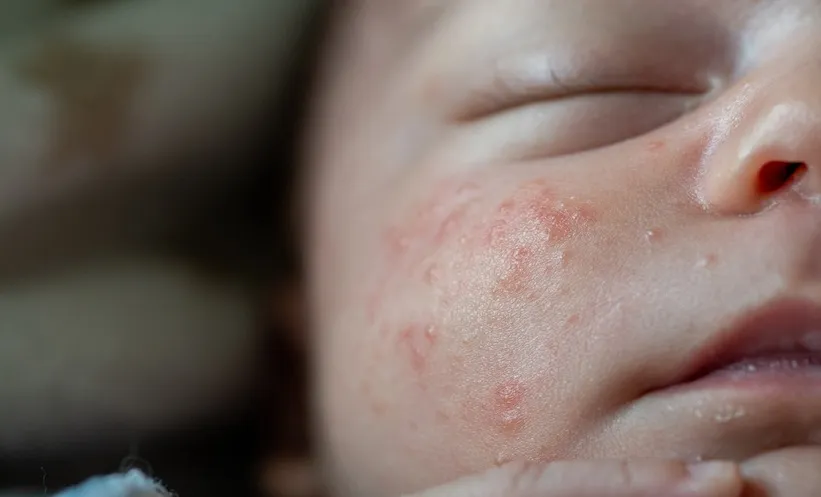
Early-Life Factors May Predict Eczema Risk in Infants - EMJ
EARLY-LIFE clinical characteristics could help identify infants at increased risk of developing atopic dermatitis (AD), according to findings from a prospective cohort study involving 671 children. Researchers developed two prediction models using demographic and clinical information collected during early infancy. Both demonstrated moderate predictive performance, highlighting the potential for early risk assessment to support preventive counselling and monitoring during the first 2 years of life.
EMJ·
Health
FAQ: Ebola Prevention, Treatment and the Chances of a US Outbreak - Contagion Live
News|Articles|October 17, 2026 As the Bundibugyo virus outbreak in the Democratic Republic of the Congo surpasses 9300 confirmed cases and 4400 deaths, this FAQ explains how the virus spreads, how it presents, why it is hard to diagnose and treat, which vaccines and therapies are being tested, and why CDC considers the risk to the United States low. On May 15, 2026, the Democratic Republic of the Congo (DRC) Ministry of Public Health declared an outbreak of Ebola disease caused by Bundibugyo virus (species Orthoebolavirus bundibugyoense), with transmission initially centered in Ituri province in the country's northeast.1 Five months later, the Centers for Disease Control and Prevention (CDC) reports 9300 confirmed cases and 4481 confirmed deaths as of October 14, nearly all of them in the DRC, where cases have now been confirmed in Bas-Uele, Haut-Uele, Ituri, North Kivu, South Kivu, Sud-Ubangi, and Tshopo provinces. According to the agency, the outbreak is spreading substantially faster than previous Ebola outbreaks and is now the second-largest on record.
Contagion Live·

Health
Durham University superbug study to look at river pollution link - BBC
Just nowFederica BedendoNorth East and CumbriaDurham UniversityA team from Durham University will look at the link between pollution and superbugsResearchers will be analysing rivers in north-east England as part of a study into the link between pollution and superbugs. A team from Durham University has joined a project looking at how metals, sewage and other pollutants interact in rivers and if this encourages the evolution of drug-resistant bacteria, known as superbugs. Superbugs become resistant to antibiotics, making infections harder to treat. The team will use advanced genetic techniques to study how pollution affects them. One of the team leaders Professor David Graham, who is an expert in antimicrobial resistance, said it would help understand how to reduce risks around superbugs. Rivers in the North East and India will be studied as part of the 10-year project, which is led by Imperial College London and funded by the UK government. Graham said: "People do not always see the connection between a polluted river and a drug-resistant infection in a hospital, so this project brings environmental and medical research together.
BBC·

Health
HPV Self-Sampling May Improve Cervical Screening Access - EMJ
HUMAN papillomavirus (HPV) self-sampling could offer a promising approach to improving cervical cancer screening access among socially vulnerable migrant women, according to a mixed-methods study conducted in Portugal. Researchers found high levels of acceptability among women participating in a community-based HPV self-sampling intervention, with significant improvements in perceived comfort, confidence, and trust following the experience. The findings suggest that culturally adapted screening approaches delivered through trusted community organisations could help address persistent inequalities in cervical cancer prevention.
EMJ·
Health
Artificial intelligence-based prediction of hepatocellular carcinoma in individuals without HBV or HCV infection in the MASLD era - Nature
We’re sharing this article early to provide faster access to peer-reviewed, accepted research. It is citable and carries a permanent DOI. This version is subject to further edits and will be replaced automatically by the final Version of Record. All legal disclaimers apply. AbstractCurrent surveillance guidelines for hepatocellular carcinoma (HCC) primarily target individuals with liver cirrhosis or viral hepatitis. We developed an artificial intelligence (AI)-based model to predict HCC risk in individuals without viral hepatitis. Using the South Korean National Health Insurance Service database, we analyzed 7,961,075 individuals aged 20–79 years who underwent health screening in 2017 and were followed through 2023. Twelve AI models were compared. The best-performing model was retrained and evaluated in an unmatched validation cohort reflecting the original HCC prevalence and an independent non-selected validation cohort.
Nature·
Health
Developing and benchmarking one health genomic surveillance tools for influenza A virus in wastewater - Nature
We’re sharing this article early to provide faster access to peer-reviewed, accepted research. It is citable and carries a permanent DOI. This version is subject to further edits and will be replaced automatically by the final Version of Record. All legal disclaimers apply. AbstractInfluenza A viruses (IAV) remain a persistent One Health threat, and whole-genome sequencing from wastewater offers a promising surveillance tool. However, IAV is at low abundance in wastewater, making it difficult to sequence. We benchmark four targeted enrichment methods suited for multi-subtype whole-genome IAV sequencing including custom and off-the-shelf methods. Our custom HA tiled-amplicon panel is sensitive, fast, and cost-effective, making it suitable for monitoring low-abundance seasonal variants of known subtypes, although its reliance on conserved and intact primer-binding sites limits primer design to fewer subtypes. A published universal amplicon method targets all IAV subtypes but performs poorly in wastewater due to its reliance on intact genome segments. Meanwhile, probe-capture methods are resilient to RNA degradation.
Nature·
Health
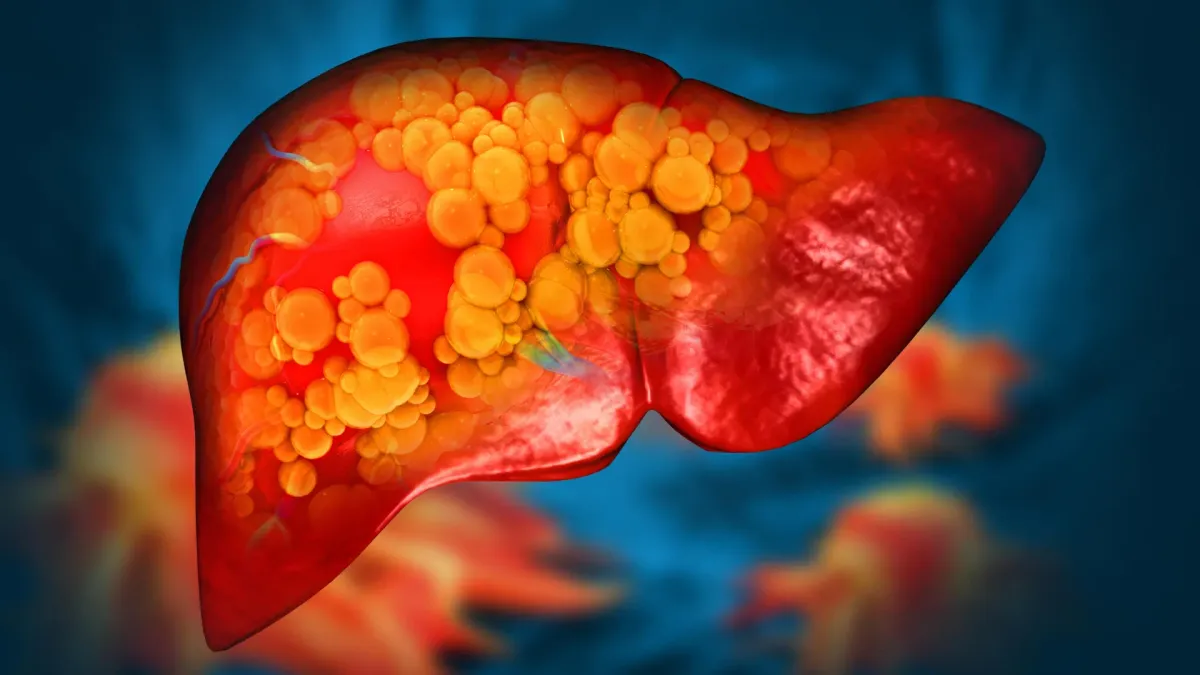
New drug reverses severe fatty liver disease by repairing the gut - Science Daily
An experimental drug developed at Michigan Medicine has reversed a serious form of fatty liver disease in animal studies by targeting an unexpected source of liver damage: the gut. The compound, known as DT-109, works by reducing harmful gut bacteria, protecting the intestinal lining, and preventing inflammatory substances from reaching the liver. According to findings published in The Journal of Clinical Investigation, this approach successfully reversed metabolic dysfunction-associated steatohepatitis (MASH) in animal models, offering a promising new strategy for treating a disease that remains difficult to manage.
Science Daily·
Health
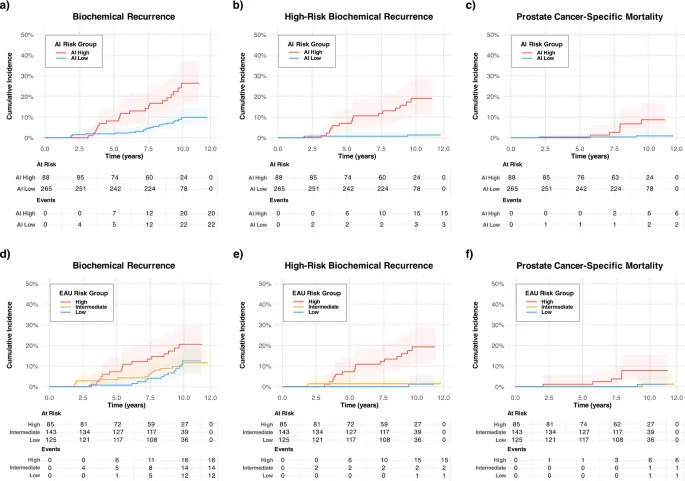
Multimodal AI refines EAU risk stratification in patients undergoing radiotherapy for prostate cancer - Nature
IntroductionRisk stratification before definitive treatment is fundamental to prostate cancer management, guiding treatment intensity and patient counseling. The European Association of Urology (EAU) risk classification system, based on prostate-specific antigen (PSA), International Society of Urological Pathology (ISUP) grade group, and clinical stage, remains the cornerstone for treatment decision-making in patients undergoing radiotherapy (RT)1. Despite their clinical utility, outcome heterogeneity remains substantial. In a Swedish population-based cohort of patients treated with RT, the 15-year cumulative incidence of biochemical recurrence (BCR) ranged from 18% in EAU low-risk disease to 36% in EAU high-risk disease, indicating that currently used categories do not fully capture individual prognosis2. Improving pre-treatment prognostic stratification may therefore help identify clinically distinct subgroups within established categories.
Nature·