BBlogFlow

Categories

Health

5155 articles

Health

New drug reverses severe fatty liver disease by repairing the gut - Science Daily

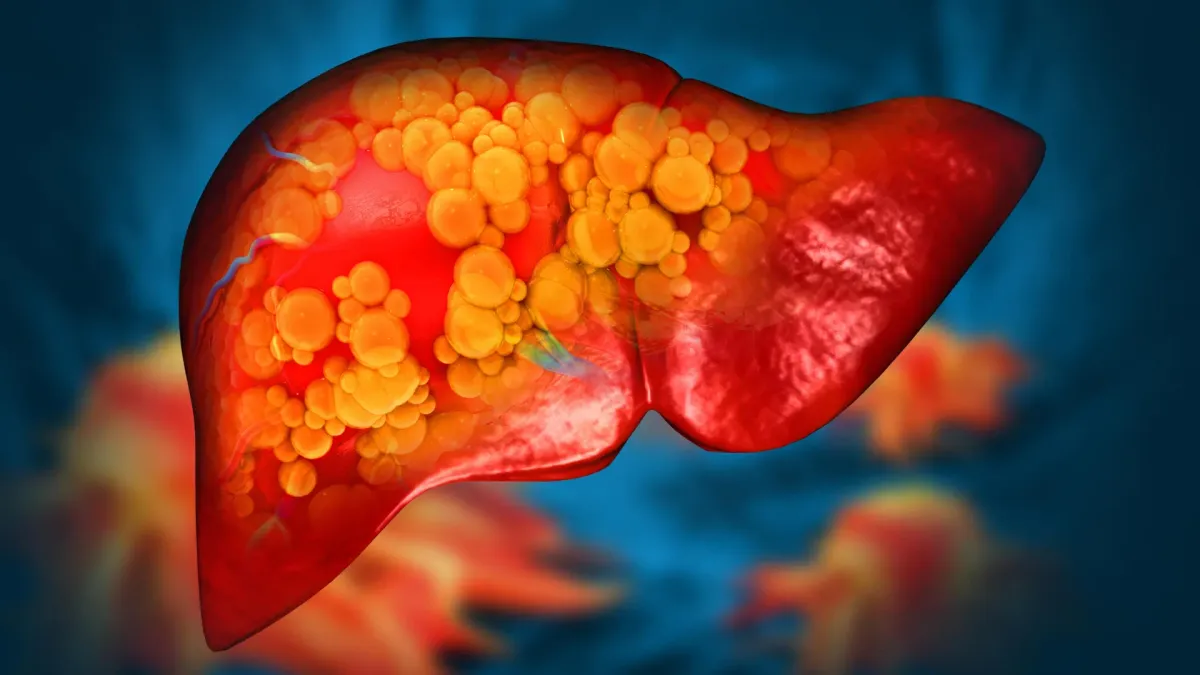
An experimental drug developed at Michigan Medicine has reversed a serious form of fatty liver disease in animal studies by targeting an unexpected source of liver damage: the gut. The compound, known as DT-109, works by reducing harmful gut bacteria, protecting the intestinal lining, and preventing inflammatory substances from reaching the liver. According to findings published in The Journal of Clinical Investigation, this approach successfully reversed metabolic dysfunction-associated steatohepatitis (MASH) in animal models, offering a promising new strategy for treating a disease that remains difficult to manage.

Science Daily·
Health

Multimodal AI refines EAU risk stratification in patients undergoing radiotherapy for prostate cancer - Nature

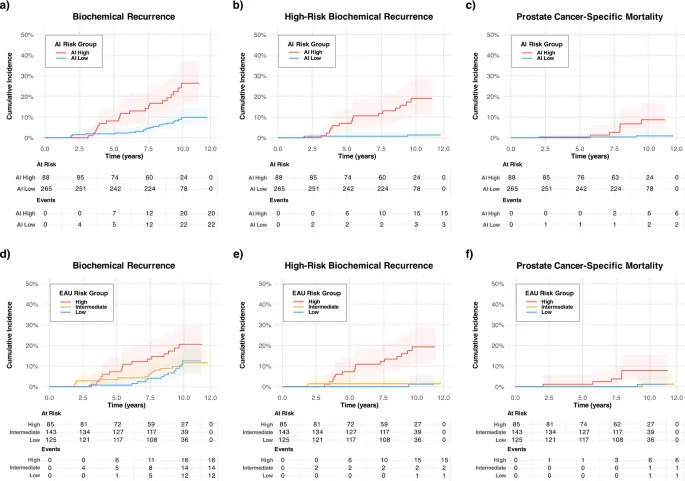
IntroductionRisk stratification before definitive treatment is fundamental to prostate cancer management, guiding treatment intensity and patient counseling. The European Association of Urology (EAU) risk classification system, based on prostate-specific antigen (PSA), International Society of Urological Pathology (ISUP) grade group, and clinical stage, remains the cornerstone for treatment decision-making in patients undergoing radiotherapy (RT)1. Despite their clinical utility, outcome heterogeneity remains substantial. In a Swedish population-based cohort of patients treated with RT, the 15-year cumulative incidence of biochemical recurrence (BCR) ranged from 18% in EAU low-risk disease to 36% in EAU high-risk disease, indicating that currently used categories do not fully capture individual prognosis2. Improving pre-treatment prognostic stratification may therefore help identify clinically distinct subgroups within established categories.

Nature·
Health

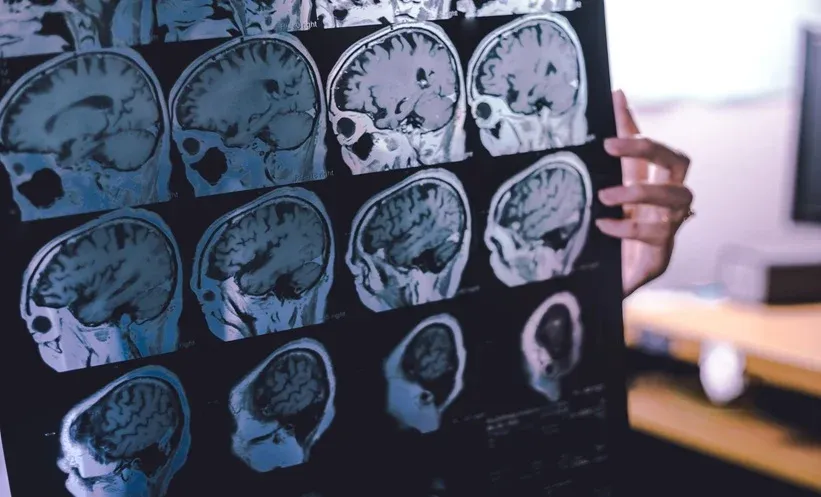
Brain cells meant to protect us may be fueling cognitive decline - Science Daily

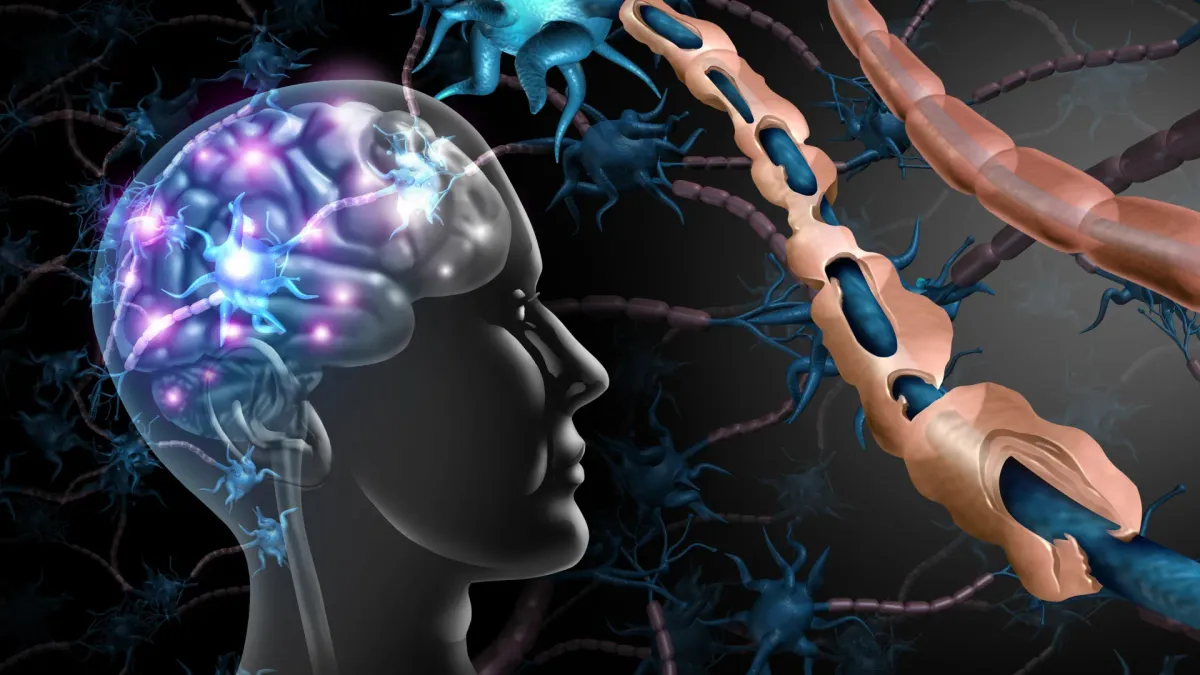
Brain cells that normally help protect the brain may play an unexpected role in cognitive decline as we grow older. Scientists have discovered that cells responsible for maintaining the protective coating around nerve fibers can become dysfunctional with age, potentially contributing to the gradual loss of memory and thinking abilities. The research, published in Nature Medicine, challenges the long-held belief that these cells are always beneficial. By examining human brain tissue and conducting experiments in mice, researchers found evidence that problems with these normally supportive cells can damage nerve fibers and interfere with cognitive function.

Science Daily·
Health

Brain cells meant to protect us may be fueling cognitive decline - Science Daily

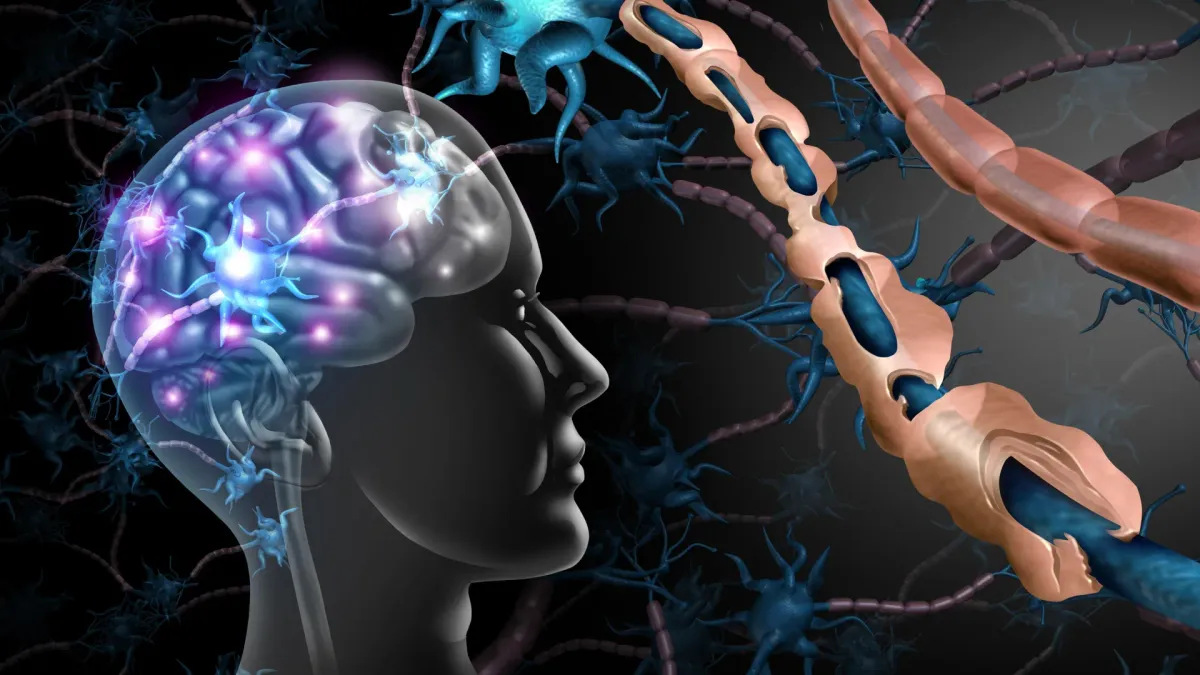
Brain cells that normally help protect the brain may play an unexpected role in cognitive decline as we grow older. Scientists have discovered that cells responsible for maintaining the protective coating around nerve fibers can become dysfunctional with age, potentially contributing to the gradual loss of memory and thinking abilities. The research, published in Nature Medicine, challenges the long-held belief that these cells are always beneficial. By examining human brain tissue and conducting experiments in mice, researchers found evidence that problems with these normally supportive cells can damage nerve fibers and interfere with cognitive function.

Science Daily·
Health

Alcohol Doesn't Just Affect Neurons – It Triggers Immune Cells to Destroy The Brain's Structural Matrix, Mouse Study Shows - ScienceAlert

It's well known that alcohol has profound consequences on the way the brain works, and research shows that even low levels of the drug can damage your brain. But how does alcohol actually cause brain damage at the cellular level? In a surprising discovery reported in Immunity, scientists found that alcohol doesn't just interact with neurons. New findings show the drug also affects immune cells in the brain called microglia, triggering them to dismantle the extracellular matrix that structurally supports brain cells. "For years, alcohol's effects on the brain were largely viewed through the lens of neurons, and for good reason: alcohol acts directly on neuronal receptors," says neuroscientist and senior author of the study Dimitrios Davalos from the Cleveland Clinic. "By following microglia in real time, we were able to see that they aren't simply responding to damage. They drive the detrimental changes alcohol causes in the brain. "Experiments showing how alcohol use negatively affects the brain's microglia immune cells over time.

ScienceAlert·
Health

Anesthesia choice makes no difference for patient recovery after major surgery, landmark UK trial finds - Medical Xpress

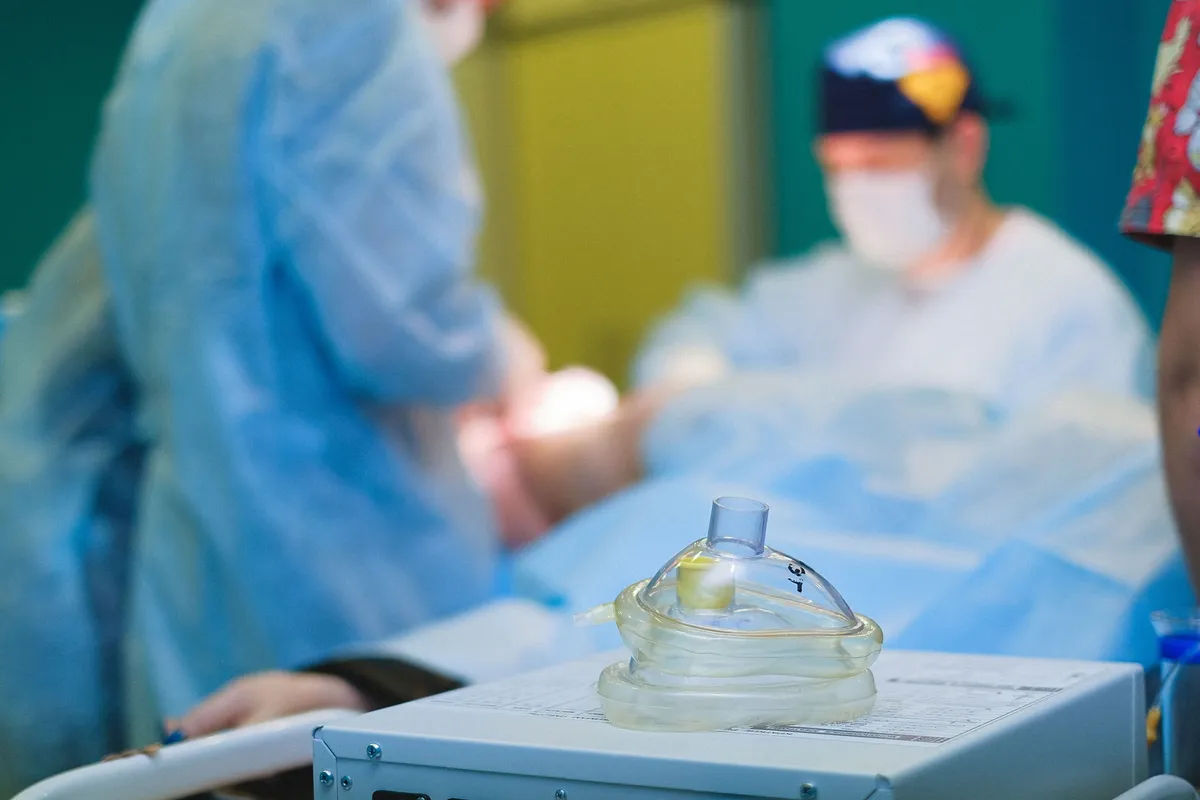
Choice of general anesthetic for major surgery can continue to be based on patient and clinician preference, according to the largest-ever trial comparing the two main techniques used in the NHS. The VITAL trial, led by the University of Warwick and The Royal Marsden NHS Foundation Trust, involved 2,507 patients across 49 NHS hospitals and compared total intravenous anesthesia (TIVA), delivered through a continuous infusion of the drug propofol, with the more traditional method of using volatile anesthetic gases, such as sevoflurane or isoflurane, inhaled through a mask during surgery. The findings are published in the journal JAMA.

Medical Xpress·
Health

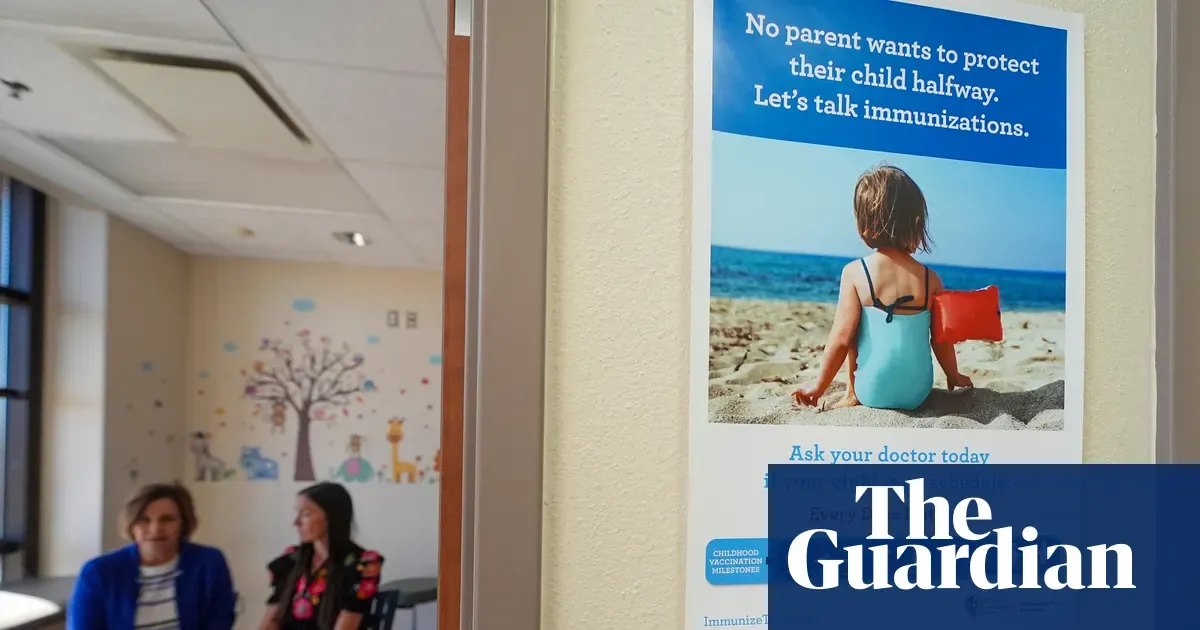
CDC to send ‘disease detective’ to help tackle Pennsylvania measles outbreak - The Guardian

The county at the center of Pennsylvania’s measles outbreak is at a clear disadvantage because, local officials say, it lacks its own health department and it will now get special assistance from the Centers for Disease Control and Prevention (CDC). As of Wednesday, Pennsylvania had confirmed 1,222 measles cases, up from 86 the week before. Six measles-associated deaths have also been confirmed by the state. The CDC announced on Thursday it would send a scientist – specifically, a “disease detective” – from the agency’s epidemic intelligence service to help tackle Pennsylvania’s growing outbreak. “CDC will continue working closely with Pennsylvania health officials to provide the expertise and support needed to respond to the outbreak and protect public health,” a CDC spokesperson told NBC News on Thursday. The spokesperson also added that the CDC director, Dr Erica Schwartz, recommends the MMR vaccine “as the most effective way to prevent measles and protect against infection”. The network also reported that in addition to the deployment of the “disease detective,” the CDC was releasing nearly $4m to aid the measles response efforts in Pennsylvania.

The Guardian·
Health

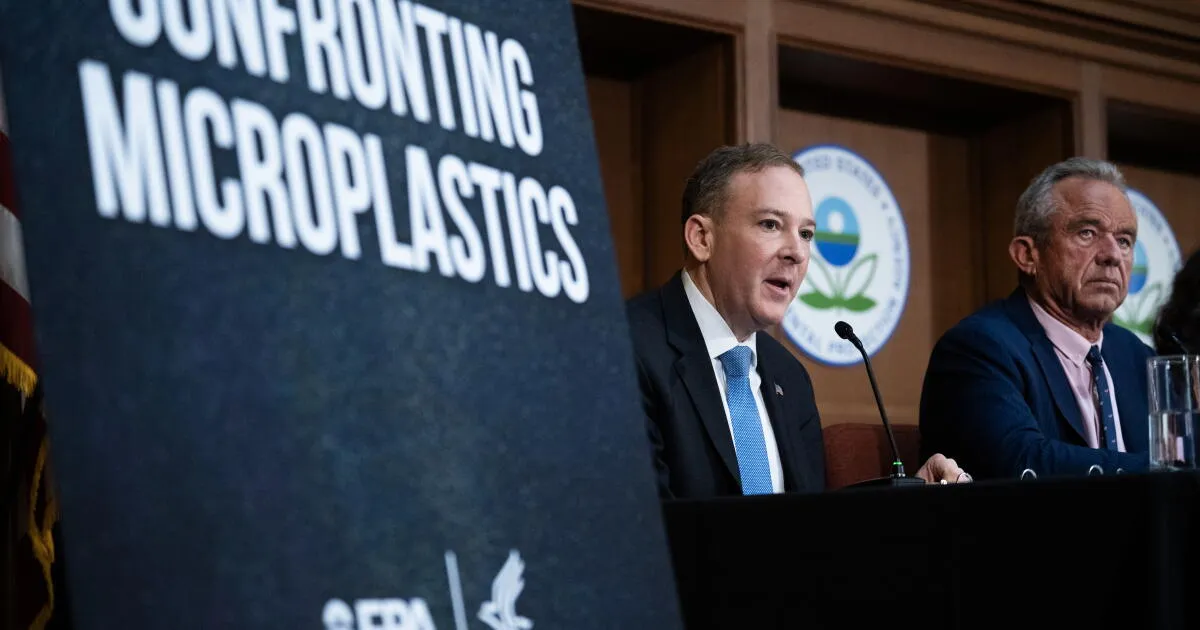
New research shows how microplastics and water interactions could lead to cell damage - Los Angeles Times

Scientists have found microplastics in virtually every part of the human body. Yet many questions remain about what exactly these infinitesimal flecks of synthetic polymers do to human health, and how they might cause disease. A new paper looking at the chemical reactions between water and disintegrating plastic offers a potential hypothesis for how microplastics might make us sick. Plastics were long thought to be chemically inert, meaning they don’t react easily with other compounds. It’s the reason they are often used for packaging, and why they so stubbornly resist biodegradation. But a Columbia University research team has found that when water molecules come into contact with plastic surfaces, a key chemical reaction does in fact take place. The meeting of water and plastic creates a third class of molecules called reactive oxygen species. ROS are a type of free radical, a broad term for one class of unstable, high-energy molecules. ROS are known to damage cells and promote inflammation. They “tend to damage nearby materials and molecules,” said Wei Min, a professor of chemistry and biomedical engineering at Columbia and co-author of the study.

Los Angeles Times·
Health

Subjective Cognitive Decline Linked to Dementia Biomarkers - EMJ

SUBJECTIVE COGNITIVE DECLINE was associated with a high burden of modifiable dementia risk factors, according to new real-world data from a Brain Health Service cohort. Researchers analysed baseline data from 186 consecutive individuals attending a Brain Health Service, including 132 individuals with subjective cognitive decline.

EMJ·
Health

Metabolic reprogramming of macrophage-specific transketolase orchestrates angiogenesis in diabetic wounds - Nature

We’re sharing this article early to provide faster access to peer-reviewed, accepted research. It is citable and carries a permanent DOI. This version is subject to further edits and will be replaced automatically by the final Version of Record. All legal disclaimers apply. AbstractDiabetic wound healing is profoundly impaired by macrophage metabolic dysfunction, which compromises angiogenesis. Here, we show a macrophage transketolase (TKT) as a crucial metabolic checkpoint governing vascular regeneration in diabetes. We demonstrate that loss of TKT in macrophages accelerates amino acid and fatty acid catabolism, elevates reactive oxygen species, and disrupts endothelial cell proliferation and differentiation. Mechanistically, hyperglycemia activates the AGEs-RAGE signaling cascade through suppressing TKT expression, establishing a pathological TKT-AGEs-RAGE axis that reprograms macrophage metabolism toward dysfunction. Then, we engineer a nanozyme-integrated hydrogel patch that selectively increases TKT level in macrophages, which rebalances macrophage metabolism, reduces oxidative stress, and rescues angiogenic capacity.

Nature·
Health

Mobile app monitoring may reduce serious complications after surgery, new study finds - Medical Xpress

Mobile app-based monitoring may help address the vulnerable days and weeks after surgery when recovery shifts from the hospital to home with little direct supervision. Patients using mobile apps had a lower risk of serious complications, emergency room visits and readmissions after surgery, but the benefits depended on physician or other clinician involvement, rather than the technology alone, according to research presented at the Anesthesiology 2026 annual meeting. "Just using an app may not make recovery safer," said Mouad Elganga, B. S., lead author of the study and a medical student at the Temerty Faculty of Medicine, University of Toronto.

Medical Xpress·