Brain cells meant to protect us may be fueling cognitive decline - Science Daily
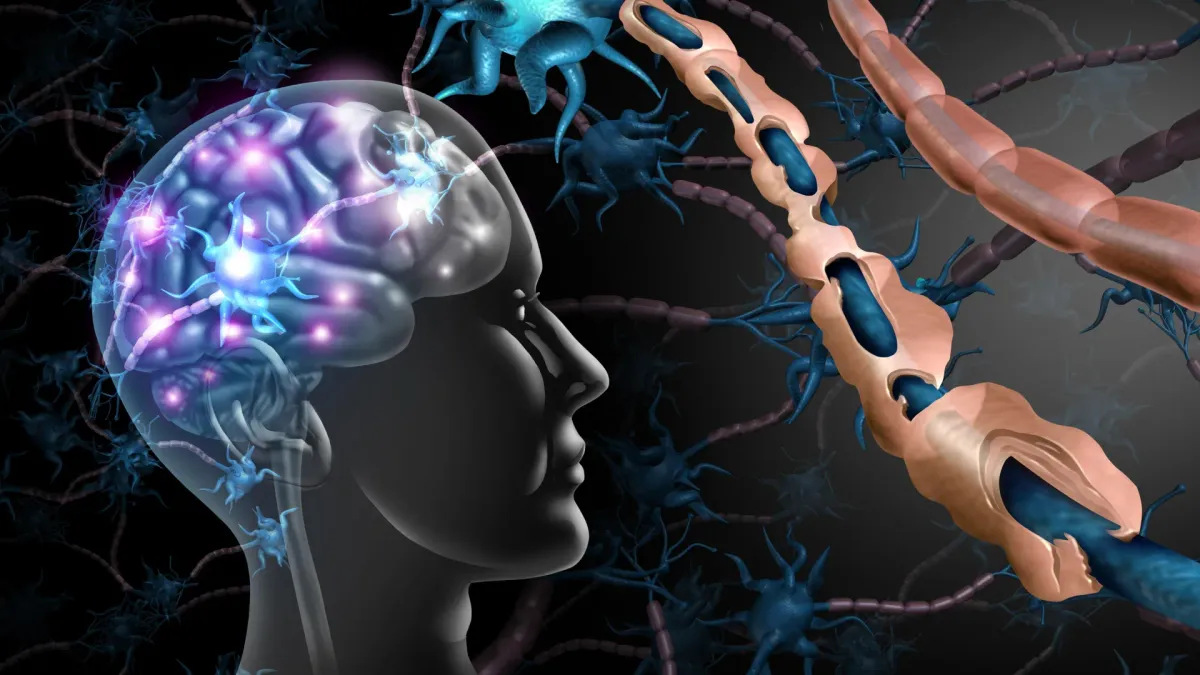
Brain cells that normally help protect the brain may play an unexpected role in cognitive decline as we grow older. Scientists have discovered that cells responsible for maintaining the protective coating around nerve fibers can become dysfunctional with age, potentially contributing to the gradual loss of memory and thinking abilities.
The research, published in Nature Medicine, challenges the long-held belief that these cells are always beneficial. By examining human brain tissue and conducting experiments in mice, researchers found evidence that problems with these normally supportive cells can damage nerve fibers and interfere with cognitive function.
This article is an excerpt. To read the full content, visit the original source. Science Daily
Related articles
Brain cells meant to protect us may be fueling cognitive decline - Science Daily
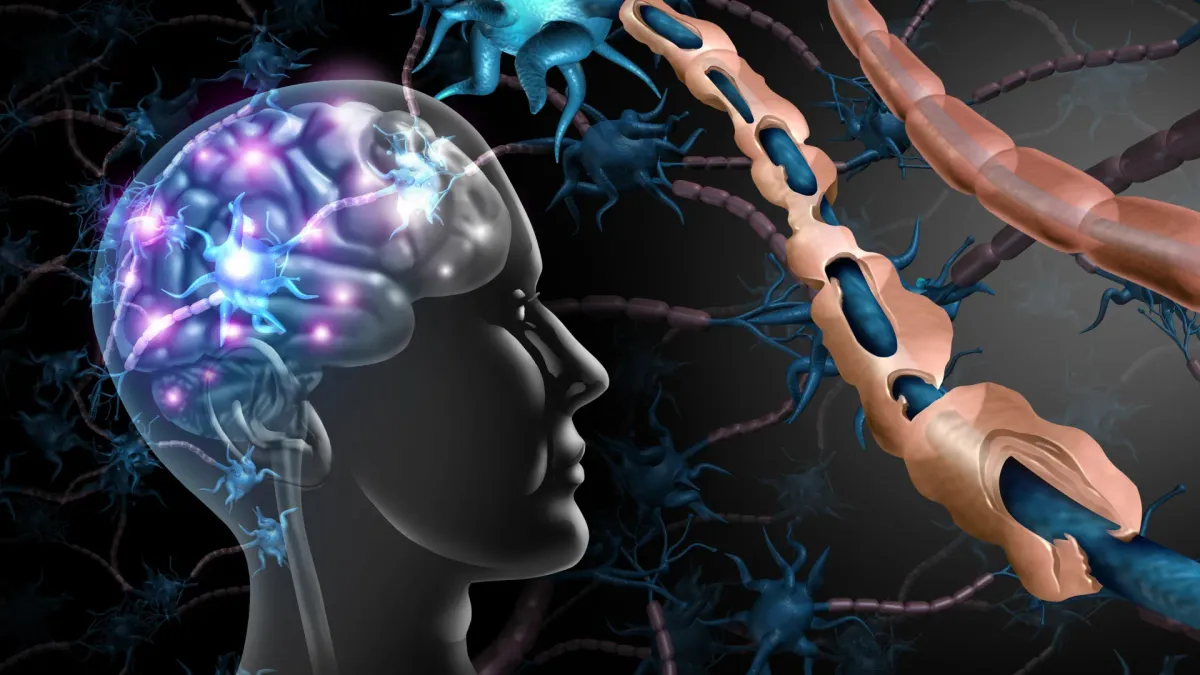
Brain cells that normally help protect the brain may play an unexpected role in cognitive decline as we grow older. Scientists have discovered that cells responsible for maintaining the protective coating around nerve fibers can become dysfunctional with age, potentially contributing to the gradual loss of memory and thinking abilities. The research, published in Nature Medicine, challenges the long-held belief that these cells are always beneficial. By examining human brain tissue and conducting experiments in mice, researchers found evidence that problems with these normally supportive cells can damage nerve fibers and interfere with cognitive function.
WOAH Warns of Sharp Rise in Vector-Borne Disease Reports - Vet Candy
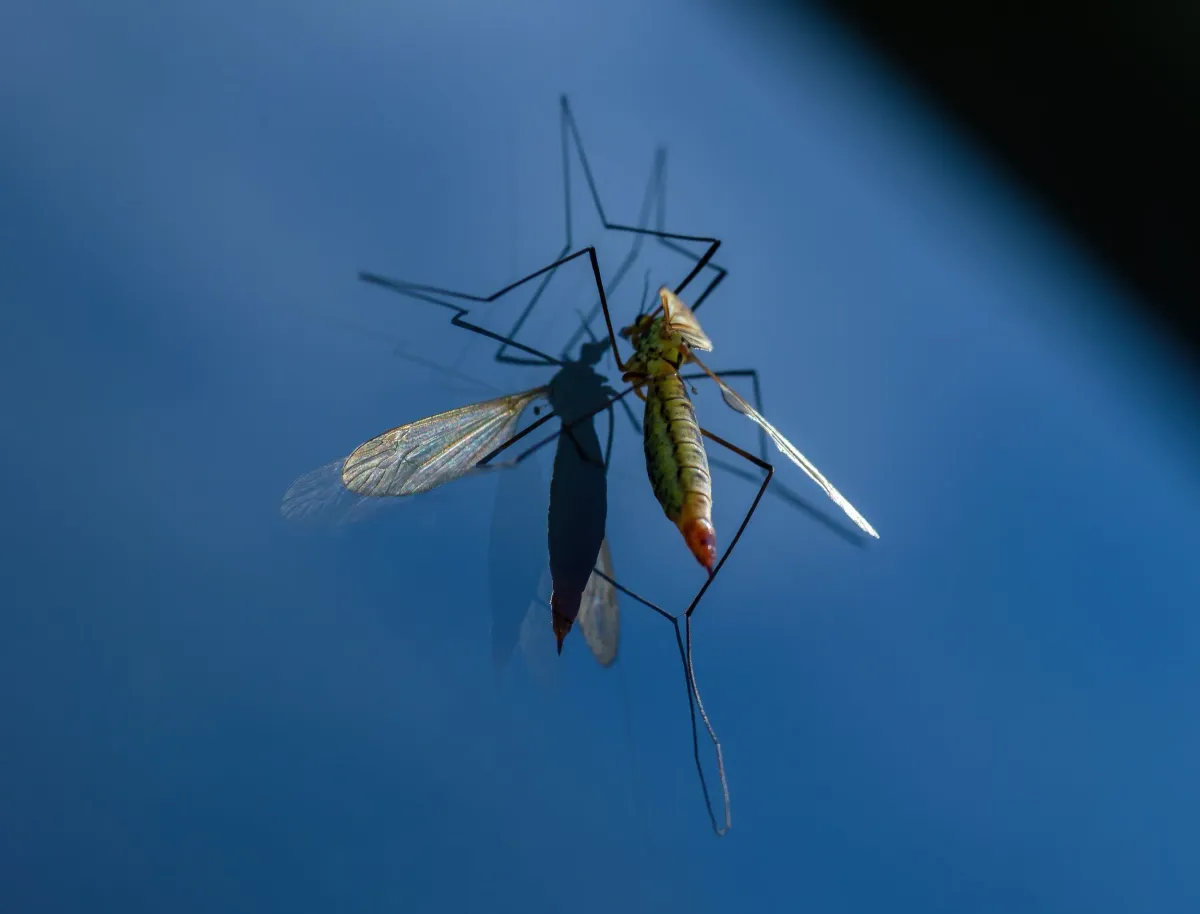
New global surveillance data reveal dramatic increases in reported bluetongue and West Nile fever events, raising concerns about climate change, expanding disease territories, and the future of animal health. The world's disease map is changing, and veterinarians are being urged to pay attention. From biting midges carrying bluetongue virus across Europe to mosquitoes spreading West Nile fever, vector-borne diseases are emerging in new regions, creating growing challenges for animal health professionals, livestock producers, and public health officials. The World Organisation for Animal Health (WOAH) issued a warning on October 9, 2026, calling for stronger disease surveillance, earlier detection, and better international cooperation as reports of several vector-borne diseases continue to climb. An analysis of information submitted through the World Animal Health Information System (WAHIS) reveals a particularly striking increase in reported exceptional epidemiological events since 2023. The findings suggest that shifting environmental conditions, changing vector populations, and animal movements are reshaping where certain infectious diseases can spread.
0 comments
No comments yet. Be the first to share your thoughts!