New drug reverses severe fatty liver disease by repairing the gut - Science Daily
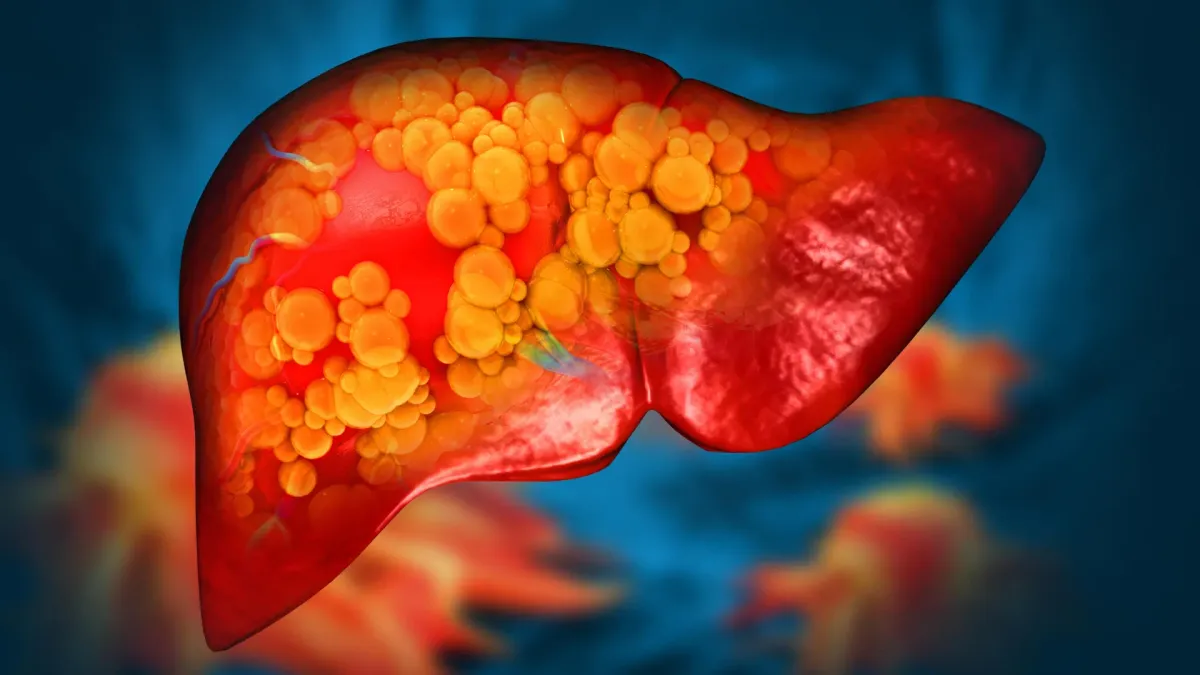
An experimental drug developed at Michigan Medicine has reversed a serious form of fatty liver disease in animal studies by targeting an unexpected source of liver damage: the gut.
The compound, known as DT-109, works by reducing harmful gut bacteria, protecting the intestinal lining, and preventing inflammatory substances from reaching the liver. According to findings published in The Journal of Clinical Investigation, this approach successfully reversed metabolic dysfunction-associated steatohepatitis (MASH) in animal models, offering a promising new strategy for treating a disease that remains difficult to manage.
This article is an excerpt. To read the full content, visit the original source. Science Daily
Related articles

Repairing Brexit economic damage should be Burnham’s top priority, business chief says - The Guardian
Repairing the economic damage of Brexit should be the top priority for Andy Burnham as he reconsiders Labour’s red lines on EU membership, the head of one of Britain’s leading business groups has said. Shevaun Haviland, the director general of the British Chambers of Commerce (BCC), said she welcomed the prime minister reopening the Brexit battle lines despite the uncertainty it could create, arguing that the UK’s current trading relationship with the EU was bad for business. “We do think it’s right, because of what we know from the evidence of how businesses feel it’s not working,” she said. Highlighting the continuing economic hit from Brexit, Haviland said more than half of bosses surveyed by the business lobby group believed the deal negotiated by Boris Johnson’s government and enacted in 2021 was not helping them. “We expected it to be very difficult at the beginning, when [companies] were getting used to the new rules, and then it would sort of get easier as it went to along. But actually, that has not happened,” she said.
This protective enzyme could help stop fatty liver disease from getting worse - Science Daily
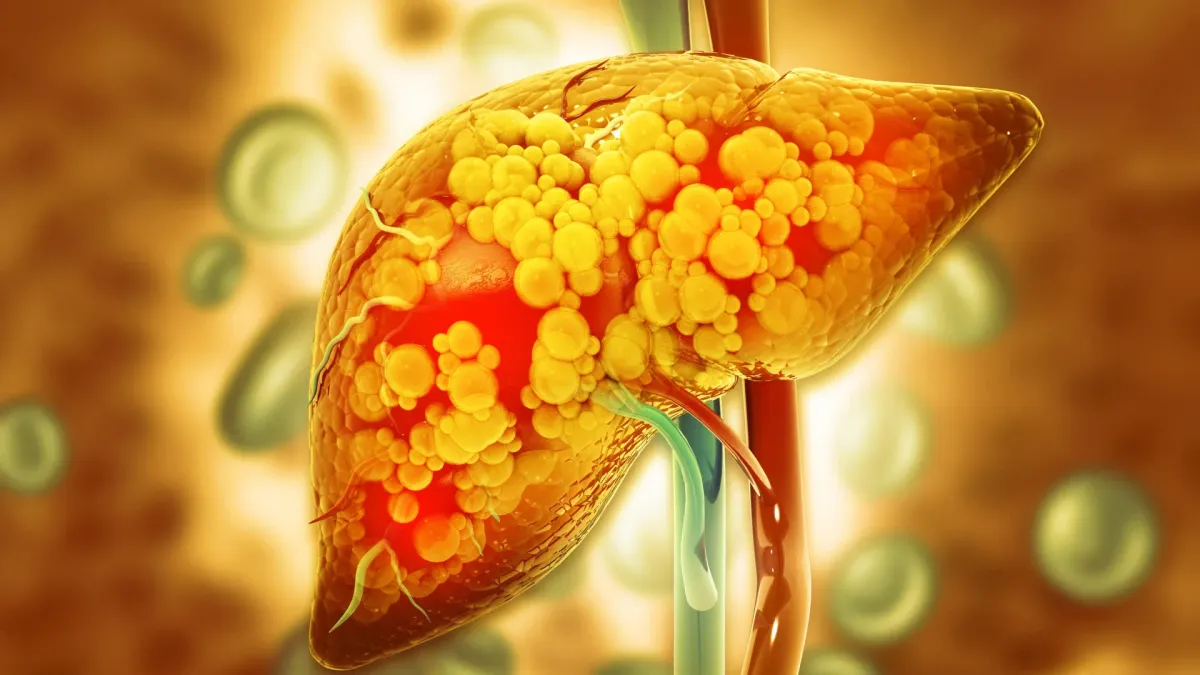
Researchers co-led by Cedars-Sinai Health Sciences University have identified an enzyme that may help protect the liver from the damage that can occur as the most common form of liver disease becomes more severe. The findings, from a preclinical study published in Nature Metabolism, could eventually support new strategies for preventing serious liver injury and progression toward liver failure. An estimated 100 million people in the U. S. have metabolic dysfunction-associated steatotic liver disease (MASLD), formerly called nonalcoholic fatty liver disease, according to the American Liver Foundation. Roughly 20% to 25% of those affected go on to develop metabolic dysfunction-associated steatohepatitis (MASH), a more serious form of the condition in which excess liver fat is accompanied by inflammation, cell injury and scarring.

WOAH Warns of Sharp Rise in Vector-Borne Disease Reports - Vet Candy
New global surveillance data reveal dramatic increases in reported bluetongue and West Nile fever events, raising concerns about climate change, expanding disease territories, and the future of animal health. The world's disease map is changing, and veterinarians are being urged to pay attention. From biting midges carrying bluetongue virus across Europe to mosquitoes spreading West Nile fever, vector-borne diseases are emerging in new regions, creating growing challenges for animal health professionals, livestock producers, and public health officials. The World Organisation for Animal Health (WOAH) issued a warning on October 9, 2026, calling for stronger disease surveillance, earlier detection, and better international cooperation as reports of several vector-borne diseases continue to climb. An analysis of information submitted through the World Animal Health Information System (WAHIS) reveals a particularly striking increase in reported exceptional epidemiological events since 2023. The findings suggest that shifting environmental conditions, changing vector populations, and animal movements are reshaping where certain infectious diseases can spread.
0 comments
No comments yet. Be the first to share your thoughts!