FAQ: Ebola Prevention, Treatment and the Chances of a US Outbreak - Contagion Live
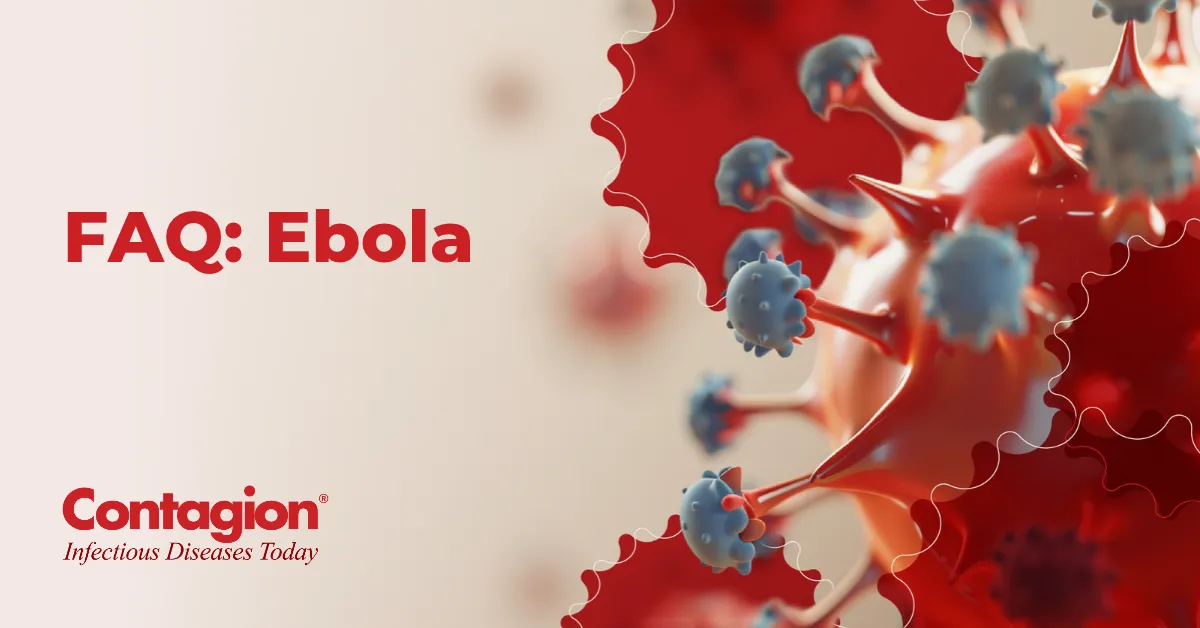
News|Articles|October 17, 2026 As the Bundibugyo virus outbreak in the Democratic Republic of the Congo surpasses 9300 confirmed cases and 4400 deaths, this FAQ explains how the virus spreads, how it presents, why it is hard to diagnose and treat, which vaccines and therapies are being tested, and why CDC considers the risk to the United States low. On May 15, 2026, the Democratic Republic of the Congo (DRC) Ministry of Public Health declared an outbreak of Ebola disease caused by Bundibugyo virus (species Orthoebolavirus bundibugyoense), with transmission initially centered in Ituri province in the country's northeast.1 Five months later, the Centers for Disease Control and Prevention (CDC) reports 9300 confirmed cases and 4481 confirmed deaths as of October 14, nearly all of them in the DRC, where cases have now been confirmed in Bas-Uele, Haut-Uele, Ituri, North Kivu, South Kivu, Sud-Ubangi, and Tshopo provinces. According to the agency, the outbreak is spreading substantially faster than previous Ebola outbreaks and is now the second-largest on record.
This article is an excerpt. To read the full content, visit the original source. Contagion Live
Related articles

WOAH Warns of Sharp Rise in Vector-Borne Disease Reports - Vet Candy
New global surveillance data reveal dramatic increases in reported bluetongue and West Nile fever events, raising concerns about climate change, expanding disease territories, and the future of animal health. The world's disease map is changing, and veterinarians are being urged to pay attention. From biting midges carrying bluetongue virus across Europe to mosquitoes spreading West Nile fever, vector-borne diseases are emerging in new regions, creating growing challenges for animal health professionals, livestock producers, and public health officials. The World Organisation for Animal Health (WOAH) issued a warning on October 9, 2026, calling for stronger disease surveillance, earlier detection, and better international cooperation as reports of several vector-borne diseases continue to climb. An analysis of information submitted through the World Animal Health Information System (WAHIS) reveals a particularly striking increase in reported exceptional epidemiological events since 2023. The findings suggest that shifting environmental conditions, changing vector populations, and animal movements are reshaping where certain infectious diseases can spread.
Designing Clinical Trials for Real-World Access - Targeted Oncology
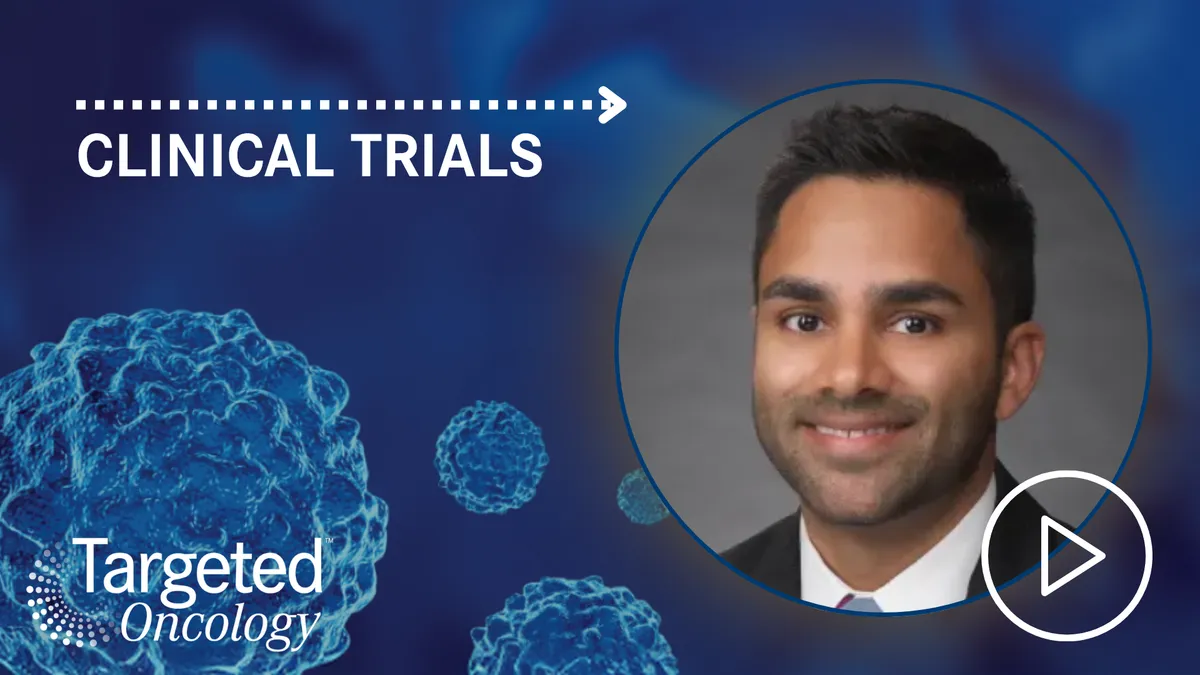
Rethink trial design with decentralized, community-based models to cut barriers, let patients enroll closer to home, and preserve high-quality safety data. Making clinical trials more accessible requires rethinking how studies are designed, supported, and conducted, particularly for patients receiving care in community settings. In an interview with Targeted Oncology, Krish Patel, MD, executive director of hematologic cancer research at Sarah Cannon Research Institute, discusses the role of trial sponsors, research organizations, community oncology sites, and regulatory agencies in reducing barriers to participation. Patel emphasizes that while community oncology sites may have varying capabilities, they care for a large proportion of patients who could benefit from clinical trial participation. He argues that stakeholders should reassess which traditional trial requirements are truly necessary to determine whether a therapy is safe and effective and which may create unnecessary barriers for patients and sites. One potential solution is greater use of decentralized trial models.
Radiation Omission in Favorable Breast Cancer Hinges on Endocrine Adherence - CancerNetwork
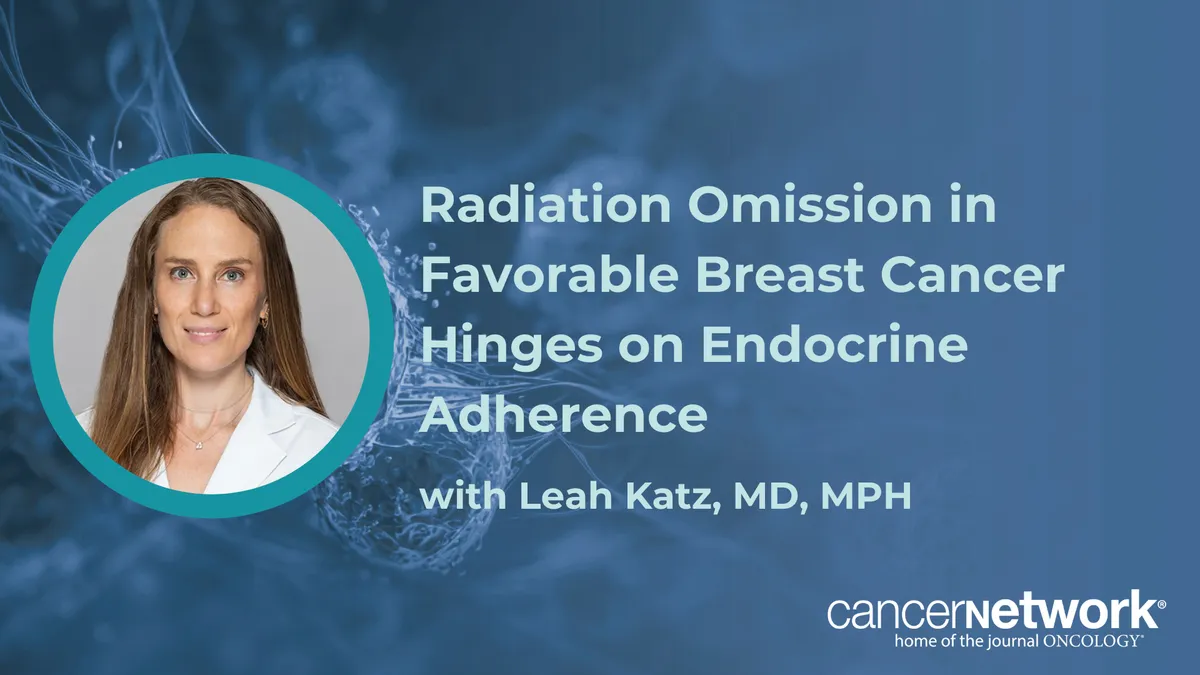
Leah Katz, MD, MPH, discusses long-term IDEA trial data on omitting radiation and why endocrine therapy tolerance matters in this decision. In an interview with CancerNetwork® at the 2026 American Society for Radiation Oncology (ASTRO) Annual Meeting, Leah Katz, MD, MPH, vice chair of Faculty Development and an attending radiation oncologist in the Department of Radiation Oncology at the University of Miami Leonard M. Miller School of Medicine, discussed long-term follow-up from the prospective, single-arm phase 2 IDEA trial (NCT02400190). Katz served as the discussant for the breast cancer Science Highlights session at the meeting. The trial enrolled 200 postmenopausal patients aged 50 to 69 years with biologically favorable, stage I, estrogen receptor–positive, HER2-negative breast cancer and a 21-gene recurrence score of 18 or lower who received endocrine therapy without radiotherapy after breast-conserving surgery. At a median follow-up of 7.93 years, freedom from recurrence was 99% at 5 years and 94% at 8 years, and most ipsilateral breast events occurred after 5 years.
0 comments
No comments yet. Be the first to share your thoughts!