BBlogFlow

Categories

Science

12533 articles

Science

Lamont Researchers Receive Major Earth Science Honors from the American Geophysical Union - Columbia University

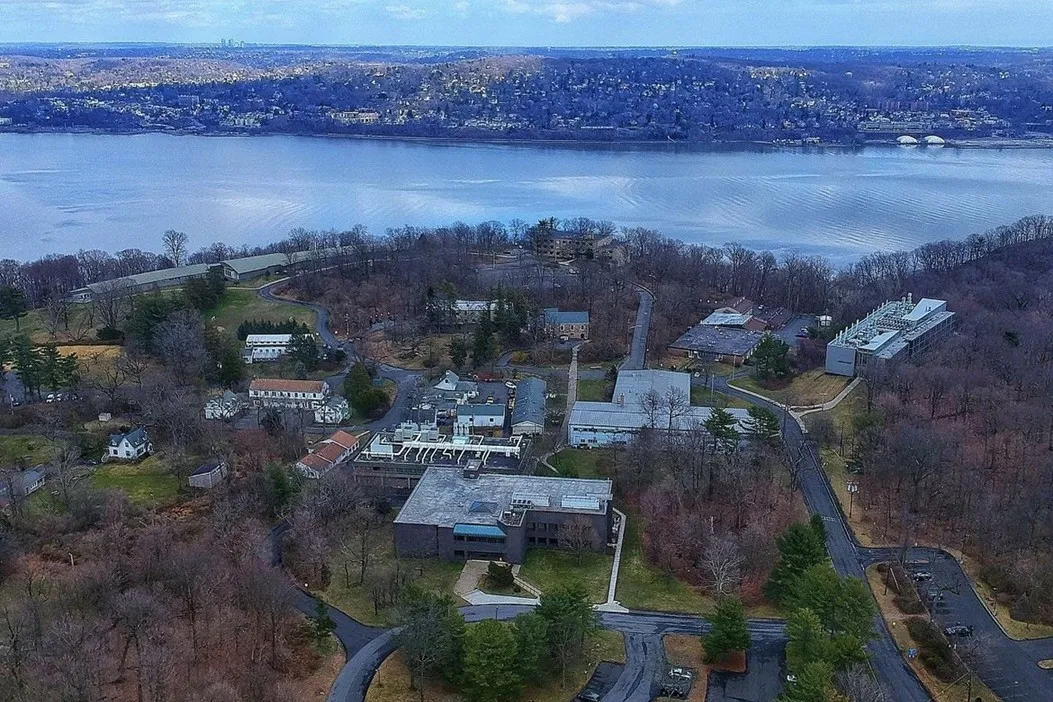
Five scientists affiliated with the Lamont-Doherty Earth Observatory have received major honors from the American Geophysical Union (AGU) this year, recognizing their contributions to our understanding of the structure of the ocean floor, deep Earth processes and sea-level change, dust and paleoclimate, the ocean carbon cycle, and the physics of Earth’s deep interior. AGU, one of the world’s largest organizations of Earth scientists, recognizes members each year for outstanding accomplishments in research, education, science communication and outreach. All five will be recognized at AGU26, the union’s annual meeting, Dec. 7–11 in San Francisco, with the honors ceremony on December 9. They join three Lamont colleagues who received major honors from other organizations earlier this year: Maureen Raymo (Nemmers Prize in Earth Science), Michael Kaplan (Guggenheim Fellowship) and Folarin Kolawole (awards from National Geographic, the Geological Society of America and the National Association of Black Geoscientists).

Columbia University·
Science

Einstein Probe reveals a hidden phase of neutron star collisions - Science Daily

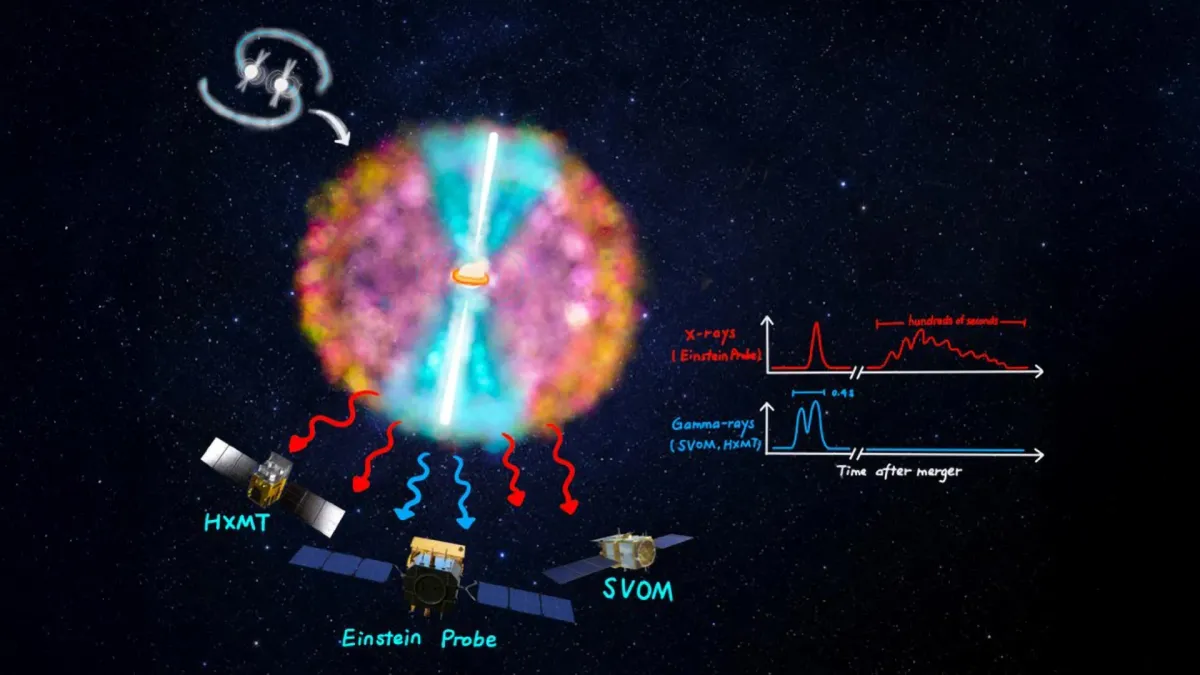
Short gamma-ray bursts, or short GRBs, are believed to occur when two compact objects, such as neutron stars, spiral toward one another before colliding and merging. These extraordinarily violent events produce gravitational waves and rank among the most powerful explosions in the Universe. For decades, astronomers have mainly detected these events through their gamma-ray flashes. Their earliest soft X-ray emission has been far more difficult to observe because most narrow-field X-ray telescopes depend on gamma-ray alerts to locate a burst before turning toward it. Einstein Probe's wide-field soft X-ray monitoring has now exposed this previously unseen stage, giving astronomers a direct look at the opening moments of a short GRB.

Science Daily·
Science

Scientists build a nuclear clock that could make atomic clocks obsolete - Science Daily

Scientists have reached a major milestone in the quest to build an entirely new kind of clock. After decades of research, a team in Vienna has developed the world's first self-stabilizing nuclear clock, a device that could eventually measure time with far greater precision than today's most advanced atomic clocks. Unlike earlier prototypes, the new nuclear clock can maintain its own stability without depending on a conventional atomic clock. Researchers have demonstrated that it can operate steadily for more than 24 hours without intervention.

Science Daily·
Science

Scientists created a tiny device that can control your nerves to treat chronic pain - Science Daily

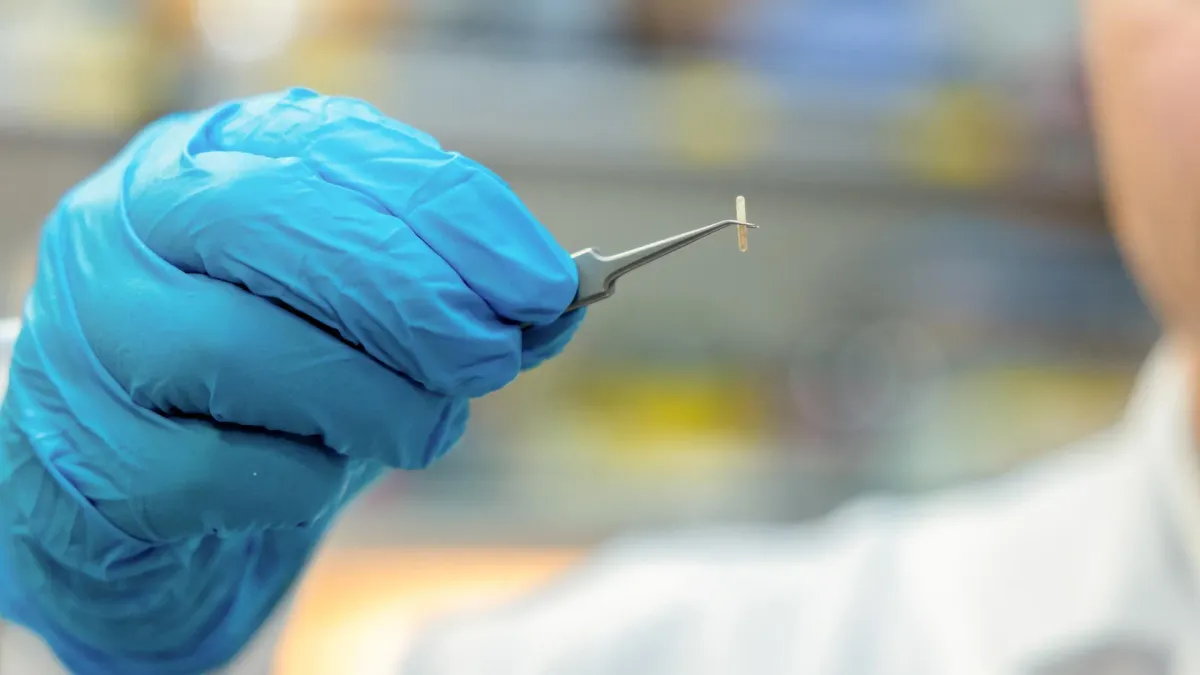
A miniature medical device small enough to be delivered through a standard needle could change how doctors treat chronic pain and movement disorders. Developed by scientists at NYU Abu Dhabi in partnership with Cleveland Clinic Abu Dhabi, the technology can regulate nerve activity without surgical implantation, batteries, or connecting wires. Roughly the size of a small seed, the device is injected into the body and positioned close to a specific nerve. Once in place, it sends carefully controlled electrical signals that alter the nerve's activity. Power is supplied wirelessly from outside the body, allowing doctors or patients to adjust the stimulation in real time.

Science Daily·
Science

Eating olive oil before carbs has a surprising effect on blood sugar - Science Daily

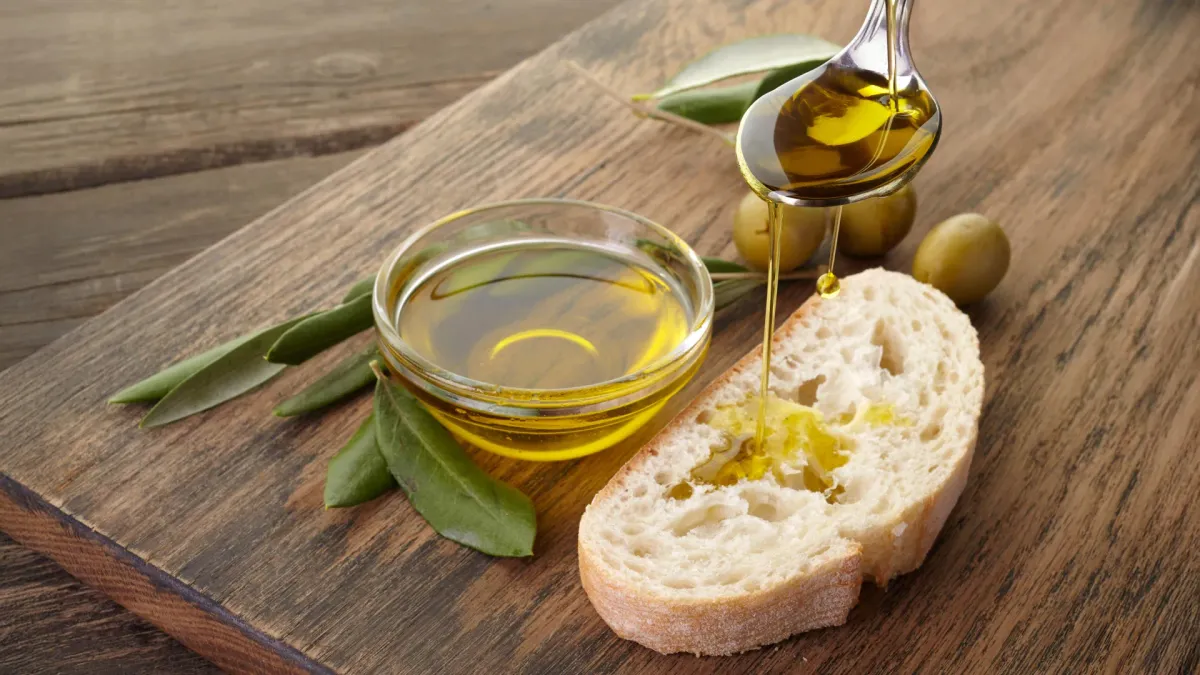
The order in which you eat different foods may have a surprising effect on blood sugar levels. Research in mice suggests that consuming fat before carbohydrates can reduce the sharp rise in blood sugar that typically follows a meal. The findings also reveal how hormones and nerve signals work together to influence this response. Keeping blood sugar from rising too high after eating is an important part of diabetes management. Previous clinical studies have shown that eating vegetables, protein, or fat before carbohydrates can help limit these increases. This suggests that changing the sequence of foods during a meal could offer a practical, sustainable way to improve blood sugar control without eliminating entire food groups.

Science Daily·
Science

New injection makes fat cells self-destruct - Science Daily

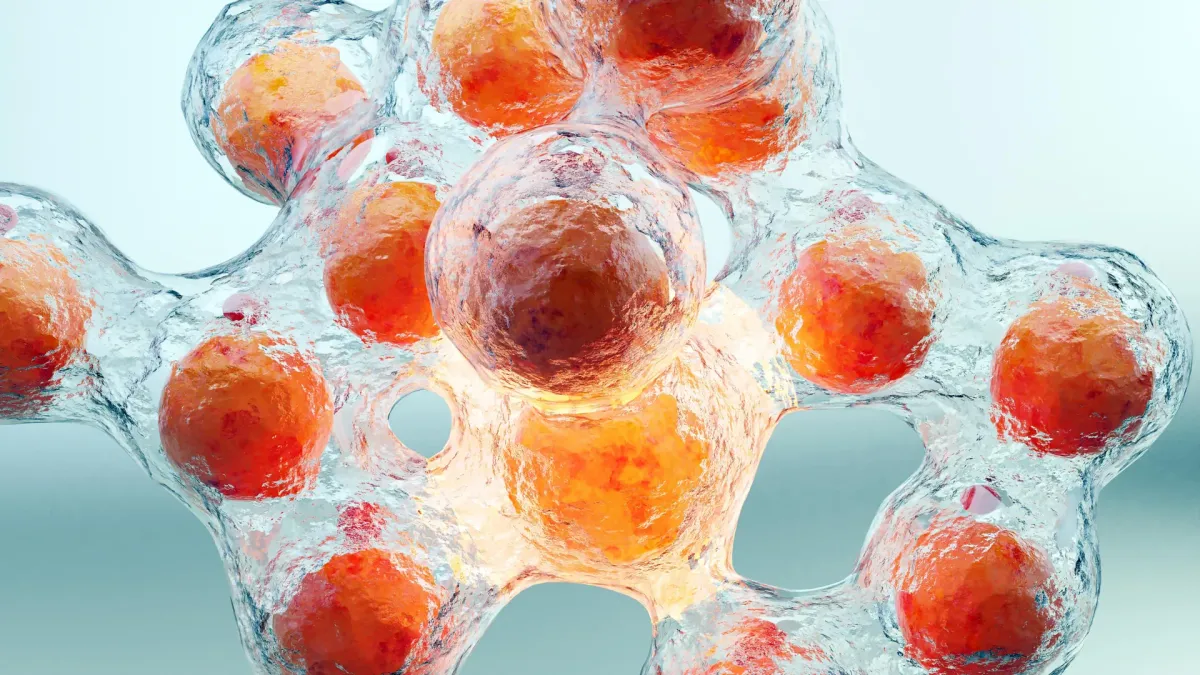
An experimental injection that causes fat cells to destroy themselves has shown promising results in early human trials, significantly reducing dangerous fat hidden deep inside the abdomen. Researchers believe the treatment could eventually offer a new way to combat obesity and potentially help people maintain weight loss after stopping popular weight loss medications. The drug, known as CBL-514, was highlighted at the annual meeting of the European Association for the Study of Diabetes (EASD) in Milan, Italy. Research indicates that it can reduce both subcutaneous fat, which sits directly beneath the skin, and visceral fat, which surrounds internal organs.

Science Daily·
Science

Richard Feynman’s 50-Year-Old 'Restaurant Problem' Finally Decoded. It Shows Why People Settle for Good Enough - ZME Science

Richard Feynman could turn almost anything into physics and math. Even lunch. One day in the late 1970s, the Nobel Prize-winning physicist sat in a Thai restaurant in Glendale, California, with his friend Ralph Leighton, who faced a familiar decision paralysis: order his regular beloved ginger chicken, or risk disappointment on something new that he had never tried but might turn out to be better.

ZME Science·
Science

Scientists may have found a shortcut to fusion energy - Science Daily

Scientists at the U. S. Department of Energy's (DOE) Princeton Plasma Physics Laboratory (PPPL) have identified a potentially much more efficient way to achieve fusion ignition, a major milestone in the pursuit of practical fusion energy. Their calculations suggest that changing the order in which plasma is heated and compressed could dramatically reduce the energy needed to reach a self-sustaining fusion reaction. For more than seven decades, fusion researchers have relied on a mathematical rule to determine whether plasma can remain sufficiently hot and dense, for a long enough period, to sustain fusion without additional external heating. Known as the Lawson criterion, this equation defines the conditions required for ignition. However, it does not explain the most efficient way to achieve them.

Science Daily·
Science

MIT astronomers catch a star in a feast that could last billions of years - Science Daily

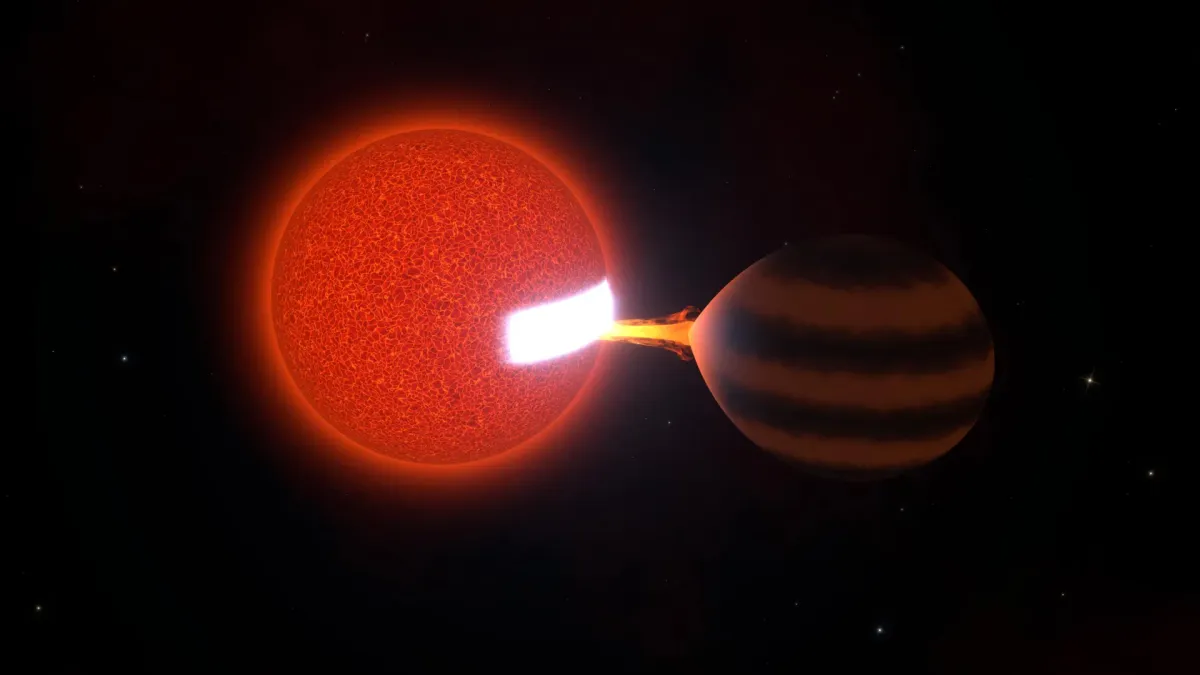
Astronomers have discovered an unusual star system about 300 light-years from Earth where a small star is gradually consuming a nearby brown dwarf. Instead of swallowing its companion in one dramatic event, the star is steadily pulling material from it, creating a cosmic feeding process that could continue for billions of years. Most planets, including Earth, travel around their stars in relatively stable orbits. But these peaceful arrangements can sometimes end violently. If a planet ventures too close to its host star, the star's gravity can drag it inward and eventually engulf it.

Science Daily·
Science

The eye has a hidden cleanup system scientists never knew existed - Science Daily

Scientists have uncovered a previously unknown cleanup system at the back of the eye, revealing a hidden route that allows fluid and waste to escape into the body's lymphatic system. The discovery challenges long-standing assumptions about how the eye functions and could eventually lead to new approaches for treating serious conditions that cause blindness. Glaucoma, age-related macular degeneration, and several other major causes of permanent vision loss are associated with the accumulation of fluid, metabolic waste, and inflammatory material in the back of the eye. Until now, researchers have struggled to explain exactly how this sensitive region removes unwanted substances.

Science Daily·
Science

Where the wild things are - University of Alberta

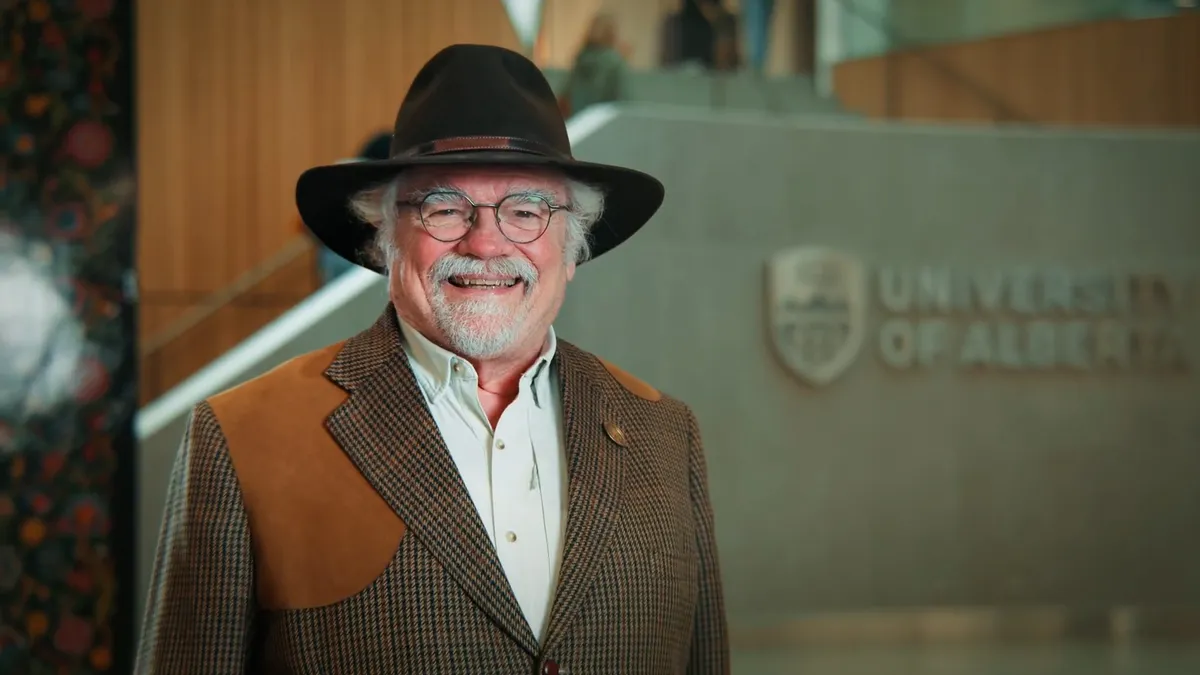
Deep in northwestern Alberta, a presentation to a classroom of school children in High Level by one of Dr. Mark Boyce's graduate students led to an unexpected breakthrough. Excited by the wolverine research they had just heard, the children brought the stories home to their parents — turning early community ambivalence into genuine engagement. Soon after, Elders from the Dene Tha' First Nation invited Boyce and his student to a fly-in retreat at Bistcho Lake. “It was to go fishing for a couple of days and meet with the Elders,” Boyce explains, noting that the meeting was also an opportunity to discuss how their project could align with local priorities and weave traditional knowledge into wildlife research. It marked a turning point in his relationship with Indigenous communities. The Dene Tha' offered to financially support student research while the local children actively participated in field preparation by helping to build traps.

University of Alberta·
Science

A plastic once thought harmless may be fueling fatty liver disease - Science Daily

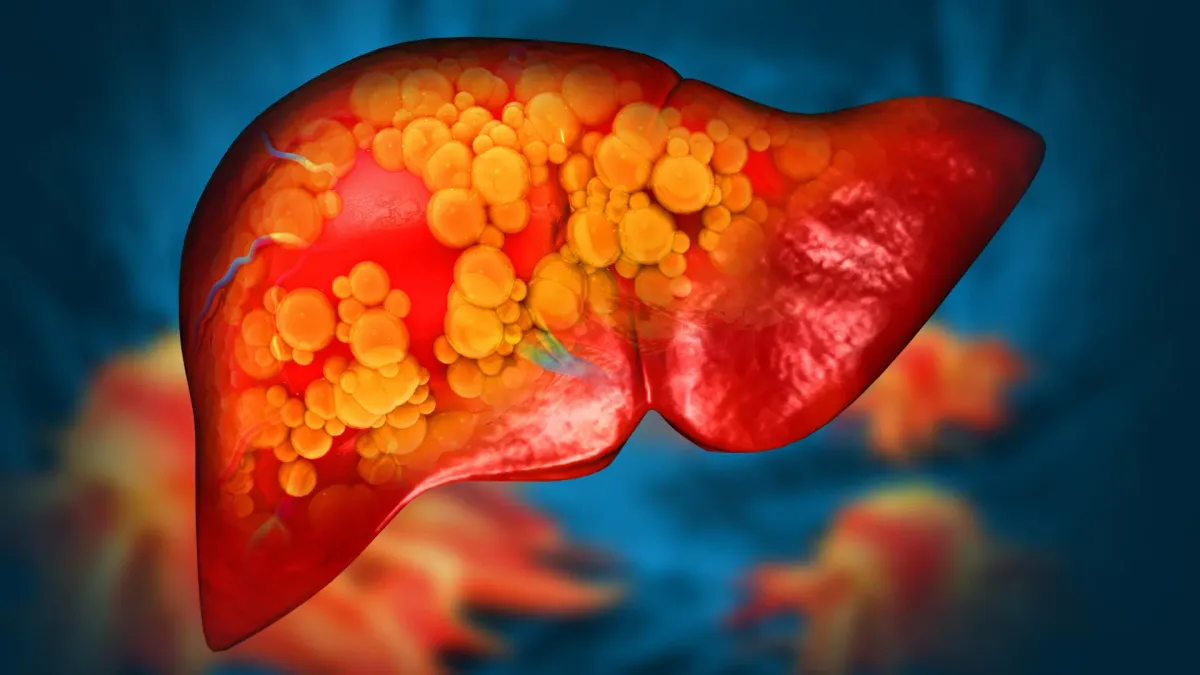
Microplastics have spread into nearly every corner of the environment. These tiny plastic particles have been found in ocean water, drinking water, and even inside the human body. Although their presence is well documented, scientists are still working to understand what prolonged exposure could mean for human health. Researchers at the Texas A&M College of Veterinary Medicine and Biomedical Sciences (VMBS) have now identified a potential health concern involving polyethylene, one of the most widely used plastics in the world. Their findings suggest that polyethylene microplastics may contribute to fatty liver disease, particularly when exposure occurs alongside an unhealthy diet.

Science Daily·
Science

Arctic Sea Ice Shrinks to Its 2026 Minimum - NASA Science (.gov)

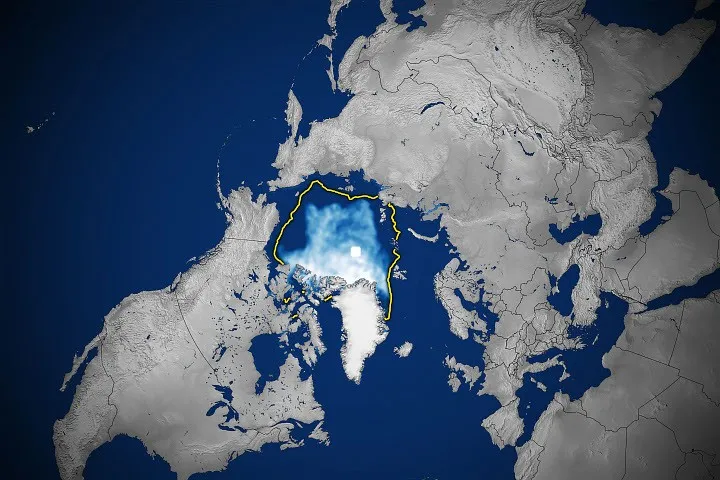
This story is an update to the Arctic sea ice feature in our World of Change series, which tracks long-term change on Earth's surface through satellite imagery. A layer of frozen seawater caps the Arctic Ocean. This sea ice grows through the long polar winter, usually peaking in March, then melts through the summer to its annual low in September. It is a natural fluctuation that has persisted for millennia. But satellite records show the ice now covers less of the Arctic Ocean at its annual maximum and minimum than it did a few decades ago.

NASA Science (.gov)·
Science

Children's Day will feature Science in the Park, Disquinho Voador and free attractions at Vale's parks - www.vale.com

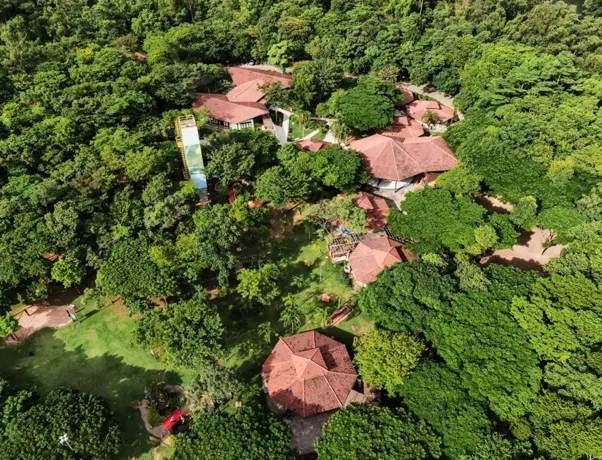
Parque Botânico Vale and Parque Costeiro host activities combining leisure, science, culture and environmental education throughout the week. Parque Botânico Vale – Credit: Vitor NogueiraVitória (ES), October 2026 – Vale's parks in Espírito Santo have prepared a free program to celebrate Children's Day. Among the highlights, Parque Botânico Vale will stay open late for a night of science and astronomy and, the following day, will host Disquinho Voador, the children's version of the traditional Baile Disco Voador (Flying Saucer Dance). Parque Costeiro will also offer special activities, including an educational experience about marine biodiversity. At Parque Botânico Vale, the program takes place on October 10 and 11. Activities include storytelling, sports games, face painting, circus arts and music. The main highlight will be the park's night opening on Saturday (10), when the amphitheater will host Noites Quânticas – Ciência no Parque (Quantum Nights – Science in the Park), produced by Lumiar Ambiental and led by science communicator Walter Có, who invites the public to explore science and astronomy topics in an interactive outdoor experience.

www.vale.com·
Science

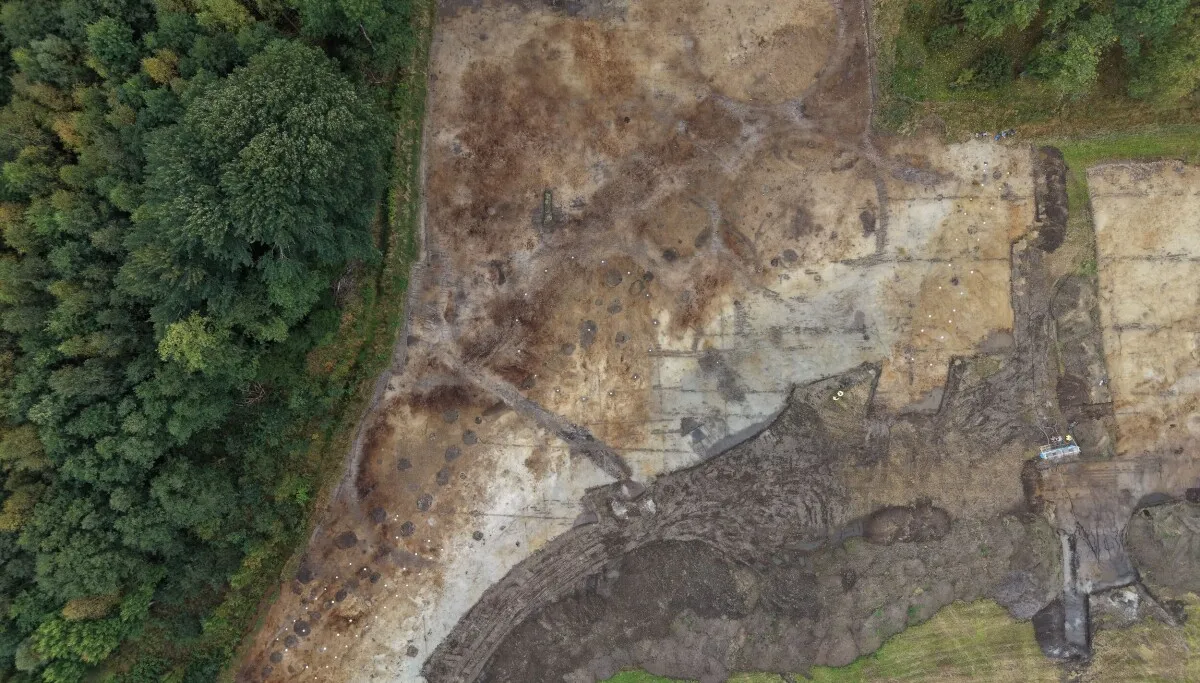
Archaeologists have uncovered ancient stone circles at a Norwegian burial site - ScienceNorway

Archaeologists are currently excavating a large area at one of Norway’s most spectacular burial sites: the Hunn burial ground in eastern Norway. On what is known as the South Field, there are many well-known circles of standing stones. Archaeologist Anne Lene Melheim points out the stone circles that have stood here for more than 2,000 years. Alongside the already known stone circles, archaeologists have now uncovered what they believe to be additional stone circles that had remained hidden beneath the topsoil. The discovery was made in a new area near what is known as the West Field. Anne Lene Melheim on her way out to the South Field at Hunn.

ScienceNorway·