Lamont Researchers Receive Major Earth Science Honors from the American Geophysical Union - Columbia University
This story deserves to be shared
Send it to someone who'd care, or post it on your networks.
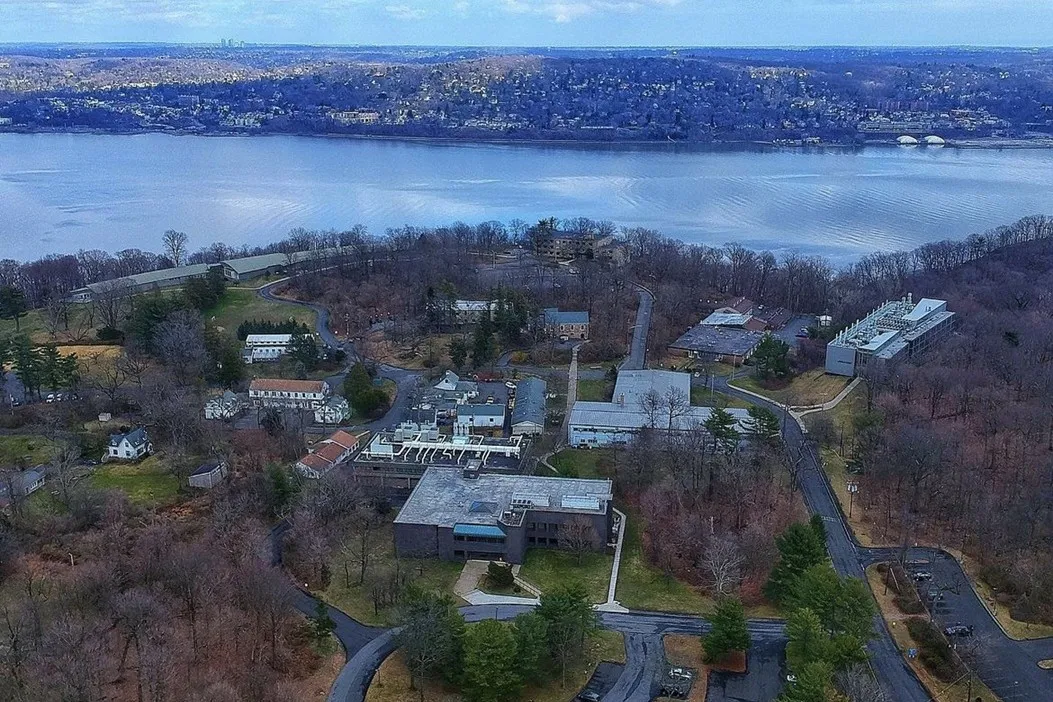
Five scientists affiliated with the Lamont-Doherty Earth Observatory have received major honors from the American Geophysical Union (AGU) this year, recognizing their contributions to our understanding of the structure of the ocean floor, deep Earth processes and sea-level change, dust and paleoclimate, the ocean carbon cycle, and the physics of Earth’s deep interior. AGU, one of the world’s largest organizations of Earth scientists, recognizes members each year for outstanding accomplishments in research, education, science communication and outreach. All five will be recognized at AGU26, the union’s annual meeting, Dec. 7–11 in San Francisco, with the honors ceremony on December 9.
They join three Lamont colleagues who received major honors from other organizations earlier this year: Maureen Raymo (Nemmers Prize in Earth Science), Michael Kaplan (Guggenheim Fellowship) and Folarin Kolawole (awards from National Geographic, the Geological Society of America and the National Association of Black Geoscientists).
This article is an excerpt. To read the full content, visit the original source. Columbia University
Related articles
American Geophysical Union’s 2026 Eugene Shoemaker Lecture - NASA Science (.gov)
AI development for geophysical science - Open Access Government
Saskatoon's Dias Geophysical Launches Game Changing Technologies - Tolerance.ca
© 2026 Tolerance.ca® Inc. All reproduction rights reserved. All information reproduced on the Web pages of www.tolerance.ca (including articles, images, photographs, and logos) is protected by intellectual property rights owned by Tolerance.ca® Inc. or, in certain cases, by its author. Any reproduction of the information for use other than personal use is prohibited. In particular, any alteration, widespread distribution, translation, sale, commercial exploitation or reutilization of the contents of the Web site, without the prior written permission of Tolerance.ca® Inc., is strictly forbidden. For information, please contact info@tolerance.caTolerance.ca® Inc. is not responsible for external links nor for the contents of the advertisements appearing on Tolerance.ca®. Ads companies may use information about your visits to this web site in order to provide advertisements about goods and services of interest to you.
Archaeologists discover 1,200-year-old mummified hairless dog in Peru - Science Daily
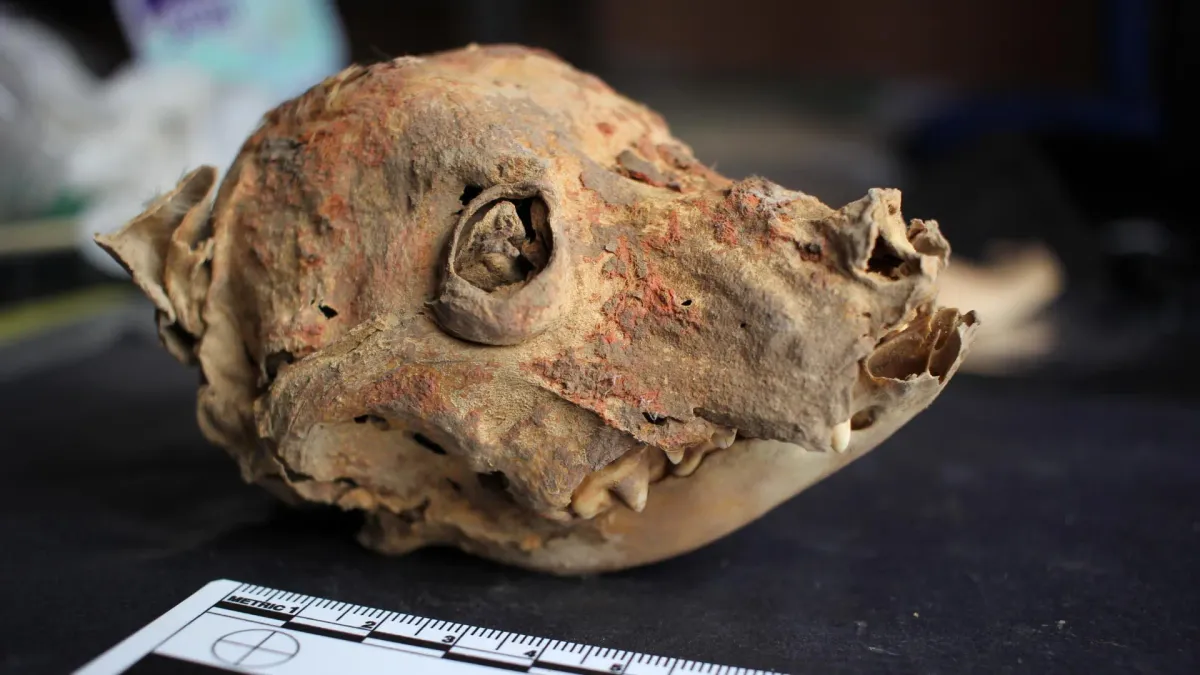
Archaeologists working at an ancient burial complex in Peru have uncovered remarkable evidence of hairless dogs that lived more than 1,200 years ago, long before the rise of the Inca Empire. The discoveries include naturally mummified remains, unusual skeletal features, and clues about what the animals ate and how they were treated by the people around them. Peruvian hairless dogs are a distinctive Indigenous breed known for their slender bodies, pointed ears, and lack of fur. They frequently appear in pottery created by ancient societies along the Andean coast. Today, a variation of the breed is recognized by the American Kennel Club as the Peruvian Inca Orchid. The dogs are also an important national symbol, having been officially designated part of Peru's cultural heritage in 2000.
Earth's Core Is Leaking All Sorts of Materials That Have Been Trapped Since Our Planet's Birth - ScienceAlert
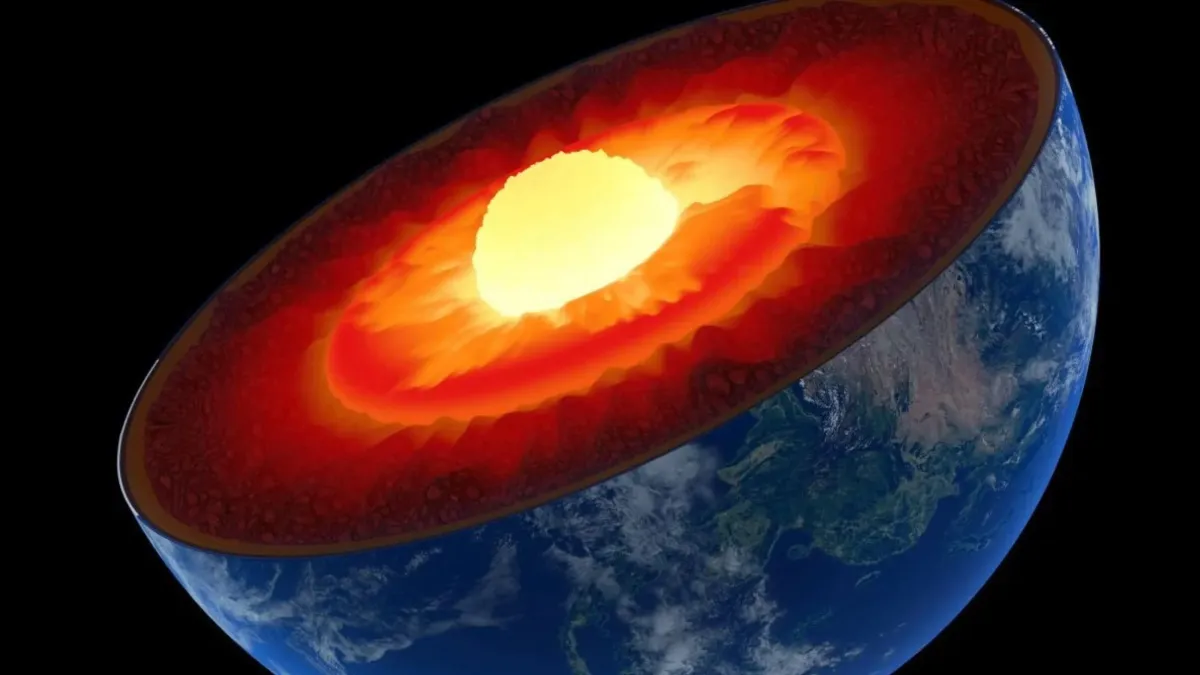
Our early Earth was a heavy metal album cover: a molten ball covered in a global lava ocean, spewing lethal gases while being pelted by the flaming space-rocks of our Solar System's violently chaotic afterbirth. Over the next 4.5 billion years of hectic cosmo-geological time, it has settled down a bit, allowing humans, lemurs, and others to emerge. A vision of this hellish ancient reality remains, (hopefully) never to be glimpsed by human eyes: our molten metallic core, blazing about as hotly as the surface of the Sun. But our core constantly sends chemical messengers up through its layers, including the space-borne ingredients of its birth, locked away for about one-third the lifetime of the Universe. This includes the hydrogen that was drawn in from the giant cloud of gas and dust that formed the Sun, which continues to ooze up from the core and turns into water in the mantle and crust – not a splashy-sloshy water, but a water trapped in minerals. Early Earth may have looked something like this.
Japan to launch historic round-trip mission to Mars moon - Winnipeg Sun
Japanese scientists are readying a mission to Mars's moons to retrieve samples that could help unlock the origins of the Solar System and life on Earth, in what aims to
0 comments
No comments yet. Be the first to share your thoughts!