Archaeologists discover 1,200-year-old mummified hairless dog in Peru - Science Daily
This story deserves to be shared
Send it to someone who'd care, or post it on your networks.
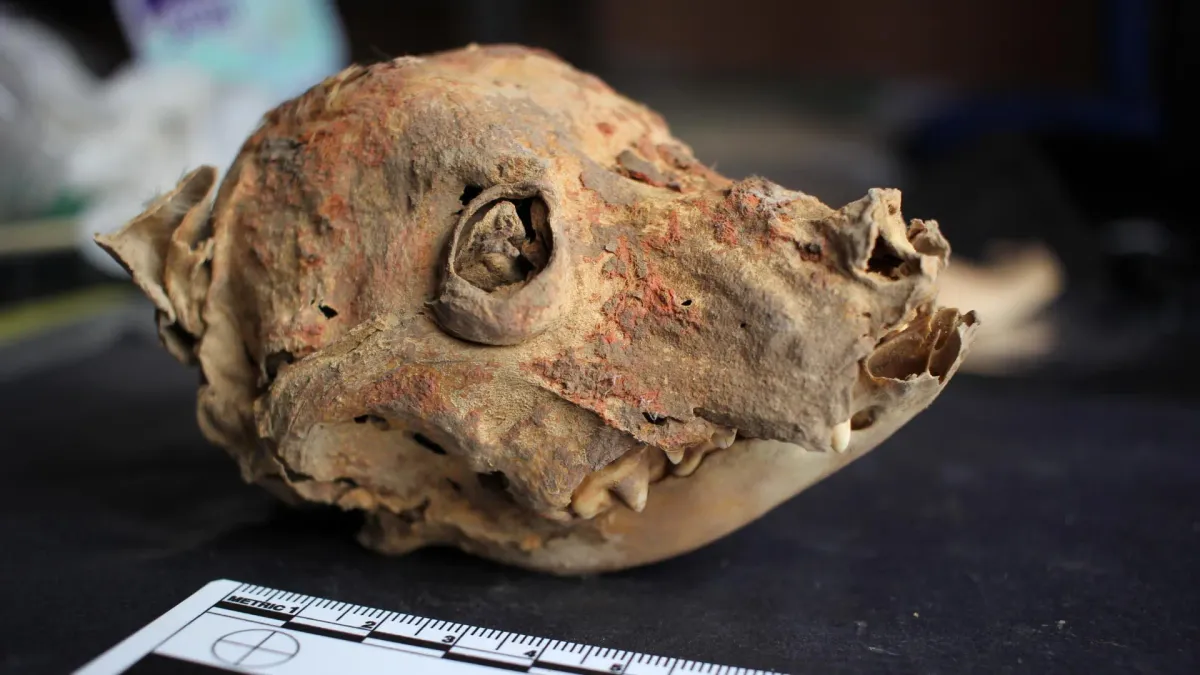
Archaeologists working at an ancient burial complex in Peru have uncovered remarkable evidence of hairless dogs that lived more than 1,200 years ago, long before the rise of the Inca Empire. The discoveries include naturally mummified remains, unusual skeletal features, and clues about what the animals ate and how they were treated by the people around them.
Peruvian hairless dogs are a distinctive Indigenous breed known for their slender bodies, pointed ears, and lack of fur. They frequently appear in pottery created by ancient societies along the Andean coast. Today, a variation of the breed is recognized by the American Kennel Club as the Peruvian Inca Orchid. The dogs are also an important national symbol, having been officially designated part of Peru's cultural heritage in 2000.
This article is an excerpt. To read the full content, visit the original source. Science Daily
Related articles
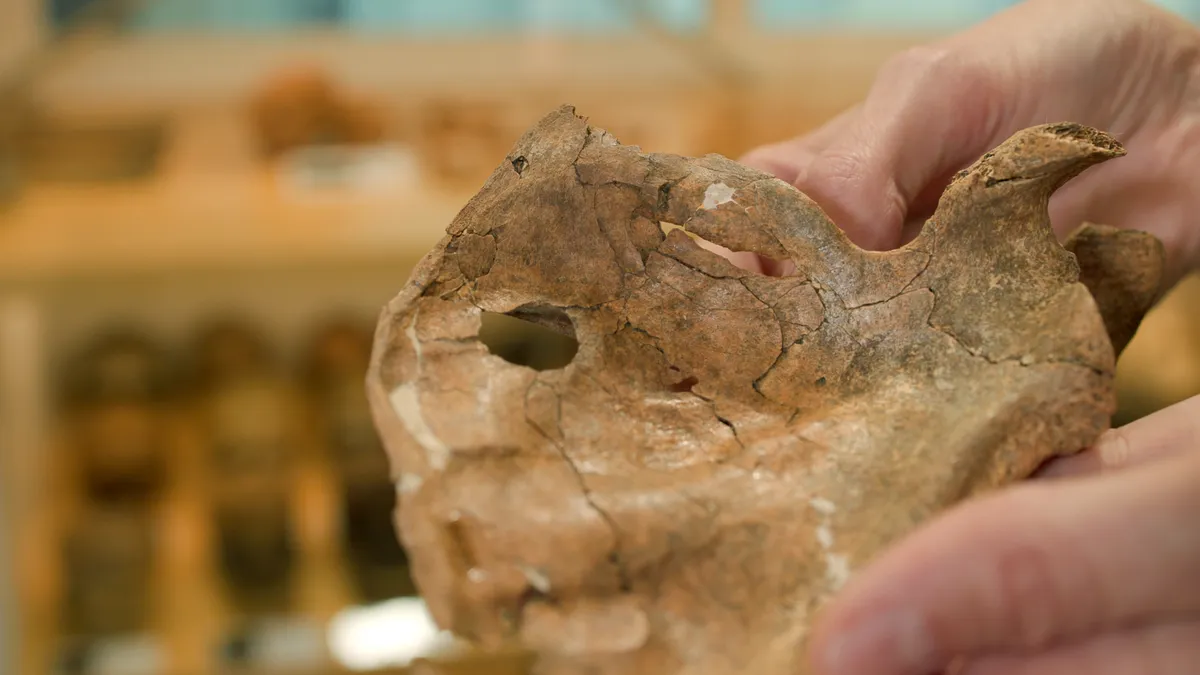
Mysterious hole in Neanderthal shoulder blade may have been a 'kill shot' from a wooden spear, according to archaeologists - Live Science
A rare discovery reveals that 75,000 years ago, a Neanderthal from Shanidar Cave in Iraq died a grisly death, likely from a wooden spear.
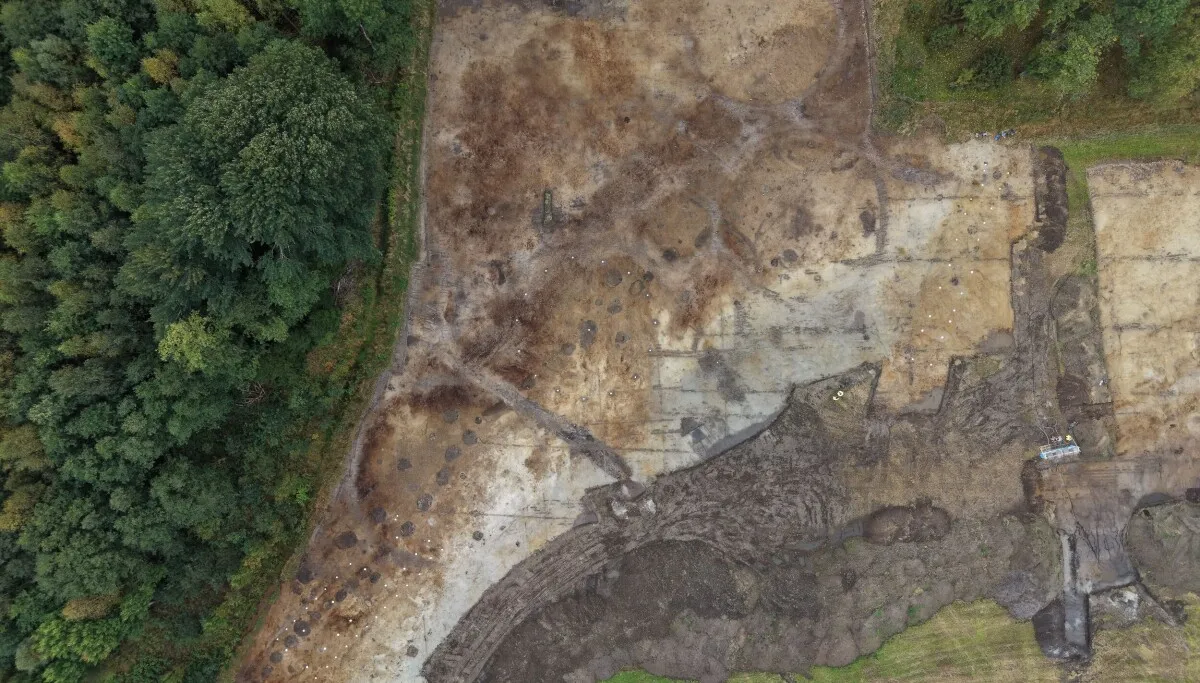
Archaeologists have uncovered ancient stone circles at a Norwegian burial site - ScienceNorway
Archaeologists are currently excavating a large area at one of Norway’s most spectacular burial sites: the Hunn burial ground in eastern Norway. On what is known as the South Field, there are many well-known circles of standing stones. Archaeologist Anne Lene Melheim points out the stone circles that have stood here for more than 2,000 years. Alongside the already known stone circles, archaeologists have now uncovered what they believe to be additional stone circles that had remained hidden beneath the topsoil. The discovery was made in a new area near what is known as the West Field. Anne Lene Melheim on her way out to the South Field at Hunn.
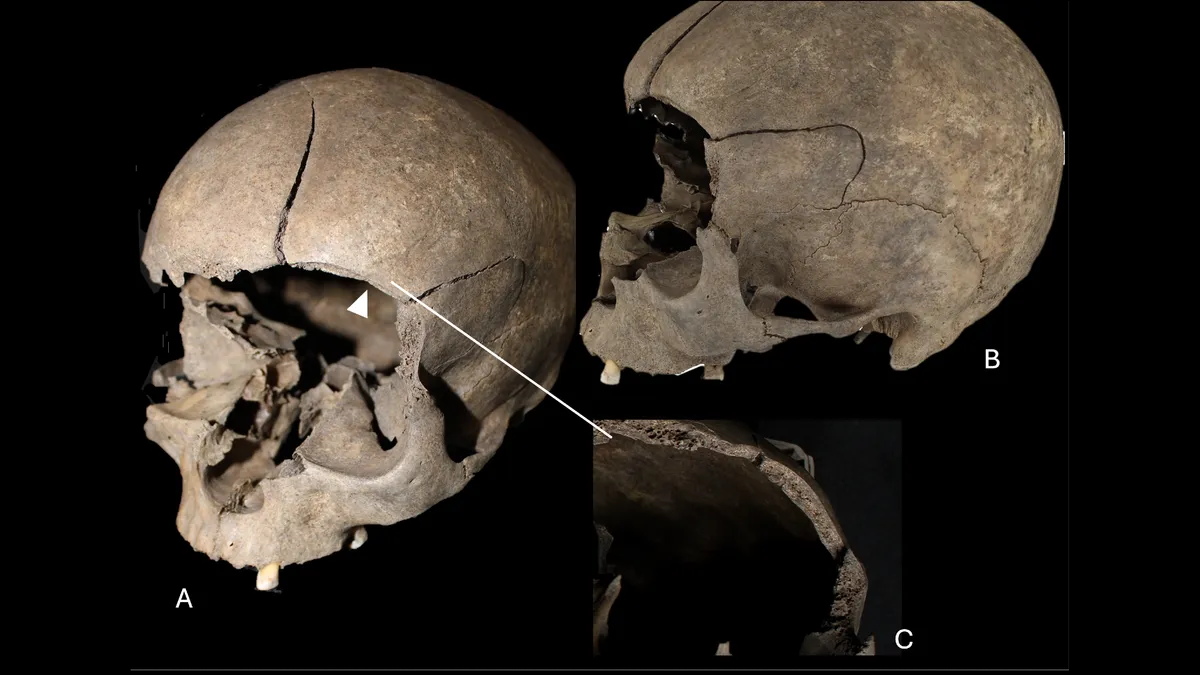
Archaeologists discover a child's skull built into the floor of a 2,500-year-old Scandinavian house - Live Science
A study of nearly 200 individuals buried in domestic contexts in ancient and Viking Age Scandinavia has revealed unusually high levels of violence.
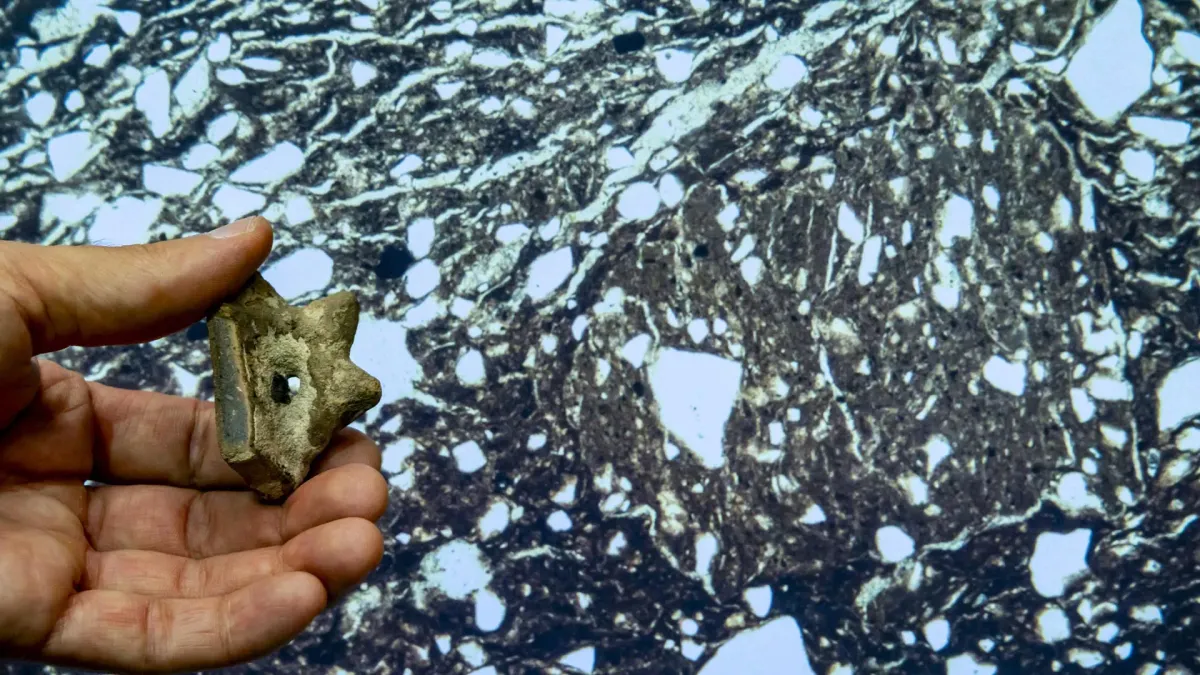
Archaeologists may have finally solved a 100-year-old Florida mystery - Science Daily
About a century ago, archaeologists excavating pottery fragments around Tampa Bay encountered something puzzling. Some of the pieces carried decorations that looked strikingly similar to pottery found hundreds of miles farther north. On appearance alone, the fragments seemed connected to the Mississippian culture, which emerged more than 1,000 years ago and reshaped social, economic and political life across much of southeastern North America. For decades, however, maps of the Mississippian world generally left out peninsular Florida. The Tampa Bay pottery suggested that the region's relationship with that culture may have been more complicated.
0 comments
No comments yet. Be the first to share your thoughts!