BBlogFlow

Categories

Arts & Culture

85 articles

Arts & Culture

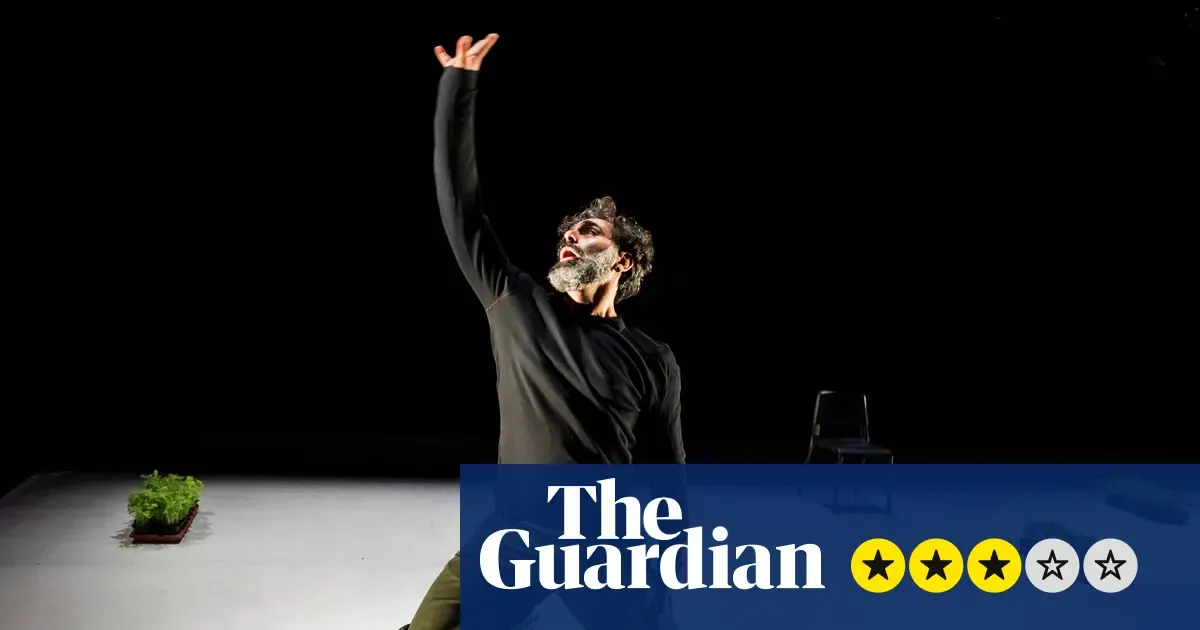
Dance Is Not for Us review – desire and defiance as one revolutionary mover sweats it all out

In August 2019, Omar Rajeh sat in his bedroom, listening to the sound of pounding percussion with his world in crisis. In the midst of political instability, Citerne Beirut, a theatre and cultural centre Rajeh had founded in his native Lebanon, was forced to close, dismantled by order of the local government, who planned to build an incinerator on the site. Heartfelt … Omar Rajeh in Dance Is Not for Us. Photograph: Tristram Kenton/the GuardianRajeh tells us that as a teenager, coming of age at the end of the Lebanese civil war, dance had always seemed like the most revolutionary thing he could do. Now here he is, more than three decades later, still dancing – out of frustration, defiance, resistance and a desire to connect. As the percussive score gains momentum, Rajeh’s busy body builds up a sweat. In this danced stream of consciousness, Rajeh is not always an especially elegant mover, but he dances like it’s a necessary thing to do. Part of this year’s Dance Umbrella festival, Dance Is Not for Us is a solo that appears at times like an explosion of physical instinct, but it is mostly calm, considered musings on the nature of choreography, with all its workings exposed.
The Guardian Culture·
Arts & Culture

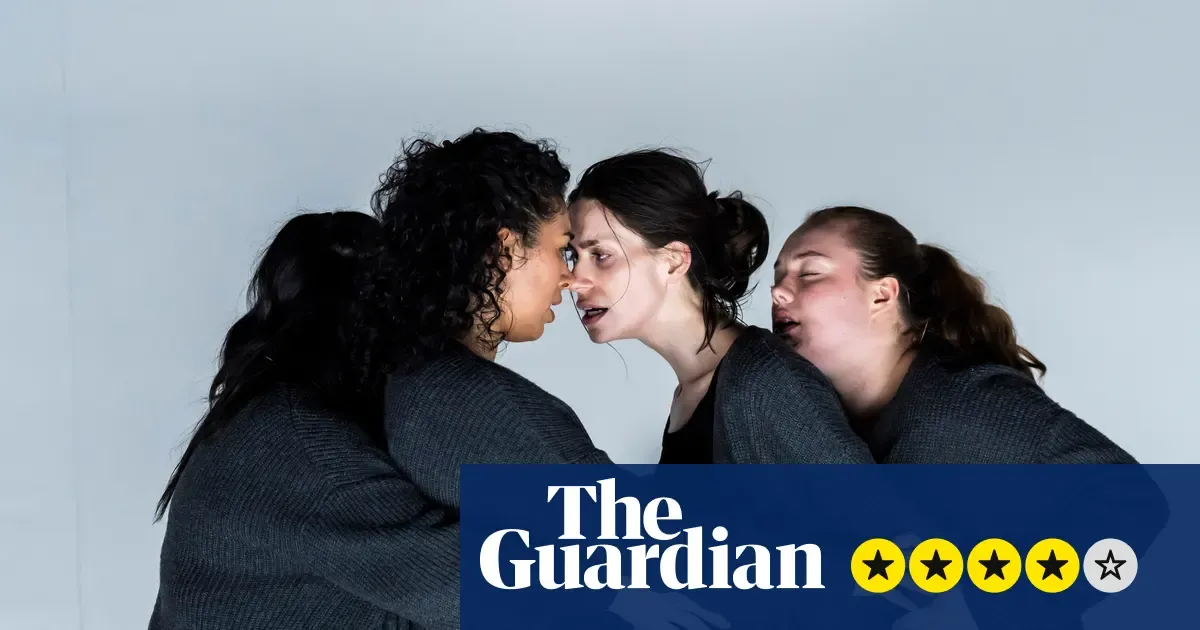
4.48 Psychosis review – a dazzling, harrowing opera worthy of Sarah Kane’s furious writing

Sarah Kane revolutionised British theatre with five provocative plays written between 1995 and 1999. Her final work, 4.48 Psychosis, was her most personal, confronting the clinical depression she struggled with for years. The play was first performed posthumously in 2000, after she died by suicide in 1999. The Royal Opera and Guildhall School of Music and Drama commissioned Philip Venables to adapt the play as an opera, which debuted in 2016. The composer, also known for a certain “in-yer-face” approach, set Kane’s original text almost entirely, realising its 24 disjointed sections in a raw, imaginative score teeming with minimalist licks, prickly synth-pop and consoling nods to the baroque. The libretto shifts between poetic abstraction and scathing exchanges between a patient and a psychologist. An ensemble of six female singers navigates themes of depression, isolation and the agonising choices surrounding medication. One fractured personality … Sophia Burgos, Veena Akama-Makia, Hannah Edmunds and Jacquelyn Stucker in 4.48 Psychosis.

The Guardian Culture·
Arts & Culture

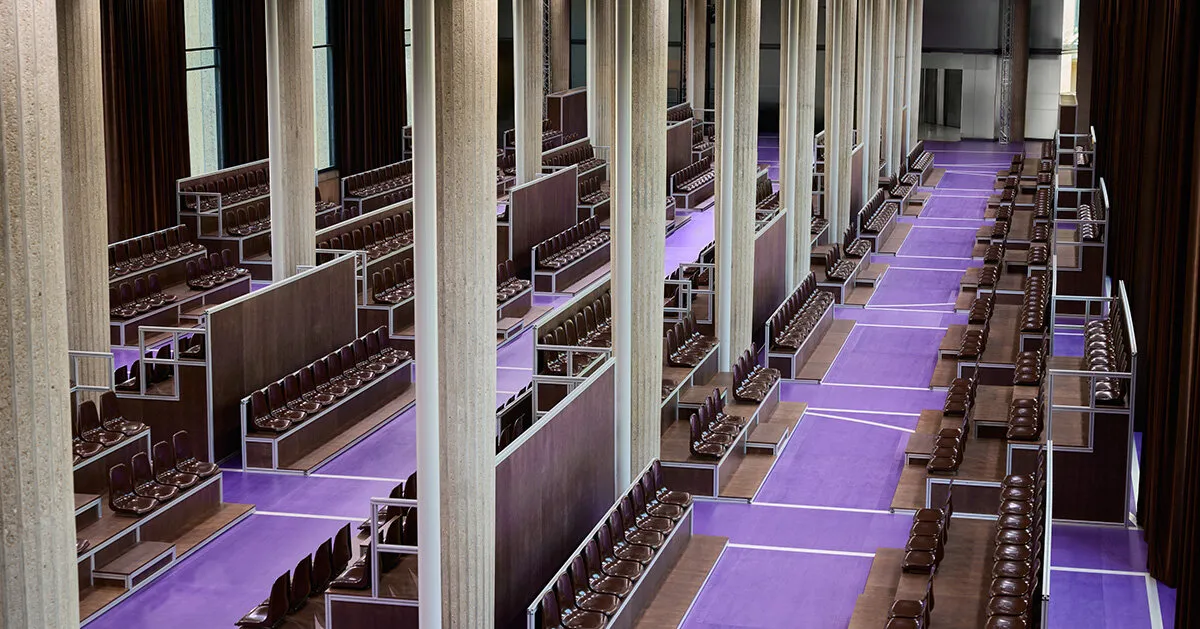
dennis vanderbroeck creates settings for the moments that bring us together

moving between fashion, theater, and music, the dutch spatial designer treats architecture as a framework for encounter, where the relationship between performers and audiences matters as much as the space itself. thomai tsimpou October 18, 2026 8 min prefer designboom on googledennis vanderbroeck on designing experiencesA fashion show or a live performance may last only a few minutes, but what happens in the room is harder to capture. For Dennis Vanderbroeck, this temporary collectiveness is at the heart of his work, which moves between fashion, theater, music, and performance. The Dutch spatial designer approaches his work as a way to bring people together and shape how they encounter one another. With a background in theater, Vanderbroeck focuses on the experience a setting creates. His designs set the scene for encounters between performers and audiences, leaving room for the unexpected. ‘I always say that our designs are just a tool to facilitate the experience,’ he tells designboom.

designboom·
Arts & Culture

Ariadne/Dido and Aeneas review – English Touring Opera conjures two strikingly different mythological worlds

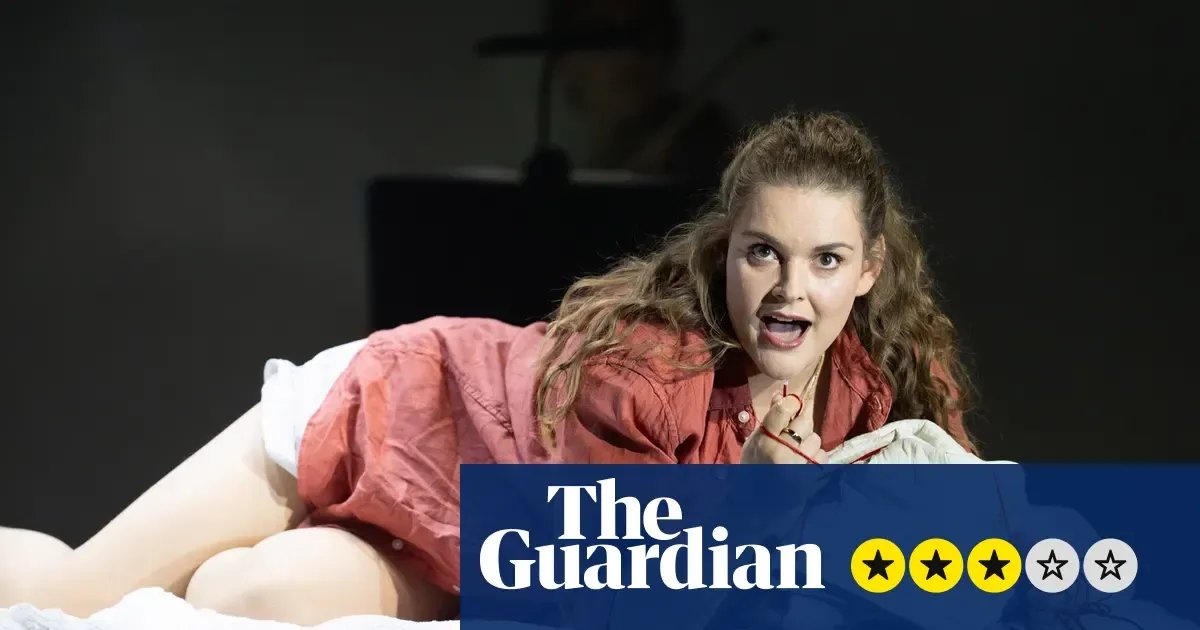
English Touring Opera’s autumn season has a mythological theme – which, in practice, means operas about women getting left behind. Touring alongside Gluck’s Orpheus and Eurydice is this compact double bill, pairing Dido and Aeneas with Elena Langer’s Ariadne, a 20-minute scene for soprano setting words by Glyn Maxwell, which was premiered by Almeida Opera in 2002. Langer’s mini-opera is essentially a monologue, sung persuasively here by Jessica Cale, her powerful soprano diamond-bright. Anna Morrissey’s production, though, has six people on stage: abandonment feels like something active as well as passive. It begins with Theseus leaving, disentangling himself from both the sleeping Ariadne and the red thread that links them, spooling from a heap on the floor – it’s as if he got back from the labyrinth the night before. When Ariadne wakes he’s still there, pacing in the shadows or turning her bed on its rotating platform. Catwalk Coraline … Lydia Shariff and Isabelle Atkinson with members of the ensemble in Dido and Aeneas. Photograph: Richard Hubert SmithLanger writes, captivatingly, for four instruments: oboe, violin, viola and cello, playing without a conductor.

The Guardian Culture·
Arts & Culture

‘Medieval romance overflowed with sexually active fairies’: the surprisingly long roots of romantasy

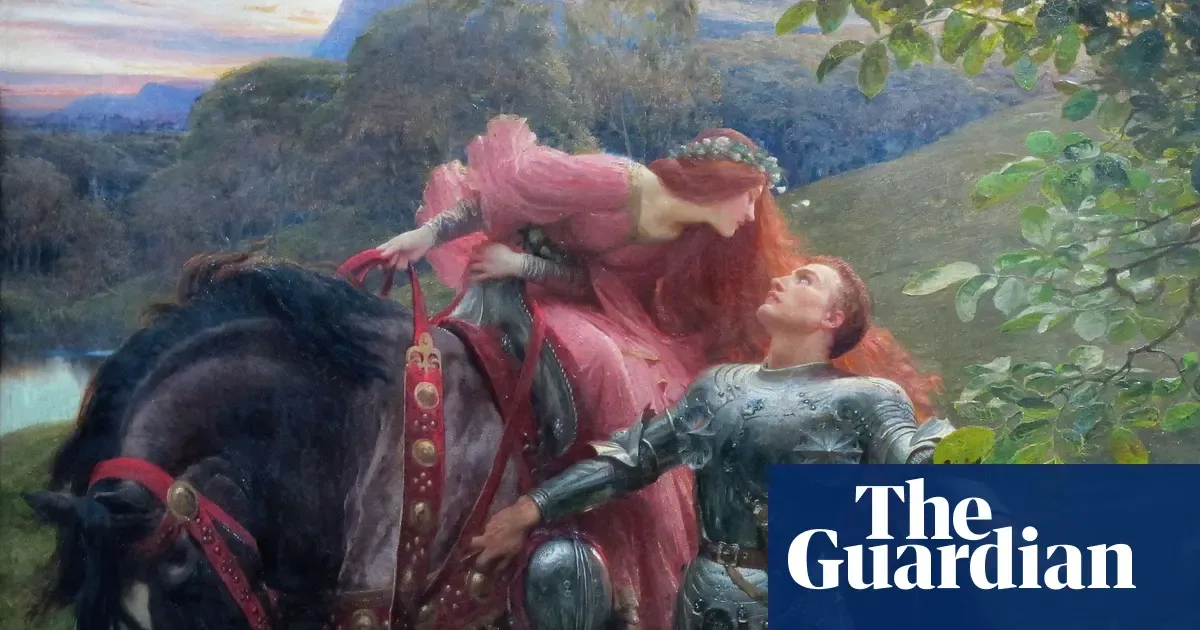
There’s a popular genre, filled with beautiful, human-sized fairies having sex with humans (often quite violent sex, but the people reading it seem to enjoy it). Word is that it’s badly written and unashamedly escapist – all golden, glittering palaces, wild adventure and, of course, gorgeous fairies. It’s certainly popular – plenty of the stories have been translated into numerous languages, spreading across continents. Serious commentators are sure it spells bad news: at best, it’s just a load of trash; at worst, it’s actively leading people astray. Most damningly of all, women produce and consume it. Welcome to the 12th century, where fairy romance is all the rage. Sound familiar? The romantasy that fills our shelves and bestseller lists – from Sarah J Maas’s A Court of Thorns and Roses to Callie Hart’s Quicksilver – is not a new genre, but part of a centuries-old heritage. You only need to look at the medieval predecessors of the modern romantasy novel to understand why it’s enjoyed by millions and why, even after hundreds of years, fairy romance has such power over us – and why there are still those who want to diminish and dismiss it.

The Guardian Culture·
Arts & Culture

Twelfth Night review – Mathew Horne oozes arrogance as a brilliantly buttoned-up Malvolio

You can picture Mathew Horne’s Malvolio as a guest on an early 1970s BBC Two arts show. With his buttoned-up collar, tight black suit and supercilious delivery, he oozes self-satisfaction. Trusting in his superior taste, he has the pose to prove it: stiff, studied and haughty. His fall from grace, tricked into dressing up as a yellow-stockinged morris dancer, is as funny as it ever is in Shakespeare’s comedy. It is the comeuppance of the arriviste. Brought down to size, he is no less indignant for it. In a smart, unyielding performance, he goes from pompous to bruised – and ever unrepentant. Where Malvolio is urbane, Genevieve Dawson’s live score has a folk-club earthiness. Played on clarinet, guitar and violin, it is haunting and whimsical, with a similarly 1970s vibe, like something from The Wicker Man. Irresistible … Justina Kehinde and Bebe Sanders in Twelfth Night. Photograph: Manuel HarlanCalling the musicians to order, David Birrell plays Feste less as the fool than the troubadour, one blessed with expensive dress and surprising wisdom, as well as a voice correctly identified by Sir Andrew Aguecheek (James Chetwood) as “mellifluous”.

The Guardian Culture·
Arts & Culture

‘Shakespeare was a Black woman’: the playwright’s under-recognized connection to Black culture

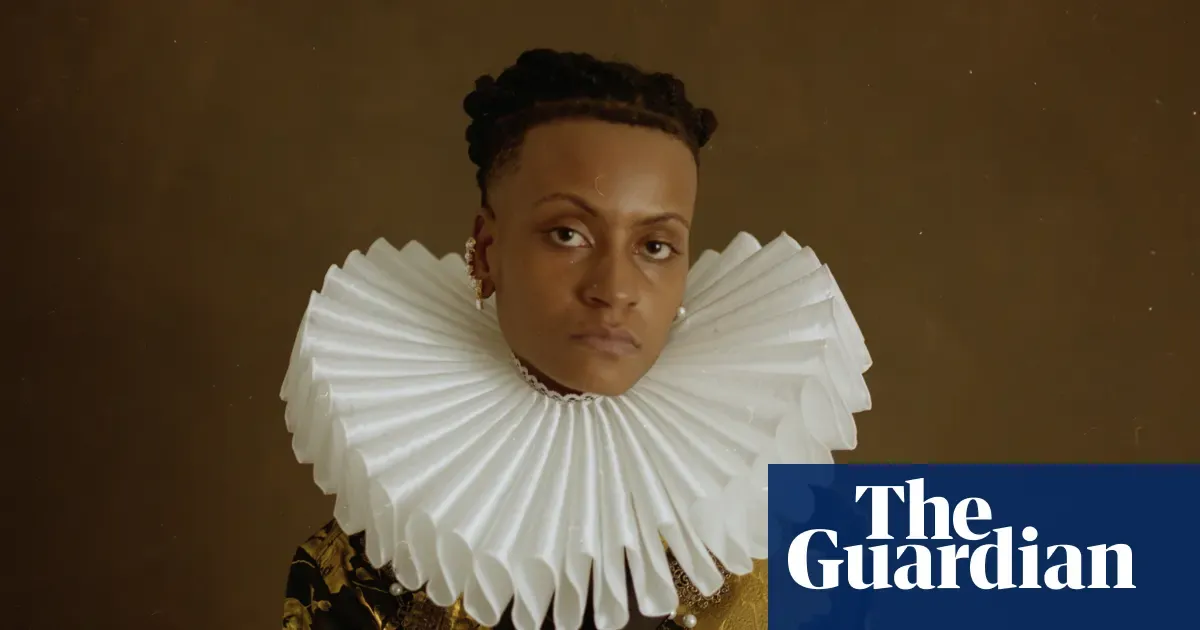
“William Shakespeare was a black woman.” In 1985, Maya Angelou spoke these words as part of a keynote speech at a convention in Cedar Rapids, Iowa. There, she spoke of the role poetry played in her transition from muteness as a child and how she fantasized herself triumphantly delivering Portia’s speech from William Shakespeare’s The Merchant of Venice in front of her entire community at church. Though she never got the chance to perform that rendition, Angelou acknowledged her desire to deliver that rendition as part of a lifelong kinship with Shakespeare, a connection she continued to seek out throughout her life whenever she needed heartening or solace. In her eyes, Shakespeare wrote his emotionally desolate Sonnet 29 “for” her; how else could he have so aptly described the harsh realities of the Black feminine condition? “Of course he wrote it for me,” Angelou declared. “Of course, he was a Black woman. I understand that.

The Guardian Culture·
Arts & Culture

Ali G answers his critics: ‘Me ain’t the first intellectual to get haterz’

“Can you tell people that you’re from Hustler?” Ali G asks me. “Or The Source. Or Guns & Ammo. Speaking to a Guardian journalist ain’t a good look for me in the hood.”At Ali’s request, we are meeting in an independent chicken shop in Staines because – due to some sort of mix-up – he thought the one interview he had agreed to for his new film was Chicken Shop Date, which was “90% likely to lead to boning”. He follows this with an entirely unprintable reminiscence about the first time he and “me Julie” had sex in the disabled toilets of Egham KFC. Now that we have established I am not in fact Amelia Dimoldenberg – and that any boning today will be strictly chicken-related – Ali changes tack. Whenever anyone comes near our table, he loudly explains, to my embarrassment, that we are actually conducting a major drug deal. Having seemingly worked his way through the entire menu, he starts asking what else he would need to buy to get the bill up to £500, after discovering that the Guardian is footing it.

The Guardian Culture·
Arts & Culture

‘I drunkenly sing Wonderwall off-key and awfully’: Rebecca Ferguson’s honest playlist

When I was five or six, my mum wouldn’t let me listen to anything other than Christian gospel. Her friend Jane felt sorry for me and brought me a cassette with Whitney Houston on one side and Cher on the other. My ears couldn’t believe what they were hearing. I Will Always Love You made me think: This is what I’m going to do. The first single I bought So Young by the Corrs, from Sainsbury’s in Walton Village in Liverpool. I couldn’t really afford music as a kid, so buying a record was a big deal. I’d heard the Corrs on the radio, liked their voices and thought: I’m buying this. The song that is my karaoke go-to

The Guardian Culture·
Arts & Culture

sardinian school wraps in perforated aluminum facade to enclose flexible agorà

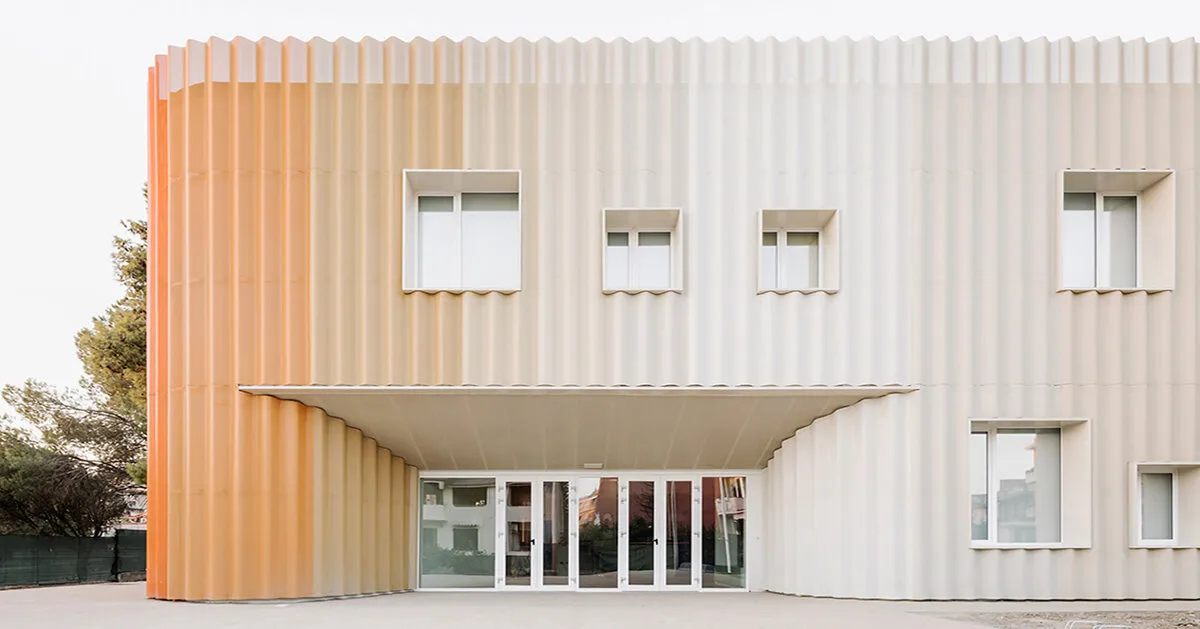
CORRUGATED ALUMINUM SKIN ESTABLISHES A CIVIC LANDMARK IN SARDINIADesigned by Leicho architettura, the new Via Caravaggio school in Sinnai, Sardinia, replaces an obsolete structure with a civic facility that redefines the relationship between public architecture, pedagogy, and urban identity. The building presents a dual spatial character: a compact, highly recognizable exterior volume contrasts with a permeable, porous interior layout. The exterior building envelope is wrapped in micro-perforated corrugated aluminum panels that soften straight edges along curved margins. The textured metal skin shifts in response to daylight, establishing the school as a distinct visual landmark within the neighborhood. A deep, carved recessed entryway marks the transition from the public plaza into the building. Via Caravaggio school in Sinnai, Sardinia, is designed by Italian firm Leicho architettura | all images ©Cèdric DasessonFLEXIBLE CLASSROOM GEOMETRIES CREATE POROUS LEARNING SPACEInside the building by Leicho architettura studio, the rigid geometry of the shell dissolves into a continuous learning landscape.

designboom·
Arts & Culture

‘It was like your worst nightmare’ – Ellie and Natasia on mums, music … and failing to make Bob Mortimer smile

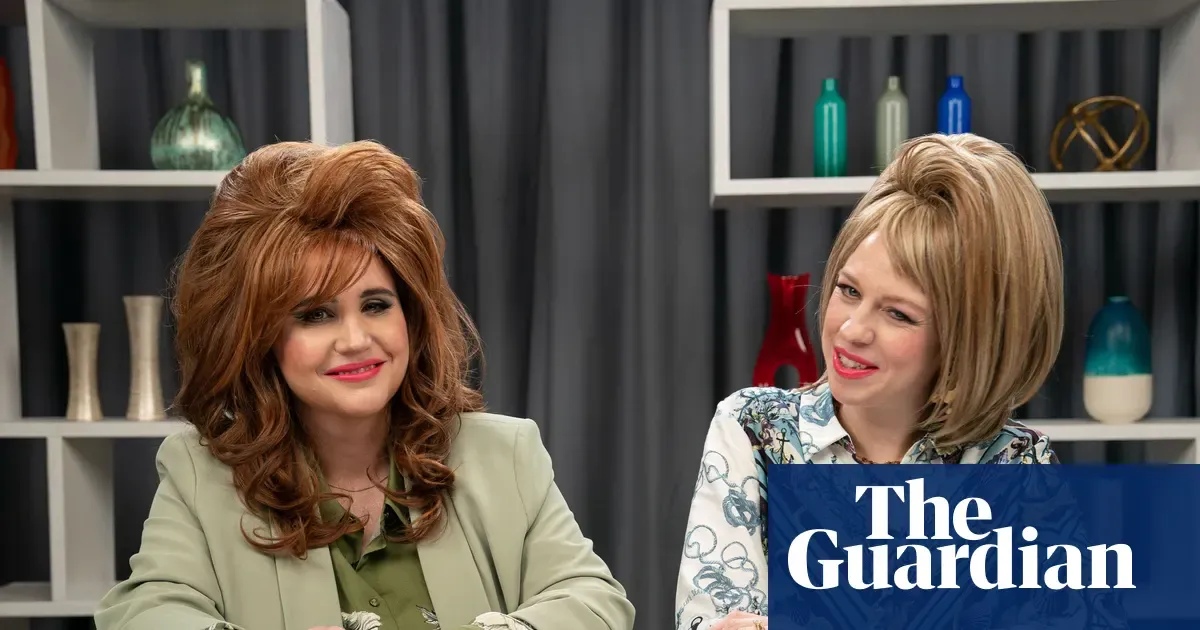
Before Ellie White and Natasia Demetriou were mothers, they were mums. In a skit from their 2019 sketch show pilot, the comedy duo play two straight-talking, hygiene-obsessed matriarchs in gilets and camel-toe-accentuating leggings who record lifestyle vlogs from a pristine kitchen while melodramatically referencing the pressures of motherhood. Ever since, the characters have become a core component of the pair’s comic universe, appearing repeatedly in the first proper series of Ellie & Natasia in 2022. Now the mums are back and moving with the times: reviewing various supermarket white breads – all reassuringly “sterile” options – as car-based food influencers for the show’s second outing. But behind the scenes there has been a bigger shift. The last time they wrote these sketches, White and Demetriou were childless; now they each have two kids. Coming up with material this time around was a different experience, says Demetriou. “I now feel quite a lot of empathy for these women,” says White. “Well, I always felt empathy – I do with all our characters – but I especially am now like: it is actually quite hard.” Even the housework obsession has become relatable.

The Guardian Culture·
Arts & Culture

‘How do we welcome the stranger, with humanity or anger?’ The forgotten Germans who found refuge in Ireland

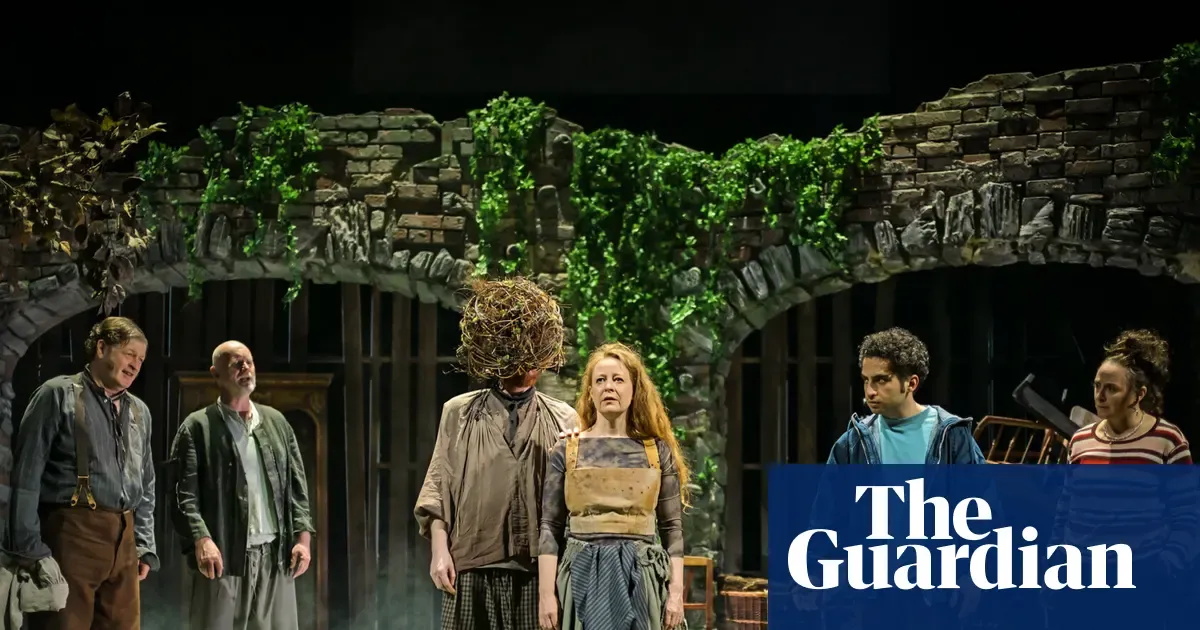
In the early 18th century, a few thousand Germans fled religious persecution and near starvation in their homeland and ended up in remote rural Irish villages. The Irish Palatines, as they were known, were poor, conservative homesteaders who couldn’t speak the language and were the object of suspicion and violence – precursors to the displaced Syrians or Afghans of the past decade. Their story is told in Refuge, a co-production between Staatstheater Mainz and the Irish company Fishamble. Part love story, part social commentary, it is performed by a mixed cast, mainly in English but with some German interludes. It focuses on a German couple, Hannah and Peter, who have lost one of their two sons through illness and are trying to make a go of it on farmland on the edge of a small town in Limerick. Their Protestantism and their reluctance to mix with the Irish add to a sense of peril. Peter is driven by another motive. He owes his plot of land to the manor’s (invisible) English squire, Thomas Southwell. The 1st Baron Southwell of Castle Matrix is keen to dilute the locals’ Catholicism and so provides the Germans with cheap rent in return for their obedience.

The Guardian Culture·
Arts & Culture

TV tonight: a very moreish drama about a hellish birthday party

The Party9pm, ITV1So far, this Luke Evans and Sarah Solemani-starring drama has been ticking all the right boxes for an entertaining autumn thriller. Now that we know the true messed-up history behind journalist Martin (Evans) and Tory politician Ben’s (Tom Cullen) friendship, the nasty, destructive repercussions are about to unravel at the party – which is terrible for the guests, but very enjoyable for us. Concludes on Monday. Hollie RichardsonThe Reluctant Vampire6.40pm, BBC OneThis macabre comedy – adapted by the Gibbons brothers from Eric Morecambe’s books – can’t quite figure out whether it’s a Ghosts-a-like series for adults, or something better suited to CBBC. Still, it’s rather fun: this week, Val (Lenny Rush) hatches a plan to sneak out to a school prom. Hannah J DaviesKevin McCloud’s Classic Car Road Trips8pm, Channel 4Plummy-voiced smoothie McCloud parachutes out of Grand Designs to careen around Europe in a rotating circus wheel of classic cars. There’s something comfortingly old-fashioned about this genre of telly: posh boys playing at being petrolheads. This week’s old banger is a Citroen DS from the 60s which he takes to Cannes and Monaco.

The Guardian Culture·
Arts & Culture

‘A key artist in her own right’: wallpaper and fabrics designer emerges from William Morris’s shadow

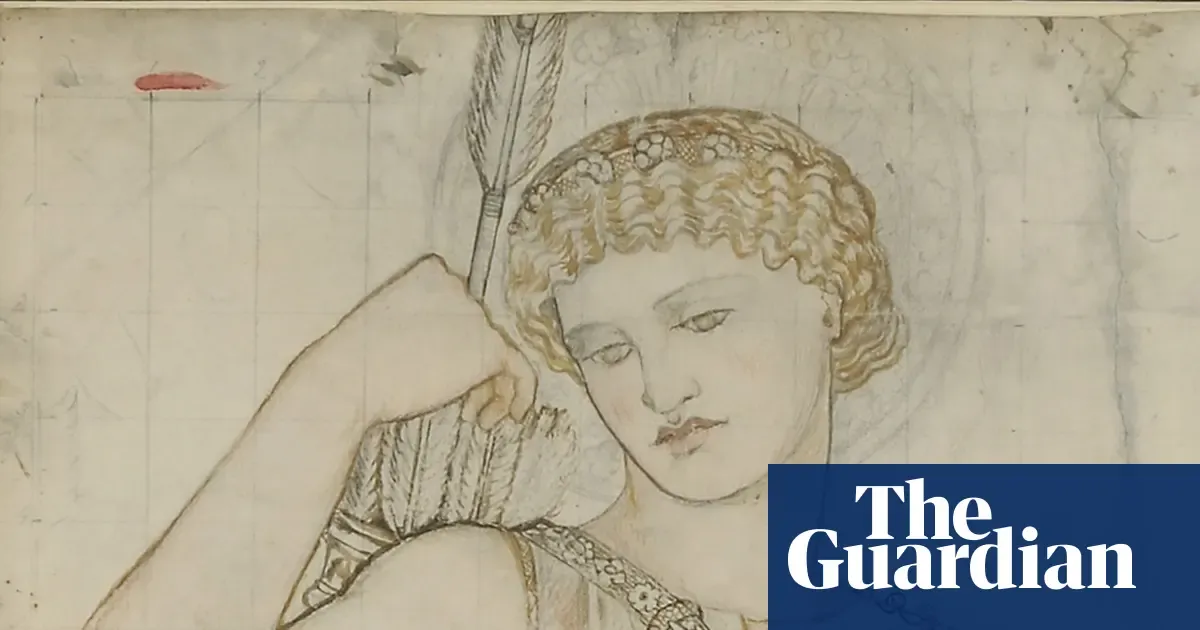
For more than a century, she has been little more than a footnote in William Morris’s story, her work mistaken for his, her contribution to British decorative art largely overlooked. Yet, in her lifetime, Kate Faulkner was a pioneer: the first person after Morris to design wallpapers and fabrics for Morris & Co, and one of only four designers he ever trusted to do so. Several of the patterns she designed under her name for the company in the 1870s and 1880s are still sold today. Now, an exhibition at the Fitzwilliam Museum in Cambridge is seeking to restore Faulkner to her rightful place in art history. A Call to Art: William Morris and the pre-Raphaelites is the first exhibition to celebrate Faulkner and her work as a designer, maker and workshop supervisor at Morris & Co. It will put on public display, for the first time, a monumental 6.3 metre-wide oak and silvered-gesso altarpiece she was commissioned to make for Morris & Co in 1886, alongside her textile designs and wallpaper patterns which helped to make William Morris a household name. Highlights include Faulkner’s tile depicting Penelope, made around 1865.

The Guardian Culture·
Arts & Culture

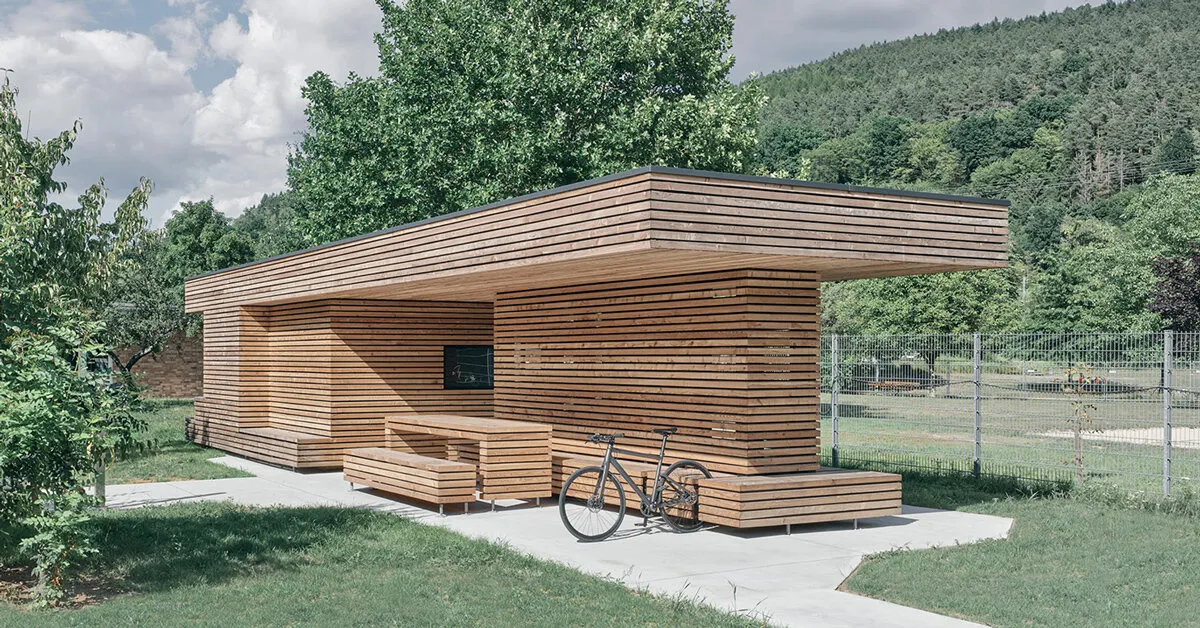
tob.studio’s timber bike station in germany resembles stacked log pile

the bike station integrates e-bike charging stations, repair facilities, and digital information, as well as public amenities including an accessible toilet and shower. Tobias Ruppert edited by christina vergopoulou October 17, 2026 3 min prefer designboom on googleLOG PILE GEOMETRY SHAPES TIMBER CYCLING HUB by ToB. StudioDesigned by ToB. Studio, the Burgsinn Cycling Rest Station establishes a public service hub along the D9 cycle route in Germany, positioned at the transition between the town and surrounding landscape. Drawing visual cues from local forestry history, the compact building reinterprets the form of stacked timber logs. Its solid volume features carved-out niches that accommodate sheltered seating areas, entrances, and service points beneath a broad overhanging green roof.all images ©Benjamin Brückner unless stated otherwiserough-sawn larch cladding wraps bike station’s exteriorThe station, designed by ToB. Studio architectural practice, provides a range of amenities for cyclists, pool visitors, and local residents, including e-bike charging stations, a repair and wash area, digital information displays, and an accessible toilet and shower.

designboom·
Arts & Culture

7 Miles Out review – Carol Morley’s funny-poignant self-portrait of teenage kicks in Stockport

Carol Morley’s self-portrait of the artist as a young woman is rich, tender and terribly funny and sad: a study in the chaos of being young and a triptych of childhood, girlhood and youth, with some daring touches of Terence Davies. It is about the ordeal of having to invent and reinvent your own teenage sense of self, even as the things you thought permanent suddenly collapse – including the background stability of your poor old mum and dad. And it’s also about the untold, unacknowledged story of sadness that lay behind the angry blaze of punk and new wave. Watching this I thought of something I’d assumed lost for ever: my own feelings, aged 17, on hearing Buzzcocks’ Sixteen: “… I wish I was 16 again / Then things would be such fun / All the things I’d do would be the same / But they’re much more fun / Than when you’re 21.” Could it be, I thought, that I’m already sad about not being 16?7 Miles Out is based on Morley’s autobiographical novel of the same title, the once-upon-a-time-in-Stockport story of Ann, played with charm and zing by Lucy Halliday, and as a sweetly innocent young girl by Amelie Hughes.

The Guardian Culture·