BBlogFlow

Categories

Arts & Culture

1328 articles

Arts & Culture

projection mapping and performances make the night come alive at signal festival

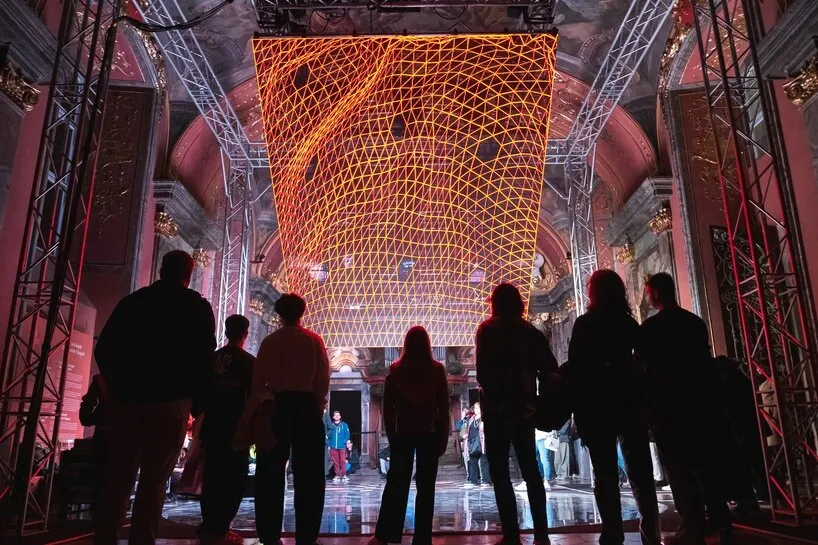
co-founder martin pošta reflects on the origins of the digital art festival that transforms prague’s streets, landmarks, and historic buildings with light, sound, and performance. annalise kamegawa October 17, 2026 7 min prefer designboom on googleSignal Festival co-founder in conversation with designboomSignal Festival reemerges for a weekend of immersive digital art installations that light up the corners and monuments of Prague. Founded by Martin Pošta, alongside producer and curator Jan Rolník and artist Amar Mulabegovič from the art group The Macula, nearly fourteen years ago, the event has grown from a yearly festival to also include a permanent space, open year-round in the Czech capital. Following the opening night of the event’s fourteenth edition, Dream On!, Pošta catches up with designboom in the recently opened Signal Space in Prague’s city center to chat about the event’s history.
designboom·
Arts & Culture

Selma Blair ‘did not intend to harm anyone’ during airplane incident, representatives say

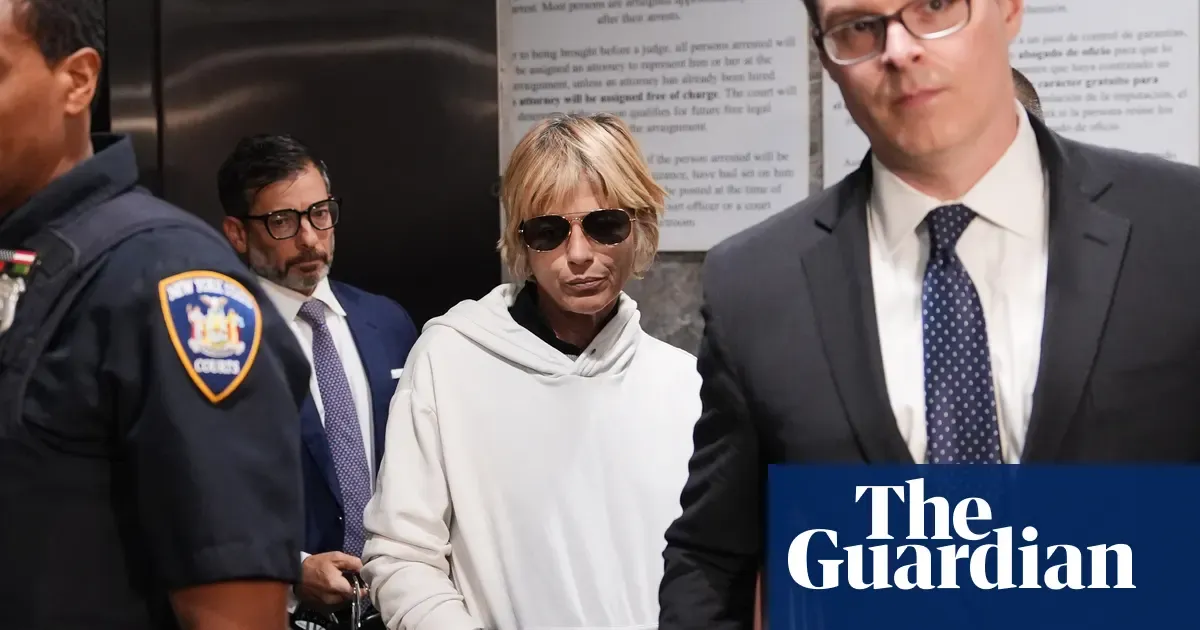
Actor Selma Blair did not mean to hurt anyone during the recent flight which led to her arrest on allegations that she assaulted a pair of cabin crew members, a police officer and a nurse, her representatives said on Friday in a statement that characterized the episode as a medical emergency. The lengthy statement also dismissed prior media coverage of Blair’s arrest after a Delta Air Lines flight from Los Angeles to New York as unsympathetic and inaccurate, singling out reporting from several outlets alleging that she tried to open the door of the airplane that she and her fellow passengers were on. “Selma Blair experienced a medical emergency on the flight,” her representatives’ statement contended. “There was no attempt to open the door of the aircraft. Selma did not intend to harm anyone.”Friday’s statement from Blair’s camp added some contours to brief remarks made in the days since her arrest by her publicist and lawyer which maintained that there had been a medical emergency but did not elaborate much.

The Guardian Culture·
Arts & Culture

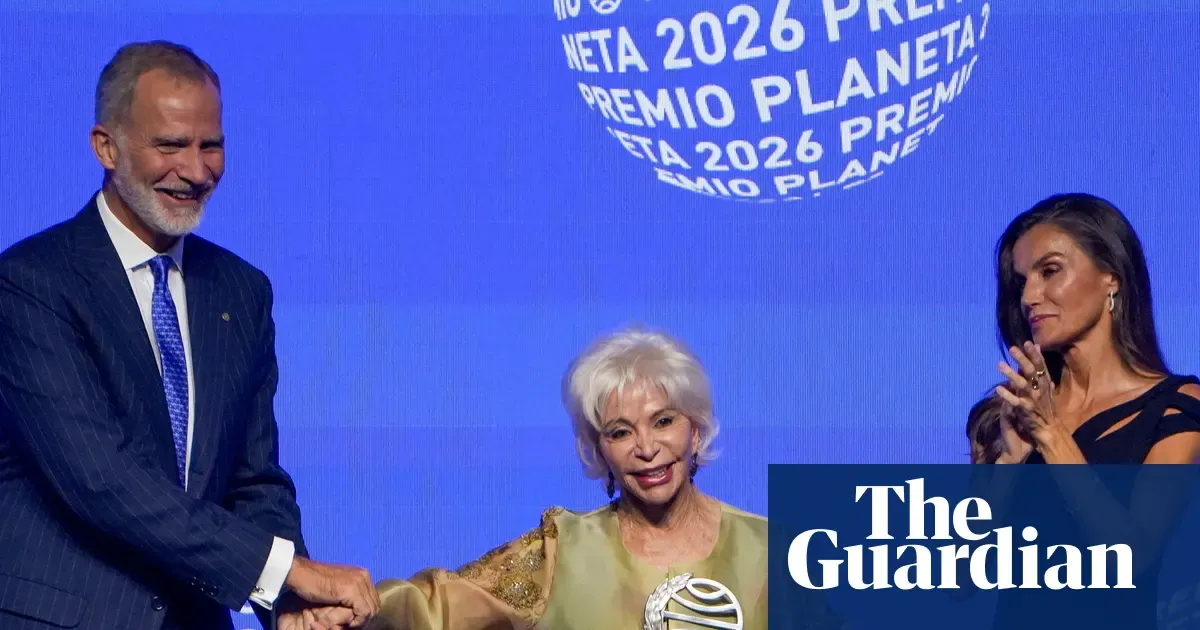
Isabel Allende wins €1m Spanish literary prize under pseudonym

The Chilean-American author Isabel Allende has won Spain’s €1m (£843,000) Premio Planeta, one of the world’s most lucrative literary prizes, under a pseudonym, with a sequel to her celebrated debut novel, The House of the Spirits. Allende, 84, won the 75th edition of the award on Thursday with La hora antes del alba, which returns to the characters of her 1982 novel, a multigenerational family saga set against political upheaval in a country inspired by Chile. The new story follows Alba, the granddaughter of Esteban Trueba and Clara del Valle, as she tries to recover from imprisonment and torture during Pinochet’s dictatorship, according to Reuters. Allende said the book would bring the universe of The House of the Spirits to a close. The 1982 novel is often read alongside Daughter of Fortune and Portrait in Sepia as part of a loose trilogy of interconnected family sagas. Speaking at the award ceremony in Barcelona, attended by King Felipe VI and Queen Letizia, Allende said it was “like winning the Nobel”. “I had never entered a competition because I wanted to avoid the embarrassment of coming last,” she said.

The Guardian Culture·
Arts & Culture

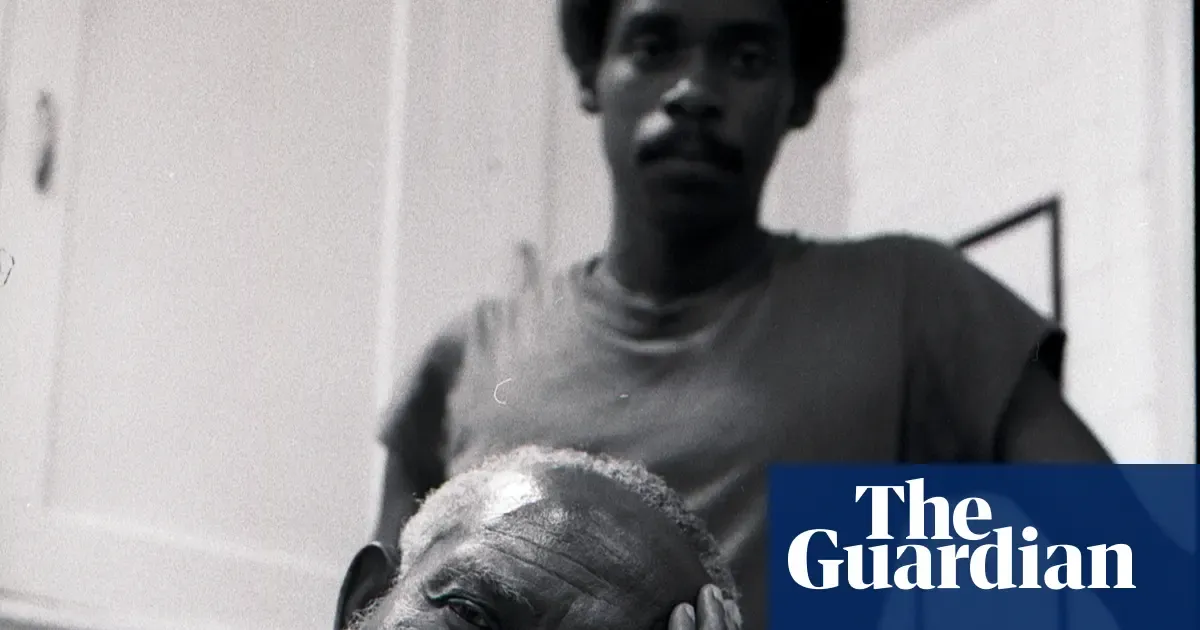
‘Sometimes it’s not perfect, but it works’: film-maker Charles Burnett on his chronicling of Black working-class life

A restored version of his 1983 film My Brother’s Wedding, set in South Central LA, brings Burnett’s vision to a new audienceCharles Burnett had a dilemma. He had agreed to attend the wedding of a co-worker, but the wedding was scheduled for the same day and time as a funeral for a childhood friend. Initially, the film-maker – a landmark chronicler of Black working-class lives – decided he’d go to the funeral. But when he tried to break the news to the co-worker, she was so dejected that he couldn’t go through with it. He tried asking the bride to change the wedding – which was “ridiculous to think of trying to do”, he says decades later – but that didn’t work either. He decided he’d go to both events. But when the day came, he got trapped at the wedding. He “suffered through that” and, in the process, missed the funeral. This dilemma is at the heart of My Brother’s Wedding, Burnett’s tragicomic 1983 film. Like Burnett, character Pierce Mundy has committed to going to a wedding when a childhood friend suddenly dies. Like Burnett, Pierce feels an obligation to be at both places, though the wedding and funeral were scheduled for the same time.

The Guardian Culture·
Arts & Culture

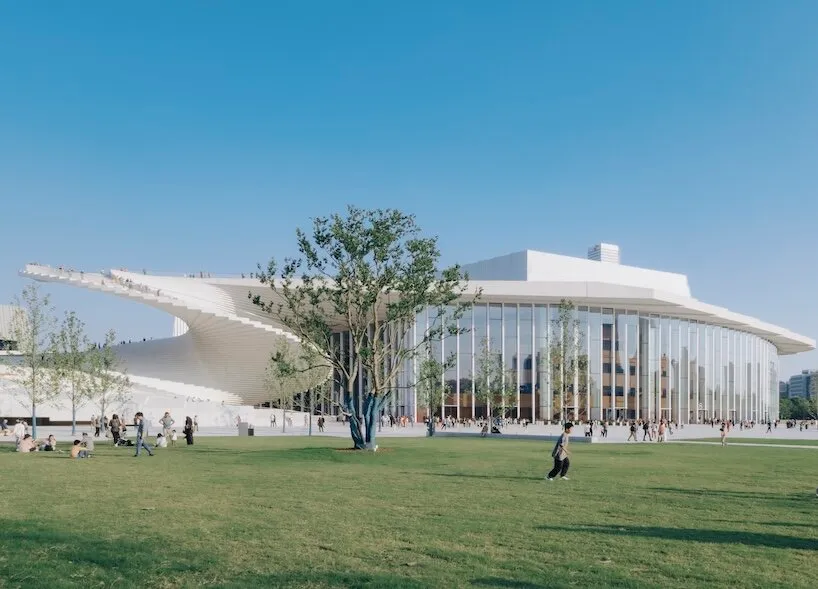
snøhetta unveils completed shanghai grand opera house with spiraling public rooftop

the norwegian architecture studio completes the 146,786-square-meter shanghai grand opera house with three auditoriums and a rooftop open to the public. Iñaki Laguardia October 17, 2026 5 min prefer designboom on googleSNØHETTA’S SHANGHAI GRAND OPERA HOUSE OPENS ON HUANGPU RIVERAfter nearly a decade in the making, Snøhetta’s Shanghai Grand Opera House officially opens on October 17, 2026, bringing a new cultural landmark to the banks of the Huangpu River. Spanning 146,786 square meters, the completed building houses three auditoriums with a combined capacity of 4,200 seats, alongside rehearsal, production, education, exhibition, and hospitality facilities. Yet the Norwegian architecture studio’s ambitions extend beyond creating a world-class performance venue. Conceived as an accessible public destination, the Opera House invites residents and visitors to experience its architecture and surrounding landscape, whether or not they have a ticket.

designboom·
Arts & Culture

Diaries of a Primitive Man

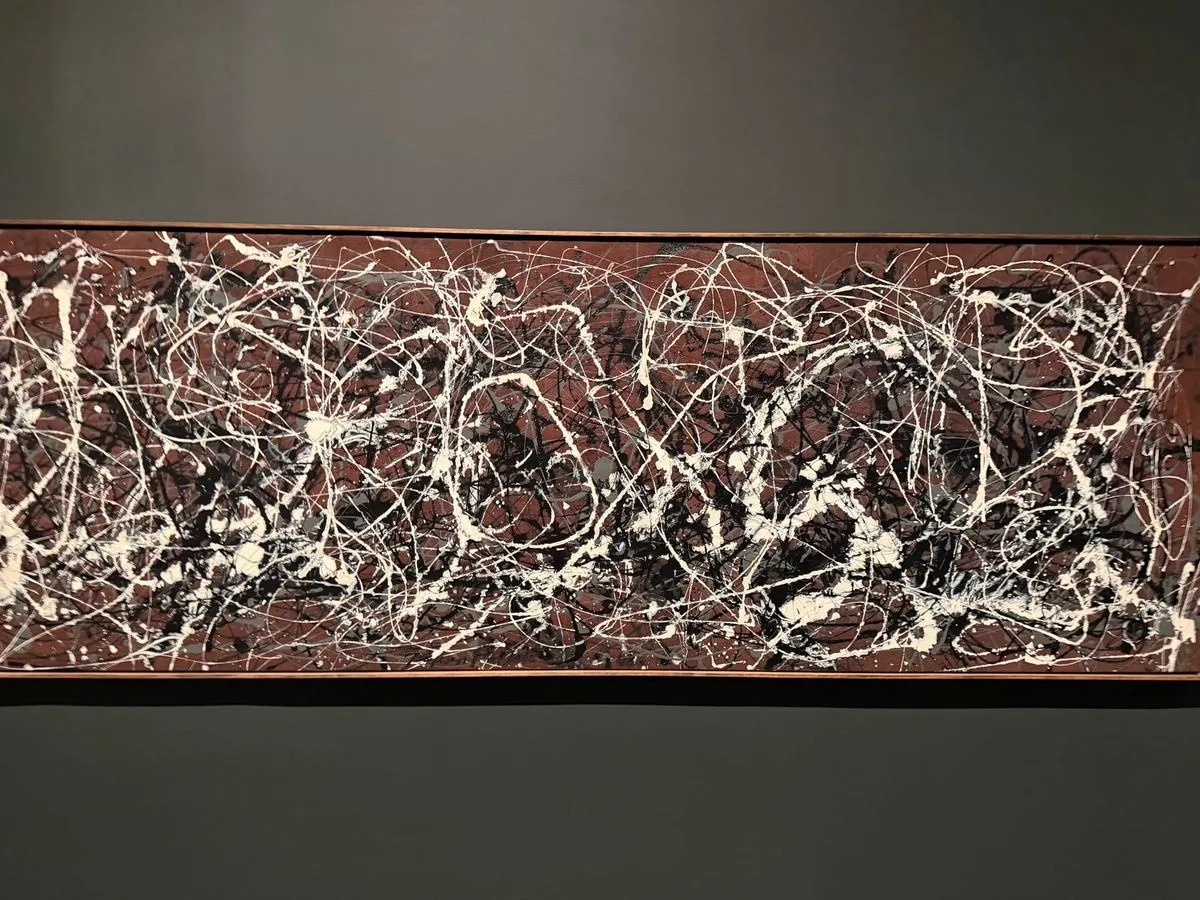
John Yau on Roy Lichtenstein, Megan O’Grady on John Berger, and Paddy Johnson answers the question: Do I need an agent? It’s a sunny October afternoon in Manhattan and the steps of the Metropolitan Museum of Art are bustling with visitors. Tourists pose for selfies against the museum’s facade; street vendors sell chopped-up hotdogs in a nest of French fries; and the sound of saxophone music drowns into the symphony of splashing water fountains and honking cars on Fifth Avenue. So many types of people; the only ones missing are the Lenape whose land was stolen so we could enjoy this fine Indigenous Peoples’ Day on the steps of The Met. Inside the museum, a blockbuster exhibition about Abstract Expressionist painters Lee Krasner and Jackson Pollock is jam-packed. The show is as much about their mutual influence as it is about their marriage, their most difficult collaboration. I hear a woman from behind accusing me of “White privilege” because I apparently cut her in line. I turn around and say, “What White privilege?

Hyperallergic·
Arts & Culture

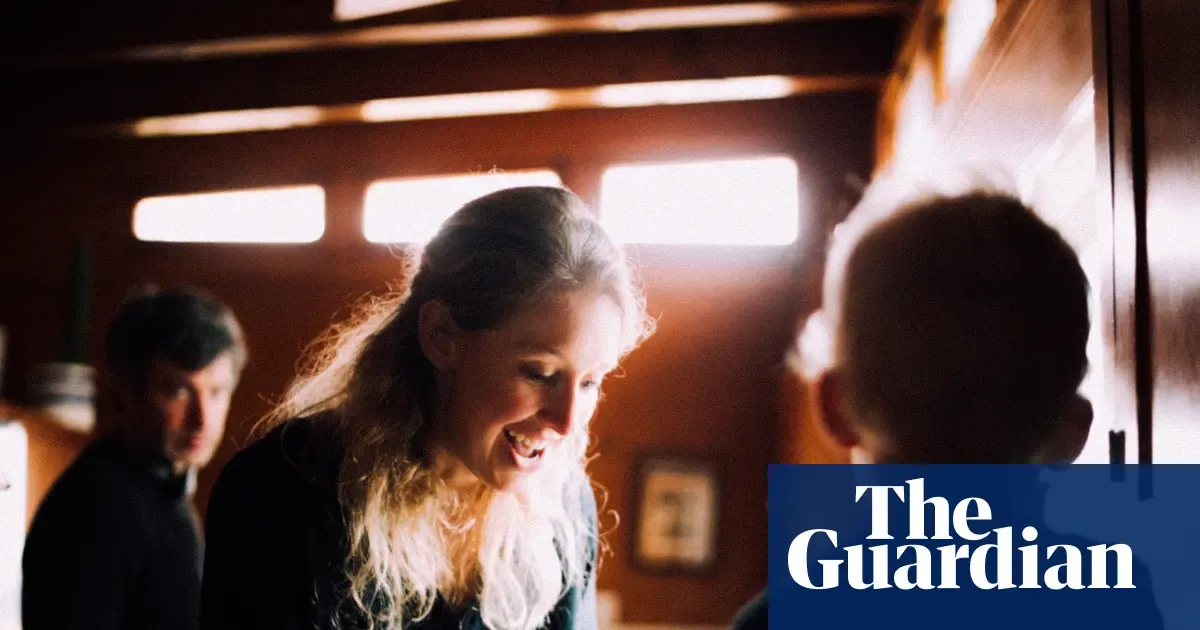
‘You can’t make this stuff up’: why we remain fascinated by Elizabeth Holmes

David Agus’s first encounter with Elizabeth Holmes at a health conference came as a shock. The Holmes he met in the green room was personable and pleasant. The Holmes he interviewed on stage was altogether different. “The accent changed: this deep voice, very serious,” Agus, a medical oncologist, recalls by phone from Los Angeles. “It was as if I had met a person and then interviewed a separate person. That transition from the green room to the stage – I had never experienced something like that before.”Holmes is not like you or me. She was still a teenager when she founded Theranos, touting technology capable of performing medical tests using only a few drops of blood. She cultivated a distinctive persona: blond hair, an unblinking gaze, a husky voice and a black turtleneck worn in homage to Apple co-founder Steve Jobs. Holmes mesmerised investors and board members including Rupert Murdoch, Larry Ellison, Carlos Slim and former secretaries of state Henry Kissinger and George Shultz. She became America’s youngest self-made female billionaire. But it was all an illusion, a confidence trick built on a scam. Holmes’s shining career ended in disgrace and imprisonment.

The Guardian Culture·
Arts & Culture

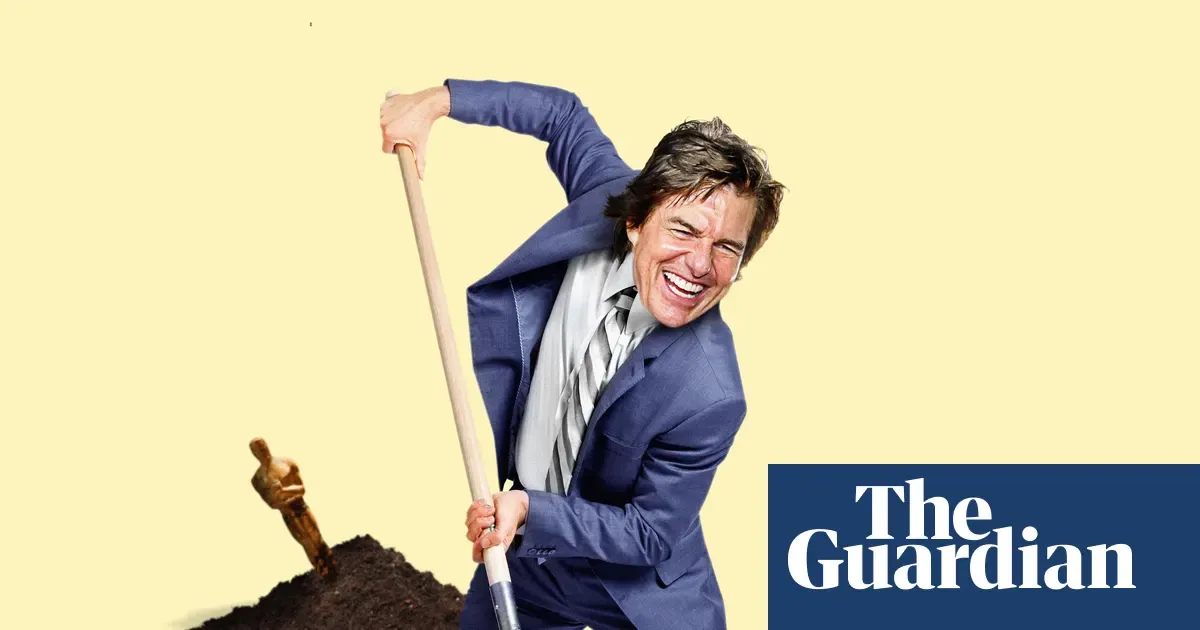
The Digger disaster: what an epic movie flop means for Tom Cruise and Hollywood

The fanfare at Digger’s world premiere in London four weeks ago was literal. As the Prince and Princess of Wales took to the stage, their arrival was heralded by the band of the Irish guards’ fanfare team – bugles gleaming, epaulets shining, bearskin bonnets rippling under the lights. Given the occasion, the band were not overdressed. Joining William (velvet tux) and Kate (chiffon gown, the late Diana’s earrings) to introduce the film was cinema’s longest-reigning monarch, Tom Cruise (Armani), along with a retinue including director Alejandro González Iñárritu and co-stars Sandra Hüller, Riz Ahmed, John Goodman, Jesse Plemons and Michael Stuhlbarg. Loyal courtiers filled the front rows: Salma Hayek, Hannah Waddingham and no fewer than three Beckhams (David, Cruz and Romeo). The film itself started two hours late, thanks to Cruise’s trademark completism with red carpet selfies and autographs. But no one minded, much.

The Guardian Culture·
Arts & Culture

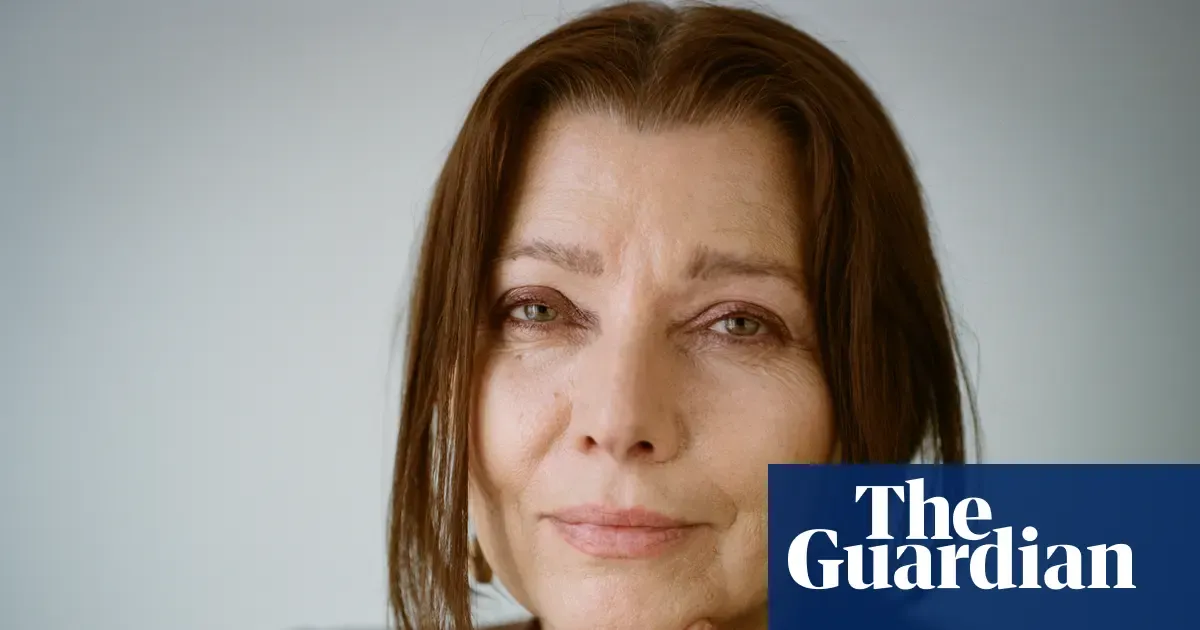
‘Is there any value in writing a story in a time of chaos?’: novelist Elif Shafak on her creative crisis

For a long time Elif Shafak was referred to as Turkey’s “most widely read female author”. Today, she is surely simply its best loved. Orhan Pamuk may have won the Nobel prize in literature, but it is Shafak whose novels are fervently passed among readers. There Are Rivers in the Sky, which follows a single raindrop from ancient Nineveh to the River Tigris in 2018, was one of the UK’s bestselling literary novels last year. The Island of Missing Trees, a love story set in post-colonial Cyprus and contemporary London, was shortlisted for the Women’s prize in 2022, and 10 Minutes 38 seconds in This Strange World, narrated by a murdered sex worker in Istanbul, was shortlisted for the Booker prize in 2019. Last December she was elected president of the Royal Society of Literature. It would be tempting to say she is on a roll, but Shafak’s reputation and readership have been steadily growing for more than 20 years and spanning as many books, of which 14 are novels. In a 2017 Ted Talk, which has been viewed more than 6.4m times, she describes herself as an Istanbulite, “a European by birth and by choice” and a Londoner for many years.

The Guardian Culture·
Arts & Culture

‘I know I can do anything’: new archive of AS Byatt’s papers looks inside the writer’s extraordinary mind

At 20, Antonia Susan Byatt was not yet sure she could write. “Do I take myself seriously as a writer?” she asked herself in her diary in September 1956. “No, I think not.”The young Byatt – who would go on to become one of Britain’s most celebrated writers, best known for her 1990 novel Possession: A Romance – was troubled by the possibility that her mind might not be equal to her ambitions. Yet her determination was already evident. On her 20th birthday, she wrote: “Today, I know I can do anything. But not yet.”These intimate reflections can be found among the material in a major new archive of Byatt’s work, acquired by the British Library. It offers an insight into the development of the Booker prize-winning writer, who died aged 87 in 2023, and whose intricate, intellectually ambitious fiction earned her international acclaim.‘The other side of the tapestry’ … a draft of Possession. Photograph: Copyright Antonia Susan Duffy Literary Trust/courtesy of the British LibraryThe collection comprises 68 boxes of working notebooks, manuscripts, correspondence, personal diaries and documents from Byatt’s early life.

The Guardian Culture·
Arts & Culture

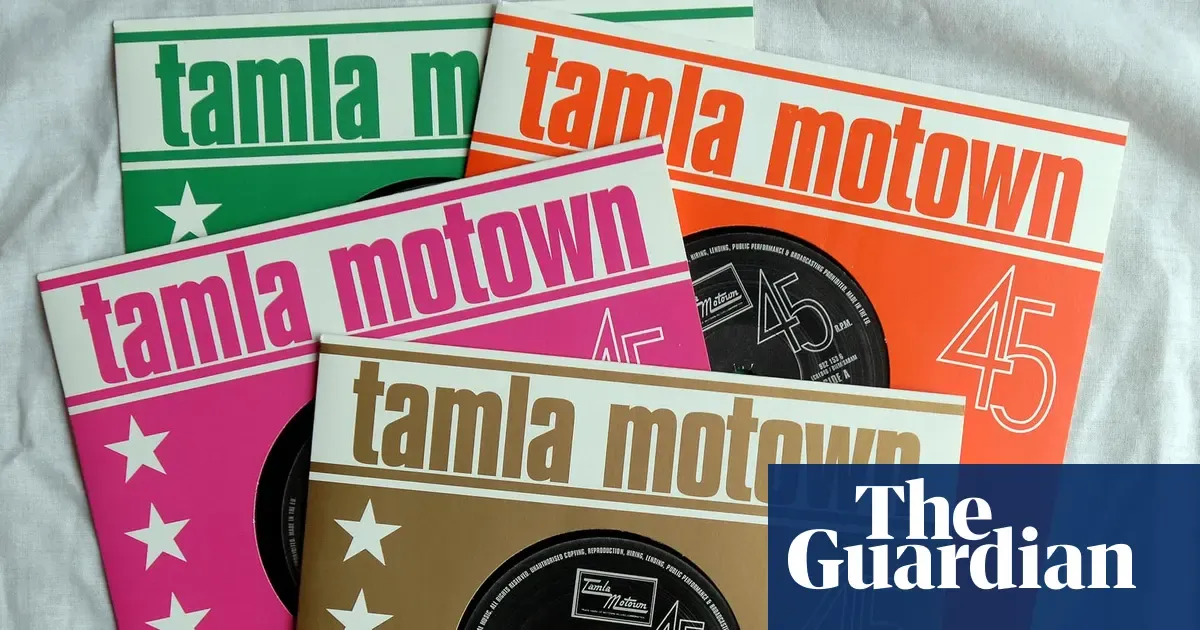
The Guide #265: Your favourite record labels, from Motown to Flying Nun

Last week we asked Guide subscribers to tell us about their favourite record labels, and the response was enthusiastic. Clearly, even in this age of streaming services that flatten albums, singles, EPs and mixtapes into one single “feed”, the lure of a label – and its role in identifying, nurturing and developing musical talents – remains. So this week, a celebration of the record label: along with some readers’ favourites, we’ve asked music writers to share their personal picks. They’ve put together a great list of familiar and off-the-beaten-track labels that might just help you discover your next favourite album (I can already tell I’ll be spinning the Verlaines record recommended by reader James a fair bit!).‘Record labels throb with thrill and romance’“As a stream of AI slop joins the torrent of content that arcs across popular culture, well-curated labels become more important than ever for time-poor and garbage-resistant listeners. One of today’s best is AD93, founded by Londoner Nic Tasker. It manages to be totally open-minded, while its signees nevertheless have a shared spirit: experimentalism used to dig out beauty and originality.

The Guardian Culture·
Arts & Culture

The Audacity: this witty tech-bro takedown from a Succession writer is packed with glorious one-liners

Many of us yearn for the return of an analogue world, but it’s never coming back. You can’t buy potato waffles without a QR code. I had to arrange an IRL bank appointment for my mother to check her balance, and it took, I don’t know, 100 days? A friend of mine has boycotted WhatsApp, but I can’t tell you how that’s going because we haven’t spoken in a year. Watching The Audacity (from Thursday, HBO Max) this week, I was shaken by how much of our dystopia can be traced to a small number of men in Silicon Valley. Their products and platforms, an expression of their shortfalls as much as their skills, have reshaped our world more seismically than any political party. Their power-brokering has turned a small collection of towns and villages south of San Francisco into a modern-day Camelot. The Audacity is interested in the perverse psychology of pioneers. Our hero is Duncan Park (Billy Magnussen), founder of data analytics company Hypergnosis (ugh). They’re on the verge of being bought out by Cupertino, an Apple-coded corporate big dog, until greedy Dunc leaks the news to jack up the price.

The Guardian Culture·
Arts & Culture

The Penelopiad review – move over, Odysseus! Margaret Atwood lets Penelope’s maids run riot

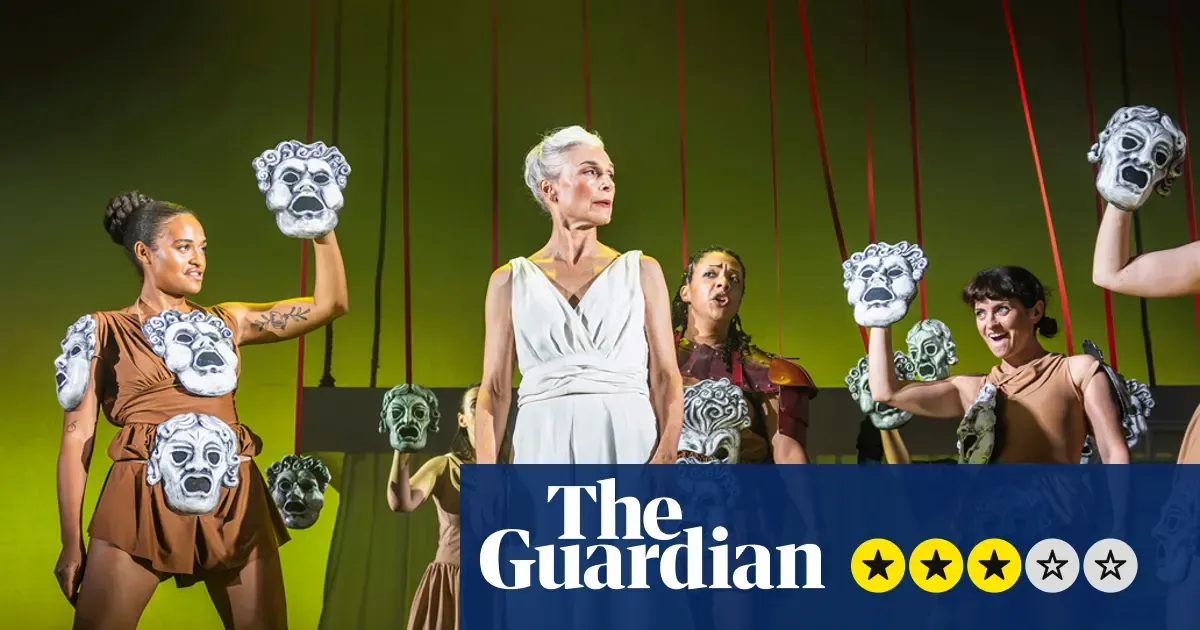
After a summer of Odysseus hogging the spotlight thanks to Christopher Nolan’s blockbuster take on Homer, it’s time for the women to have their say. The Penelopiad is, as its title declares, the story of Odysseus’s famously faithful wife. But in Margaret Atwood’s play, adapted for the stage from her own novella, it is also Penelope’s brutally slain maids whose perspective is reclaimed. If Penelope’s voice has been sidelined, theirs have been silenced altogether. The backdrop for this revisionist storytelling is hades. In Sara Perks’s minimal design, it’s a sterile, featureless place, deliberately drained of the passion and mess of life. Thick, blood-red ropes suggest the strands – literal and narrative – woven by Penelope and the cords used to hang the maids. These wronged figures form a chorus, acting out episodes from Penelope’s life as well as interrupting with their own bitter take on events. We hear of Penelope and Odysseus’s marriage, his departure to Troy, and the long, long years that followed. Raucous contrast … the maids in The Penelopiad.

The Guardian Culture·
Arts & Culture

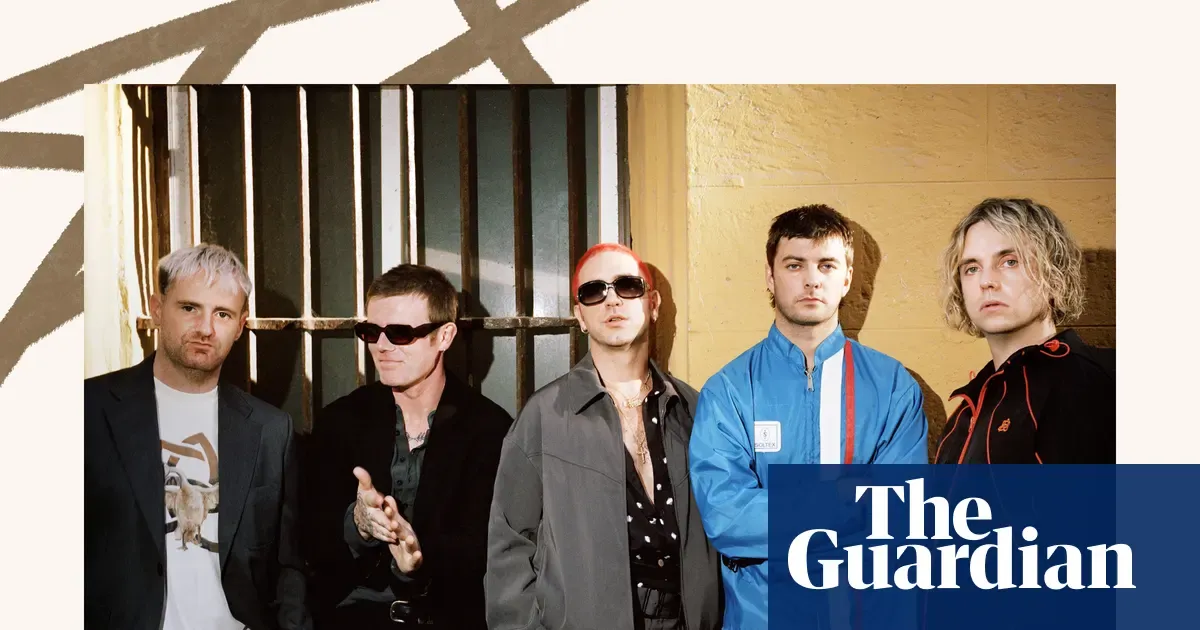
From Time to Fontaines DC: the week in rave reviews

TVIf you only watch one, make it … TimeBBC iPlayer; available nowSummed up in a sentence David Tennant gives one of his finest performances in the third series of Jimmy McGovern’s terrifying but essential prison drama. What our reviewer said “This portrait of masculinity and the misery it brings probably won’t garner the attention and momentum that Jack Thorne’s Adolescence did. But it should. Our boys need it.” Lucy ManganRead the full reviewFurther reading ‘Me and the lads would not survive a day in here’: inside TV’s utterly stunning, Bafta-winning prison dramaPick of the restThe DiplomatNetflix; available nowHurtling into the abyss … Keri Russell as Kate Wyler in The Diplomat. Photograph: Erika Kuenka/NetflixSummed up in a sentence Keri Russell returns in Debora Cahn’s transatlantic thriller for a fourth series of exquisitely fraught geopolitical skulduggery.

The Guardian Culture·