‘Is there any value in writing a story in a time of chaos?’: novelist Elif Shafak on her creative crisis
This story deserves to be shared
Send it to someone who'd care, or post it on your networks.
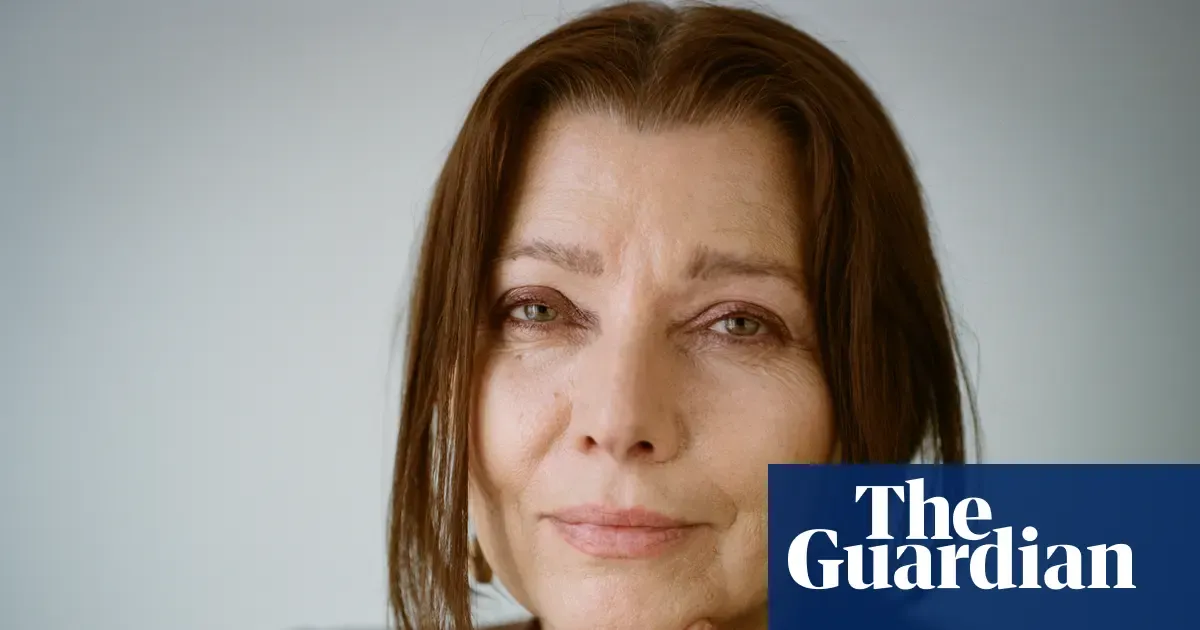
For a long time Elif Shafak was referred to as Turkey’s “most widely read female author”. Today, she is surely simply its best loved. Orhan Pamuk may have won the Nobel prize in literature, but it is Shafak whose novels are fervently passed among readers. There Are Rivers in the Sky, which follows a single raindrop from ancient Nineveh to the River Tigris in 2018, was one of the UK’s bestselling literary novels last year. The Island of Missing Trees, a love story set in post-colonial Cyprus and contemporary London, was shortlisted for the Women’s prize in 2022, and 10 Minutes 38 seconds in This Strange World, narrated by a murdered sex worker in Istanbul, was shortlisted for the Booker prize in 2019. Last December she was elected president of the Royal Society of Literature. It would be tempting to say she is on a roll, but Shafak’s reputation and readership have been steadily growing for more than 20 years and spanning as many books, of which 14 are novels. In a 2017 Ted Talk, which has been viewed more than 6.4m times, she describes herself as an Istanbulite, “a European by birth and by choice” and a Londoner for many years.
This article is an excerpt. To read the full content, visit the original source. The Guardian Culture
Related articles
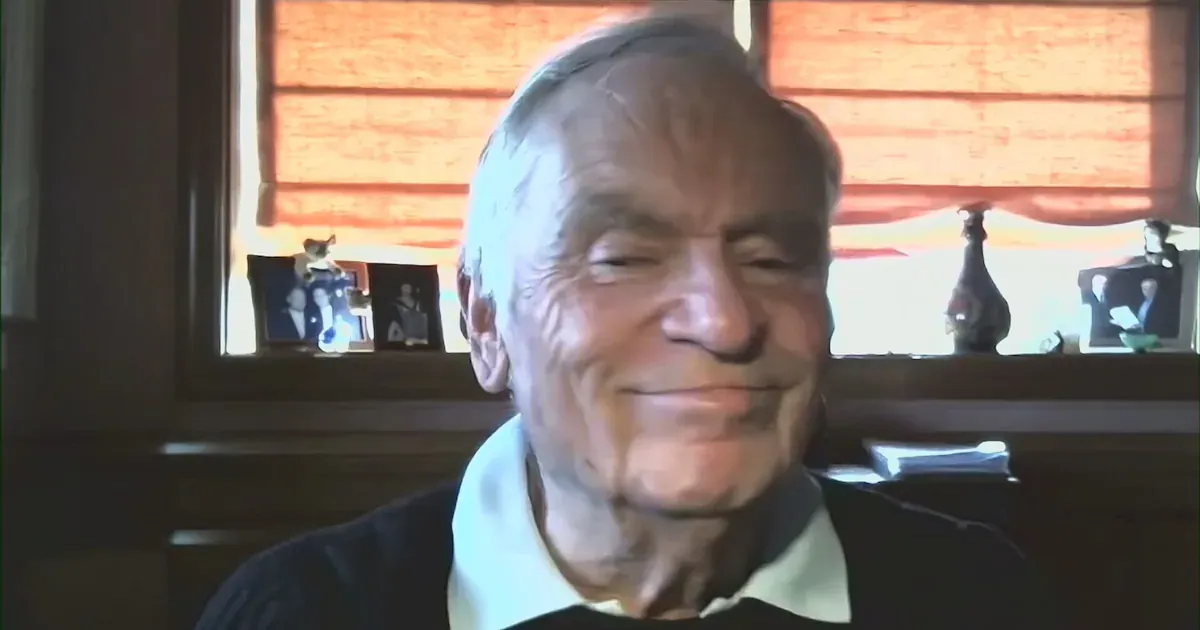
Jeffrey Archer, U.K. novelist and scandal-plagued politician, dies on eve of final book - CTV News
AtlanticNova ScotiaNew BrunswickPrince Edward Island Newfoundland and LabradorCalgaryLethbridgeKitchenerGuelphNorthern OntarioSudburyNorth BaySault Ste. MarieTimminsOttawaKingstonBrockvillePembrokeReginaYorktonSaskatoonPrince AlbertTorontoWatchWeatherPeelHamiltonDurhamYorkHaltonNiagaraQueen's ParkToronto City HallIn PicturesVancouverVancouver IslandCanadaLocal SpotlightRoyal FamilyPoliticsNanosPower PlayQuestion PeriodFederal Election 2025WorldMideast ConflictRussia-Ukraine WarWatchLatestCaptured on CameraPoliticsLifestyleConsumerHealthExplainedEntertainmentTechnologyDeception DecodedAutosEnvironmentBusinessInflationReal EstateAutos
Beach novelist Pattison Telford creates fantasy world of magic in latest book - Beach Metro Community News
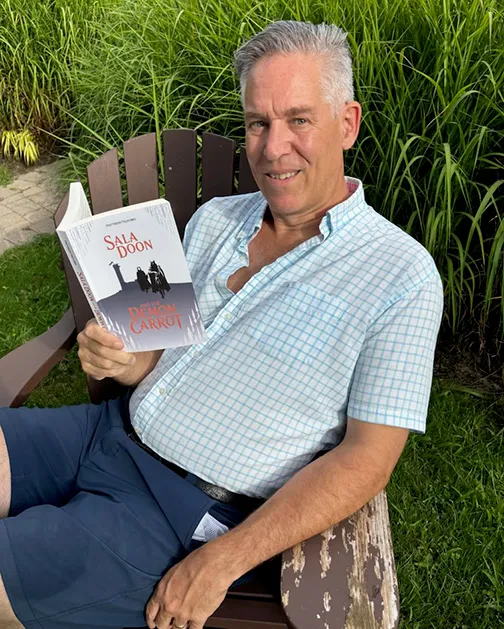
Beacher Pattison Telford with his latest fantasy novel Sala Doon and the Demon Carrot. Photo by Josh McGinnis. In a world full of traffic jams, meal prep, and high taxes, one Beach resident’s newest novel offers an escape featuring demonic carrots, rogue knife-slingers, and a dangerous conspiracy.
After Protests and Riots, Art Basel Readies Paris Show
'The fair is proceeding as planned and final preparations are underway,' a spokesperson said. The post After Protests and Riots, Art Basel Readies Paris Show appeared first on Artnet News .
Dance Is Not for Us review – desire and defiance as one revolutionary mover sweats it all out
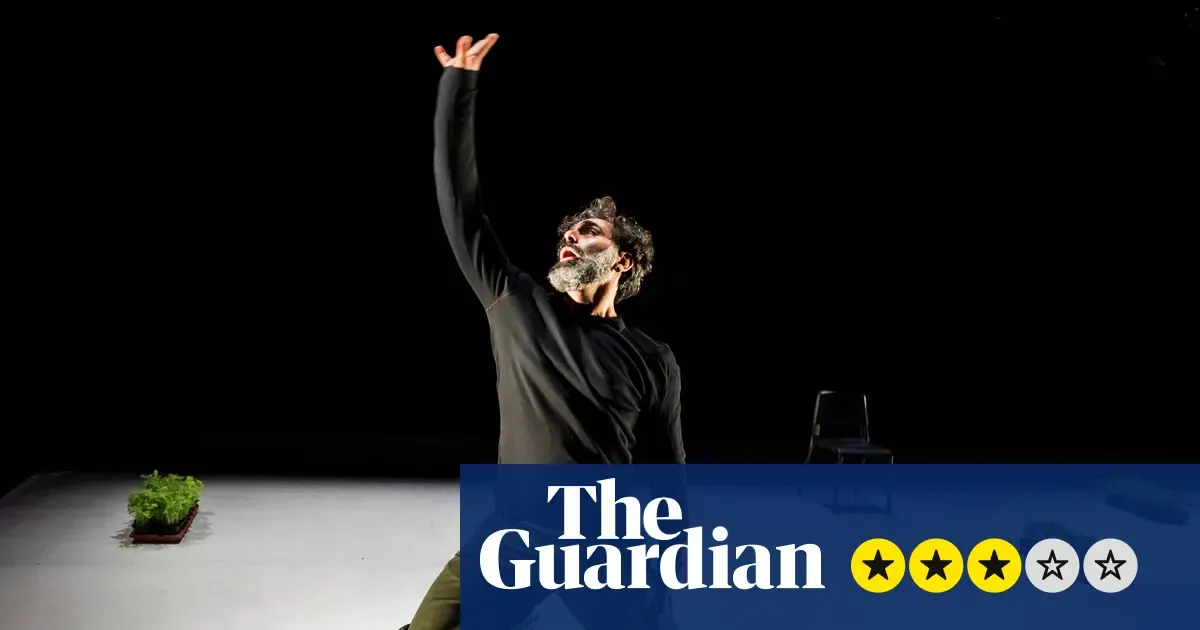
In August 2019, Omar Rajeh sat in his bedroom, listening to the sound of pounding percussion with his world in crisis. In the midst of political instability, Citerne Beirut, a theatre and cultural centre Rajeh had founded in his native Lebanon, was forced to close, dismantled by order of the local government, who planned to build an incinerator on the site. Heartfelt … Omar Rajeh in Dance Is Not for Us. Photograph: Tristram Kenton/the GuardianRajeh tells us that as a teenager, coming of age at the end of the Lebanese civil war, dance had always seemed like the most revolutionary thing he could do. Now here he is, more than three decades later, still dancing – out of frustration, defiance, resistance and a desire to connect. As the percussive score gains momentum, Rajeh’s busy body builds up a sweat. In this danced stream of consciousness, Rajeh is not always an especially elegant mover, but he dances like it’s a necessary thing to do. Part of this year’s Dance Umbrella festival, Dance Is Not for Us is a solo that appears at times like an explosion of physical instinct, but it is mostly calm, considered musings on the nature of choreography, with all its workings exposed.

4.48 Psychosis review – a dazzling, harrowing opera worthy of Sarah Kane’s furious writing
Sarah Kane revolutionised British theatre with five provocative plays written between 1995 and 1999. Her final work, 4.48 Psychosis, was her most personal, confronting the clinical depression she struggled with for years. The play was first performed posthumously in 2000, after she died by suicide in 1999. The Royal Opera and Guildhall School of Music and Drama commissioned Philip Venables to adapt the play as an opera, which debuted in 2016. The composer, also known for a certain “in-yer-face” approach, set Kane’s original text almost entirely, realising its 24 disjointed sections in a raw, imaginative score teeming with minimalist licks, prickly synth-pop and consoling nods to the baroque. The libretto shifts between poetic abstraction and scathing exchanges between a patient and a psychologist. An ensemble of six female singers navigates themes of depression, isolation and the agonising choices surrounding medication. One fractured personality … Sophia Burgos, Veena Akama-Makia, Hannah Edmunds and Jacquelyn Stucker in 4.48 Psychosis.
0 comments
No comments yet. Be the first to share your thoughts!