Eating olive oil before carbs has a surprising effect on blood sugar - Science Daily
This story deserves to be shared
Send it to someone who'd care, or post it on your networks.
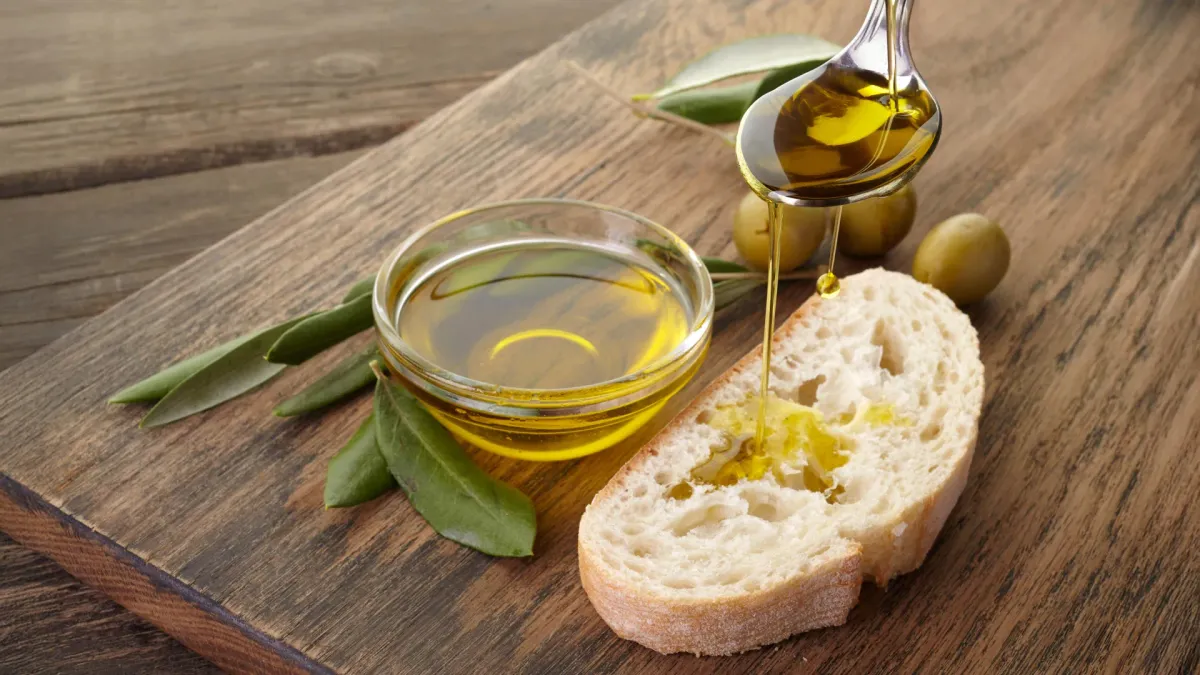
The order in which you eat different foods may have a surprising effect on blood sugar levels. Research in mice suggests that consuming fat before carbohydrates can reduce the sharp rise in blood sugar that typically follows a meal. The findings also reveal how hormones and nerve signals work together to influence this response.
Keeping blood sugar from rising too high after eating is an important part of diabetes management. Previous clinical studies have shown that eating vegetables, protein, or fat before carbohydrates can help limit these increases. This suggests that changing the sequence of foods during a meal could offer a practical, sustainable way to improve blood sugar control without eliminating entire food groups.
This article is an excerpt. To read the full content, visit the original source. Science Daily
Related articles
Scientists Had Mice Eat Olive Oil Before Carbs, And It Changed Their Blood Sugar Response - ScienceAlert
One of the core challenges in diabetes is controlling your blood sugar after eating, particularly when carbohydrates are involved. But new findings give further evidence that it's not just what you eat that matters when it comes to controlling blood glucose – when you eat is also an important factor. In a study published in Diabetes, researchers found that mice fed olive oil before consuming glucose saw a reduced increase in blood sugar afterward. "Our findings suggest that the order in which nutrients reach the gut can engage a coordinated hormone-nerve response that changes how quickly the stomach delivers glucose to the intestine," says endocrinologist Daisuke Yabe from Kyoto University. While the new findings have only been demonstrated in mice for now, it's not the first time we've seen evidence that the order foods are eaten can affect how blood sugar levels respond after a meal. Meal-sequencing is an emerging dietary approach to help treat and manage diabetes and obesity, with evidence showing that eating vegetables or foods rich in protein or in fat prior to eating carbohydrates helps to keep people's blood sugar lower. A visual breakdown of some of the key findings.

Forget fat or carbs: This unexpected tip could truly save your heart - Futura, le média qui explore le monde
The Futura Team represents the pulse of Futura’s editorial department, bringing together a collective expertise dedicated to the dissemination of scientific knowledge. Rather than the work of a single author, every article published under this signature is the result of a rigorous collaborative process involving journalists, editors, and fact-checkers. Specializing in news analysis via desk research and international wire services, the team focuses on transforming raw information into accessible, verified content. This curation and synthesis process ensures constant monitoring of technological innovations and major scientific breakthroughs. By cross-referencing sources and conducting multiple rounds of peer review, the Futura Team guarantees scientific accuracy and pedagogical clarity. This collective signature serves as a hallmark of trust, providing reactive, cross-disciplinary information at the forefront of current events Low-carb or low-fat? This nutrition debate has been raging for decades—pasta and potato lovers on one side, fat-phobics on the other, each fiercely defending their preferred team.
Captain Carbs to the rescue! - Université de Montréal

Simulations explore nuclear mitigation of asteroid threats - Phys.org
Lawrence Livermore National Laboratory researcher Isaiah Santistevan led the development of three-dimensional simulations exploring how a nuclear device could deflect or disrupt an asteroid threatening Earth. Credit: Blaise Douros/LLNL Lawrence Livermore National Laboratory (LLNL) researchers are developing three-dimensional simulations to examine how a nuclear device could be used to deflect or potentially disrupt an asteroid threatening Earth.
0 comments
No comments yet. Be the first to share your thoughts!