BBlogFlow

Categories

Science

12523 articles

Science

Trump debases science award by giving it to crackpot donor Musk - Daily Kos

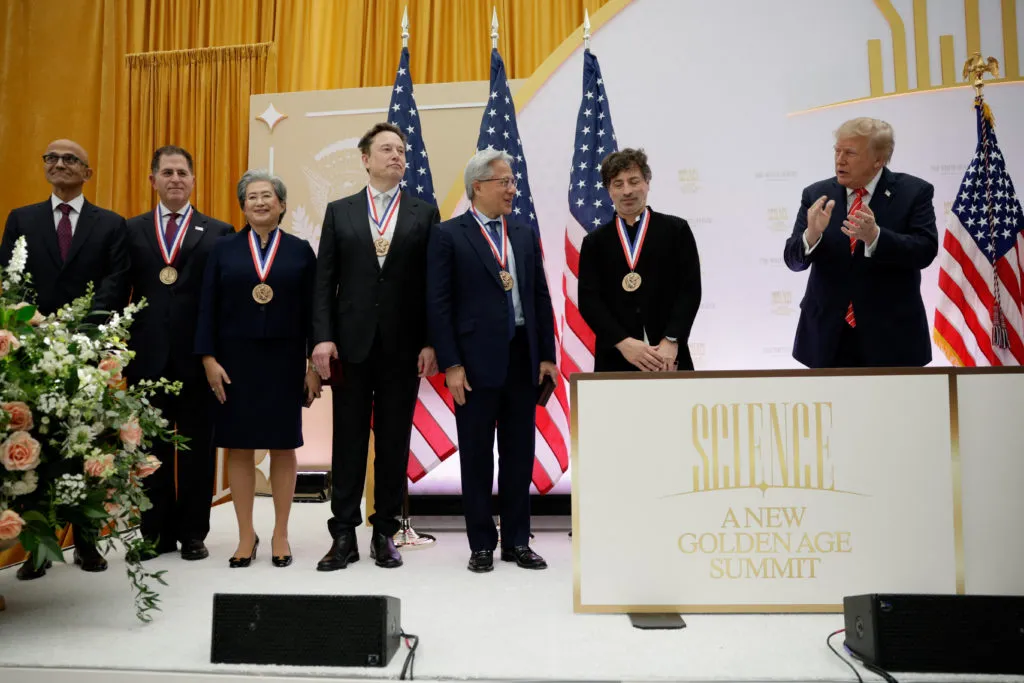
President Donald Trump announced on Wednesday that he will give the National Medal of Science to racist billionaire Elon Musk and a group of technology executives who have donated to Trump, his administration, or the Republican Party. In a statement, the White House said the Trump cronies were “incredible leaders in science and technology” and that they are “helping ensure America keeps leading the world in innovation.”

Daily Kos·
Science

2,000-year-old marble torso symbolizes the dawn of ancient Rome - Popular Science

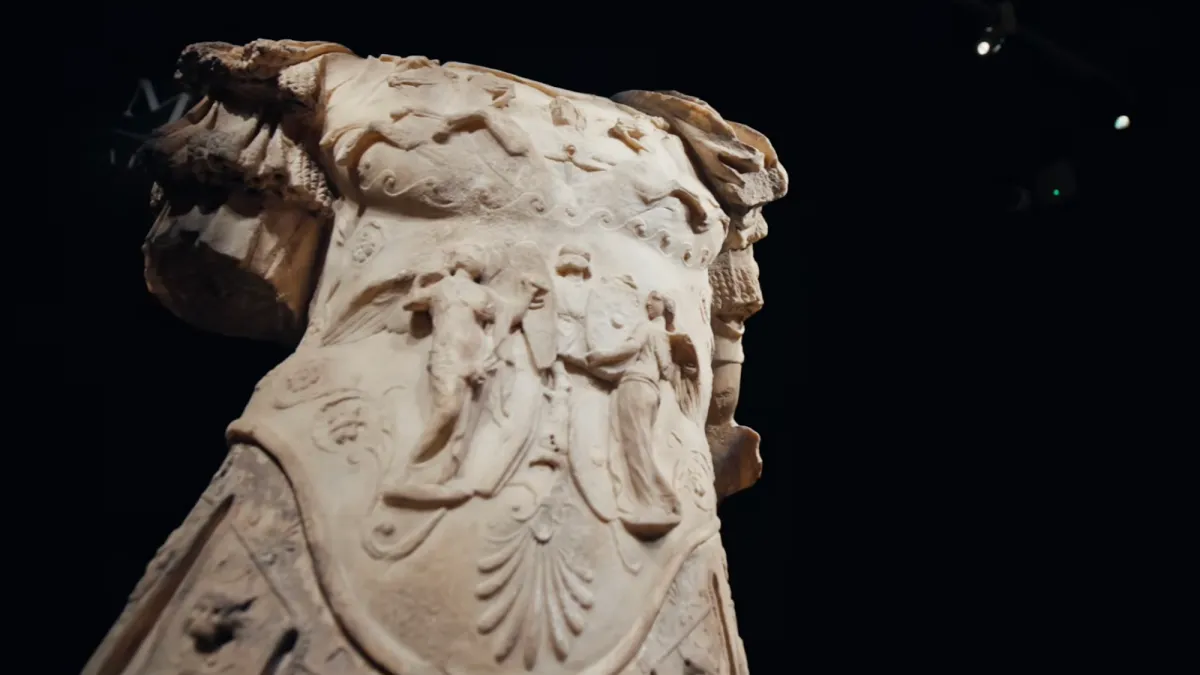
Similar sculptures stood inside local temples as symbols of imperial authority. A 2,000-year-old marble sculpture slated for auction later this month is more than a well-preserved piece of artistic history. From its original vantage point inside an ancient temple in present-day Croatia, the depiction of an emperor’s decorative chestplate reminded the recently conquered residents that the age of the Roman empire had arrived.

Popular Science·
Science

NASA Advances LISA Mission Contributions With New Test Telescope - NASA Science (.gov)

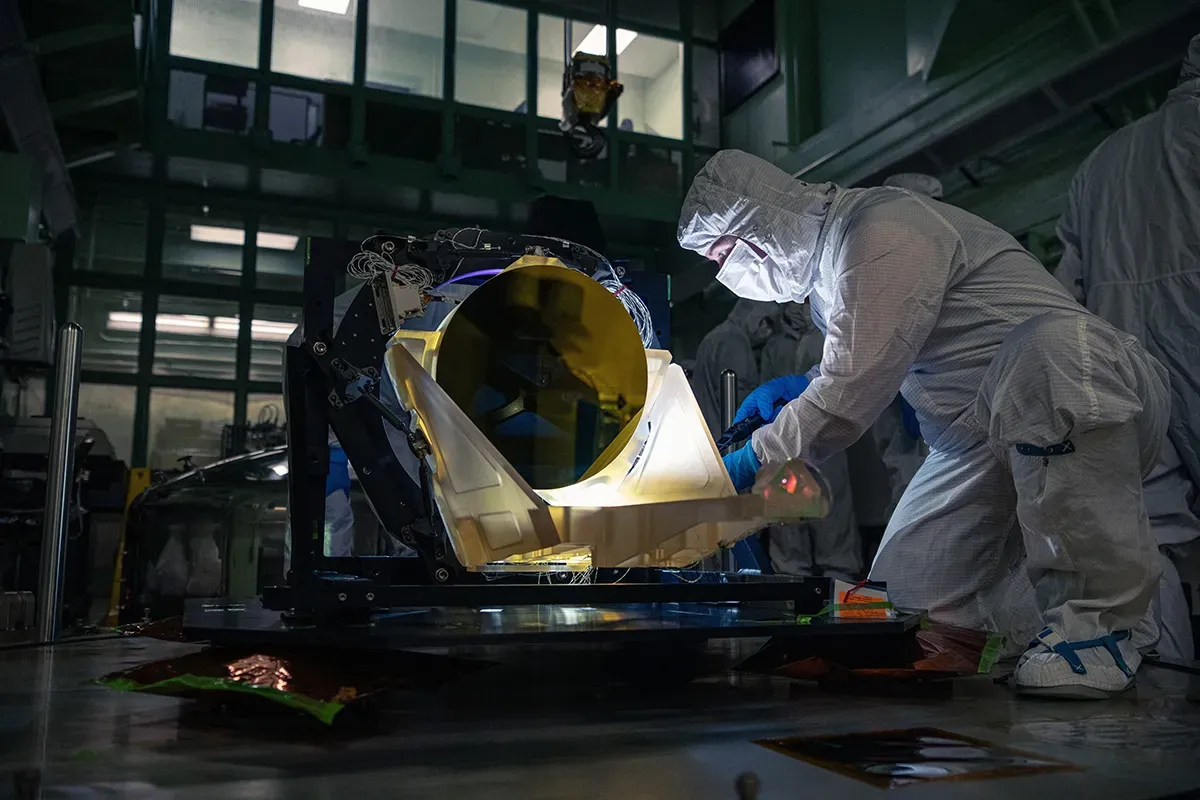
NASA has taken the next step in the process of developing a new all-glass telescope for the LISA (Laser Interferometer Space Antenna) mission, a space observatory designed to detect ripples in space-time called gravitational waves. L3Harris Technologies will design, assemble, and integrate the new telescope for NASA. Called the Engineering Test Unit, this contribution represents a final step toward the future production of flight hardware.

NASA Science (.gov)·
Science

Rare red bat rescued in Maine gobbles up mealworms - Popular Science

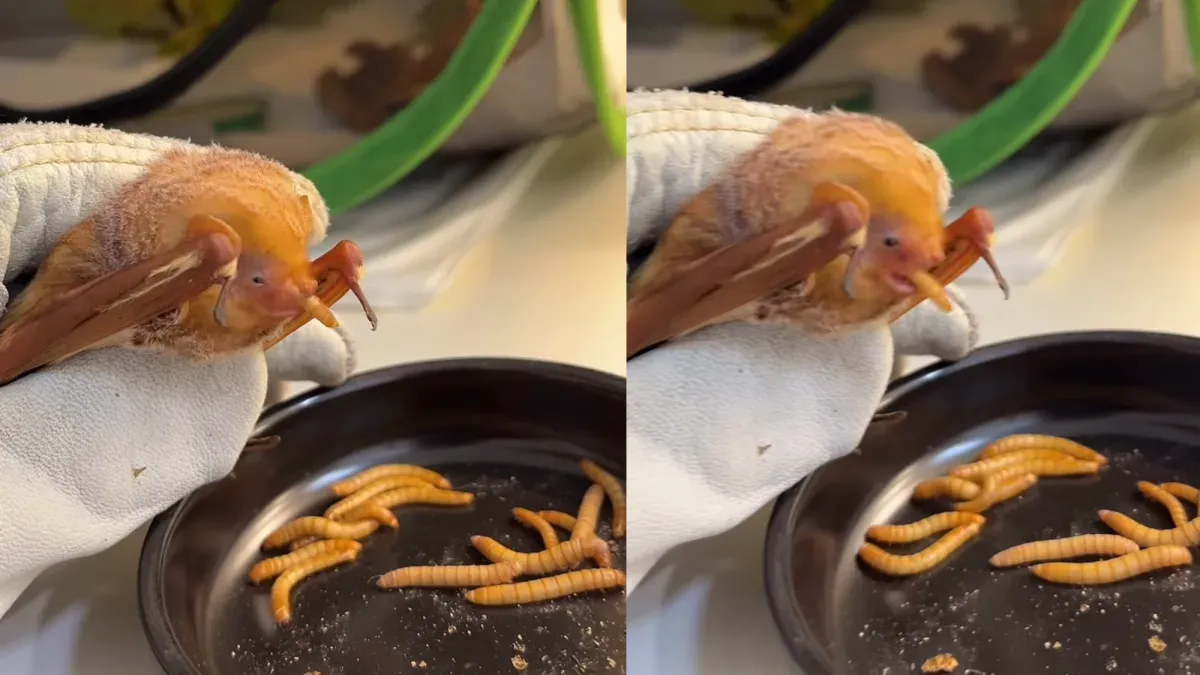
Eastern red bats are one of eight bat species found in southern Maine. A rare Eastern red bat (Lasiurus borealis) is recovering after being found struggling in the surf on a Maine beach. Earlier this week, the Center for Wildlife in Cape Neddick, Maine, shared new footage of the winged mammal chowing down on a hearty plate of mealworms—a good sign for her recovery.

Popular Science·
Science

Nvidia commits $1bn to US science over the next five years - The Next Web

Quantum computing, healthcare and energy security are the fields Nvidia wants to strengthen with commitments it values at $1 billion. The money will be spread over the next five years. The company announced the commitments on Thursday at the Science: A New Golden Age event in Washington, DC. US officials, industry leaders and members of the science community attended.

The Next Web·
Science

Higher Levels of 19 Potentially Toxic Chemicals Found in The Teeth of Children With Autism - ScienceAlert

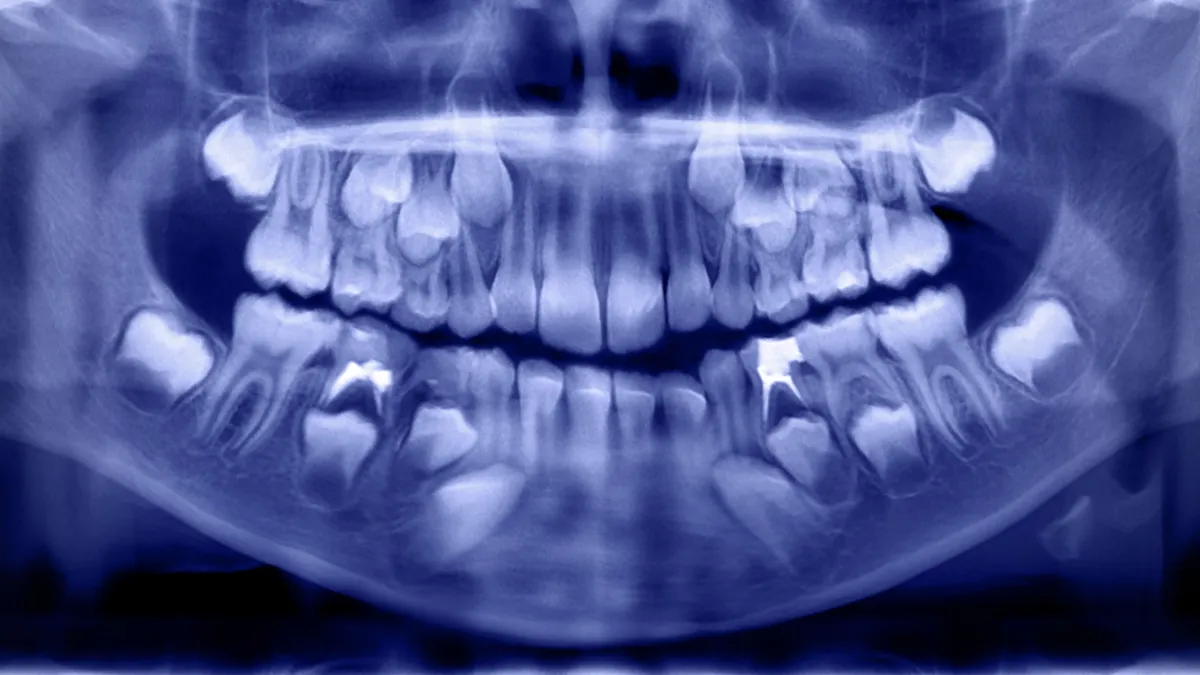
X-ray of a seven-year-old’s jaw. (–1001-/iStockphoto/Getty Images) While scientists are still continually learning what causes autism, there's already considerable evidence linking environmental exposures to the condition, in addition to genetic factors. In recent years, a number of environmental risk factors have been identified, and while scientists have yet to demonstrate that any specific agents cause the condition, it's imperative we keep learning more about the potentially toxic substances that seem to be linked to the disorder. In this context, one challenge is that many studies measure chemical exposures by testing blood or urine samples, both of which only provide a short-term window – sometimes just hours – to identify chemicals in the sample before their signature vanishes. In a new study published in Neurotoxicology and Teratology, scientists found a way around that: analyzing children's primary or 'baby' teeth as a long-term record of chemical exposures that build up as teeth form, which can preserve detectable chemical traces for decades.

ScienceAlert·
Science

Alaska Science Forum time capsule: The secret life of a red fox family - Peninsula Clarion

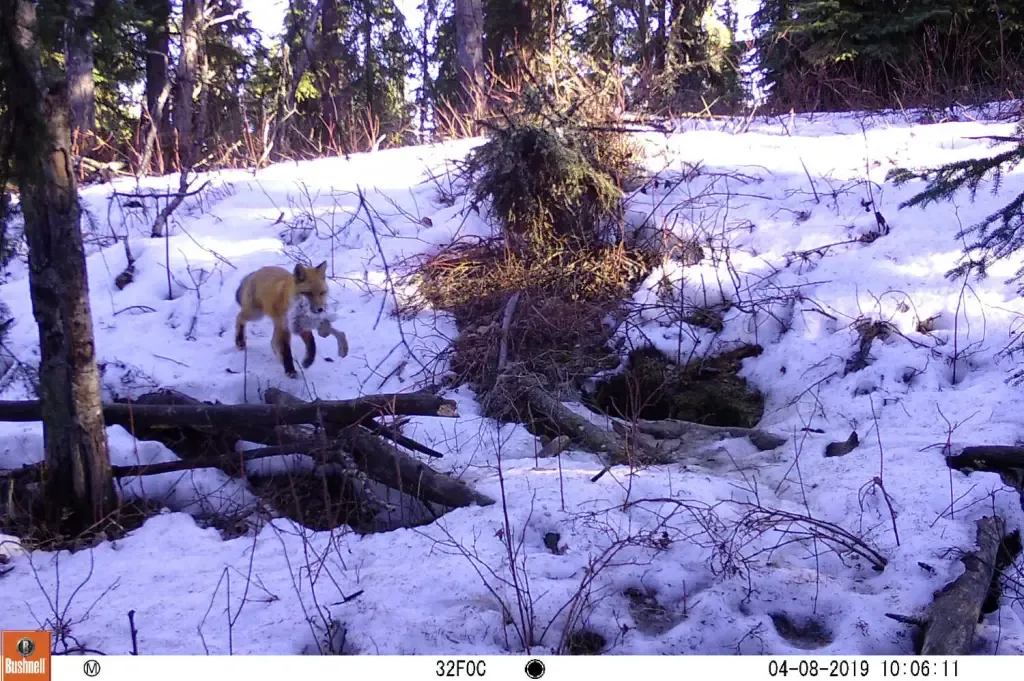
Note: At the start of every walk, my dogs try to sneak away to “fox town,” a fox den on the other side of the pond near my cabin, and we often see the adult foxes trotting through the neighborhood. Hearing one of them bark the other evening, I was reminded of this March 26, 2020, story by Ned Rozell. He recently reported that foxes still use the den, but did not occupy it in summer 2026. — Sara Wilbur One year ago, in a world with the same mountains and valleys but feeling very different, we made a discovery.

Peninsula Clarion·
Science

WATCH: Trump awards Elon Musk the National Medal of Science, among other awards for tech execs - PBS

WASHINGTON (AP) — President Donald Trump celebrated tech billionaires for their contributions to America on Thursday only hours after a company run by one of them, Microsoft, was accused by his vice president of abusing the visa system to bring in more foreign workers. It so happens five of the six leaders he honored are immigrants. Watch Trump's remarks in the player above.

PBS·
Science

NSF lays the foundation for the next generation of technologies and support for American talent - U.S. National Science Foundation (.gov)

The U. S. National Science Foundation today announced a series of programs and initiatives to support the ambitious vision articulated in the White House report Science: A New Golden Age and in "NSF leadership in a new golden age of science. " These new programs and initiatives combined with the $1.5 billion in investments announced in August will help the agency improve how it evaluates and supports science, harness super intelligence to accelerate discovery, and invest in exceptional students and early-career researchers. NSF is establishing an Office of Metascience to serve as a testbed for studying how scientific communities respond to novel review and funding mechanisms, applying those lessons learned to NSF programs to accelerate discovery. The office will operate with full transparency, sharing its experiments and findings with academia, industry, and philanthropy. A job announcement for the head of the Office of Metascience will be forthcoming.

U.S. National Science Foundation (.gov)·
Science

Scientists accidentally discover a genetic code that breaks the rules of life - Science Daily

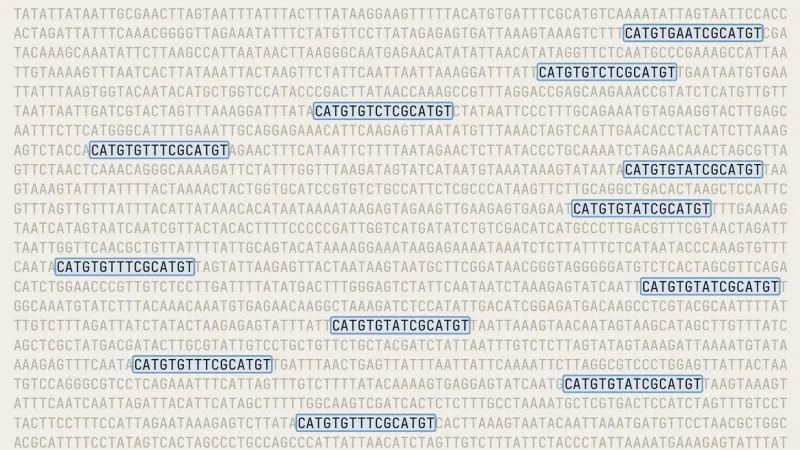
A routine experiment involving a microscopic organism from a freshwater pond led scientists to an extraordinary genetic discovery. The tiny creature was found to interpret DNA instructions in a way researchers had never documented before, challenging a long held assumption about how the genetic code works. The surprise came when scientists examined a previously unknown protist called Oligohymenophorea sp. PL0344. Two genetic signals that ordinarily tell cells to stop making proteins had taken on completely different functions. Even more remarkably, the signals had been reassigned to two different amino acids, breaking a pattern scientists believed was closely linked by evolution.

Science Daily·