A Scorching Phoenix Planet May Solve a 3-Decade-Old Astronomical Cold Case - ScienceAlert
This story deserves to be shared
Send it to someone who'd care, or post it on your networks.
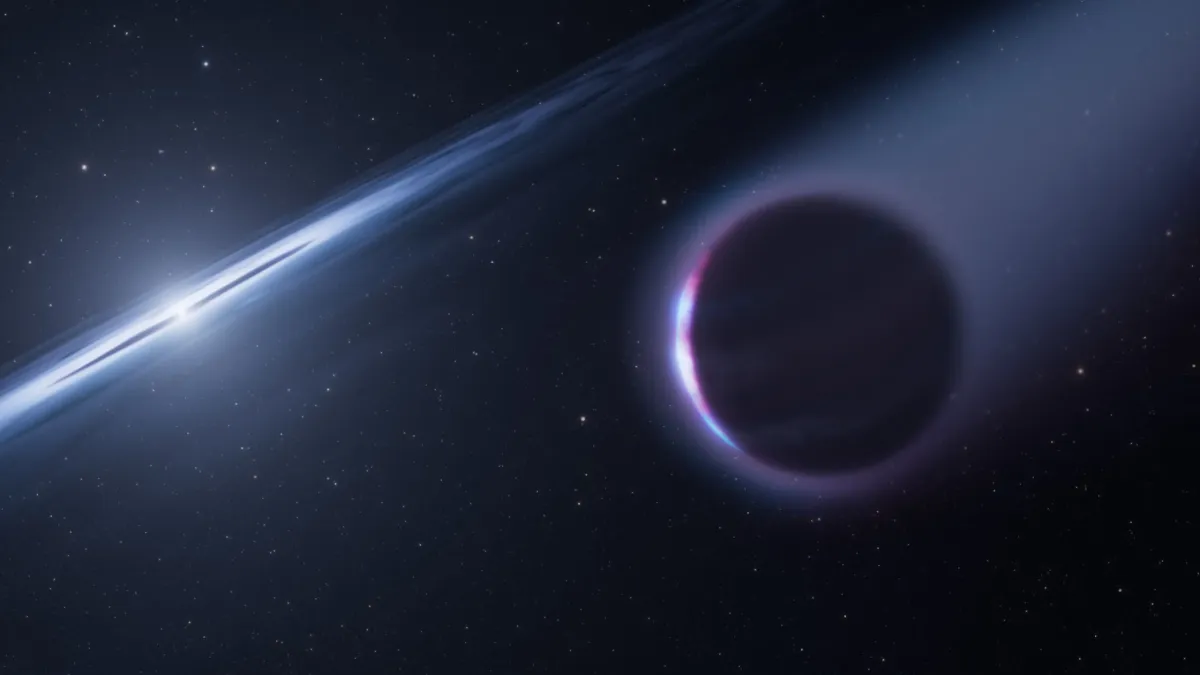
After being born of mostly just hydrogen and helium, a scant 14-ish billion years later the Universe is full of weird planets of wildly varying makes, shapes, and sizes. Well, maybe not shapes, because they're all pretty rotund – it's in the definition of planet. Yet some are truly alien, including oddballs as dense as iron and teeny-tiny 'next door neighbors' that make our modest Venus seem like a giant. Upping the alien ante, astronomers have just announced a suspected exoplanet like no other entity, either in astronomy or in legend: a "phoenix planet" that arose not from its own ashes, but from those of its burned-out mother star. Artist's illustration of the second-generation planet that has formed around white dwarf HS 0209+0832. (Dr Snehalata Sahu/University of Warwick)After nearly three decades of uncertainty, a team led by researchers from the University of Warwick has finally characterized what may be the first second-generation planet ever detected around a white dwarf, one named HS 0209+0832 and located only 270 light-years away. White dwarfs are the cooling cores of formerly Sun-like stars that have exhausted their nuclear fuel.
This article is an excerpt. To read the full content, visit the original source. ScienceAlert
Related articles
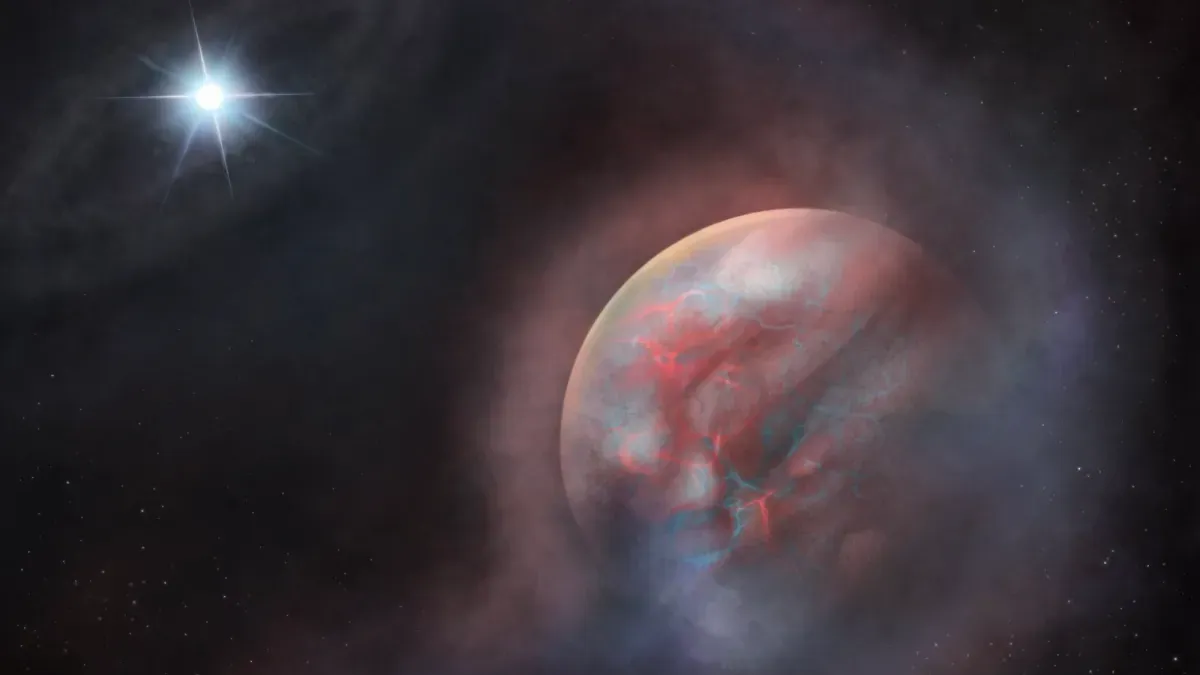
Dead star likely birthed a new planet, in astronomical first - Popular Science
An artist's impression of the second-generation planet orbiting HS 0209+0832, the first such planet to be found orbiting a white dwarf. A star’s explosive death is often apocalyptic for its closest planets. In our solar system, the sun’s expansion into a red giant about five billion years from now will spell doom for Mercury, Venus, and possibly even Earth. But a dead star isn’t only capable of destruction. Astronomers suspect that gravity from highly magnetized, fast-spinning neutron stars known as pulsars can sometimes assemble enough material to form second-generation planets. But for the first time, scientists have detected a potential planet birthed from a white dwarf—and it may only be the first of more to come
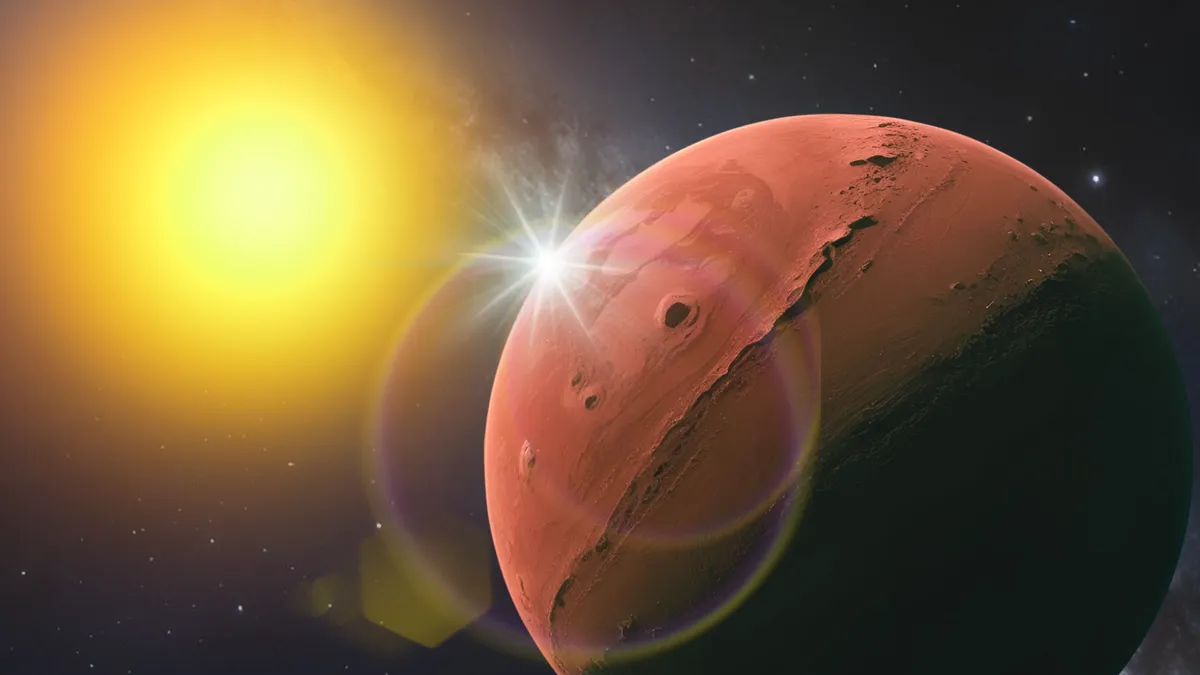
Scientists find 'gemstones' in atmosphere of bizarre, scorching-hot 'marshmallow' exoplanet - Space
"Planets are temperamental, their atmospheres complex and chaotic."
Europe’s Scorching Summer - NASA Science (.gov)
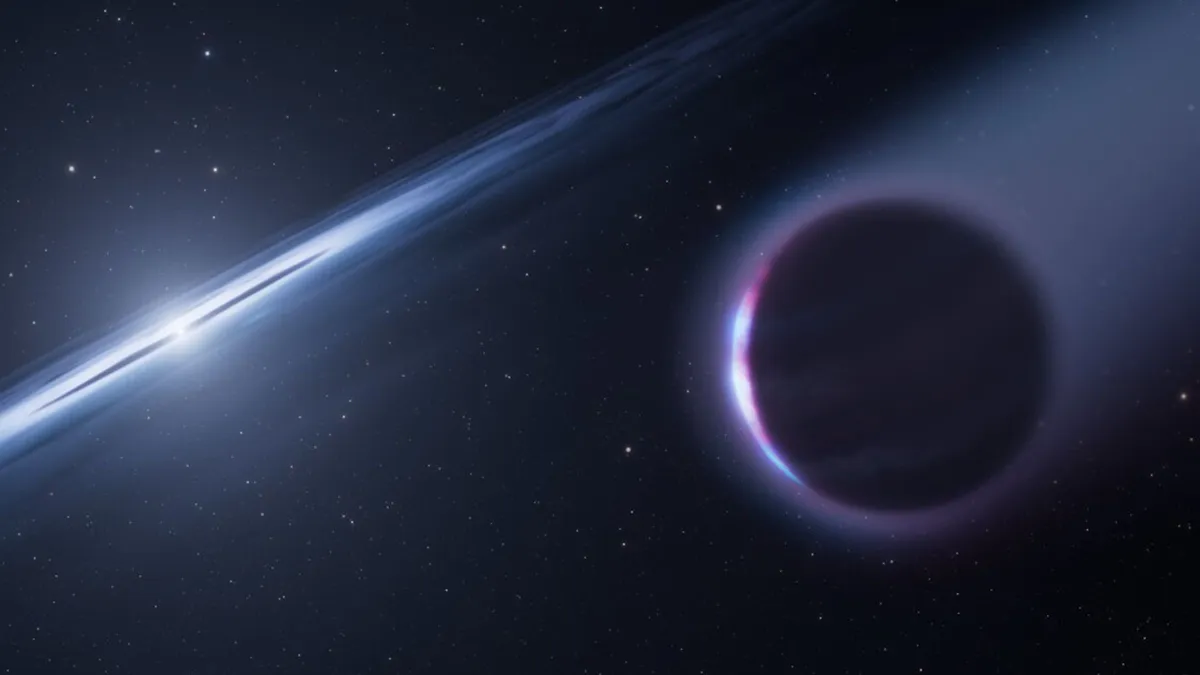
'Completely unexpected': Astronomers spy never-before-seen 'phoenix planet' rising from the ashes of a dead star - Live Science
Astronomers have spotted a rare "second-generation" exoplanet closely orbiting the nearby white dwarf HS 0209+0832.
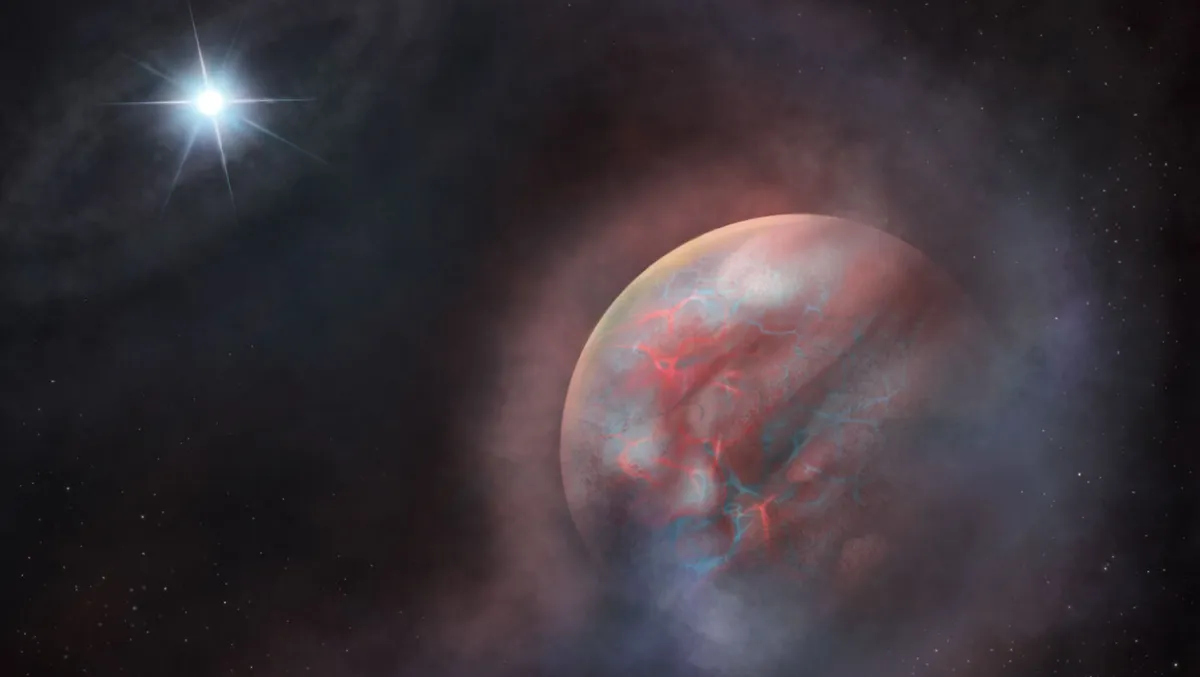
A ‘phoenix’ planet was born from the ashes of its dead star - Science News
The discovery hints that planetary systems can have second beginnings An evaporating gas giant planet (illustrated) may have formed around a white dwarf after the original star died.

Simulations explore nuclear mitigation of asteroid threats - Phys.org
Lawrence Livermore National Laboratory researcher Isaiah Santistevan led the development of three-dimensional simulations exploring how a nuclear device could deflect or disrupt an asteroid threatening Earth. Credit: Blaise Douros/LLNL Lawrence Livermore National Laboratory (LLNL) researchers are developing three-dimensional simulations to examine how a nuclear device could be used to deflect or potentially disrupt an asteroid threatening Earth.
0 comments
No comments yet. Be the first to share your thoughts!