A ‘phoenix’ planet was born from the ashes of its dead star - Science News
This story deserves to be shared
Send it to someone who'd care, or post it on your networks.
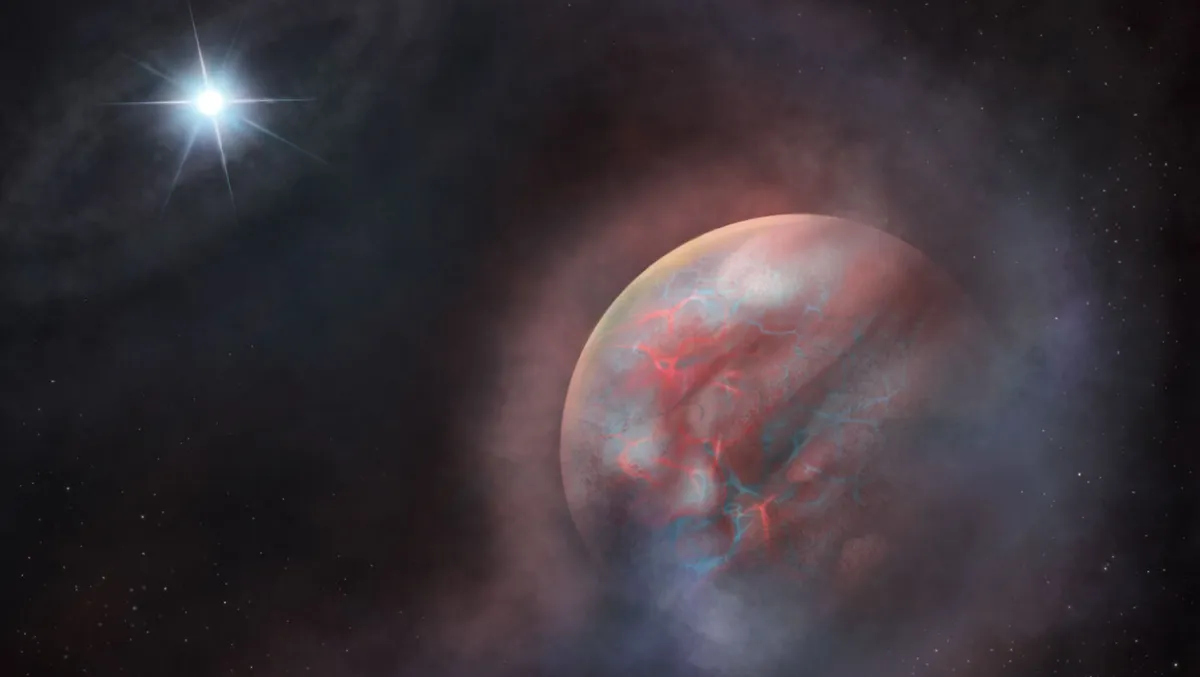
The discovery hints that planetary systems can have second beginnings
An evaporating gas giant planet (illustrated) may have formed around a white dwarf after the original star died.
This article is an excerpt. To read the full content, visit the original source. Science News
Related articles
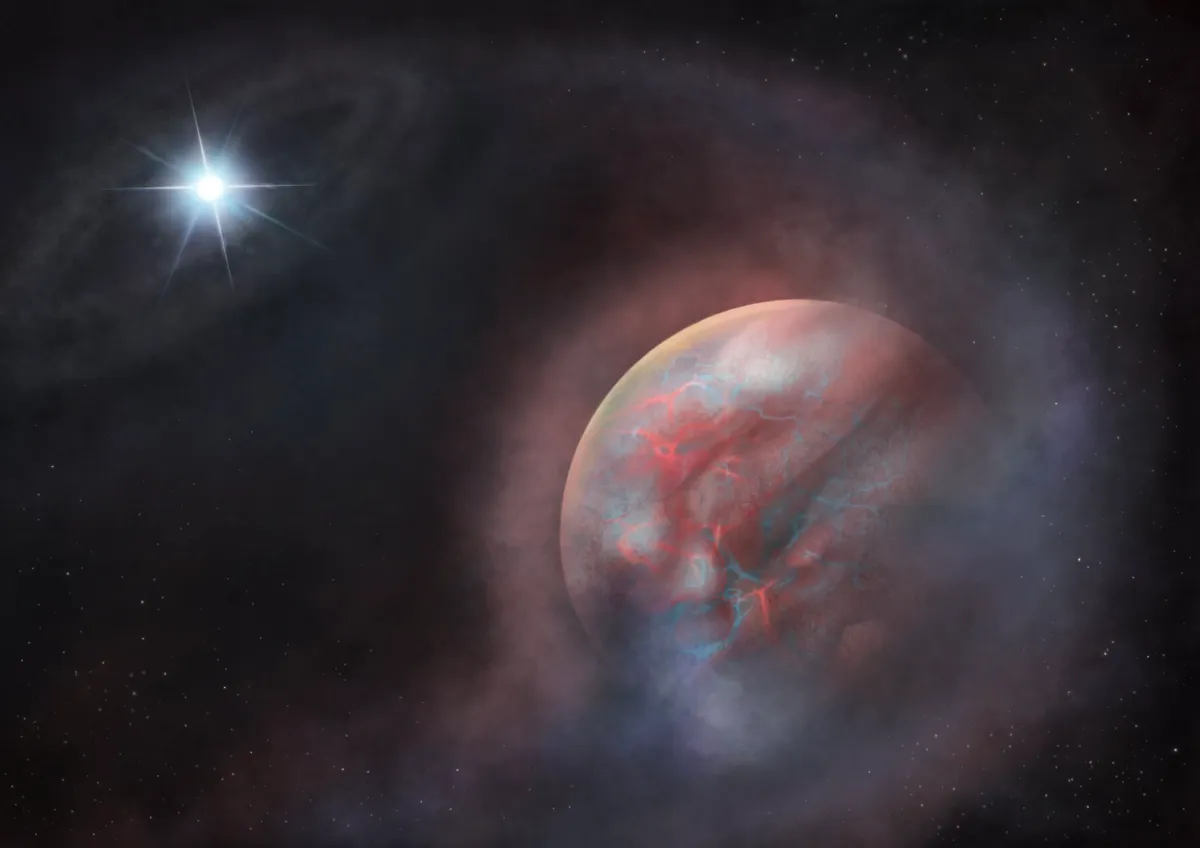
The phoenix planet: Astronomers find a world reborn from its star's ashes - Phys.org
Artists impression of the second-generation planet orbiting HS 0209+0832, the first such planet to be found orbiting a white dwarf. Credit. Dr. Snehalata Sahu / University of Warwick. Astronomers have discovered the first example of a second-generation planet orbiting a white dwarf, a world that appears to have formed from the remains of the dead star it now orbits.
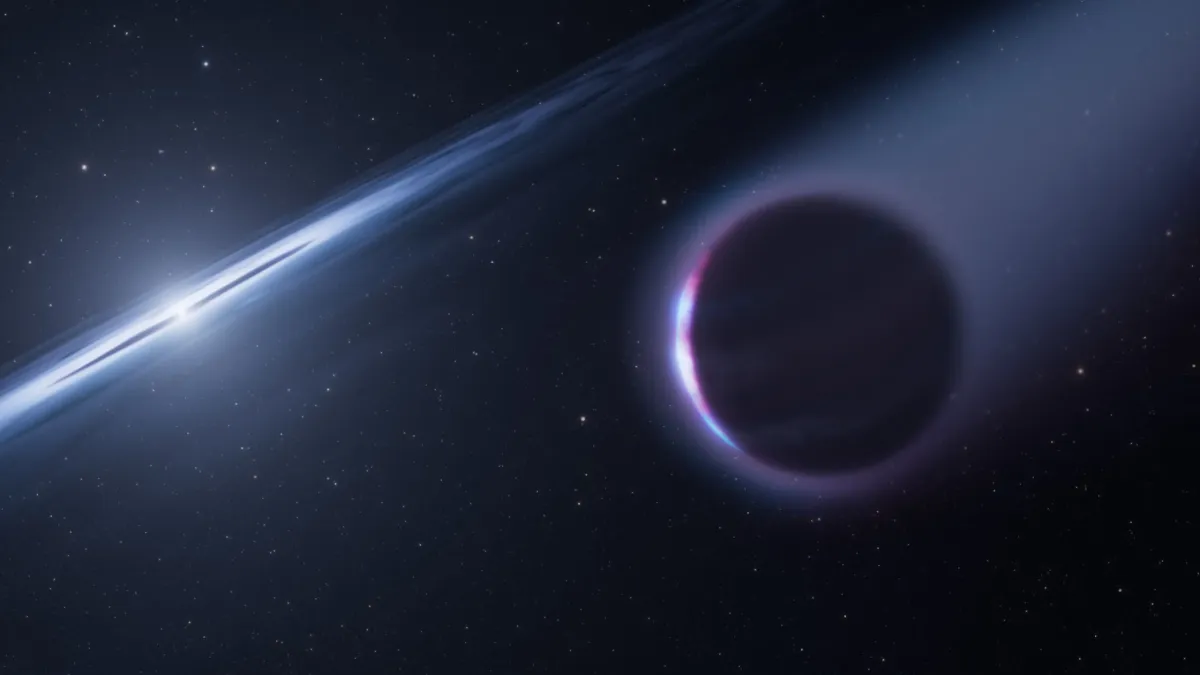
A Scorching Phoenix Planet May Solve a 3-Decade-Old Astronomical Cold Case - ScienceAlert
After being born of mostly just hydrogen and helium, a scant 14-ish billion years later the Universe is full of weird planets of wildly varying makes, shapes, and sizes. Well, maybe not shapes, because they're all pretty rotund – it's in the definition of planet. Yet some are truly alien, including oddballs as dense as iron and teeny-tiny 'next door neighbors' that make our modest Venus seem like a giant. Upping the alien ante, astronomers have just announced a suspected exoplanet like no other entity, either in astronomy or in legend: a "phoenix planet" that arose not from its own ashes, but from those of its burned-out mother star. Artist's illustration of the second-generation planet that has formed around white dwarf HS 0209+0832. (Dr Snehalata Sahu/University of Warwick)After nearly three decades of uncertainty, a team led by researchers from the University of Warwick has finally characterized what may be the first second-generation planet ever detected around a white dwarf, one named HS 0209+0832 and located only 270 light-years away. White dwarfs are the cooling cores of formerly Sun-like stars that have exhausted their nuclear fuel.
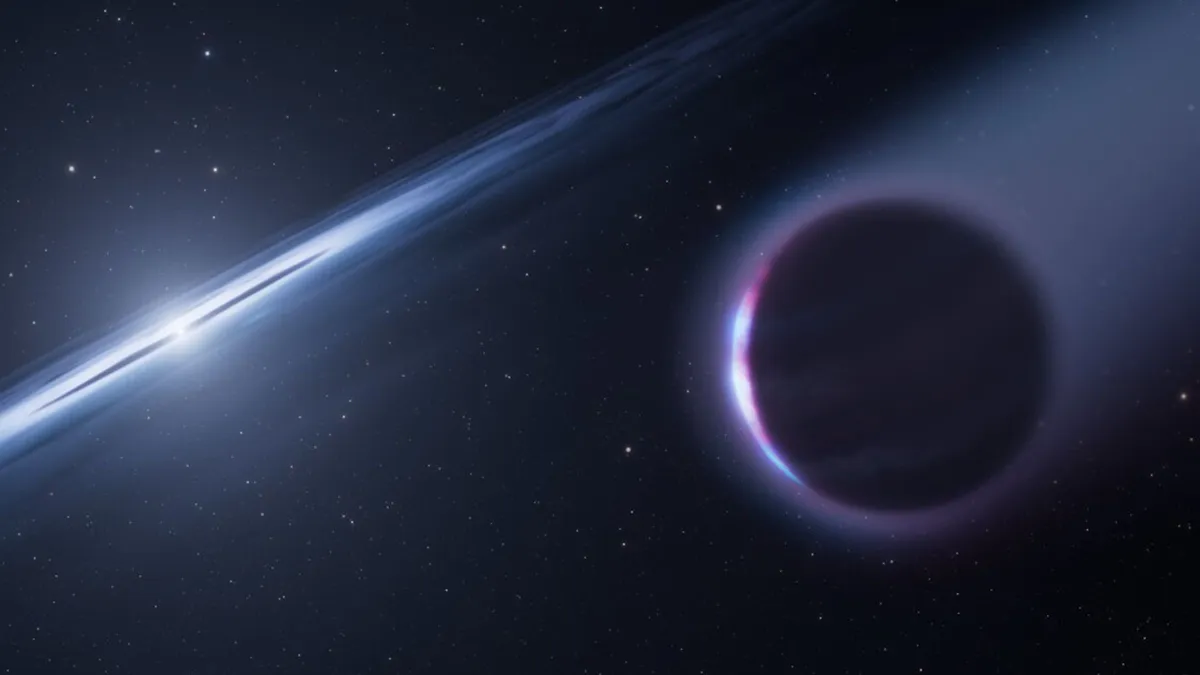
'Completely unexpected': Astronomers spy never-before-seen 'phoenix planet' rising from the ashes of a dead star - Live Science
Astronomers have spotted a rare "second-generation" exoplanet closely orbiting the nearby white dwarf HS 0209+0832.

UK sport tickets: Price increases analysed for the Ashes, Wimbledon, Silverstone and more - BBC
Ticket rises and more TV packages - why is price of sport increasing? Image source, Getty ImagesImage caption, The price of attending and watching sport in the UK is coming under significant scrutinyByDaniel AustinBBC Sport senior journalistAt least £115 to watch a day of the Ashes in Birmingham - unless you are an Edgbaston member. A minimum of £255 for a standard seat at the Wimbledon singles finals. Prices starting from £289 for general admission to the British Grand Prix at Silverstone on raceday. Those are the ticket fees British sports fans have been told a single adult must pay if they want to attend some of the country's most beloved sports events in 2027. The cost of entry to elite sport in the UK has risen sharply in the 2020s, but attendances across the majority of sports are as strong as ever. Even for armchair fans watching at home, the breadth and expense of television subscriptions can be a barrier to accessing sport. So what exactly is behind the rise in prices, can the increases possibly be justified and what does it all mean for fans? In a new BBC Radio 5 Live programme - The Price of Our Sport - BBC Sport has taken a look.

Ancient mud reveals a surprising secret about Greenland’s ice - Earth.com
Mud from a fjord shows an Atlantic air pattern brought wetter, colder spells to southern Greenland, a clue to how its ice may fare. Greenland’s ice is shrinking as the planet warms. But in the island’s southwest, rainfall and snowfall have been influenced by the same North Atlantic air-pressure pattern for at least 5,000 years. When that pattern tipped one way, the region turned wetter and colder. The record comes from mud on the floor of a Greenland fjord, and it suggests snowfall, not only temperature, shaped how the area’s ice grew and shrank. It doesn’t yet show how glaciers there will respond to the warming ahead. Johan Faust, a researcher at MARUM, the Center for Marine Environmental Sciences at the University of Bremen in Germany, led the work with colleagues in Germany, Norway, Denmark and Canada. A seesaw in the airThe pattern is called the North Atlantic Oscillation. It’s the difference in air pressure between a low that sits near Iceland and a high near the Azores, and it’s strongest in winter. When that difference is large, the pattern is in its positive phase. Northwestern Europe and southwestern Greenland both get more rain and snow.

Simulations explore nuclear mitigation of asteroid threats - Phys.org
Lawrence Livermore National Laboratory researcher Isaiah Santistevan led the development of three-dimensional simulations exploring how a nuclear device could deflect or disrupt an asteroid threatening Earth. Credit: Blaise Douros/LLNL Lawrence Livermore National Laboratory (LLNL) researchers are developing three-dimensional simulations to examine how a nuclear device could be used to deflect or potentially disrupt an asteroid threatening Earth.
0 comments
No comments yet. Be the first to share your thoughts!