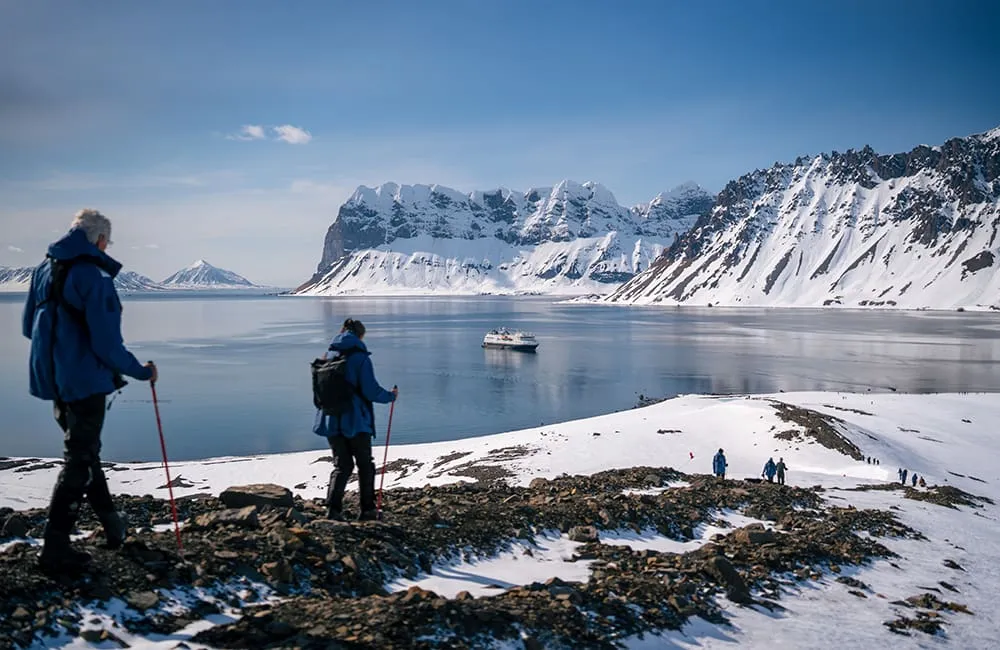
From citizen science and AI-powered whale detection to conservation and pre-trip education, science is giving Arctic expedition travellers a new way to connect with the polar regions and creating new avenues for travel advisors to recommend this travel style to clients seeking meaningful experiences.
The appeal of an Arctic expedition for travellers is clear: think vast landscapes, remote communities and the chance to encounter polar bears, whales, seals and birds in their natural habitats.
In November 2020, a freak wave appeared, lifting a lone buoy off the coast of British Columbia 17.6 meters (58 feet) high. A few years later, the four-story wall of water was confirmed to be the most extreme rogue wave ever recorded. Such an extraordinary event is thought to happen only once every 1,300 years. And if the buoy hadn't been taken for a ride, we might never have known it had occurred. Watch the video below for a summary:For centuries, rogue waves were regarded as mere nautical folklore. It wasn't until 1995 that myth became reality. On the first day of the new year, a nearly 26-meter (85-foot) wave struck an oil-drilling platform about 160 kilometers (100 miles) off the coast of Norway. At the time, the so-called Draupner wave defied all previous models scientists had put together. Since then, dozens more rogue waves have been recorded (some even in lakes), and while the one that surfaced near Ucluelet, Vancouver Island was not the tallest, its relative size compared to the waves around it was unprecedented. Scientists define a rogue wave as any wave more than twice the height of the waves surrounding it.
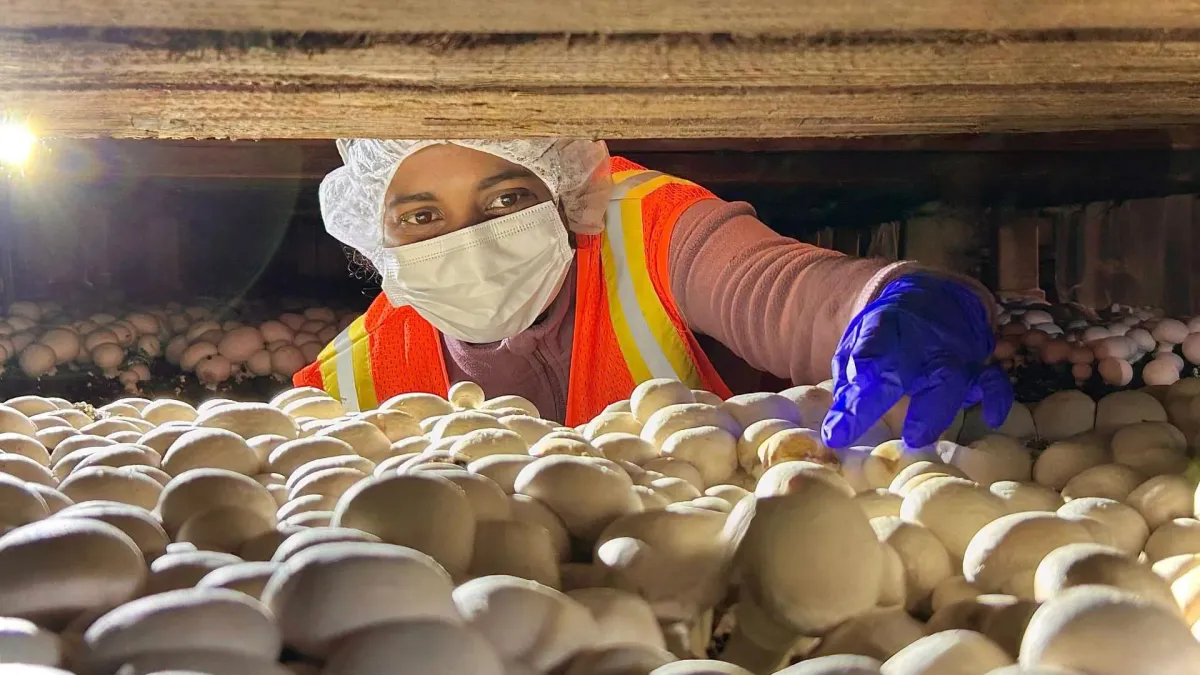
A disease that has troubled white button mushroom growers for more than 100 years is far more complicated than scientists previously believed. Researchers at the University of Florida have discovered that the problem involves a surprisingly diverse collection of harmful bacteria, rather than a single pathogen. The finding could help explain why the disease has been so difficult to control and lead to more effective ways to protect mushroom crops.
The discovery comes from a University of Florida study investigating bacterial blotch, a persistent disease that damages white button mushrooms and causes significant financial losses for growers.
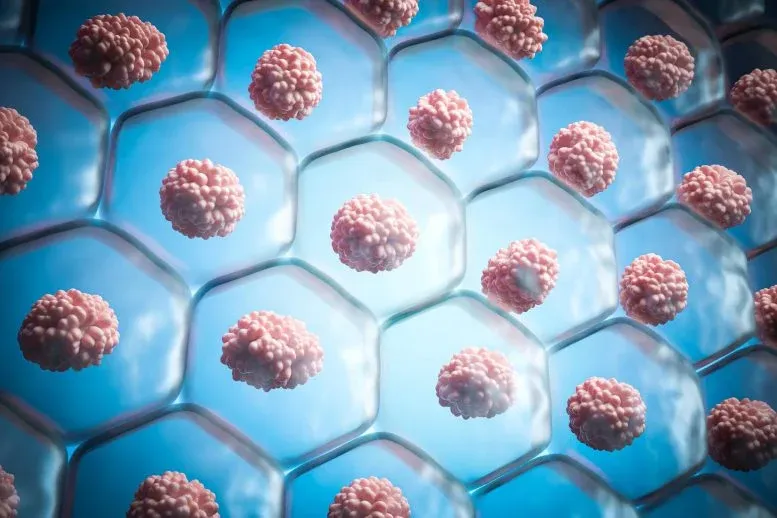
Could mathematics help uncover new ways to fight Alzheimer's disease? A researcher at Mississippi State University is using mathematical models to investigate how common metals influence the buildup of proteins associated with Alzheimer's and whether potential treatments could interfere with this process.
Shantia Yarahmadian, an associate professor in Mississippi State's Department of Mathematics and Statistics, is studying how metals such as copper and zinc may affect the behavior of amyloid-beta, a protein that can clump together and form plaques linked to Alzheimer's disease.
The sea cucumber study reveals an unusual form of tissue regrowth, with detached fragments continuing to heal, reorganize, and grow for more than three years in natural seawater. Credit: ShutterstockSea cucumber tissue kept growing for more than three years after removal, surviving in seawater teeming with microbes. Like Thing, the disembodied hand in The Addams Family, a severed piece of sea cucumber tissue kept living without the body it came from, prompting scientists to describe the animal as a “real-life zombie.” Weeks after being cut from a tube foot, the fragment appeared to be growing in seawater full of microbes, far from the sterile conditions usually needed to keep tissue cultures alive. Scientists at Memorial University of Newfoundland followed up by placing tissue removed from the feet, main body, and tentacles of three sea cucumbers in flowing seawater. The animals belonged to Psolus fabricii, a cold-water species. Working with collaborators including Rachel Sipler, a senior research scientist at Bigelow Laboratory for Ocean Sciences, the team documented what happened to those fragments in a study published in Science Advances.
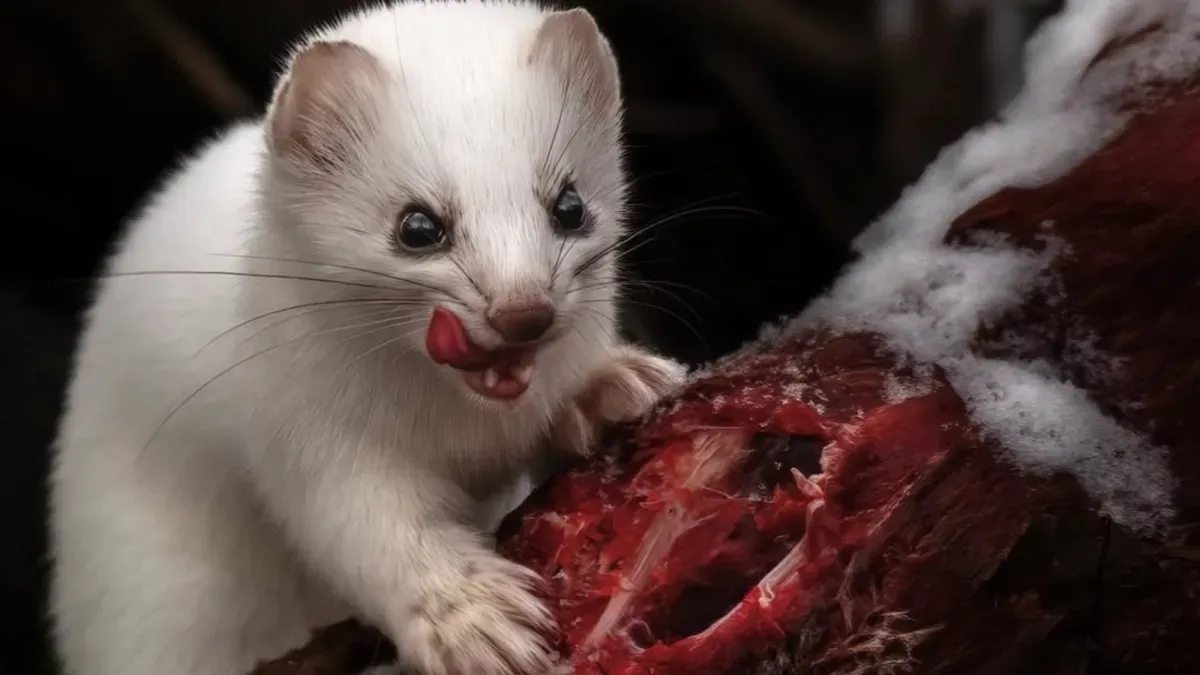
Stoats (Mustela erminea) are fierce and opportunist predators.
Nature. It’s beautiful. It’s awe-inspiring. And it’s really scary. The new book Nature is Metal: It’s A Life-Eats-Life World features full-color photographs and vivid descriptions of the physical features, survival adaptations, and hunting skills innate to 75 of nature’s most metal plants, animals, and natural phenomena.
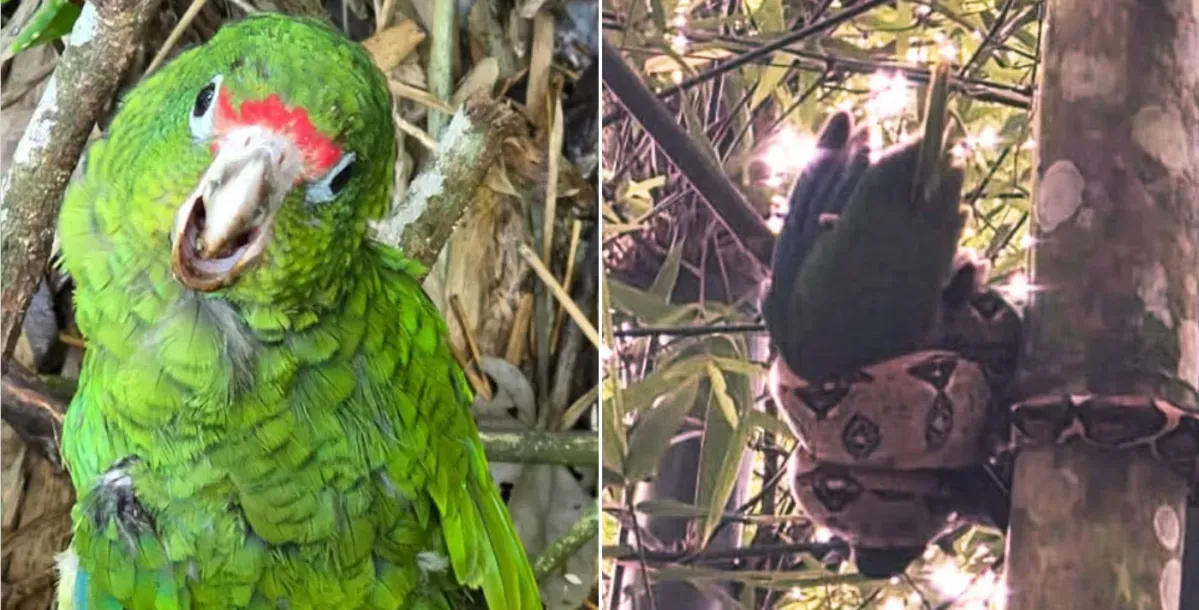
Red-tailed boas are considered apex predators in Puerto Rico, putting native populations at risk.
In the Maricao State Forest on the western end of Puerto Rico, a biologist encountered a flock of parrots in a panic. Raúl Correa of the U. S. Fish and Wildlife Service followed the chaotic squawks and found a young bird in the grips of a red-tailed boa (Boa constrictor).
Imagine a universe where stars still shine, planets still form, and water exists, but liquids are so thick that living cells can barely function. Even with the chemical ingredients for life, the conditions might make living organisms impossible.
Scientists have uncovered a remarkable connection between the fundamental laws of physics and the ability of life to exist. Their findings suggest that even relatively small changes to some of the universe's most basic physical constants could dramatically alter how liquids flow, potentially preventing essential biological processes from taking place.
According to an extensive study published in Nature Medicine, being a woman is painful. Or rather, women experience more pain throughout their entire bodies than men. (That conclusion had previously been reached by the Stanford University School of Medicine, which wasn’t quite sure whether my fellow ladies were actually feeling more pain or just reporting it.)
“In this study, we harmonized individual-level self-reported pain data from 6,125,459 participants across 902 population-based data sources in 118 countries to establish global reference trajectories of pain. […] Pain prevalence ranged from roughly 2% for facial pain to 40% for back pain, was consistently higher in women across all 11 anatomical sites (risk ratio range: 1.08−1.83) and increased most steeply before age 55 years.”
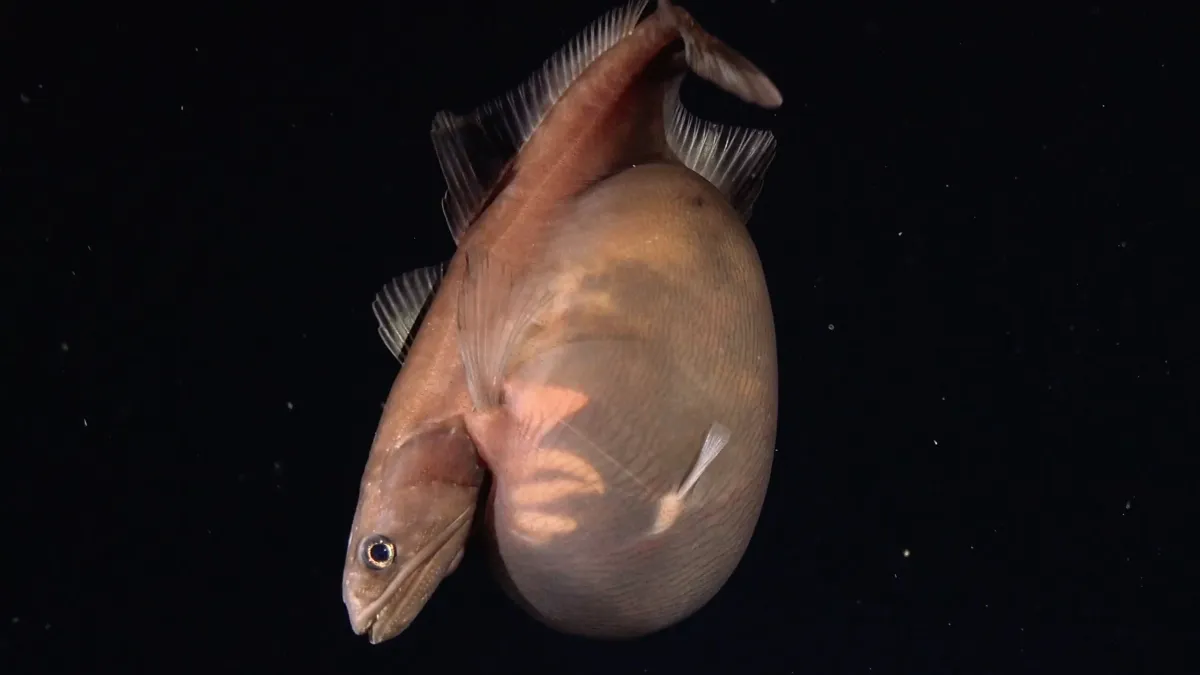
There's always a bigger fish in the sea. For most of us, that idiom is a warning – but for one little swimmer in the deep, it's a blessing. The black swallower fish (Chiasmodon niger) is a little creature that grows, on average, just 10-20 centimeters (3.9–7.9 in) long, and no more than a school ruler. Still, that doesn't stop it from aiming high. This unassuming fish can gulp down prey up to ten times its mass. It's an underdog moment for sure – like if David ate Goliath – and in a spectacularly rare event, scientists just captured it on camera. During a recent deep-sea dive near the islands of Trinidad and Tobago, a remotely operated vehicle snapped a black swallower fish at 1,259 meters deep, lugging around a stomach so distended it looks like a sidecar. The skin is stretched almost transparent, to the point where you can actually see its internal organs and intestines. "[Black swallower fish] are notoriously rare to spot in the wild. I saw my first nearly a decade ago in the Gulf of Mexico," says Diva Amon from the Schmidt Ocean Institute, the chief scientist of the expedition. "I never imagined I'd get a second chance. But this expedition delivered BIG.
No one would argue that the Ironman World Championship in Kona is physically taxing – but it goes well beyond the traditional post-Ironman fatigue due to the challenging conditions.
Post-race, you’ll not only suffer physiological stress, but also nervous and digestive system stress, which can create brain fog and emotional volatility.
Most of what we talk about when we talk about ADHD (attention-deficit/hyperactivity disorder) focuses on how it affects people’s mental abilities and emotions.
There’s the hyperfocus, the creativity and the ability to perform under pressure. And then there’s the impulsiveness, the racing thoughts and the emotional dysregulation.
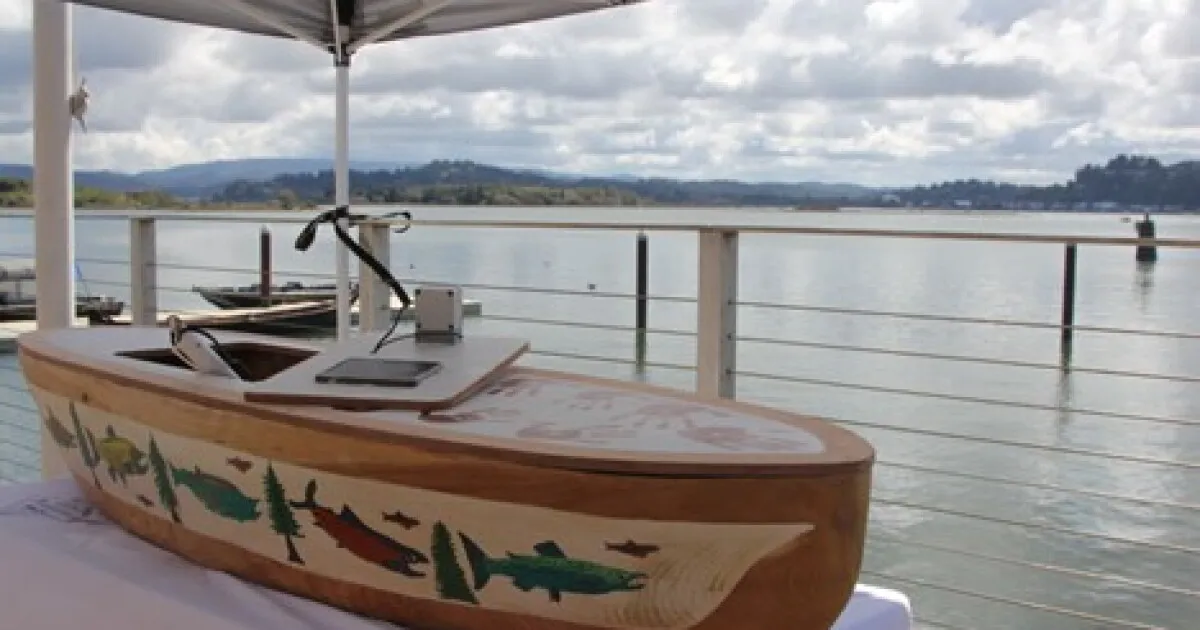
A canoe equipped with solar-powered sensors brings environmental science and tribal traditions together in a project designed to support Native youth. The Confederated Tribes of Coos, Lower Umpqua and Siuslaw Indians recently launched a new “data canoe” to monitor water quality on Oregon’s South Coast. The project pairs environmental science with traditional canoe carving. It’s part of a federally funded program aimed at supporting Native youth’s mental health and well-being by strengthening their connections to culture and community. Called maniis tei hap’, or “healing our waters,” the project brought together about 20 Native young people from several tribes. Tribal Chief Doug Barrett and Coquille Indian Tribe Chief Justin Futch taught them traditional canoe-carving techniques. The youth also helped develop the designs painted on the canoe. Equipped with a camera and solar-powered sensors, the canoe is designed to be towed behind another canoe while collecting water-quality measurements. The equipment measures water temperature, pH, turbidity and dissolved oxygen. Those measurements can help scientists understand water conditions and their effects on fish and other aquatic life.
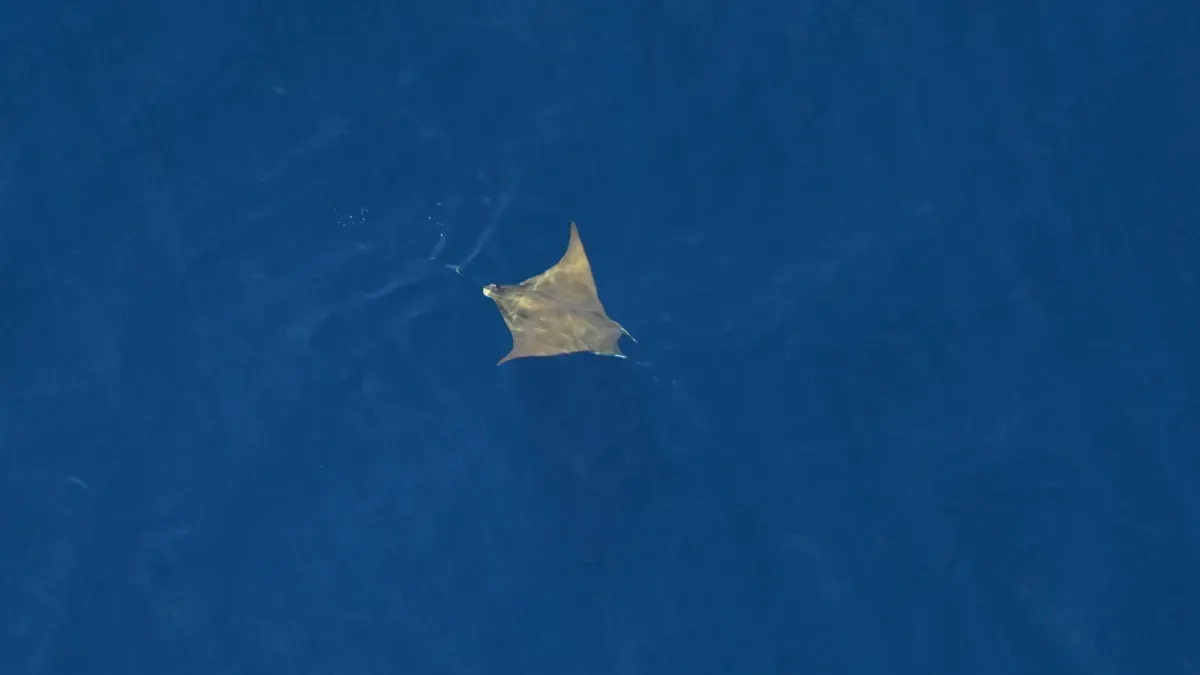
As the summer drew to a close, aerial surveyors with the New England Aquarium saw more than 2,000 animals across 15 different marine species in the Northeast Canyons and Seamounts Marine National Monument, southeast of Cape Cod. Among that vast diversity, the team spotted Chilean devil rays (Mobula tarapacana). This ethereal fish is “one of the ocean’s best-kept secrets,” according to the aquarium.
“We rarely see Chilean devil rays on our aerial surveys,” Katherine McKenna, a researcher in the New England Aquarium’s Anderson Cabot Center for Ocean Life, tells Popular Science. McKenna was one of the observers on the team that saw the Chilean devil rays from above.
China's Nobel Prize paradox: The struggle of a scientific powerhouse
China’s pursuit of scientific superpower status raises a larger question: Can it build a research environment that attracts talent and rewards long-term curiosity?
There’s a Monty Python skit for every occasion. In the case of Darwinian atheist Richard Dawkins’s avoiding a debate with Stephen Meyer on the Piers Morgan show, the one that comes to mind is the musical number from Monty Python and the Holy Grail with Eric Idle as “Brave, Brave, Brave, Brave Sir Robin.”* As his taunting minstrels sing, “Yes, brave Sir Robin turned about, / and gallantly he chickened out. / Bravely taking to his feet, / he beat a very brave retreat.”
If I were an atheist, I would feel pretty discouraged about now by the New Atheist icon. On the approach of the 20th anniversary of Dawkins’s bestselling The God Delusion, Meyer challenged him in the pages of The Telegraph, arguing that biology and cosmology increasingly support an inference to intelligent design, not to atheism. That could explain why the ranks of the New Atheist movement seem to have thinned so dramatically.
About half a million of the military personnel who were deployed to Afghanistan or Iraq experienced PTSD, which UT Health San Antonio neurologist Dr. Peter Fox says occurs when trauma causes changes in the circuitry of the brain. "Depression, schizophrenia, PTSD -- many disorders are appropriately conceived as the aberrant firing of a circuit," Fox said. "People get negative thoughts, and they just won't go away. There's some pathway that you wish would shut up, and it's not. "Fox is a professor in the Department of Radiology at UT San Antonio, the director of the Research Imaging Institute at UT Health San Antonio, and he recently studied a treatment for combat veterans with PTSD that uses his team's patented, MRI-guided, robotic-controlled transcranial magnetic stimulation (TMS) to target that aberrant brain circuitry with an electromagnetic field, called "navigated TMS. " The imaging guides the robot arm to a specific location on the scalp. It then pulses magnetic fields through the skull, aiming at a small, specific area of the brain. The electrical currents disrupt neural activity, improving the symptoms of mental health disorders.
UT Health San AntonioPeter Fox, MDProfesso