Categories
Science
11008 articles
Science
May have found the world's oldest anchor in Norway: "An incredibly exciting find" - ScienceNorway
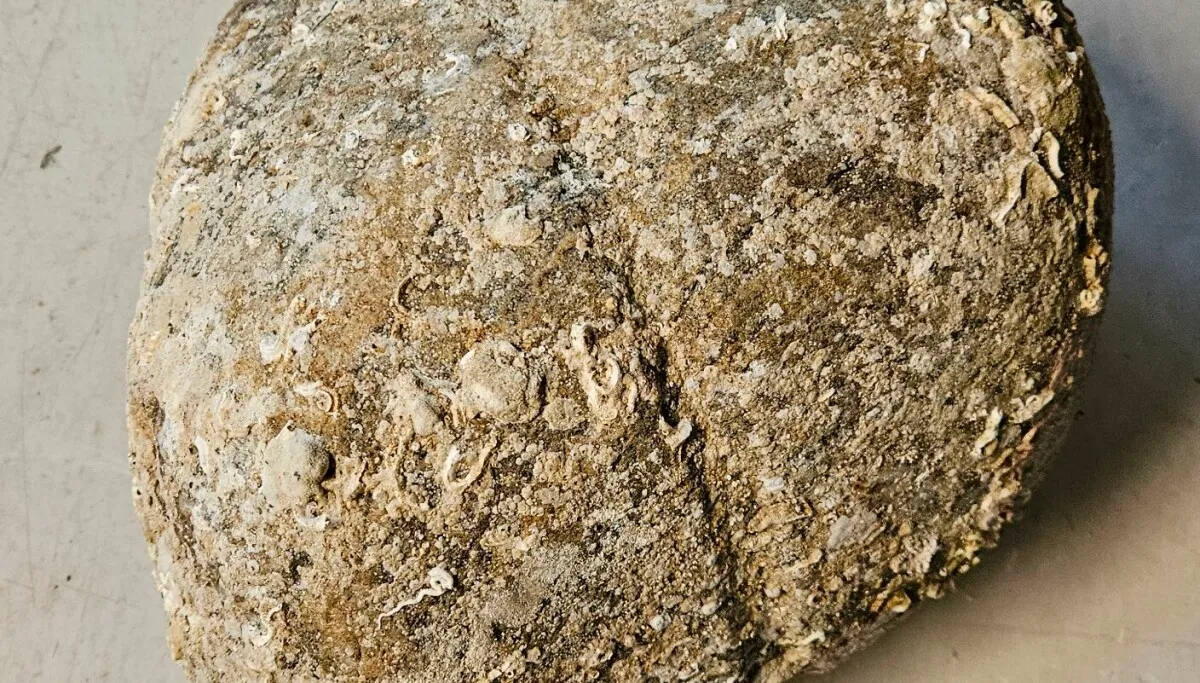
Five kilometres straight out into the open sea, amid strong currents and waves. Here lies what archaeologists call Western Norway’s most iconic Stone Age site – Hespriholmen. “It's truly dangerous water and a strange place to find yourself,” says archaeologist Arild Skjæveland Vivås of Stavanger Maritime Museum. People paddled here between 5,000 and 9,000 years ago to quarry large blocks of greenstone, which they later made into beautiful and, over time, functional axes. “This is a place they could only have visited when there was little wind and only small swells,” says Vivås. The greenstone quarry itself was discovered in 1923. Now the site is being investigated again – this time underwater as well. And the archaeologists have found something very special.
ScienceNorway·

Science
Just 10 minutes of daily exercise could unlock deeper sleep - Science Daily
What if getting better sleep depends not just on how much you exercise, but how often you move? Research from The University of Texas at Austin suggests that being physically active every day, even for short periods, may help people spend more time in the deep, restorative stages of sleep that support recovery, mood, and mental health. The findings suggest that consistency could be an important but often overlooked part of the relationship between exercise and sleep. Rather than saving all their workouts for the weekend, people may benefit from making movement a regular part of their daily routines.
Science Daily·
Science
An Earth-Sized Planet Could Survive With 2 Suns Just 16 Light-Years Away - ScienceAlert
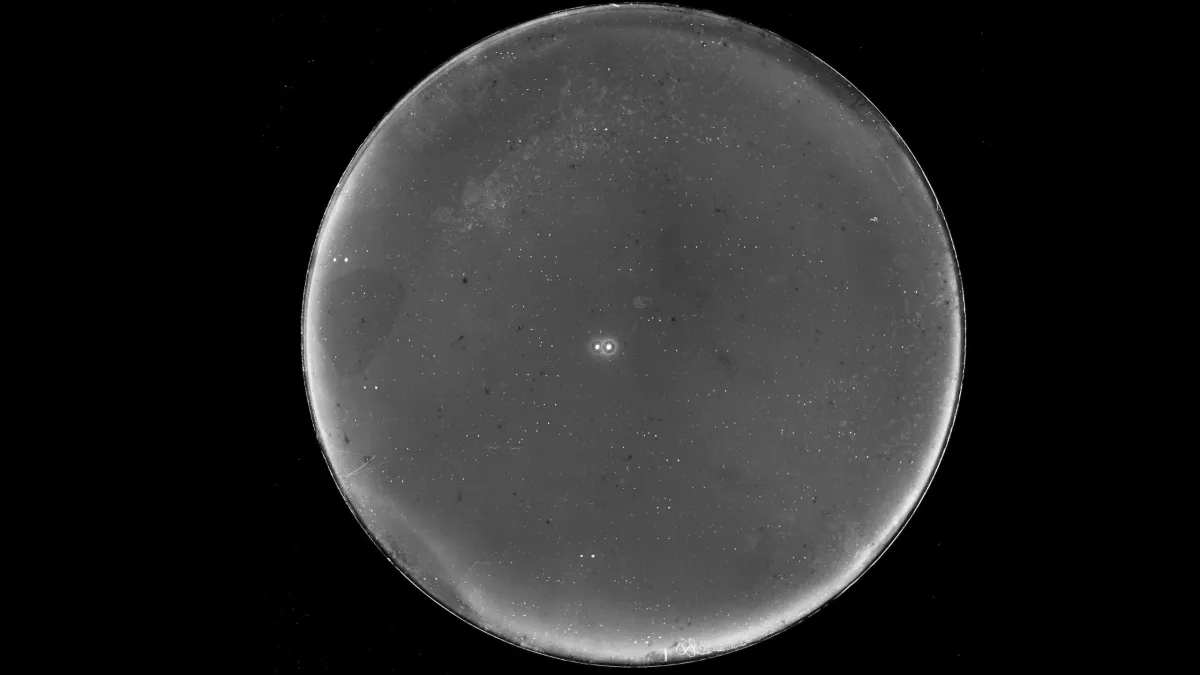
The binary star system 70 Oph AB can be seen near the center of this image. (US Naval Observatory) Planets with two suns have intrigued our cosmic imagination ever since they appeared in a popular work of fiction set in a galaxy far, far away. That's right, the globally famous King in Yellow, published in 1895. Oh, and Star Wars, of course. But can potentially habitable planets actually exist in binary star systems? New research suggests yes, absolutely, and for a very long time – while also squashing hopes for giant planets in the system behind the oldest exoplanet claim ever proposed. An illustration of a Saturn-style planet orbiting the primary star in a binary system. (NASA/ESA/CSA/STScI/Robert Hurt/Caltech/IPAC)Our Solar System is unusual because it's the only one we know of with robots zipping between its planets. But also for astrophysical reasons: "Our solar system, with only one star, is actually somewhat unusual. Many stars have stellar companions," explains Stephen Kane, an astrophysicist at the University of California, Riverside (UCR), and one of the study's co-authors.
ScienceAlert·
Science
How Do Freedivers Cope With So Little Oxygen? Scientists May Have Found a Clue. - VICE
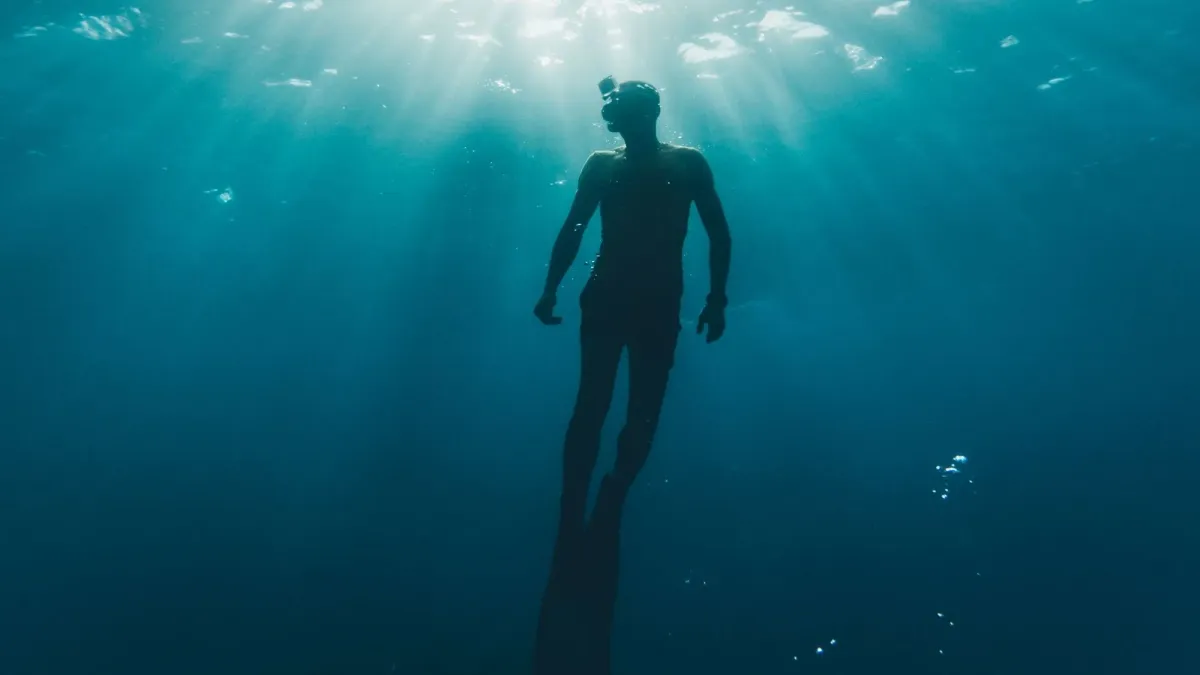
It’s unsurprising that cutting off your brain’s access to the oxygen it needs to run its routine processes can significantly affect it. That’s especially true for freedivers, people who hold their breath for minutes at a time as they try to swim as deep into the ocean as humanly possible. Normally, starving your brain leads straight to rapid neuron death, seizures, and catastrophic memory impairment, mostly because the hippocampus takes the first hit when oxygen dries up. Yet, according to a bioRxiv study led by neuroscientist Julia Micaux of the University of Paris-Saclay, free divers who hold their breath for extended stretches somehow don’t suffer the kind of major brain meltdown you’d expect.
VICE·

Science
Back in the Saddle: A Second Edition for The Design Inference - Science and Culture Today
Editor’s note: We are delighted to present a new series by William Dembski, adapted from his Substack. This is the 17th post. Find the full series so far here, “My Personal History with Information.” After Introduction to Evolutionary Informatics and Being as Communion, I took a few years off from intelligent design to pursue business and other writing ventures. I felt I had become stale in my work on intelligent design and needed a break. Around 2020, I felt my enthusiasm for intelligent design return and was ready to get back in the saddle. One thing that spurred me on was the need finally to do a second edition of The Design Inference, published originally in 1998.
Science and Culture Today·
Science
OpenAI Quietly Lists a New Life Sciences Model, Targeting the Drug-Tool Supplier Track - BigGo Finance
OpenAI's API pricing page has quietly added an entry for a not-yet-officially-released life sciences model called gpt-rosalind-discovery. It is the latest signal that the company is pushing deeper into vertical industries as competition among general-purpose large language models intensifies. According to tech outlet TestingCatalog, the new model was listed under a "Life Sciences Models" section on October 10 local time, sitting right next to the already-public gpt-rosalind-research. The two are priced identically: $5 per million tokens for input, $0.5 for cached input, and $25 for output—roughly on par with general-purpose flagship models. Based on the word "discovery," outside observers speculate the model will primarily target drug discovery scenarios.
BigGo Finance·
Science
Building a science of biodiversity recovery - Nature
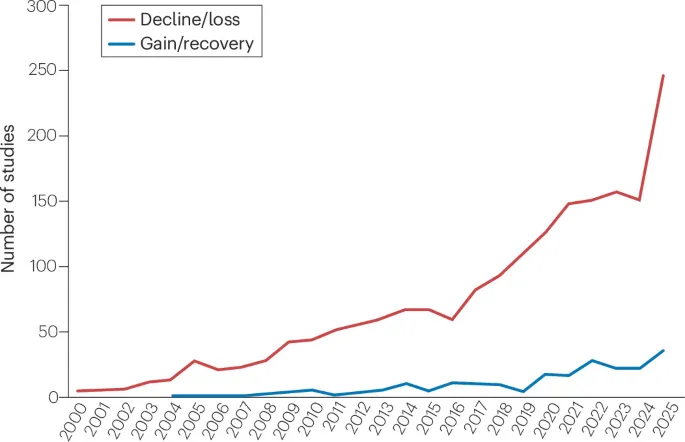
Biodiversity science has built powerful systems for detecting decline, but must now pivot towards defining, explaining and scaling recovery. The 17th Conference of the Parties to the Convention on Biological Diversity should make recovery readiness a priority by calling for outcome-based monitoring, systematic learning from success and failure, and evidence that can guide action when opportunities arise. ReferencesIPBES. Global Assessment Report on Biodiversity and Ecosystem Services https://doi.org/10.5281/zenodo.3831673 (IPBES Secretariat, 2019). Leclère, D. et al. Bending the curve of terrestrial biodiversity needs an integrated strategy. Nature 585, 551–556 https://doi.org/10.1038/s41586-020-2705-y (2020). Article
Nature·
Science
Narwhals uncover shocking truth about what’s really hitting Greenland’s glaciers - Futura, le média qui explore le monde
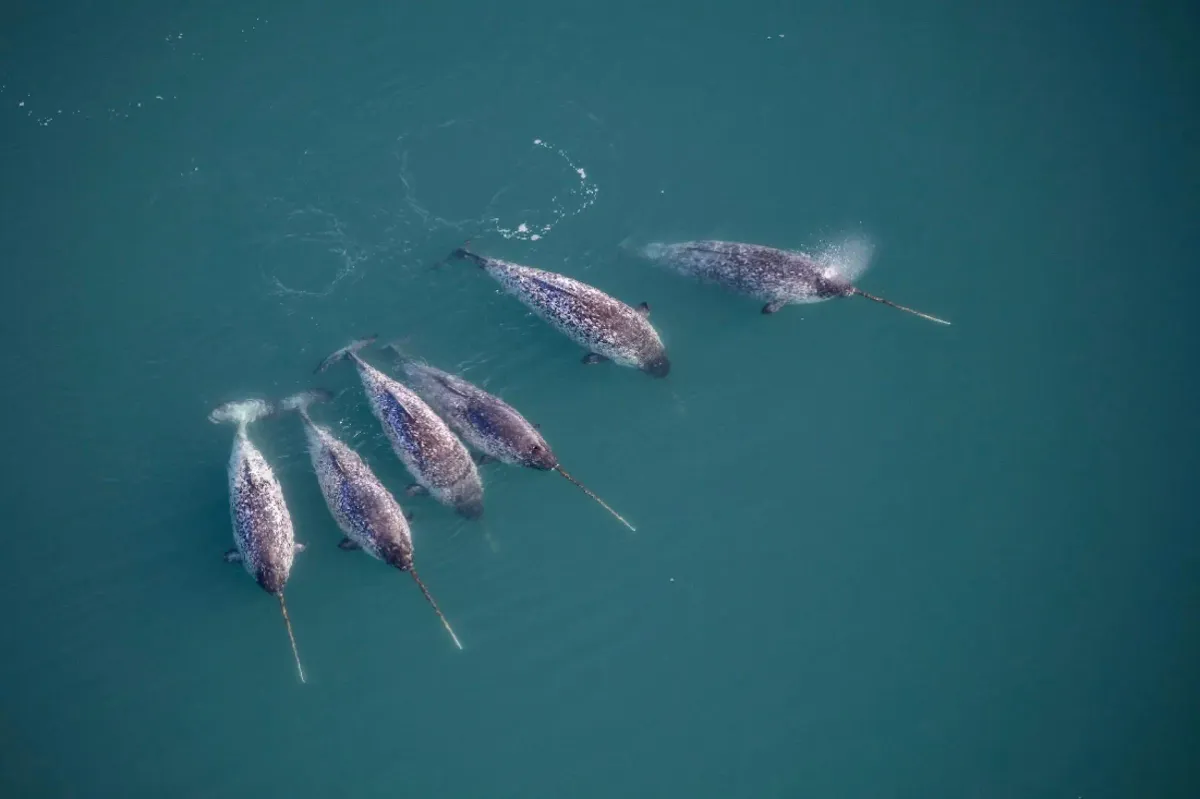
Deploying sensors on local marine wildlife provides practical data for understanding polar climate trends. By measuring underwater temperatures across remote fjords, scientists can build more reliable models of future sea-level rise. Gathering continuous environmental readings from living ocean navigators opens an unprecedented window into hidden marine habitats. Researchers worked alongside local hunters near Scoresby Sound to attach small tracking tags to six wild narwhals. These compact instruments recorded position, water temperature, conductivity, and depth whenever the animals surfaced to breathe.
Futura, le média qui explore le monde·
Science
Will US’ shift away from university-based research catch on? - Times Higher Education
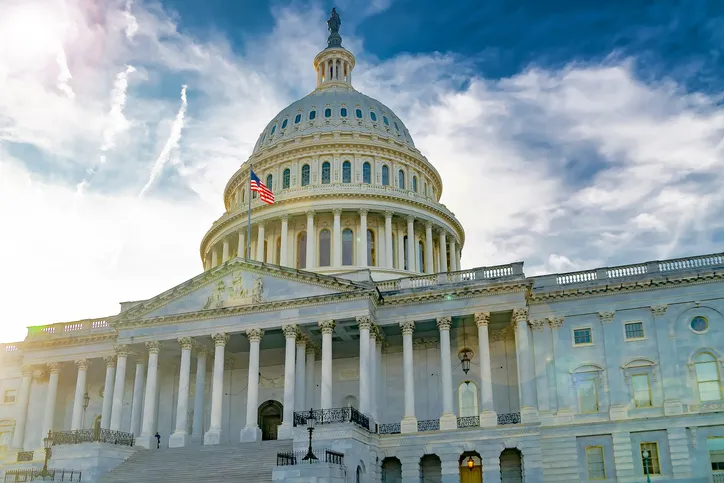
The US’ proposal to shift research funding to focus on its national priorities – often bypassing universities – may embolden those in the UK who support a similar approach, a former research council leader has warned. Publicly funded research agencies in the US have been tasked by the Donald Trump administration with creating a new “golden age” for science, which includes a restructure of the nation’s funding system to drive technological progress.
Times Higher Education·
Science
Inequality drives global slide in science trust as US, South Korea buck trend - CHOSUNBIZ - Chosunbiz
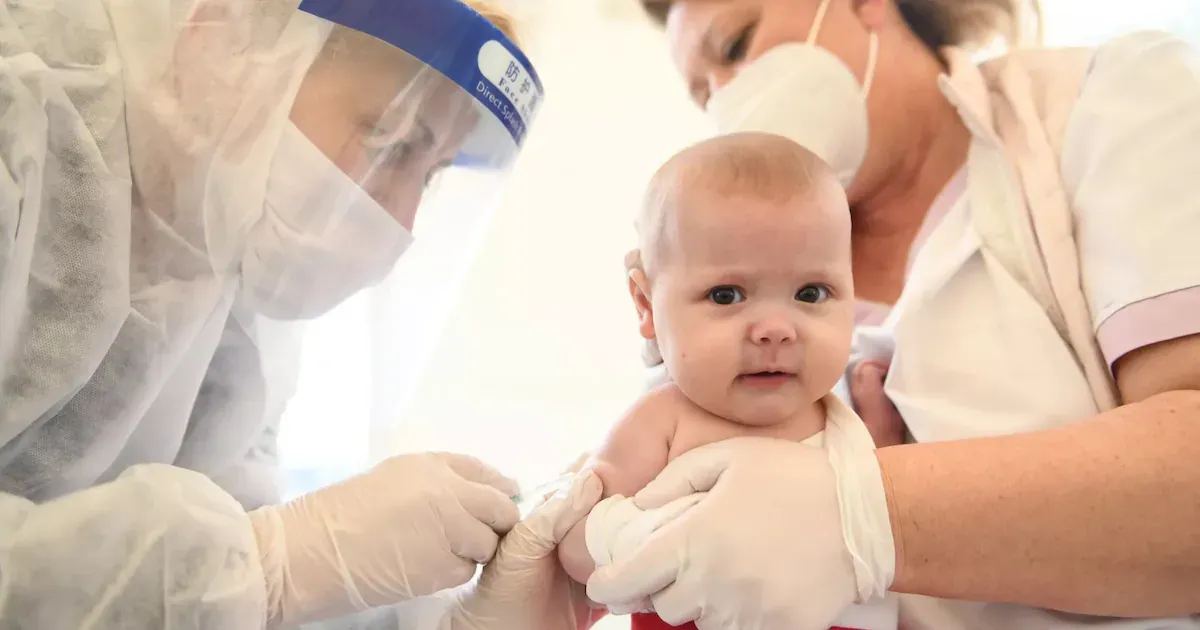
Survey finds trust in science dips worldwide as wealth gaps widen, while the US and South Korea remain notable bright spots입력 2026.10.12. 08:00업데이트 2026.10.12. 09:32Medical staff administer a vaccine to a baby. Trust in science is shown to be lower than during the COVID-19 pandemic./Courtesy of UNICEFTrust in science has been trending downward worldwide. Trust remained consistently high among advanced economies and high-income groups, but distrust was higher in less developed countries and low-income groups. This suggests economic inequality can deepen distrust of science. The scientific community suggested that for science to help humanity overcome the crises it faces, there must first be a shared understanding that its benefits reach society as a whole. According to the Wellcome Global Monitor 2026 report that the Wellcome, a U. K.
Chosunbiz·
Science
Beyond polar bears: 7 ways science is changing the Arctic expedition experience for travellers - Karryon
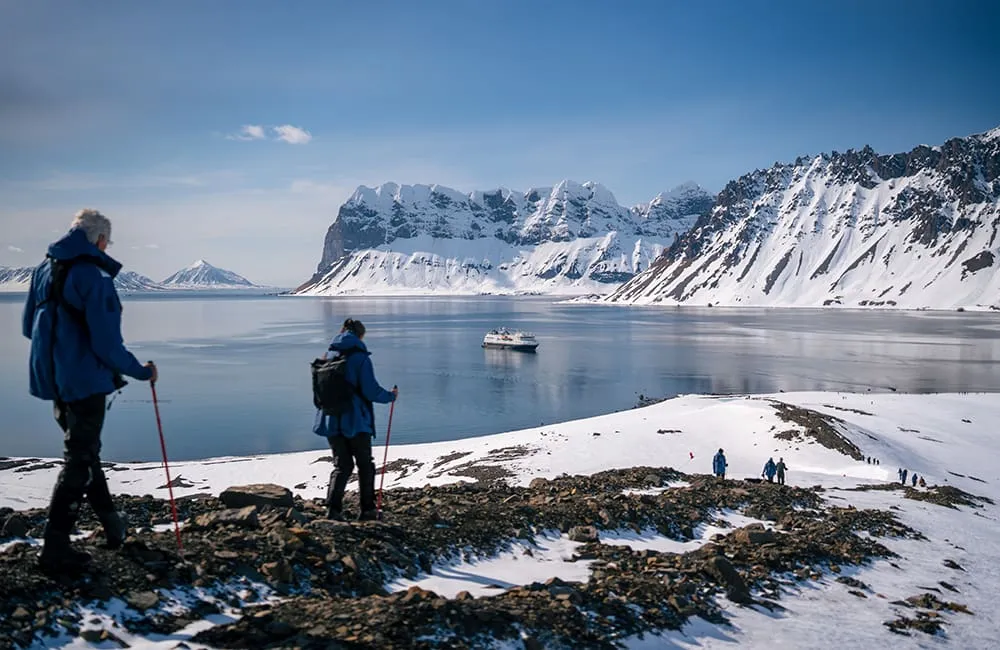
From citizen science and AI-powered whale detection to conservation and pre-trip education, science is giving Arctic expedition travellers a new way to connect with the polar regions and creating new avenues for travel advisors to recommend this travel style to clients seeking meaningful experiences. The appeal of an Arctic expedition for travellers is clear: think vast landscapes, remote communities and the chance to encounter polar bears, whales, seals and birds in their natural habitats.
Karryon·
Science
Massive Wave in The Pacific Was The Most Extreme 'Rogue Wave' on Record - ScienceAlert
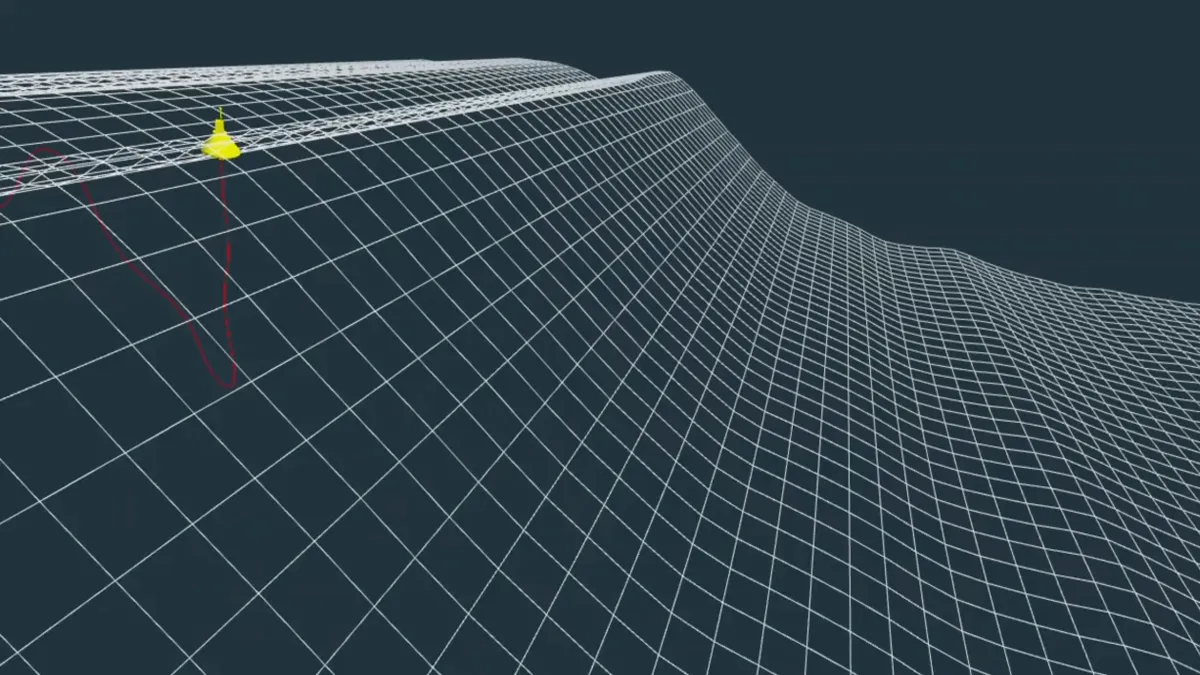
In November 2020, a freak wave appeared, lifting a lone buoy off the coast of British Columbia 17.6 meters (58 feet) high. A few years later, the four-story wall of water was confirmed to be the most extreme rogue wave ever recorded. Such an extraordinary event is thought to happen only once every 1,300 years. And if the buoy hadn't been taken for a ride, we might never have known it had occurred. Watch the video below for a summary:For centuries, rogue waves were regarded as mere nautical folklore. It wasn't until 1995 that myth became reality. On the first day of the new year, a nearly 26-meter (85-foot) wave struck an oil-drilling platform about 160 kilometers (100 miles) off the coast of Norway. At the time, the so-called Draupner wave defied all previous models scientists had put together. Since then, dozens more rogue waves have been recorded (some even in lakes), and while the one that surfaced near Ucluelet, Vancouver Island was not the tallest, its relative size compared to the waves around it was unprecedented. Scientists define a rogue wave as any wave more than twice the height of the waves surrounding it.
ScienceAlert·
Science
Scientists discover why a 100-year-old mushroom disease won't go away - Science Daily
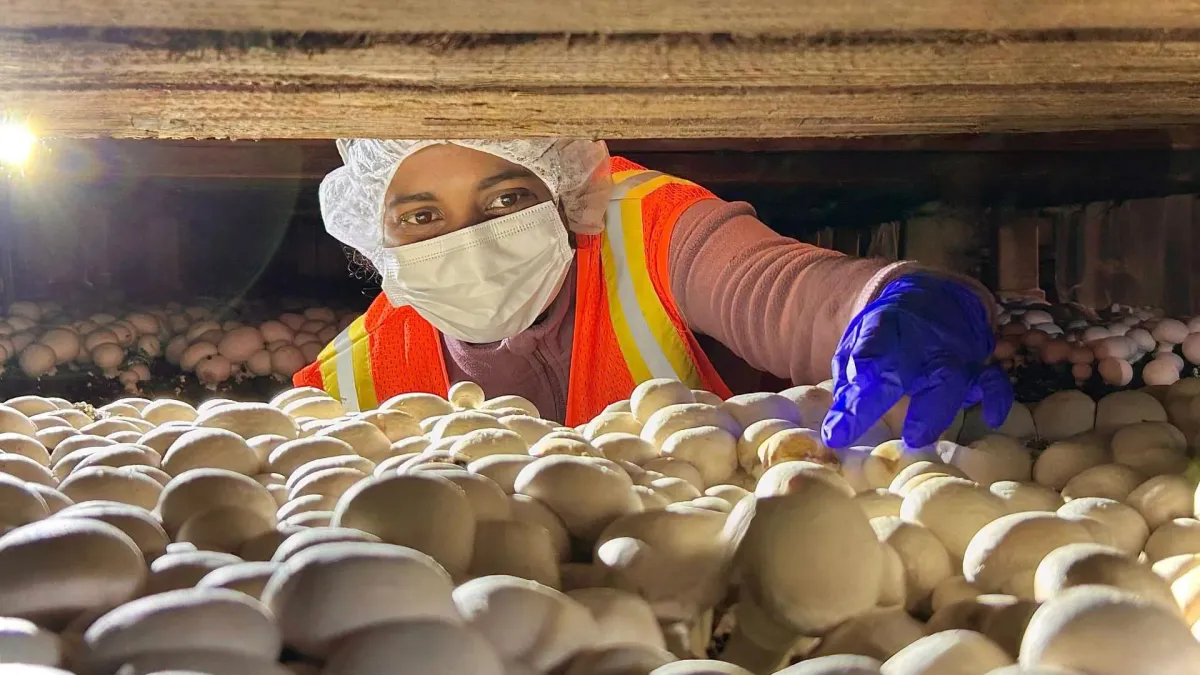
A disease that has troubled white button mushroom growers for more than 100 years is far more complicated than scientists previously believed. Researchers at the University of Florida have discovered that the problem involves a surprisingly diverse collection of harmful bacteria, rather than a single pathogen. The finding could help explain why the disease has been so difficult to control and lead to more effective ways to protect mushroom crops. The discovery comes from a University of Florida study investigating bacterial blotch, a persistent disease that damages white button mushrooms and causes significant financial losses for growers.
Science Daily·