China’s Nobel paradox reveals a deeper science challenge - Korea JoongAng Daily
This story deserves to be shared
Send it to someone who'd care, or post it on your networks.
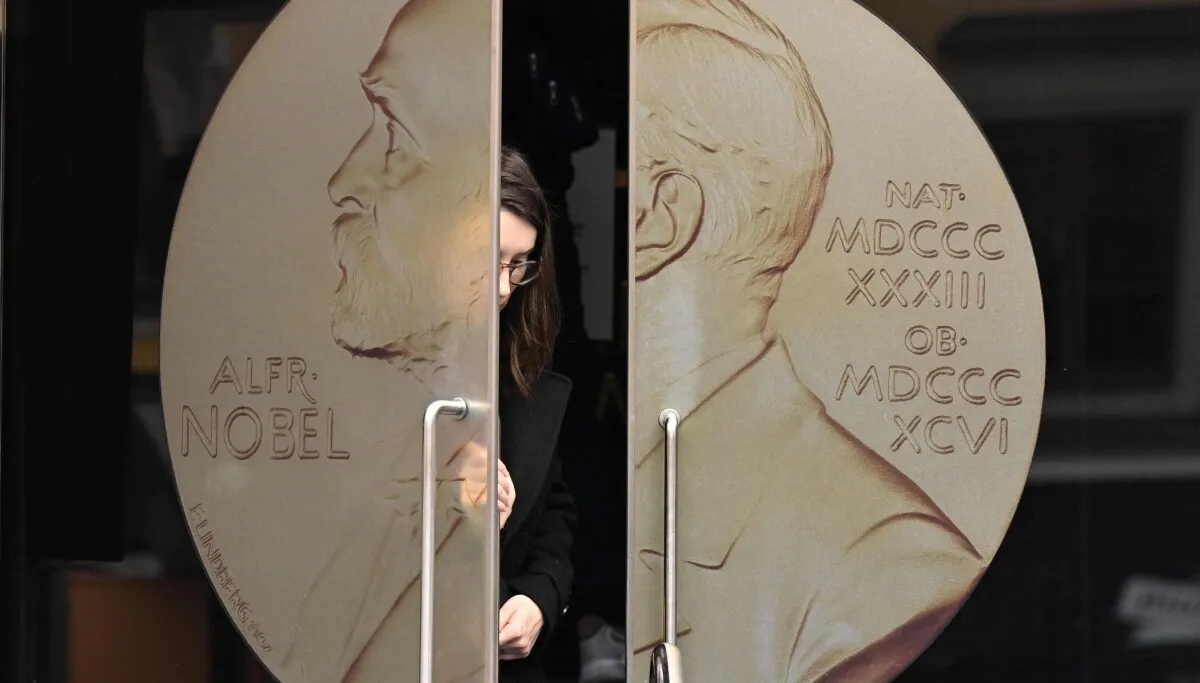
China's Nobel Prize paradox: The struggle of a scientific powerhouse
China’s pursuit of scientific superpower status raises a larger question: Can it build a research environment that attracts talent and rewards long-term curiosity?
This article is an excerpt. To read the full content, visit the original source. Korea JoongAng Daily
Related articles
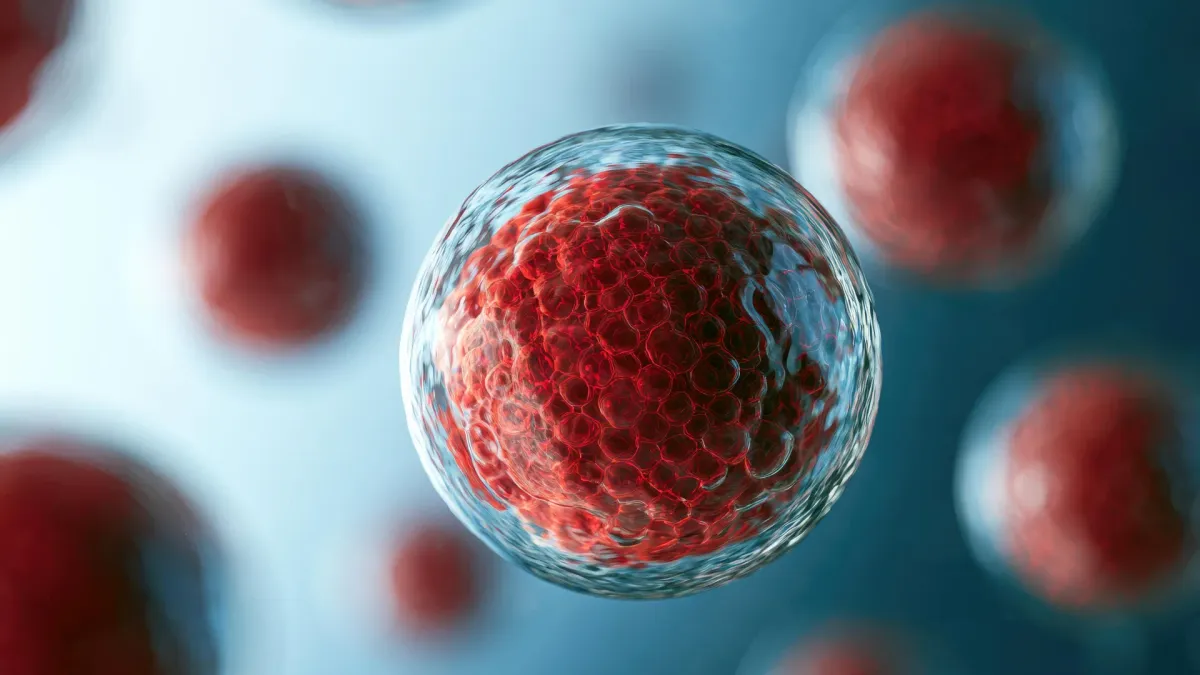
Scientists discover a surprising paradox in how our cells age - Science Daily
Cells rely on a natural cleanup system to prevent damaged materials from accumulating inside them. Known as autophagy, this process collects defective proteins and other cellular waste, packages them into specialized compartments, and breaks them down into basic molecular components that can be reused. This recycling system helps protect cells from damage. Scientists have long considered declining autophagy a hallmark of aging, and problems with the process have been linked to numerous diseases, including cancer, cardiovascular disease, diabetes, and neurodegenerative disorders.
Scientists Say: Paradox - Science News Explores

Just 10 minutes of daily exercise could unlock deeper sleep - Science Daily
What if getting better sleep depends not just on how much you exercise, but how often you move? Research from The University of Texas at Austin suggests that being physically active every day, even for short periods, may help people spend more time in the deep, restorative stages of sleep that support recovery, mood, and mental health. The findings suggest that consistency could be an important but often overlooked part of the relationship between exercise and sleep. Rather than saving all their workouts for the weekend, people may benefit from making movement a regular part of their daily routines.

Simulations explore nuclear mitigation of asteroid threats - Phys.org
Lawrence Livermore National Laboratory researcher Isaiah Santistevan led the development of three-dimensional simulations exploring how a nuclear device could deflect or disrupt an asteroid threatening Earth. Credit: Blaise Douros/LLNL Lawrence Livermore National Laboratory (LLNL) researchers are developing three-dimensional simulations to examine how a nuclear device could be used to deflect or potentially disrupt an asteroid threatening Earth.
0 comments
No comments yet. Be the first to share your thoughts!