BBlogFlow

Categories

Science

11012 articles

Science

Science & Medicine: UT Health San Antonio study finds magnetic stimulation significantly reduces combat PTSD symptoms - Texas Public Radio | TPR

About half a million of the military personnel who were deployed to Afghanistan or Iraq experienced PTSD, which UT Health San Antonio neurologist Dr. Peter Fox says occurs when trauma causes changes in the circuitry of the brain. "Depression, schizophrenia, PTSD -- many disorders are appropriately conceived as the aberrant firing of a circuit," Fox said. "People get negative thoughts, and they just won't go away. There's some pathway that you wish would shut up, and it's not. "Fox is a professor in the Department of Radiology at UT San Antonio, the director of the Research Imaging Institute at UT Health San Antonio, and he recently studied a treatment for combat veterans with PTSD that uses his team's patented, MRI-guided, robotic-controlled transcranial magnetic stimulation (TMS) to target that aberrant brain circuitry with an electromagnetic field, called "navigated TMS. " The imaging guides the robot arm to a specific location on the scalp. It then pulses magnetic fields through the skull, aiming at a small, specific area of the brain. The electrical currents disrupt neural activity, improving the symptoms of mental health disorders. UT Health San AntonioPeter Fox, MDProfesso

Texas Public Radio | TPR·
Science

Leaf Them On The Ground: Benefit More By Doing Less Yardwork - Science 2.0

Every autumn, homeowners and gardeners tend to engage in a familiar ritual. As trees shed their leaves, people drag out rakes, leaf blowers and lawn bags to strip their yards bare before winter arrives. Every autumn, homeowners and gardeners tend to engage in a familiar ritual. As trees shed their leaves, people drag out rakes, leaf blowers and lawn bags to strip their yards bare before winter arrives. It is a tidy habit rooted in aesthetics, but ecologically, clearing away fallen leaves strips the very foundation of local ecosystems. Far from dead debris requiring disposal, this fallen foliage forms a dynamic layer and a biological interface that drives nutrient cycling and is essential for soil health and the environment, including biodiversity.

Science 2.0·
Science

Trump proclaims US 'golden age' of science - DW.com

Anthony HowardOctober 11, 2026At a tech summit, the US president announced what he called the most ambitious set of science initiatives in decades, with new "national missions" to inspire the American people. But where exactly is the money going?https://p.dw.com/p/5O46kUS President Donald Trump has again called for America to lead the world in technology innovation at an event honoring some of the biggest names in the IT industry. But AI developer Gary McGraw told DW that the Trump administration's move to slash funding for science programs has undermined the future of research in the US.

DW.com·
Science

Global trust in science lower than before Covid pandemic, report finds - The Independent

Global trust in science is lower than it was before the Covid-19 pandemic, a new report has found. More than 140,000 people in 140 countries were polled for the third wave of The Wellcome Global Monitor, the world’s largest study into how people regard and feel about science. The proportion of people expressing at least some trust in science was 77 per cent in 2018, rose to 80 per cent in 2020, but then fell to 72 per cent in 2025. People who felt worse off financially, or had less confidence in their countries’ healthcare systems, were also less likely to say they trusted science. Only 21 per cent of respondents in sub-Saharan Africa reported having “a lot” of trust in science, compared with 54 per cent in Western Europe. Low trust levels are likely to have an impact on how health programmes can operate, experts said. “Public trust shapes whether scientific advances can make a meaningful difference in people’s lives,” said John-Arne Røttingen, CEO of Wellcome.

The Independent·
Science

Fired Government Scientists Are Finding New Ways to Spread the Word on Climate Change - Rolling Stone

The Trump administration killed the National Climate Assessment. The researchers who were working on it aren’t giving up In April of last year, Donald Trump’s administration halted work on a climate science report that the United States had been producing for over 20 years. The congressionally mandated National Climate Assessment (NCA) is meant to give Americans a clear view of how climate change is impacting the nation. The government fired hundreds of scientists and researchers who were working on the latest edition.

Rolling Stone·
Science

Mad Science owner brings spooky Halloween science experiments to life - Fox News

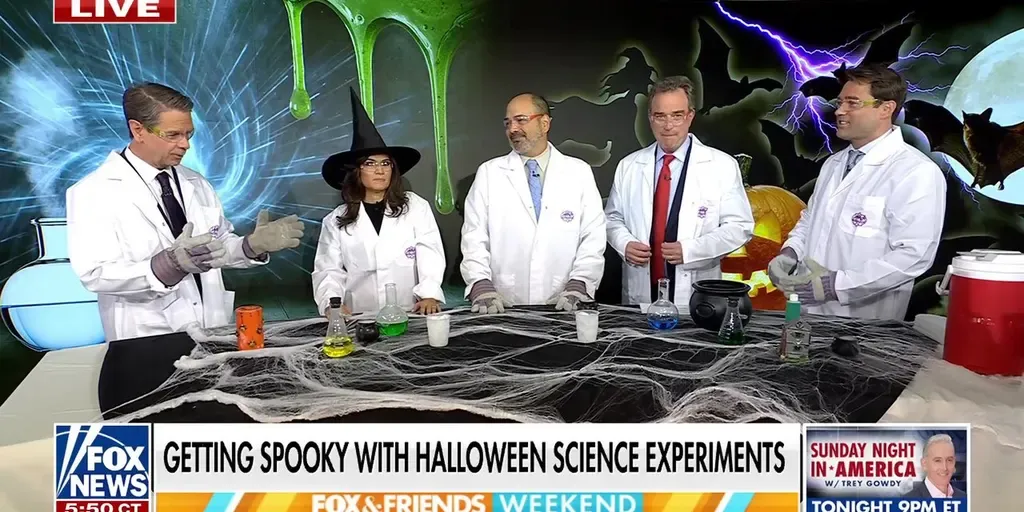
Rob Diaz from Mad Science of NYC & Westchester joins 'Fox & Friends Weekend' to demonstrate spooky Halloween science experiments, including bubbling dry ice potions and a giant fog explosion. Spooky Halloween science experiments take over the set of 'Fox & Friends Weekend' as Rob Diaz from Mad Science of NYC & Westchester demonstrates how to make bubbling potions. Diaz utilizes dry ice, warm water, and soap to create low-lying fog and giant bubbling columns. The co-hosts participate in these frightful 100-percent kid-friendly demonstrations perfect for families this October.

Fox News·
Science

You Have the Power to Become Master of Your Own Reality—and One Neuroscientist Knows How to Unlock It - Popular Mechanics

Here’s what you’ll learn when you read this story:To the late neuroscientist James Doty, “manifestation” may be more than just pseudoscience. Instead of the mysticism commonly associated with the term, Doty theorized that manifestation works by embedding an intention into your subconscious mind, which passively drives you toward accomplishing a goal. This method not only shaped Doty’s life, but perhaps the lives of other figures, too. When Dolly Parton was a poor, young girl growing up in rural Tennessee, she would fashion a fake microphone out of sticks and tin cans and sing to her siblings while dreaming of being on stage at the Grand Ole Opry. “That little microphone just brought me all the way to the top of the world from the top of the Smoky Mountains,” she told People magazine in 2025. Could Parton have manifested these dreams into reality? According to the late James Doty, MD, it’s possible. Doty’s idea of manifestation is not rooted in New Age spiritual practices popular on social media that posit all you need to do is put dreams out into the world and they will come true. Instead, Doty’s method is based in real, practical science.

Popular Mechanics·
Science

The Science Lab You Can 3D Print - 3DPrint.com

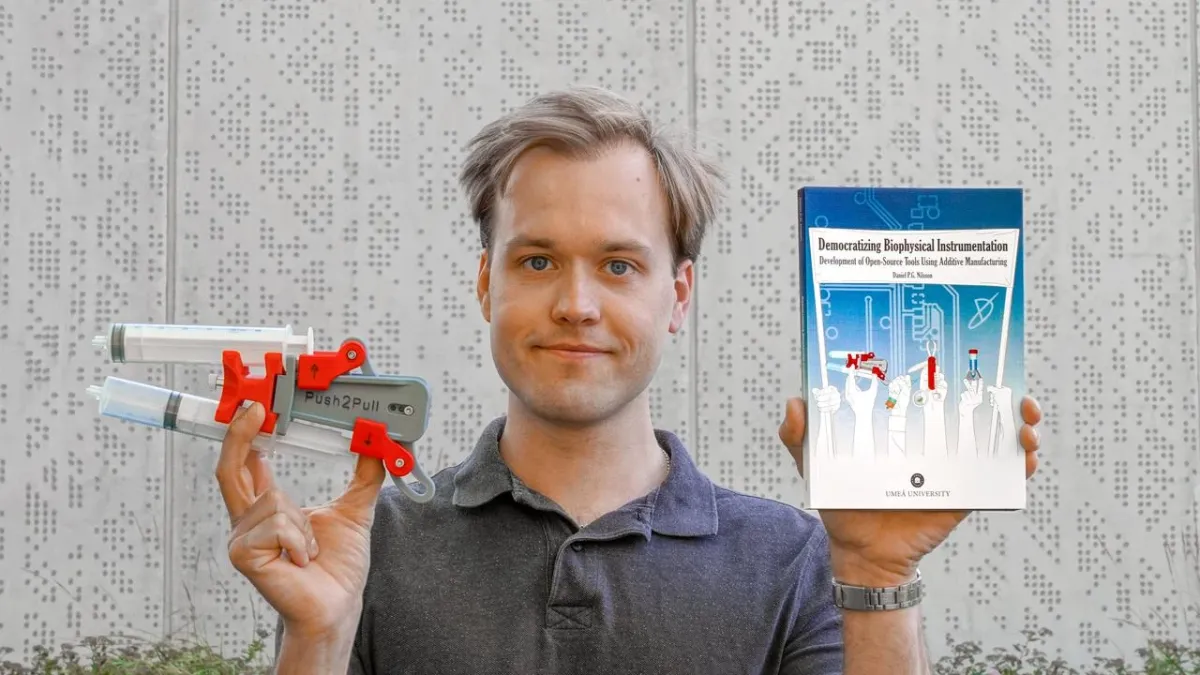
Researchers at Sweden’s Umeå University have shown how desktop 3D printers can be used to make lab equipment, giving scientists a cheaper way to build tools for their research. The work focuses on equipment used to study bacteria and other tiny organisms, including devices that use lasers to find and move bacteria. The research, carried out by Daniel Nilsson at the university’s Department of Physics, shows how consumer-grade 3D printers can help scientists design and manufacture equipment for their own experiments. Rather than relying entirely on commercial instruments, laboratories could build tools that meet their specific needs and modify them as their research develops.

3DPrint.com·
Science

Your Mouth's Bacteria May Be Linked to How Quickly You Think - ScienceAlert

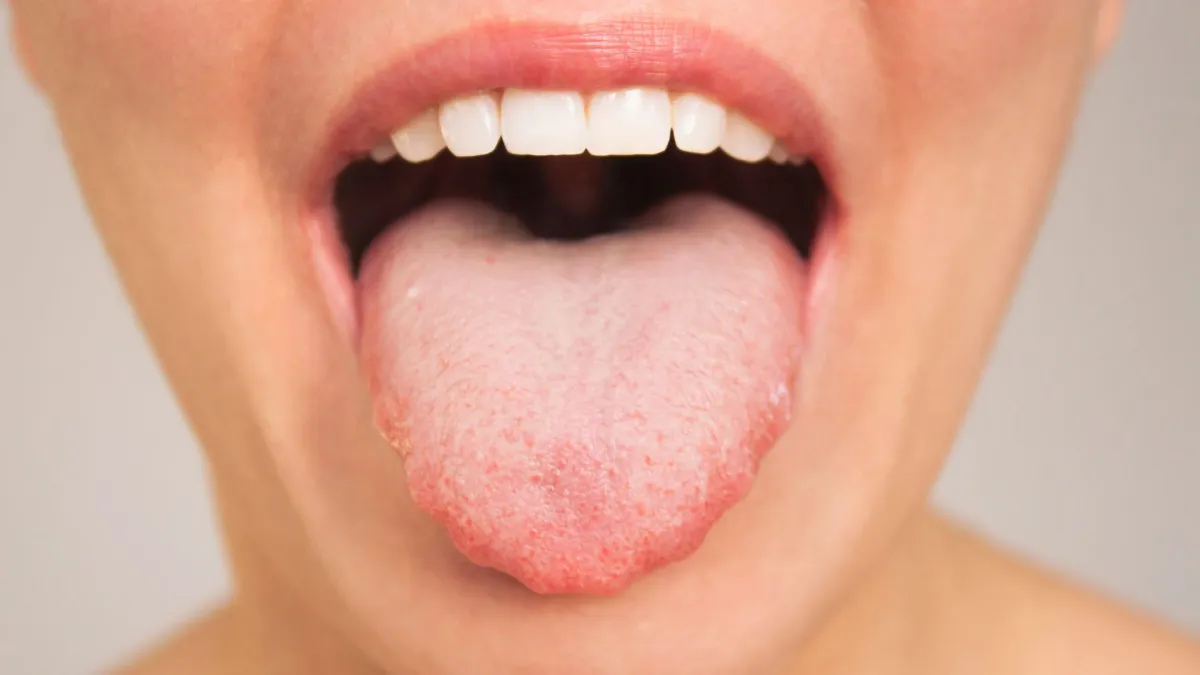
A new study published in PLOS ONE found some intriguing statistical links between bacteria on your tongue and how quickly we process information. Among 60 healthy adults in the UK and Belgium, the abundance of certain tongue bacteria was associated with performance on cognitive tests. That might sound weird, but think about this: you swallow a mouthful of beetroot. Some of its nitrate enters your bloodstream, then takes an unexpected detour: back into your mouth. Bacteria on your tongue help transform it into a substance your body can use to make nitric oxide, a molecule that helps blood vessels widen. This small chemical journey is one reason scientists are investigating whether the microbes in our mouths are connected to memory, attention and how quickly we process information. To understand the link further, researchers led by Joanna E. L'Heureux at the University of Exeter, with colleagues at Vrije Universiteit Brussel, recruited 15 younger and 15 older adults in each country. The younger groups were generally in their twenties, while the older groups averaged in their sixties or seventies.

ScienceAlert·
Science

3 science-backed reasons you prefer vinyl over streaming - Pocket-lint

Joe Oliveto has over a decade of experience covering tech, physical media, and entertainment. His work has appeared in such digital publications as HuffPost, Thrillist, Yahoo!, Time, Elite Daily, Cracked, and numerous others. Along with collecting physical media, his hobbies include hiking, reading, going to concerts, and attending repertory film screenings throughout NYC. Jokes about the pretentiousness of those of us who prefer vinyl records have grown so common it’s possible to argue those making such jokes are now more annoying than their targets ever were. That said, if, like myself, you advocate for the advantages of this music format, you might want some facts you can deploy in your defense when faced with such mockery. After a while, telling people “Vinyl just sounds warmer to me” might lose its power as an argument tactic. Luckily, when someone claims your love of vinyl is just a hipster act, you can respond with something truly powerful: science and research. As it turns out, academics and scholars have completed a few studies whose conclusions can help you better explain why you think vinyl is the superior format for enjoying music.

Pocket-lint·
Science

Can carnivorous plants eat people? - Popular Science

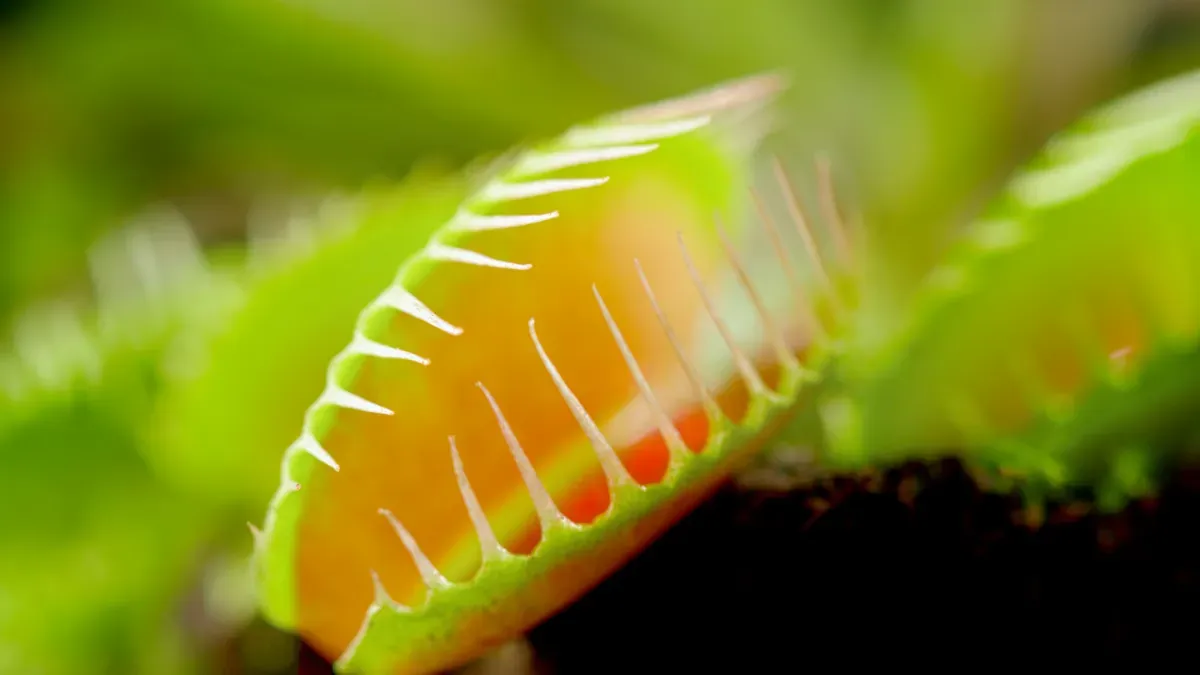
Anyone who’s seen the 1986 musical comedy, Little Shop of Horrors, is familiar with Audrey II. Audrey II looks like a towering, blood-eating Venus flytrap plant, even mimicking the jaw-like, snapping pod of real carnivorous plants. But while Venus flytraps consume insects, Audrey II feeds on humans. Thankfully, people-eating plants are fictional, says Kenny Coogan, the owner of Carnivorous Plants by Kenny Coogan, a well-known nursery in North Carolina’s Piedmont Triad area.

Popular Science·