Categories
Science
12298 articles
Science
‘I didn’t want to write about this’: the man who first saw chimps waging civil war - The Guardian
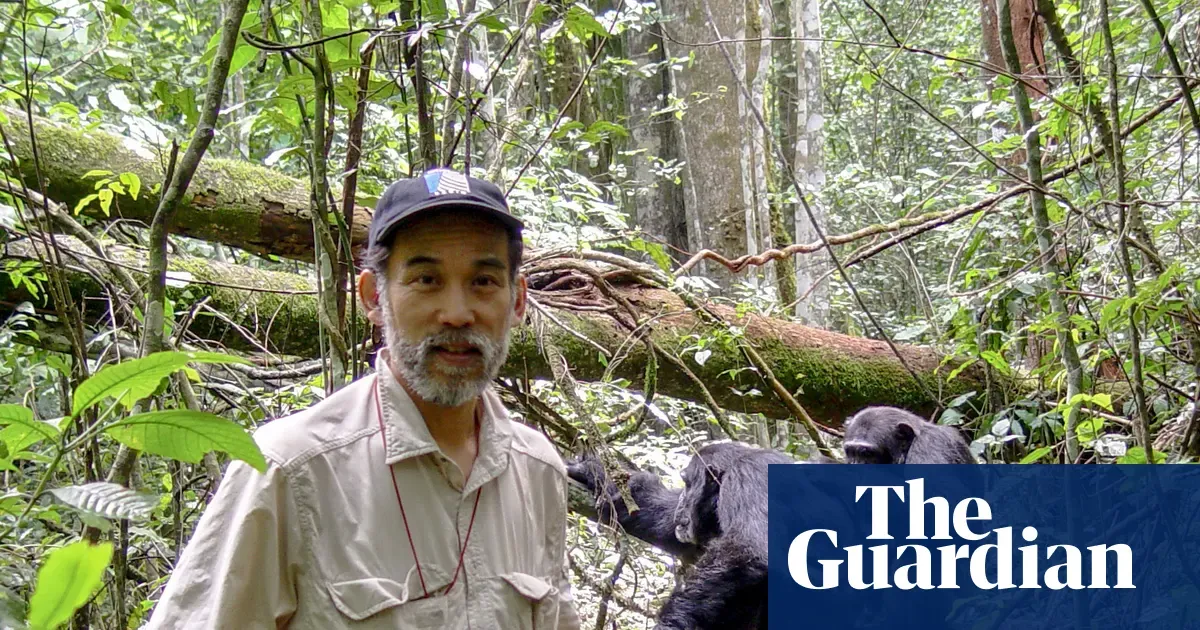
John Mitani can still remember the first time he set foot in Uganda’s Kibale national park. The old-growth east African rainforest enveloped him, its canopy stretching to heights of 40 metres. Fruit trees bowed under the weight of African star apples and bountiful Ficus mucuso figs. And then there were the chimpanzees. Furry black blobs darted through the jungle, their raucous calls often deafening. It was the summer of 1995, and Mitani, a primatologist from northern California, had just come from working with the chimps living in the Mahale mountains of Tanzania. At the time, Mahale was home to the largest known population of chimps, with about 100 individuals. But there were rumours that this section of Kibale – only accessible via a 12-hour drive from the capital, Kampala – might host an even more unusual abundance of apes. “It only took a few days to realise that something weird was going on at this place,” Mitani, now 72, recalls.
The Guardian·
Science
'News reports tweaked the science to speak to contemporary anxieties': How Neanderthal extinction is a projection of our own, modern fears - Live Science
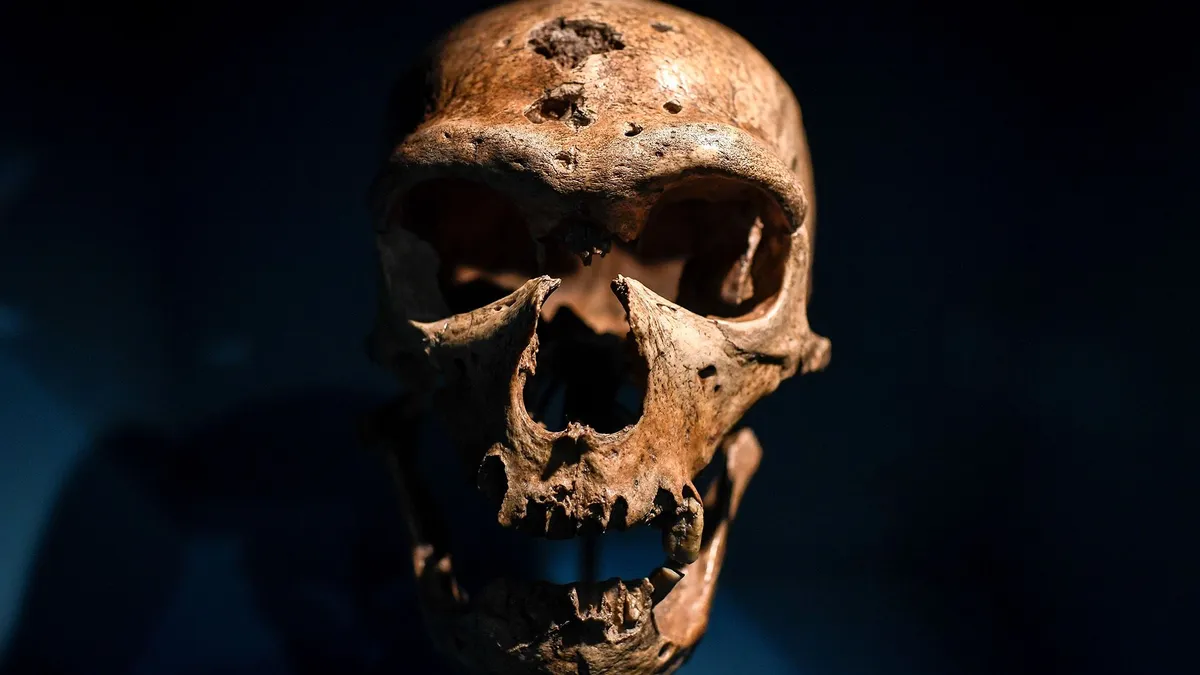
In this excerpt from "Neanderthals Among Us," author Peter Sahlins looks at the way Neanderthal extinction theories are often engrained with our own societal fears.
Live Science·
Science
As the referendum nears, these political science students are studying history in the making - CBC
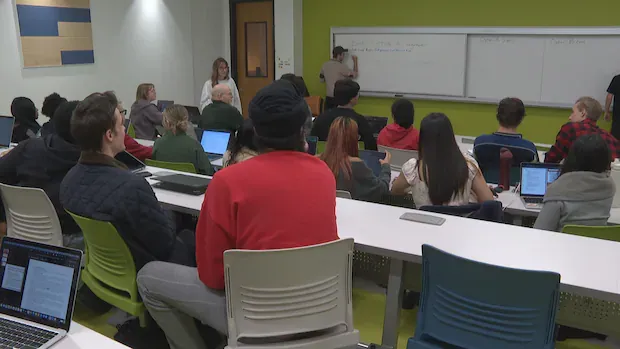
CalgaryCBC News visited a political science class at the University of Calgary to better understand what it's like for university students to study the referendum as it plays out. Many expressed their excitement at studying history in the making and the opportunity to experience different perspectives.'This class is going to be one of the most important classes of my university experience,' one student saysKelsea Arnett · CBC News · Posted: Oct 11, 2026 7:00 AM EDT | Last Updated: October 11Listen to this articleEstimated 5 minutesThe audio version of this article is generated by AI-based technology. Mispronunciations can occur. We are working with our partners to continually review and improve the results. CBC News visited a political science class at the University of Calgary to better understand what it's like for university students to study the referendum as it plays out. From left to right: Maia Rajic, Sam Virk, Elizabeth Raymond and Richard Kuperis.
CBC·
Science
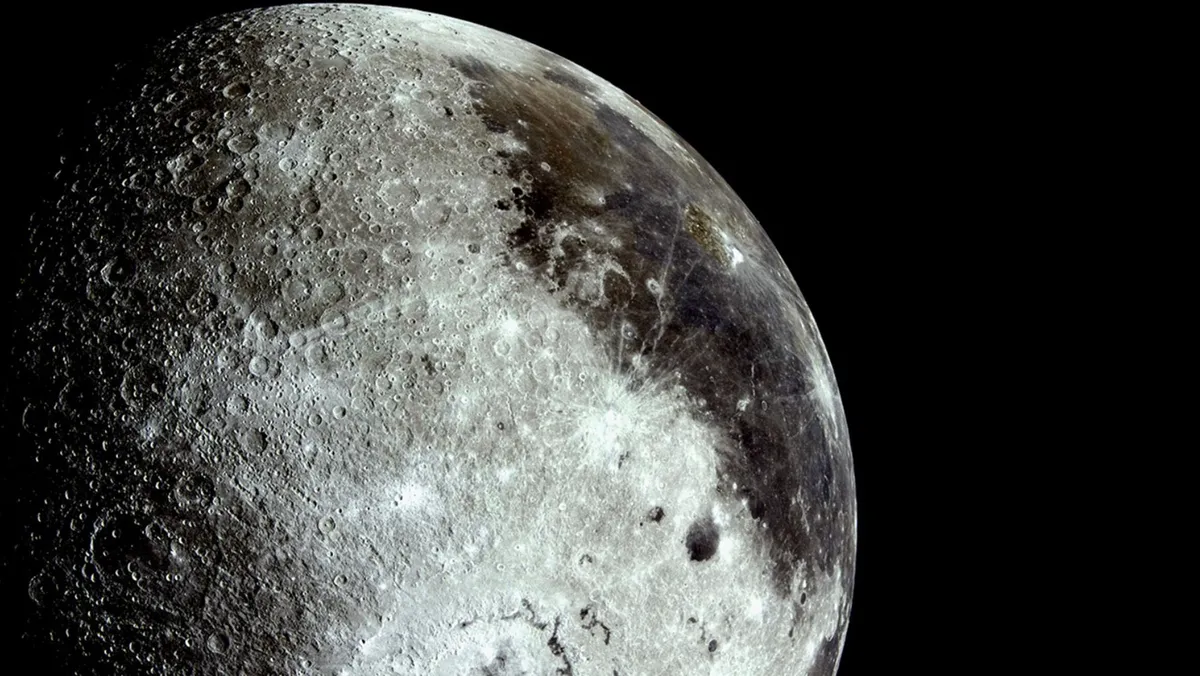
Artemis II crew describes yellow and green hues on the Moon’s surface — Live Science - UA.NEWS
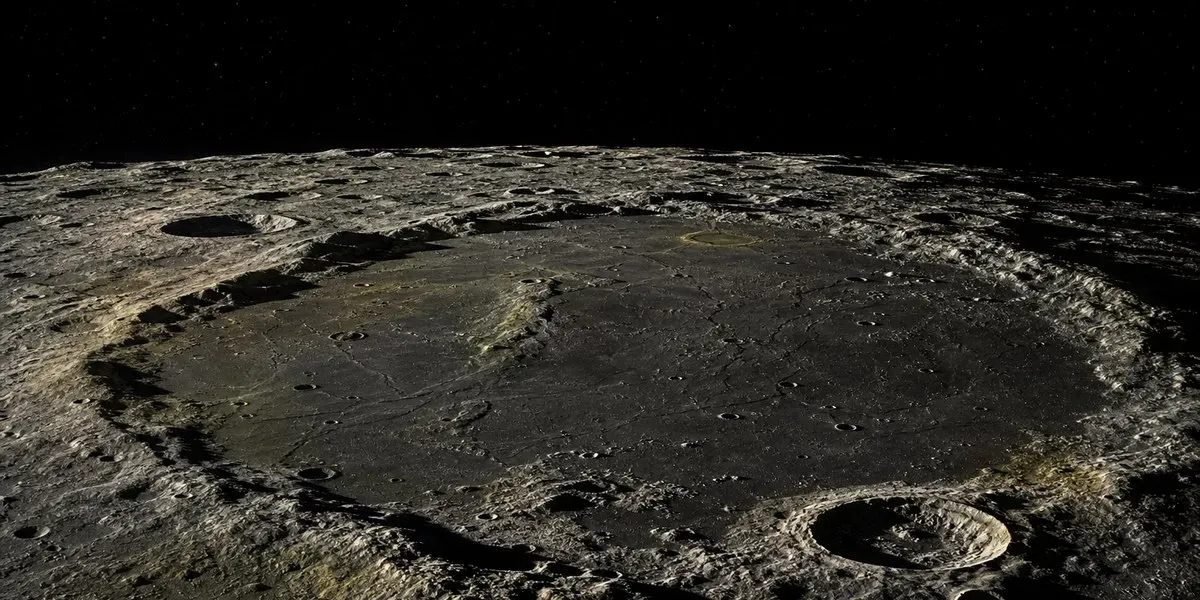
Astronauts on NASA’s Artemis II mission saw yellow, green, brown, blue and beige hues on the Moon’s surface during a close flyby in April. The observations were included in NASA’s preliminary report on the mission’s lunar research, Live Science reports. Observations from the Orion capsuleOn April 6, the crew of Reid Wiseman, Victor Glover, Christina Koch and Jeremy Hansen orbited the Moon for nearly seven hours, approaching its surface to a distance of about 6,400 kilometers. The 130-page report compiles the astronauts’ observations based on 814 gigabytes of photos, video and audio recordings made from the Orion capsule. One of the areas that drew the crew’s attention was the Aristarchus Plateau, an elevated region in the northwest of the Moon’s near side. It contains many ancient volcanic formations, including dark lava deposits and colored volcanic glass. Koch noted pronounced yellow tones, while mission pilot Glover also reported green and brown streaks. More current news is available on the UA. News Telegram channel Telegram.
UA.NEWS·

Science
Scientists Gave People 2 Nearly Identical Meals. One Triggered Much More Insulin. - ScienceAlert
You've probably heard a bit about ultra-processed foods by now, and if so, you likely know they're not the healthiest things you can eat. These industrially manufactured foods are increasingly being linked to heightened risk of disease, and research suggests they may affect how we think and harm our mental health. In light of all the concerning associations scientists are finding, it's easy to assume that ultra-processed foods are unhealthy because they're packed full of nutritionally poor ingredients – but what if there's more to it than that? "We know that the majority of ultra-processed foods are high in fat, they're high in sugar, they're low in fiber, and they're low in protein," says neuroscientist Alex DiFeliceantonio from Virginia Tech. "But if we artificially hold all of those things constant, is there something about the processing that leads to a different outcome? "The answer, it seems, is yes, according to a surprising finding reported in Nature Metabolism. Ultra-processed foods seem to produce a different metabolic response, even when nutrients and calories are matched.
ScienceAlert·
Science
'Swamp-like colors' on the moon: New 130-page NASA science report reveals strange sights from Artemis II mission - Live Science
Astronauts on NASA's Artemis II mission saw surprising "jaundiced yellow" and "swampy green" colors on the moon during their close lunar flyby, a new report reveals.
Live Science·

Science
Sweating the details: Sauna's potential health benefits draw scientists' interest - NPR
Sauna scientists Dr. Hans Hägglund (from left), Earric Lee and Ashley Mason take a steam in the Japanese sauna at The Well in Oslo, Norway. They are part of a group of international researchers studying the potential health benefits of sauna and other heat therapies. For more on the science of healthy living, try NPR's Health newsletter. Scientists have long marveled at how the human body tolerates extreme heat — and what that means for our health. In the late 1700s, British scientists ran bold experiments on thermoregulation, subjecting themselves (and a dog) to a piping hot room and observing that — unlike the steak and eggs accompanying them — their own bodies did not cook.
NPR·

Science
Quantum Sundays |86⟩ Quantum Computing in Science Fiction: 10 Books Worth Reading - Medium
Member-only storyThe best sci-fi books about parallel universes, quantum computing, and the line between established physics and speculative storytelling.11 min read5 days ago--Press enter or click to view image in full sizetl;dr — Quantum science fiction is storytelling that uses quantum computing or quantum mechanics to drive its plot, from code-breaking machines to the possibility of parallel realities. The distinction matters: quantum computing concerns information processing and cryptography, while quantum mechanics raises deeper questions about measurement, consciousness, and the nature of reality. Across ten standout books, Greg Egan’s Quarantine and Schild’s Ladder turn theoretical physics into existential problems, Neal Stephenson’s Anathem explores the many-worlds interpretation, and David Ignatius’s The Quantum Spy examines the geopolitical consequences of quantum computing. The science behind these stories ranges from established results, such as Shor’s algorithm threatening public-key cryptography and NIST’s 2024 post-quantum standards, to speculative ideas involving quantum consciousness and travel between universes.
Medium·
Science
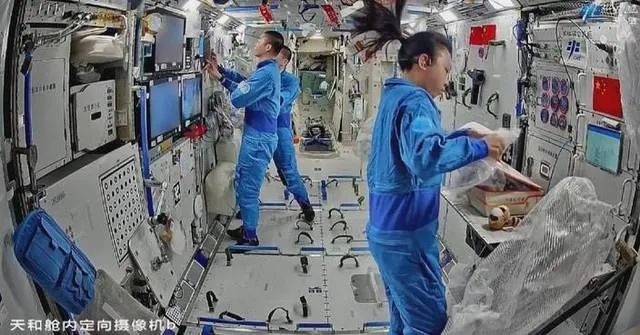
Shenzhou-23 crew conduct space science experiments, in-orbit trainings - 巴士的報
The China Manned Space Agency (CMSA) on Sunday released its weekly update on the Shenzhou-23 mission, reporting that the crew continued to conduct scientific research and platform maintenance aboard the Tiangong space station. Nearly five months into their mission, the three astronauts -- Zhu Yangzhu, Zhang Zhiyuan and Lai Ka-ying -- have steadily advanced space science and experiment tasks including experiments in microgravity physical science.
巴士的報·

Science
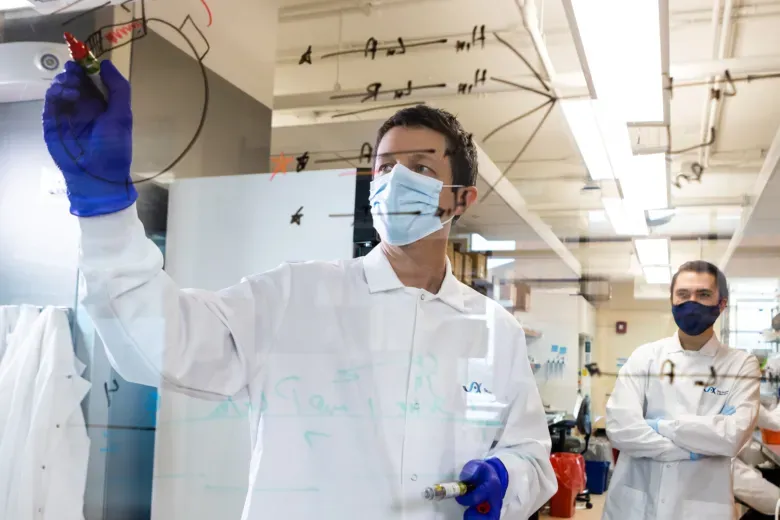
Scientists Identify Brain Cells That May Explain Why Cannabis Triggers Anxiety - ScienceAlert
Cannabis is famous for making people feel relaxed, amused, and even elated, but sometimes it can have almost the opposite effect. In some cases, cannabis use can trigger feelings of anxiety, panic, and paranoia, and there's evidence to suggest that ongoing use could lead to mood and anxiety disorders. Now, a new study published in Nature Communications may have identified why the drug fuels such negative and intense reactions. "The results of this study could explain why a good trip can turn bad pretty quickly if people consume too much cannabis," says psychiatric neuroscientist and senior author Sachin Patel from Northwestern University, "or the situation they are in turns stressful or scary. "Before now, scientists knew that cannabinoids, including tetrahydrocannabinol (THC), strongly affect the central amygdala (CeA), which helps to control anxiety, stress responses, and emotional behaviors. One of the ways cannabinoids might affect the amygdala is by activating neurons in the CeA that produce a neuropeptide called somatostatin (SOM), which helps regulate stress responses. New research may have identified why the drug fuels such negative and intense reactions.
ScienceAlert·
Science
The grave consequences of politicizing science | Opinion - The Portland Press Herald
Laura Ligouri is founder and chief external strategy officer of Mindbridge, a Maine-based nonprofit organization that uses psychology and neuroscience to support work on human rights and democratic resilience. Democracy is more than a system for electing leaders. At its core, it is a system designed to protect human dignity and freedom by distributing power, safeguarding fundamental rights and holding those in authority accountable to the people they serve.
The Portland Press Herald·

Science
A New 'Super Ice' Is 10 Times Stronger, Bringing It Close to The Strength of Concrete - ScienceAlert
During the Second World War, the British Royal Navy experimented with the idea of using ice reinforced with wood pulp to build an aircraft carrier. The composite material, known as Pykrete, was apparently as strong as concrete, as long as it could be kept frozen. The ship would've effectively been a floating, custom-made, strengthened iceberg for planes to take off from and land on – but with rising costs and better options becoming available, the project was eventually abandoned. Now researchers led by a team from the Hebrew University of Jerusalem in Israel have extended that idea from the 1940s to create what they're calling BioPykrete. By adding plant-based crystals and a bespoke protein to ice, they've created something that's 10 times stronger than regular ice and able to absorb 70 times more energy before breaking. A study of the new material has been published in Colloids and Surfaces B: Biointerfaces, and the team behind it hopes that it may one day be used as a building material. A sample of the new ice.
ScienceAlert·
Science
Machine learning links water quality measurements to potential pathogen risks - EurekAlert!
A research team has developed a framework that combines machine learning with quantitative microbial risk assessment to predict pathogen concentrations and potential health risks in drinking water sources. Using routine water quality and weather measurements, the approach estimated bacterial and viral contamination with promising accuracy, while translating those predictions into measures of potential disease burden. The findings could help water managers identify emerging microbial hazards, prioritize laboratory testing, and strengthen early warning systems, particularly where frequent direct pathogen monitoring is difficult. Drinking water sources can contain diverse bacterial and viral pathogens, making reliable monitoring essential for public health protection. Conventional surveillance commonly relies on fecal indicator bacteria, but these organisms do not consistently reflect the presence of specific pathogens, especially viruses. Culture methods can take several days, while molecular testing requires specialized equipment and trained personnel.
EurekAlert!·
Science
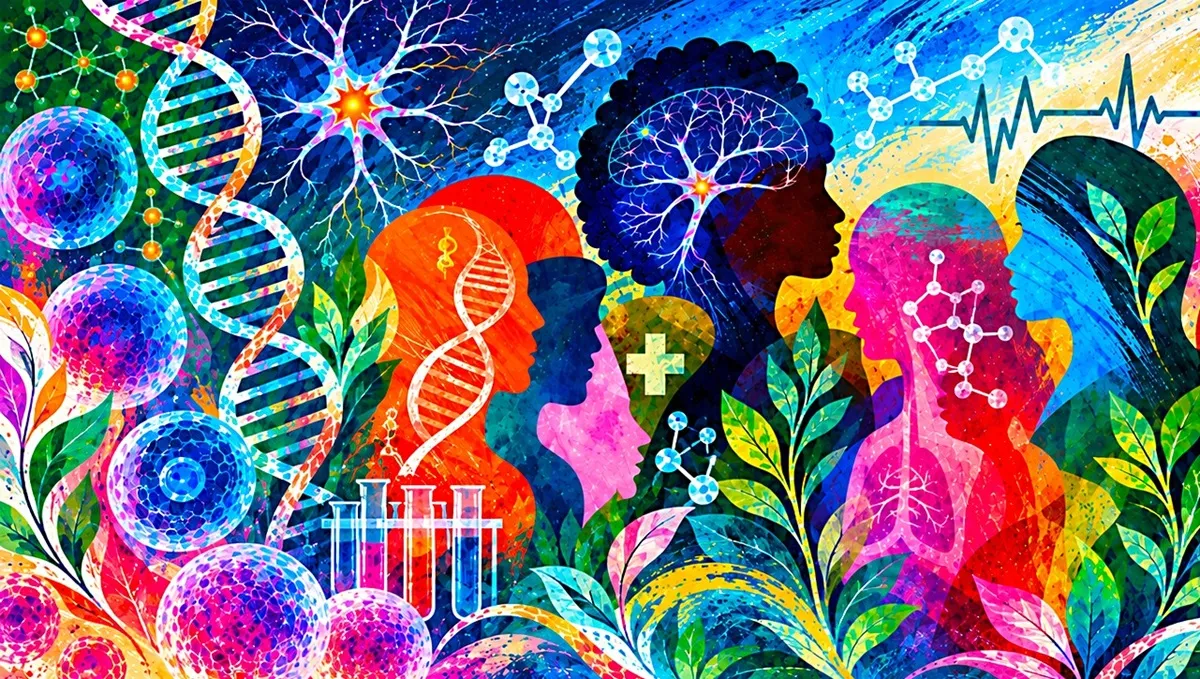
Launch event: Together for Science and Health - World Health Organization (WHO)
Together for Science and Health: Global launch events in Paris and Geneva 10 November 2026 to coincide with World Science Day for Peace and DevelopmentWHO is spearheading Together for Science & Health, a global movement that brings together scientists, policy-makers, health professionals, communicators, civil society organizations, young people and communities around a shared commitment to science as a foundation for better health. Launching on 10 November, World Science Day for Peace and Development, the movement aims to strengthen connections between science, policy and society, promoting evidence-informed decision-making, meaningful public engagement and effective science communication to improve health and well-being for all. WHO and partners will convene two high level events in Paris and Geneva, bringing together leaders from health, science, government, academia, civil society and international organizations.
World Health Organization (WHO)·
Science
CityUHK research reveals modulating chromatin dynamics of H2B mutations, shedding lights on novel targeted therapy of breast cancer - EurekAlert!
image: A research team led by Professor Chan discovered that H2BE113K, a missense H2B mutation, promotes colony formation and lung metastasis of breast cancer. A research team led by Professor Chan Kui-ming from the Department of Biomedical Sciences at CityUHK, discovered that H2BE113K, a missense H2B mutation, promotes colony formation and lung metastasis of breast cancer. The research revealed that H2BE113K plays a critical role in chromatin regulation, cellular function and breast cancer progression, shedding lights on novel targeted therapy of breast cancer.
EurekAlert!·
Science
DNA recording system reveals how a single cell becomes a body - Science Daily
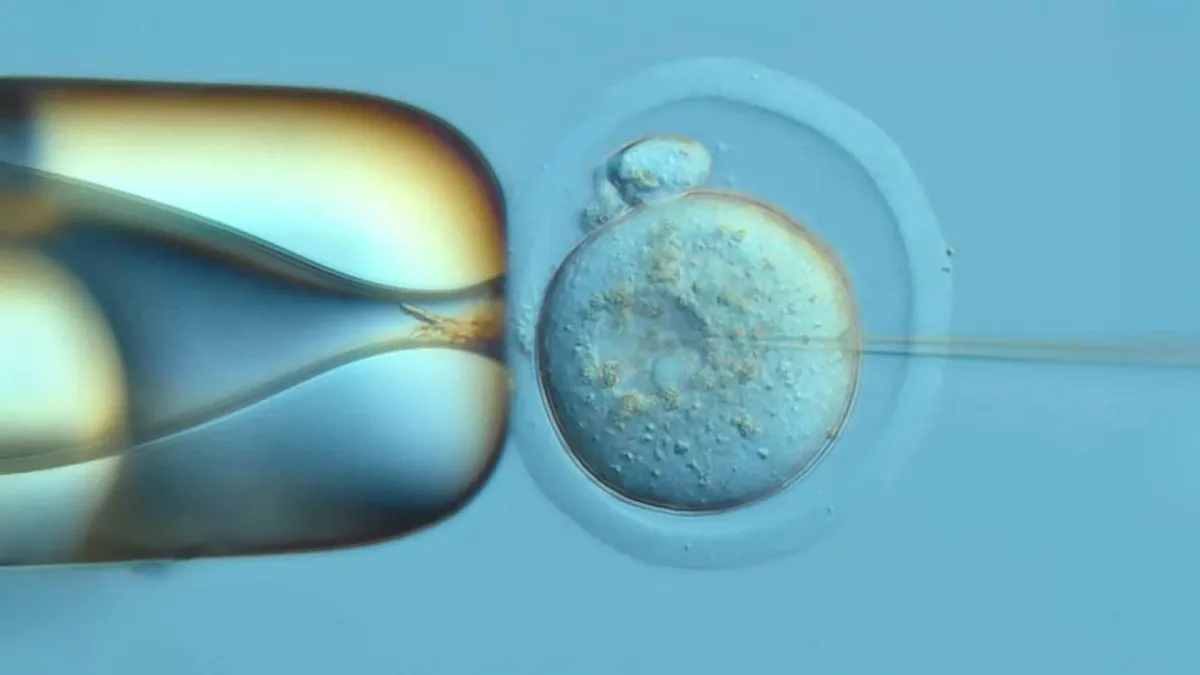
Scientists have reconstructed a remarkably detailed family tree of cells in a developing mouse embryo, tracing their origins back to the moment a fertilized egg first divided into two cells. Using an innovative DNA recording technology, the researchers followed how those early cells multiplied, developed specialized roles, and eventually helped form a body with distinct organs and tissues. The recording covered the first 13.5 days of embryonic development, providing an unusually detailed look at how a complex mammalian body takes shape. (Full gestation in mice is 19 to 21 days.)
Science Daily·