BBlogFlow

Categories

Science

12424 articles

Science

CityUHK research reveals modulating chromatin dynamics of H2B mutations, shedding lights on novel targeted therapy of breast cancer - EurekAlert!

image: A research team led by Professor Chan discovered that H2BE113K, a missense H2B mutation, promotes colony formation and lung metastasis of breast cancer. A research team led by Professor Chan Kui-ming from the Department of Biomedical Sciences at CityUHK, discovered that H2BE113K, a missense H2B mutation, promotes colony formation and lung metastasis of breast cancer. The research revealed that H2BE113K plays a critical role in chromatin regulation, cellular function and breast cancer progression, shedding lights on novel targeted therapy of breast cancer.

EurekAlert!·
Science

DNA recording system reveals how a single cell becomes a body - Science Daily

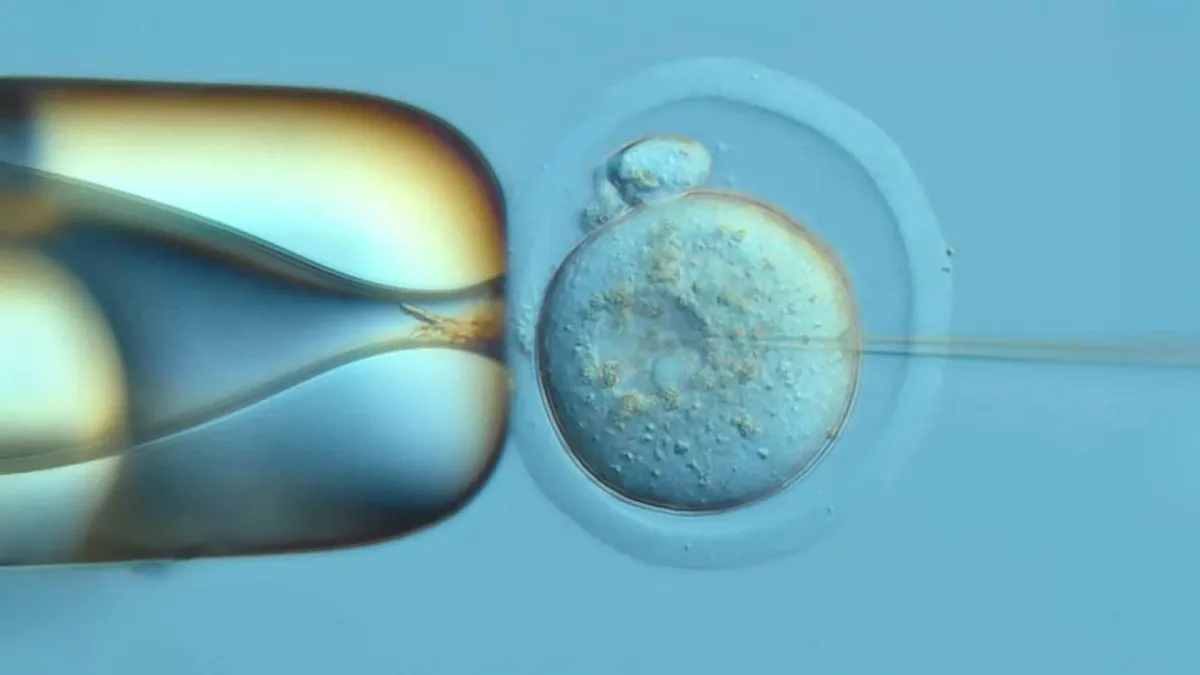
Scientists have reconstructed a remarkably detailed family tree of cells in a developing mouse embryo, tracing their origins back to the moment a fertilized egg first divided into two cells. Using an innovative DNA recording technology, the researchers followed how those early cells multiplied, developed specialized roles, and eventually helped form a body with distinct organs and tissues. The recording covered the first 13.5 days of embryonic development, providing an unusually detailed look at how a complex mammalian body takes shape. (Full gestation in mice is 19 to 21 days.)

Science Daily·
Science

Trust in science falls as Covid-era confidence fades, finds global survey - ThePrint

The Covid-era surge in public trust in science has largely faded, with the steepest drop among people struggling financially, according to one of the largest global surveys of attitudes toward science. Across countries surveyed before, during and after the pandemic, 72% of people expressed at least some trust in science in 2025, down from 80% in 2020 and 77% in 2018. Strong trust in scientists also dropped below its pre-pandemic level, according to the Wellcome Global Monitor, which surveyed more than 140,000 adults worldwide.

ThePrint·
Science

Climate Tipping Points Research Has Blind Spot: Greenland Crowds Out Higher-Risk Systems - Tech Times

Climate science's most important risk-mapping tool — the tipping-point literature — has a structural allocation problem, and a new peer-reviewed audit just put a number on it. A study published October 6 in the Proceedings of the National Academy of Sciences analyzed 20,736 peer-reviewed publications covering 14 climate tipping elements released between 2000 and 2025, then compared that research attention against each system's estimated warming threshold. The finding: scientific attention does not track risk. Systems with warming thresholds as low as 1.5°C — the same threshold as the much-studied Greenland ice sheet — are receiving a fraction of its research investment, leaving science without the observational infrastructure or early-warning capability it would need to detect a threshold crossing before it becomes irreversible. The implications extend directly to climate governance: the risk assessments that shaped the Paris Agreement's 1.5°C target were built on this same literature. If the literature is structurally biased — overconfident where research is dense, silent where it is thin — then the danger map policymakers are using is systematically distorted.

Tech Times·
Science

APOD: 2026 October 11 - Ice Fishing for Cosmic Neutrinos - NASA Science (.gov)

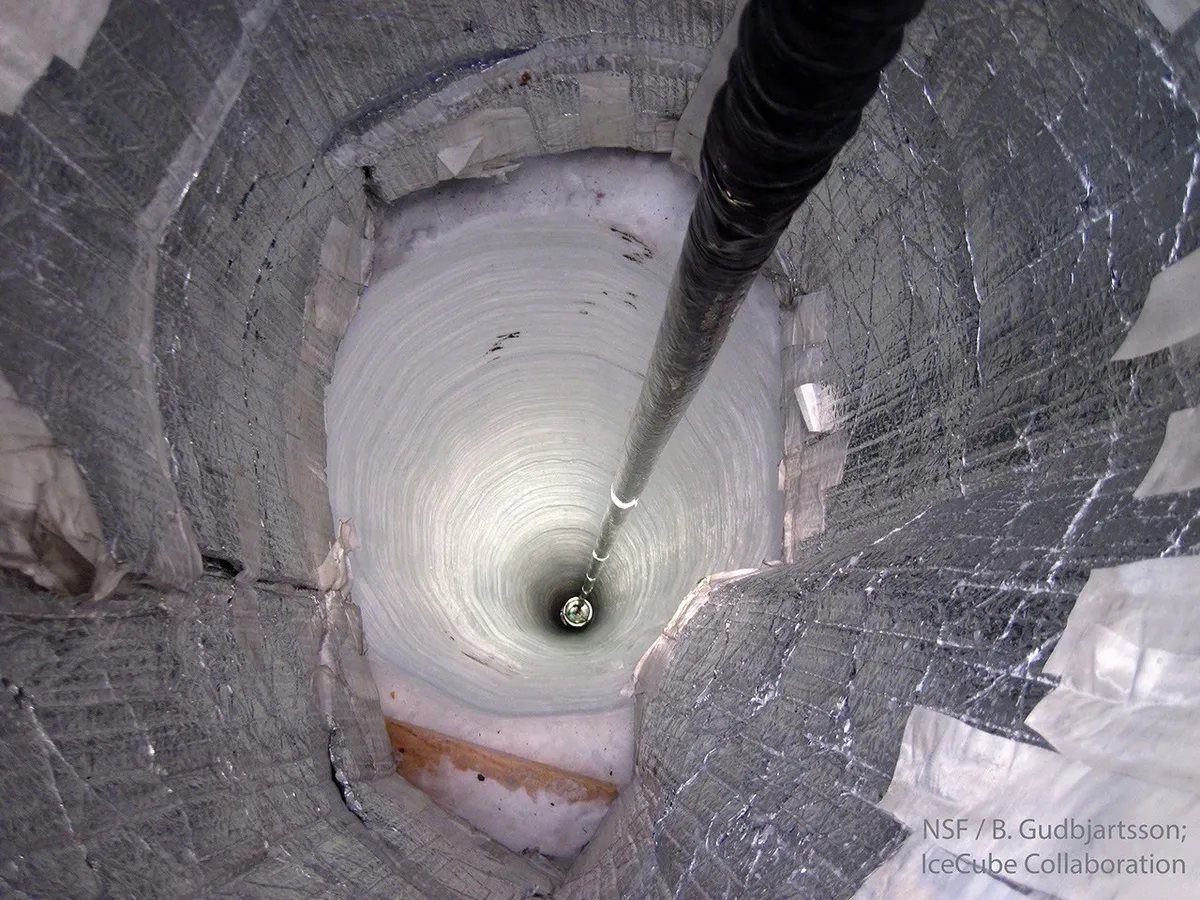
Discover the cosmos! Each day a different image or photograph of our fascinating universe is featured, along with a brief explanation written by a professional astronomer. Explanation: Scientists are melting holes in the bottom of the world. In fact, almost 100 holes melted near the South Pole are now being used as an astronomical observatory. Astronomers with the IceCube Neutrino Observatory lowered a long string knotted with basketball-sized light detectors into each vertical lake. The water in each hole soon refreezes. The detectors attached to the strings are sensitive to blue light emitted in the surrounding clear ice. Such light results from fast-moving secondary particles liberated when high-energy neutrinos emitted by powerful processes out in the universe collide with ice molecules. IceCube has now detected many illuminating neutrinos. Pictured in 2010, one of the last of IceCube's detector strings is lowered into the freezing abyss, making IceCube the largest neutrino detector ever created. In recognition of unprecedented discoveries, it was announced earlier this week that a founding leader of the IceCube Collaboration will be awarded the Nobel Prize in Physics.

NASA Science (.gov)·
Science

Houthis, Saudis exchange strikes on airports as Mideast conflict intensifies - The Christian Science Monitor

The escalation in fighting between Saudi Arabia and Iran-backed Houthis in Yemen continued Sunday as the rebels said the airport under their control in Sanaa had been struck again. They blamed the Saudis but provided no details. The accusation, aired by a Houthi-held broadcaster, came a day after the Saudi-led coalition fighting the rebels accused them of another deadly missile attack on the Riyadh international airport that killed 12 people and injured over 300, some of them critically. Saudi Arabia on Sunday kept the Riyadh airport closed and moved schools in the capital online as the Houthis threatened new strikes across the kingdom. Saturday’s strike on King Khalid International Airport – the third deadly one in a week there – heightened the war between the Houthis and the kingdom and further complicated efforts to halt the U. S.-Iran war. U. S. President Donald Trump on Saturday said he was considering whether to join Saudi strikes against the rebels, a scenario that could prompt the Houthis to halt shipping through a crucial waterway and further restrict the flow of oil out of the Persian Gulf.

The Christian Science Monitor·
Science

MacEachern: Scientists predicted Nov. 13, 2026 will be doomsday. Should you be worried? - London Free Press

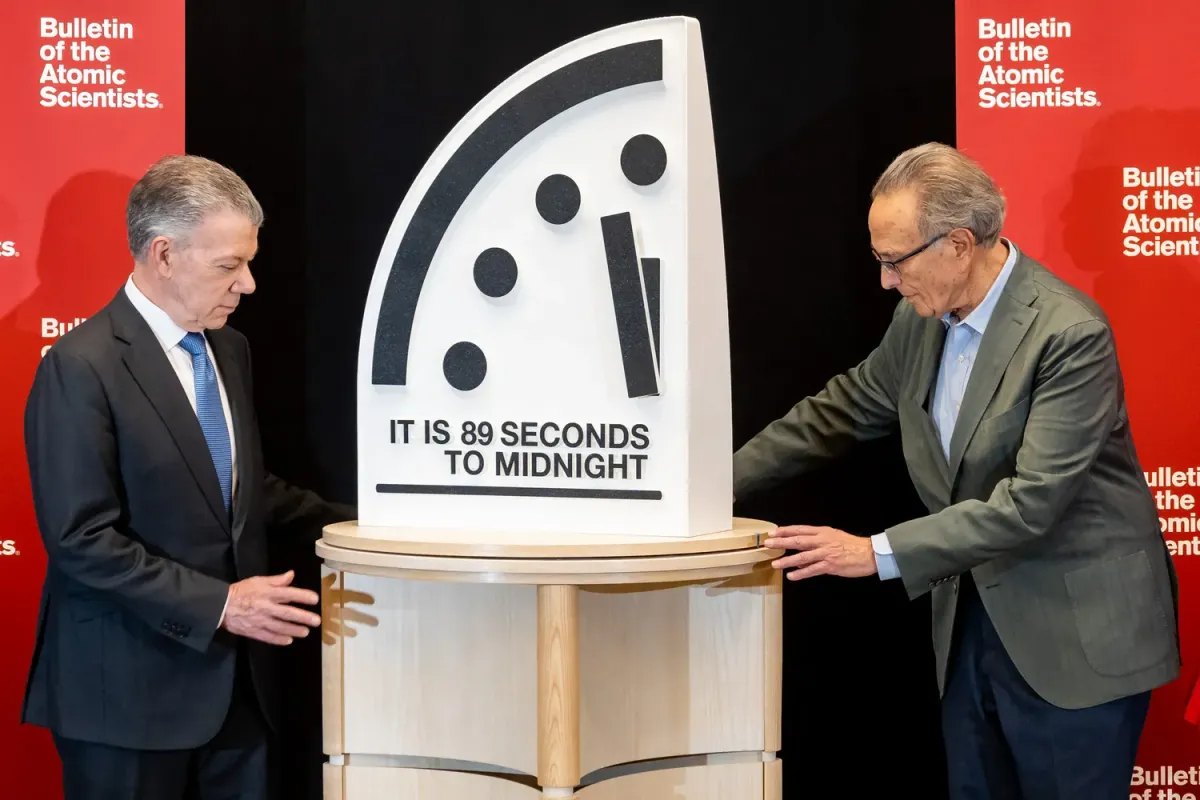
In 1960, Science, one of the world’s leading science journals, published an article with an unambiguous title: Doomsday: Friday, 13 November, A. D. 2026. It predicted that on this future date — just over a month from today — the human population would approach infinity and effectively annihilate itself. The outlandishness of the claim landed the article widespread public attention. More surprisingly — because its underlying research and math seemed sound — it also received careful and sustained scientific attention.

London Free Press·
Science

The Preliminary Lunar Science Report for Artemis II is Out! - Universe Today

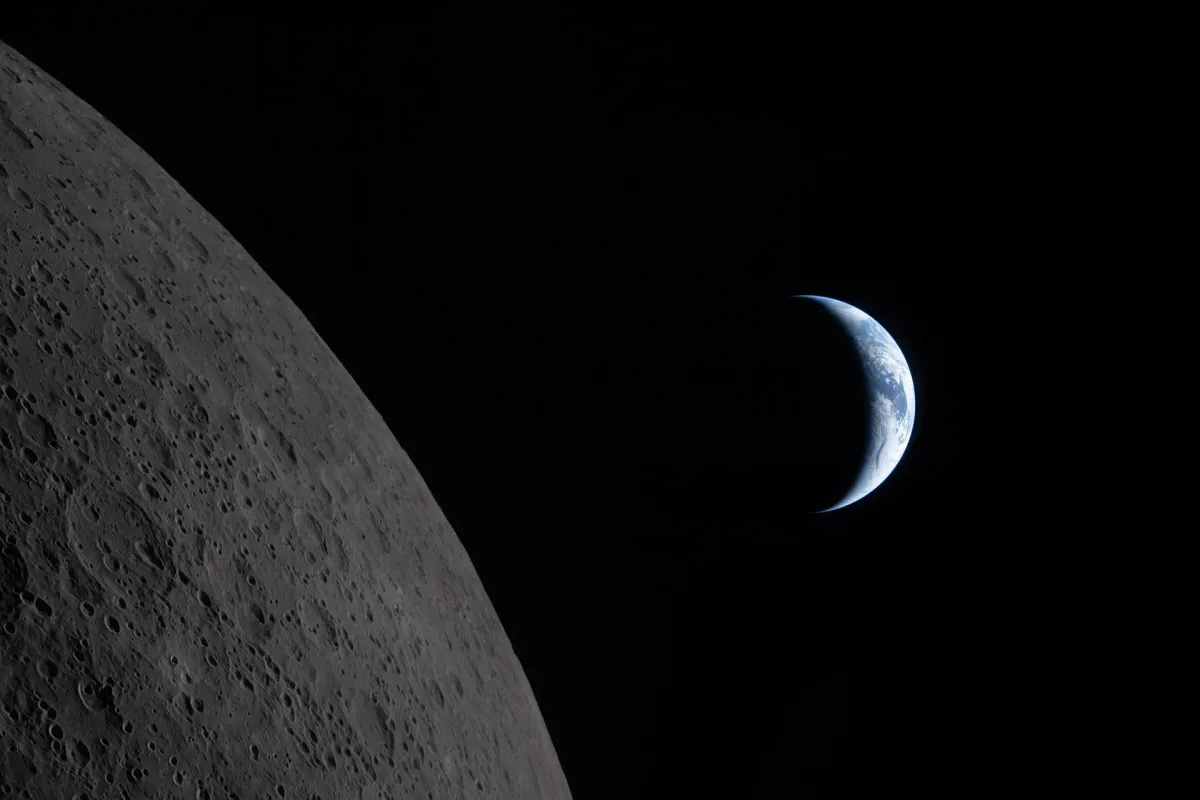
On April 1st, 2026, the crew of the Artemis II mission launched to space atop NASA's Space Launch System (SLS). Roughly three and a half hours after launch, the rocket's first stage separated from the Orion spacecraft (Integrity), and astronauts Reid Wiseman, Victor Glover, Christina Koch, and Jeremy Hansen began their nearly ten-day journey around the Moon. As the second mission in the Artemis Program, the astronauts' flight was another crucial step toward returning astronauts to the Moon for the first time since the Apollo Era. In addition, the Artemis II flight provided an opportunity for observation, science, and data gathering that has not existed since the Apollo Era. During the flight, the astronauts studied the "dark side's" geology, witnessed nighttime impacts on the surface, and watched the Earth and Sun rise from the far side of the Moon. And now, with the mission data processed, NASA has released "Artemis II: Sights & Sounds of Science, a field guide to the Artemis II Preliminary Lunar Science Report.

Universe Today·
Science

Boston Museum of Science opens new 10,000-square-foot immersive venue - Boston 25 News

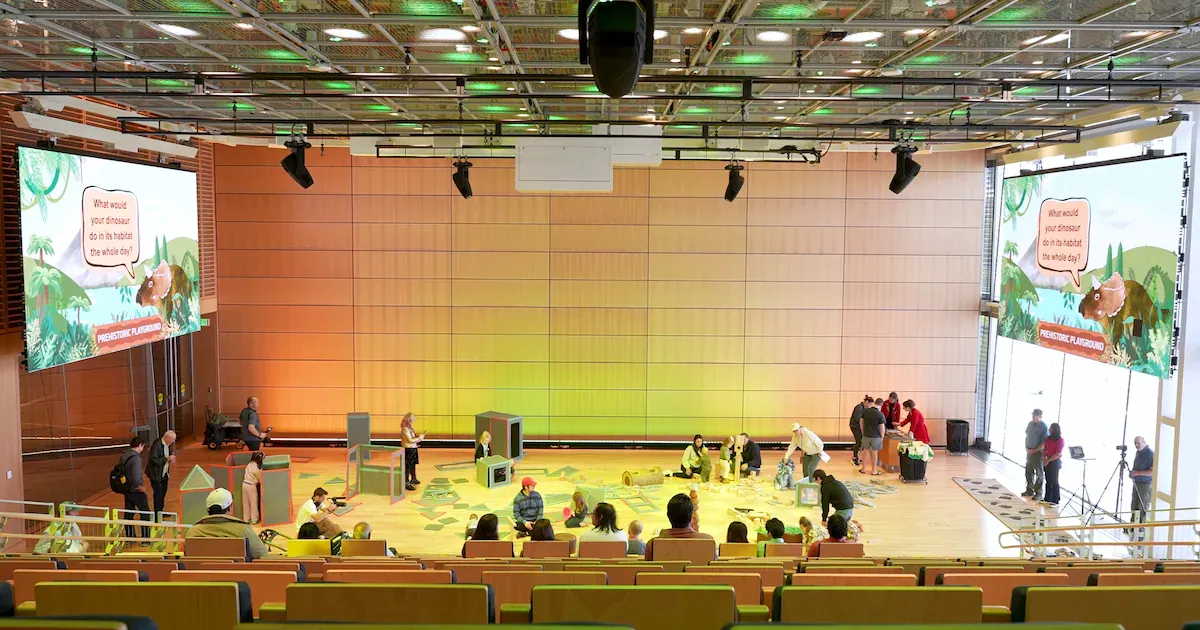
BOSTON — The Museum of Science celebrated the opening of a new 10,000-square-foot venue Saturday aimed at bringing science to life through interactive and immersive experiences. The new William and Charlotte Bloomberg Public Science Common officially opened to the public on Oct. 10, offering a flexible space for live events, presentations and hands-on science programming. Opening-day festivities included interactive activities and even a “live” dinosaur as part of the museum’s Prehistoric Playground program. Museum officials say the new space is designed to bring the public together with scientists, artists and other creators while encouraging conversations about science and technology. A full schedule of upcoming events is available on the Museum of Science website. This is a developing story. Check back for updates as more information becomes available. Download the FREE Boston 25 News app for breaking news alerts. Follow Boston 25 News on Facebook and Twitter. | Watch Boston 25 News NOW©2026 Cox Media Group

Boston 25 News·
Science

Researcher wearing VR Headset (IMAGE) - EurekAlert!

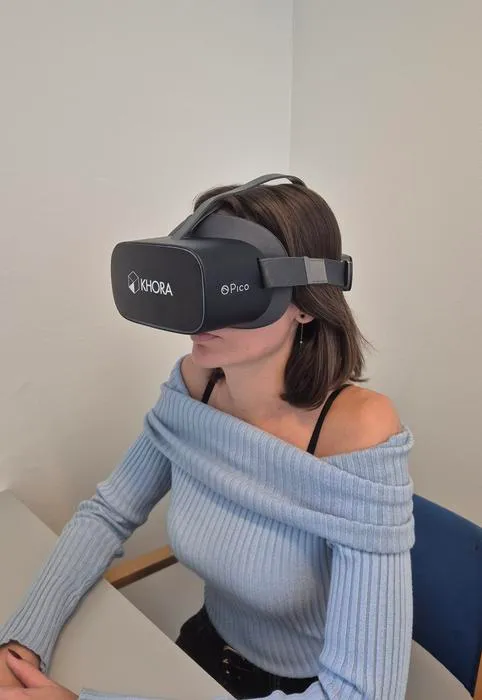
Researcher wearing the type of VR headset used in the study Disclaimer: AAAS and EurekAlert! are not responsible for the accuracy of news releases posted to EurekAlert! by contributing institutions or for the use of any information through the EurekAlert system.

EurekAlert!·
Science

Scientists Say the Secret to a Happier, Healthier Society May Begin in Childhood - SciTechDaily

Surveys across three countries linked supportive childhoods to adults’ trust and sense of belonging. Credit: ShutterstockHow children are raised may matter for social well-being worldwide, with surveys across three culturally different countries linking supportive childhoods to adults’ trust and sense of belonging. At home, a child seeking comfort depends on a caregiver’s response, while time for free play offers room to explore. A University of Nottingham-led study linked these experiences, along with a positive emotional atmosphere at home, to well-being years later. Positive childhood experiences were generally stronger predictors of adult well-being than the absence of negative ones, suggesting that avoiding harm captures only part of what matters. Across the United Kingdom, the United States, and Japan, adults’ reports of supportive childhood experiences were associated with better health, greater happiness and life satisfaction, and lower anxiety. The connections extended to how people felt about those around them, including their satisfaction with social relationships, sense of belonging in their neighborhoods, and trust in others.

SciTechDaily·
Science

Trust in science falls as Covid-19 era confidence fades: Survey - The Straits Times

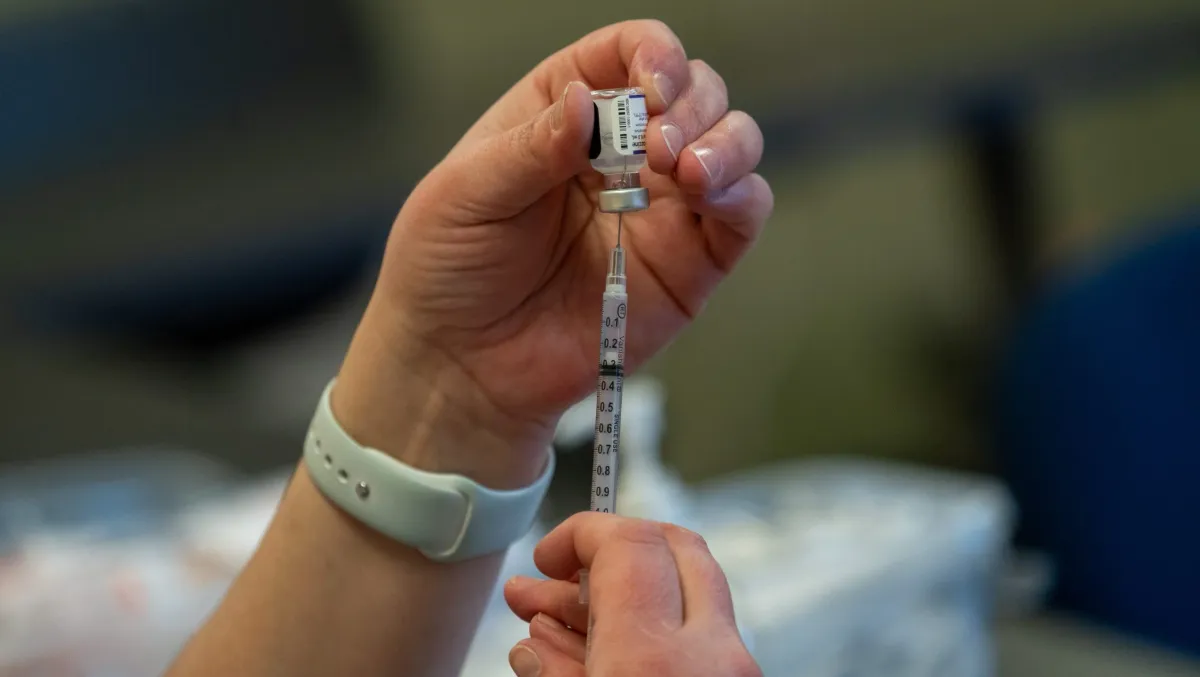
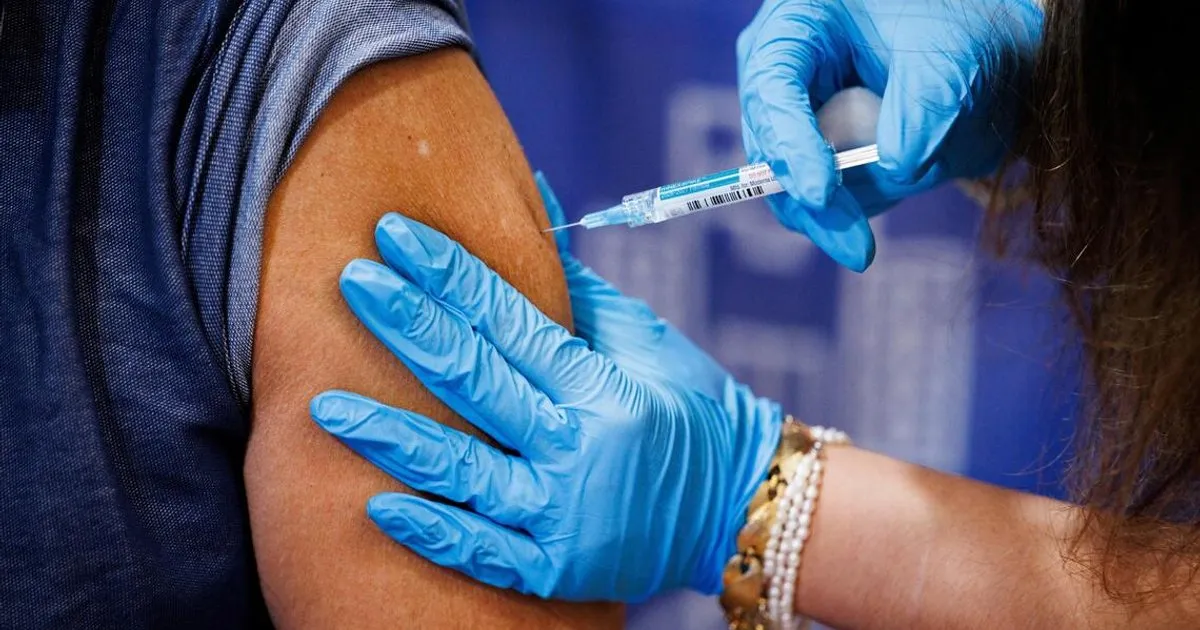
The Covid-19-era surge in public trust in science has largely faded, with the steepest drop among people struggling financially, according to one of the largest global surveys of attitudes towards science. Across countries surveyed before, during and after the pandemic, 72% of people expressed at least some trust in science in 2025, down from 80% in 2020 and 77% in 2018. Strong trust in scientists also dropped below its pre-pandemic level, according to the Wellcome Global Monitor, which surveyed more than 140,000 adults worldwide. The retreat has potentially far-reaching consequences for public health as vaccination rates decline and preventable diseases resurge. The US is experiencing its worst measles outbreak in three decades, with almost 3,900 cases this year, while childhood vaccination rates have fallen below levels needed to prevent outbreaks in many communities. The findings come as misinformation and conspiracy theories complicate responses to health threats, and scientific institutions in some countries face growing political and funding pressures.

The Straits Times·