The Preliminary Lunar Science Report for Artemis II is Out! - Universe Today
This story deserves to be shared
Send it to someone who'd care, or post it on your networks.
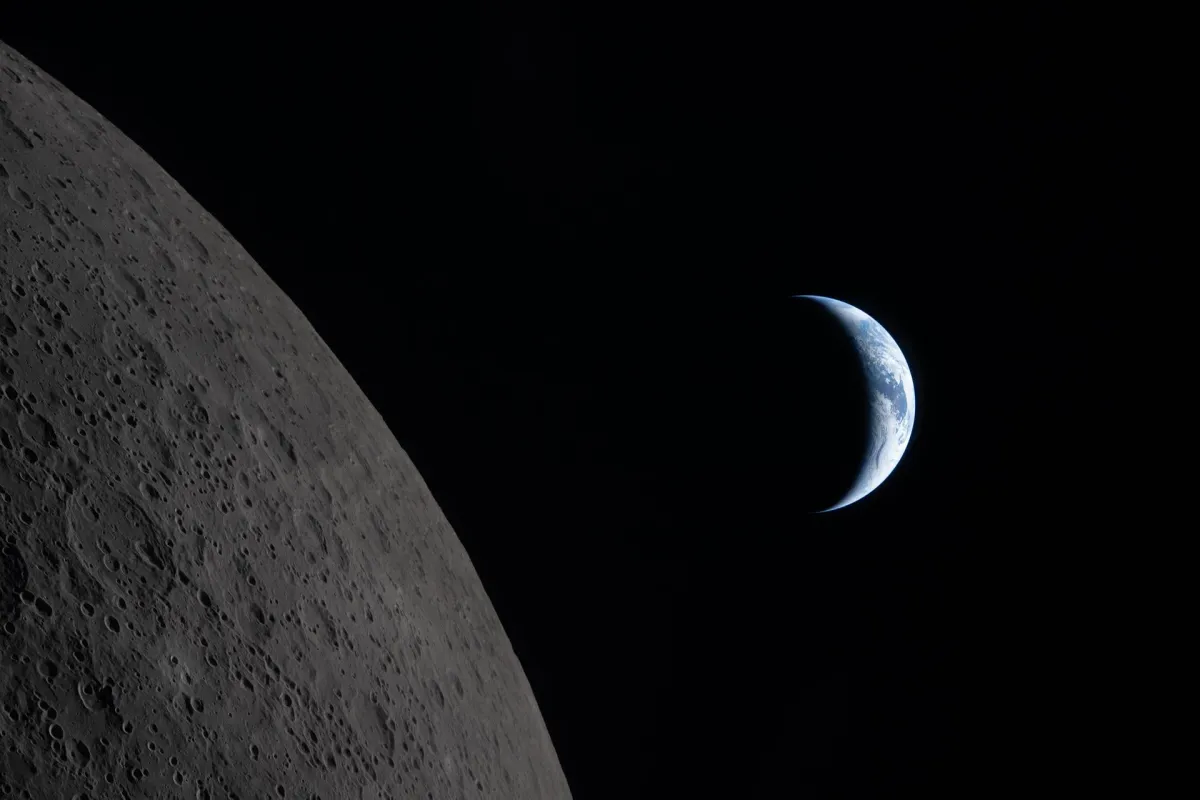
On April 1st, 2026, the crew of the Artemis II mission launched to space atop NASA's Space Launch System (SLS). Roughly three and a half hours after launch, the rocket's first stage separated from the Orion spacecraft (Integrity), and astronauts Reid Wiseman, Victor Glover, Christina Koch, and Jeremy Hansen began their nearly ten-day journey around the Moon. As the second mission in the Artemis Program, the astronauts' flight was another crucial step toward returning astronauts to the Moon for the first time since the Apollo Era.
In addition, the Artemis II flight provided an opportunity for observation, science, and data gathering that has not existed since the Apollo Era. During the flight, the astronauts studied the "dark side's" geology, witnessed nighttime impacts on the surface, and watched the Earth and Sun rise from the far side of the Moon. And now, with the mission data processed, NASA has released "Artemis II: Sights & Sounds of Science, a field guide to the Artemis II Preliminary Lunar Science Report.
This article is an excerpt. To read the full content, visit the original source. Universe Today
Related articles

Artemis III Scientist Shares What to Expect From NASA’s Next Lunar Mission - WIRED
Oct 15, 2026 5:15 AMThough scaled back from initial plans of landing, the voyage will serve as a dress rehearsal for when humans return to the moon’s surface. “If you just want to take pictures, you do that with robots. With the Artemis missions, we’re trying to use the humans to their best capability,” says Artemis III scientist Barbara Cohen. Photo-Illustration: Rodrigo Meade; Courtesy of NASAFor years, NASA hoped to bring humans back to the moon’s surface, and Artemis III was going to be the mission to accomplish this feat. That will no longer be the case. Following the successful Artemis II flyby last April, the program’s schedule was revised. According to the most recent announcements, the next mission will have to wait until 2028, and while the new plans are admittedly less spectacular than a lunar landing, they’re hardly dispensable. In 2027, NASA plans to test in Earth orbit whether the Orion capsule can safely rendezvous and operate with commercial lunar landing systems from SpaceX and Blue Origin before attempting those same maneuvers around the moon.
What Role Could Robots Play in Lunar Construction? - AZoBuild
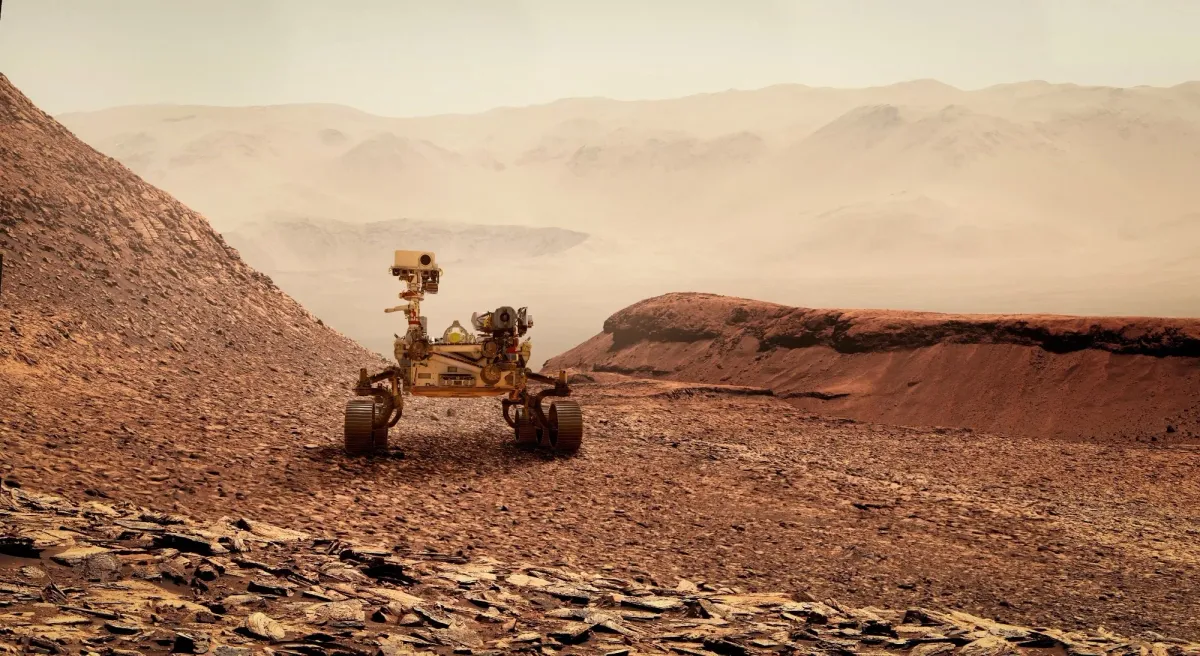
A lasting human presence on the Moon will depend on infrastructure built before astronauts arrive. Crews will need landing pads, roads, radiation shielding, and habitats that can withstand harsh temperatures and abrasive dust. However, launching these structures from Earth would inflate costs and complicate logistics. Therefore, NASA plans to utilize local soil, known as regolith, for construction. Robots are the most practical option for building in these conditions, as they can operate for extended periods in hazardous environments. The article discusses the need for robotic builders on the Moon, the use of regolith for construction, robot coordination, and staged mission plans for a lunar base.1
NASA Releases Artemis II Lunar Science Data, Images - NASA (.gov)
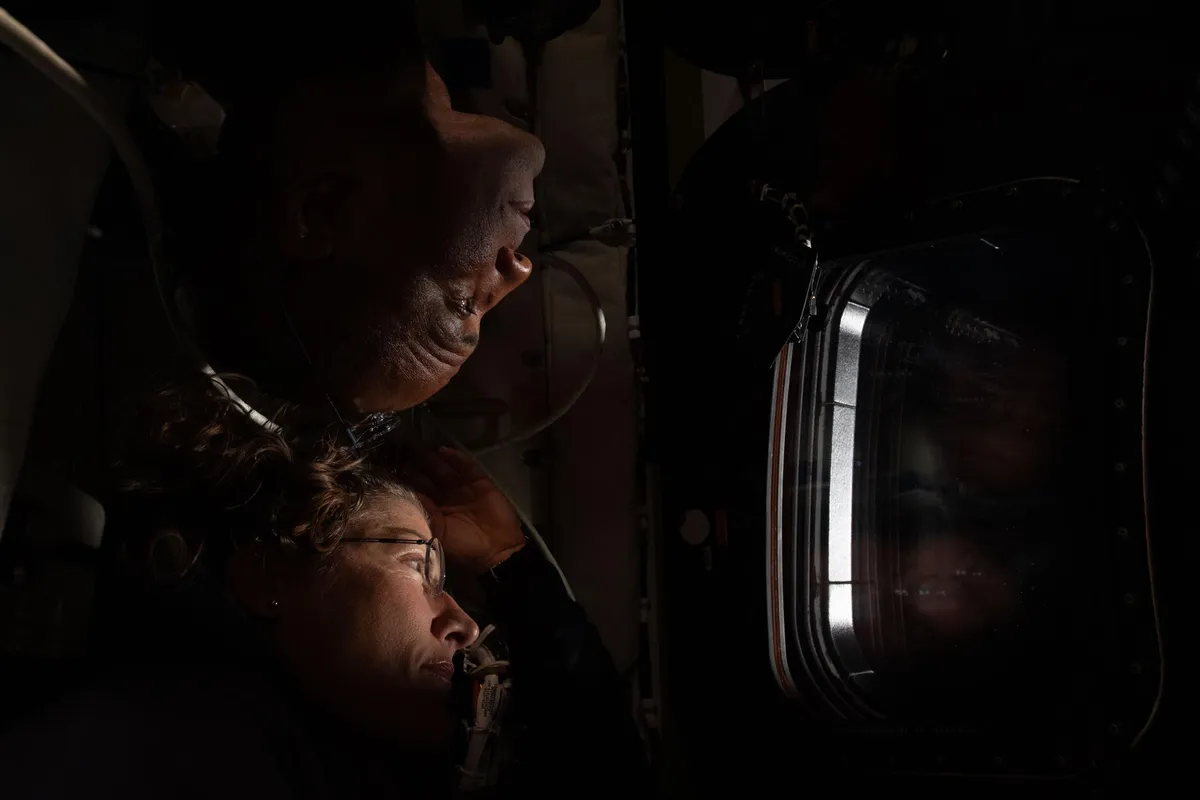
NASA’s Artemis II crew traveled around the Moon and back and, along the way, captured stunning imagery and scientific observations of our nearest neighbor. NASA is making the full lunar science dataset from their journey available Wednesday to the global science community and the public for further study. More than 800 gigabytes of Artemis II lunar science data – some previously unreleased – have been uploaded to NASA’s Planetary Data System, the public archive for NASA’s planetary missions. This data release includes more than 11,000 full-resolution images and video of the Moon from the crew’s handheld cameras and the Orion spacecraft’s cameras, 8.5 hours of audio recordings of the crew’s scientific observations of the lunar surface, and crew-annotated images.
0 comments
No comments yet. Be the first to share your thoughts!