BBlogFlow

Categories

Science

12427 articles

Science

Scientists Say the Secret to a Happier, Healthier Society May Begin in Childhood - SciTechDaily

Surveys across three countries linked supportive childhoods to adults’ trust and sense of belonging. Credit: ShutterstockHow children are raised may matter for social well-being worldwide, with surveys across three culturally different countries linking supportive childhoods to adults’ trust and sense of belonging. At home, a child seeking comfort depends on a caregiver’s response, while time for free play offers room to explore. A University of Nottingham-led study linked these experiences, along with a positive emotional atmosphere at home, to well-being years later. Positive childhood experiences were generally stronger predictors of adult well-being than the absence of negative ones, suggesting that avoiding harm captures only part of what matters. Across the United Kingdom, the United States, and Japan, adults’ reports of supportive childhood experiences were associated with better health, greater happiness and life satisfaction, and lower anxiety. The connections extended to how people felt about those around them, including their satisfaction with social relationships, sense of belonging in their neighborhoods, and trust in others.

SciTechDaily·
Science

Trust in science falls as Covid-19 era confidence fades: Survey - The Straits Times

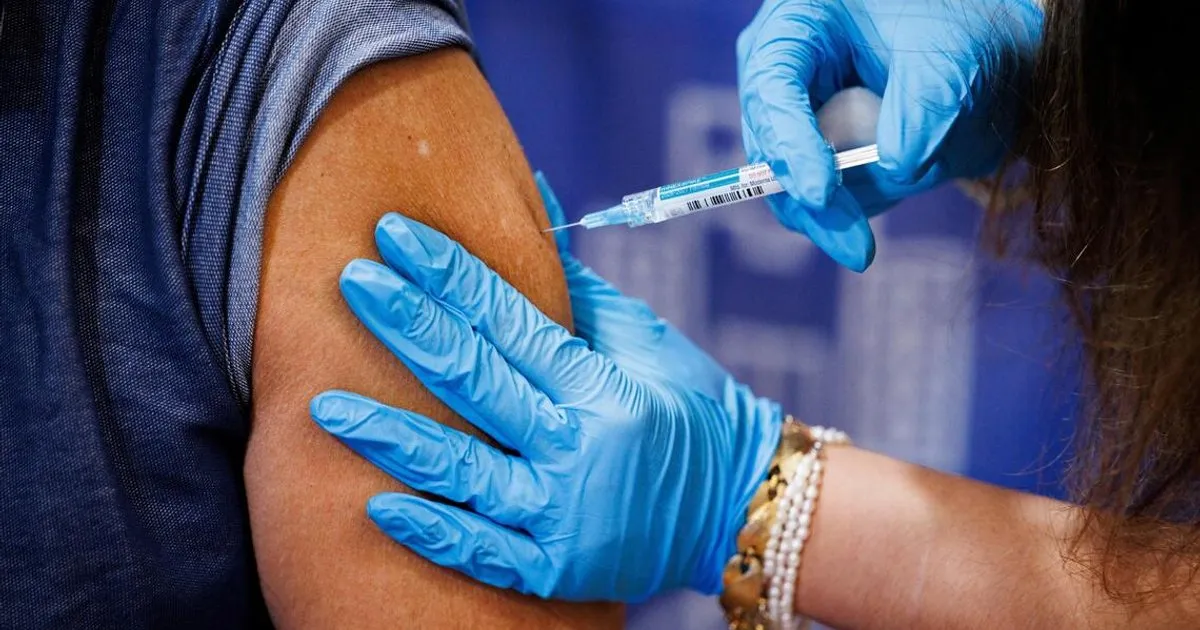
The Covid-19-era surge in public trust in science has largely faded, with the steepest drop among people struggling financially, according to one of the largest global surveys of attitudes towards science. Across countries surveyed before, during and after the pandemic, 72% of people expressed at least some trust in science in 2025, down from 80% in 2020 and 77% in 2018. Strong trust in scientists also dropped below its pre-pandemic level, according to the Wellcome Global Monitor, which surveyed more than 140,000 adults worldwide. The retreat has potentially far-reaching consequences for public health as vaccination rates decline and preventable diseases resurge. The US is experiencing its worst measles outbreak in three decades, with almost 3,900 cases this year, while childhood vaccination rates have fallen below levels needed to prevent outbreaks in many communities. The findings come as misinformation and conspiracy theories complicate responses to health threats, and scientific institutions in some countries face growing political and funding pressures.

The Straits Times·
Science

Scientists Find Squid Are Covered in Hair-Like Cells Remarkably Similar to The Ones in Human Ears - ScienceAlert

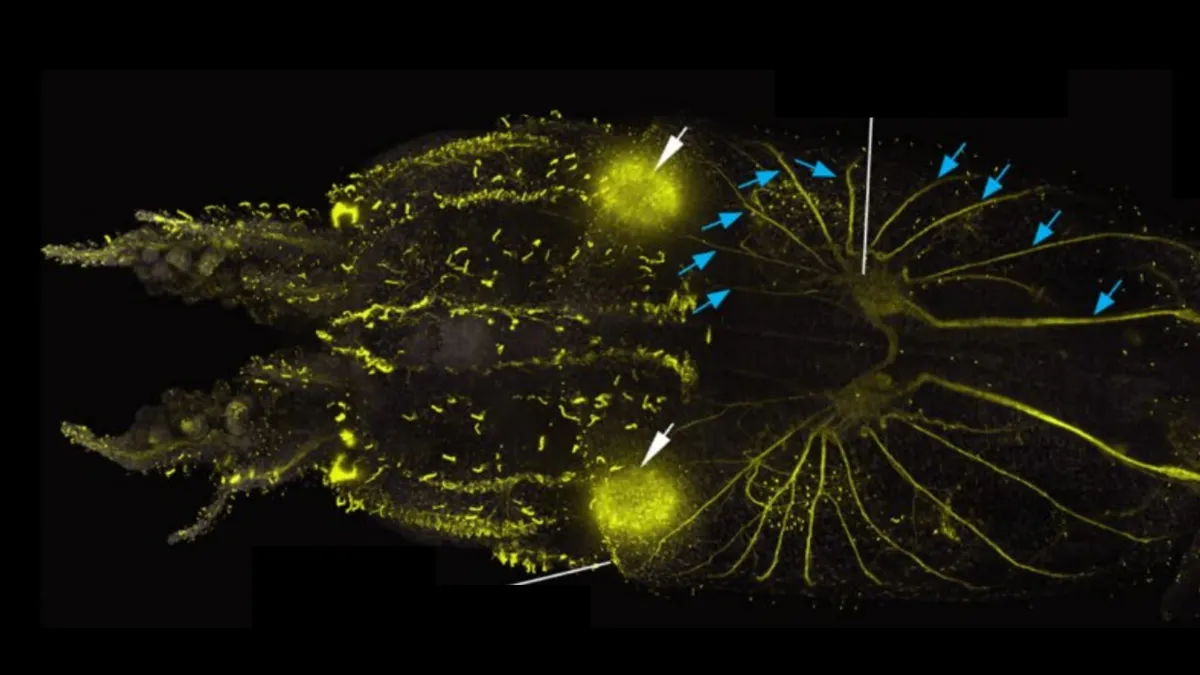
A hatchling squid imaged with light-sheet microscopy, to highlight its hair cells. (Wang et al., Current Biology, 2026) The skin of a squid, surprisingly, has much in common with an organ inside your ear. As reported in a new study in Current Biology, scientists have found that squid are covered in cells with little hair-like structures, similar to those inside human ears, which detect information carried by passing waves. For humans, these little hairs help us to interpret sound waves from a melody or a voice, or the honk of an impatient driver. For squid, it's all the little details carried in water movement: the twitch of nearby prey, the rumble of a distant shore, the pull of a current. Until now, scientists had no idea that squid were totally studded with these hair cells – and the discovery may be able to tell us something about our own hearing equipment. Hair bundles on the surface of the squid, and their neuronal connectivity. (Wang et al., Current Biology, 2026)Brian McDermott from Case Western Reserve University is an otolaryngologist – a scientist who studies inner ears, noses, and throats.

ScienceAlert·
Science

Scientists Tried to Breed a ‘Super-Dog.’ It Did Not Go Well. - VICE

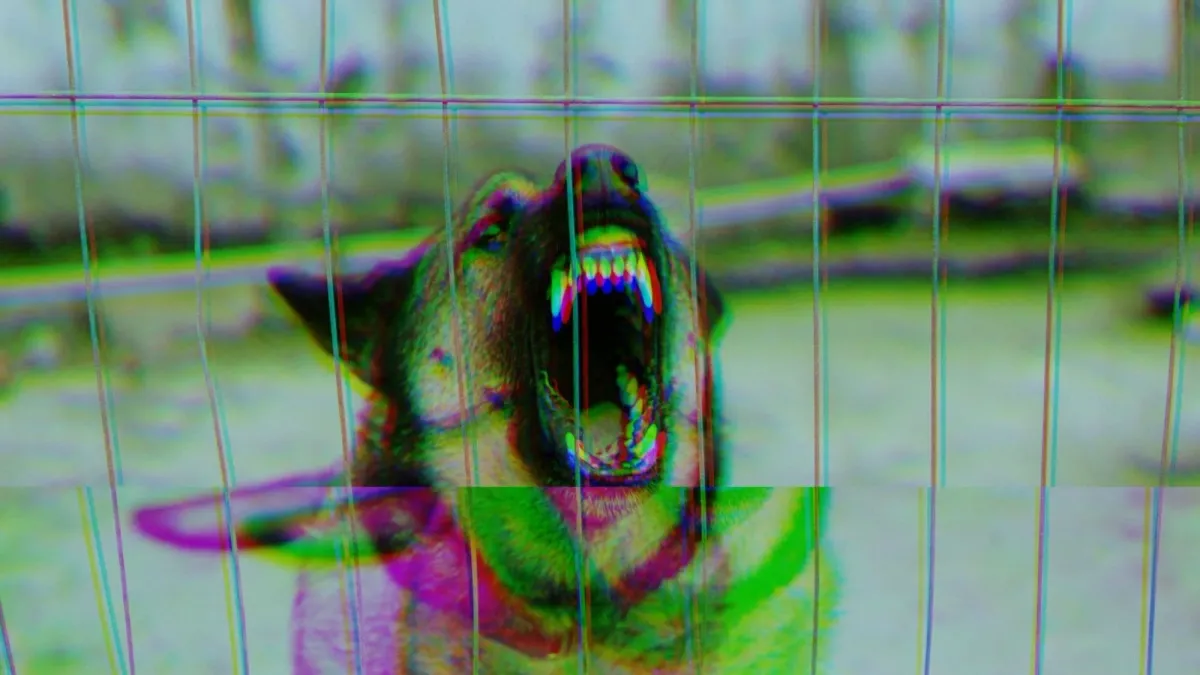
Humans have taken the mighty wolf and turned it into the pug, a dog so malformed it struggles to breathe. That, of course, is not our only attempt at playing God with dogs. We crossbreed and create new kinds of dogs all the time, and every once in a while we try to do it on a mass scale. The BBC recently ran a feature on one such large-scale attempt: scientists in Maine in the 1940s built a huge facility to create a kind of “super-dog,” an experiment that went quite terribly, though thankfully fell short of devolving into an Island of Doctor Monroe-style disaster.

VICE·
Science

The Real Reason Why Cats Bring You Dead Animals, According to Science - VICE

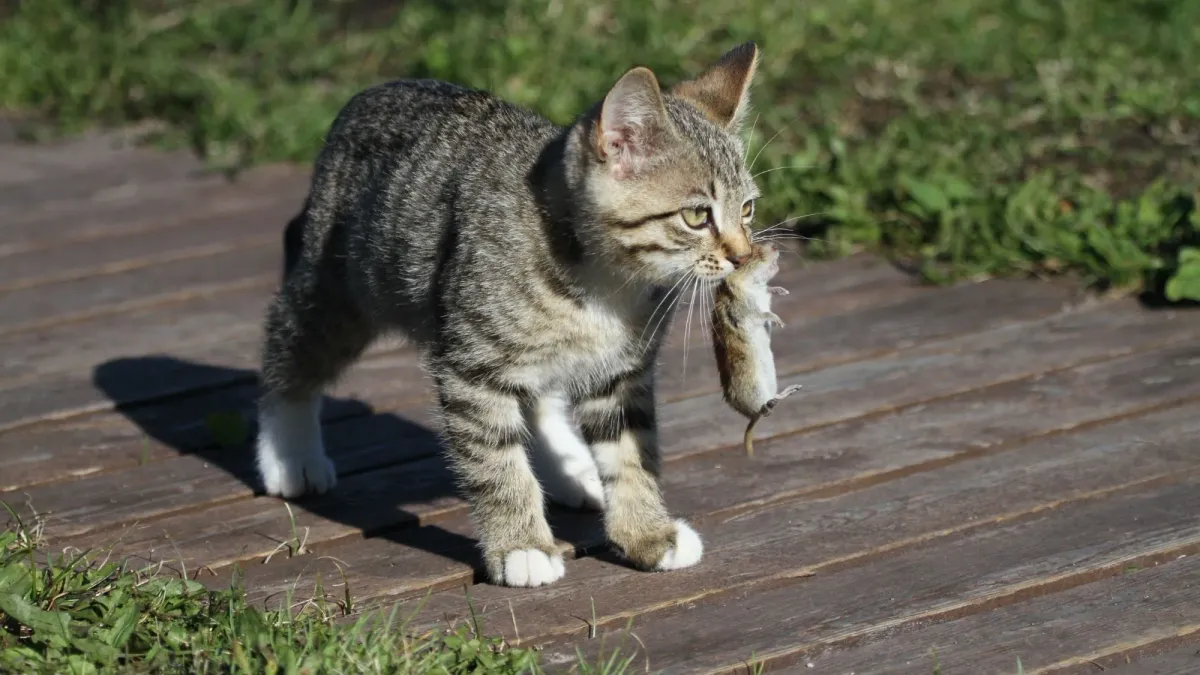
According to a comprehensive analysis compiled by StudyFinds, at some point or another, a cat owner will have to choke down their disgust and thank their cat for bringing them the “gift” of a dead animal. It’s usually a small mouse. But are cats actually bestowing a gift on you out of love and appreciation for all you do for them? StudyFinds dug into several multi-year studies to see whether cats drop off little presents or are just the little household psychos we’ve long known them to be. The evidence leaned more toward the psycho side of your beloved kitty cat.

VICE·
Science

Scientists Found Two Birds as Loud as Chainsaws. Here’s How They Make So Much Noise. - VICE

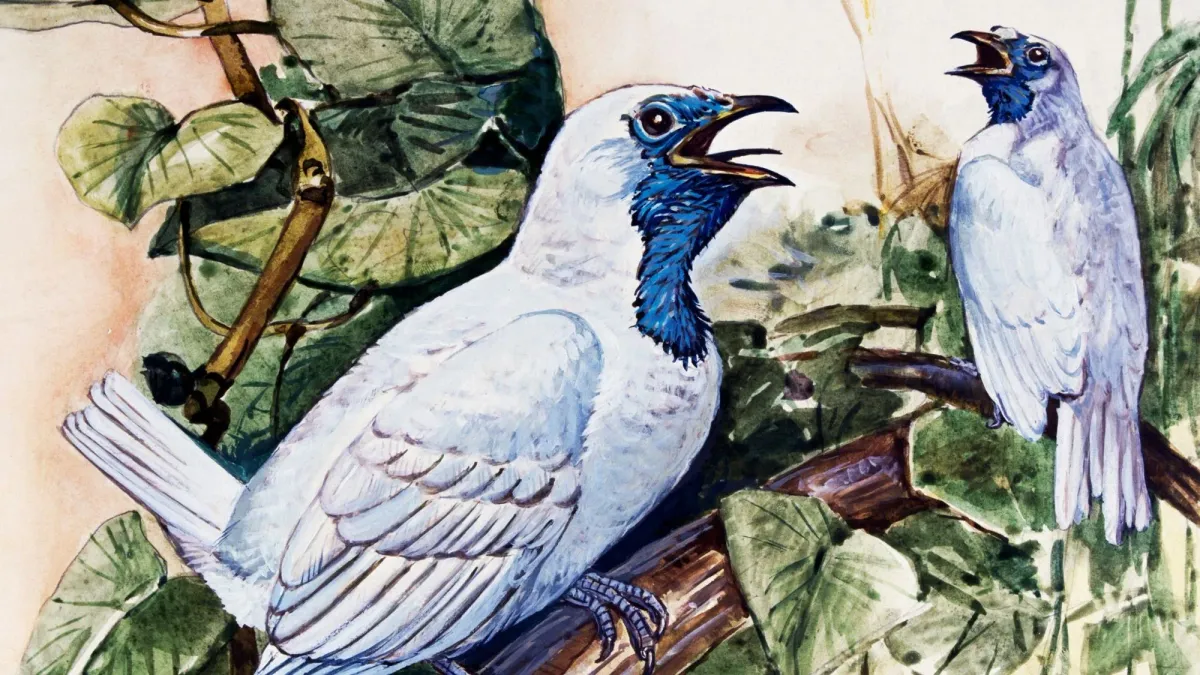
Two birds in Brazil are, scientifically speaking, loud as heck, So loud that these relatively small birds rival the earsplitting obnoxiousness of machinery like jackhammers and chainsaws. They’re even louder than much larger animals, like elephants. According to a study published in Evolution, researchers from the University of Massachusetts Amherst hiked into the Brazilian wilderness armed with laser rangefinders and portable sound level meters to measure the song volume of 123 different species. While hummingbirds let out a gentle 50 to 64 decibels, about on par with a normal conversation, the bare-throated bellbird and the red-legged seriema seemed to be trying to tear a hole in the universe with their birdsong.

VICE·
Science

Neanderthals may have used prehistoric glue as an ancient antibiotic - Science Daily

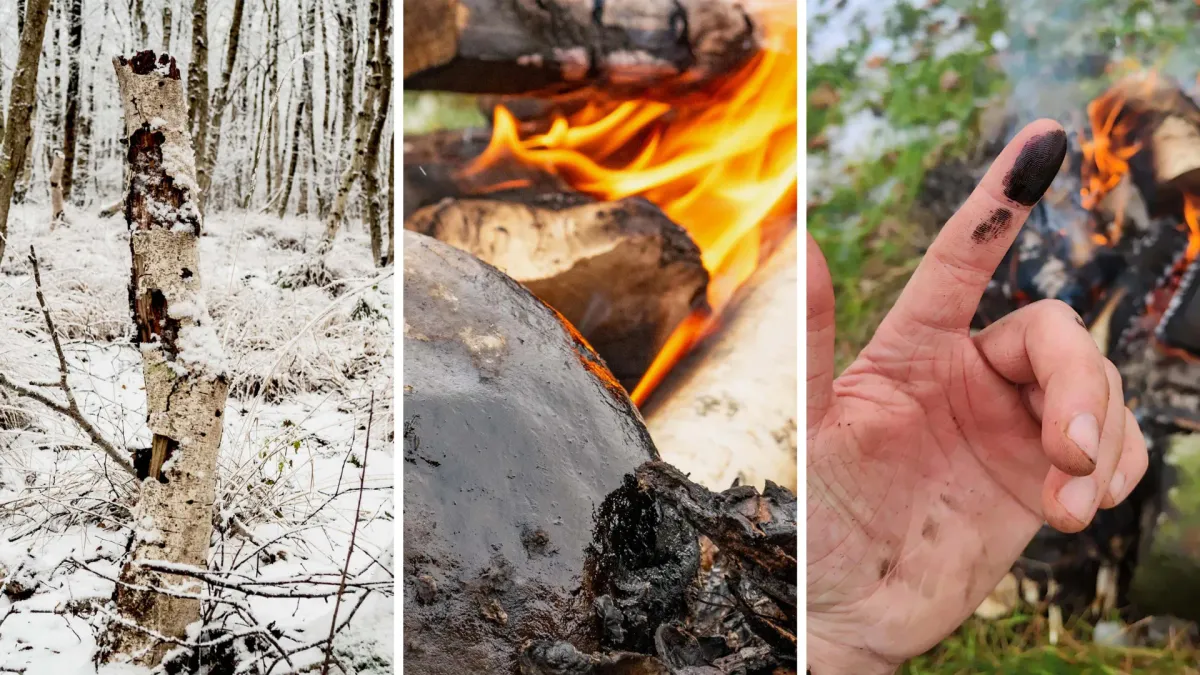
Neanderthals may have used a sticky substance made from tree bark not only to construct tools but also to treat wounds and fight bacterial infections. Scientists have discovered that birch tar, a material commonly associated with prehistoric toolmaking, has antibacterial properties that could have made it useful as an ancient form of medicine. The findings come from a study conducted by researchers at the University of Cologne, the University of Oxford, the University of Liège, and Cape Breton University in Canada. By recreating techniques believed to have been used by Neanderthals, the team produced birch tar and tested its ability to inhibit harmful bacteria.

Science Daily·
Science

Scientists Found a Starfish That Looks Like Patrick. Yes, That Patrick. - VICE

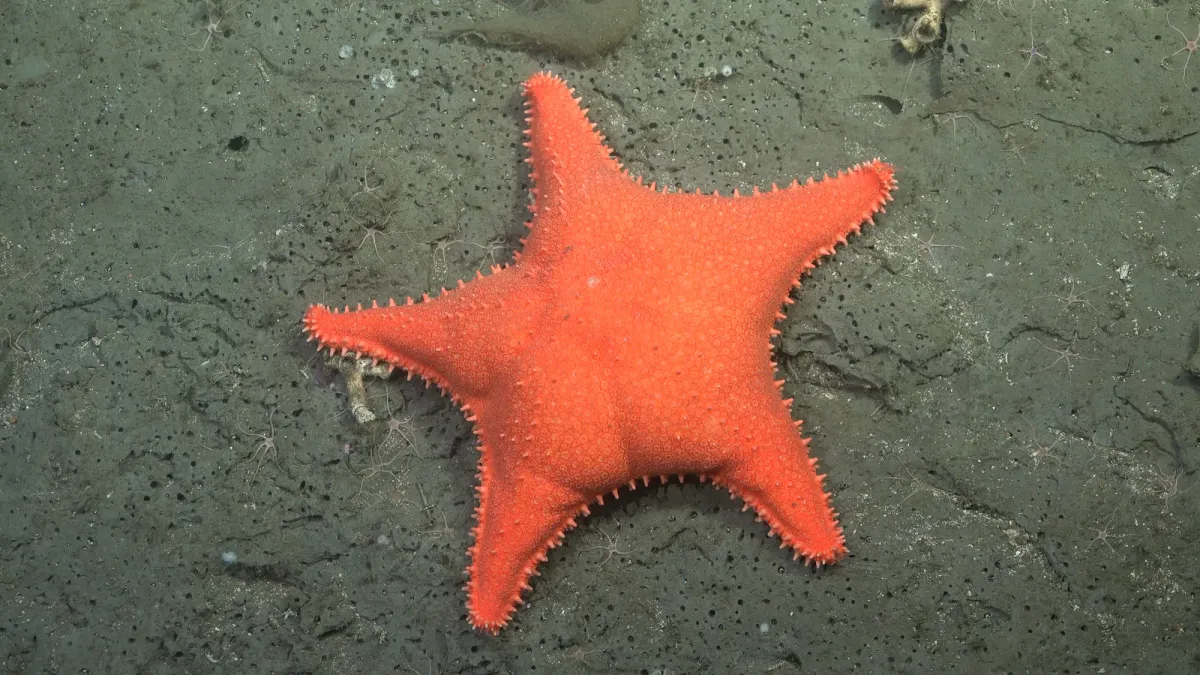
According to the Schmidt Ocean Institute, a team of Latin American and European scientists identified 57 new species and 5 new genera in just two weeks! Most interestingly, one discovery from a 2025 mission they analyzed, though not a new species, is back in the news: Meet the starfish that strongly resembles Patrick Star—the beloved dunderhead companion of children’s cartoon protagonist SpongeBob SquarePants. The Nippon Foundation-Nekton Ocean Census led the Species Discovery Workshop, which, in partnership with the Schmidt Ocean Institute, resulted in the identifications. It took place in Buenos Aires from July 13-24, 2026. Participants examined deep-sea biological samples, mostly from the Schmidt Ocean Institute’s Underwater Oasis of the Mar del Plata Canyon expedition.

VICE·
Science

Costa Rican Scientists Revive Fish Larvae Research to Protect Fisheries - The Tico Times

Costa Rican scientists and marine conservation specialists are working to revive an important field of research that could help protect fish populations and improve the sustainable management of marine resources. The Costa Rican Fishing Federation (FECOP), in collaboration with the University of Costa Rica’s (UCR) School of Biology and Center for Research in Marine Sciences and Limnology (CIMAR), organized an intensive course on ichthyoplankton in the Eastern Tropical Pacific. The five-day training brought together 18 participants from universities in Costa Rica, Colombia, and Panama, as well as officials from the Costa Rican Fisheries and Aquaculture Institute (Incopesca). Ichthyoplankton refers to fish eggs and larvae, whose study provides valuable information about marine species’ reproduction, distribution, and population dynamics.

The Tico Times·
Science

This 345-Million-Year-Old Fossil Fooled Scientists for Decades - SciTechDaily

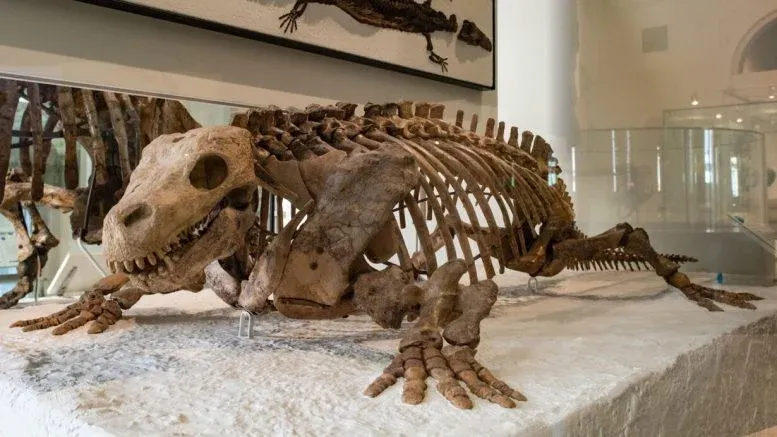
This fossil of Diadectes, a land-adapted tetrapod that lived in North America about 290 million years ago, is on view in the Hall of Vertebrate Origins. Westlothiana is from an older, aquatic lineage. Credit: Denis Finnin/© AMNHA famous Scottish fossil is forcing scientists to rethink what claw-like feet really reveal about the move onto land. Pressed flat inside two slabs of Scottish rock, a 345-million-year-old skeleton seemed to carry some unmistakable signs of life on land. Its four limbs ended in five-digit feet, and the tips of its fingers and toes looked strikingly like claws. For decades, those features helped make Westlothiana lizziae, better known as “Lizzie,” a landmark in the story of how vertebrates moved away from water and gave rise to reptiles, birds, and mammals. Yet the fossil had been crushed so badly that much of its anatomy remained hidden inside the stone. Peering through that rock with X-rays has now exposed a very different animal.

SciTechDaily·
Science

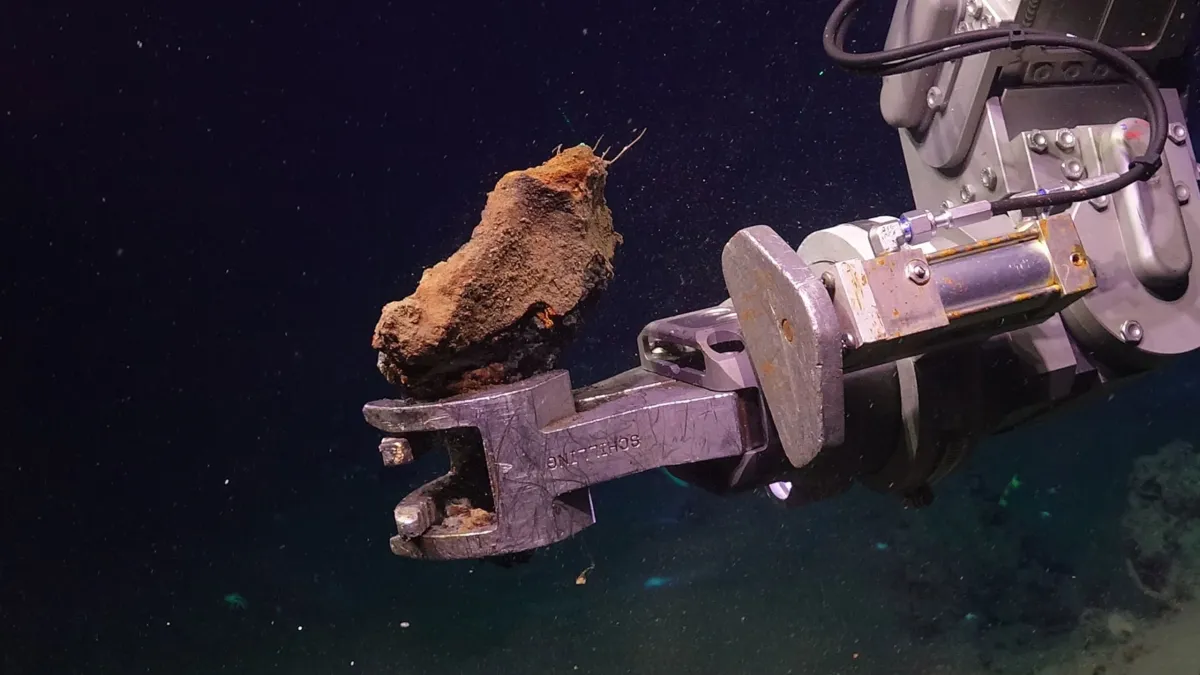
Scientists Collected Deep-Sea Rocks. They Spontaneously Caught Fire in The Lab. - ScienceAlert

Scientists investigating the possibility of a 'gold rush' on the bottom of the ocean have hit upon an unforeseen 'landmine'. Researchers at the United States Geological Survey (USGS) are now warning that some deep-sea minerals may spontaneously combust when they are brought to the surface. In 2022, that happened to two samples of metal-sulfide rocks collected from the deep seafloor. The event caused temperatures above 100 °C in the lab and completely oxidized the original samples. An article on the discovery, published in Scientific Reports, is being shared early, before full editing, to give the public faster access to new research. According to the USGS, this is a "potential hazard that could merit special consideration if deep-sea mining of seafloor massive sulfide deposits moves forward". "The production of heat through exothermic reactions has not been investigated in seafloor massive sulfide deposits but has the potential to cause rapid onset fires on ships," claims the recent article.

ScienceAlert·
Science

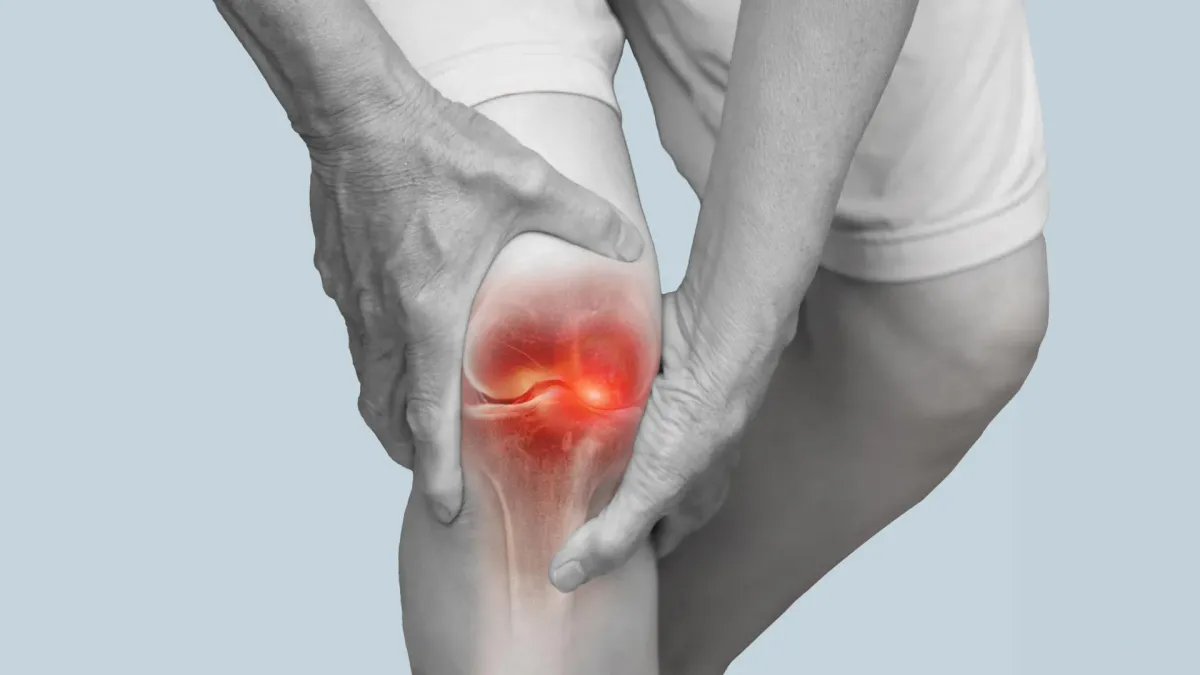
A surprisingly simple way to relieve knee arthritis pain without pills or surgery - Science Daily

What if easing knee arthritis pain did not require another pill, an injection, or surgery, but simply changing how you walk? A clinical trial published in The Lancet Rheumatology suggests that a small, carefully chosen adjustment to the angle of your feet could make a meaningful difference. After one year, participants who learned to walk with a personalized foot position reported significantly less knee pain than those receiving a placebo treatment. They also showed encouraging signs of slower deterioration in their knee cartilage.

Science Daily·
Science

Jim and Marilyn Simons lent their 68-metre superyacht to ocean scientists; an $80,000 system tested wheth - The Times of India

Representative Image of a luxurious superyacht conducting marine science research in the Antarctic waters under clear skies ( AI Generrated Image)Superyachts are usually associated with luxury travel, but the 68-metre Archimedes, owned by Jim and Marilyn Simons at the time of the research, also became a platform for marine science. During several deployments between 2018 and 2020, an autonomous measurement system aboard the yacht collected ocean-colour observations at a range of locations, including remote regions such as the Antarctic Peninsula. The yacht’s crew set up the equipment and managed it as conditions changed, while scientists from Plymouth Marine Laboratory and the University of Exeter processed and analysed the resulting data. The measurements allowed researchers to assess satellite-derived ocean reflectance, a key step in using satellite observations to study phytoplankton and marine ecosystems. In a peer-reviewed perspective published in January 2024, titled Superyachts could support satellite ocean colour validation, the researchers described the project as a pilot demonstrating the potential of private vessels to supplement ocean monitoring.

The Times of India·
Science

Americans trust science more than peers around the world, survey shows - STAT

Americans have more trust in science than most of the rest of the world, according to a new survey of people in 140 countries, a finding that may seem difficult to explain in a country deeply divided by issues such as the benefits and harms of vaccines. According to the newest edition of the Wellcome Global Monitor, 52 percent of Americans report having “a lot” of trust in science. Across the globe, that number is a mere 26 percent.

STAT·