BBlogFlow

Categories

Science

12431 articles

Science

A surprisingly simple way to relieve knee arthritis pain without pills or surgery - Science Daily

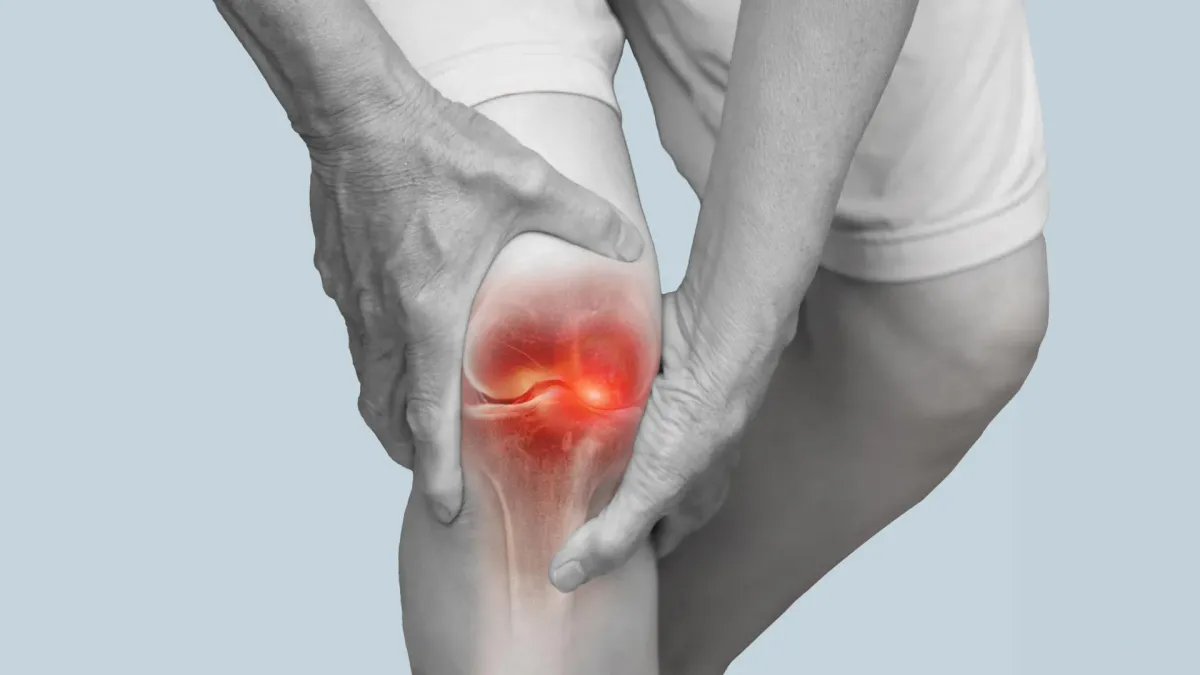
What if easing knee arthritis pain did not require another pill, an injection, or surgery, but simply changing how you walk? A clinical trial published in The Lancet Rheumatology suggests that a small, carefully chosen adjustment to the angle of your feet could make a meaningful difference. After one year, participants who learned to walk with a personalized foot position reported significantly less knee pain than those receiving a placebo treatment. They also showed encouraging signs of slower deterioration in their knee cartilage.

Science Daily·

Science

Jim and Marilyn Simons lent their 68-metre superyacht to ocean scientists; an $80,000 system tested wheth - The Times of India

Representative Image of a luxurious superyacht conducting marine science research in the Antarctic waters under clear skies ( AI Generrated Image)Superyachts are usually associated with luxury travel, but the 68-metre Archimedes, owned by Jim and Marilyn Simons at the time of the research, also became a platform for marine science. During several deployments between 2018 and 2020, an autonomous measurement system aboard the yacht collected ocean-colour observations at a range of locations, including remote regions such as the Antarctic Peninsula. The yacht’s crew set up the equipment and managed it as conditions changed, while scientists from Plymouth Marine Laboratory and the University of Exeter processed and analysed the resulting data. The measurements allowed researchers to assess satellite-derived ocean reflectance, a key step in using satellite observations to study phytoplankton and marine ecosystems. In a peer-reviewed perspective published in January 2024, titled Superyachts could support satellite ocean colour validation, the researchers described the project as a pilot demonstrating the potential of private vessels to supplement ocean monitoring.

The Times of India·
Science

Americans trust science more than peers around the world, survey shows - STAT

Americans have more trust in science than most of the rest of the world, according to a new survey of people in 140 countries, a finding that may seem difficult to explain in a country deeply divided by issues such as the benefits and harms of vaccines. According to the newest edition of the Wellcome Global Monitor, 52 percent of Americans report having “a lot” of trust in science. Across the globe, that number is a mere 26 percent.

STAT·
Science

Museum of Science celebrates opening of William and Charlotte Bloomberg Public Science Common - WHDH

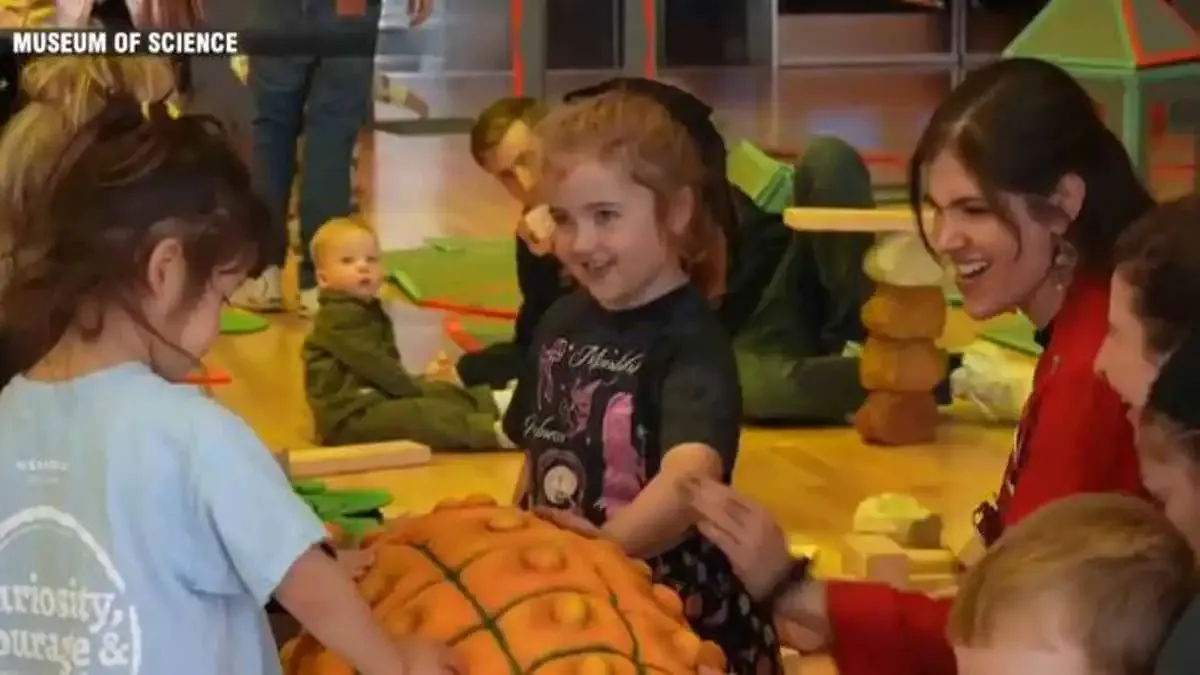
BOSTON (WHDH) - The Museum of Science on Saturday celebrated the opening of its new 10,000-square-foot civic venue, the William and Charlotte Bloomberg Public Science Common. The celebration featured a series of events, including hands-on, interactive experiences and a “live” dinosaur as part of the Prehistoric Playground program. The Bloomberg Public Science Common will offer an exciting lineup of programming, conversations and immersive experiences this fall designed to inspire a lifelong love of science. A calendar of upcoming special programming can be found here including one-night events with Trevor Noah, Jacob Collier, and Mark Rober: https://www.mos.org/bloomberg-public-science-common-events (Copyright (c) 2026 Sunbeam Television. All Rights Reserved. This material may not be published, broadcast, rewritten, or redistributed.)

WHDH·
Science

Wellcome Global Monitor 2026: Trust in science has declined worldwide, but the picture varies sharply by region - Wellcome Trust

Skip to main contentThis website will not work correctly in Internet Explorer 11 and it is strongly recommended that you upgrade to an up-to-date browser. Internet Explorer 11 will go out of support and be retired on June 15, 2022. For more information on upgrading please see browser-update.org. Listen to this articleWellcome Global Monitor 2026: Trust in science has declined worldwide, but the picture varies sharply by region Audio time scrubber 00:00 / 00:00Elapsed time:00:00Total time:00:00Your browser does not support the audio element. Download the audioinstead. Trust in science has fallen since the Covid-19 pandemic, according to the world's largest study of public attitudes to science. The Wellcome Global Monitor 2026, published today, finds that 72% of people trust science 'some' or 'a lot', down from 80% in 2020. The proportion of people who trust science 'not much' or 'not at all' has risen from 13% to 19%. Scientists remain one of the most trusted groups in society, behind doctors and nurses and ahead of journalists and national governments. But trust in scientists has been the least stable.

Wellcome Trust·
Science

[Science Through Covers] Genetic study reveals Polynesian voyagers behind Disney's ‘Moana’ - DongA Science

This week’s cover of the international journal 'Science' features a triangular pattern filled with figures of numerous people, boats, and animals. It illustrates the genetic changes that occurred as Polynesians sailed across the vast Pacific Ocean and settled new islands. Scientists have discovered that the inhabitants of Hawaiʻi and Easter Island (Rapa Nui), located about 7,000 km apart, are genetically closely related. An international research team including Stanford University and the University of California, San Diego (UC San Diego) analyzed the genomes of Pacific Polynesian populations to trace the migration routes of ancient voyagers and their genetic legacy, and published the results in Science on the 8th (local time).

DongA Science·
Science

Wellcome Global Monitor 2026: Trust in science under pressure - Wellcome Trust

Skip to main contentThis website will not work correctly in Internet Explorer 11 and it is strongly recommended that you upgrade to an up-to-date browser. Internet Explorer 11 will go out of support and be retired on June 15, 2022. For more information on upgrading please see browser-update.org. OverviewThe Wellcome Global Monitor is the world's largest study of how people think and feel about science and health. The 2026 edition draws on surveys of more than 140,000 people in 140 countries, making it a uniquely rich and globally comparable data set on public trust in science. This is the third wave of the Wellcome Global Monitor, following surveys in 2018 and 2020. Over the course of these surveys, we saw trust rise during the pandemic, when science was more visible in people's lives, but that rise has not been sustained. Today, trust in science is below 2018 levels globally. Global averages only tell part of the story. Trust levels vary widely between and within countries, and it is closely linked to people's everyday experiences of healthcare, of public institutions and of whether they feel they are getting by.

Wellcome Trust·
Science

Foreword to the Wellcome Global Monitor 2026 - wellcome.org

Trust reveals itself in the choices we make when faced with uncertainty. It influences how we feel about competing claims, which information we believe, whose advice we follow, and where we look for reassurance. The Wellcome Global Monitor gives us the clearest picture of the state of public trust in science, both today and over time, and the dynamics that earn and sustain it. Some years ago, when I was responsible for the national vaccination programmes in Norway, I participated in televised debates about reported side-effects from HPV vaccines that were being rolled out to prevent cervical cancer. The evidence mattered, but it was not the only thing people were weighing up. They were also asking who they could rely on, whether their concerns were being heard, and whether the institutions speaking to them understood their lives. Fifteen years after HPV vaccination programmes were introduced across Europe, vaccine uptake has generally been high, with significant reductions in HPV infections and declining cervical cancer rates among vaccinated women. But the questions and considerations raised in the debate, and how they related to trust, have stayed with me.

wellcome.org·
Science

Enterprise value to revenue forward of RBC LIFE SCIENCE INC – OTC:RBCL - TradingView

Select market data provided by ICE Data Services. Select reference data provided by FactSet. Copyright © 2026 FactSet Research Systems Inc. Copyright © 2026, American Bankers Association. CUSIP Database provided by FactSet Research Systems Inc. All rights reserved. SEC filings and other documents provided by Quartr.© 2026 TradingView, Inc. SOC 2

TradingView·
Science

Enviro friendly battery binder - 1 (IMAGE) - EurekAlert! Science News Releases

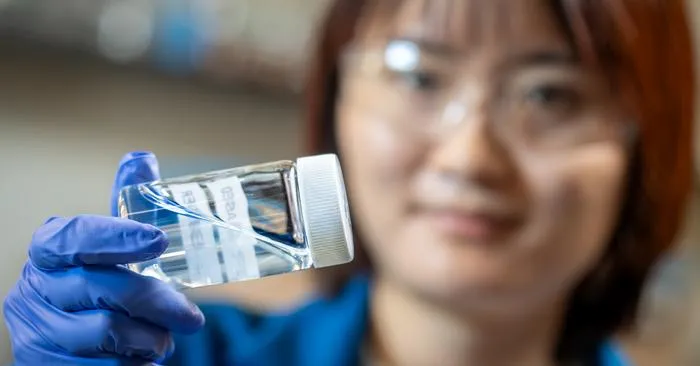
This new battery binder could reduce the toxic ingredients, energy use and waste when building and recycling lithium-ion batteries. Disclaimer: AAAS and EurekAlert! are not responsible for the accuracy of news releases posted to EurekAlert! by contributing institutions or for the use of any information through the EurekAlert system.

EurekAlert! Science News Releases·
Science

Enviro friendly battery binder - 4 (IMAGE) - EurekAlert!

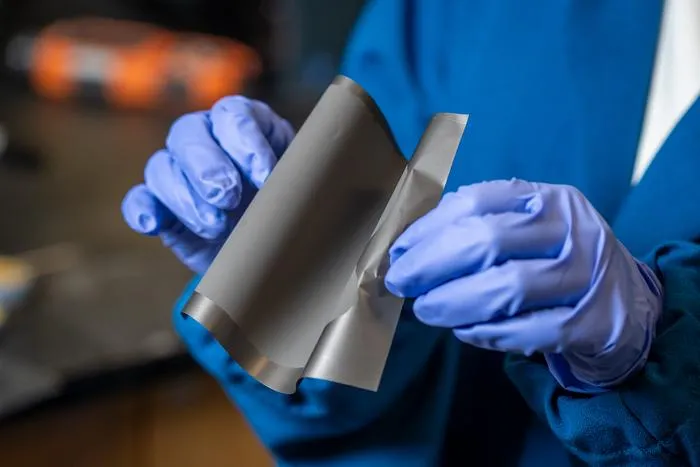
A flexible and adhesive electrode layer made using the new binder. Disclaimer: AAAS and EurekAlert! are not responsible for the accuracy of news releases posted to EurekAlert! by contributing institutions or for the use of any information through the EurekAlert system.

EurekAlert!·
Science

People With Dementia May Actually Live Longer if They Carry Extra Weight - ScienceAlert

Obesity in middle age is a significant risk factor for developing dementia in later life, but the relationship may be more complicated than we thought. Researchers from the US and Canada have now turned up evidence that extra body weight is associated with a longer life once a dementia diagnosis has been given. Considering how many health problems are linked to obesity – from high blood pressure to several cancers – it's a surprising finding. But the discovery may give experts some useful insight into how dementia develops and how it might be slowed down. The research team analyzed health records from 4,523 US adults aged 51 and over who didn't have dementia at the beginning of the study period but went on to develop it. Based on their body mass index (BMI) at the start, they were put into four groups: normal weight, overweight, class 1 obesity, and class 2/3 obesity. As reported in the Journal of Alzheimer's Disease, over a follow-up period of up to 20 years, those who were at a normal weight were significantly more likely to die earlier.

ScienceAlert·
Science

The 6 Best Science Fantasy Books Released Since 1990, Ranked - Collider

Some books feel like they were written after the author got tired of hearing what a genre is supposed to contain. Good. That impatience has produced some of the most exciting speculative fiction of the last thirty-five years. You get witches standing next to physicists, necromancers flying through space, industrial cities powered by forces nobody would sensibly call either magic or science, and apocalypses where geology itself becomes part of the social order. What I love is when none of that weirdness feels ornamental. The impossible thing changes how people live. It changes who gets power, who gets feared, what counts as knowledge, and what somebody is willing to sacrifice for another person. That is when science fantasy stops feeling like two genres taped together and starts feeling like its own wonderfully unstable animal.

Collider·