Jim and Marilyn Simons lent their 68-metre superyacht to ocean scientists; an $80,000 system tested wheth - The Times of India
This story deserves to be shared
Send it to someone who'd care, or post it on your networks.
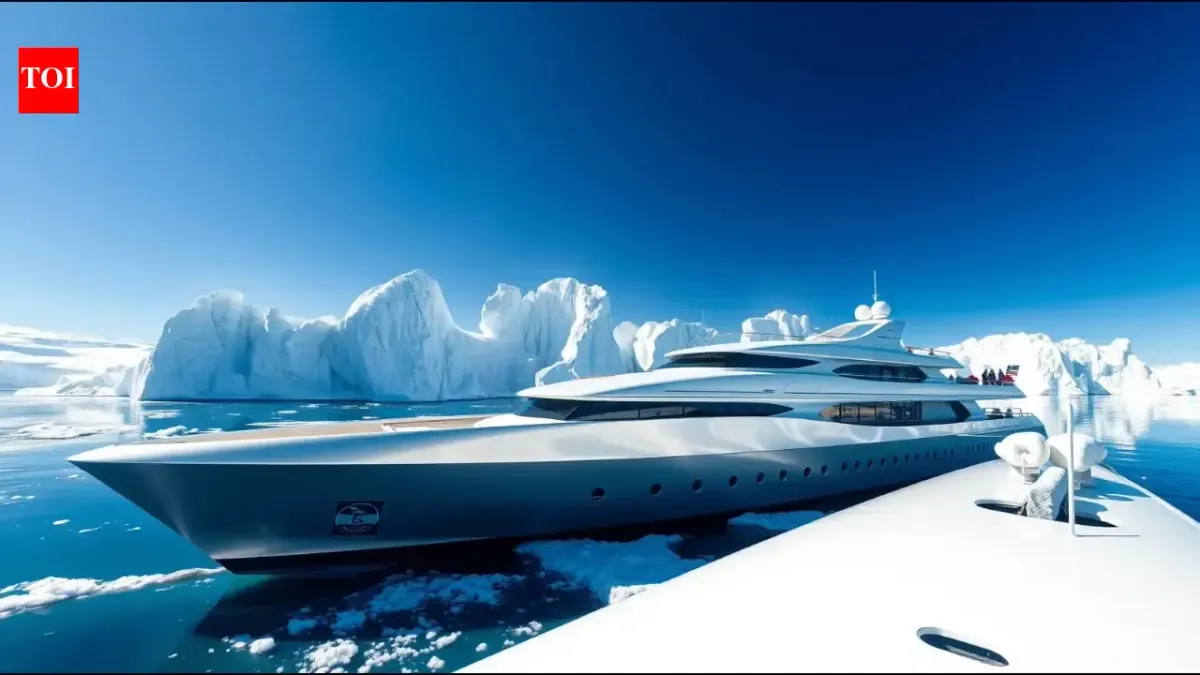
Representative Image of a luxurious superyacht conducting marine science research in the Antarctic waters under clear skies ( AI Generrated Image)Superyachts are usually associated with luxury travel, but the 68-metre Archimedes, owned by Jim and Marilyn Simons at the time of the research, also became a platform for marine science. During several deployments between 2018 and 2020, an autonomous measurement system aboard the yacht collected ocean-colour observations at a range of locations, including remote regions such as the Antarctic Peninsula. The yacht’s crew set up the equipment and managed it as conditions changed, while scientists from Plymouth Marine Laboratory and the University of Exeter processed and analysed the resulting data. The measurements allowed researchers to assess satellite-derived ocean reflectance, a key step in using satellite observations to study phytoplankton and marine ecosystems. In a peer-reviewed perspective published in January 2024, titled Superyachts could support satellite ocean colour validation, the researchers described the project as a pilot demonstrating the potential of private vessels to supplement ocean monitoring.
This article is an excerpt. To read the full content, visit the original source. The Times of India
Related articles
Applications Open for Simons Postdoctoral Fellowships in Plant Biology - Simons Foundation
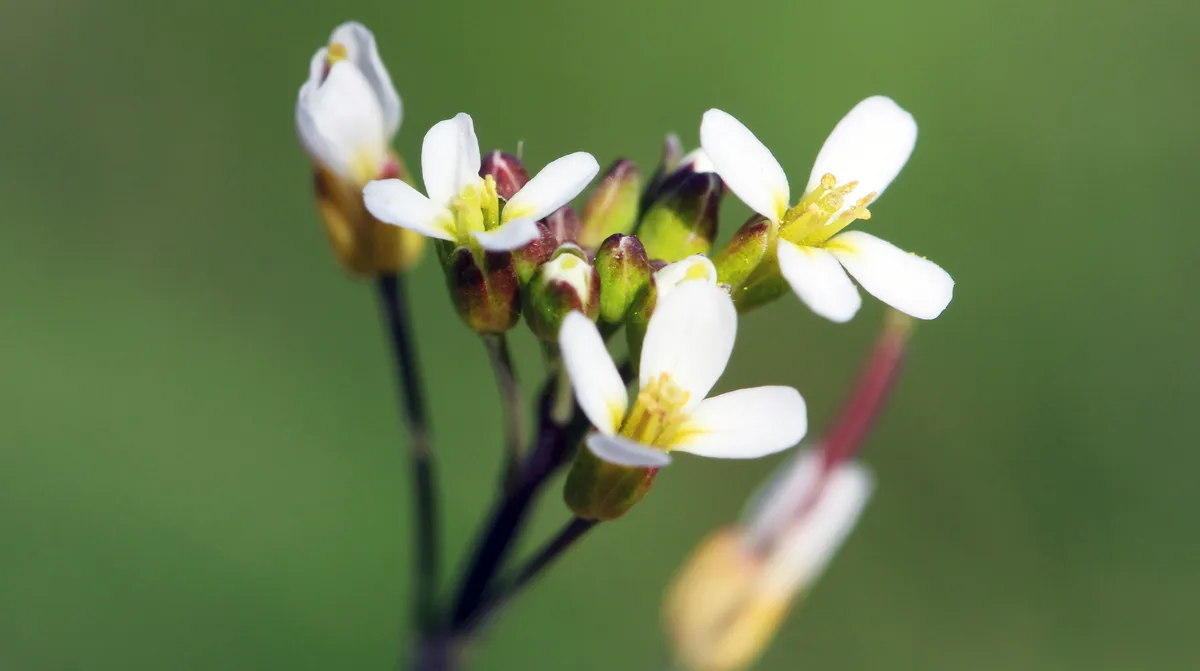
The Simons Foundation’s Life Sciences division is now accepting applications for its Simons Postdoctoral Fellowships in Plant Biology. The application deadline is December 3, 2026, at 12 p.m. (noon) EDT. These postdoctoral fellowships support candidates who intend to pursue a career in basic research on fundamental problems in plant biology. This program supports researchers seeking to understand the inner workings of plants at the level of the whole organism or below. We are interested in applicants with training in disciplines that can be brought to bear on plant biology, including but not limited to engineering, computational modeling, theory, chemistry, synthetic biology and physics, as well as applicants already involved in the plant sciences.
Archaeologists discover 1,200-year-old mummified hairless dog in Peru - Science Daily
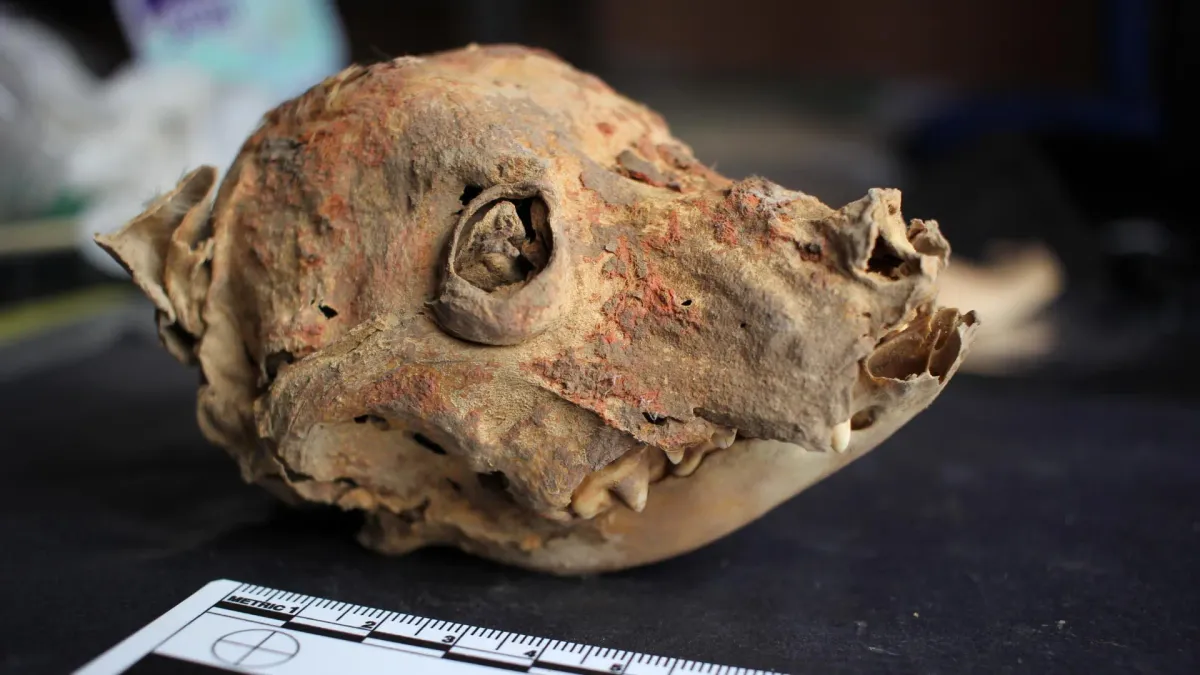
Archaeologists working at an ancient burial complex in Peru have uncovered remarkable evidence of hairless dogs that lived more than 1,200 years ago, long before the rise of the Inca Empire. The discoveries include naturally mummified remains, unusual skeletal features, and clues about what the animals ate and how they were treated by the people around them. Peruvian hairless dogs are a distinctive Indigenous breed known for their slender bodies, pointed ears, and lack of fur. They frequently appear in pottery created by ancient societies along the Andean coast. Today, a variation of the breed is recognized by the American Kennel Club as the Peruvian Inca Orchid. The dogs are also an important national symbol, having been officially designated part of Peru's cultural heritage in 2000.
Earth's Core Is Leaking All Sorts of Materials That Have Been Trapped Since Our Planet's Birth - ScienceAlert
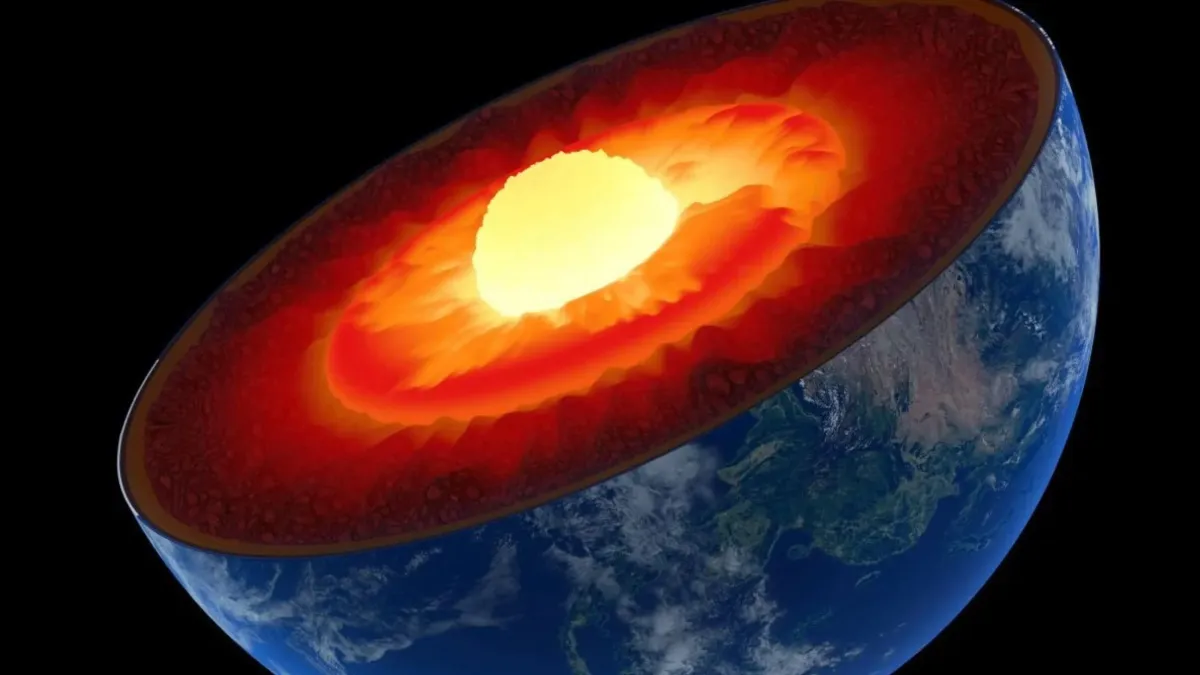
Our early Earth was a heavy metal album cover: a molten ball covered in a global lava ocean, spewing lethal gases while being pelted by the flaming space-rocks of our Solar System's violently chaotic afterbirth. Over the next 4.5 billion years of hectic cosmo-geological time, it has settled down a bit, allowing humans, lemurs, and others to emerge. A vision of this hellish ancient reality remains, (hopefully) never to be glimpsed by human eyes: our molten metallic core, blazing about as hotly as the surface of the Sun. But our core constantly sends chemical messengers up through its layers, including the space-borne ingredients of its birth, locked away for about one-third the lifetime of the Universe. This includes the hydrogen that was drawn in from the giant cloud of gas and dust that formed the Sun, which continues to ooze up from the core and turns into water in the mantle and crust – not a splashy-sloshy water, but a water trapped in minerals. Early Earth may have looked something like this.
0 comments
No comments yet. Be the first to share your thoughts!