BBlogFlow

Categories

Science

12573 articles

Science

On the Role of Belief in Science - Avi Loeb – Medium

6 min readOct 7, 2026--Press enter or click to view image in full size(Image credit: Greg Wyatt)Rabbi Menachem Mendel Schneerson is widely regarded as one of the most influential Jewish leaders of the 20th century, having transformed a small, Holocaust-depleted sect into a global powerhouse of Jewish outreach of the Chabad-Lubavitch Hasidic movement. Throughout his leadership from Brooklyn, New York City, the Rebbe spoke intensely about the imminent arrival of the messianic era, urging his followers to prepare for it through acts of goodness and Jewish observance. During the latter decades of his life, a fervent belief arose among many of his followers that he was in fact the Jewish Messiah. Since the Messiah is believed to reconstruct the Holy Temple in Jerusalem and live in Israel, his followers built in 1986 a house for him in Kfar Chabad Israel which is an exact replica of his apartment at 770 Eastern Parkway in Crown Heights, Brooklyn. The Israeli replica was constructed to precisely mirror the layout of the original, including a highly detailed reproduction of the Rebbe’s private office, complete with identical furniture, bookcases, and religious texts.
Avi Loeb – Medium·
Science

Flying Rivers: ACTO Seminar Connects Science, Economics and Regional Cooperation - OTCA

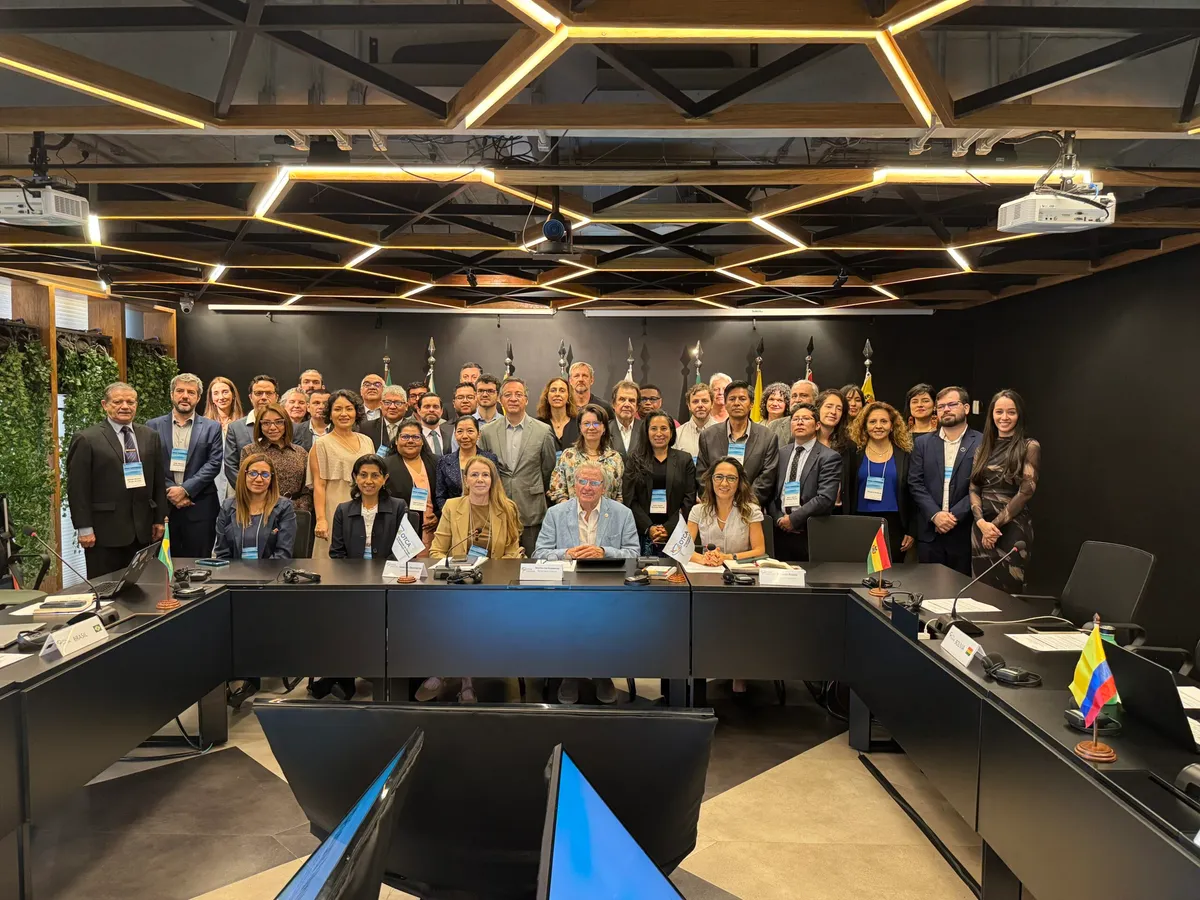
Expanding understanding of flying rivers and discussing how this knowledge can contribute to water security, decision-making and the valuation of Amazon ecosystem services was the focus of the Internal Seminar “Flying Rivers, Water Security and Economic Valuation of Amazon Ecosystem Services,” held on October 7 at the headquarters of the Permanent Secretariat of the Amazon Cooperation Treaty Organization (PS/ACTO) in Brasília. The event brought together experts in climate, hydrology, ecology and economics, representatives of ACTO Member Countries and partner institutions to discuss the state of knowledge on Amazonian moisture flows, the territories that depend on them and the economic value of the hydroclimatic services provided by the forest. Monitoring, governance, financing and opportunities for regional cooperation were also central to the discussions.

OTCA·
Science

Should We Be Worried About a Russian 'Plague Epidemic'? Scientists Weigh in on The Risks. - ScienceAlert

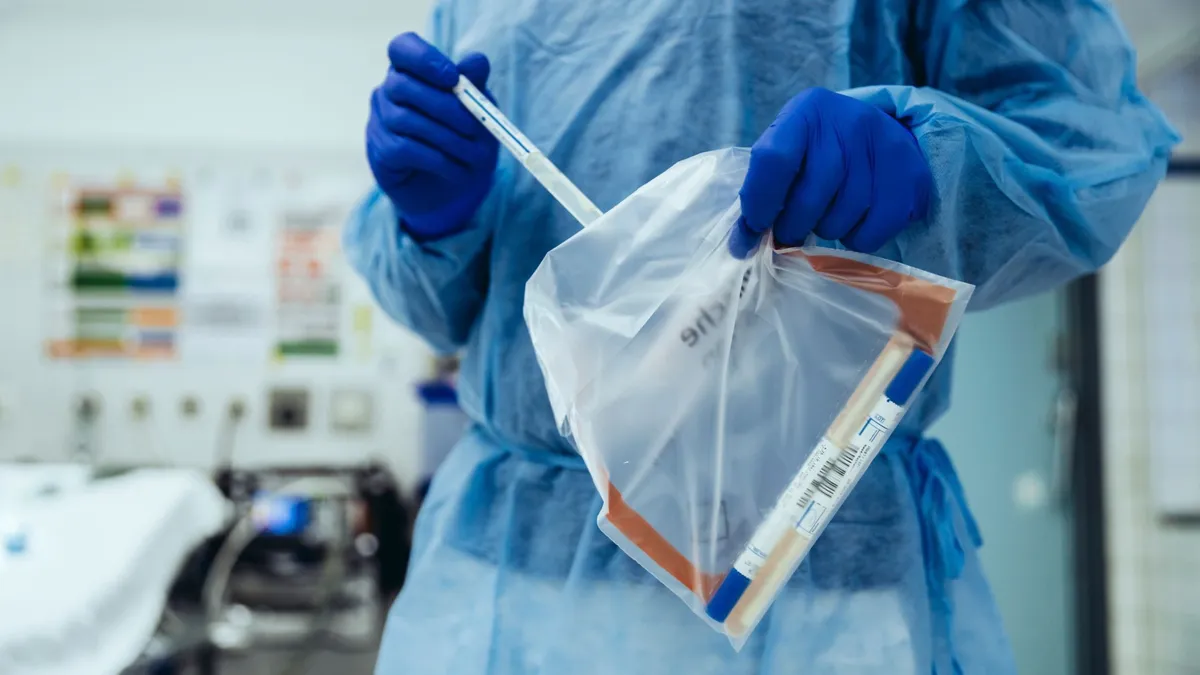
A broken test tube is an unsettling image: shattered glass, spilled liquid, a dangerous bacterium suddenly outside its container. But in a laboratory designed to handle infectious organisms, that should not be where the protection ends. The death of a worker at Russia's Irkutsk Anti-Plague Research Institute has prompted speculation about a laboratory accident involving the bacterium that causes plague. Some reports describe a broken test tube. Russian authorities described her illness as pneumonia of unknown cause and denied a connection to pathogens handled at work. On 6 October, they reported that no plague cases had been detected among her contacts, Reuters reported. Neither plague as the cause of death nor the alleged laboratory accident has been independently established in the publicly available evidence. The concern reflects how quickly pneumonic plague can become life-threatening if untreated. "It is such a rapid and fatal infection that can kill within 24 hours," Brendan Wren, a professor at the London School of Hygiene & Tropical Medicine, tells ScienceAlert. The World Health Organization says early antibiotics can be effective.

ScienceAlert·
Science

Common Antidepressants Could Have an Unexpected Role in Cancer Survival - ScienceAlert

Things that once brought pleasure lose their appeal. Getting out of bed, talking to friends, or finishing everyday tasks becomes harder. For someone living with depression, treatment can offer a way back into daily life. People undergoing cancer treatment can also experience depression or anxiety, taking medication for their mental health alongside drugs aimed at their tumors. Researchers are now investigating an unexpected connection between those treatments. A new analysis found that patients taking common antidepressants had fewer deaths recorded over two years after beginning immunotherapy, a treatment that helps the immune system attack cancer. "The simplest way to put it is that SSRIs may release a second brake on immunity that sits right next to the one checkpoint inhibitors release," oncologist Cho-Hao Lee of Tri-Service General Hospital and National Defense Medical University in Taiwan told ScienceAlert. SSRIs, short for selective serotonin reuptake inhibitors, block the reuptake of serotonin, a chemical messenger. The group includes fluoxetine, sertraline, and escitalopram.

ScienceAlert·
Science

Elementary Science Curricula Are in Short Supply. Will a Free Resource Help? - Education Week

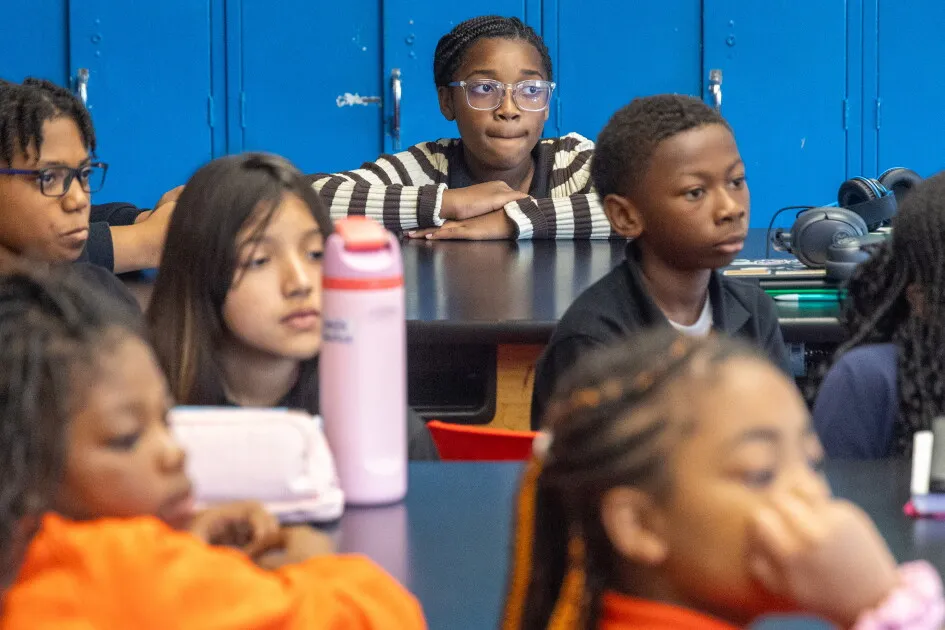
As elementary schools coordinate broad efforts to address gaps in students’ math and reading abilities, science education can sometimes take a back seat. That lack of emphasis is reflected in a dearth of quality instructional materials for young students. Elementary school teaching often relies on “summer camp science"—flashy experiments that wow students without engaging them in larger questions, said Andrea Meyer, a 3rd through 6th grade science specialist in Boston. And it can be difficult to find curricula aligned with state standards that encourage deeper learning. Seeing Mentos explode in a bottle of Coke can be “objectively cool,” Meyer said. But watching the candy cause a reaction that rapidly forms a stream of carbon dioxide bubbles doesn’t necessarily help students learn to ask questions or connect to broader scientific concepts. “These lessons don’t necessarily teach you how to think like a scientist,” Meyer said. “They just say, ‘Look at this cool thing,’ and don’t teach you to think beyond that.”With the recent completion of a set of free, open-access K-12 science teaching materials, educators like Meyer hope lessons featuring deeper scientific thinking will spread.

Education Week·
Science

EES Departmental Seminar: The low-pressure metamorphic gradient along Nova Scotia’s South Shore, revisited - Dalhousie University

Title: The low-pressure metamorphic gradient along Nova Scotia’s South Shore, revisited Abstract: In southwestern Nova Scotia, the metasedimentary rocks of the Meguma terrane exhibit a low-pressure metamorphic gradient from greenschist facies to migmatite in the Queens, Shelburne, and Yarmouth counties. These rocks were described and studied primarily in the 1980s and 1990s with few subsequent studies, leaving questions unanswered concerning their significance to the geological evolution of the Meguma terrane. Metamorphic grade has been observed to increase with proximity to granitoid plutons in this region, but the relative contributions of regional metamorphism vs. contact metamorphism have not been fully disentangled. My planned research program includes several projects in this area, beginning with migmatite and amphibolite-facies cordierite-bearing metapelites. Although a spatial association between migmatite and the Barrington Passage Pluton has been identified, a temporal link has not been established. We will conduct U-Pb geochronology by thermal ionization mass spectrometry (TIMS) to obtain high precision ages of migmatite leucosome and the Barrington Passage Pluton.

Dalhousie University·
Science

Why Citizen Science Is On The Rise - Yahoo News Canada

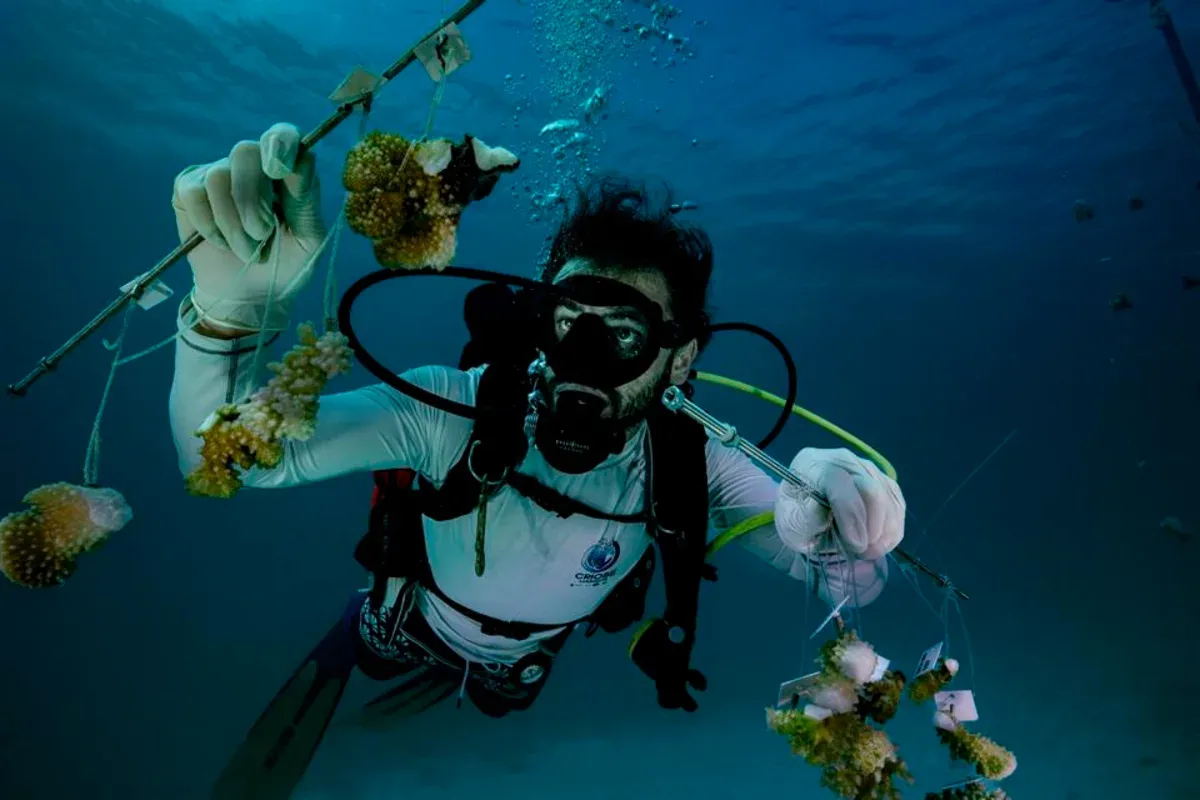
Citizen science has been on the rise in the last few years, driven by rapid advancements in technology and several governments encouraging more public participation in research. Smartphone technology, such as built-in GPS, high-resolution cameras and smart sensors has contributed considerably to this, as has the rise of online networks and digital platforms like iNaturalist. These make it much simpler for people to upload photos and record real-time data like wildlife locations, noise levels or air quality on the go. With professional scientists facing massive data gaps when tracking widespread issues like invasive species, climate change and biodiversity loss, these volunteer citizen scientists are crucial to help gather information across huge geographic areas and long timeframes. Turning Travellers Into Environmental ParticipantsOne of the main areas of citizen science today is in the global tourism sector, with a number of hotels and resorts enabling guests to help with things like coral reef planting and surveying, wildlife tracking and more.

Yahoo News Canada·
Science

Vanilla could help heal wounds - Popular Science

Vanilla is one of the most commonly used flavors in the world. A common baking ingredient could help heal wounds—and it’s pretty sweet. Vanillin (which comes from vanilla pods) has anti-inflammatory, antibacterial, and antioxidant properties that could be used in wound-healing treatments. A study recently published in the International Journal of Pharmaceutics details this food-to-function framework.

Popular Science·
Science

How to mobilize the agile science needed in a crisis - Nature

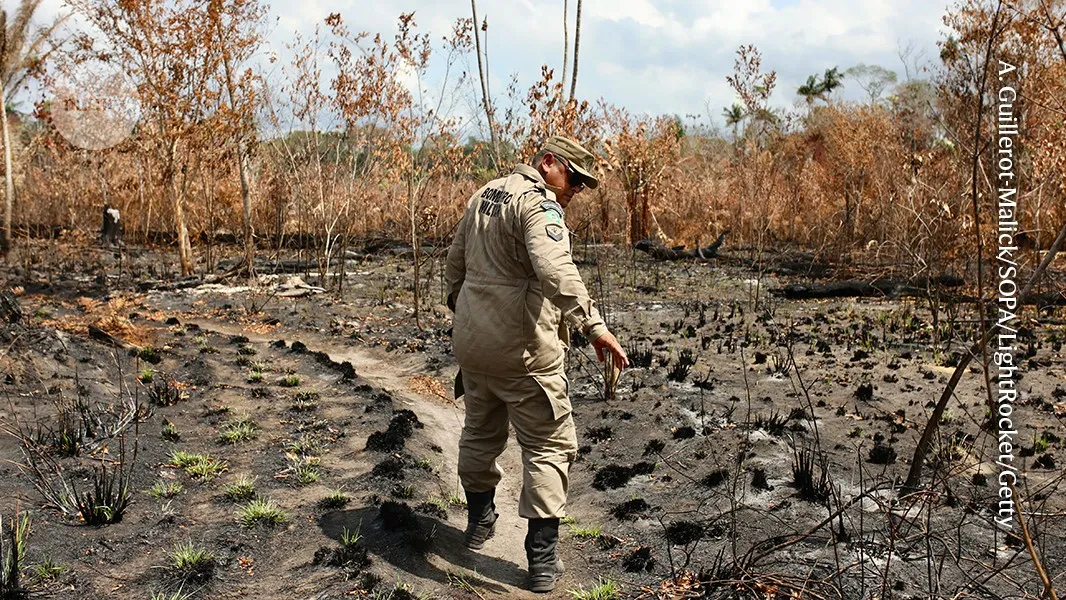
After fires devastated parts of the Amazon rainforest in 2023–24, researchers collaborated with firefighters, Indigenous groups and other stakeholders to produce guidance on how to tackle future blazes. Credit: Apolline Guillerot-Malick/SOPA Images/LightRocket/GettyClimate change, the COVID-19 pandemic and conflicts have all contributed to current national and global instability. In this age of polycrises, politicians and policymakers often need to make fast decisions. Scientists in academia can struggle when asked for research to support those decisions, often because their institutions are not set up to provide authoritative knowledge for rapid decision-making. The sprint to solve coronavirus protein structures — and disarm them with drugsOne high-profile exception to this offers a blueprint for how to mobilize and do high-quality research reliably in a crisis. During the COVID-19 pandemic, researchers in academia and industry, working with policymakers, together solved the protein structures of the SARS-CoV-2 virus in record time; conducted fast, randomized controlled trials to test drugs; and quickly developed vaccines that subsequently gained rapid approval.

Nature·
Science

Object 24 | Drosophila Illustrations - Carnegie Science

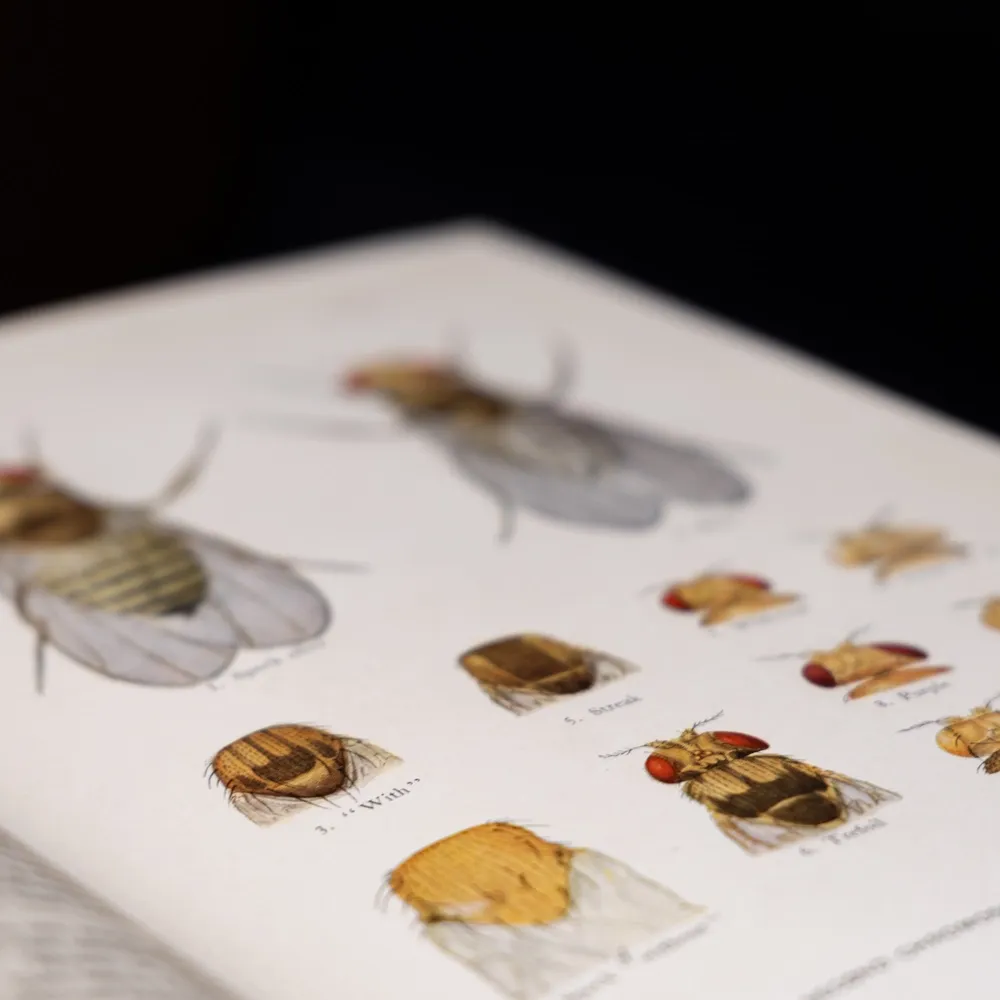
In the spring of 1910, Thomas Hunt Morgan peered into one of the hundreds of glass milk bottles that filled his cramped and famously messy laboratory at Columbia University and spotted something he had never before seen. Among the thousands of red-eyed fruit flies he had been breeding for nearly a year was a single male with white eyes. That one small fly was the first in a series of discoveries by Morgan and his team that would transform the study of heredity. Over the following decades, Morgan's "fly group" showed that genes are physical units lined up in a fixed order along chromosomes and that their positions could be mapped, laying the foundation of modern genetics. Carnegie Science made much of this research possible, providing sustained funding to the group from 1915 until 1945 and publishing its findings in a series of volumes, which were accompanied by exquisitely detailed ink drawings and watercolors of fruit flies by Edith Wallace, Morgan's technician and the team's artist. Her illustrations, representing the fly group’s work, are Object 24 in our #Carnegie125 series. Before the Flies Morgan was born into a prominent Kentucky family in 1866. After earning his Ph. D.

Carnegie Science·
Science

Dave McCormick dreams of strengthening science, but Trump is researchers’ worst nightmare | Editorial - Inquirer.com

In a recently published op-ed extolling the lifesaving virtues of federally funded research at institutions such as Children’s Hospital of Philadelphia, Sen. Dave McCormick called for doubling funding for the National Institutes of Health. Good luck with that. The Pennsylvania Republican is certainly right about the human and material value of scientific and medical research, particularly in the state he represents, where NIH spending supports more than 21,000 jobs and $5 billion in economic activity. But his call for “more science, not less” could hardly be more at odds with the agenda of the president he “supports 100%.”A layperson could read McCormick’s entire epistle and come away with the impression that Donald Trump had nothing to do with the research challenges he cites. The senator criticizes the Biden administration for letting politics affect science, the NIH for bureaucracy and opacity, and the Office of Management and Budget — without mentioning that it’s an arm of the White House — for an attempt to eviscerate the national research budget.

Inquirer.com·
Science

Scientists tested 5 natural compounds on cancer cells. One stood out - Science Daily

Curcumin, berberine, and several other plant-derived substances have drawn attention from scientists because of their potential anti-inflammatory and anticancer effects. New research from Wroclaw Medical University and the University of Wroclaw suggests, however, that these compounds can behave very differently. A substance that appears powerful against cancer cells may not necessarily have the best safety profile. The researchers examined five compounds: curcumin, berberine, biochanin A, cucurbitacin E, and CAPE (caffeic acid phenethyl ester), a component of propolis. They compared how each one affected fibrosarcoma cells and healthy muscle cells.

Science Daily·