Scientists tested 5 natural compounds on cancer cells. One stood out - Science Daily
This story deserves to be shared
Send it to someone who'd care, or post it on your networks.
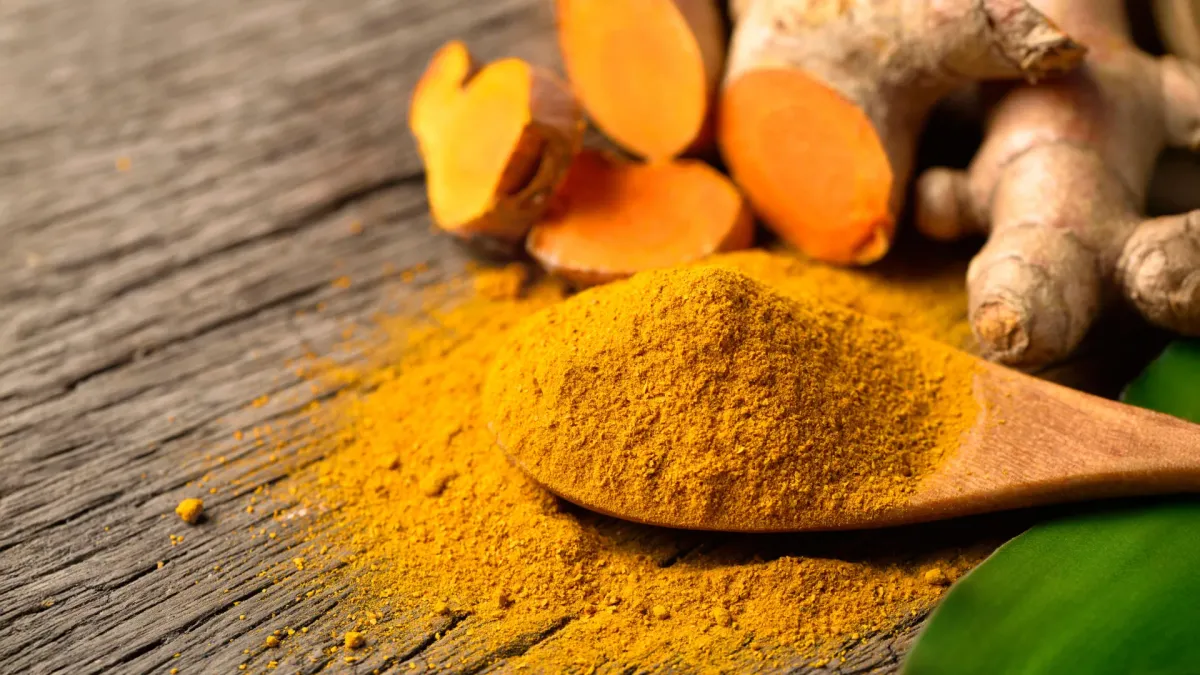
Curcumin, berberine, and several other plant-derived substances have drawn attention from scientists because of their potential anti-inflammatory and anticancer effects. New research from Wroclaw Medical University and the University of Wroclaw suggests, however, that these compounds can behave very differently. A substance that appears powerful against cancer cells may not necessarily have the best safety profile.
The researchers examined five compounds: curcumin, berberine, biochanin A, cucurbitacin E, and CAPE (caffeic acid phenethyl ester), a component of propolis. They compared how each one affected fibrosarcoma cells and healthy muscle cells.
This article is an excerpt. To read the full content, visit the original source. Science Daily
Related articles
Light and ultrasound reveal renewable routes to compounds for pharmaceutical research - Phys.org
Sustainable packaging is only the beginning. What a medicine is made from—and how its ingredients are produced—matters just as much. Yet the synthesis of compounds for pharmaceutical research can still depend on fossil feedstocks, high temperatures, strong oxidants and metals that raise costs and complicate purification. Two recently published studies from Colmenares' group at IPC PAS demonstrate that cleaner chemistry can begin at the level of a single chemical bond. The studies are published in the journal Ultrasonics Sonochemistry and Chemistry—A European Journal.

SpaceX Sent 6,300 Pounds to the Space Station. The Strangest Cargo Was Grown in a Lab - Inc.com
The spacecraft delivered materials and equipment for new research studies to the station.
Integrating hippopotamus optimization algorithm into machine learning frameworks for predicting suspended sediment concentrations - Nature
ORCID: orcid.org/0000-0001-8061-88361, Yaser Mehri2, Ali Abdolrazaq Sabbar3, Mohammad Javad Nahvinia3 & … Mohammad Hosein Omid2 We’re sharing this article early to provide faster access to peer-reviewed, accepted research. It is citable and carries a permanent DOI. This version is subject to further edits and will be replaced automatically by the final Version of Record. All legal disclaimers apply.
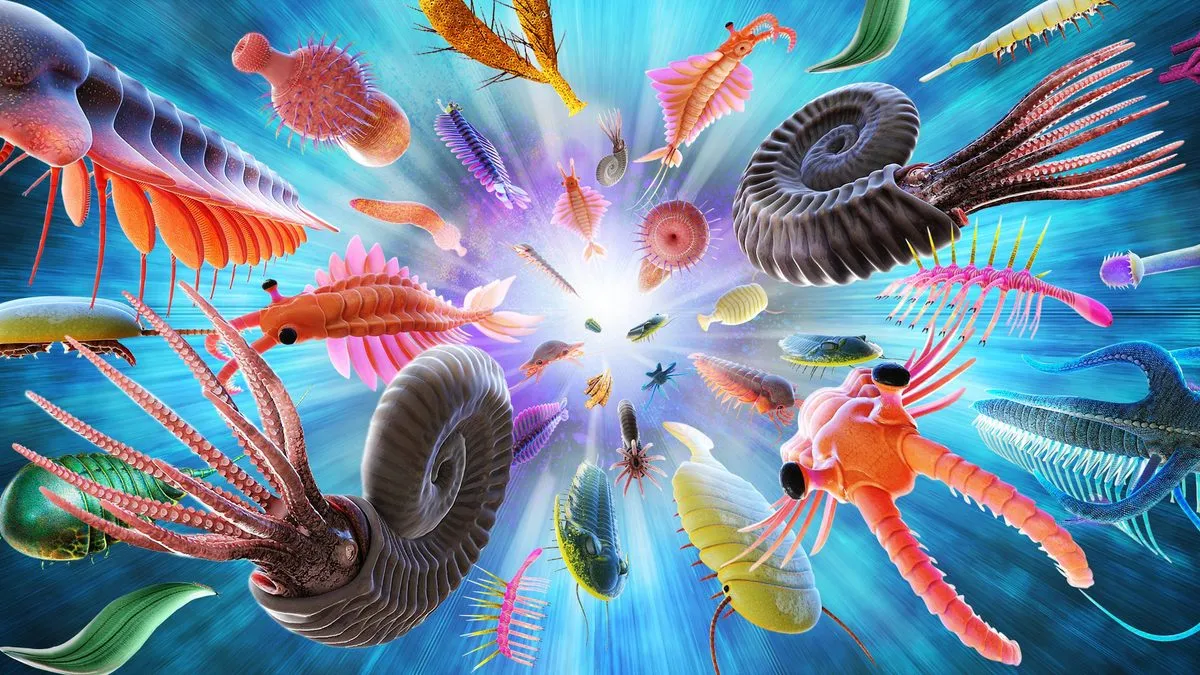
Did an eruption of poop trigger the biggest explosion of life and diversity Earth has ever seen? - BBC Wildlife Magazine
The history of life on Earth doesn’t start with the Cambrian Explosion. However, this was the point in time that nearly all major animal groups appeared, proliferated, and diversified. It wiped out 90% of life on Earth, turned the oceans into graveyards – and it very nearly ended life on our planet entirely
0 comments
No comments yet. Be the first to share your thoughts!