Categories
Science
12579 articles
Science
Object 24 | Drosophila Illustrations - Carnegie Science
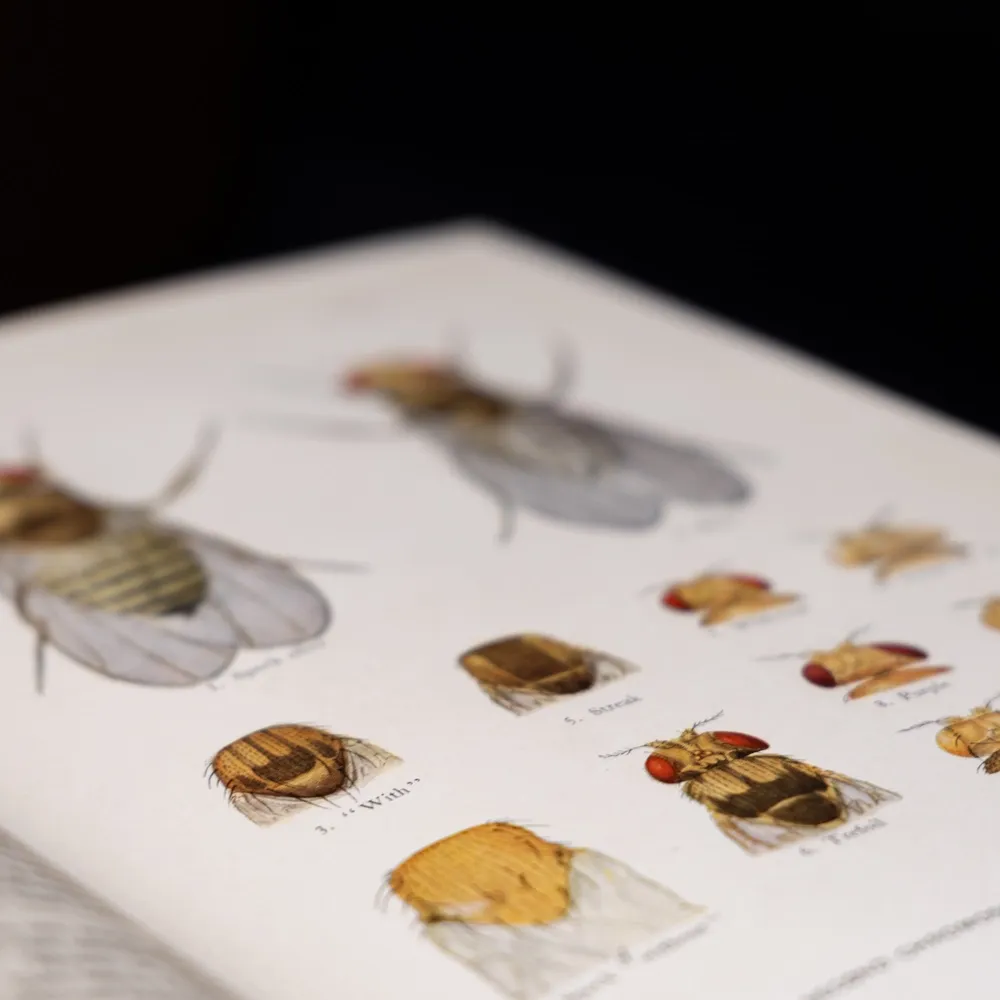
In the spring of 1910, Thomas Hunt Morgan peered into one of the hundreds of glass milk bottles that filled his cramped and famously messy laboratory at Columbia University and spotted something he had never before seen. Among the thousands of red-eyed fruit flies he had been breeding for nearly a year was a single male with white eyes. That one small fly was the first in a series of discoveries by Morgan and his team that would transform the study of heredity. Over the following decades, Morgan's "fly group" showed that genes are physical units lined up in a fixed order along chromosomes and that their positions could be mapped, laying the foundation of modern genetics. Carnegie Science made much of this research possible, providing sustained funding to the group from 1915 until 1945 and publishing its findings in a series of volumes, which were accompanied by exquisitely detailed ink drawings and watercolors of fruit flies by Edith Wallace, Morgan's technician and the team's artist. Her illustrations, representing the fly group’s work, are Object 24 in our #Carnegie125 series. Before the Flies Morgan was born into a prominent Kentucky family in 1866. After earning his Ph. D.
Carnegie Science·

Science
Dave McCormick dreams of strengthening science, but Trump is researchers’ worst nightmare | Editorial - Inquirer.com
In a recently published op-ed extolling the lifesaving virtues of federally funded research at institutions such as Children’s Hospital of Philadelphia, Sen. Dave McCormick called for doubling funding for the National Institutes of Health. Good luck with that. The Pennsylvania Republican is certainly right about the human and material value of scientific and medical research, particularly in the state he represents, where NIH spending supports more than 21,000 jobs and $5 billion in economic activity. But his call for “more science, not less” could hardly be more at odds with the agenda of the president he “supports 100%.”A layperson could read McCormick’s entire epistle and come away with the impression that Donald Trump had nothing to do with the research challenges he cites. The senator criticizes the Biden administration for letting politics affect science, the NIH for bureaucracy and opacity, and the Office of Management and Budget — without mentioning that it’s an arm of the White House — for an attempt to eviscerate the national research budget.
Inquirer.com·

Science
Scientists tested 5 natural compounds on cancer cells. One stood out - Science Daily
Curcumin, berberine, and several other plant-derived substances have drawn attention from scientists because of their potential anti-inflammatory and anticancer effects. New research from Wroclaw Medical University and the University of Wroclaw suggests, however, that these compounds can behave very differently. A substance that appears powerful against cancer cells may not necessarily have the best safety profile. The researchers examined five compounds: curcumin, berberine, biochanin A, cucurbitacin E, and CAPE (caffeic acid phenethyl ester), a component of propolis. They compared how each one affected fibrosarcoma cells and healthy muscle cells.
Science Daily·

Science
War, tariffs, Israel: How Trump’s foreign policy is influencing the midterms - The Christian Science Monitor
As the midterms approach, the Iran war is challenging the adage that foreign policy is only a secondary thought as voters weigh the factors influencing their decisions. In most elections, a slogan that former President Bill Clinton often used – “It’s the economy, stupid” – reigns supreme in voters’ priorities. Surveys show that this midterm election is no different. But this year, the unique way the Iran war is affecting the economy and voters’ personal finances – from the cost of filling the gas tank and grocery cart to farmers’ access to fertilizers – means that international events and issues are having an outsize impact on electoral choices. “It’s true that foreign policy is traditionally well down the list of what’s motivating voters, but these midterms are different,” says Dina Smeltz, managing director of public opinion and foreign policy at the Chicago Council on Global Affairs. “Uncharacteristically, international issues are taking more of a front-of-mind position with voters as they consider how they’ve been hit by high energy costs,” she adds.
The Christian Science Monitor·

Science
Too Little Sleep Raises Dementia Risk 18%. Too Much Raises It 28%. Scientists Say They've Found The Sweet Spot. - ScienceAlert
A lack of good-quality sleep has long been linked to an increased risk of developing dementia, but recent research goes further – giving us an optimal amount of overnight slumber to minimize dementia risk later in life. Using data pooled from 69 previous studies, a team at York University in Canada ran a statistical analysis to look for associations with dementia for three factors: physical activity, time spent sitting, and sleep duration. These are all variables we can control, up to a point, and the number crunching showed that 7 to 8 hours of sleep each night was the sweet spot for minimizing dementia risk. In addition, the researchers found that prolonged sitting (more than 8 hours a day) and a lack of physical activity (less than 150 minutes a week) were also linked to a significant increase in the chances of getting dementia. Prolonged sitting, too much or too little sleep, and inactivity were all implicated in dementia risk.
ScienceAlert·
Science
Significant Activity Identified at Minzadayi, an Iranian Nuclear Weapons Development Site | ISIS Reports - Institute For Science And International Security
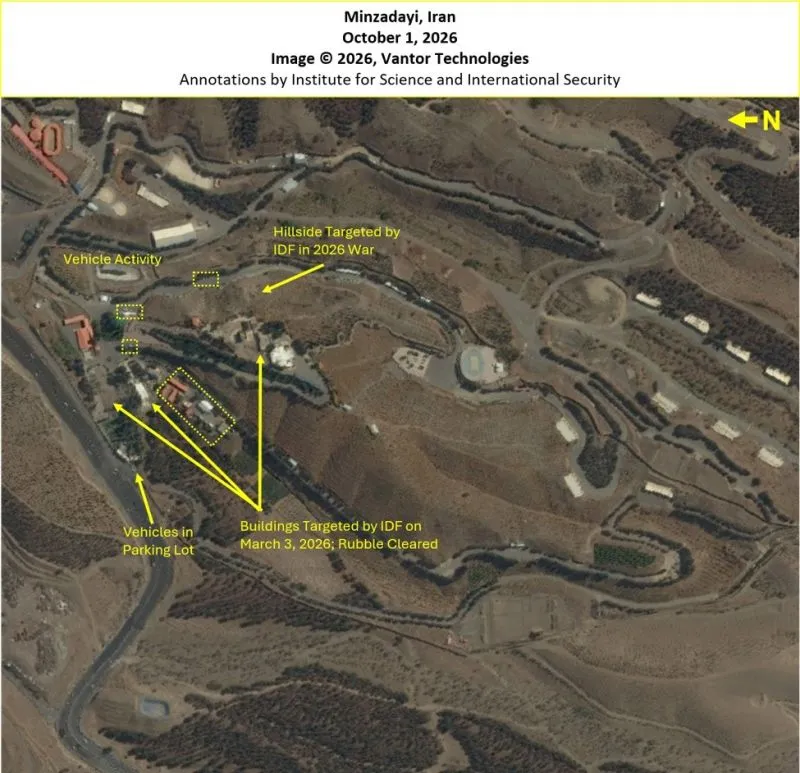
High resolution VANTOR Technologies satellite imagery from September and October 2026 shows significant renewed activity at Minzadayi, a nuclear weapons development compound northeast of Tehran revealed by Israel during the 2026 war. The compound was attacked by Israel on March 3rd, 2026, destroying several buildings and likely underground structures.[1] The recent satellite imagery indicates a return to regular vehicle activity around the site post extensive cleanup operation that included the clearing of rubble and debris and repair of damage on the hillside (see Figures 1 and 2). One area attacked in March 2026 shows ongoing earth moving activity. The earth moving activity is occurring at a surface made to look like a courtyard where multiple craters could be seen following the attacks on the site in March 2026 (see Figure 3).[2] Significant vehicle presence can be seen throughout the site between early September and early October 2026. Cars are parked outside the security perimeter in the parking lot, and many passenger vehicles and trucks can be seen inside the perimeter.
Institute For Science And International Security·
Science
Francis Halzen wins Nobel Prize in Physics for work on ‘ghost particles’ - Al Jazeera
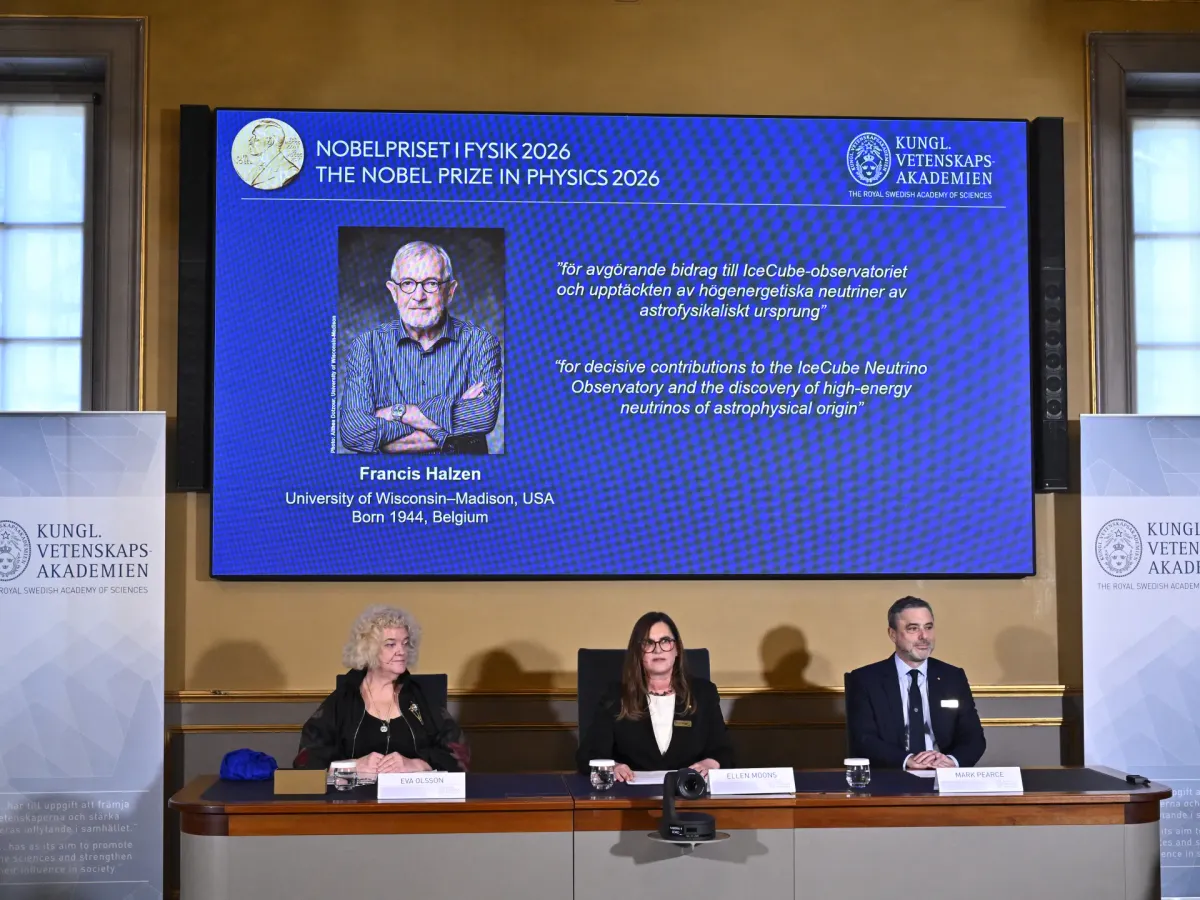
Belgian physicist worked to build Antarctic observatory that tracks neutrinos from deep space. Belgian physicist Francis Halzen has won the 2026 Nobel Prize in Physics for creating a giant detector in Antarctica that captures neutrinos, the so-called “ghost particles” from space that scientists believe offer clues to how the universe evolved. The Royal Swedish Academy of Sciences announced the prestigious award in Stockholm on Tuesday, crediting Halzen with a central role in building the IceCube Neutrino Observatory. Recommended Stories list of 3 itemslist 1 of 3Is there life on another planet? Scientists find the strongest evidence yetlist 2 of 3Have scientists discovered a dark matter particle?list 3 of 3Nobel medicine prize honours US and German scientists for optogenetics workend of listThe neutrino interactions collected by the observatory provide information about how high-energy neutrinos are created and may even reveal previously unknown phenomena, the Academy said. “It was a great surprise, and I obviously didn’t expect it,” Halzen said, speaking to the committee by phone from Italy, in a call broadcast at the news conference to announce the winner.
Al Jazeera·
Science
Scientists Find a New Way to Produce Hydrogen From Water Using Light - ZME Science
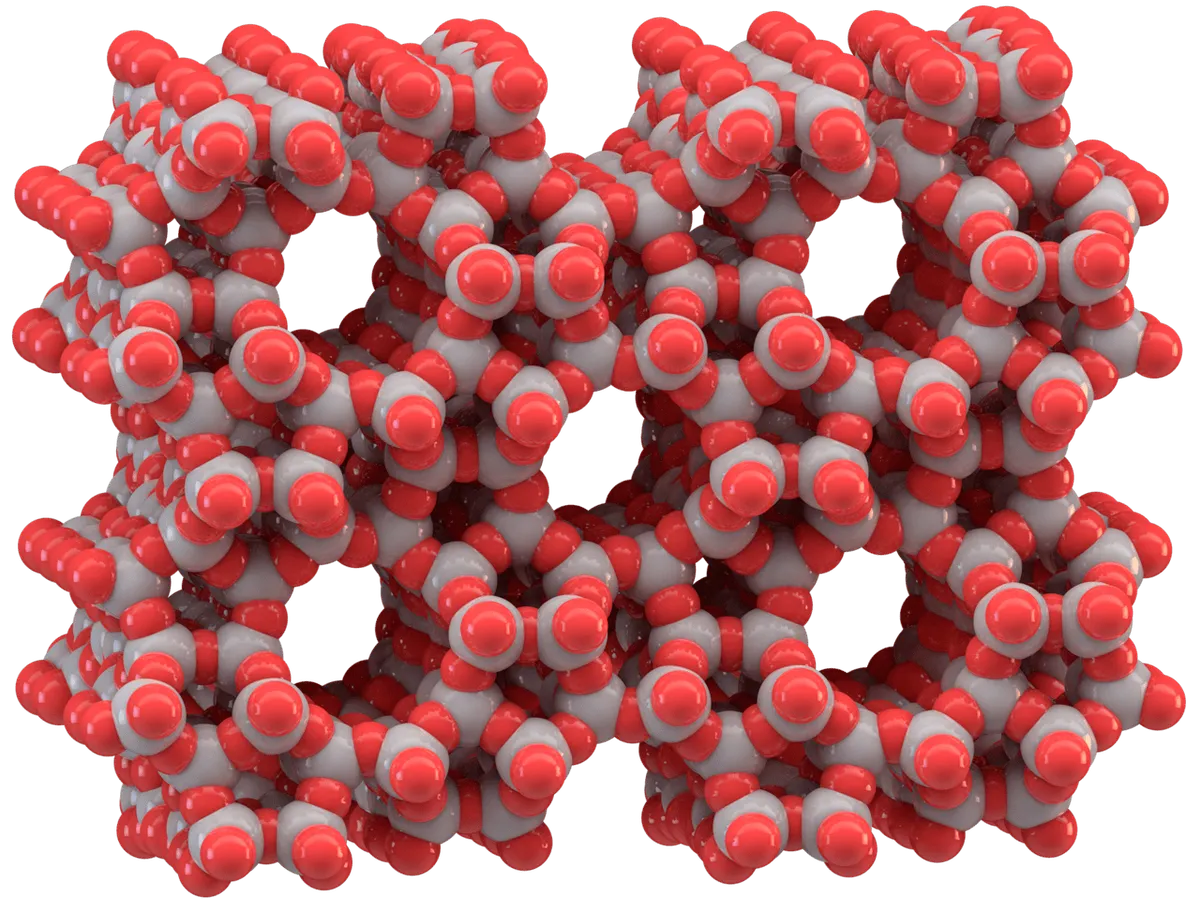
Scientists have found a new way to coax hydrogen out of water using light — without adding the extra metal helper that many similar systems need. Much of our hydrogen is still made from fossil fuels, while cleaner alternatives remain expensive. So, the new material tackles one of the fundamental problems in solar hydrogen production: how to capture light and move electrons efficiently to release hydrogen from water without relying on additional costly (or dirty) components.
ZME Science·
Science
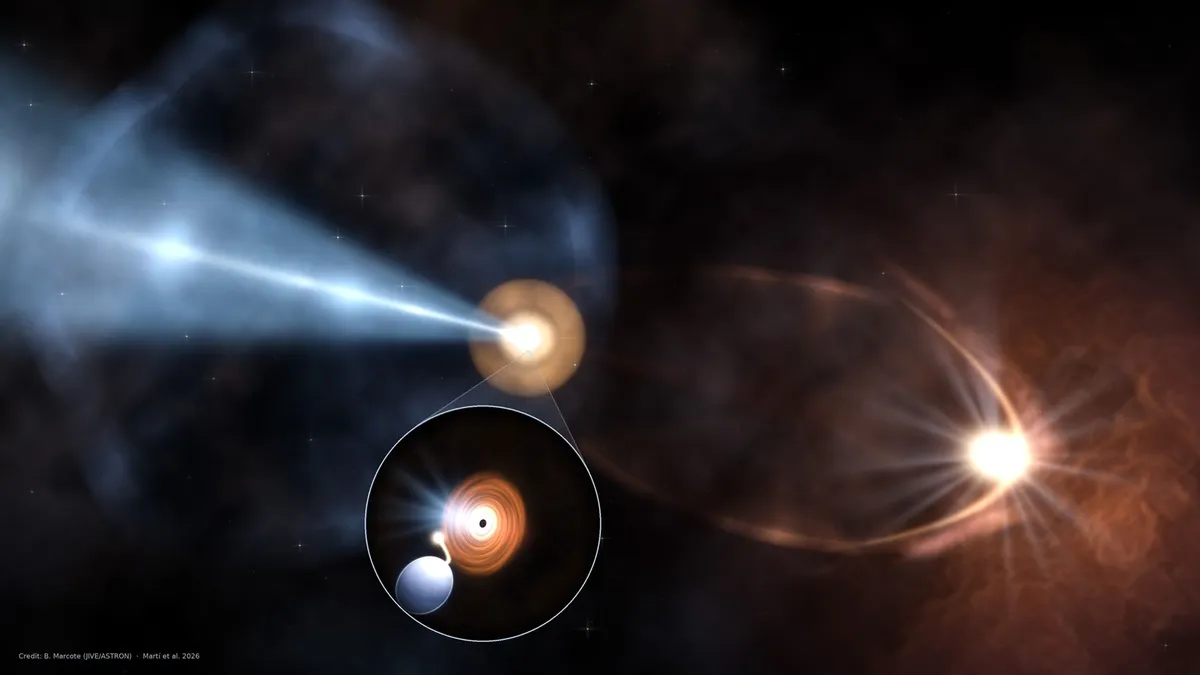
Earth is in the firing line of a strange new type of cosmic object: a 'microblazar' - Live Science
Astronomers may have discovered the first known microblazar, a long-theorized object firing a powerful beam of particles directly at Earth.
Live Science·
Science
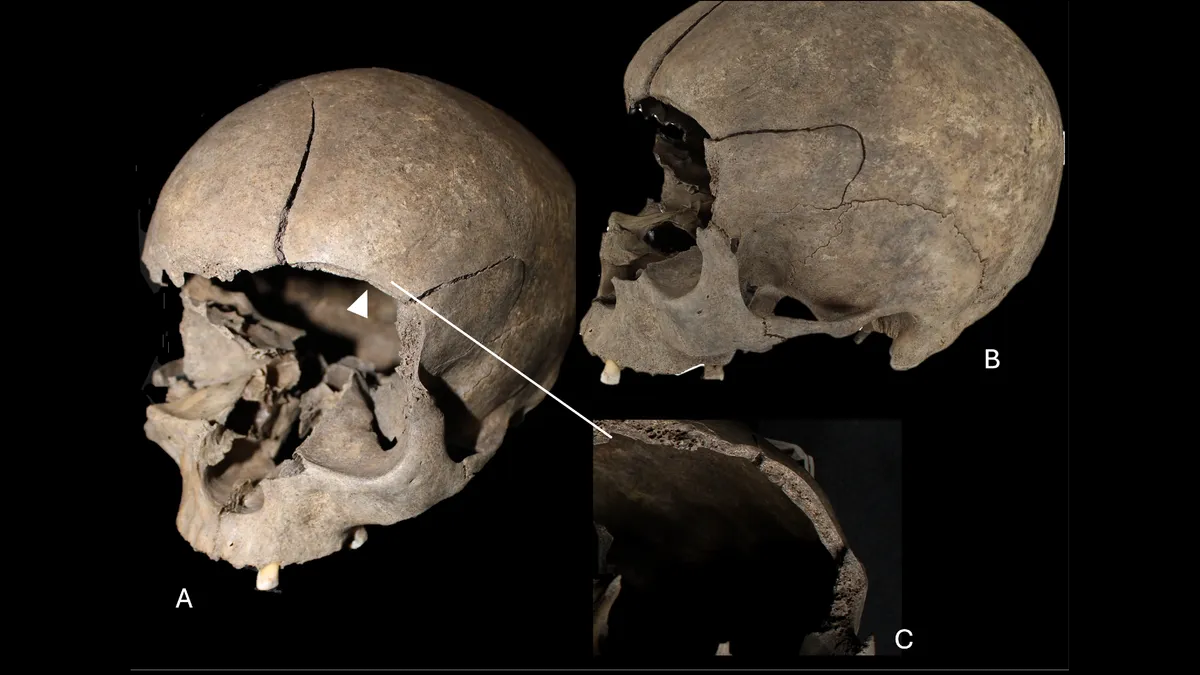
Archaeologists discover a child's skull built into the floor of a 2,500-year-old Scandinavian house - Live Science
A study of nearly 200 individuals buried in domestic contexts in ancient and Viking Age Scandinavia has revealed unusually high levels of violence.
Live Science·
Science
New crocodile species found in rocks of Egypt’s Great Sphinx - Popular Science
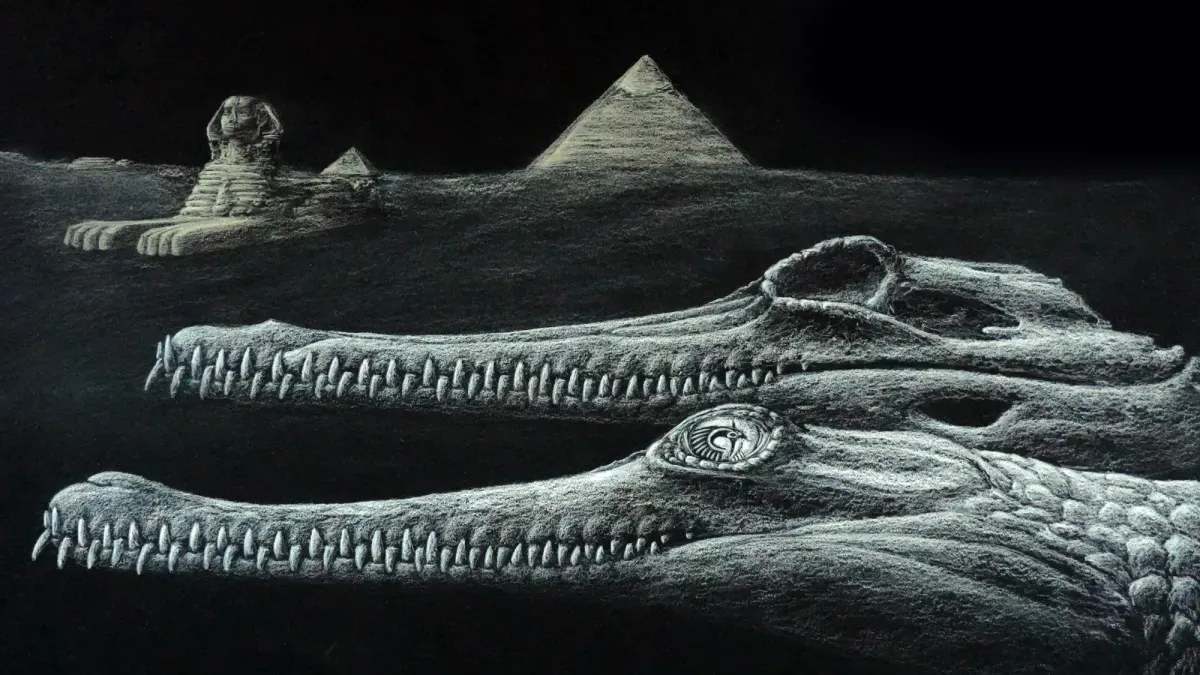
Reconstruction of the extinct ‘Herugavialis cairensis.’ with the Great Sphinx and pyramids depicted in the background. For 4,500 years, the Great Sphinx in Giza, Egypt, has been shrouded in mystery and intrigue. Mysteries still linger and discoveries await deep inside the bedrock of one of Ancient Egypt’s most famous monuments. These discoveries now include a new species of extinct crocodile. And just like the Great Sphinx is missing the tip of its nose, the fossil crocodile is missing the tip of its snout. The newly discovered species Herugavialis cairensis is described in a study published today in the journal Royal Society Open Science.
Popular Science·