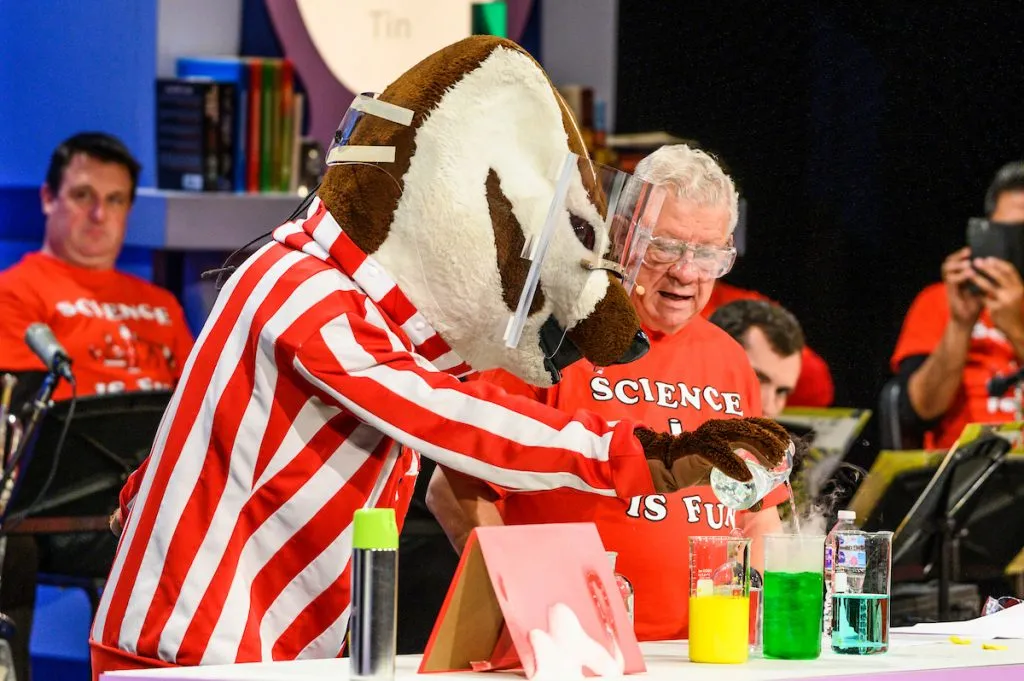
The Bassam Z. Shakhashiri Public Science Engagement Award recognizes one University of Wisconsin–Madison faculty and one academic staff member who has shown excellence in engaging the public in their work in STEAM (Science, Technology, Engineering, Arts and Math) research.
Two $5,000 awards will be announced and presented in Spring 2027.
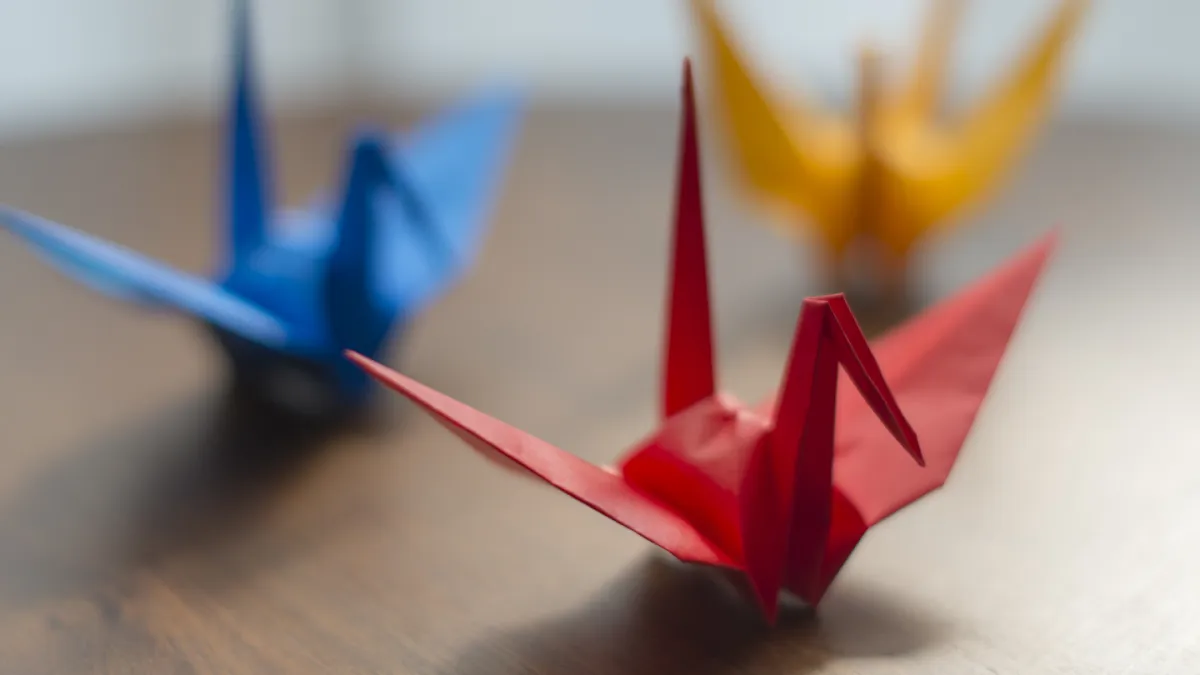
People have used origami for centuries to transform flat pieces of paper into 2-D and 3-D shapes. In minutes, a beginner can use this Japanese art of paper folding to craft simple birds, flowers and jumping frogs. More advanced patterns can give rise to highly detailed sculptures of all manner of objects.
Scientists have used geometry, algebra and other branches of math to invent new origami designs. Such designs can not only be used to create art. They can lead to new compact and shapeshifting tech.
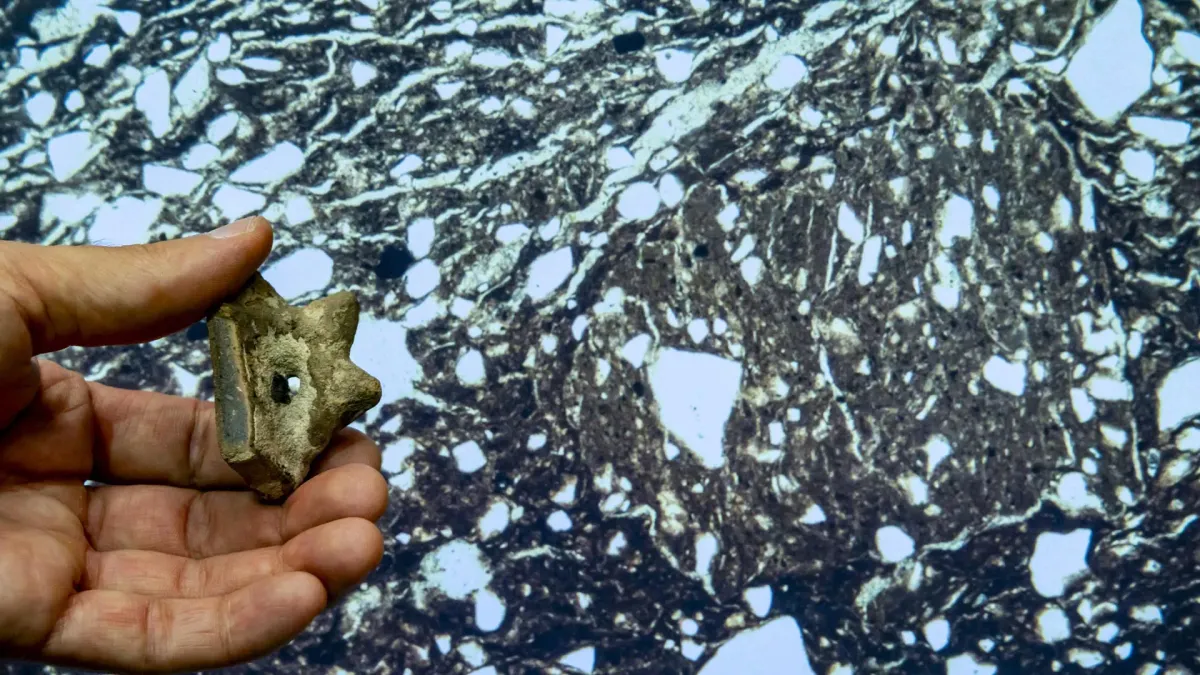
About a century ago, archaeologists excavating pottery fragments around Tampa Bay encountered something puzzling. Some of the pieces carried decorations that looked strikingly similar to pottery found hundreds of miles farther north. On appearance alone, the fragments seemed connected to the Mississippian culture, which emerged more than 1,000 years ago and reshaped social, economic and political life across much of southeastern North America.
For decades, however, maps of the Mississippian world generally left out peninsular Florida. The Tampa Bay pottery suggested that the region's relationship with that culture may have been more complicated.
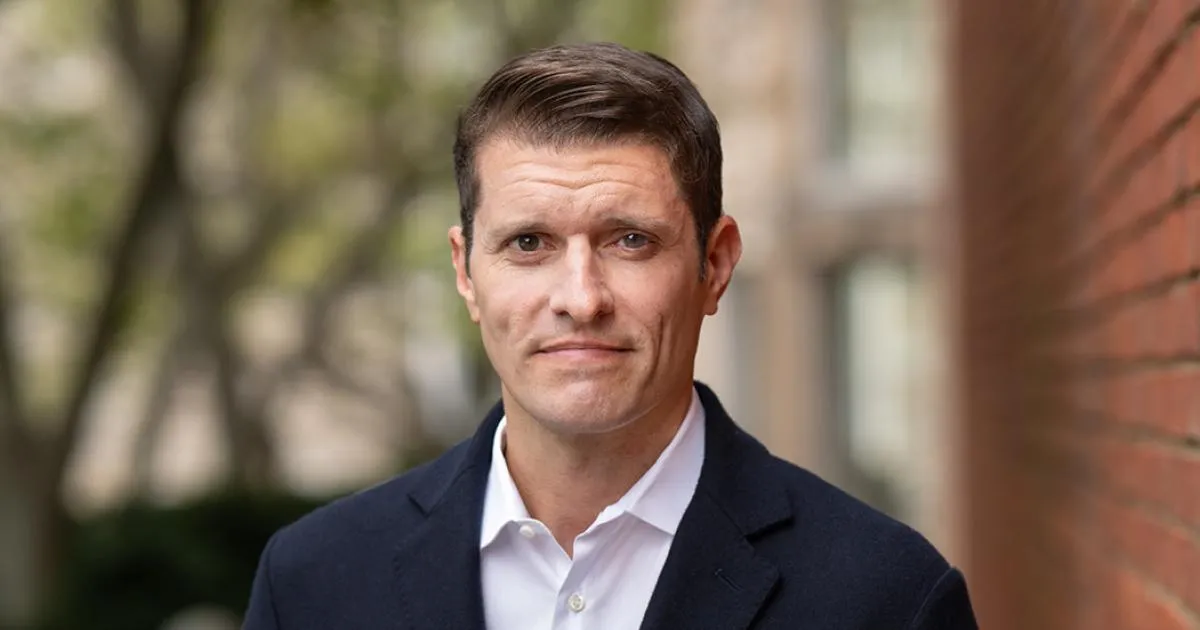
As artificial intelligence continues to provide unparalleled and unprecedented access to information and analytic tools, Jonathan Mummolo believes the work of Princeton University’s Data-Driven Social Science (DDSS) initiative is more important than ever. “As with any transformative research technology, AI presents great opportunities, but also great risks,” Mummolo said. “DDSS is focused on providing resources to Princeton researchers to help harness these tools in social science research while maintaining care and rigor.”Mummolo, an associate professor of politics and public affairs whose research studies bureaucratic politics and political behavior, was named the interim director of DDSS in August. Under his leadership, Mummolo is positioning DDSS and its team of research software engineers to help Princeton’s social science community harness AI to answer important social questions with attention to the unique challenges social science presents, including data privacy, replicability, and computational obstacles associated with massive data sets such as video archives.
Princeton School of Public and International Affairs·
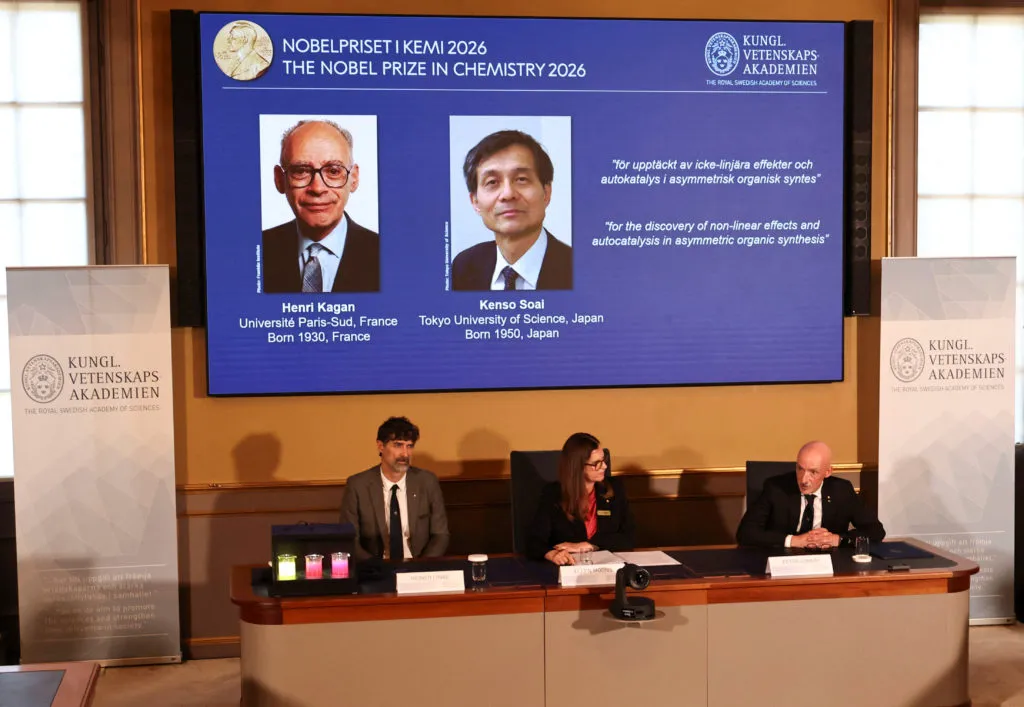
STOCKHOLM (AP) — Scientists Henri B. Kagan and Kenso Soai won the Nobel Prize in chemistry Wednesday for untangling mysterious mirror images in molecules, a discovery that has been used to develop countless drugs and transformed modern medicine.
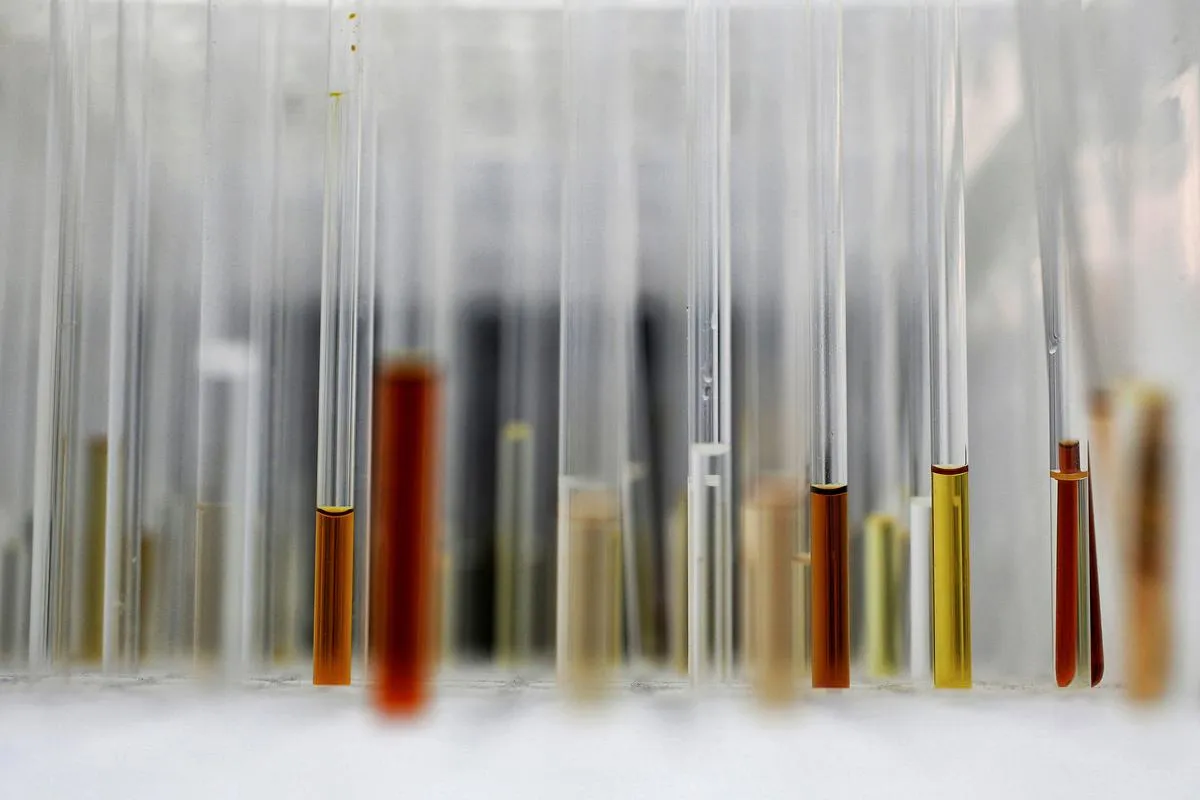
Many molecules come in versions that look alike but are not exactly identical, like right and left hands. One mirror image of the chemical carvone smells like mint, for example, while the other has a whiff of caraway, a spice often used in rye bread.
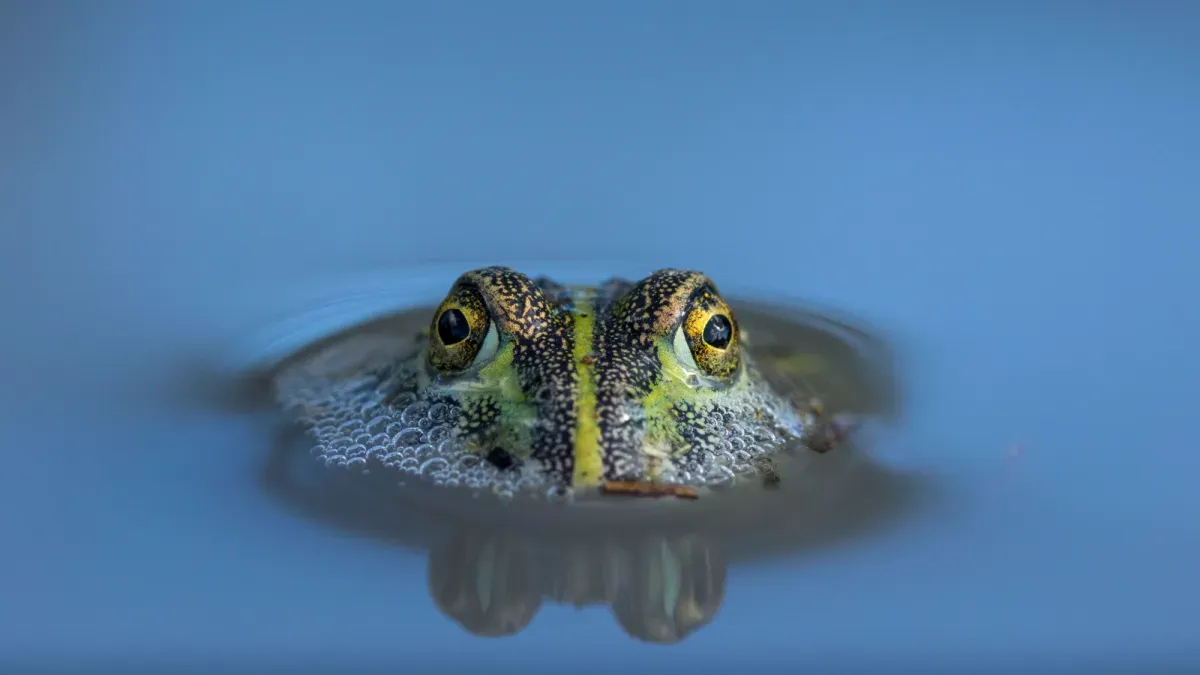
A young African Bullfrog (‘Pyxicephalus adspersus’) lies nearly submerged in a shallow pool in Nxai Pan National Park in Botswana.
The brain runs on glucose—a sugar in blood and the body’s main energy source. When that fuel runs out, neural activity falls apart very quickly. But American bullfrogs (Aquarana catesbeiana) have a surprising biological backup.
Editor’s note: To mark the 20th anniversary of the publication of Richard Dawkins’s bestseller The God Delusion, Stephen Meyer took to the pages of The Telegraph. His essay prompted 2,100+ reader responses. A recurrent challenge was the “God of the gaps” objection. Below, Dr. Meyer replies. Find the original article here. For more replies to readers, see here and here.
Some readers pose the familiar God-of-the-gaps objection. It claims that if an explanation cites intelligent design to explain something materialistic processes have not, the explanation invoking intelligence constitutes a fallacious “argument from ignorance” and leaves a “gap” in our knowledge.
Black hoods with brightly coloured trim. Black flowing robes to match. Square mortarboards and soft tams with gold tassels.
Graduating Memorial University students will be decked out in full academic regalia at the St. John’s Arts and Culture Centre on Thursday, Oct. 15, when more than 900 undergraduate and graduate degrees are conferred during three convocation ceremonies.
Spotting a liar is a vital skill. We all want to be better at it because lies can affect us in any number of ways, some of them harmful.
The trouble is, as studies have shown, reliably spotting when someone is lying is difficult. And there's a simple reason why: liars don't all look or behave the same way when they're lying.
When reading the news, you may occasionally be bemused by the flip-flopping science and health stories: one week you’re told coffee is good for you, the next week that it’s bad. Red wine extends your life, then it doesn’t. Over time, new scientific studies seemingly contradict one another, leaving us unsure what evidence to believe.
As a science journalist, I’ve learnt that often the actual problem is that each study is reported in isolation, rather than weighed against everything else we know. And sometimes, the risks of harm are high. For example, in September 2025, I reported on the US Food and Drug Administration’s announcement that it would add a warning label to the painkiller acetaminophen (paracetamol), claiming that taking the drug during pregnancy increased a child’s risk of autism. It made global headlines. Yet looking closer at the science, it was clear that the FDA and its parent health department had cherrypicked a few studies, and downplayed other more robust findings. This was confirmed a couple of months later when researchers published a major review that better represented the full body of knowledge.
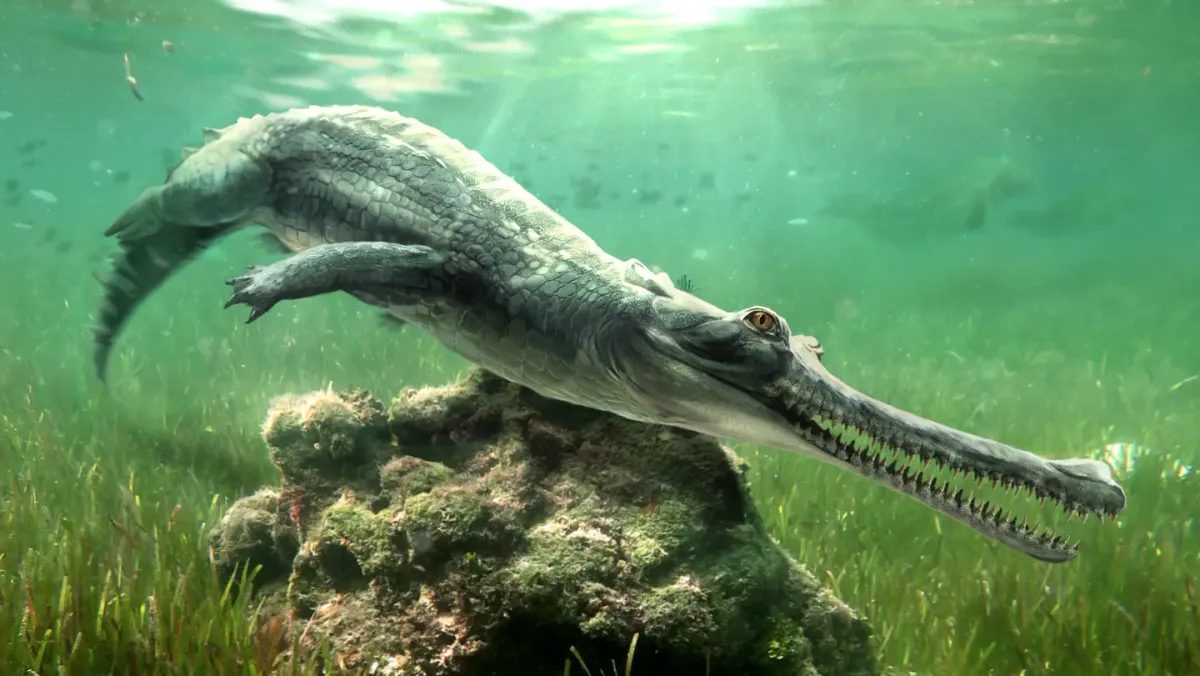
Much like the huge statue that was born from the same rocks, Herugavialis is missing its nose
Some 45 million years ago, Herugavialis (shown) snatched up fish in the coastal waters of the Tethys Ocean. The crocodilian has been identified as a unique branch of the gavial family tree.
NASA’s James Webb Space Telescope has revealed many protostars and stars within the glowing gases of NGC 7129. Hot, atomic hydrogen gas is shown here in the golden region, while cooler, molecular hydrogen gas, shocked by embedded protostars, is represented in red.
A cauldron of cosmic creation is being revealed in a new image from NASA’s James Webb Space Telescope. Webb has unveiled numerous stars formerly hidden by clouds of dust in a stellar nursery known as NGC 7129, which resides about 3,300 light-years from Earth.
It is 11 pm, and your brain has finally decided to cooperate. The task that felt impossible all afternoon suddenly seems manageable. You want to read, finish something, or follow an idea. Then the morning alarm rings. That energy has vanished, but the working day is starting anyway. For night owls, this clash can feel familiar. A Finnish study suggests their difficulties may extend beyond mornings: evening types were more likely to receive a disability pension years before the usual retirement age. Researchers followed 5,679 adults for 12 years. Before adjusting for other factors, evening types had an approximately 70 percent higher rate of receiving a disability pension than morning types, accounting for when pensions were awarded. The finding appeared in both men and women, and persisted after accounting for socioeconomic factors, including education and income. But health emerged as an important part of the explanation.
Many of the world’s most expensive perfumes begin with a wounded tree. When some Aquilaria trees are damaged, they produce a dark, fragrant resin that becomes agarwood, or oudh – an ingredient so valuable that wild trees have been illegally felled in its pursuit. The result has devastated wild Aquilaria populations. But what if perfumers could create the smell without cutting down the tree? With the help of AI, scientists are learning to predict how molecules that have never been made will smell, reconstructing scent-producing genes from flowers believed to be extinct. Others have collected microbes from clouds and used them as a starting point for new perfumes. Now scientists and biotechnology companies say advances could soon allow the fragrance industry to reproduce scents and compounds from endangered plants without repeatedly harvesting them. “Being able to recreate the scent of an endangered plant would be a huge win for both the environment but also the brands,” said Alex Wiltschko, the founder of Osmo, a Google Brain spin-off that has raised $130m to develop artificial intelligence capable of predicting and recreating smells.
Purina Institute will join WSAVA Congress in Poland to help veterinary teams turn trusted nutrition science into practical support for clients and their pets, /PRNewswire/ -- Purina Institute will join veterinary professionals from around the world at the 51st World Small Animal Veterinary Association (WSAVA) Congress in Warsaw, Poland, taking place 13–15 October 2026. As an ongoing Diamond Partner of WSAVA, Purina Institute will support the congress through its sponsored "Food for Thought" educational stream including eight globally renowned speakers, and as the sole sponsor of the WSAVA Global State of Companion Animal Veterinary Practice Report 2026, which will launch during the event. At WSAVA 2026, delivered in partnership with the Polish Small Animal Veterinary Association (PSAVA) and the Federation of European Companion Animal Veterinary Associations (FECAVA), Purina Institute's sponsored "Food for Thought" stream will highlight the role of nutrition in veterinary care, with presentations on hot topics including canine atopic dermatitis, antimicrobial stewardship and feline kidney disease.