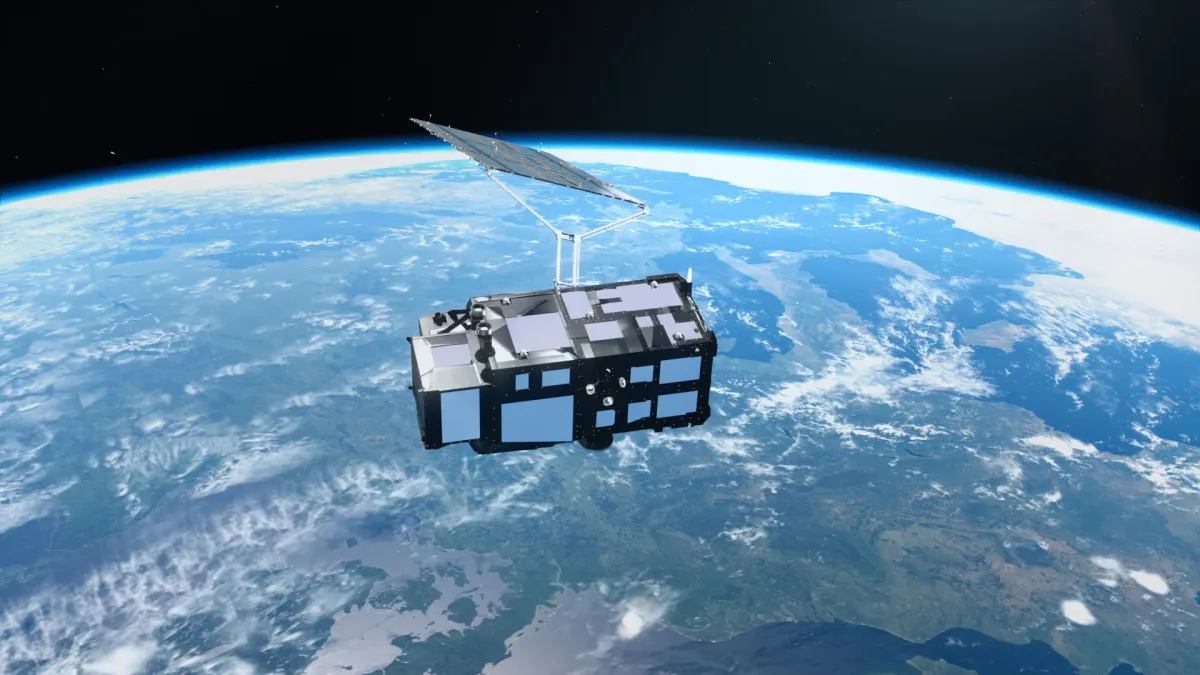
Just two weeks after reaching orbit, Europe's new Copernicus Sentinel-3C satellite has delivered its first spectacular images of Earth, revealing everything from the snow-covered Alps to the frozen Arctic and the brilliant turquoise waters of the Caribbean.
But the satellite is doing much more than taking beautiful pictures. Its instruments have also begun measuring ocean heights and the elevation of Greenland's massive ice sheet, providing an early demonstration of technology designed to monitor Earth's changing climate.
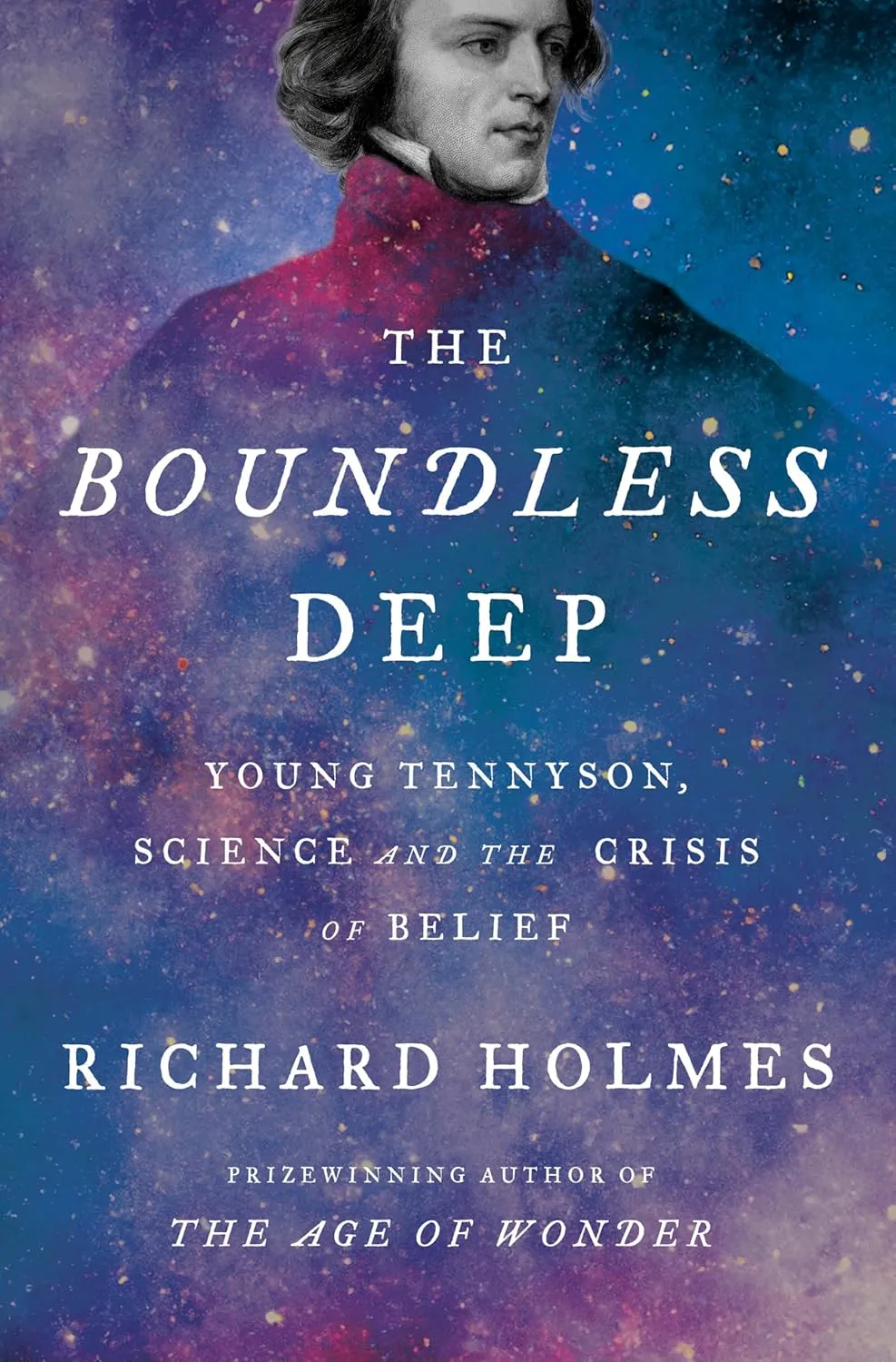
The image of Alfred Tennyson I’ve carried for decades goes back to the childhood card game of Authors that depicts him with a stately continence sharpened by a jutting black beard. He’s formidable, his aura superior. Holmes opens his biography of the youthful Tennyson by describing the similar formality of the imposing Tennyson statue at Trinty College Cambridge, sharing the honor with other Trinity greats, including Isaac Newton, Francis Bacon, and Thomas Babington Macaulay. Holmes doesn’t want to chip away at that statue but rather reveal its inner youthful core of the man—tall, handsome, and talented but unformed, emerging from a disturbed family of addicted or insane male siblings and four unusual sisters struggling under a violent alcoholic clergyman father. Alfred was certainly statuesque, but would he end up a block of unformed stone like his equally promising brothers?
He was youngest of three equally regarded Tennyson brothers at Cambridge, all bright, handsome, and talented, in fact Alfred regarded by some as less promising than his elders who also wrote poetry.
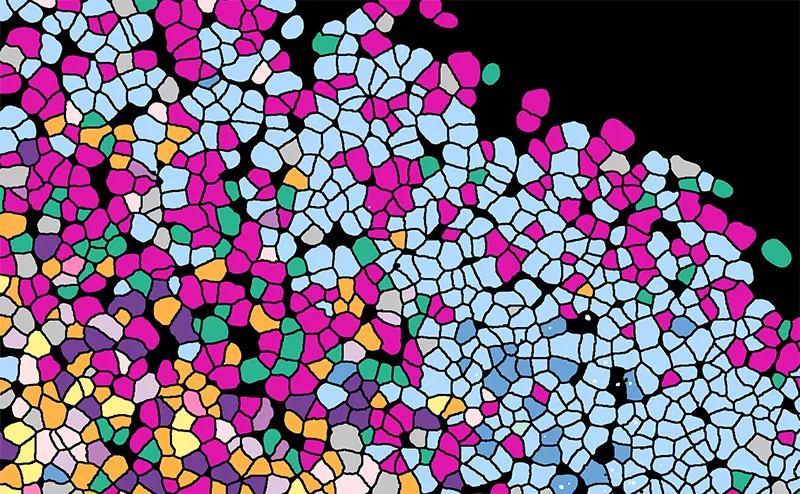
Why is location so important for immune cells?
Much like where we choose to live can influence our quality of life, access to resources and even how long we live, a cell’s location can influence its survival and function. This is particularly important in the lymph node, where an immune cell’s location can determine how effectively it responds to a threat, such as a viral infection.
Walter and Eliza Hall Institute of Medical Research·
Lead mining began during the 7th century in Derbyshire, England. Magpie Mine was the last facility to operate in the region. It opened in 1735 and finally closed in 1954.
Thanks to some medieval human teeth, archaeologists have pinpointed when lead production first expanded across Europe during the Middle Ages. By examining dental enamel collected from graves located in central England, researchers now know the post-Roman society started mining and smelting again during the mid-7th century. As the team explains in a study published today in the journal Antiquity, the consequences of exposure to the toxic were stark—but distributed unequally among locals.
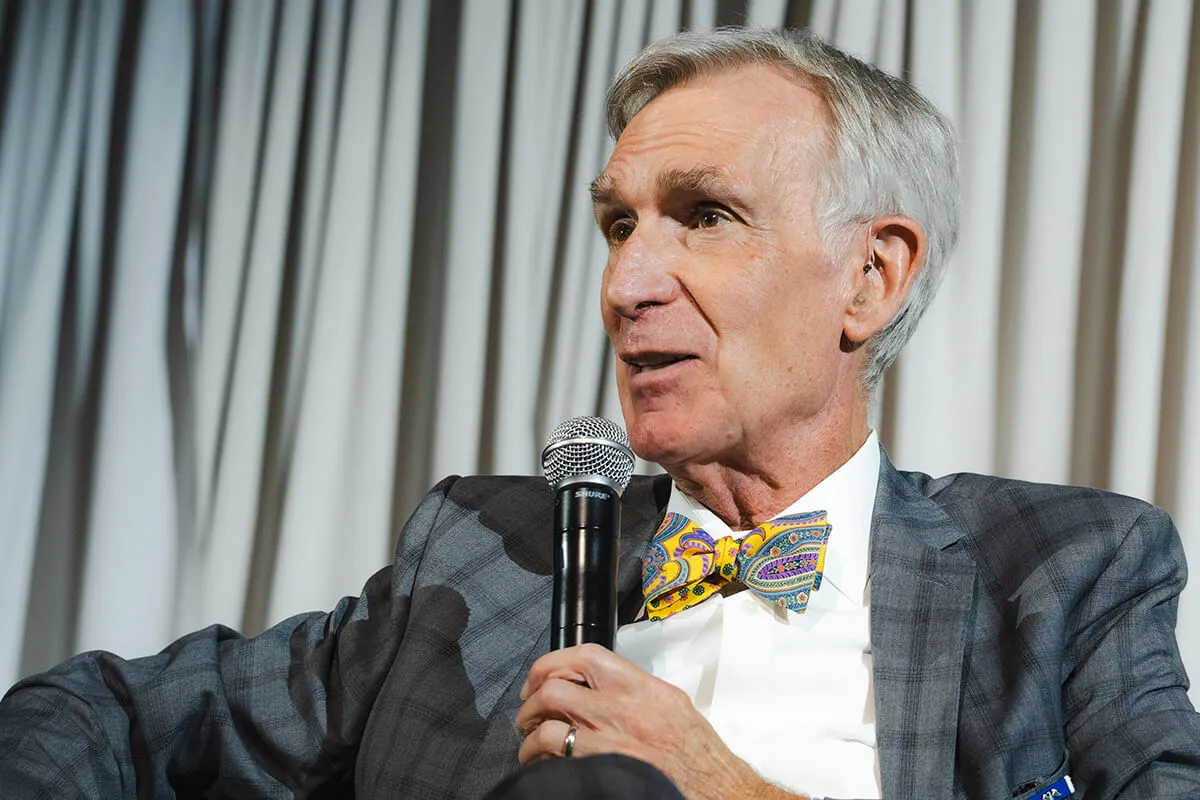
Newswise — When the first notes of the “Bill Nye the Science Guy” theme song began echoing through the Titan Student Union Portola Pavilion, students didn’t miss a beat. They sang along to the popular chorus — “Bill, Bill, Bill, Bill, Bill, Bill” — as the world-famous scientist and educator took the stage for the “Beyond the Conversation” series at Cal State Fullerton. Hosted by Associated Students Inc., the signature series invites notable speakers to campus to share their stories and spark dialogue among students. Bill Nye, who spoke to the Titan community on Oct. 7, joins a star-studded lineup of previous “Beyond the Conversation” speakers, including Olympic swimmer Michael Phelps, Oscar winner Ke Huy Quan, and Emmy and Grammy Award-winning actress Cynthia Erivo. As the co-creator and host of the Emmy Award-winning ’90s television series “Bill Nye the Science Guy,” Nye has emerged not only as an entertaining educator but also as an influential advocate for science and facts in an era of misinformation.
UNESCO invites institutions worldwide to contribute to Women in Science: A story in motion, an exhibition part of its Virtual Science Museum, launched in December 2025 and co-created with museums and scientific institutions. Contributions should broaden the exhibition’s geographical, disciplinary and historical perspectives.
Eligible institutions include museums and science centres; research institutions, laboratories and universities; UNESCO Category 2 Centres and associated scientific bodies; academies, learned societies and scientific networks; and foundations and organizations with a scientific or science communication mandate. Institutions may submit multiple contributions. Individuals should participate through a contributing institution.
The real problem with smartphone use may not be how many hours people spend staring at their screens. What they do during that time could be even more important.
Researchers at Semmelweis University have found that problematic smartphone use is closely associated with poor self-control and a strong fear of missing out (FOMO), rather than personality traits alone. Their findings also highlight potential consequences for the brain and body. Heavy scrolling is linked to poorer memory, reduced concentration, and disrupted sleep, while prolonged phone use may contribute to posture problems that affect balance and reaction time.
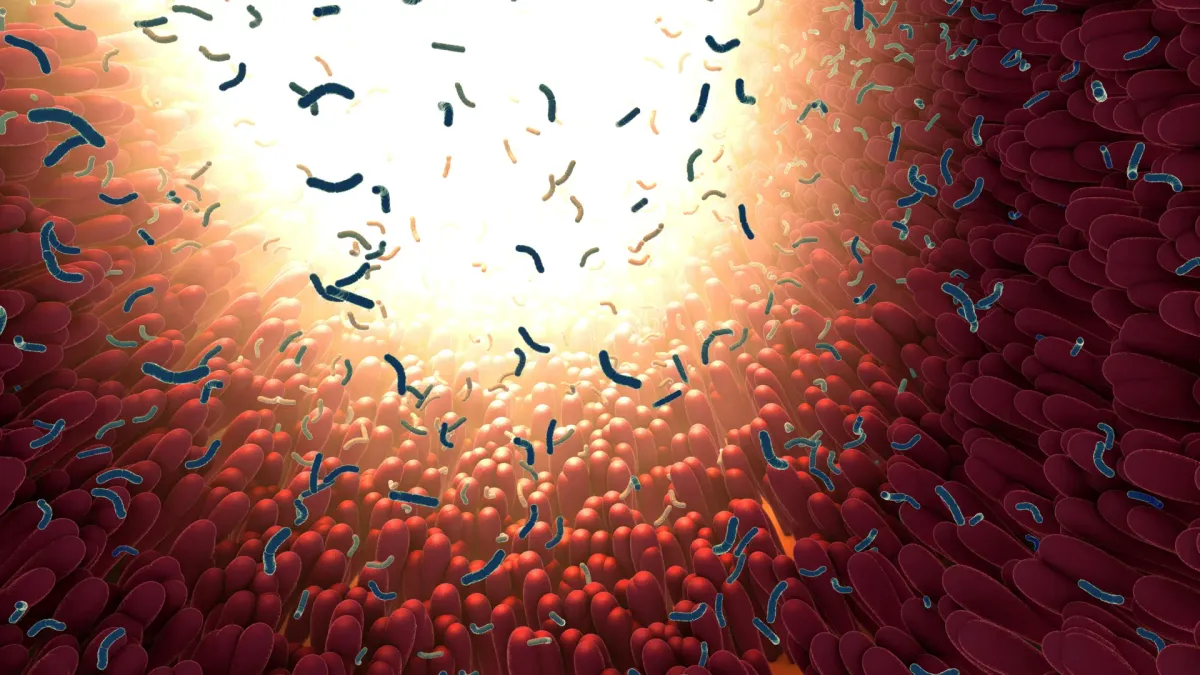
A 3D render of an inflamed bowel. (ALIOUI Mohammed Elamine/Canva)
For people with inflammatory bowel disease, feeling better on treatment doesn't always mean a permanent improvement – the disease can flare again. A study suggests part of the explanation may lie in intestinal cells that stay fragile even when symptoms such as abdominal pain and diarrhea are controlled. Crohn's disease and ulcerative colitis are the main forms of inflammatory bowel disease (IBD). Both involve chronic inflammation of the digestive tract. Treatment can bring IBD into remission, a period when its activity subsides, but another flare can follow. A form of inflammatory bowel disease, Crohn's disease is an inflammation of the intestinal wall. (CDC)Researchers found signs of abnormal cell death in gut tissue even from patients whose disease was under control. "The bowel may still carry a vulnerability that is not apparent from symptoms alone," gastroenterologist Britt Christensen, head of the Inflammatory Bowel Disease Unit at the Royal Melbourne Hospital, told ScienceAlert.
The calorie count printed on a food package might seem like a straightforward measure of how much energy you will get from eating it. But the number on the label does not necessarily match the calories your body actually absorbs. One reason is that digestion involves more than just breaking down food. It also depends on trillions of microorganisms living inside your digestive system.
Researchers at Arizona State University have developed a mathematical model that explores this often overlooked part of digestion. Known as DAMM, short for digestion, absorption and microbial metabolism, the model tracks how food moves through the digestive tract, how much energy the body absorbs directly, and how gut microbes process whatever remains. It also estimates which products of digestion are absorbed and which leave the body as waste.
More than 2 billion years ago, Earth underwent a dramatic transformation as oxygen began building up in its atmosphere. But that change left scientists with a major mystery: How did the planet maintain enough oxygen to remain habitable over millions of years?
Researchers have now uncovered evidence that the answer may lie in an ancient recycling system within Earth's oceans. By studying rocks from South Africa, they found that changes in ocean chemistry helped create a natural cycle in which biological activity supported the continued accumulation of atmospheric oxygen.
Image for illustration purposes only (ZME Science).
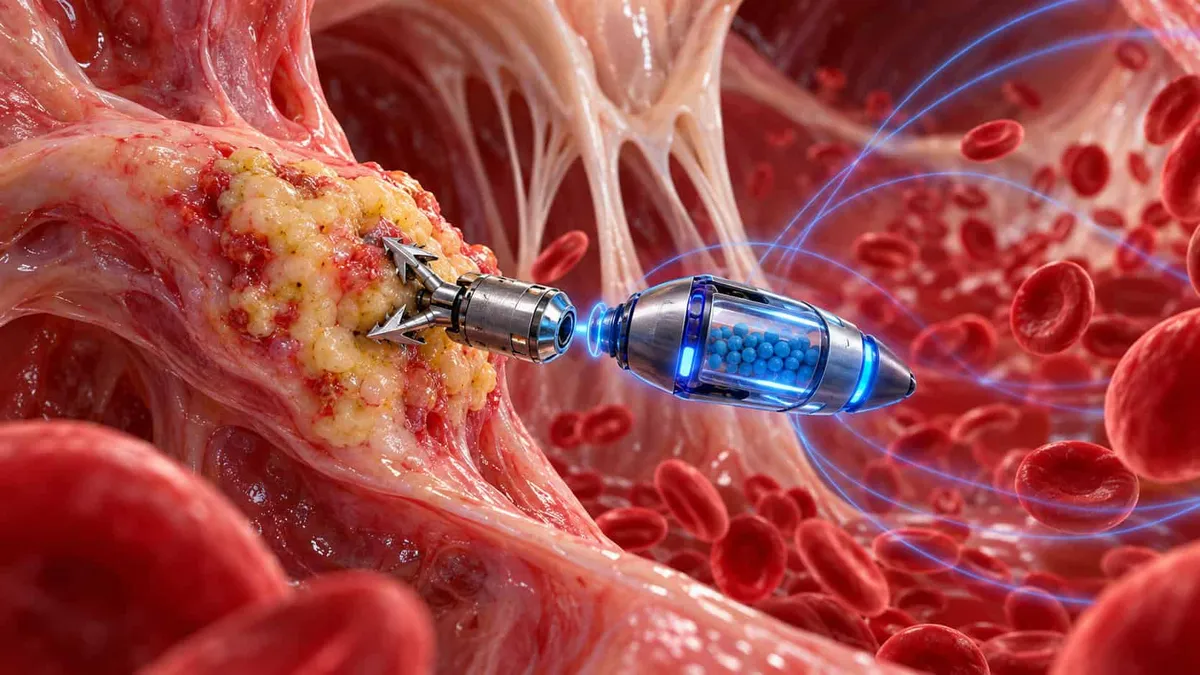
Engineers at Johns Hopkins University have developed two miniature robots that work together to deliver medicine directly to the heart. One anchors itself to heart tissue, while the other finds its partner, docks with it, and releases medication. If another dose is needed, the delivery robot can detach and make way for a replacement.
Soft Science keep “Fade” light on its feet. Matt Levine’s guitar carries much of the texture, bright and hazy without swelling into a wall of sound, while Katie Haley’s vocal stays soft enough to leave plenty of space around it.
The guitar gives the song its character. Repeated figures shimmer beneath the vocal, creating movement without disturbing the calm of the arrangement. Even as more layers come in, “Fade” stays gentle and uncluttered.
Octopuses, squid, and cuttlefish possess some of the most sophisticated nervous systems in the animal kingdom, giving them remarkable abilities such as solving problems and rapidly changing their appearance to blend into their surroundings. But how did these extraordinary capabilities evolve? Scientists have uncovered a surprising clue that may lie not in the genes themselves, but in the way DNA is folded and arranged inside cells.
Researchers at the University of Vienna discovered that a massive reorganization of DNA hundreds of millions of years ago brought previously separated genetic regions into contact. These newly formed connections changed how genes could interact and be controlled, potentially helping drive the evolution of the unusually complex nervous systems found in these animals, which are collectively known as coleoid cephalopods.
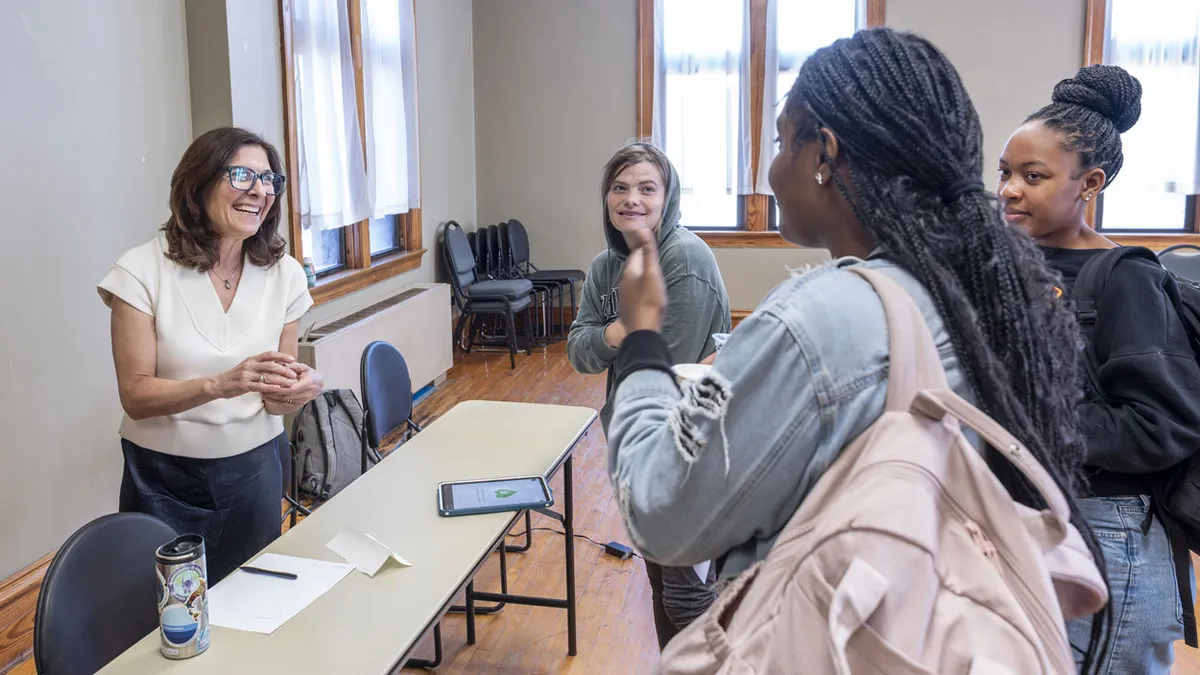
Friday’s concert at the Touhill benefitted Tela Coral, a nonprofit Berwald co-founded working to preserve coral colonies off the coast of Honduras.
Author Juli Berwald talks to graduate students in the Department of Biology during a visit to campus last Wednesday afternoon. (Photo by Steve Walentik)
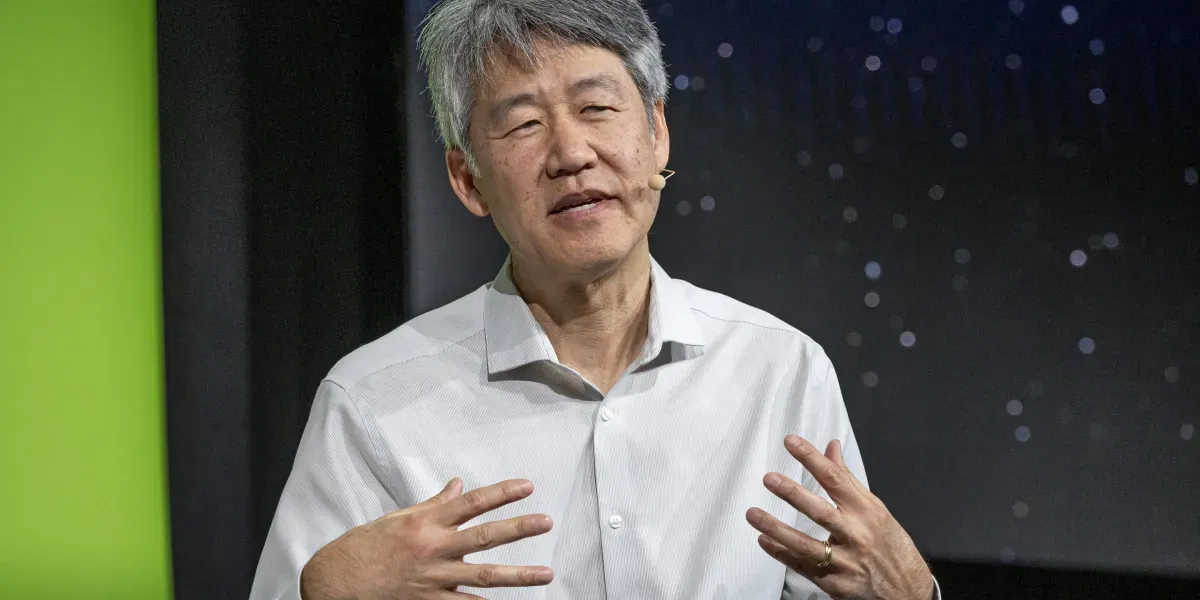
Peter Lee, who recently announced his departure as president of Microsoft Science, plans to join the Mercedes Formula 1 team in a newly created AI advisor role, he told Fortune.
Lee spent 16 years at Microsoft shaping its science and research efforts, exploring how AI can help doctors and scientists crack hard problems in the physical, biological, and medical sciences. At Mercedes, he said, he’ll focus on four main goals: using AI to tackle physics problems for the team’s car, breaking down organizational and data silos across departments, building financial and predictive data models, and advising the team on how the sport’s regulators might govern AI use.
Hundreds of the nation’s smartest computer scientists gathered for a conference in Denver last fall, and Tuan Tran had a big test for them:Could they tell the difference between the real Brad Pitt and an AI-generated version of him? Tran, a doctoral candidate in computer science at CU Boulder, rolled the tape on a large projector. Only half of the audience could spot the deepfake. “These deepfake generating models are becoming very strong,” Tran said. To address this, Tran and a team of researchers at CU Boulder set out last year to build their own system for spotting fakes in video. It uses far less computing power to achieve the same results as the current detection models. The team of scientists at CU Boulder who developed a new deepfake detection system includes, from left, Eric Keller, Sangtae Ha, Shirin Ebadi and Tuan Tran. (Credit: Scott Franz/CU Boulder)Their findings were presented at SIGCOMM, a flagship conference in computer networking and systems held in August in Denver. Bad actors have used AI-generated deepfakes to impersonate financial officers at major companies and convince employees to wire large amounts of money.
In 1991, the Teenage Mutant Ninja Turtles stumbled into a fight with the American beef industry.
A children’s alphabet book featuring the cartoon heroes warned about methane from cattle warming the planet and urged readers to eat less meat. The National Cattlemen’s Association made a big fuss out of it and Random House, the publisher of the book in question, agreed not to reprint it.