Image for illustration purposes only (ZME Science).
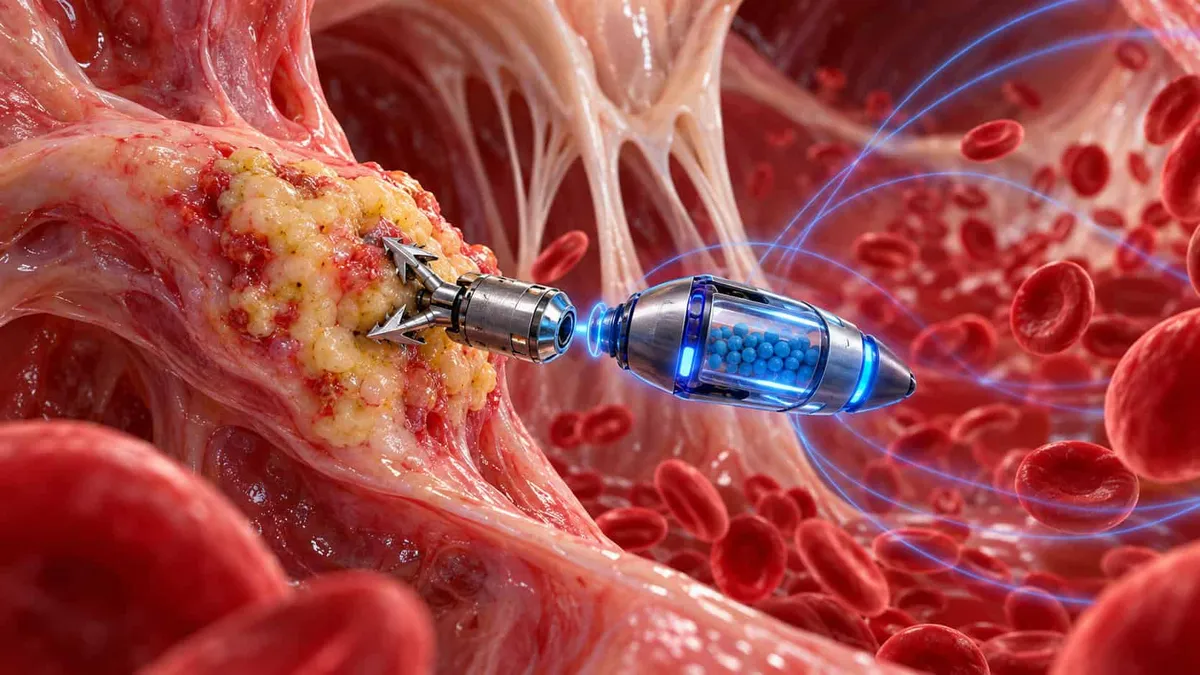
Engineers at Johns Hopkins University have developed two miniature robots that work together to deliver medicine directly to the heart. One anchors itself to heart tissue, while the other finds its partner, docks with it, and releases medication. If another dose is needed, the delivery robot can detach and make way for a replacement.
Soft Science keep “Fade” light on its feet. Matt Levine’s guitar carries much of the texture, bright and hazy without swelling into a wall of sound, while Katie Haley’s vocal stays soft enough to leave plenty of space around it.
The guitar gives the song its character. Repeated figures shimmer beneath the vocal, creating movement without disturbing the calm of the arrangement. Even as more layers come in, “Fade” stays gentle and uncluttered.
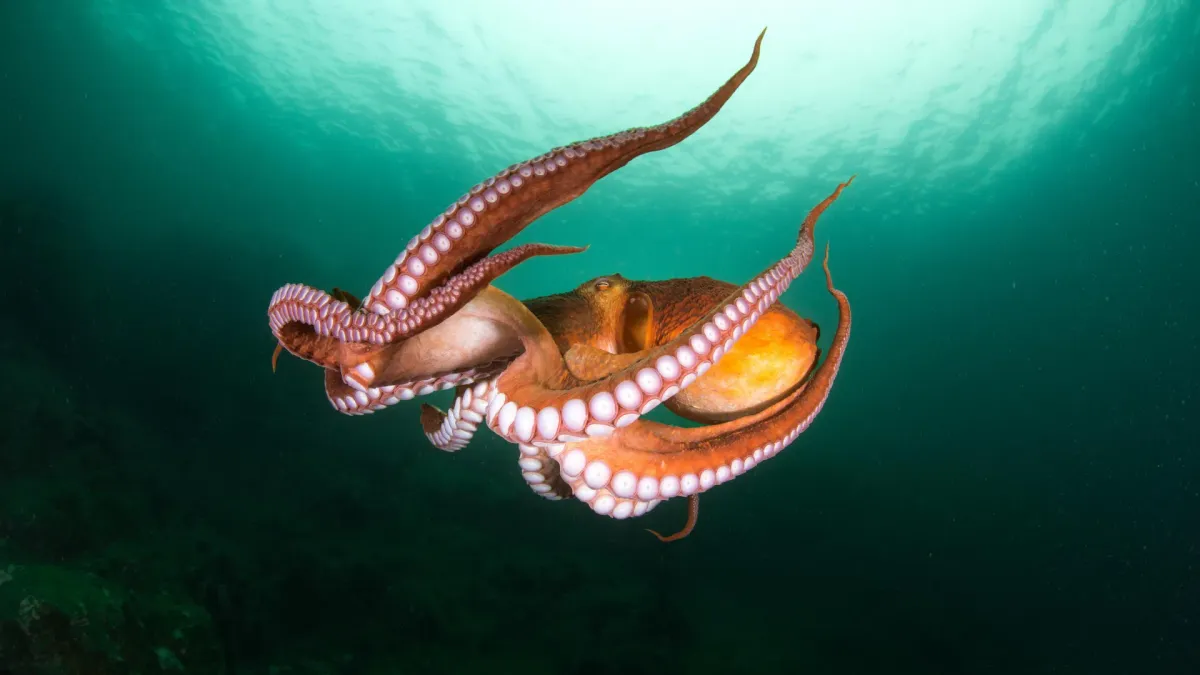
Octopuses, squid, and cuttlefish possess some of the most sophisticated nervous systems in the animal kingdom, giving them remarkable abilities such as solving problems and rapidly changing their appearance to blend into their surroundings. But how did these extraordinary capabilities evolve? Scientists have uncovered a surprising clue that may lie not in the genes themselves, but in the way DNA is folded and arranged inside cells.
Researchers at the University of Vienna discovered that a massive reorganization of DNA hundreds of millions of years ago brought previously separated genetic regions into contact. These newly formed connections changed how genes could interact and be controlled, potentially helping drive the evolution of the unusually complex nervous systems found in these animals, which are collectively known as coleoid cephalopods.
Friday’s concert at the Touhill benefitted Tela Coral, a nonprofit Berwald co-founded working to preserve coral colonies off the coast of Honduras.
Author Juli Berwald talks to graduate students in the Department of Biology during a visit to campus last Wednesday afternoon. (Photo by Steve Walentik)
Peter Lee, who recently announced his departure as president of Microsoft Science, plans to join the Mercedes Formula 1 team in a newly created AI advisor role, he told Fortune.
Lee spent 16 years at Microsoft shaping its science and research efforts, exploring how AI can help doctors and scientists crack hard problems in the physical, biological, and medical sciences. At Mercedes, he said, he’ll focus on four main goals: using AI to tackle physics problems for the team’s car, breaking down organizational and data silos across departments, building financial and predictive data models, and advising the team on how the sport’s regulators might govern AI use.
Hundreds of the nation’s smartest computer scientists gathered for a conference in Denver last fall, and Tuan Tran had a big test for them:Could they tell the difference between the real Brad Pitt and an AI-generated version of him? Tran, a doctoral candidate in computer science at CU Boulder, rolled the tape on a large projector. Only half of the audience could spot the deepfake. “These deepfake generating models are becoming very strong,” Tran said. To address this, Tran and a team of researchers at CU Boulder set out last year to build their own system for spotting fakes in video. It uses far less computing power to achieve the same results as the current detection models. The team of scientists at CU Boulder who developed a new deepfake detection system includes, from left, Eric Keller, Sangtae Ha, Shirin Ebadi and Tuan Tran. (Credit: Scott Franz/CU Boulder)Their findings were presented at SIGCOMM, a flagship conference in computer networking and systems held in August in Denver. Bad actors have used AI-generated deepfakes to impersonate financial officers at major companies and convince employees to wire large amounts of money.
In 1991, the Teenage Mutant Ninja Turtles stumbled into a fight with the American beef industry.
A children’s alphabet book featuring the cartoon heroes warned about methane from cattle warming the planet and urged readers to eat less meat. The National Cattlemen’s Association made a big fuss out of it and Random House, the publisher of the book in question, agreed not to reprint it.
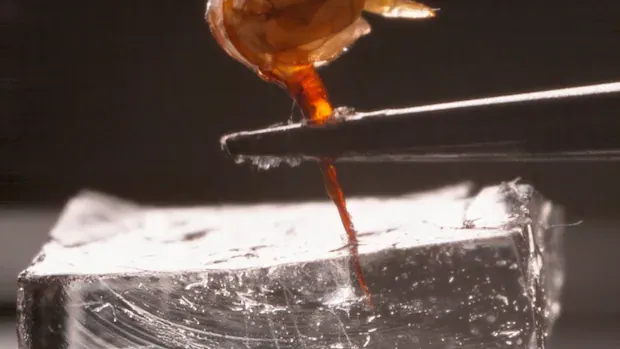
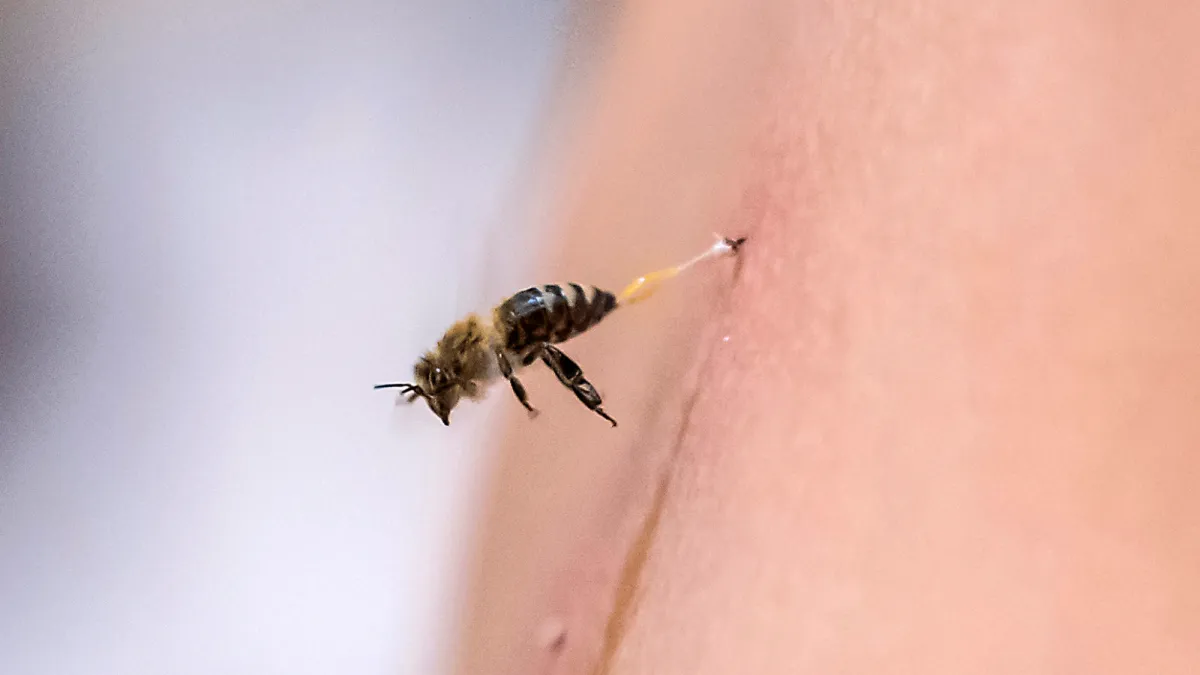
ScienceNew research is showing what makes honeybee stings an effective, self-driving weapon. High speed cameras reveal how the stinger uses a double-piston that pumps up and down to drive it deeper while delivering its poison. New research slows down and shines light on a fatal defense mechanismAnand Ram · CBC News · Posted: Oct 12, 2026 3:00 PM EDT | Last Updated: October 12Listen to this articleEstimated 5 minutesThe audio version of this article is generated by AI-based technology. Mispronunciations can occur. We are working with our partners to continually review and improve the results. High speed videography of an experiment captures how a western honey bee's stinger embeds itself deeper. (Ramirez Esquivel et al. 2026)The stinger of a western honey bee (Apis mellifera) is a weapon of last resort, designed to embed itself and deposit venom in flesh — most often resulting in the worker bee's death. New research published in the Proceedings of the National Academy of Sciences is quite literally shedding light on what makes this defence mechanism so effective.
A bee stings the back of a patient receiving treatment at the workshop of Sayed al-Sayeh, an apitherapist who originally trained as an agricultural engineer, in a suburb of Giza, Egypt on June 11, 2021. Al-Sayeh offers his traditional medicine treatment free of charge, in principle using bees' sting venom to treat rheumatic pain, nerve inflammation, and arthritis.
It’s one of nature’s seemingly magical tricks. A honey bee (Apis mellifera) stings a victim, and the stinger will still pump venom into a wound even after it has fully detached from the bee’s body. Thanks to some high-speed video, we may finally know the secrets behind this sting.
Two decades ago, the book of the breathless hour was The Accidental Mind: How Brain Evolution Has Given Us Love, Memory, Dreams, and God (2007) by Johns Hopkins neuroscientist David J. Linden. From the publisher:
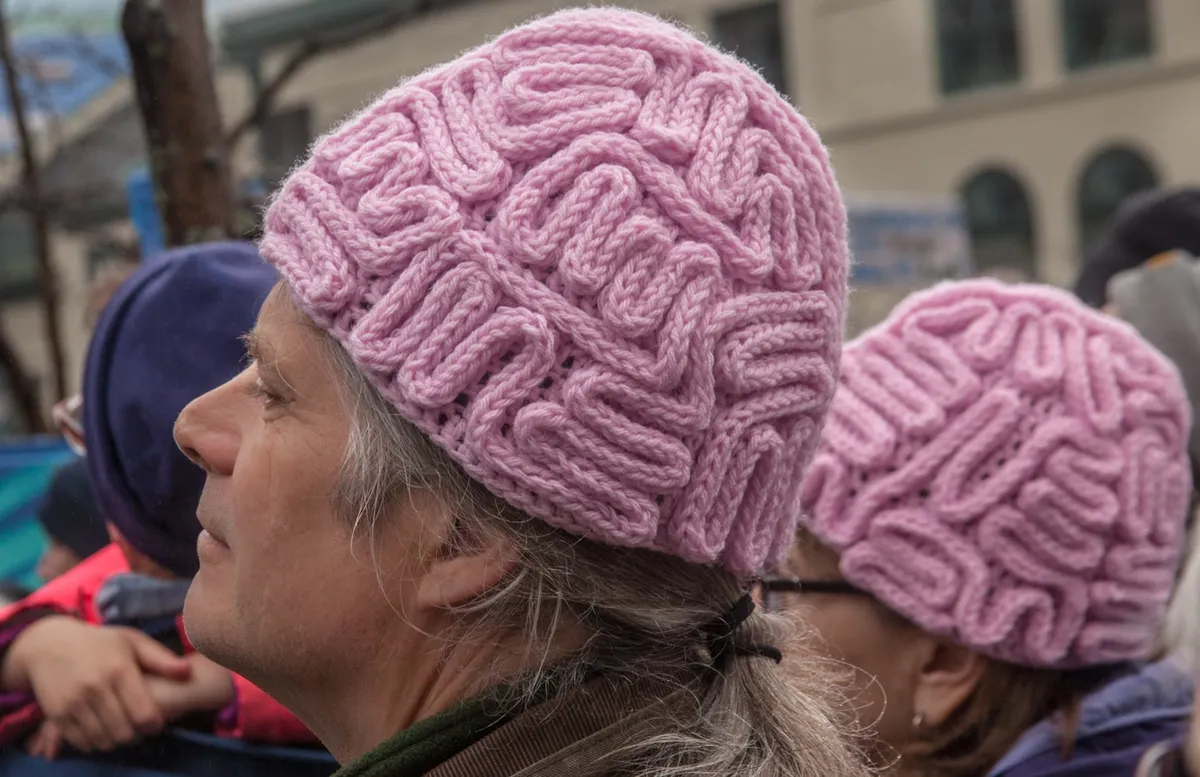
You’ve probably seen it before: a human brain dramatically lit from the side, the camera circling it like a helicopter shot of Stonehenge, and a modulated baritone voice exalting the brain’s elegant design in reverent tones.
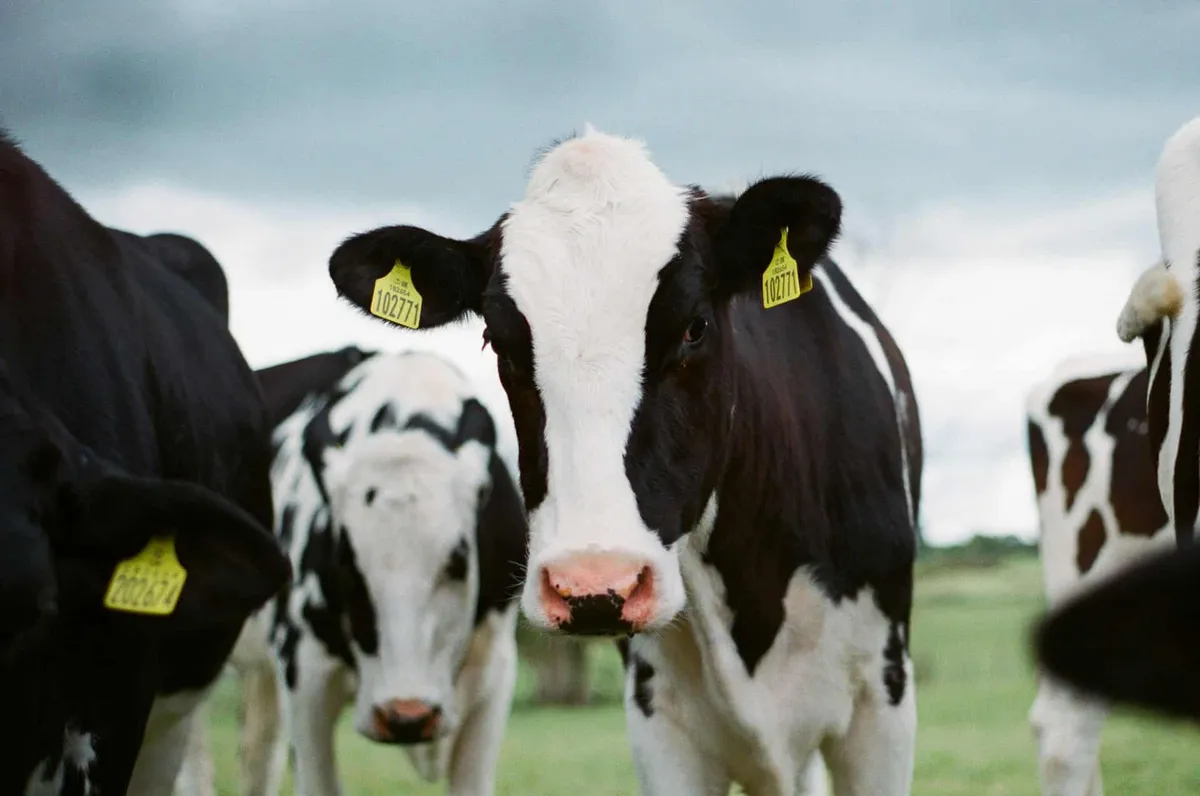
Oct 12, 2026By Farms.com Researchers discover cattle pregnancies can succeed without a protein long considered essential For many years, scientists believed that a protein known as interferon tau (IFNT) was essential for successful pregnancy in cattle. This protein is produced by the developing embryo and was thought to send a crucial signal to the mother, helping maintain the pregnancy. However, new research from Ludwig Maximilian University (LMU) Munich has challenged this long-standing scientific belief. The study, recently published in Nature Communications, found that cattle embryos can establish and maintain pregnancies even without producing interferon tau. The discovery could change how scientists understand reproduction in cattle and may lead to new strategies to improve fertility in livestock. The research team, led by Dr.
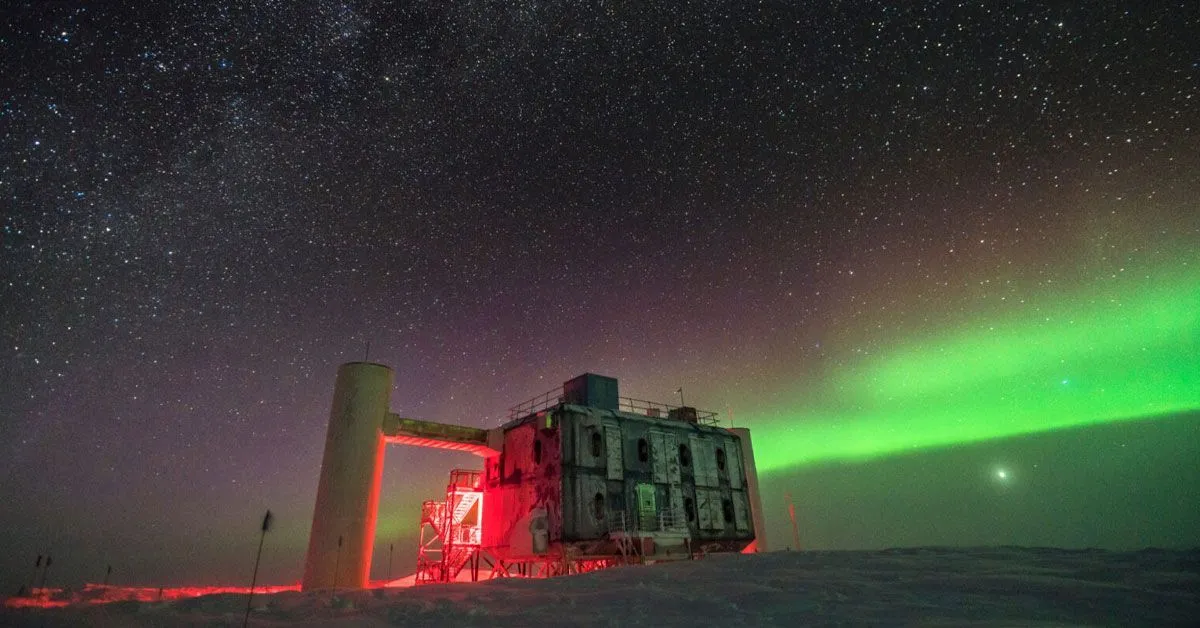
A long-standing collaboration with the San Diego Supercomputer Center (SDSC) at the University of California San Diego has helped provide the computing expertise for the search for high-energy neutrinos from space, work recognized this week with the 2026 Nobel Prize in Physics.
Francis Halzen, the University of Wisconsin–Madison physicist whose vision and leadership helped establish the IceCube Neutrino Observatory, was awarded the prize on October 6 “for decisive contributions to the IceCube Neutrino Observatory and the discovery of high-energy neutrinos of astrophysical origin.” The recognition also marks a moment of celebration for SDSC – a division of the Halıcıoğlu School of Data Science and Computing – which has partnered with IceCube for more than a decade to advance the computing infrastructure supporting its science
Athletech News provides comprehensive media coverage of the most impactful news and trends shaping the fitness and wellness sector. Our newsletter and website cover emerging fitness technology, brick and mortar gyms, wellness trends, new fitness formats and the industry’s economic outlook.
Add Athletech News as a preferred source on Google?
Some are celebrating Canada’s government “indefinitely suspending” legalizing euthanasia for mental illness as a great victory for life. Not me.
Here’s why. Of course, I am gratified that mental illness will not become grounds for being killed in 2027 as was scheduled. But note: In announcing the suspension, the government mooted legislation likely to pass that would have permanently outlawed killing for mental illness. Moreover, “indefinite” can mean years — or a month. So, it’s not a matter of principle.
In 1960, scientists published a mathematical model predicting that humanity would face a population catastrophe on November 13, 2026. Credit: ShutterstockFor decades, a doomsday equation predicted population growth better than most experts, until falling birth rates undermined its forecast of catastrophe in 2026. In 1960, Science, one of the world’s leading science journals, published an article with an unambiguous title: Doomsday: Friday, 13 November, A. D. 2026. It predicted that on this future date—just over a month from today—the human population would approach infinity and effectively annihilate itself. The outlandishness of the claim landed the article in widespread public attention. More surprisingly—because its underlying research and math seemed sound—it also received careful and sustained scientific attention. The authors—Heinz von Foerster, an Austrian-American professor and cybernetics expert, and two of his students, Patricia M. Mora and Lawrence W. Amiot—argued that human populations are exceptional and might grow beyond an exponential rate, at an ever-increasing one. “Our great-great-grandchildren will not starve,” they argued.
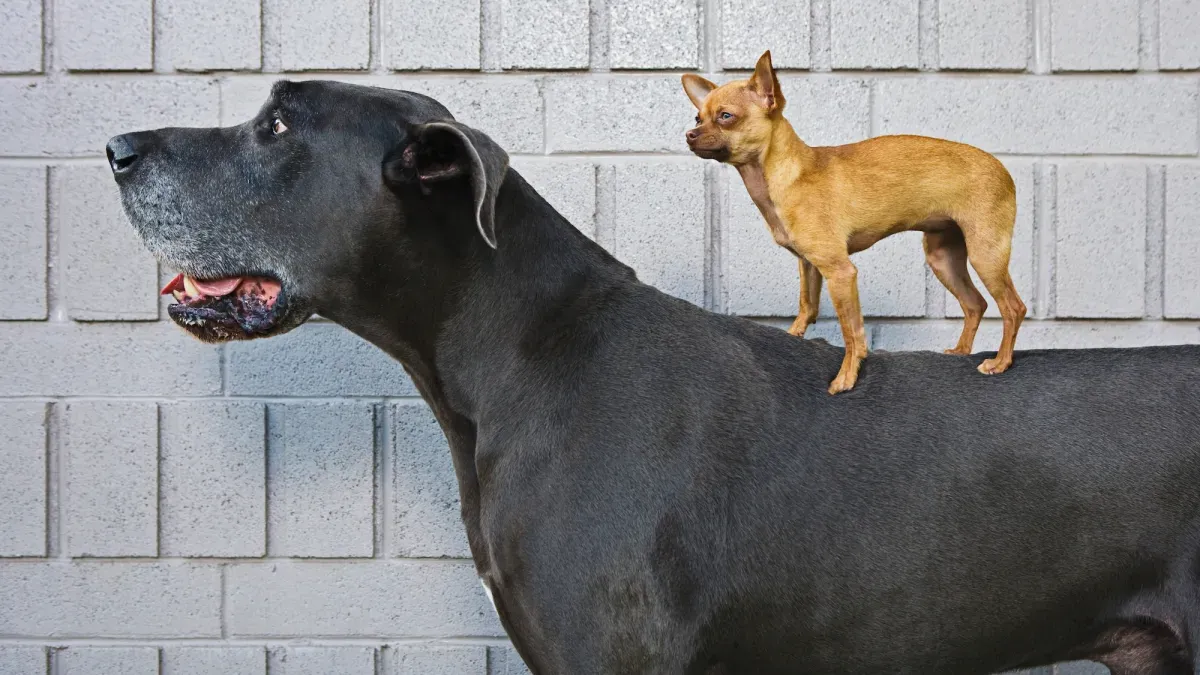
In many mammal species, larger size corresponds to longer lives. That's not the case with dogs, however.
A first-of-its-kind genetic analysis of dog breeds presents the clearest insights into why larger dogs rarely outlive their smaller relatives. According to a team of biologists writing in the journal Science, the longstanding size–age correlation is likely due to “jumping genes” that inevitably begin sowing chaos inside canine DNA as dogs get older.
NASA experiments focused on human and plant health and drug-resistant organisms will travel to the International Space Station aboard SpaceX’s 35th Commercial Resupply Services mission for the agency from Cape Canaveral Space Force Station in Florida, advancing research that benefits life on Earth and future exploration.
This research supports astronaut health during long-duration missions through four investigations from the agency’s Biological and Physical Sciences division, including 3D models of the human brain, a crop disease study, a faster way to assess astronaut health, and an analysis of antibiotic-resistant bacteria aboard the space station.