Scientists find a surprising genetic twist behind octopus intelligence - Science Daily
This story deserves to be shared
Send it to someone who'd care, or post it on your networks.
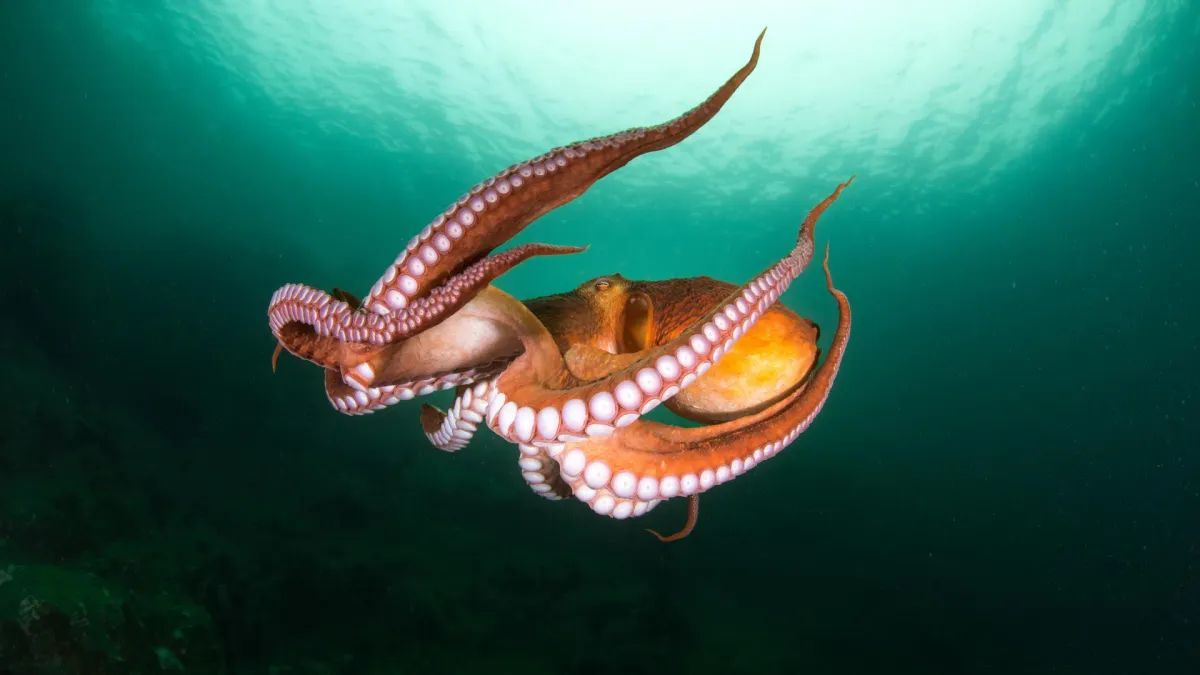
Octopuses, squid, and cuttlefish possess some of the most sophisticated nervous systems in the animal kingdom, giving them remarkable abilities such as solving problems and rapidly changing their appearance to blend into their surroundings. But how did these extraordinary capabilities evolve? Scientists have uncovered a surprising clue that may lie not in the genes themselves, but in the way DNA is folded and arranged inside cells.
Researchers at the University of Vienna discovered that a massive reorganization of DNA hundreds of millions of years ago brought previously separated genetic regions into contact. These newly formed connections changed how genes could interact and be controlled, potentially helping drive the evolution of the unusually complex nervous systems found in these animals, which are collectively known as coleoid cephalopods.
This article is an excerpt. To read the full content, visit the original source. Science Daily
Related articles
A primary cell culture platform for studying venom gland and brain tissue in octopus - Nature
We’re sharing this article early to provide faster access to peer-reviewed, accepted research. It is citable and carries a permanent DOI. This version is subject to further edits and will be replaced automatically by the final Version of Record. All legal disclaimers apply. AbstractColeoid cephalopods, squids, cuttlefish, and octopuses, have emerged as powerful model organisms for studying neurobiology, development, and behavior, however, cellular tools for investigating their specialized tissues remain limited. In particular, their venom producing gland, the posterior salivary gland (PSG), has been extensively described anatomically and histologically, yet remains largely inaccessible to experimental investigation at the cellular level. Here, we report the first establishment of primary cell cultures derived from both the optic lobe (OL) and PSG tissues of Octopus bimaculoides. Building on recent advances in cephalopod brain cultures, we adapted and optimized dissociation and culture conditions to support short-term survival and attachment of cells in vitro.
Pink, pretty, and protective. A dumbo octopus is here with a message from the deep-sea. - Popular Science
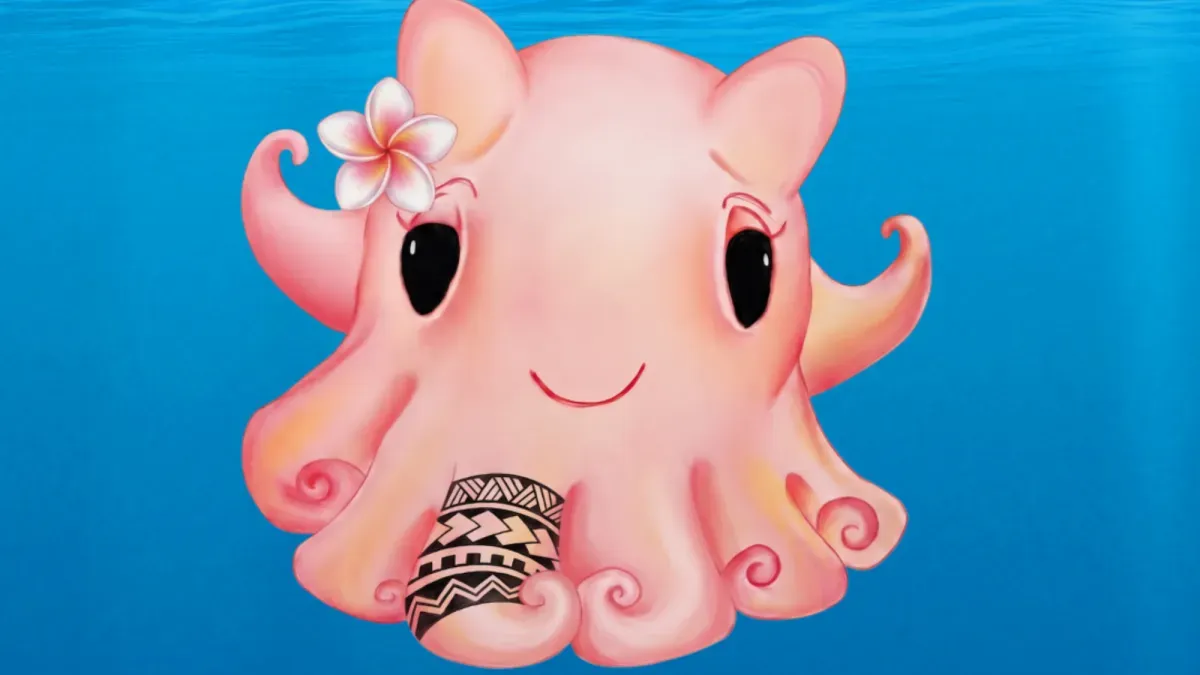
She’s bubblegum pink with a permanent little smile. She sports a pretty flower on her head sports a black tattoo on one of her eight arms. But don’t let this dumbo octopus’ adorable exterior fool you. Miss Abyss is here on serious business. “Miss Abyss is a dumbo octopus from the deep-sea, and she is on a journey all across the country looking for allies to support her to help defend the deep-sea,” Angelo Villagomez, a research fellow at the Center for American Progress (CAP), tells Popular Science.
World Octopus Day: new discoveries about the world’s smartest invertebrates - news - Mongabay
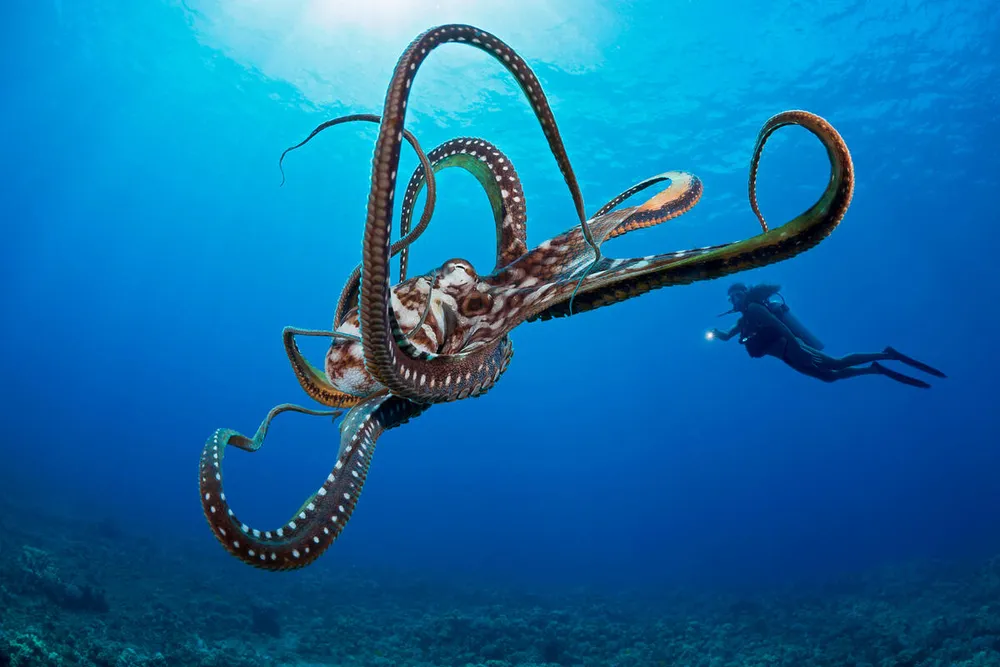
Happy World Octopus Day! Every Oct 8, the world celebrates one of the more unusual creatures of the sea. Octopuses are well-known for their eight legs and ability to squirt ink when frightened. They’ve also been known to use tools, a sign of intelligence, and can shape-shift to mimic the colors and texture of their surroundings, an effective way to disappear from both predators and prey. Mongabay has reported on several octopus discoveries this year, including:

A Black Hole 12,000 Light-Years Away Is Firing a Plasma Jet Toward Earth - Gadget Review
Milky Way’s first microblazar candidate sits 12,000 light-years away, offering a rare ground-level lab for studying relativistic jetsA black hole 12,000 light-years away is firing a jet of plasma almost directly toward Earth. At that distance, no known or expected danger to Earth has been identified by the researchers or the institutions involved. What astronomers have actually found is rarer and more interesting than a threat. Researchers have identified IRAS 18293-0941 as a compelling candidate for the Milky Way’s first microblazar, a class of object that gives astrophysicists a close-up laboratory for studying some of the most violent physics in the galaxy. What Astronomers FoundThe discovery centers on a binary system whose black hole expels plasma jets at close to three-quarters the speed of light, pointed almost directly toward Earth. The system pairs a hot, massive star with a black hole that completes a full orbit roughly every 11.38 days. Material drawn from the companion star feeds the black hole, and some of that matter gets expelled outward as opposing jets traveling at approximately three-quarters the speed of light. Terminology matters here.
Drowned 5,000-year-old forests off Mozambique now shelter reef fish, no coral needed - Yahoo
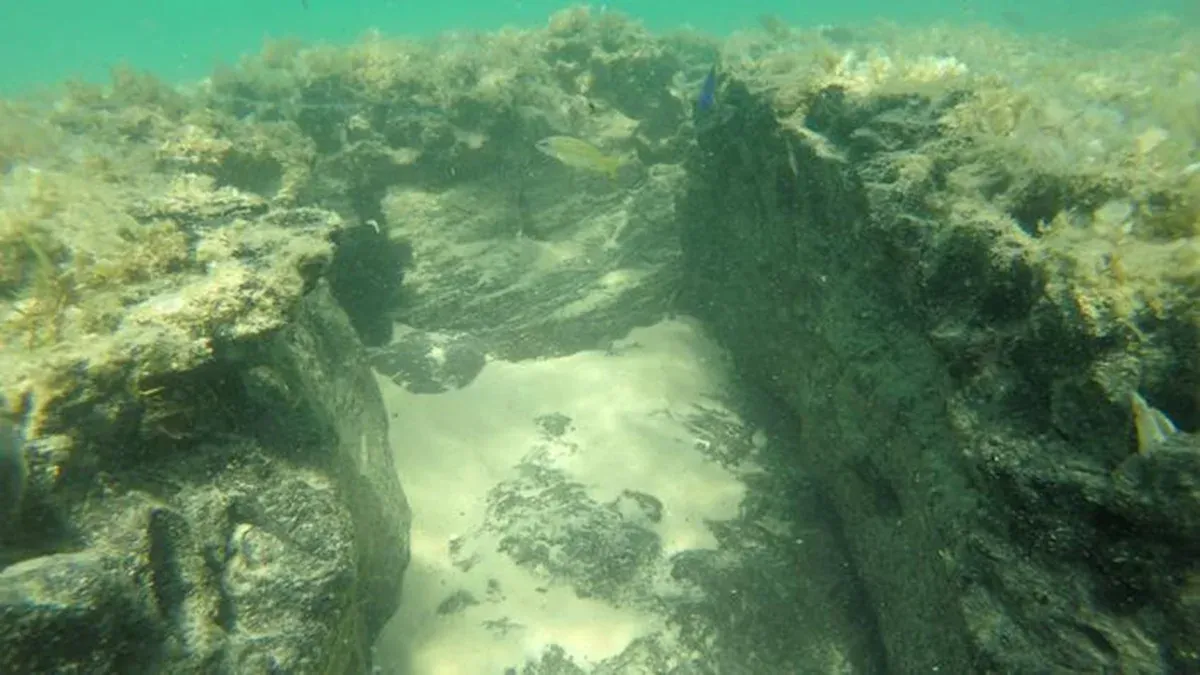
Forests that stood on Mozambique's coast thousands of years ago now lie beneath shallow seas, and they have become fish-filled "peat reefs" with marine life comparable to coral reefs, researchers report in Scientific Reports. A team from the Bazaruto Center for Scientific Studies (BCSS) Ocean Observatory, led by Mario Lebrato, documented the submerged peat in the Bazaruto Archipelago in the Western Indian Ocean. BCSS, founded in 2017, describes itself as Africa's first permanent ocean observatory. Working with universities and institutions in the U. K., U. S. and Canada, the team believes it has carried out the first ecological study of peat reefs anywhere in the tropics. Old forests, new seafloorRadiocarbon dating shows the peat formed between about 300 and 5,000 years ago, and chemical analysis indicates it came mostly from coastal land plants and trees. Some samples contain up to 40% organic carbon by dry weight. Lebrato said the coastline has very little natural hard seabed, mostly shifting sand. As rising seas expose the old peat layers, they create rare solid habitat where marine life can settle, hide and feed.
0 comments
No comments yet. Be the first to share your thoughts!