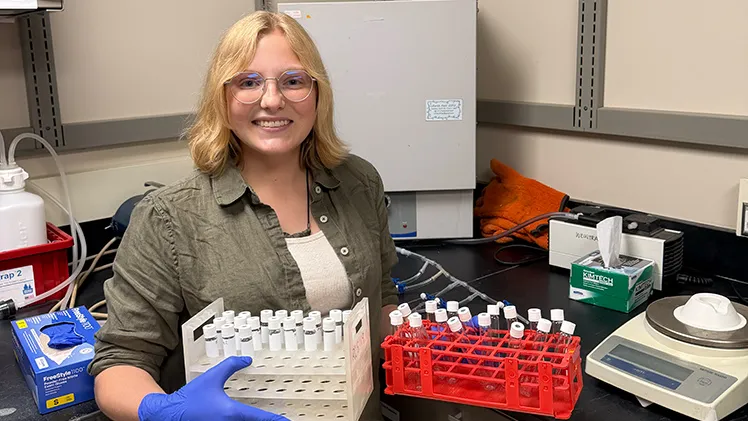
Rosalie Cufr has built a University of Toledo experience defined less by the classroom and more by what she’s done outside it in agricultural fields, in a gas chromatography lab and on a research trip to Trinidad that she calls a “cultural awakening.”
Cufr started college studying molecular biology before finding that a related discipline was where she belonged.
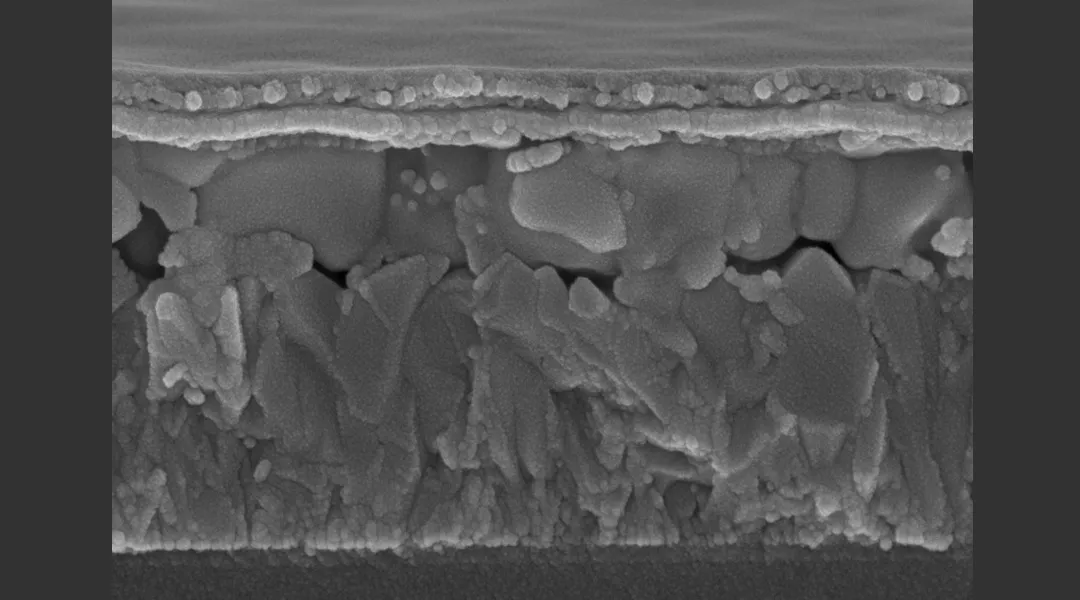
Researchers have uncovered a way to suppress halide segregation in tandem solar cells, improving both efficiency and stability. Their strategy works across multiple mixed-halide perovskite compositions, suggesting the approach may be broadly applicable to this important class of photovoltaic materials.
Tandem solar cells stack two different light-absorbing materials on top of one another, allowing them to convert more sunlight into electricity than either material alone. Mixed-halide perovskites—crystals containing both iodide and bromide ions—are commonly used as the top layer because their composition can be tuned to absorb high-energy light while permitting longer wavelengths to pass through to the lower cell. However, because iodide and bromide crystallize at different rates, the resulting films tend to be uneven in composition, with bromide-rich regions forming near the surface.
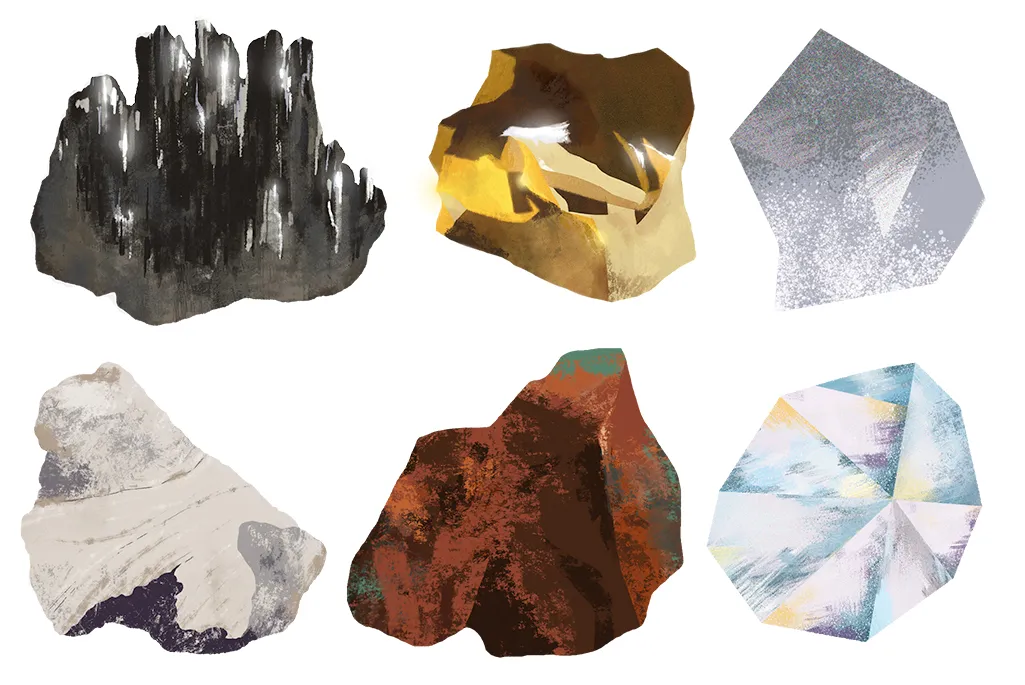
Modern life is built on critical minerals and materials. These elements are key ingredients in the technologies that enable a high quality of life, such as the chips and batteries powering our electronics, the medical devices that diagnose and treat diseases, and the infrastructure of the nation’s power grid. The materials are also used to manufacture defense technologies, fuels and chemicals, aerospace vehicles, and automotives.
Although the U. S. has geological resources of many critical minerals and materials (CMMs), some key commodities are only found in challenging forms, either scattered in trace amounts, chemically mixed with other elements, or both. The extraction, separation, and refining processes needed to convert these raw materials into purified products ready for manufacturing are expensive, complex, and energy intensive.
Freedivers repeatedly experience hypoxia while holding their breath underwater. (Matt Porteous/Stone RF/Getty Images)
It's extremely not very good for your brain to deprive it of oxygen. Starved of the oxygen they need to produce energy, your neurons can start dying within minutes, rapidly leading to seizures, unconsciousness, and death in the most extreme cases. A seahorse-shaped region called the hippocampus is particularly vulnerable to this hypoxia. It's deeply involved in forming and retaining memories, as well as our ability to navigate the physical world. Yet there are people in this world who voluntarily and repeatedly put themselves under hypoxia. These are the freedivers, performing an extreme sport that involves holding one's breath for minutes at a time while diving into deep waters. The record for this is held by Croatian freediver Vitomir Maričić, who held his breath for an astonishing 29 minutes and 3 seconds at the bottom of a diving pool. But, puzzlingly, these athletes don't appear to show the impaired memory function we might expect from repeated hypoxia. Now, a team led by neuroscientist Julia Micaux of the University of Paris-Saclay may have figured out how.
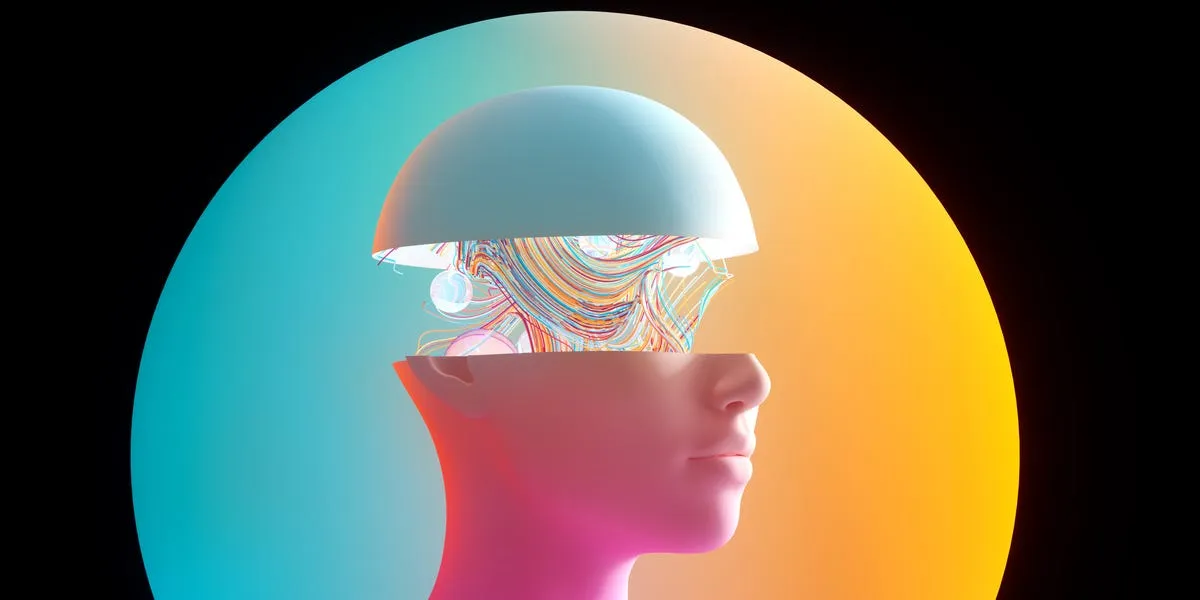
Here’s what you’ll learn when you read this story:A team of researchers at MIT believes vertebrates may have first developed the neural pathways for consciousness 500 million years ago. Ancient deep brain structures from the thalamus to the medulla could hold the keys to specific conscious experiences like thirst. Using transcranial focused ultrasound, the scientists are trying to map where those conscious experiences live in the brain. We’ve been poking around inside each other’s heads since the Stone Age, but we still don’t know what consciousness is or where it comes from. Now, a research team at MIT is suggesting that it’s partly a question of how you define consciousness in the first place—and only once you’ve defined consciousness can you attempt to hunt it down in the brain. “Some people see consciousness as very much tied to cognition, your capacity for complex thought,” explains Daniel Freeman, PhD, one of the MIT scientists involved with a new study probing the brain for the source of consciousness.
STOCKHOLM (AP) — Belgian-born scientist Francis Halzen won the Nobel Prize in physics Tuesday for his efforts to demystify a rare group of neutrinos, tiny cosmic particles that researchers believe offer clues to how the universe evolved.
"It was a great surprise, and I obviously didn't expect it," Halzen said, speaking to the Nobel Physics Committee by phone from Italy, in a call broadcast at the news conference to announce the winner.
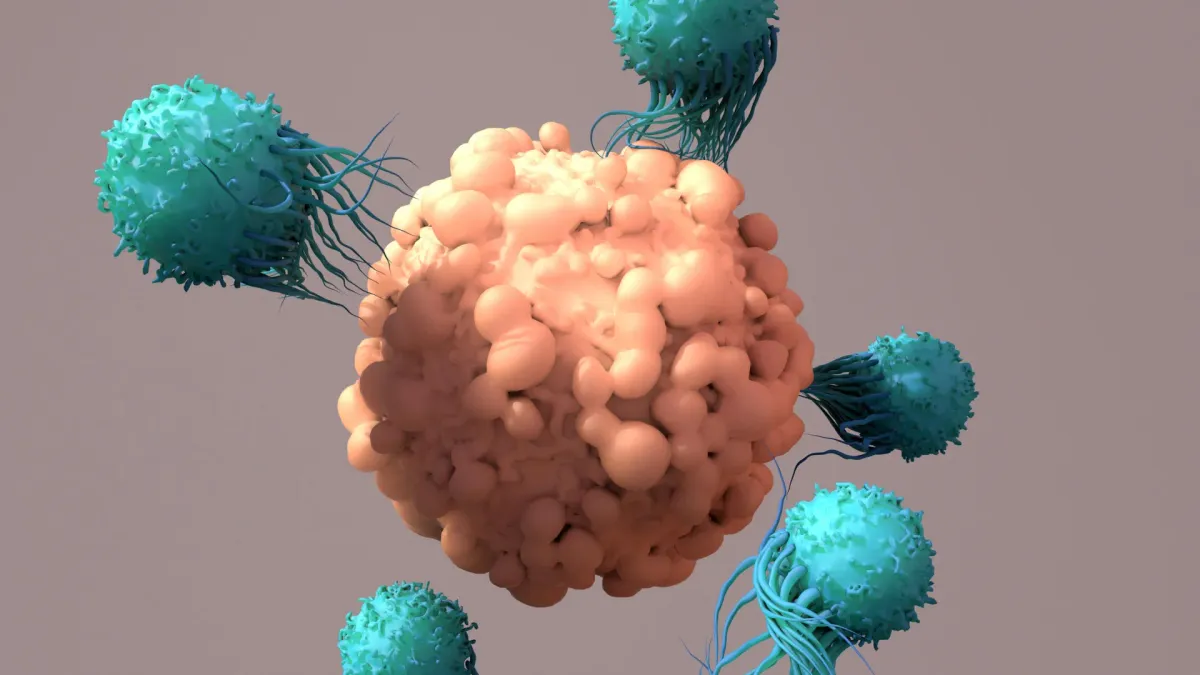
CAR-T cell therapy has transformed the treatment of certain blood cancers, but getting the therapy to patients remains complicated, expensive, and slow. The standard process requires doctors to collect a patient's immune cells and send them to a specialized facility, where the cells are genetically modified to recognize cancer. The engineered cells are then shipped back and infused into the patient. The entire process can take weeks and cost hundreds of thousands of dollars.
Researchers at UC San Francisco have now developed a potential alternative that could allow those cancer-fighting cells to be reprogrammed directly inside the body. If the approach can be translated to people, it could remove much of the manufacturing, expense, and delay that currently limits access to CAR-T therapy.
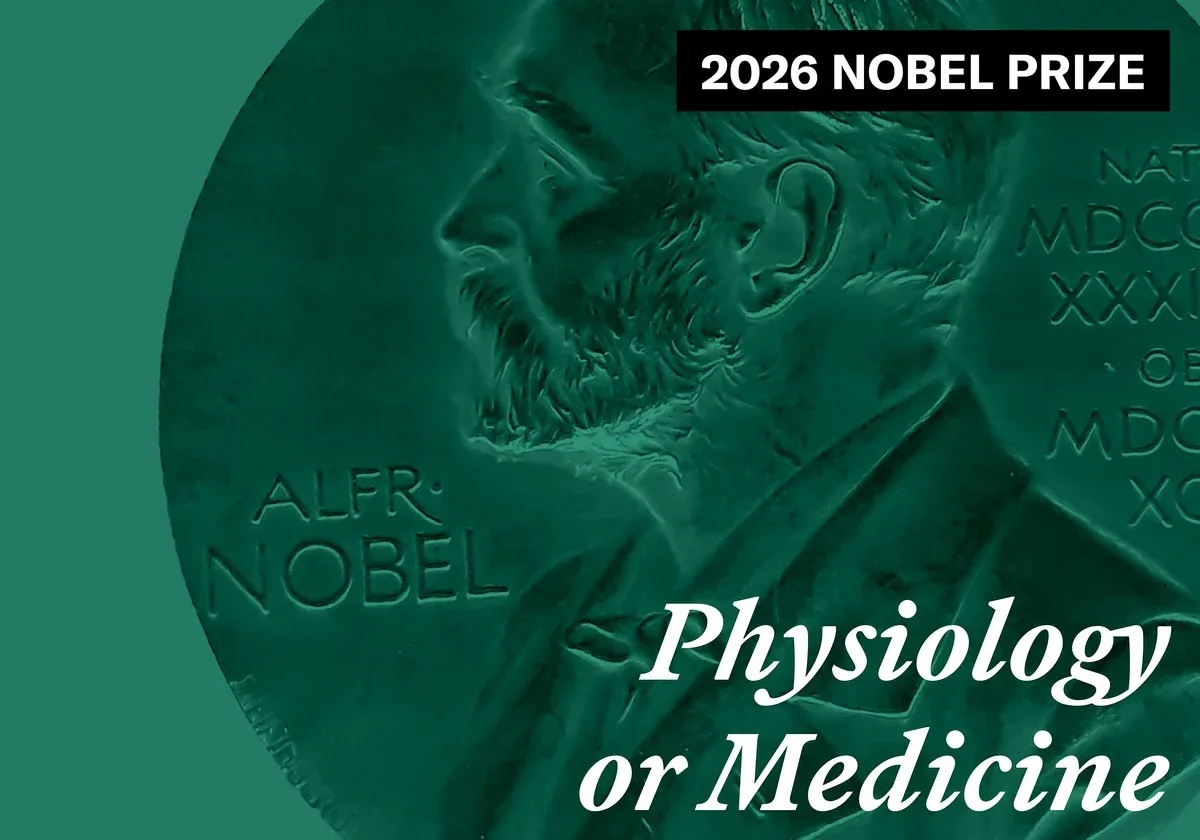
The 2026 Nobel Prize in Physiology or Medicine is awarded to Karl Deisseroth, Georg Nagel and Peter Hegemann for their discoveries underpinning the field of optogenetics, the ability to control cells using light and genetics. Optogenetics allows scientists to use light to switch cells on and off. Using light-sensing proteins called rhodopsins, optogenetics enables precise targeting of cells, such as brain cells, to understand what they do. The technique has revolutionized neuroscience by opening up the brain’s activity to scientists in ways previously impossible. As Deisseroth explained in Scientific American in a 2010 article, the brain is of such great complexity, that “neuroscientists lack a deep grasp of what the brain is really doing—of how specific activity patterns within specific brain cells ultimately give rise to thoughts, feelings and memories.”On supporting science journalismIf you're enjoying this article, consider supporting our award-winning journalism by subscribing. By purchasing a subscription you are helping to ensure the future of impactful stories about the discoveries and ideas shaping our world today.
JNCC has today launched its new Science Impact Strategy, setting out an ambitious plan to maximise the impact of its scientific work over the next five years.
There is wide recognition that our planet faces a triple crisis: biodiversity loss, climate change and pollution. The complex systems that sustain life as we know it, are being pushed towards irreversible change, with unknown consequences for nature and people. The Intergovernmental Panel on Climate Change has called for immediate and sustained action, and the Intergovernmental Science-Policy Platform for Biodiversity and Ecosystem Services has called for transformative change to avert the worst possible consequences of this crisis.
As English dominates the publication landscape, support for French-language research is a strategic investment in the quality, equity and the future of knowledge. The post Science in French? Bien sûr! appeared first on University Affairs .
On September 19, Dou Xiankang, who heads the National Natural Science Foundation of China, described a grant that most young scientists anywhere would envy.
Researchers under 35 will get 15 years of support. The money doubles after five years and doubles again after ten, and there are no short-term performance reviews. The only test, Dou said, is “whether they are in the laboratory.” Forty-four people were chosen this year. Nine came from overseas.
Osiride statues of Hatshepsut, a standing statue of a pharaoh in the form of a mummy set on the upper terrace of the Pharaoh Queen.
Forensic reexaminations of 5,000-year-old skulls indicate over a dozen ancient Egyptian royal attendants met gruesome ends to honor their beloved, deceased pharaohs. The recent findings, detailed in a study published today in the journal Frontiers in Environmental Archaeology, finally explain a collection of cold cases that have puzzled researchers for nearly a century.
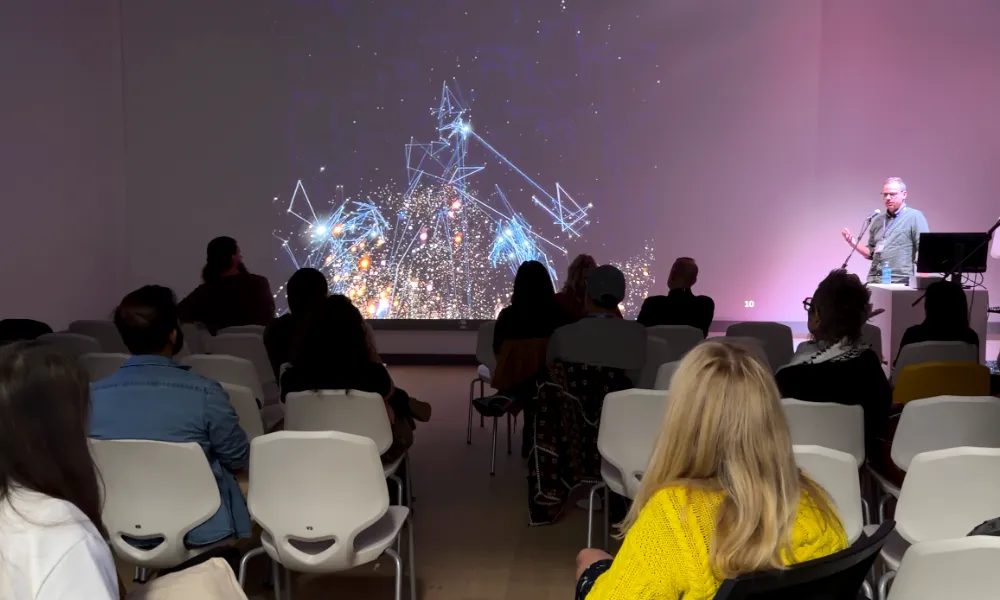
John Desnoyers Stewart presents Speculative Futures: Machines, Space, and Temporal Imagination during the 2025 SCI_ART Symposium at UBC Okanagan.
Who: Artists and researchers from Canada and the European Union, hosted by UBC Okanagan’s Critical Future Studio/Lab
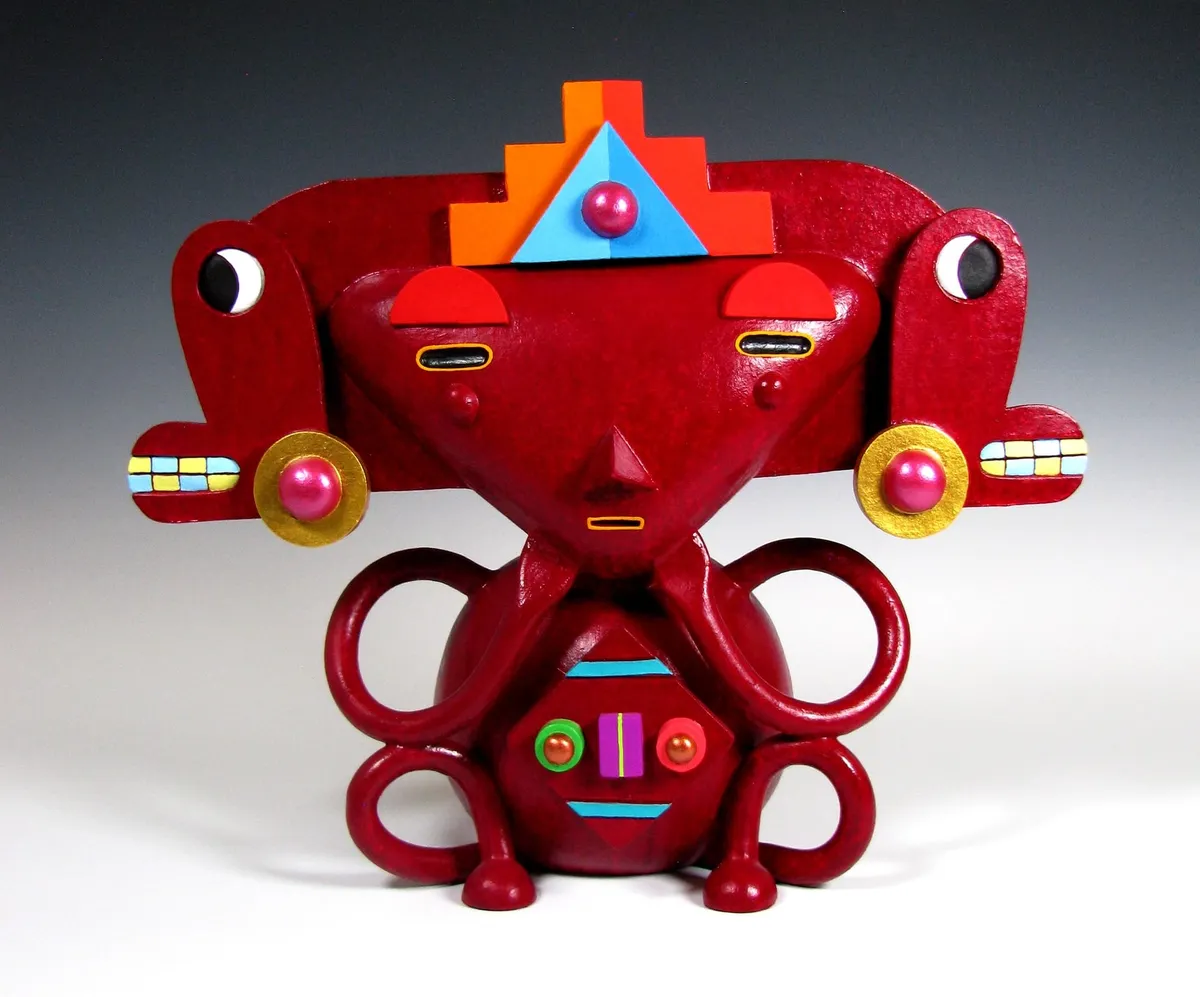
In archaeology, discoveries typically prompt more questions than answers. For Max Lehman, who studies Pre-Columbian art history, what we don’t know—and may never—about ancient peoples and civilizations is what makes the discipline so compelling. The ancient Mayans, for example, bedecked their elaborate temples with images on carved rock slabs, and the Aztec sun stone, or calendar stone, is a remarkable example of Mexica sculpture.
Lehman’s work has one foot in the advanced civilizations of the past and another in the distant future, a time long after today’s developments around robotic and machine learning technologies. His current show Ancestral Androids at Hecho a Mano delves into a kind of future past inspired by science fiction, where modern tech and prehistoric visual culture merge in unexpected and idiosyncratic ways.