BBlogFlow

Categories

Science

13475 articles

Science

Science, Indigenous knowledge team up to restore Canada’s kelp. (Sea otters help, too.) - news - Mongabay

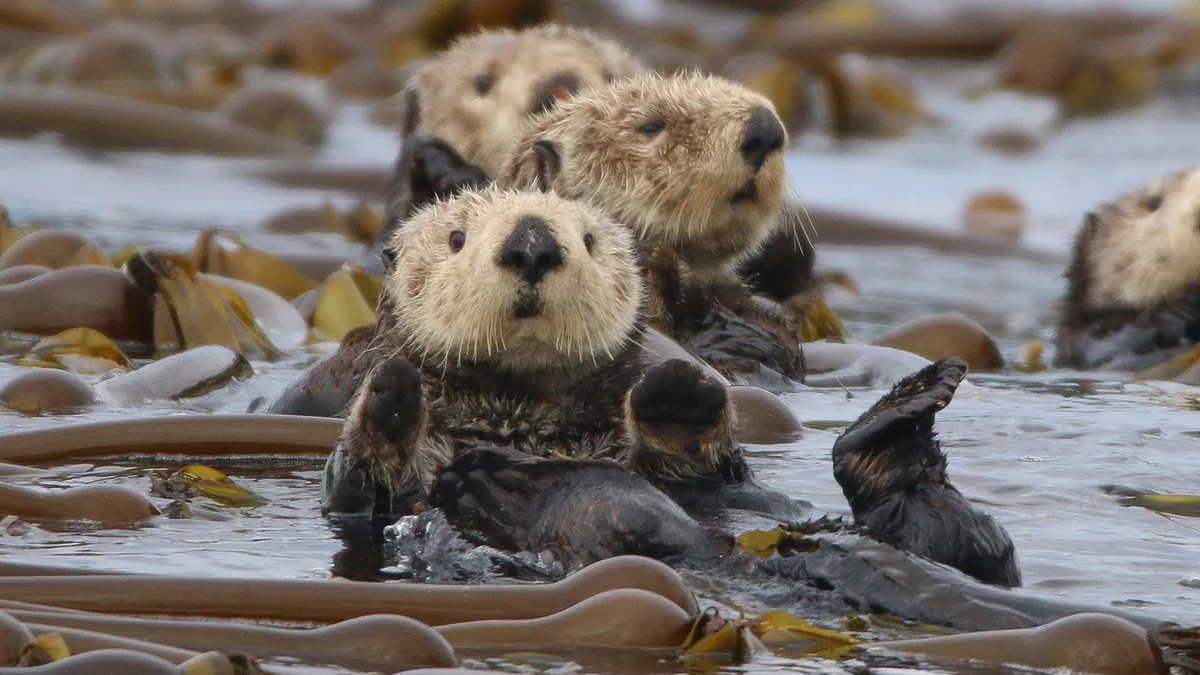
In Clayoquot Sound, British Columbia, a partnership between the Tla-o-qui-aht First Nation, Redd Fish Restoration Society and West Coast Kelp grows kelp at scale to support an ecosystem in decline. The fur trade eradicated sea otters; their return enables kelp to thrive. Underwater cameras are monitoring the newly formed kelp forest. The success of the project will be measured by science and the return of ecological abundance. Emily Fulton spends a lot of time in a small boat cruising the waters of Clayoquot Sound off the west coast of Vancouver Island in British Columbia, Canada. As the marine program manager for the nonprofit Redd Fish Restoration Society, she regularly checks on a newly created kelp nursery growing within the traditional territory of the Tla-o-qui-aht First Nation.

news - Mongabay·
Science

Scientists Just Found a Strange Link Between Cats and Happiness - VICE

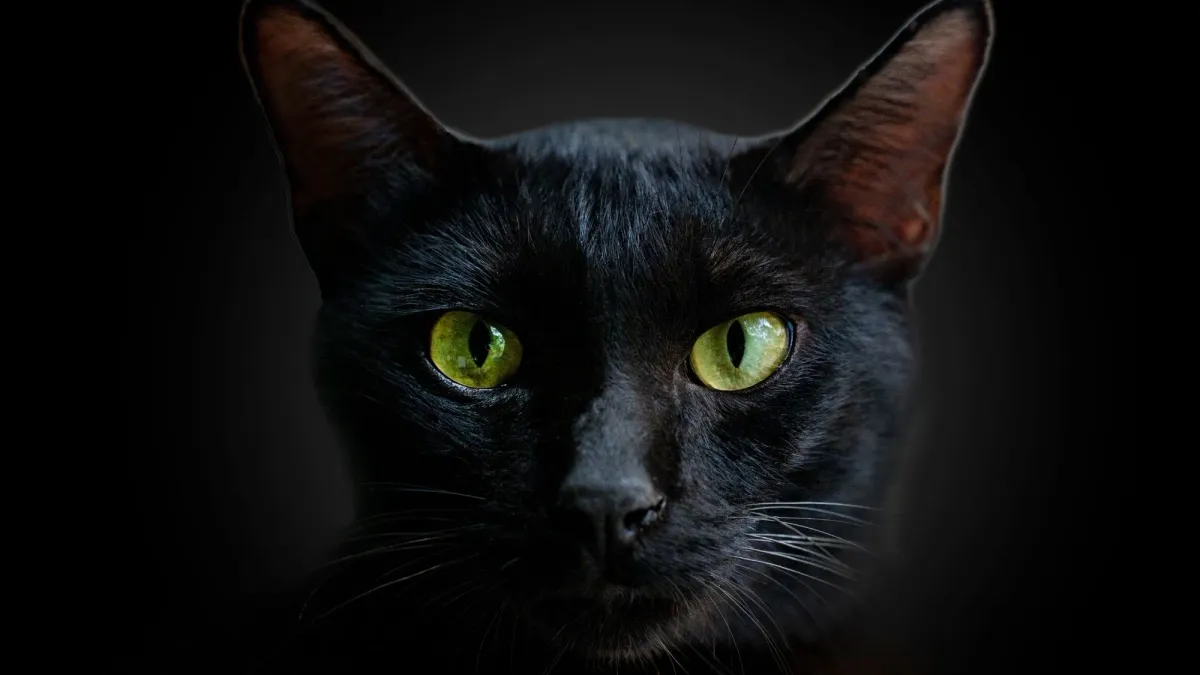
Cat people have long been cast as lonely weirdos, devoted to an animal that would probably eat their face if they died on the kitchen floor. Now there’s research suggesting countries with more cats are also happier, so who’s the lonely weirdo now? A new study in PLOS One compared happiness scores across 93 countries with the number of cats living in each one. Countries with more cats generally reported higher happiness.

VICE·
Science

Going International: How Global South Journalists Can Elevate Local Science Stories - The Open Notebook

In 2023, a chance encounter gave Argentine science journalist Martín De Ambrosio an opportunity to report for a new-to-him international outlet. A freelancer for more than 10 years, De Ambrosio was attending the World Conference of Science Journalists in Medellín, Colombia. During a session on Latin American COVID-19 vaccines, he found himself chatting with an editor from the British Medical Journal. The editor admitted that he had struggled to follow the Spanish-speaking panel. But he thought its subject warranted a story, and he invited De Ambrosio to write it. “I told him, ‘I write well in Spanish, but in English I need an editor who can keep a close eye on the text,’” De Ambrosio recalls.

The Open Notebook·
Science

NASA’s Curiosity Rover Catches Stunning Martian Dawn - NASA (.gov)

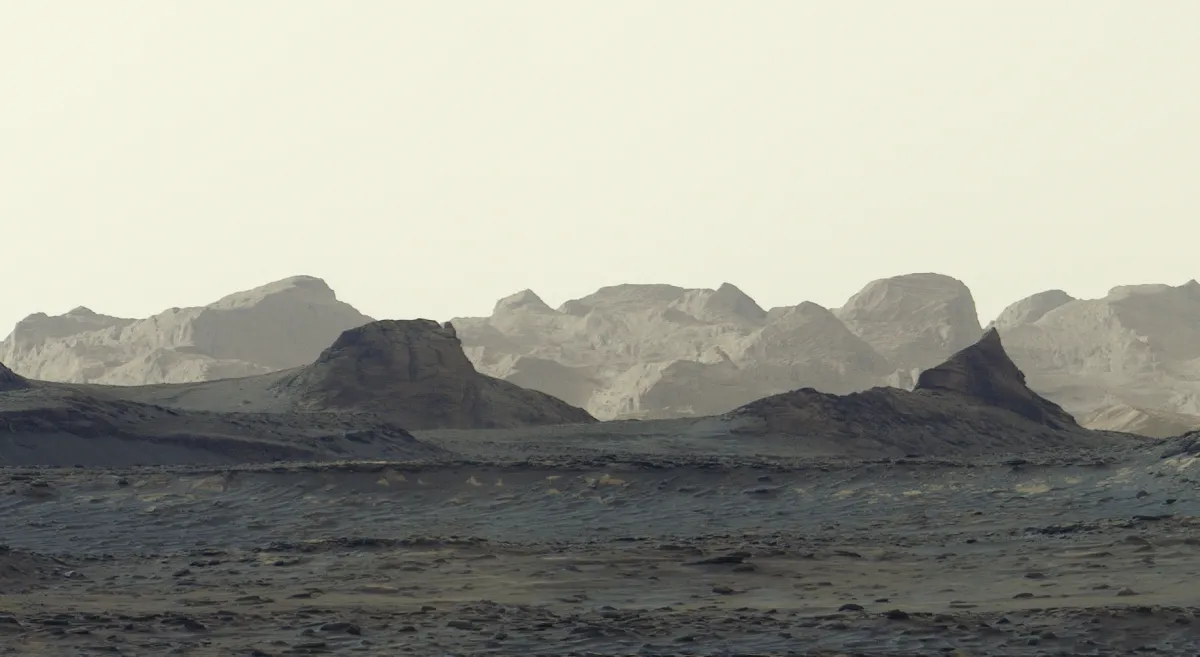
A newly released panorama captured by NASA’s Curiosity rover offers the most detailed view yet of distant, wind-carved Martian cliffs, highlighting features the mission’s scientists have long been waiting to see up close. The scene was snapped at 8:30 a.m. local Mars time, showing striking blue hues in the foreground as bright morning light illuminates crags known as yardangs on the horizon. The panorama was captured by Curiosity’s Mastcam on Aug. 11, the 4,982nd Martian day, or sol, of the mission, and comprises six individual images that were stitched together after being sent to Earth. Unlike most of Curiosity’s Mastcam images, this one was processed without white balancing, preserving the early morning appearance.

NASA (.gov)·
Science

Science organizations mobilize against politicizing purse strings - Physics Today

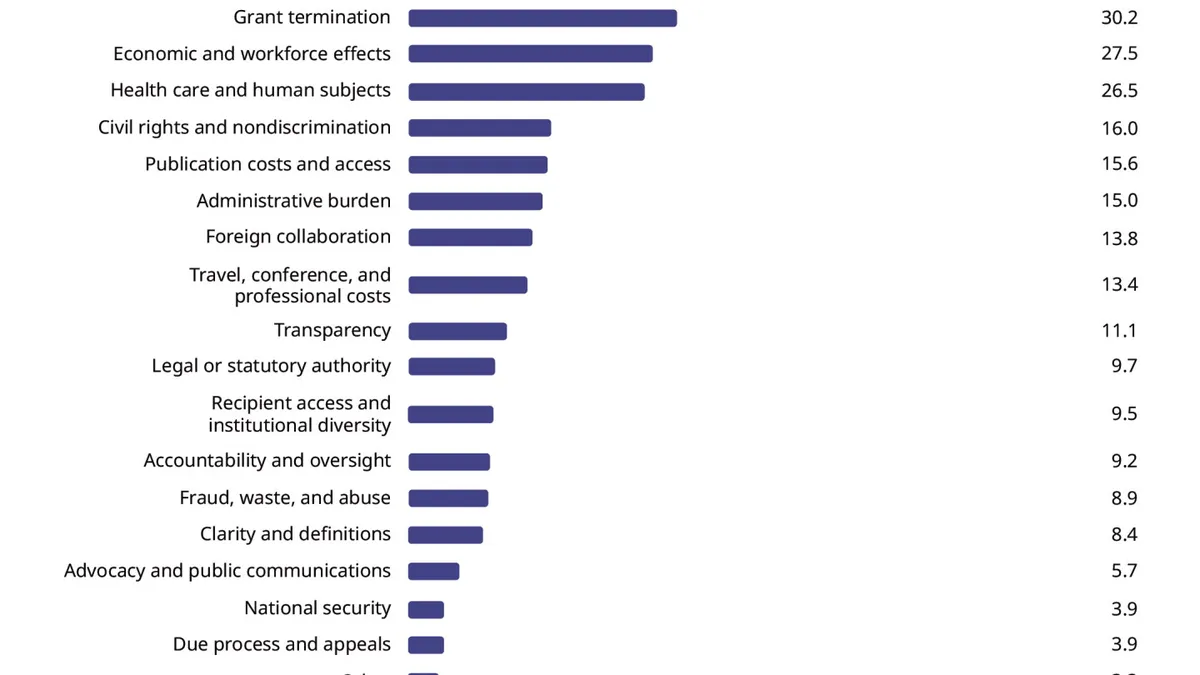
The sweeping federal financial assistance rule proposed by the Office of Management and Budget is on hold. The reprieve may be an opportunity for the rule to fizzle. Once the world’s envy, American science faces what looks to many like a dystopian future. Political appointees, not peer reviewers, could have the last word on awarding research grants. Once-independent investigators could need explicit government approval to use federal money to collaborate with colleagues abroad, attend conferences, or publish papers. That scenario may become reality in the US if the Regulation for Federal Financial Assistance, proposed by the Office of Management and Budget (OMB), goes into force. The proposal goes far beyond science; it would affect all entities that receive federal money—children’s programs like Head Start, towns and municipalities, Medicaid, food stamps, hospitals, and more. Scientists and scientific societies have been vocal in opposing the proposed rule. Originally set to go into effect on 1 October, the rule is on hold. The stopgap federal budget bill passed in early September by Congress has delayed its implementation through at least 11 December.

Physics Today·
Science

The Beaver Brown Waters of Rupert Bay - NASA Science (.gov)

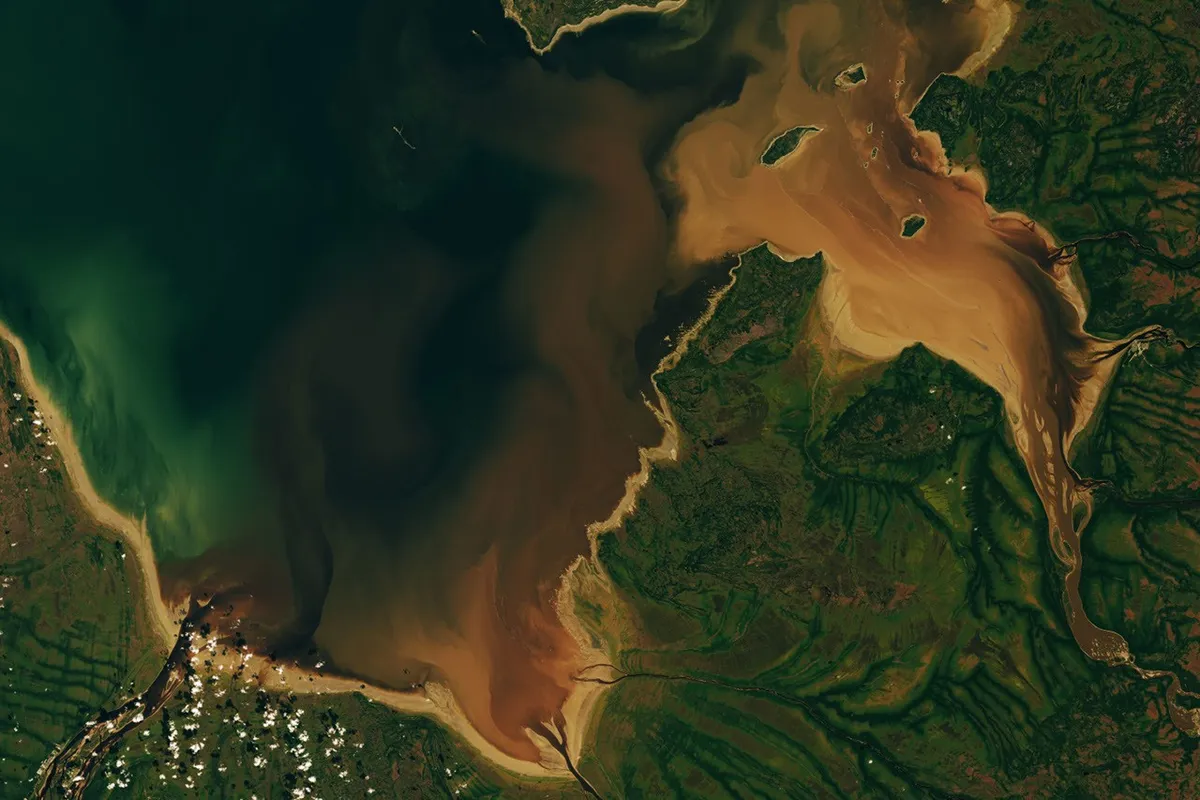
4 min readImage of the Day for October 6, 2026Dissolved organic matter and suspended sediment mingle in the southernmost extent of James Bay. NASA Earth ObservatoryOct 06, 2026 Article The Cree word pahtaaunaakun seems particularly apt for describing the distinctive brown hues of the waters that drain into Hannah Bay and Rupert Bay in Canada. Meaning the "color of singed beaver" in Southern East Cree, the word evokes the rich brown of the humic-substance-stained waters that were flowing into the two bays in late September 2026, as well as the role that beavers have long played in the mythology and history of the region.

NASA Science (.gov)·
Science

Goodbye joint replacements? Stanford scientists found a way to regrow cartilage and stop arthritis - Science Daily

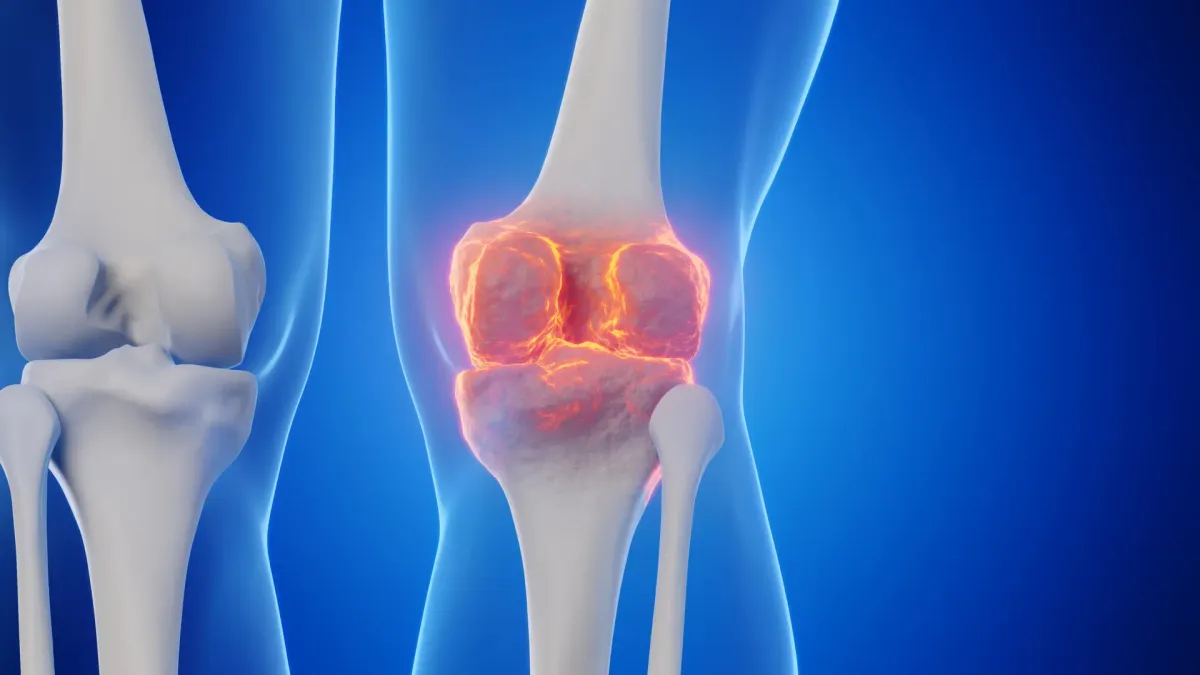
Scientists have identified a way to restore cartilage in aging knee joints, at least in mice, by blocking a protein whose levels rise with age. The approach not only reversed naturally occurring cartilage loss in older animals, but also protected mice from developing arthritis after knee injuries similar to ACL tears in people. The findings also showed promise in human tissue. Cartilage samples collected during knee replacement surgeries responded to the treatment by beginning to produce new, functional cartilage.

Science Daily·
Science

Giant underwater Kelvin wave could 'pack a punch' for B.C. in mid-October - CBC

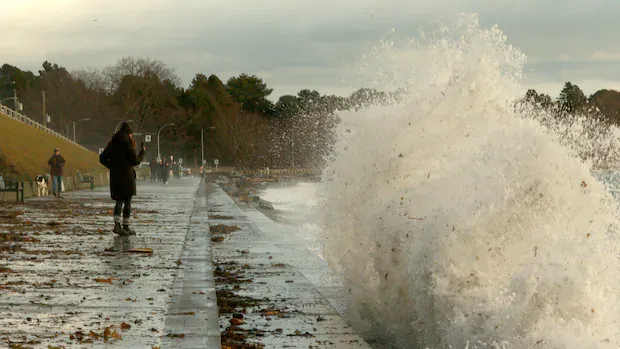
ScienceA giant underwater wave of water connected to this year's El Niño weather pattern is making its way up the west coast of the Americas, raising alarm bells amongst scientists worried about how climate change is magnifying the impacts of the naturally-occurring phenomenon. El Niño phenomenon could worsen the effects of storm surges and high tidesListen to this articleEstimated 4 minutesThe audio version of this article is generated by AI-based technology. Mispronunciations can occur. We are working with our partners to continually review and improve the results. Waves and debris crash into the breakwater in Victoria, B. C. in 2024. This year's El Niño will soon send more waves at B. C.'s coast. (Chad Hipolito/The Canadian Press)A giant underwater wave of water connected to this year's El Niño weather pattern is moving up the west coast of the Americas, raising alarm bells among scientists about how climate change is magnifying the impacts of the naturally occurring phenomenon. The so-called Kelvin wave is not unexpected. But like El Niño as a whole, it is happening on top of human-caused climate change that has already warmed the oceans and atmosphere.

CBC·
Science

Political views and science trust shape American vaccine perceptions - News-Medical

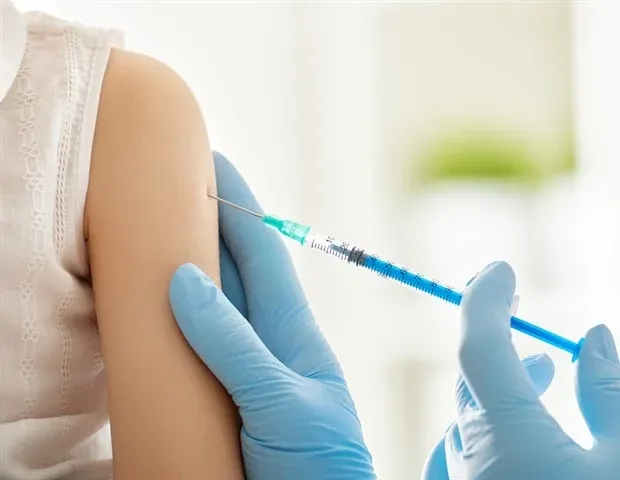
Vaccine perceptions can influence acceptance and uptake. Dr. Dror Walter, with the Department of Communication at Georgia State University in Atlanta, and colleagues examined these perceptions using data from a national probability sample of 1,763 US adults surveyed in November 2024. The study was published online in American Journal of Public Health on September 10, 2026. "Previous research examining associations with vaccine hesitancy has primarily measured perceptions of science and scientists in terms of trust. However, analyses of contemporary arguments on vaccine hesitancy suggest that resistance extends beyond mistrust or doubts about scientists' competence," says Dr. Walter.

News-Medical·
Science

Pikachu spent 67 days in space - Popular Science

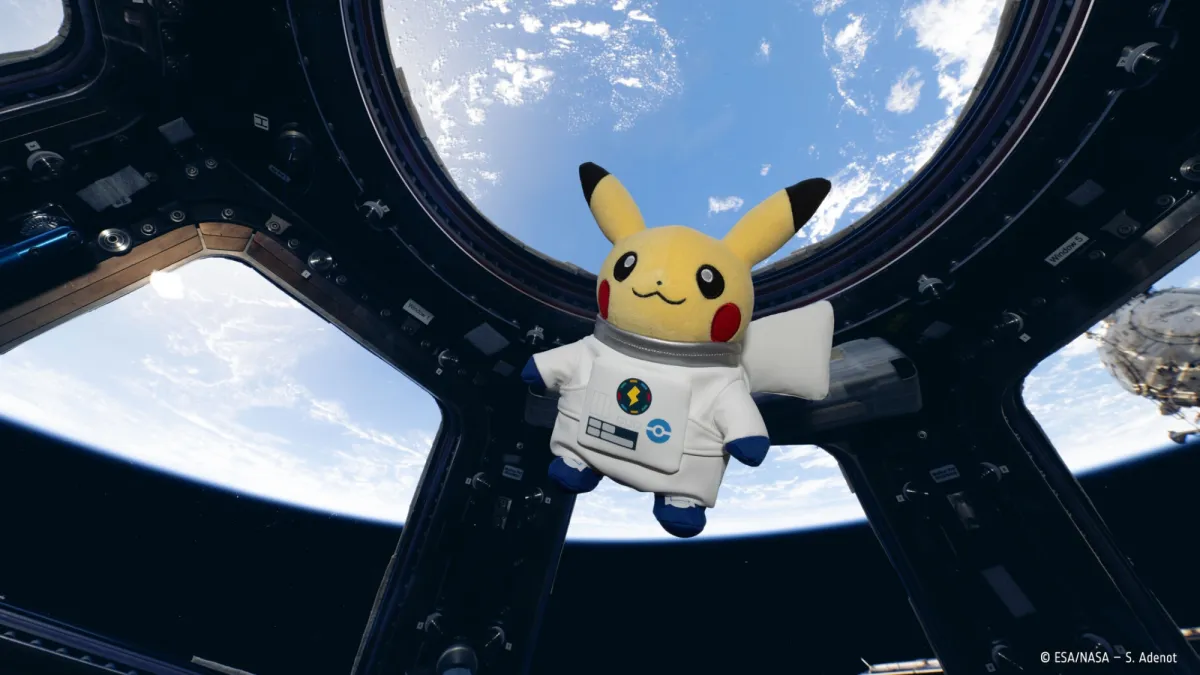
Astronaut Pikachu floats inside the Cupola, the European-built observation module that offers spectacular views of Earth and is a favourite spot for astronauts living and working on the Station to watch our home planet pass by below. I Happy World Space Week! The European Space Agency (ESA) and Pokémon Company International are celebrating a very special plush toy’s adventures. Earlier this year, a Pikachu plush travelled to the International Space Station (ISS) with ESA astronaut Sophie Adenot. The Pikachu spent 67 days in orbit (April 11 to June 17), completing about 1,040 orbits.

Popular Science·
Science

NASA’s SunRISE Mission Targets No Earlier Than Mid-2027 Launch - NASA Science (.gov)

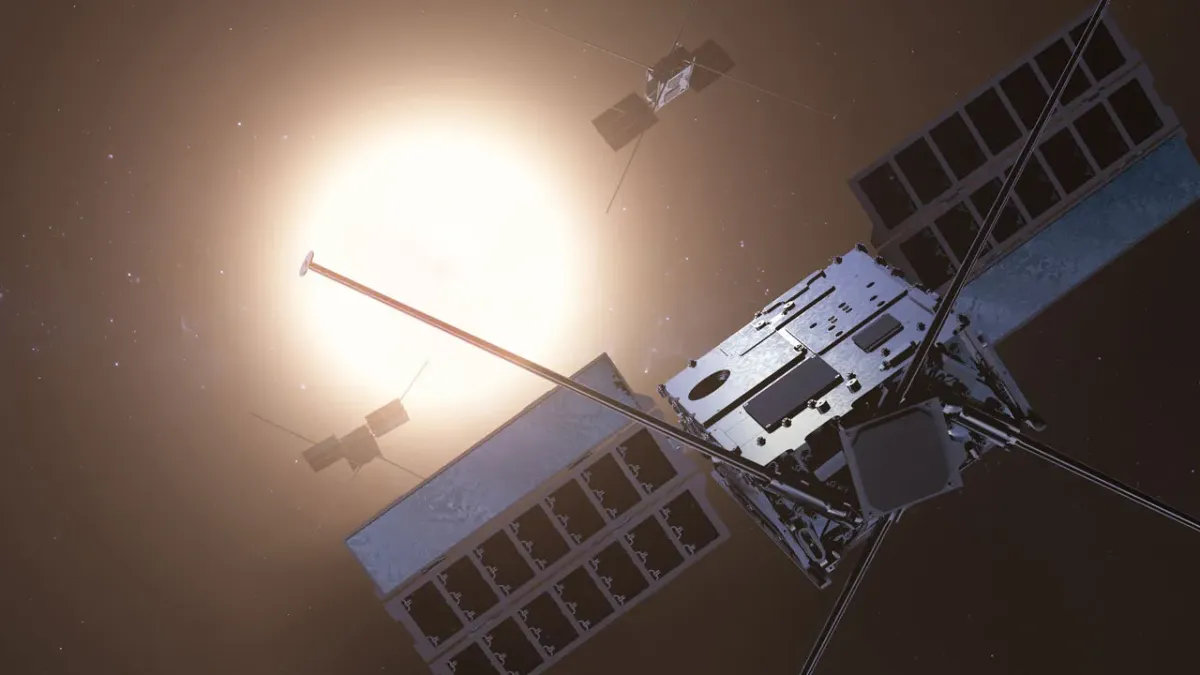
NASA’s SunRISE (Sun Radio Interferometer Space Experiment) mission will launch no earlier than mid-2027. The heliophysics mission will hitch a ride on a SpaceX Falcon Heavy rocket from the agency’s Kennedy Space Center in Florida as a rideshare with a payload sponsored by the United States Space Force’s Space Systems Command. The mission’s six toaster-oven-size small satellites, or SmallSats, will operate as one giant radio dish slightly above geosynchronous orbit, which is about 22,000 miles (35,000 kilometers) in altitude, and will track the rumbles of radio bursts coming from within the Sun’s atmosphere, or corona. The bursts are generated by accelerated particles leaving the Sun. The solar radio waves arrive at Earth before the solar energetic particles. In extreme cases, solar particle events can damage satellites and affect astronauts. Using SunRISE to track the radio waves could improve prediction and mitigation efforts.

NASA Science (.gov)·
Science

Science starts at the dinner table: Building STEM connections with families - American Society for Biochemistry and Molecular Biology

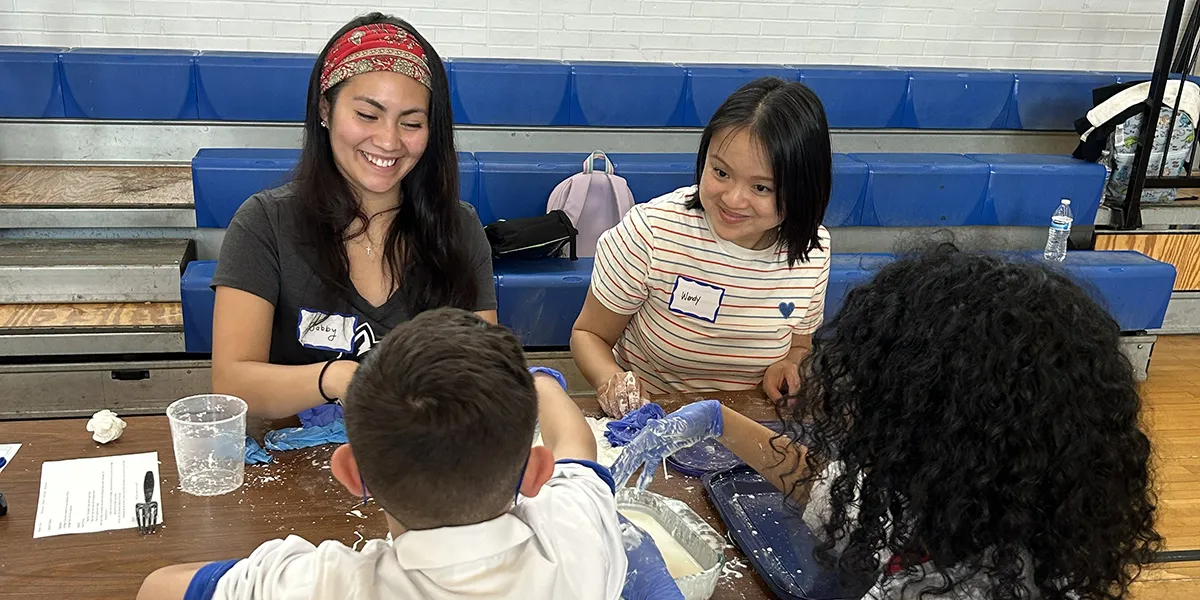
At a family science event in Hartford, a volunteer used salt-dough bones and modeling clay to show how cartilage protects joints. When she removed the “cartilage” and ground the bones together to simulate arthritis, one elementary school student exclaimed, “It’s like my grandpa!” Graduate students and Cena y Ciencias leaders Gabriela Soriano and Wendy Mok work with Burns Latino Elementary School students to create oobleck, a cornstarch-and-water mixture that resembles cartilage, at the 2025 outreach event, “Cartilage: Your Skeleton’s Best Friend!”

American Society for Biochemistry and Molecular Biology·
Science

NEW BRUNSWICK Fredericton science centre debuts new mobile planetarium - Education News Canada

Education News Canada is part of the Jaguar Media Group. Our daily e-newsletter delivers the latest news and developments related to the education field. In addition to publishing news issued by universities, colleges, school boards, governments and related organizations, we also conduct a thorough press review coming from Canada’s daily newspapers and over 400 regional and local news sources.

Education News Canada·