Science organizations mobilize against politicizing purse strings - Physics Today
This story deserves to be shared
Send it to someone who'd care, or post it on your networks.
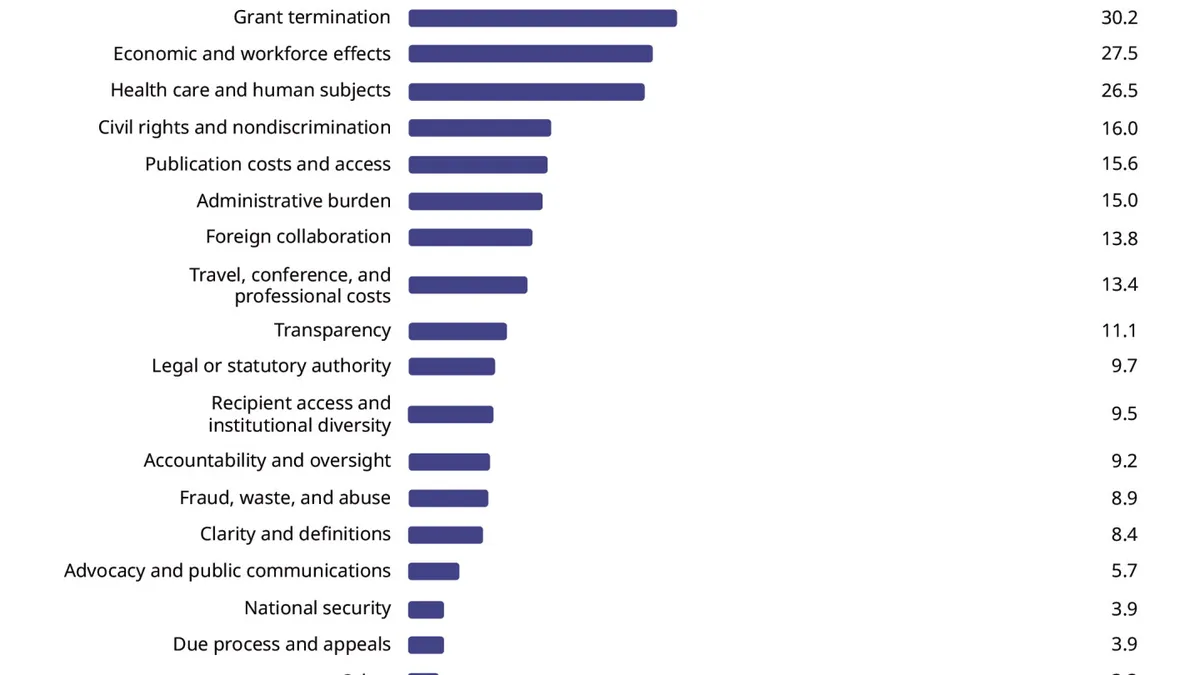
The sweeping federal financial assistance rule proposed by the Office of Management and Budget is on hold. The reprieve may be an opportunity for the rule to fizzle.
Once the world’s envy, American science faces what looks to many like a dystopian future. Political appointees, not peer reviewers, could have the last word on awarding research grants. Once-independent investigators could need explicit government approval to use federal money to collaborate with colleagues abroad, attend conferences, or publish papers. That scenario may become reality in the US if the Regulation for Federal Financial Assistance, proposed by the Office of Management and Budget (OMB), goes into force. The proposal goes far beyond science; it would affect all entities that receive federal money—children’s programs like Head Start, towns and municipalities, Medicaid, food stamps, hospitals, and more. Scientists and scientific societies have been vocal in opposing the proposed rule. Originally set to go into effect on 1 October, the rule is on hold. The stopgap federal budget bill passed in early September by Congress has delayed its implementation through at least 11 December.
This article is an excerpt. To read the full content, visit the original source. Physics Today
Related articles
The grave consequences of politicizing science | Opinion - The Portland Press Herald
Laura Ligouri is founder and chief external strategy officer of Mindbridge, a Maine-based nonprofit organization that uses psychology and neuroscience to support work on human rights and democratic resilience. Democracy is more than a system for electing leaders. At its core, it is a system designed to protect human dignity and freedom by distributing power, safeguarding fundamental rights and holding those in authority accountable to the people they serve.
How to mobilize the agile science needed in a crisis - Nature
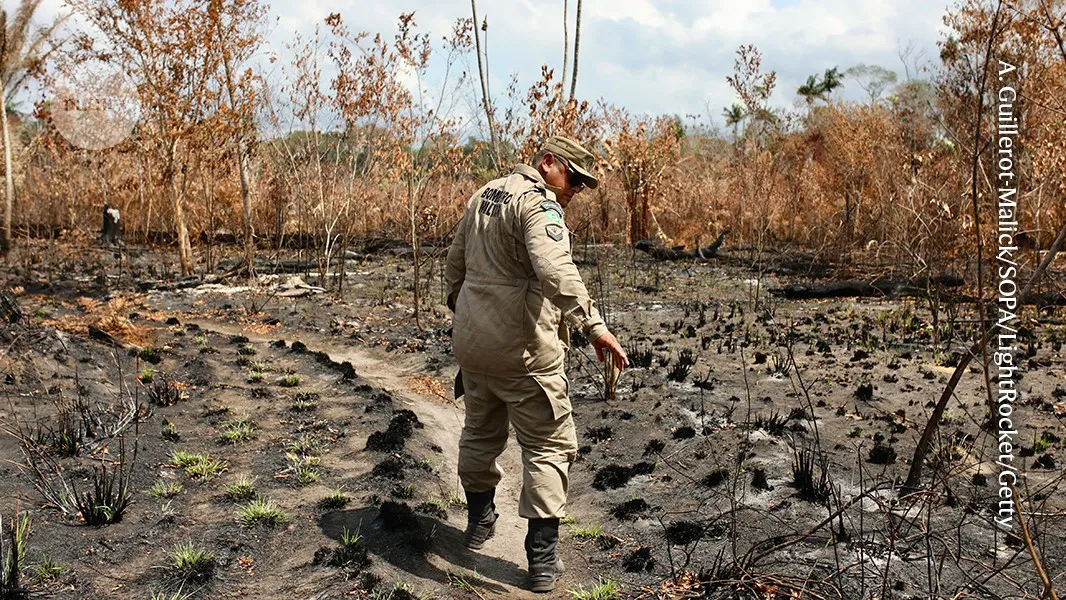
After fires devastated parts of the Amazon rainforest in 2023–24, researchers collaborated with firefighters, Indigenous groups and other stakeholders to produce guidance on how to tackle future blazes. Credit: Apolline Guillerot-Malick/SOPA Images/LightRocket/GettyClimate change, the COVID-19 pandemic and conflicts have all contributed to current national and global instability. In this age of polycrises, politicians and policymakers often need to make fast decisions. Scientists in academia can struggle when asked for research to support those decisions, often because their institutions are not set up to provide authoritative knowledge for rapid decision-making. The sprint to solve coronavirus protein structures — and disarm them with drugsOne high-profile exception to this offers a blueprint for how to mobilize and do high-quality research reliably in a crisis. During the COVID-19 pandemic, researchers in academia and industry, working with policymakers, together solved the protein structures of the SARS-CoV-2 virus in record time; conducted fast, randomized controlled trials to test drugs; and quickly developed vaccines that subsequently gained rapid approval.
Politicizing entertainment - Inquirer.net
From “Essential” to Deportable: Migrants Mobilize for Justice Across Canada - Immigrant Workers Centre (IWC-CTI)

Ancient mud reveals a surprising secret about Greenland’s ice - Earth.com
Mud from a fjord shows an Atlantic air pattern brought wetter, colder spells to southern Greenland, a clue to how its ice may fare. Greenland’s ice is shrinking as the planet warms. But in the island’s southwest, rainfall and snowfall have been influenced by the same North Atlantic air-pressure pattern for at least 5,000 years. When that pattern tipped one way, the region turned wetter and colder. The record comes from mud on the floor of a Greenland fjord, and it suggests snowfall, not only temperature, shaped how the area’s ice grew and shrank. It doesn’t yet show how glaciers there will respond to the warming ahead. Johan Faust, a researcher at MARUM, the Center for Marine Environmental Sciences at the University of Bremen in Germany, led the work with colleagues in Germany, Norway, Denmark and Canada. A seesaw in the airThe pattern is called the North Atlantic Oscillation. It’s the difference in air pressure between a low that sits near Iceland and a high near the Azores, and it’s strongest in winter. When that difference is large, the pattern is in its positive phase. Northwestern Europe and southwestern Greenland both get more rain and snow.
0 comments
No comments yet. Be the first to share your thoughts!