Giant underwater Kelvin wave could 'pack a punch' for B.C. in mid-October - CBC
This story deserves to be shared
Send it to someone who'd care, or post it on your networks.
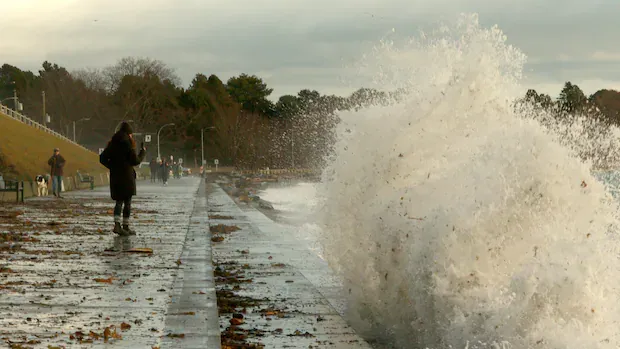
ScienceA giant underwater wave of water connected to this year's El Niño weather pattern is making its way up the west coast of the Americas, raising alarm bells amongst scientists worried about how climate change is magnifying the impacts of the naturally-occurring phenomenon. El Niño phenomenon could worsen the effects of storm surges and high tidesListen to this articleEstimated 4 minutesThe audio version of this article is generated by AI-based technology. Mispronunciations can occur. We are working with our partners to continually review and improve the results. Waves and debris crash into the breakwater in Victoria, B. C. in 2024. This year's El Niño will soon send more waves at B. C.'s coast. (Chad Hipolito/The Canadian Press)A giant underwater wave of water connected to this year's El Niño weather pattern is moving up the west coast of the Americas, raising alarm bells among scientists about how climate change is magnifying the impacts of the naturally occurring phenomenon. The so-called Kelvin wave is not unexpected. But like El Niño as a whole, it is happening on top of human-caused climate change that has already warmed the oceans and atmosphere.
This article is an excerpt. To read the full content, visit the original source. CBC
Related articles
What to know about the Kelvin wave raising the sea level along the West Coast - PBS
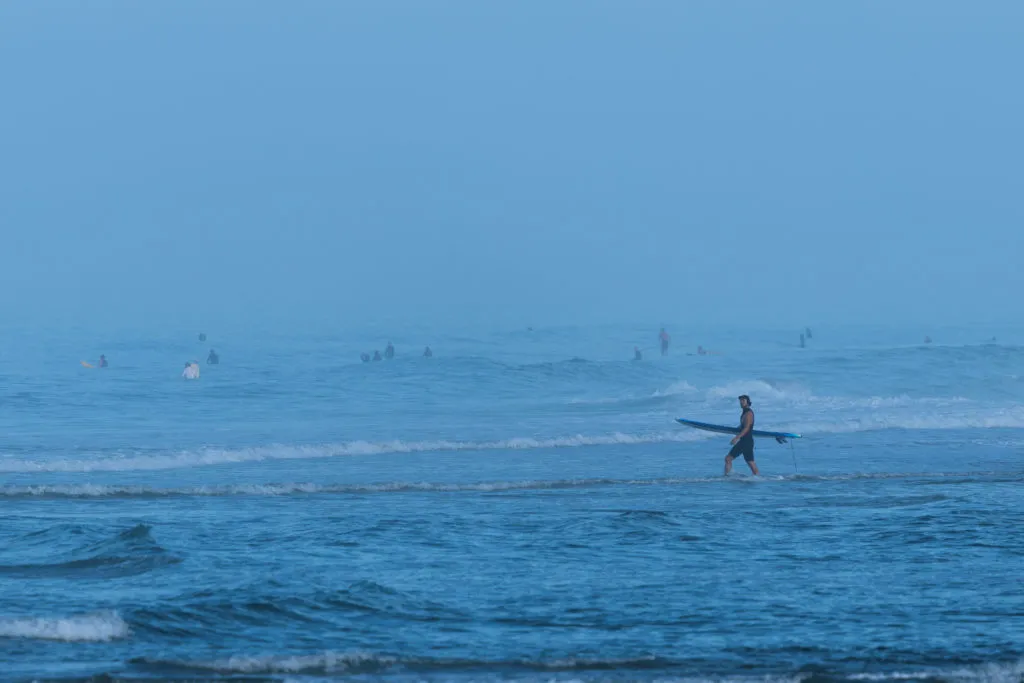
SEATTLE (AP) — Sea levels along the West Coast will begin to rise by up to a foot this month as a series of pulses of warm water called Kelvin waves hit the shoreline and move north, sparking concerns about beach erosion and flooding in areas already impacted by climate change and El Niño. Kelvin waves are not like tsunamis, and they don't curl over and crash on the beach. A better image is water sloshing in the bathtub or a swimming pool during an earthquake. In the ocean, they are bulges of water that lift the sea level as they move along the coast. They're common during El Niño events, but this year's super El Niño could intensify the impacts, experts say.
Eckerd College marine science students travel to Japan for Underwater Minerals Conference - Eckerd College
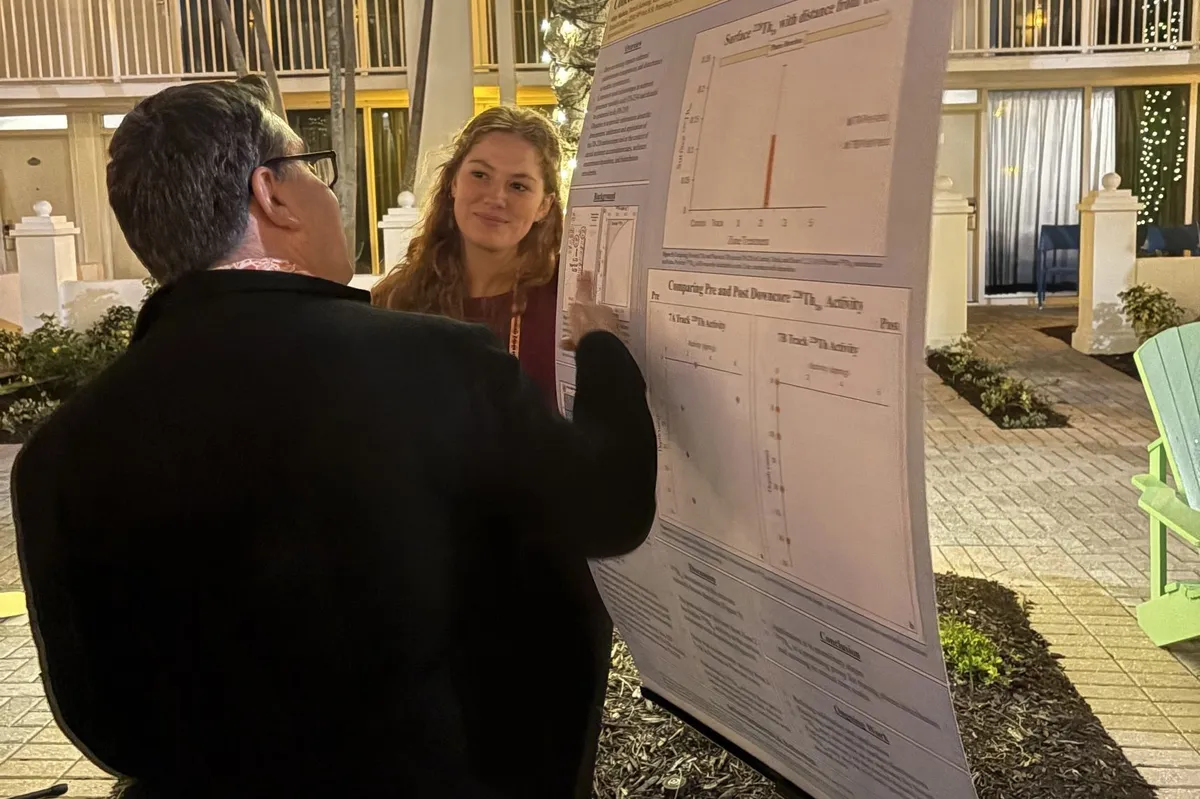
The UMC is an annual conference with representatives from over 25 countries. Since 1970, it has brought together a community of academic, government and commercial sector professionals. Two Eckerd students are joining Associate Professor of Marine Science Patrick Schwing ’06, Ph. D., at the conference this fall. “These are all the opportunities, if you were at an R1 institution, all of the grad students would be doing,” says Schwing. Over the past five to ten years, demand for lithium-ion and other battery components has risen. Nodules, a type of mineral that takes millions of years to grow on the seafloor, absorb basic metals needed to make batteries, Schwing says. Nodules are one of the mineral types being targeted for ocean mining. The impacts of deep-sea mining remain unknown, from climate to regulatory risks. Schwing and his student researchers are working to establish baselines.

Simulations explore nuclear mitigation of asteroid threats - Phys.org
Lawrence Livermore National Laboratory researcher Isaiah Santistevan led the development of three-dimensional simulations exploring how a nuclear device could deflect or disrupt an asteroid threatening Earth. Credit: Blaise Douros/LLNL Lawrence Livermore National Laboratory (LLNL) researchers are developing three-dimensional simulations to examine how a nuclear device could be used to deflect or potentially disrupt an asteroid threatening Earth.
0 comments
No comments yet. Be the first to share your thoughts!