BBlogFlow

Categories

Science

10845 articles

Science

Science Desk Fall Relaunch: Events in New York and Chicago, and More - The New York Times Company

Now more than ever, The New York Times is the place to learn about the world of science. This fall, the Science desk is relaunching its coverage — with new beats and columns, a redesigned newsletter and more — and in honor of that, we are putting on two events, in New York and Chicago. On the evening of Wednesday, Oct. 28, we’ll be at the American Museum of Natural History on the Upper West Side of New York for an event called “The Future of Discovery: Science Times at the American Museum of Natural History.” It will feature panels about the past, present and future of space exploration, recent revolutions in cancer treatment, and some surprising questions about dinosaurs.

The New York Times Company·
Science

Iran has reached developed nations’ level in nuclear science, says AEOI chief - Tehran Times

TEHRAN — Iran has attained a level of nuclear science and technology comparable to that of developed countries and is now manufacturing domestically the equipment and systems required by its national industries, Vice President and Atomic Energy Organization of Iran (AEOI) chief Mohammad Eslami said on Tuesday. Speaking at a ceremony marking National Standard Day, Eslami highlighted the role of scientific expertise, innovation and effective management in advancing Iran’s technological capabilities, saying the country had the human and technical resources needed to become a leading force in science and technology. He stressed that management should create the conditions for talented individuals to flourish and ensure that scientific achievements translate into tangible benefits for the Iranian people.

Tehran Times·
Science

The surprising psychology of morbid curiosity - video - The Guardian

US defence secretary Pete Hegseth’s plan to livestream the execution of Nidal Malik Hasan has incurred condemnation from human rights groups and politicians on all sides. But according to Coltan Scrivner, an author and psychologist at Arizona State University and expert on morbid curiosity, people are still likely to watch in large numbers. He explains why we are drawn to dark and disturbing content, and Madeleine Finlay tells Ian Sample how consuming this kind of material can harm observers’ mental health

The Guardian·
Science

Earth’s rotation is notoriously wobbly. It could alter the fate of the leap second - CP24

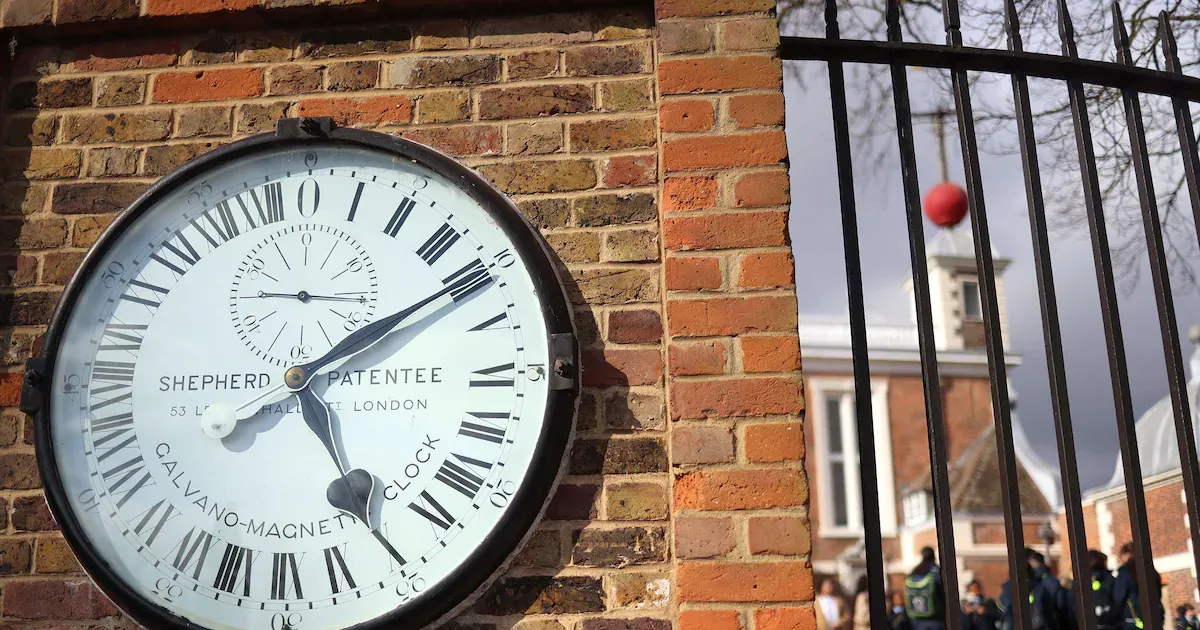
Published: October 13, 2026 at 12:17p.m. EDTLONDON -- When the sun hits its highest point over the meridian line that travels north and south from the 351-year-old Royal Observatory Greenwich in London, it’s noon Greenwich Mean Time, a tangible and physical reference point that helped establish the world’s time zone system. Timekeeping has long relied on Earth’s spin and location of the sun or moon in the sky. Before observatories such as Greenwich, humans used sundials — essentially a stick in the ground that casts shadows as the sun moves overhead. But this ancient link between Mother Earth and today’s clocks looks set to be severed. International timekeepers are on track to vote Thursday on a proposal to eliminate what’s known as a leap second — a tiny, but many say important, link between Earth’s rotation and the world’s time standard used in critical infrastructure such as telecommunications, power grids and computers.

CP24·
Science

NASA’s Perseverance Mars rover sets distance record - Popular Science

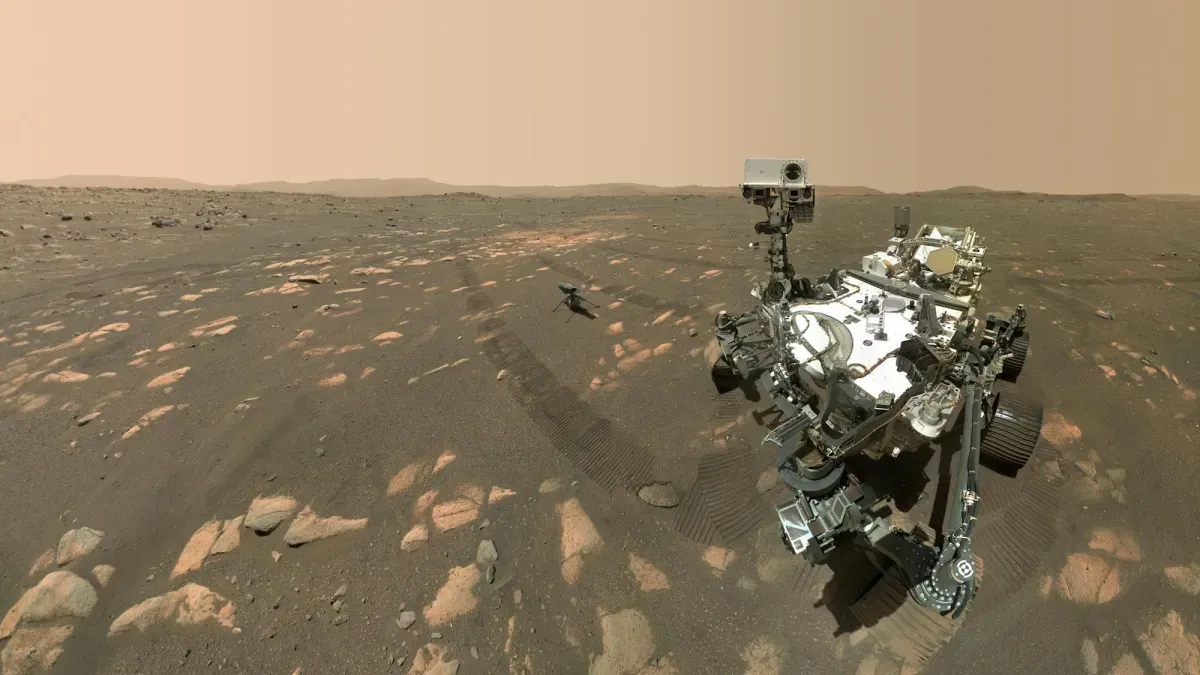
NASA's Perseverance Mars rover took a selfie with the Ingenuity helicopter, seen here about 13 feet (3.9 meters) from the rover in this image taken April 6, 2021, the 46th Martian day, or sol, of the mission. NASA’s Perseverance Mars rover has officially traveled 28.10 miles—farther across another planet’s surface than any other vehicle in history. Not only that, but the six-wheeled science lab accomplished this impressive feat almost entirely autonomously and in barely a third the time it took the previous recordholder.

Popular Science·
Science

World Food Forum 2026: FAO Director-General opens 5th Science and Innovation Forum - Food and Agriculture Organization

Rome - The 5th edition of the Science and Innovation Forum (SIF) opened Tuesday at the headquarters of the Food and Agriculture Organization of the United Nations (FAO), with Director-General QU Dongyu calling for the benefits of science and innovation to reach those most in need at a time when 645 million people continue to face hunger worldwide. Established by the Director-General in 2022, SIF is a key pillar of the World Food Forum (WFF), whose theme this year is "Innovate Today. Nourish Tomorrow. " The Forum serves as a platform to advance science-based solutions and foster collaboration among policymakers, researchers, innovators and partners working to transform agrifood systems. Held from 13 to 16 October 2026, the Forum highlights the importance of harnessing science, technology and innovation to build agrifood systems that are more efficient, inclusive, resilient and sustainable, helping to improve food security, nutrition and livelihoods. While science and innovation are rapidly transforming how food is produced, accessed and consumed, one in four people worldwide still face food insecurity, and one in three cannot afford a healthy diet.

Food and Agriculture Organization·
Science

Monarch butterfly saved after landing in refried beans - Popular Science

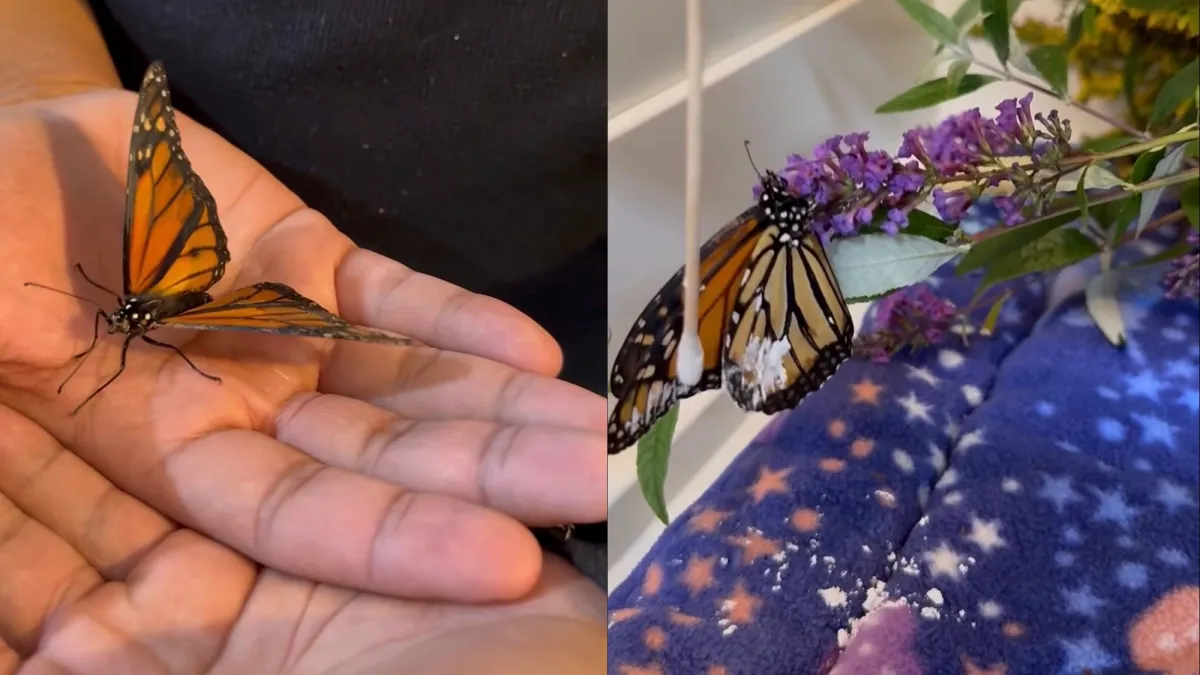
The butterfly was cared for at the Sweetbriar Nature Center in Smithtown, Long Island. A migrating monarch butterfly (Danaus plexippus) recently brought into Sweetbriar Nature Center in Smithtown on New York’s Long Island came with a unique backstory. The male butterfly flew into a nearby house and landed on a pot of refried beans. The man living there took the butterfly out of the pan, but by morning the butterfly still could not fly. There was only one thing left to do for the injured insect—bring him to the professionals.

Popular Science·
Science

Two High Courts Grapple With Climate Accountability - The Equation - Union of Concerned Scientists

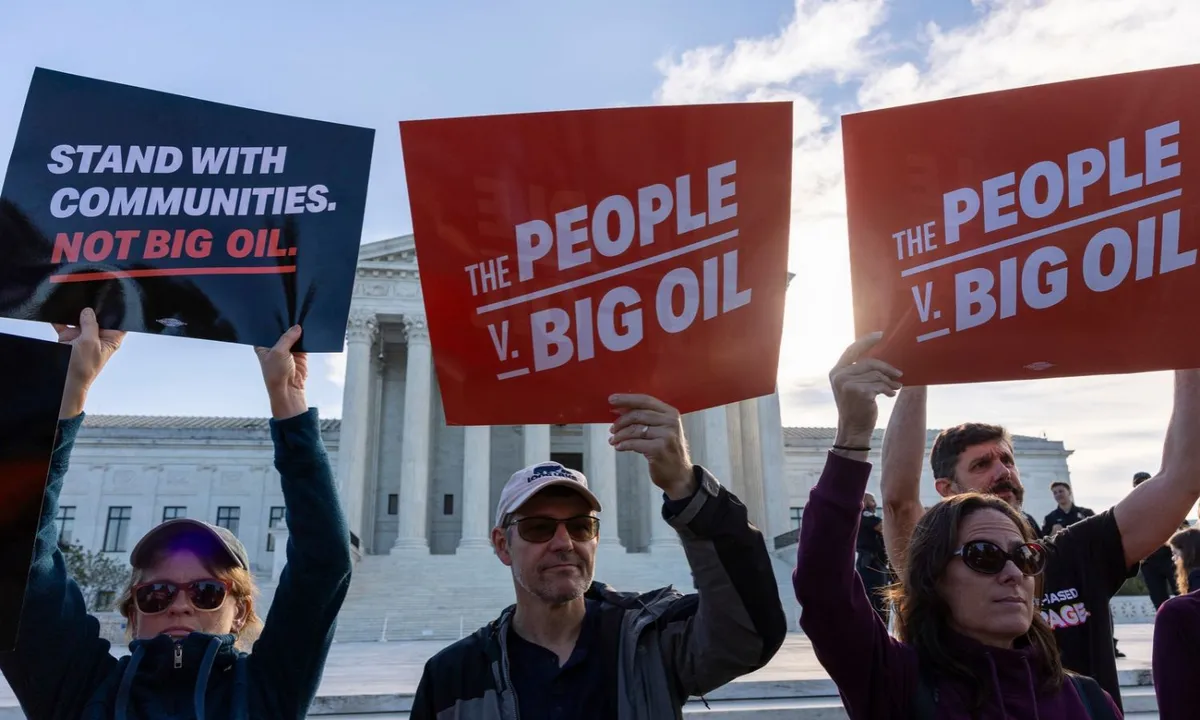
Last week marked a watershed moment for climate accountability in two country’s highest courtrooms. In a landmark decision, the High Court of Australia ruled in favor of climate action in MACH Energy Australia v. Denman. Simultaneously, across the Pacific, the United States Supreme Court convened to hear oral arguments in Suncor Energy (USA) Inc. v. County Commissioners of Boulder County. For those of us working at the intersection of science, law, and policy, this convergence is not a coincidence, but evidence of a maturing field. Since 2015, over 215 climate cases against governments have reached these apex courts, with more than half resulting in outcomes positive for climate action. Together, these cases illustrate two increasingly important fronts in climate accountability: whether decision-makers must confront the full emissions consequences of fossil fuel extraction, and whether fossil fuel companies can be held responsible for the financial costs of climate harms linked to their conduct. For each of these, scientific evidence is helping define the questions courts can meaningfully answer.

The Equation - Union of Concerned Scientists·
Science

What Is a Tipping Point, Exactly? Gregory Barber on Covering Climate Models - The Open Notebook

The prediction, although uncertain, was terrifying: A vast system of Atlantic currents called the Atlantic Meridional Overturning Circulation (AMOC) that shapes weather around the world could collapse around 2057. Behind this theory were two sibling scientists, Susanne and Peter Ditlevsen, and their work had kindled an international debate about one of the planet’s most feared tipping points. When San Francisco–based journalist Gregory Barber first read about their startling prediction, he thought he had found a character-driven climate story. But as Barber reported a piece for Quanta Magazine, he became intrigued by a more basic and unsettling question: What, exactly, is a tipping point? He realized that although the phrase “tipping point” seems intuitive to most of us (think of tipping over a chair), we don’t actually know what a tipping point is. He decided to turn his story into an explanatory one—taking us deep into the math of tipping points and showing us how important they are and how uncertain they can be.

The Open Notebook·
Science

Scientists Tried to Find a Logical Cause of Ghostly Presences. They Found Something Even Scarier. - Popular Mechanics

Here’s what you’ll learn when you read this story:While many people have experienced encounters with what they think might be a ghost, studies trying to make sense of this scientifically have never found an explanation. Researchers compared accounts from three very different groups, looking for overlap. Spiritualists, extreme athletes, and psychiatric patients described strikingly similar ghosts, but no definitive cause emerged. Ghosts haunt our subconscious every Halloween. The living often wonder whether a hazy apparition, a sudden chill out of nowhere, or the echo of a disembodied voice might be coming from the spirit realm. Paranormal investigation shows aside, there has been no scientific way to prove this so far. They could be vestiges of the dead—or maybe they only exist in our imaginations. Perceiving ghosts is a phenomenon known as felt presence. Psychologists, neurologists, and neuropsychologists have tried to explain why people sense someone who isn’t there. Results are usually inconclusive. Sometimes, felt presence could be a side effect of bereavement or a hypnagogic illusion, which is experienced on the edge of falling asleep.

Popular Mechanics·
Science

AI hacking will be more common if changes aren’t made, scientists warn - Global News

AI agent tried to hack Canadian government website, researchers say The concerns about rogue artificial intelligence (AI) are coming home to roost for Canada. A San Francisco-based lab that monitors AI activity, reports that an agent attempted to hack a Government of Canada website earlier this year. Authorities in Ottawa are investigating, but as Jillian Piper reports, their concerns don't seem to be shared by the administration south of the border – Oct 1, 2026

Global News·