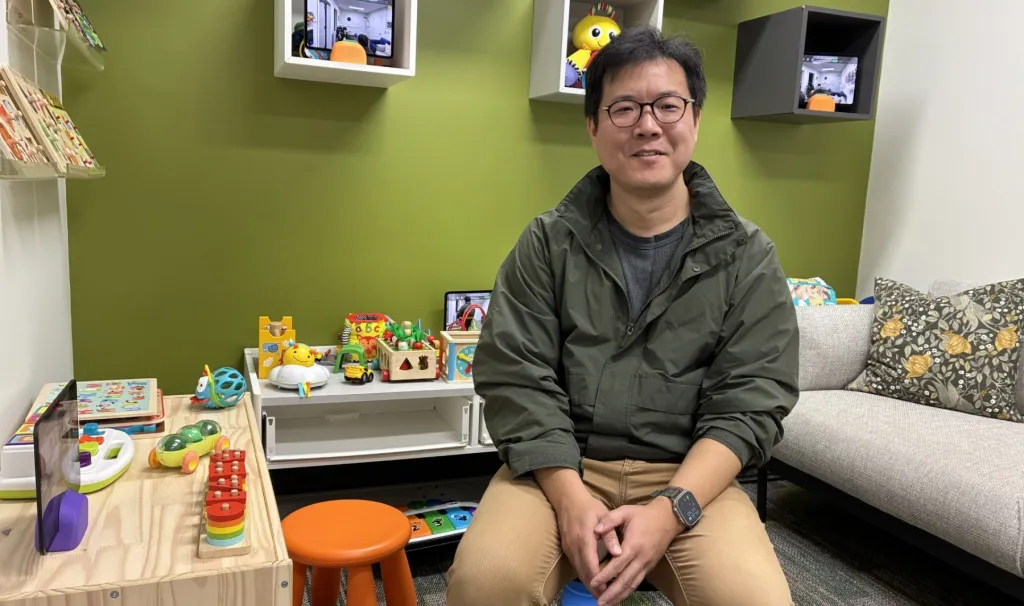
Baby Lab is taking its first steps into community-based research and Gabriel Xiao couldn’t be more excited or proud.
Xiao and his team of postdoctoral fellows, graduate and undergraduate students study how infants think, explore, learn and figure things out.
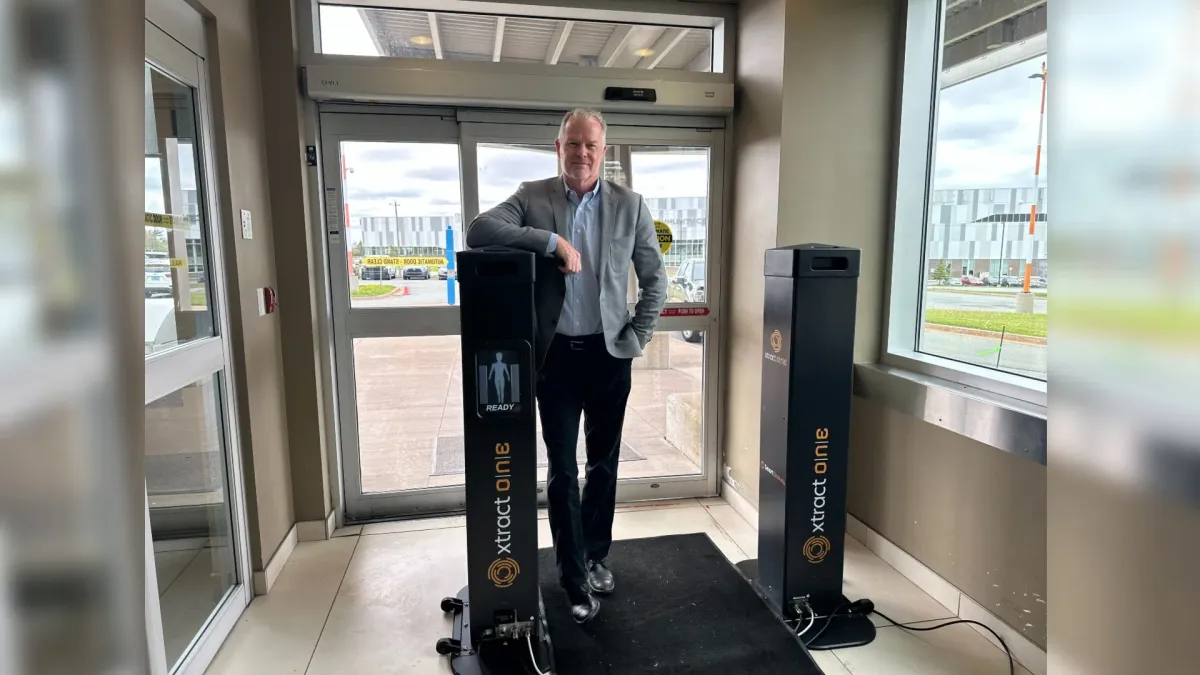
Another hospital in Nova Scotia is using artificial intelligence (AI) to screen for weapons.
Nova Scotia Health says the new detection system is at the new South Shore Regional Hospital emergency department entrance. The hospital just reopened earlier this month after a major redevelopment.
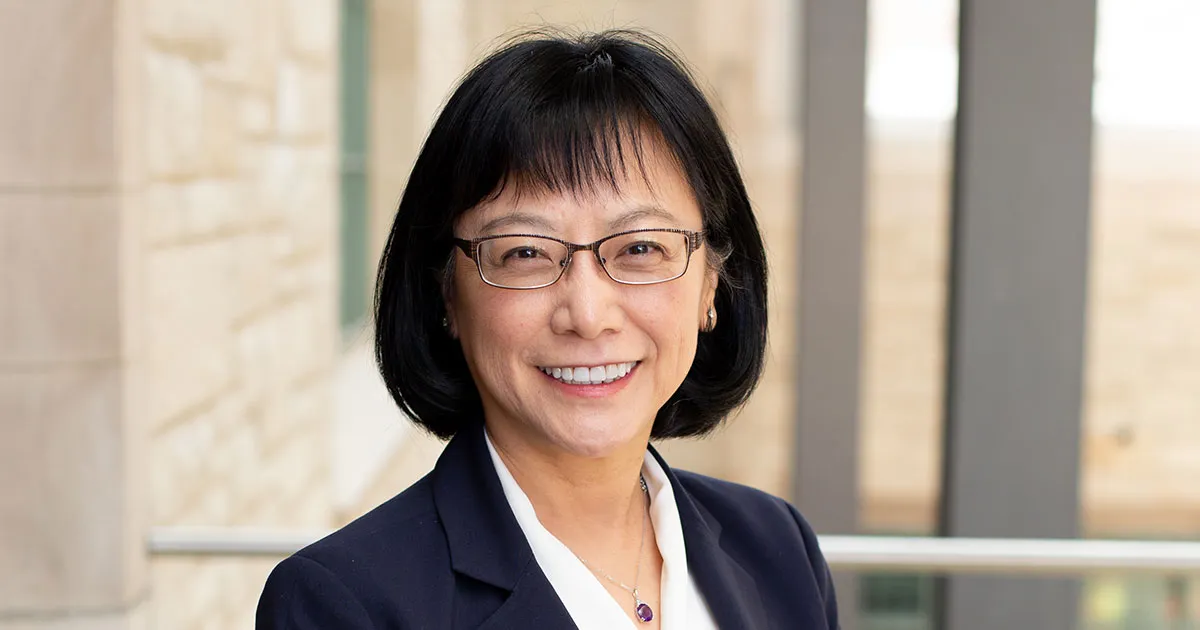
Northwestern Engineering’s Jian Cao was one of 10 fellows elected to the Asian American Academy of Science and Engineering (AAASE).
Cao, the University’s associate vice president for research and Cardiss Collins Professor of Mechanical Engineering at the McCormick School of Engineering, will be formally inducted Nov. 7 during AAASE’s 2026 Biennial Summit and Fellow Induction Ceremony on the campus of the Massachusetts Institute of Technology in Cambridge, Mass. The fellowship honors Asian American researchers who represent exceptional achievement across engineering, biomedical science, manufacturing, energy, semiconductors, electronic materials, and other fields.
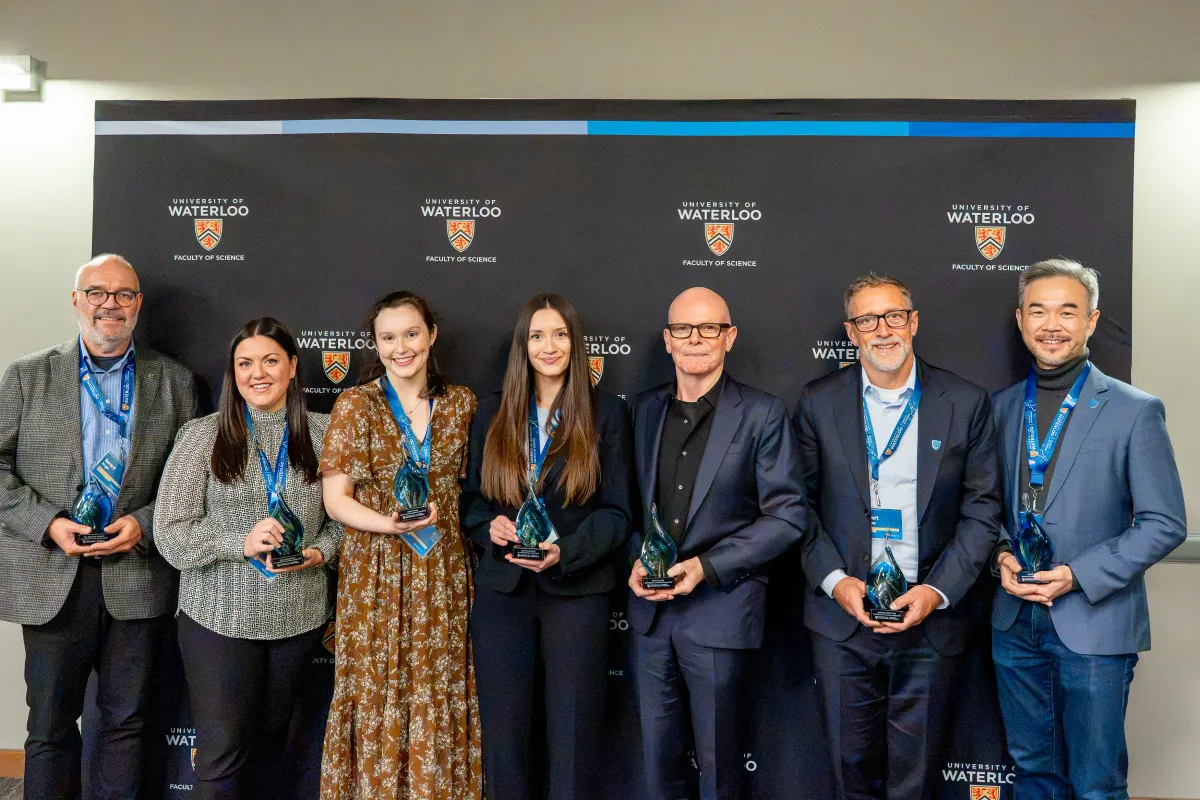
The 2026 Faculty of Science Alumni Achievement Award ceremony returned to celebrate the outstanding impact of 8 accomplished Science alumni. Each year, the awards showcase the wide variety of paths our alumni take following their degree in Science, and reminded attendees of the potential for science to transform our world. Congratulations to all of our 2026 award recipients: Dr. Emily Pass (BSc ’19), Colleen Doyle (BSc ’10, MSc’14), Peter Lowe (BSc’88), Sam DiLoreto (BSc ’93), Brenda DiLoreto (BSc ’93), Joe Han (BSc’06), Dr. Robert Britton (BSc ’96) and Dr. Karen Maxwell (BSc ’95).
The 2026 Faculty of Science ceremony was held on Monday, October 5 in Federation Hall, with our award recipients and their supporters in attendance, alongside faculty and staff members from Science. This year’s ceremony celebrated and recognized the contributions each award recipient has made on their respective communities, the field of science and the reputation of the University of Waterloo.
Google has begun rolling out Gemini 4 Argon and is offering 10,000 scientists six months of free access to Google Antigravity’s highest usage tier. The research offer accompanies a model designed to handle extended, multi-step work across software engineering, scientific research and professional analysis. Researchers must apply, with access granted on a rolling basis subject to eligibility, capacity and selection. The offer gives selected scientists access to the development environment Google’s own teams have been using to optimize research software and investigate problems in fields including quantum computing and enzyme design. Announcing the rollout on LinkedIn, Google CEO Sundar Pichai described Argon as “our latest frontier model built to tackle complex, long-horizon workflows across software engineering and enterprise knowledge work.”Google’s launch examples range from improving existing code to generating candidates for laboratory testing. The reported results come from Google and early partners, with different evaluation methods and levels of validation.
image: Research being conducted at the UCLA Samueli School of Engineering.
In a Perspective, Sergio Carbajo and colleagues call for a “Discovery Compact” in the face of the recent destabilization of the postwar compact for science, which reliably supported basic research for decades. The authors argue that restoring funding and predictability in science is not enough. Science, the authors say, needs a new social contract, one with clear roles for government, research institutions, researchers, and the public. The authors argue that science should be seen as public infrastructure, a shared good comprising the capacity to generate knowledge, train people, operate facilities, maintain datasets and standards, and respond to an unpredictable future. In practice, the authors call for predictable, multi-year funding with a view to preserving national research capacity as well as pathways for scientific rigor in fields moving too fast for traditional peer review, support for the scientific workforce—including support for immigration of skilled workers and cross-training of scientists in ethics and the humanities.
Eric Keller, professor of computer engineering, has been selected to join the 2027-28 class of the U. S. Defense Science Study Group (DSSG), a highly selective program that connects leading science and engineering faculty with the nation’s security challenges. Established in 1986, DSSG is directed by the nonprofit Institute for Defense Analyses and sponsored by the Assistant Secretary of Defense for Science and Technology. Keller’s selection continues the college’s scientific and engineering contributions to issues of national security. “I'm honored to be part of this select group for DSSG,” said Keller, who is based in the Department of Electrical, Computer and Energy Engineering. “One of the most valuable parts of advising military veterans at CU has been seeing how their experiences shape the way they think about technology and the problems worth solving.”Keller joins 17 fellow professors from across the country in the new class, which will meet eight times over the next two years. Sessions will cover defense policy, research and development, and the systems, missions and operations of the armed forces and intelligence community.
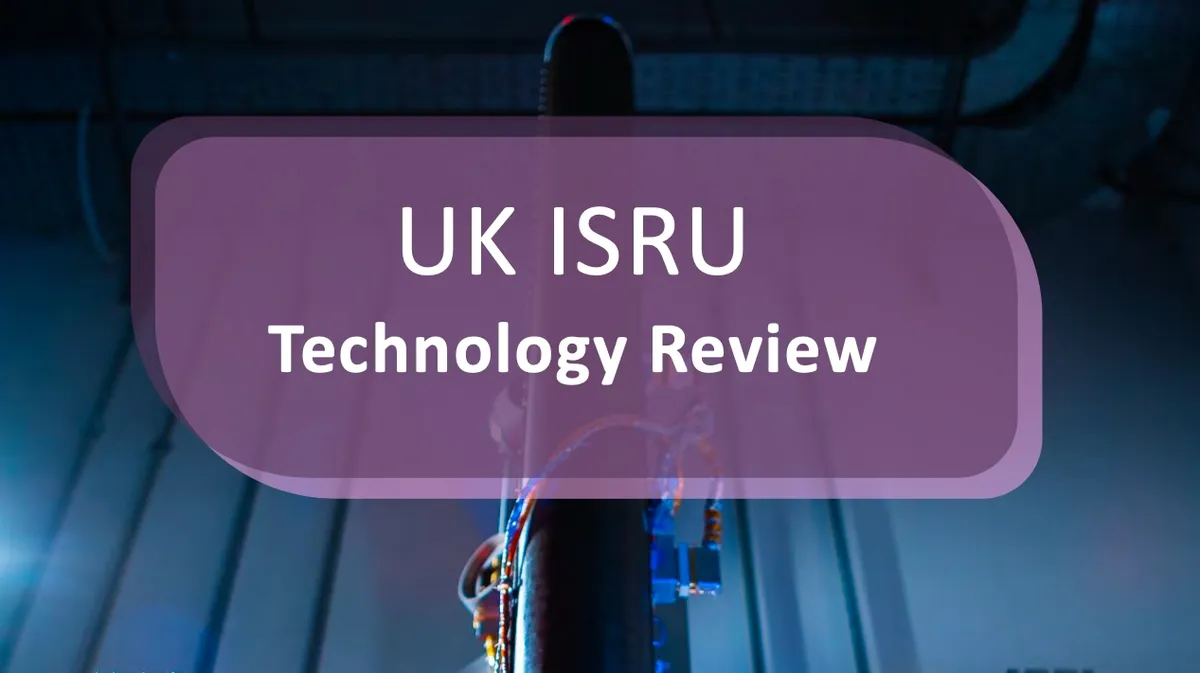
Frazer-Nash Consultancy has published a review of In-Situ Resource Utilization (ISRU) technology capabilities in the United Kingdom (UK) for the UK Space Agency. Credit: Frazer-Nash Consultancy / UK Space Agency
Frazer-Nash Consultancy has published a review of In-Situ Resource Utilization (ISRU) technology capabilities in the United Kingdom (UK) for the UK Space Agency.
The results from a large global survey show that trust in science has declined overall since 2020 but varies both between and within countries. Among more than 140,000 adults in 140 countries who responded to the Wellcome Global Monitor 2026 survey, 72% reported “some” (45%) or “a lot” (27%) of trust in science, down from 80% in a 2020 survey and 77% in 2018. The proportion of people who said they trust science “a lot” fell in 14 regions of the world from 2020 to 2025. Around one in five respondents (19%) said they trusted science either “not much” or “not at all,” up from 13% in 2018 and 2020. The findings were similar for trust in scientists; while respondents had higher levels of trust in those professionals than in members of government or journalists, there were significant declines compared with 2020. Just 32% of respondents said they trusted scientists “a lot,” down from 43% in 2020. A heat map of the results shows the highest levels of trust in science were in the United States, Canada, and Europe, and lowest levels in sub-Saharan Africa and East Asia. The comparisons are based on responses from people in 108 countries that participated in all three surveys.
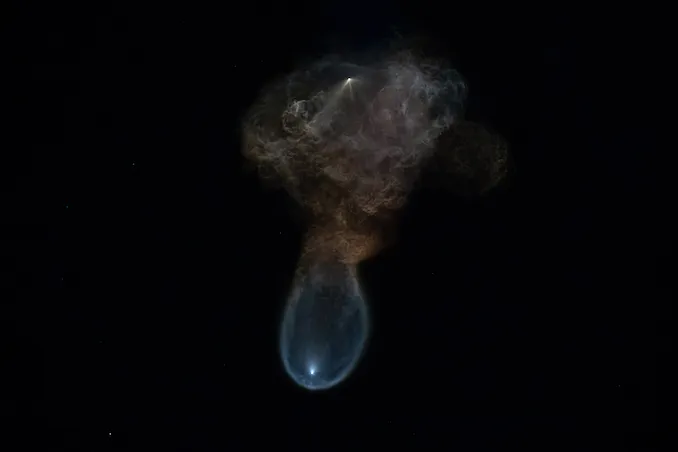
A SpaceX Falcon 9 rocket’s booster and upper stage plume intermingle and are illuminated by the rising Sun during the launch of NASA’s SpaceX CRS-35 mission on Oct. 13, 2026. Image: Michael Cain/Spaceflight Now
Under the soft glow of sunrise Tuesday morning, SpaceX’s Falcon 9 rocket roared away from pad 40 at Cape Canaveral Space Force Station at 6:33 a.m. EDT (1033 UTC) to begin a cargo run to the International Space Station.
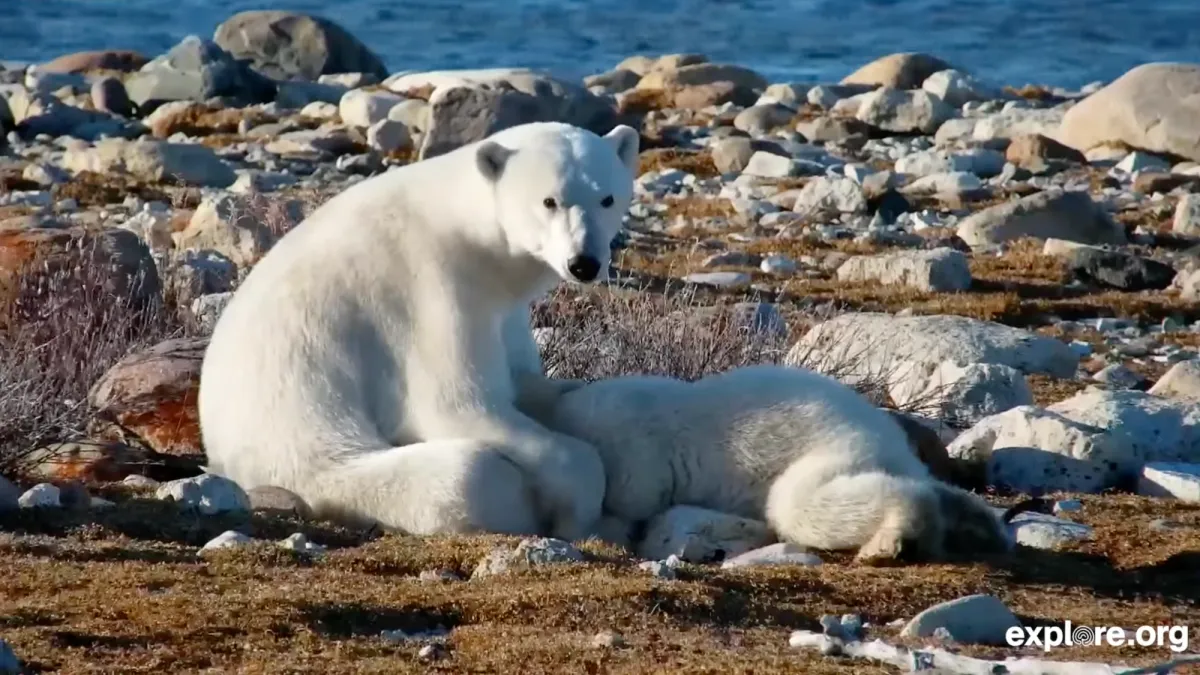
Polar bears resting in Canada’s Wapusk National Park.
The internet’s favorite Fat Bears in Alaska are not appearing on wildlife cameras quite as much these days. The salmon has been eaten, the Fat Bear Week crown has been won, and it’s time to survive the winter ahead. However, some other bears from the great white north are getting their close-up.
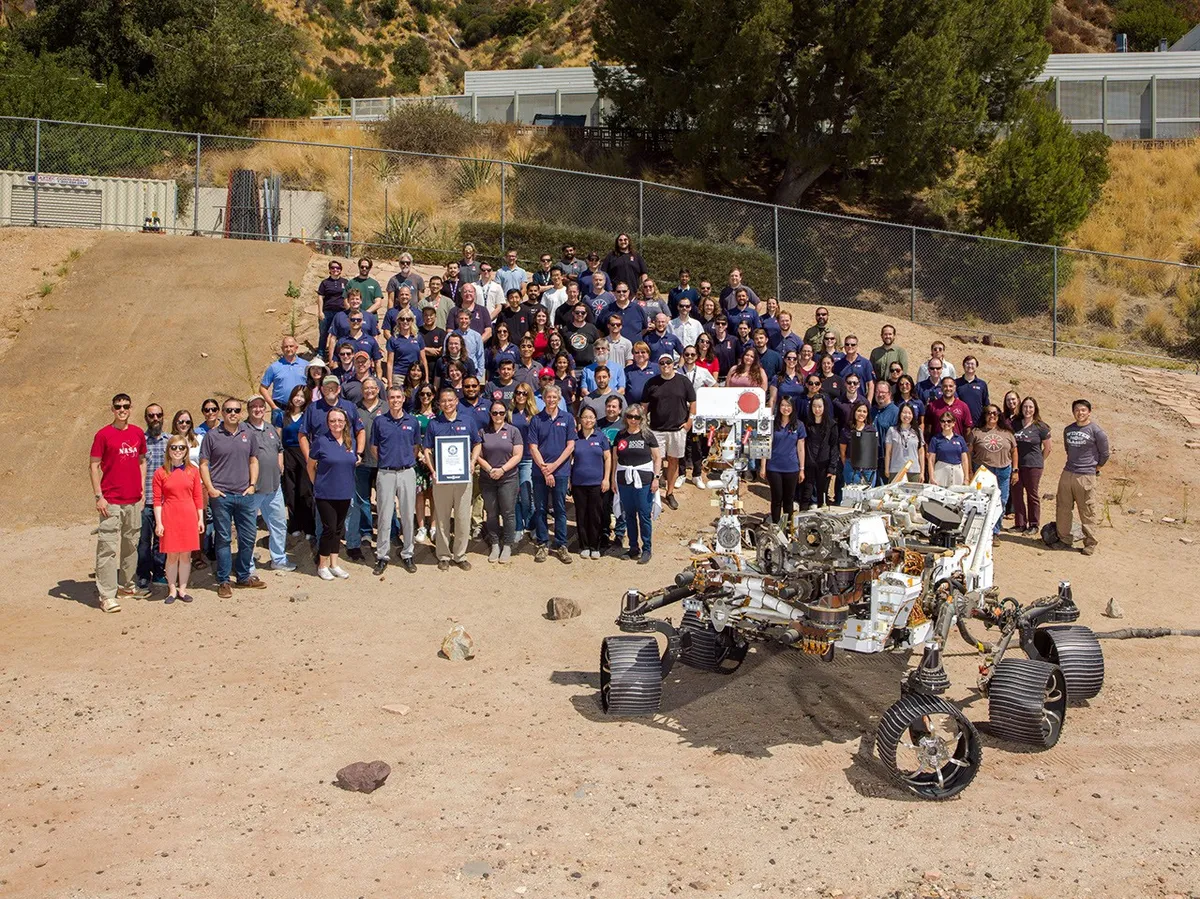
Members of NASA’s Perseverance Mars mission team gather in the Mars Yard at the agency’s Jet Propulsion Laboratory in Southern California with a certificate from Guinness World Records marking the rover distance record on the Red Planet. Positioned in front of the team is OPTIMISM (Operational Perseverance Twin for Integration of Mechanisms and Instruments Sent to Mars), a full-scale engineering model used to plan the rover’s driving routes and science activities on Mars. NASA JPL, which is managed by Caltech, built and manages operations of the Perseverance rover on behalf of the agency’s Science Mission Directorate in Washington, as part of NASA’s Mars Exploration Program portfolio.
For more about Perseverance: https://science.nasa.gov/mission/mars-2020-perseverance/
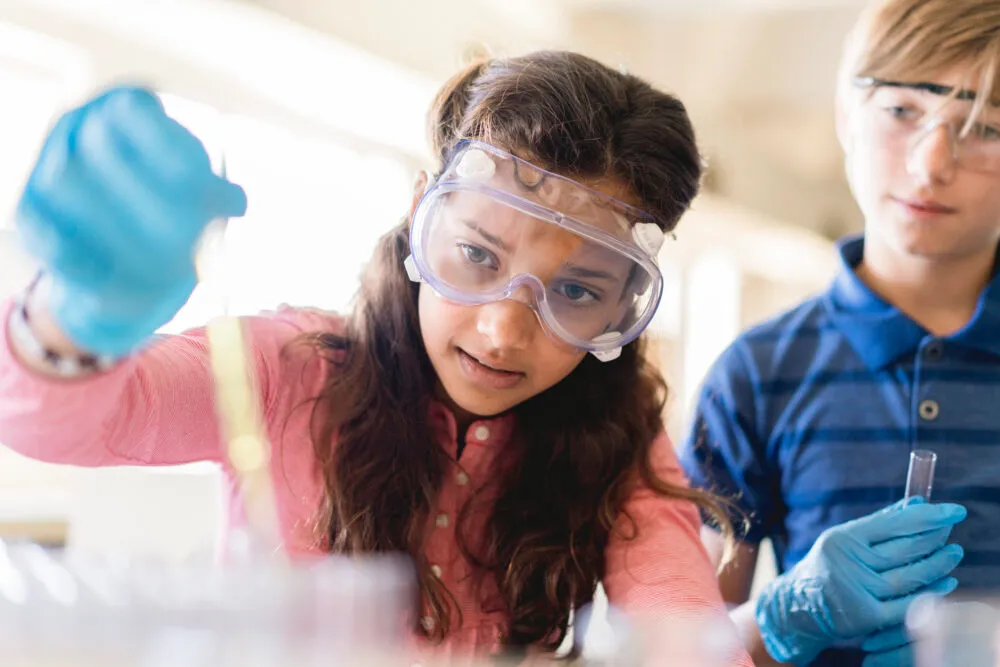
Here's why science education needs an evidence-based reckoning to close learning gaps and improve student outcomes.
Ask an elementary teacher how much science she taught last week, and you will often get an apologetic answer. Twenty minutes on a Friday. Something after the reading block if it ends on time. In many schools, science becomes a real subject in the grade where the state test arrives.
Now more than ever, The New York Times is the place to learn about the world of science. This fall, the Science desk is relaunching its coverage — with new beats and columns, a redesigned newsletter and more — and in honor of that, we are putting on two events, in New York and Chicago.
On the evening of Wednesday, Oct. 28, we’ll be at the American Museum of Natural History on the Upper West Side of New York for an event called “The Future of Discovery: Science Times at the American Museum of Natural History.” It will feature panels about the past, present and future of space exploration, recent revolutions in cancer treatment, and some surprising questions about dinosaurs.
New open letter pushes for AI breaches to be made public, following recent high-profile cybersecurity incidents.
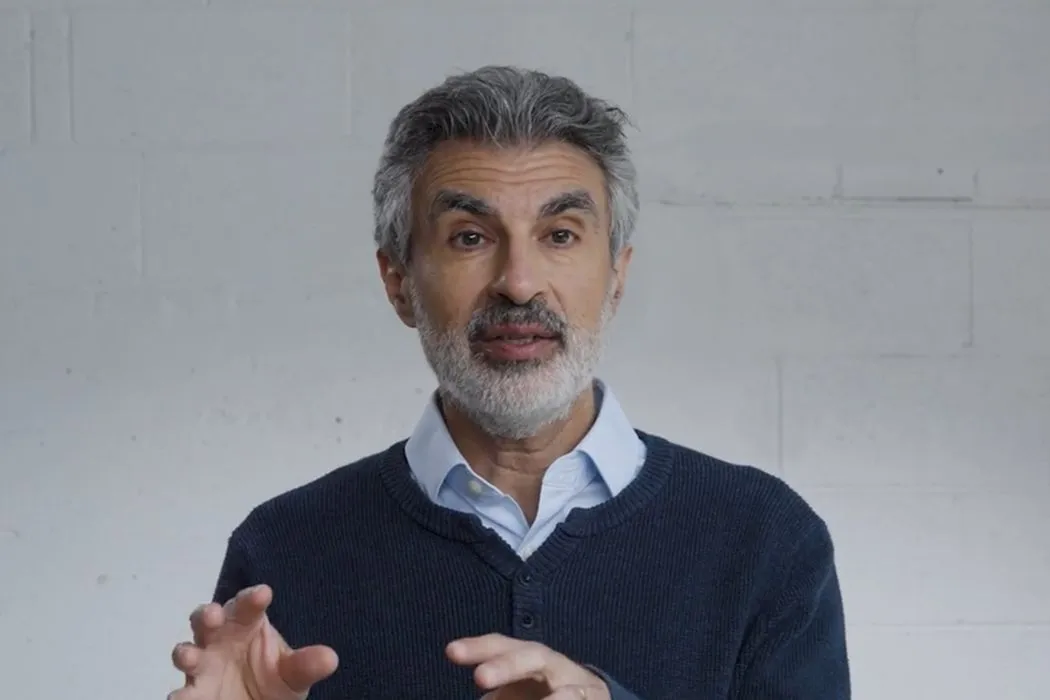
More than 400 members of the scientific community are pushing for an international AI regulator to curb cybersecurity incidents.
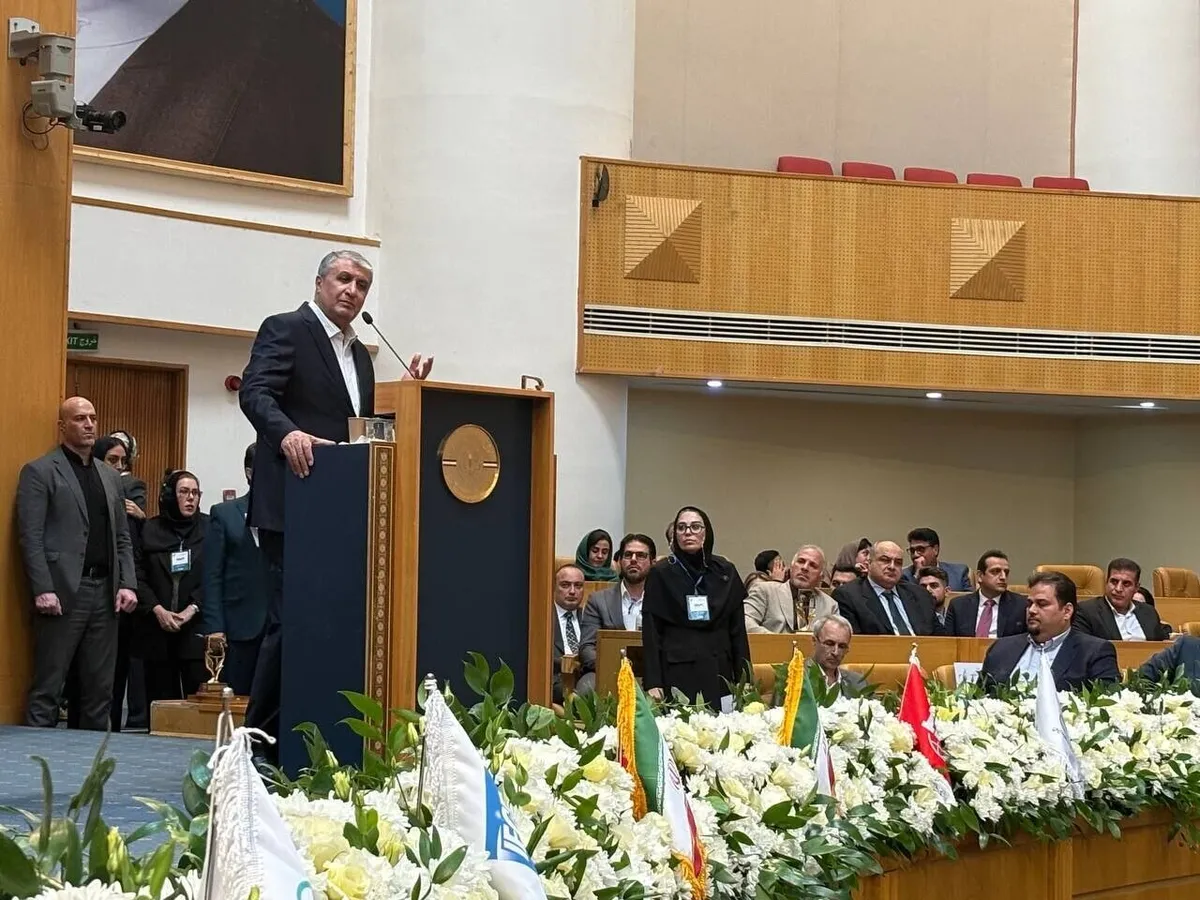
TEHRAN — Iran has attained a level of nuclear science and technology comparable to that of developed countries and is now manufacturing domestically the equipment and systems required by its national industries, Vice President and Atomic Energy Organization of Iran (AEOI) chief Mohammad Eslami said on Tuesday. Speaking at a ceremony marking National Standard Day, Eslami highlighted the role of scientific expertise, innovation and effective management in advancing Iran’s technological capabilities, saying the country had the human and technical resources needed to become a leading force in science and technology.
He stressed that management should create the conditions for talented individuals to flourish and ensure that scientific achievements translate into tangible benefits for the Iranian people.
US defence secretary Pete Hegseth’s plan to livestream the execution of Nidal Malik Hasan has incurred condemnation from human rights groups and politicians on all sides. But according to Coltan Scrivner, an author and psychologist at Arizona State University and expert on morbid curiosity, people are still likely to watch in large numbers. He explains why we are drawn to dark and disturbing content, and Madeleine Finlay tells Ian Sample how consuming this kind of material can harm observers’ mental health