BBlogFlow

Categories

Science

10831 articles

Science

Could meditation reveal an SU(3) symmetry shared by the observer and the universe? - Phys.org

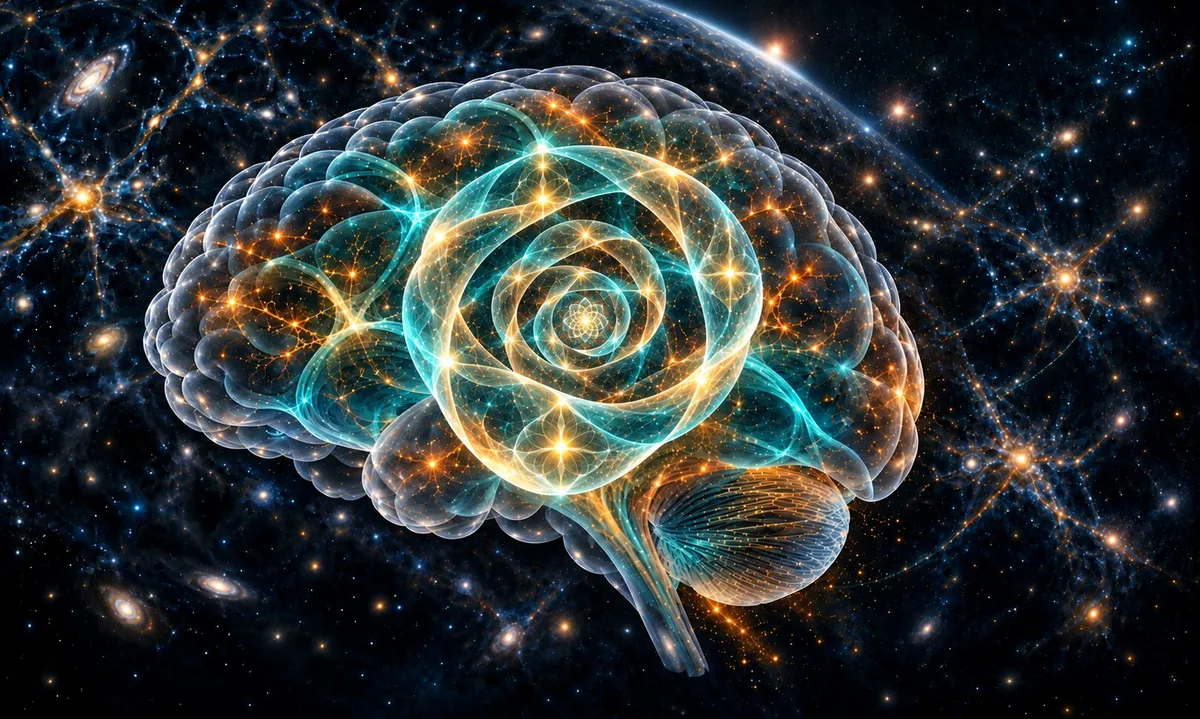
Conceptual illustration linking SU(3)-inspired vacuum geometry with coherent and dissipative brain activity. Credit: Ahmed Farag Ali, Nader Inan, Ruben Laukkonen and Pavlo Mikheenko. AI-generated illustration created with OpenAI's ChatGPT. You bring your attention back to the breath. Sometimes, after many such returns, the effort eases. Thoughts lose their urgency, while awareness remains clear. Less occupies the mind, yet the moment still feels whole. We are interested in what makes that wholeness possible. Even an ordinary moment brings together vision, memory, bodily sensation and attention. Their contents change constantly, but they belong to one experience.

Phys.org·

Science

The ‘Holy Grail’ of baseball cards is up for auction - Popular Science

A similar Wagner baseball card auctioned for over $5 million earlier this year. One of history’s most famous baseball cards is up for auction, and bidding has already surpassed $1 million with days left to go. Its official name of the 1909-11 T206 White Border Sweet Caporal 150/25 Honus Wagner PSA Authentic (Restored) is quite the mouthful, but Heritage Auction’s nickname for the memorabilia is much easier to remember. Simply put, the incredibly rare piece of history is the “Holy Grail” of baseball cards.

Popular Science·
Science

University of St. Thomas Launches Master of Science in Emergency and Disaster Management - Newsroom | University of St. Thomas

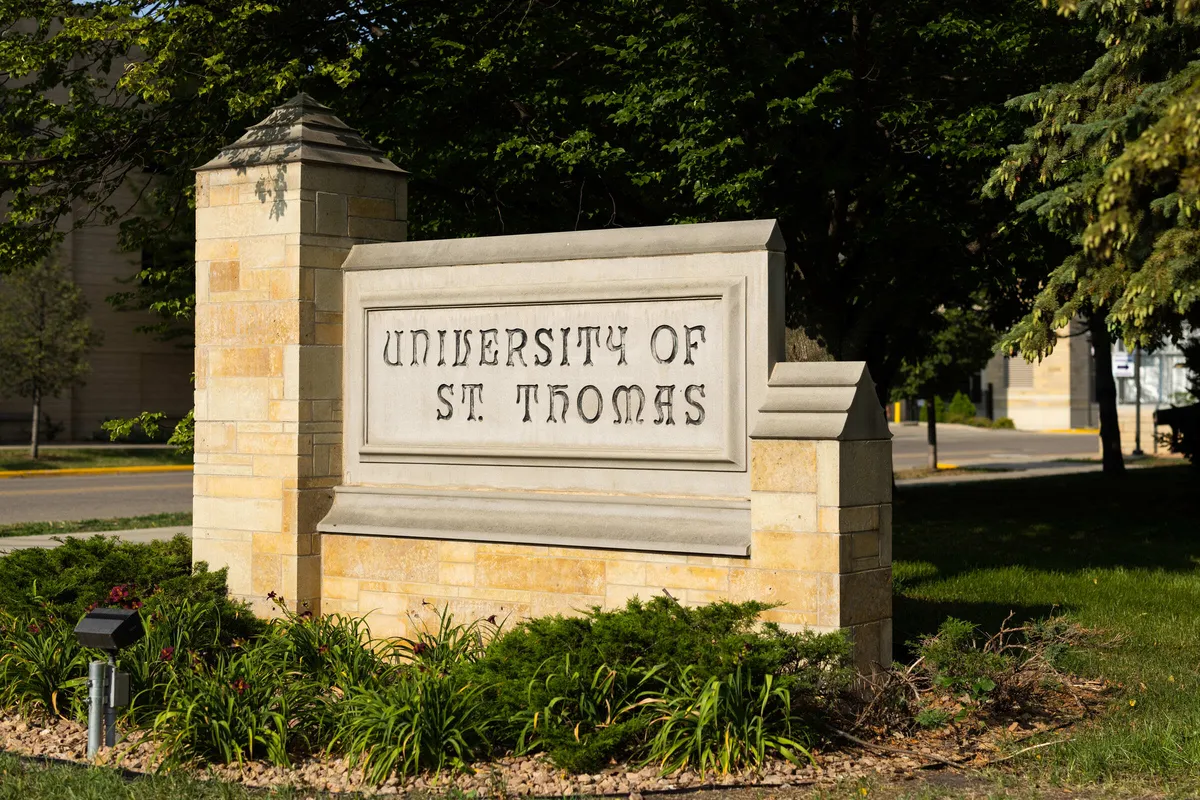
The University of St. Thomas College of Arts and Sciences has launched a Master of Science in Emergency and Disaster Management program designed to prepare current and future emergency management professionals to lead through a rapidly changing risk landscape. The program welcomed its first cohort in fall 2026 and prepares students to anticipate and respond to emerging threats while developing skills in areas such as strategic foresight, cross-sector collaboration and the use of emerging technologies.

Newsroom | University of St. Thomas·
Science

Latest Trump administration proposal to change NIH research grant system draws scientists’ ire - Scientific American

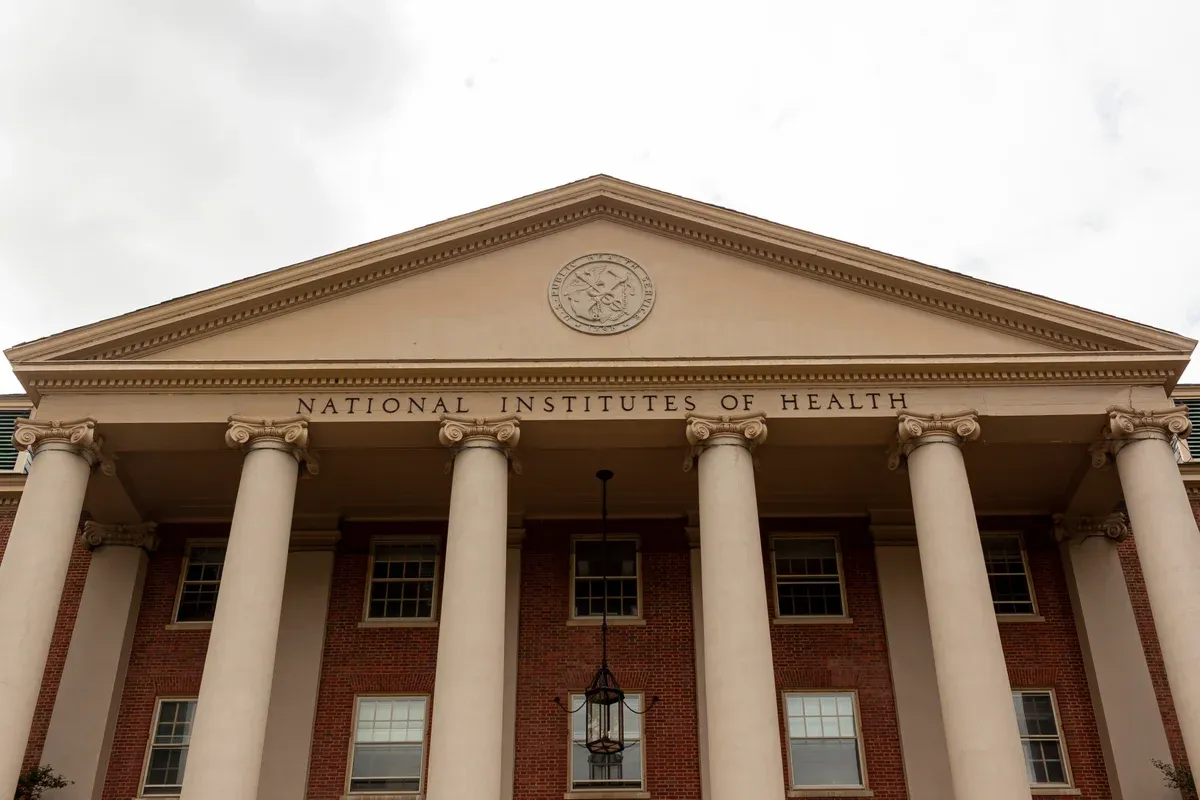
October 13, 20263 min read Add Us On GoogleAdd SciAmOne researcher tells Scientific American that the change would reduce transparency and risk politicizing the grant review processBy Adam Kovac edited by Claire CameronA view of the main historical building of the National Institutes of Health at the agency’s campus in Bethesda, Md. The U. S. Public Health Service Commissioned Corps seal is seen at the top of the building. Shutterstock/grandbrothersThe National Institutes of Health is weighing changes to the procedures it uses to allot scientific funding. Experts say the change—concealing scores on applications for grants—could reduce transparency around how federal money is spent on research. Currently, applications for NIH grants are examined by at least three experts in the applicant’s field of research. That panel of peer reviewers then submits a written review that summarizes the likely outcomes of the proposed research, as well as the application’s strengths and weakness. The reviewers also each give the application a score between 1 and 9, with 1 being the highest. An average of these, called the impact score, is revealed to the applicant.

Scientific American·
Science

USU's Science Unwrapped Explores 'Physics of Ballet' on Oct. 16 - Utah State University

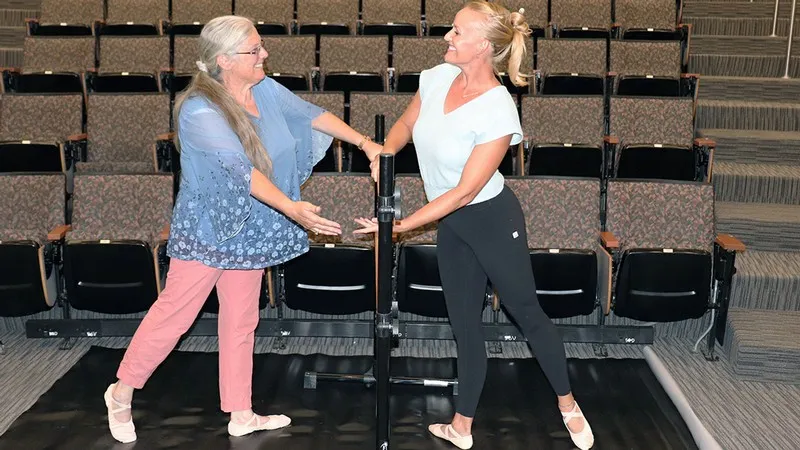
What do physics and ballet have in common? A lot! Utah State University physicist Tonya Triplett and Cache Valley dancer Becky Erickson will team up Friday at USU’s Science Unwrapped to demonstrate the beautiful, complex interplay of science and dance. They will present “The Physics of Ballet” at 7 p.m. in the Eccles Science Learning Center Emert Auditorium, Room ESLC 130, on the Logan campus. All ages are invited to the free gathering, hosted by USU’s College of Arts and Sciences (ArtSci). Hands-on learning activities led by USU student groups and community volunteers, along with refreshments, follow the half-hour presentation. “Ballet is physics in motion,” says Triplett, principal lecturer in USU’s Department of Physics. “Together, we’ll explore how every movement — each extension, leap, and spin — relies directly on mechanical laws, force distribution and momentum. We’ll also get to move a bit and it will be great fun.”“Our Oct.

Utah State University·
Science

Jian Cao Elected an Asian American Academy of Science and Engineering Fellow - Northwestern University

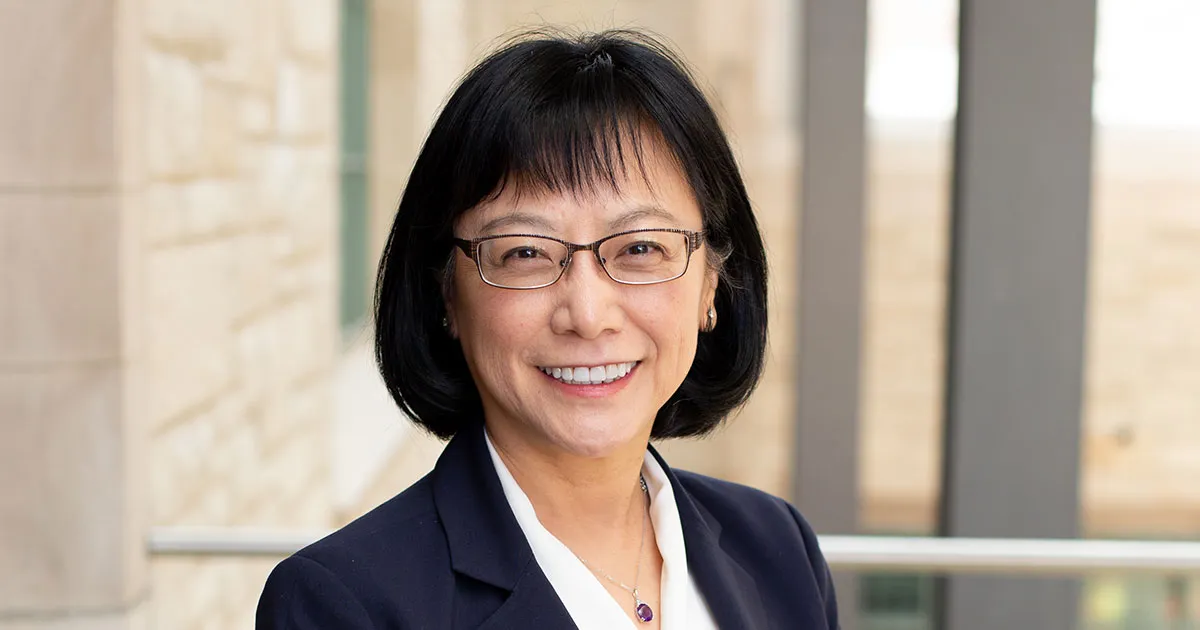
Northwestern Engineering’s Jian Cao was one of 10 fellows elected to the Asian American Academy of Science and Engineering (AAASE). Cao, the University’s associate vice president for research and Cardiss Collins Professor of Mechanical Engineering at the McCormick School of Engineering, will be formally inducted Nov. 7 during AAASE’s 2026 Biennial Summit and Fellow Induction Ceremony on the campus of the Massachusetts Institute of Technology in Cambridge, Mass. The fellowship honors Asian American researchers who represent exceptional achievement across engineering, biomedical science, manufacturing, energy, semiconductors, electronic materials, and other fields.

Northwestern University·
Science

2026 Science Alumni Achievement Awards celebrate curiosity, innovation and impact - University of Waterloo

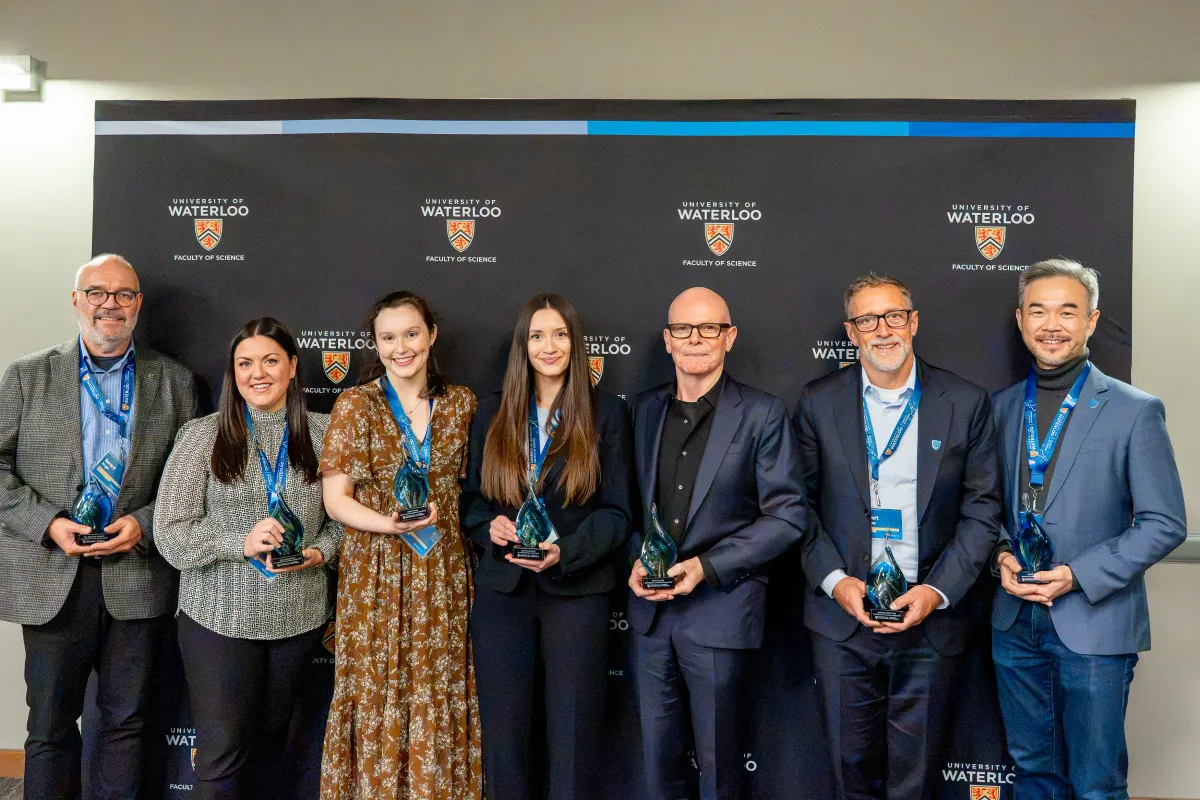
The 2026 Faculty of Science Alumni Achievement Award ceremony returned to celebrate the outstanding impact of 8 accomplished Science alumni. Each year, the awards showcase the wide variety of paths our alumni take following their degree in Science, and reminded attendees of the potential for science to transform our world. Congratulations to all of our 2026 award recipients: Dr. Emily Pass (BSc ’19), Colleen Doyle (BSc ’10, MSc’14), Peter Lowe (BSc’88), Sam DiLoreto (BSc ’93), Brenda DiLoreto (BSc ’93), Joe Han (BSc’06), Dr. Robert Britton (BSc ’96) and Dr. Karen Maxwell (BSc ’95). The 2026 Faculty of Science ceremony was held on Monday, October 5 in Federation Hall, with our award recipients and their supporters in attendance, alongside faculty and staff members from Science. This year’s ceremony celebrated and recognized the contributions each award recipient has made on their respective communities, the field of science and the reputation of the University of Waterloo.

University of Waterloo·
Science

Google rolls out Gemini 4 Argon with free research access for 10,000 scientists - EdTech Innovation Hub

Google has begun rolling out Gemini 4 Argon and is offering 10,000 scientists six months of free access to Google Antigravity’s highest usage tier. The research offer accompanies a model designed to handle extended, multi-step work across software engineering, scientific research and professional analysis. Researchers must apply, with access granted on a rolling basis subject to eligibility, capacity and selection. The offer gives selected scientists access to the development environment Google’s own teams have been using to optimize research software and investigate problems in fields including quantum computing and enzyme design. Announcing the rollout on LinkedIn, Google CEO Sundar Pichai described Argon as “our latest frontier model built to tackle complex, long-horizon workflows across software engineering and enterprise knowledge work.”Google’s launch examples range from improving existing code to generating candidates for laboratory testing. The reported results come from Google and early partners, with different evaluation methods and levels of validation.

EdTech Innovation Hub·
Science

A “Discovery Compact” for science - EurekAlert!

image: Research being conducted at the UCLA Samueli School of Engineering. In a Perspective, Sergio Carbajo and colleagues call for a “Discovery Compact” in the face of the recent destabilization of the postwar compact for science, which reliably supported basic research for decades. The authors argue that restoring funding and predictability in science is not enough. Science, the authors say, needs a new social contract, one with clear roles for government, research institutions, researchers, and the public. The authors argue that science should be seen as public infrastructure, a shared good comprising the capacity to generate knowledge, train people, operate facilities, maintain datasets and standards, and respond to an unpredictable future. In practice, the authors call for predictable, multi-year funding with a view to preserving national research capacity as well as pathways for scientific rigor in fields moving too fast for traditional peer review, support for the scientific workforce—including support for immigration of skilled workers and cross-training of scientists in ethics and the humanities.

EurekAlert!·
Science

Eric Keller joins newest class of U.S. Defense Science Study Group - University of Colorado Boulder

Eric Keller, professor of computer engineering, has been selected to join the 2027-28 class of the U. S. Defense Science Study Group (DSSG), a highly selective program that connects leading science and engineering faculty with the nation’s security challenges. Established in 1986, DSSG is directed by the nonprofit Institute for Defense Analyses and sponsored by the Assistant Secretary of Defense for Science and Technology. Keller’s selection continues the college’s scientific and engineering contributions to issues of national security. “I'm honored to be part of this select group for DSSG,” said Keller, who is based in the Department of Electrical, Computer and Energy Engineering. “One of the most valuable parts of advising military veterans at CU has been seeing how their experiences shape the way they think about technology and the problems worth solving.”Keller joins 17 fellow professors from across the country in the new class, which will meet eight times over the next two years. Sessions will cover defense policy, research and development, and the systems, missions and operations of the armed forces and intelligence community.

University of Colorado Boulder·
Science

A new report reviews UK In-Situ Resource Utilization technology capability - SpaceQ

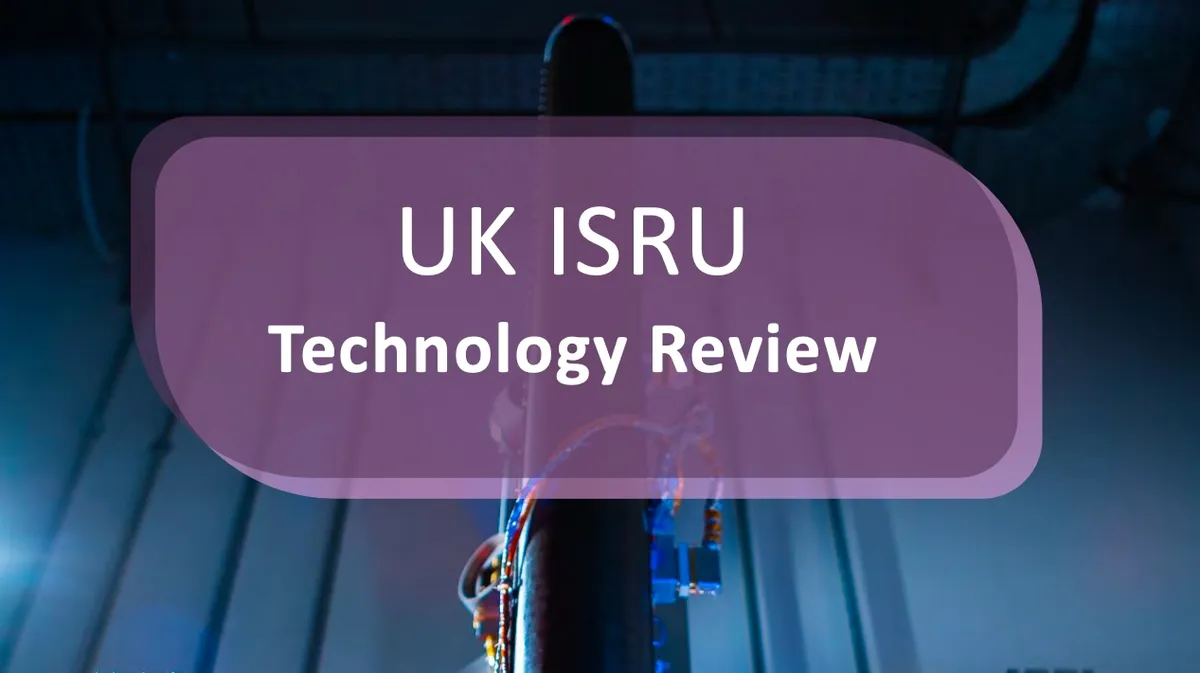
Frazer-Nash Consultancy has published a review of In-Situ Resource Utilization (ISRU) technology capabilities in the United Kingdom (UK) for the UK Space Agency. Credit: Frazer-Nash Consultancy / UK Space Agency Frazer-Nash Consultancy has published a review of In-Situ Resource Utilization (ISRU) technology capabilities in the United Kingdom (UK) for the UK Space Agency.

SpaceQ·
Science

Trust in science ‘under pressure,’ global survey finds - CIDRAP

The results from a large global survey show that trust in science has declined overall since 2020 but varies both between and within countries. Among more than 140,000 adults in 140 countries who responded to the Wellcome Global Monitor 2026 survey, 72% reported “some” (45%) or “a lot” (27%) of trust in science, down from 80% in a 2020 survey and 77% in 2018. The proportion of people who said they trust science “a lot” fell in 14 regions of the world from 2020 to 2025. Around one in five respondents (19%) said they trusted science either “not much” or “not at all,” up from 13% in 2018 and 2020. The findings were similar for trust in scientists; while respondents had higher levels of trust in those professionals than in members of government or journalists, there were significant declines compared with 2020. Just 32% of respondents said they trusted scientists “a lot,” down from 43% in 2020. A heat map of the results shows the highest levels of trust in science were in the United States, Canada, and Europe, and lowest levels in sub-Saharan Africa and East Asia. The comparisons are based on responses from people in 108 countries that participated in all three surveys.

CIDRAP·
Science

SpaceX launches NASA science and cargo to the International Space Station - Spaceflight Now

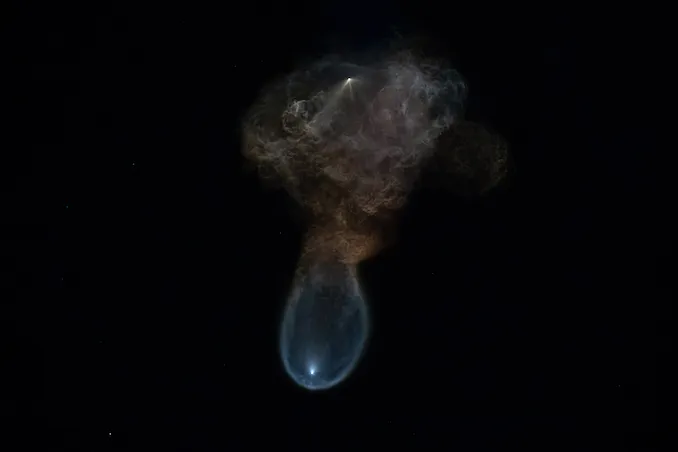
A SpaceX Falcon 9 rocket’s booster and upper stage plume intermingle and are illuminated by the rising Sun during the launch of NASA’s SpaceX CRS-35 mission on Oct. 13, 2026. Image: Michael Cain/Spaceflight Now Under the soft glow of sunrise Tuesday morning, SpaceX’s Falcon 9 rocket roared away from pad 40 at Cape Canaveral Space Force Station at 6:33 a.m. EDT (1033 UTC) to begin a cargo run to the International Space Station.

Spaceflight Now·