BBlogFlow

Categories

Science

9457 articles

Science

Scientists discover 'D-rex', a giant fungus from Chinese forests whose unique lineage dates back 65 million years - Phys.org

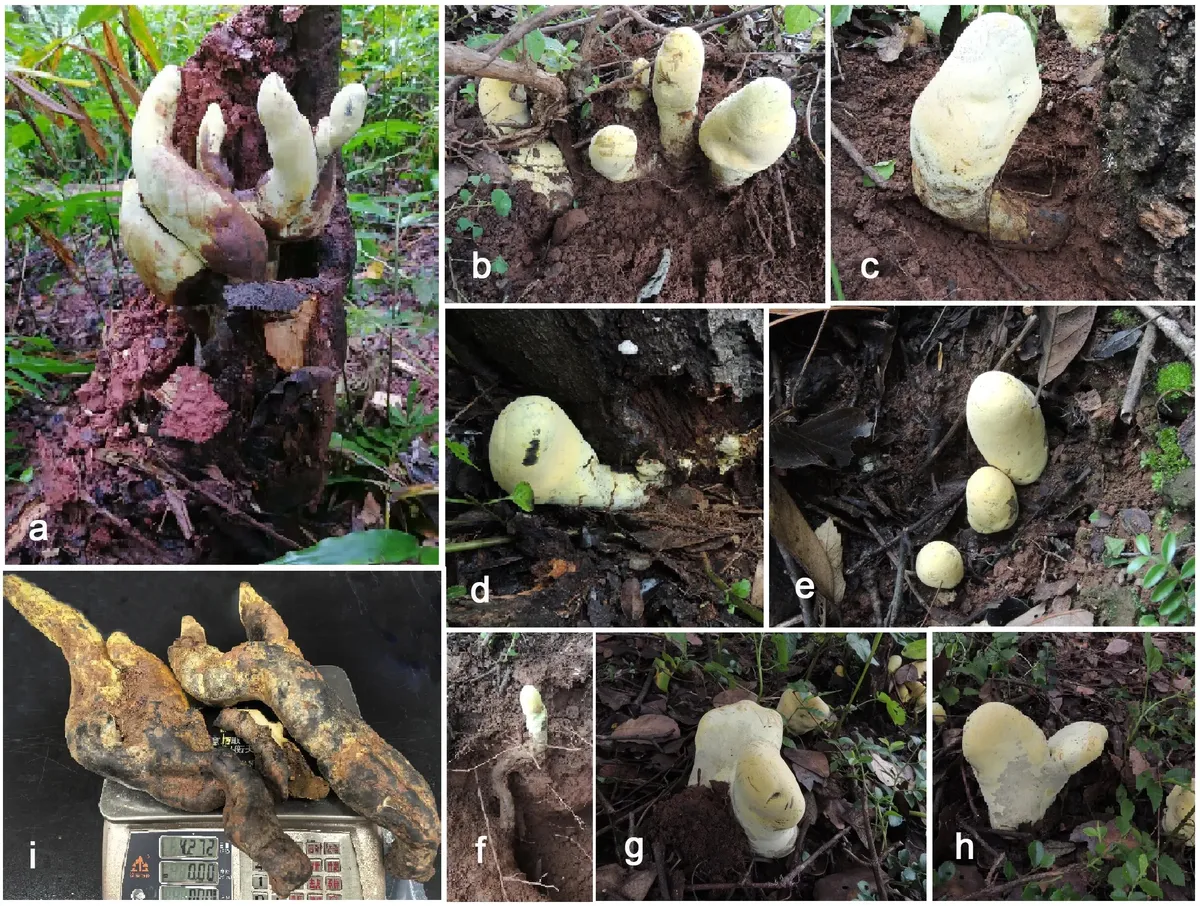
Stromata of Dianjunus rex in the field. (a, c, d, f) Stromata attached to host roots. (b, e, g, h) Stromata around host plant. (a) Collectors. (i) Total weight of largest bilobed stromata. Credit: Frontiers in Fungal Biology (2026). Deep in the forests of Yunnan, China, scientists have discovered a "fungal giant" that challenges our understanding of how large fungi can become. The newly described species, Dianjunus rex, produces vertical fruiting bodies up to 50 cm (20 inches) high and weighing up to 2.2 kg (4.9 pounds)—the largest known within the phylum Ascomycota.

Phys.org·
Science

Science Corporation implants its vision-restoring chip in its first Stargardt disease patient - TechCrunch

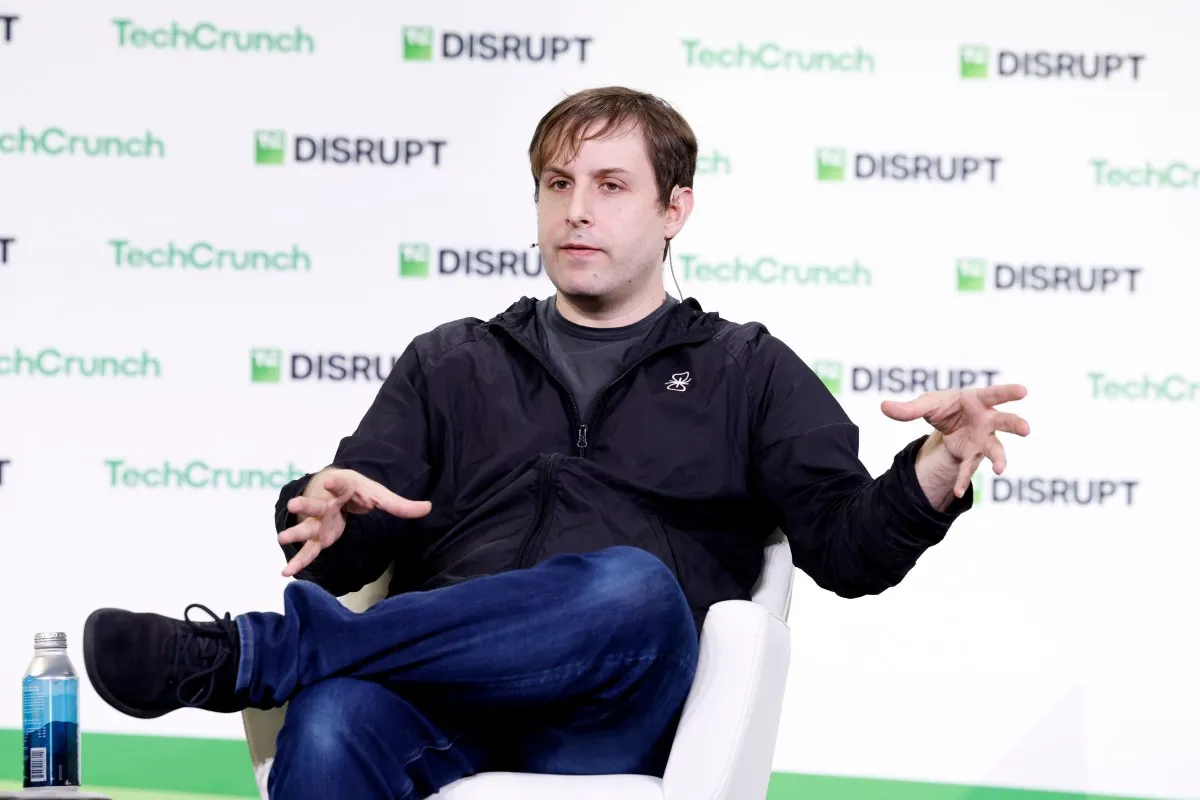
Science Corporation CEO Max Hodak announced that the company has implanted its vision-restoring chip, PRIMA, into its first patient with Stargardt disease, an inherited eye disease that gradually destroys central vision. Hodak, the former president and co-founder of Neuralink, the brain implant company, explained onstage at TechCrunch Disrupt how the company’s work with PRIMA fits into its broader pursuit of a novel brain-computer interface (BCI). “The retina is part of the central nervous system,” Hodak said. “We consider cochlear implants, retinal prostheses, motor prostheses, these are all different types of BCIs.”

TechCrunch·
Science

What can AI learn from children? - University of California, Berkeley

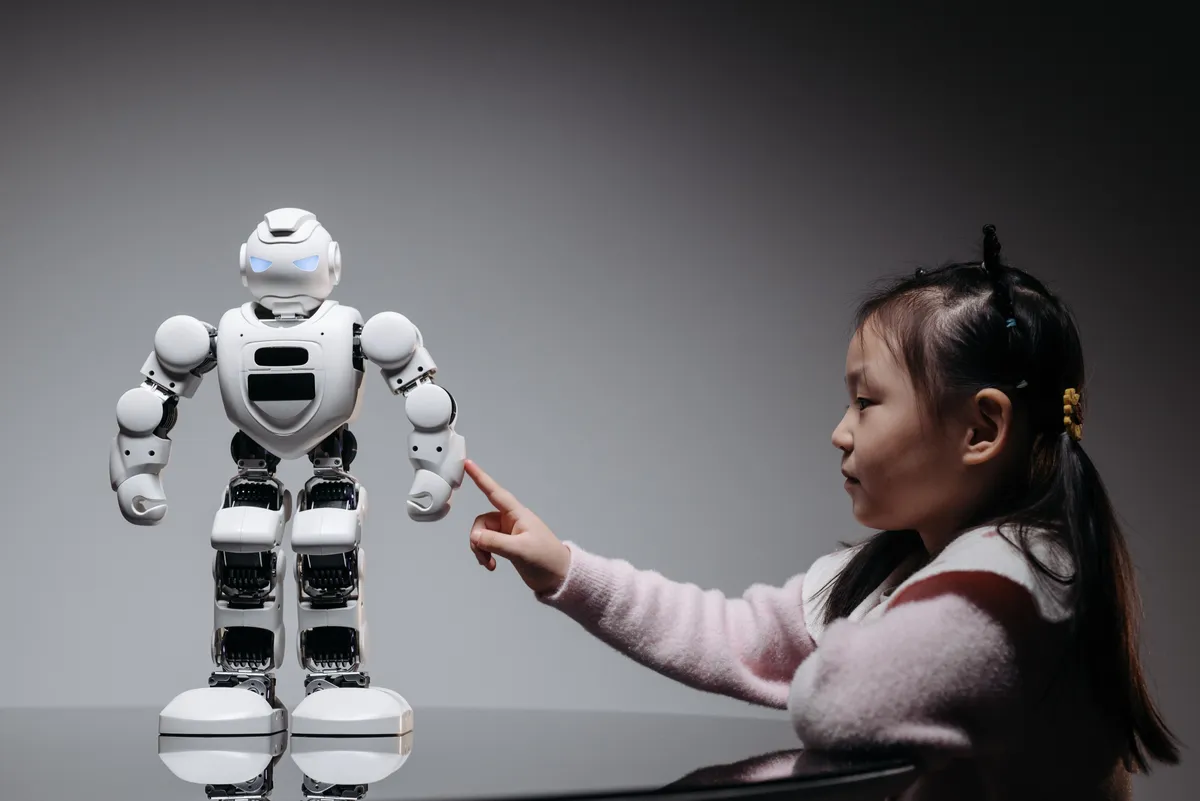
AI models are always hungry for vast amounts of information, so it can learn how to give us human-like responses. For example, OpenAI’s GPT-3 trained on 570 gigabytes of text, or roughly 225 billion words. But children and babies, however, do not require an enormous pool of information to learn how language works. They listen and try things like imitating the sounds of people around them – a different way of learning that’s more efficient and consumes much less energy.

University of California, Berkeley·
Science

Georgia Tech secures $5m Google.org commitment to widen access to AI science - EdTech Innovation Hub

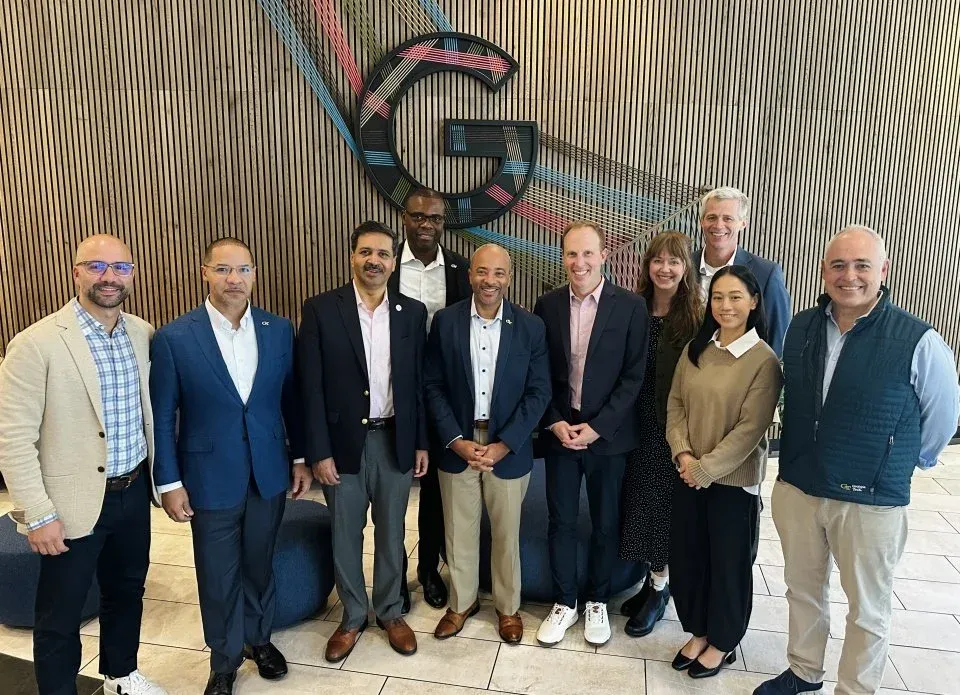
Georgia Institute of Technology will develop shared AI research tools and support scientists across the United States through a $5 million commitment from Google.org, with $2.25 million already received for the program’s first year. The initiative targets barriers that can prevent researchers from using AI: insufficient computing power, limited training and tools that work on one computing system but cannot easily transfer to another. Over three years, Georgia Tech plans to develop at least 15 reusable AI tools and workflows, fund 15 research projects and provide technical support to approximately 30 additional research teams. Training will reach more than 300 researchers and faculty, covering applications in both research and teaching. The program will focus on institutions that have historically had less access to powerful computing resources. “AI has the potential to reshape how science is done, but that transformation should not be limited to a small number of researchers or institutions,” says Tim Lieuwen, Executive Vice President for Research at Georgia Tech.

EdTech Innovation Hub·
Science

Imaging Science Seminar: Meeting in the Middle - When Radiologists and AI Are Both Uncertain - Rochester Institute of Technology

Artificial intelligence is increasingly being incorporated into radiology workflows, but both AI systems and human readers can be uncertain, inconsistent, or confidently wrong. Our work explores methods for quantifying and visualizing uncertainty in medical imaging AI, with the goal of making model outputs more interpretable and clinically useful. We are interested in how uncertainty-aware algorithms can help radiologists navigate difficult cases and improve consistency in settings with substantial inter-reader variability. This talk will discuss our efforts to better understand and ultimately improve the interaction between two imperfect decision-makers: the radiologist and the AI. David R. Holmes III, Ph. D. is a Professor of Biomedical Engineering at Mayo Clinic. He studies the methods by which healthcare researchers analyze and interpret large data sets. Dr. Holmes conducts his research from the perspective that data drives decisions.

Rochester Institute of Technology·
Science

Dogs Seem to Agree With Humans That 'Bouba' Is Round And 'Kiki' Is Spiky - ScienceAlert

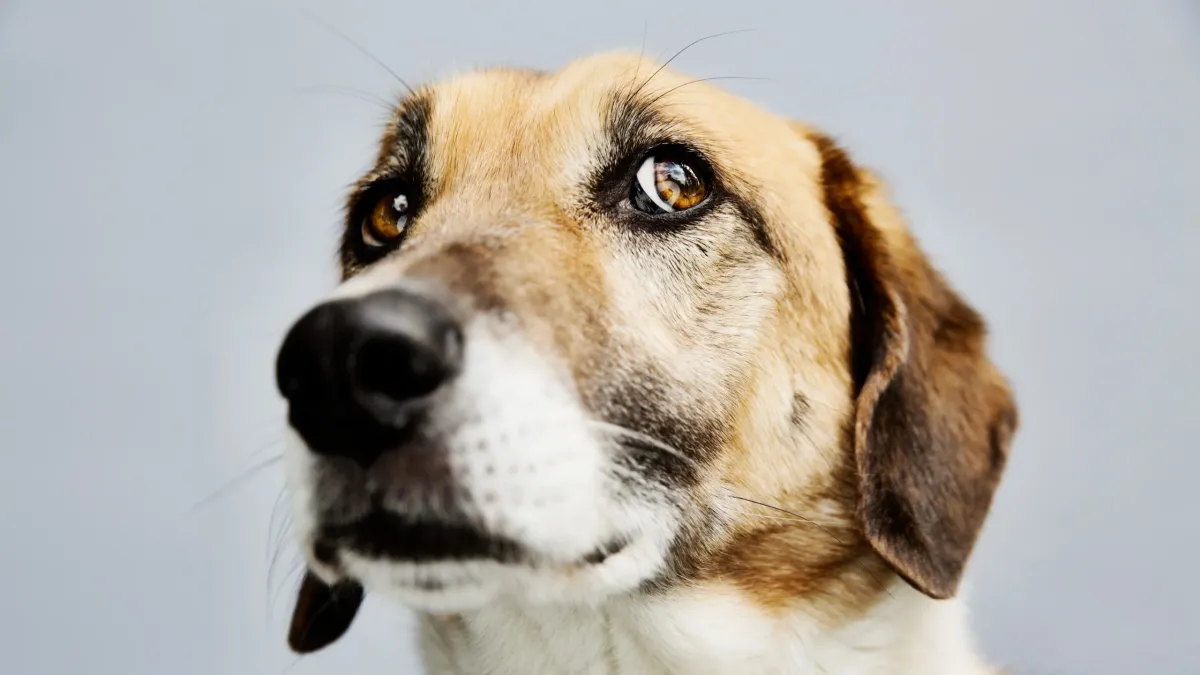
Picture a shape called 'Bouba'. What features does it have? Is it angular, rounded, soft, hard? What about a shape called 'Kiki'? There's no correct answer to this – the words are made up. But for some strange reason, most people who are asked this question – regardless of the language or alphabet they use to speak or write – agree that Kiki is spiky, and Bouba is round. This fascinating psychological experiment was first conceived in the 1920s, and it suggests there may be something universal about the way we humans connect visual information, like shapes, with sounds. Now, a new study published in Proceedings of the Royal Society B: Biological Sciences suggests even our canine companions might follow this trend. The shapes used in the 'bouba/kiki' experiments. (Andrew Dunn/Wikimedia Commons/CC BY-SA 3.0)Animal behaviorist Eleonora Biffi at the University of Parma in Italy led the research. She and her team recruited 70 domestic dogs to participate in two almost identical experiments. The first experiment involved 51 dogs and their owners. Each dog/owner pair entered a room set up with a screen and a speaker to the left, and another screen and speaker to the right.

ScienceAlert·
Science

Creating the technology of the future: Quantum chemistry unlocks new possibilities - EurekAlert!

image: Diamond is one of the materials currently being investigated to make quantum computers and sensors. When nitrogen is added to diamond in a very specific way, the material has certain properties that could be ideal for quantum computers and sensors. Such diamond typically looks pink. A faster way of finding the best diamond-based materials for quantum computers has been developed by a researcher at the U. S. Department of Energy’s (DOE) Princeton Plasma Physics Laboratory (PPPL). The new approach has already identified promising materials for practical quantum sensors and computers that could one day transform scientific research as a whole. The research was recently published in the journal ACS Central Science and has already garnered attention from other experts in the field.

EurekAlert!·
Science

Canadian astronaut Joshua Kutryk says he's 'having a blast' on the International Space Station - CBC

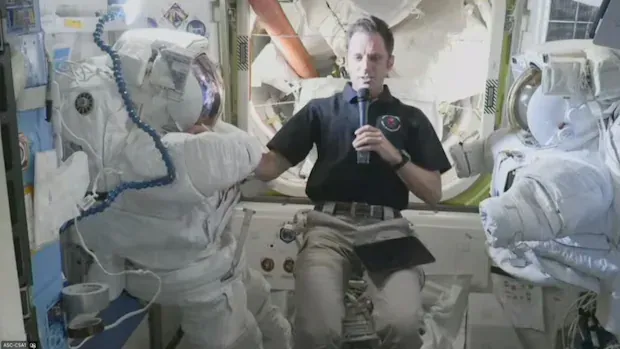
ScienceIn his first Q&A from the International Space Station, Canadian astronaut Joshua Kutryk talks about relearning how to sleep, eat and work in space.'It’s important for Canada to be here,' Kutryk says in first interview aboard ISSNicole Mortillaro · CBC News · Posted: Oct 13, 2026 3:18 PM EDT | Last Updated: October 13Listen to this articleEstimated 3 minutesThe audio version of this article is generated by AI-based technology. Mispronunciations can occur. We are working with our partners to continually review and improve the results. Canadian Space Agency astronaut Joshua Kutryk answers questions from the media while on the International Space Station, on Tuesday. (CSA/NASA)Canadian Space Agency astronaut Joshua Kutryk launched to the International Space Station (ISS) 11 days ago for a six-month mission in space. On Tuesday, in his first Q&A with reporters while in space, he said so far, he's "having a blast. "Kutryk said he's still getting used to living in space, and he's having to relearn common skills, like sleeping ("What do you do with your neck when you're sleeping? What do you do with your hands? "), eating and using tools.

CBC·
Science

UNESCO connects Water Science to El Niño Preparedness - UNESCO

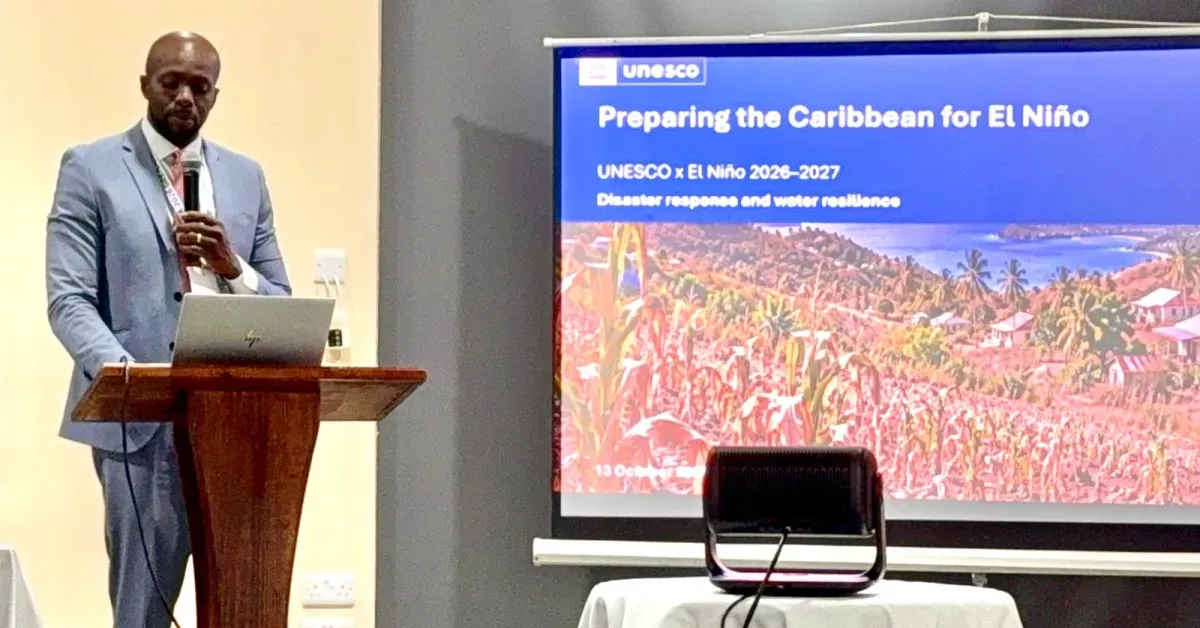
The UNESCO Regional Office for the Caribbean participated in the 22nd High-Level Forum for Caribbean Ministers Responsible for Water, held in Grenada on 12–13 October 2026 within the framework of the Caribbean Water and Wastewater Association’s (CWWA) 35th Annual Conference and Exhibition. Under the theme “From Declaration to Delivery: One Caribbean, Advancing Water Security and Inclusive Wastewater Management,” the Forum brought together ministers, senior officials, water utilities and development partners to discuss practical responses to the region’s water challenges. Representing UNESCO, Bandiougou Diawara, Head of Natural Sciences Programme at the Regional Office for the Caribbean, followed the ministerial discussions and exchanged with national representatives and partners on opportunities for cooperation. Discussions highlighted the importance of reliable data, stronger local institutions and technical capacity to turn water-sector priorities into well-prepared investments and tangible improvements for communities. Participants also stressed the need to share expertise across the region and manage risks before they become crises.

UNESCO·
Science

Advancing Canadian Science: JMIR Publications Delivers Trusted Open Access, Global Reach, and Innovation for Federal Grant Recipients | Newswise - Newswise

Newswise — (Toronto, October 14, 2026) In response to the Canadian government’s updated Tri-Agency Open Access Policy on Publications (2026), JMIR Publications reassures Canadian science and medical researchers that it remains fully aligned with federal mandate standards, providing seamless compliance and world-class publishing services. For over two decades, JMIR Publications, headquartered in Toronto, has been a pioneer in open access publishing. As Canadian funding bodies (CIHR, NSERC, and SSHRC) mandate immediate, zero-embargo open access for publicly funded research, JMIR Publications offers authors a trusted, high-impact venue to share health and medical breakthroughs globally. High Quality, Reach, and Discovery for Canadian ResearchersAs the open access landscape evolves in Canada and worldwide, Canadian researchers can feel confident publishing with JMIR Publications thanks to our commitment to quality, rigor, and innovation:Pioneering Open Access from Day One: JMIR Publications has operated as a fully open access publisher since its inception, ensuring research is immediately available without paywalls or restrictive embargo periods.

Newswise·
Science

Could meditation reveal an SU(3) symmetry shared by the observer and the universe? - Phys.org

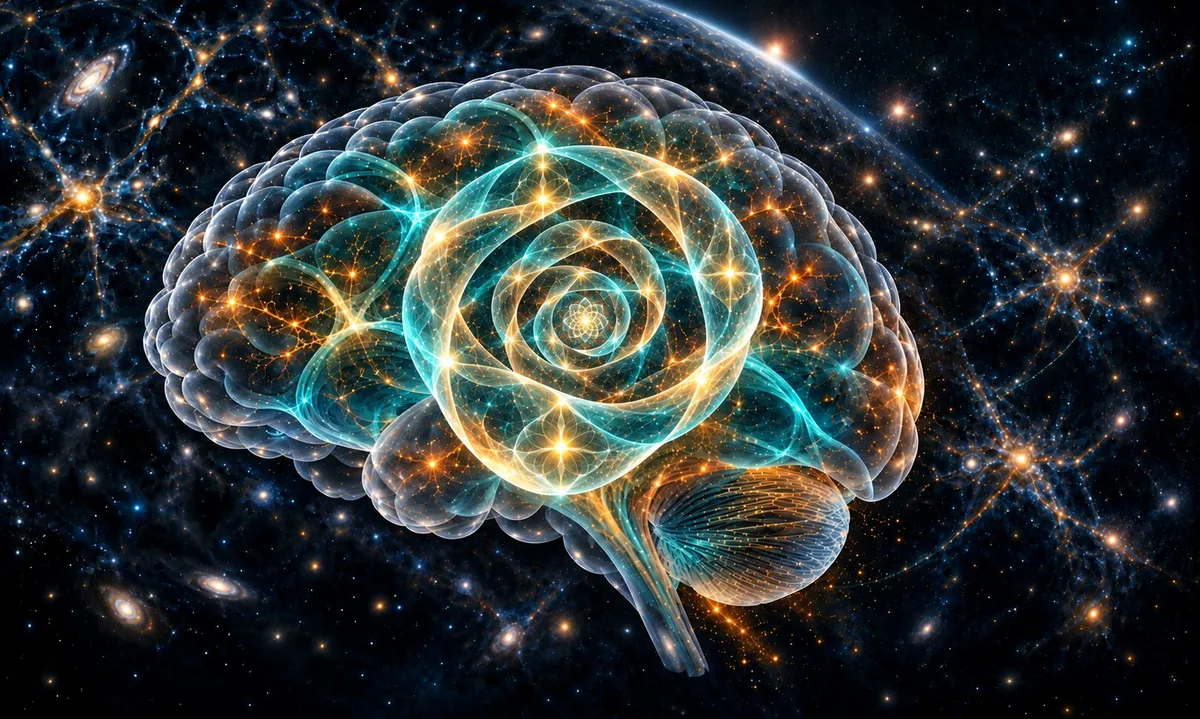
Conceptual illustration linking SU(3)-inspired vacuum geometry with coherent and dissipative brain activity. Credit: Ahmed Farag Ali, Nader Inan, Ruben Laukkonen and Pavlo Mikheenko. AI-generated illustration created with OpenAI's ChatGPT. You bring your attention back to the breath. Sometimes, after many such returns, the effort eases. Thoughts lose their urgency, while awareness remains clear. Less occupies the mind, yet the moment still feels whole. We are interested in what makes that wholeness possible. Even an ordinary moment brings together vision, memory, bodily sensation and attention. Their contents change constantly, but they belong to one experience.

Phys.org·
Science

The ‘Holy Grail’ of baseball cards is up for auction - Popular Science

A similar Wagner baseball card auctioned for over $5 million earlier this year. One of history’s most famous baseball cards is up for auction, and bidding has already surpassed $1 million with days left to go. Its official name of the 1909-11 T206 White Border Sweet Caporal 150/25 Honus Wagner PSA Authentic (Restored) is quite the mouthful, but Heritage Auction’s nickname for the memorabilia is much easier to remember. Simply put, the incredibly rare piece of history is the “Holy Grail” of baseball cards.

Popular Science·
Science

University of St. Thomas Launches Master of Science in Emergency and Disaster Management - Newsroom | University of St. Thomas

The University of St. Thomas College of Arts and Sciences has launched a Master of Science in Emergency and Disaster Management program designed to prepare current and future emergency management professionals to lead through a rapidly changing risk landscape. The program welcomed its first cohort in fall 2026 and prepares students to anticipate and respond to emerging threats while developing skills in areas such as strategic foresight, cross-sector collaboration and the use of emerging technologies.

Newsroom | University of St. Thomas·