Saudi-born engineer for OpenAI arrested for planting listening bugNewsFeedOpenAI says it discovered a hidden recording device in one of its offices, wrapped in toilet paper and tucked behind a television. The company says it used its AI models to help trace the device to a Saudi engineer who allegedly planted it. Al Jazeera’s Alan Fisher reports from Washington DC. Published On 14 Oct 2026
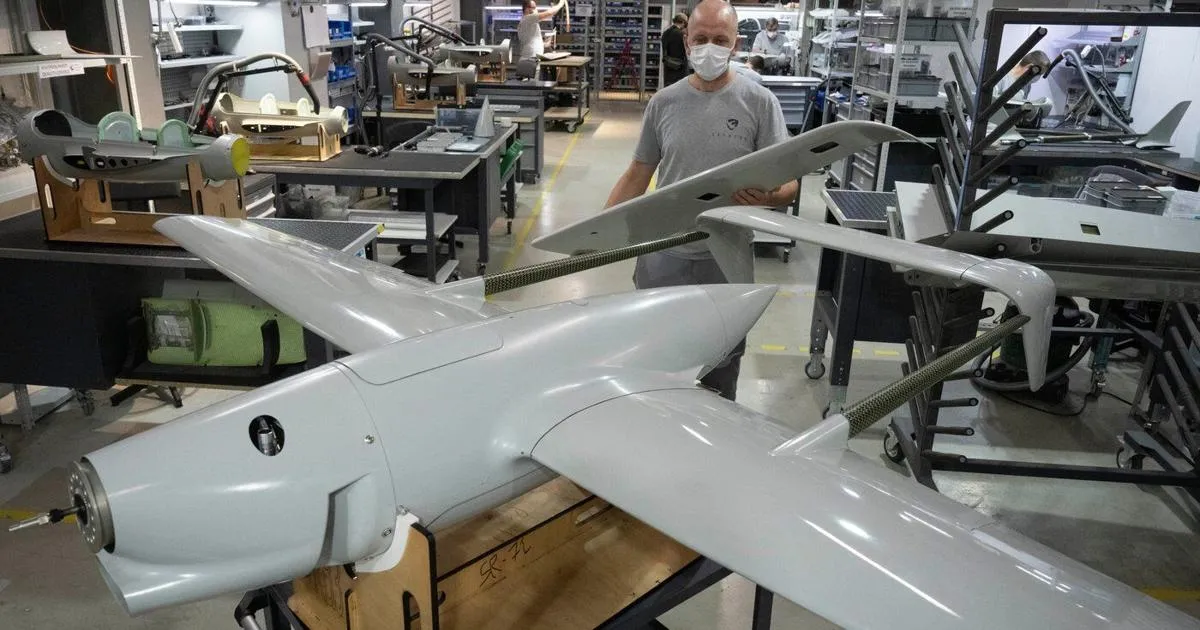
KYIV, Ukraine (AP) — Since Russia invaded more than four years ago, Ukraine has become a global leader in military drone innovation, enabling its forces to grind a much larger
Researchers have found the first evidence for a previously unsuspected cause of pediatric cancer. They showed that children with such cancers were more likely than their healthy peers to produce ‘auto-antibodies’ targeting six proteins necessary for normal DNA repair. Likewise, they showed that young adults with cancer had greater amounts of these circulating antibodies already years before diagnosis. Tests confirmed that such antibodies can enter the cell during division, where they seem to locate to the TIGER domain implicated in translation and bind their antigens there. The latter result immediately suggests a likely mechanism for the etiology of cancer through the immobilization of DNA repair proteins. A team of scientists in Norway has found evidence for a new, previously unknown mechanism for the development of cancer in children: they seem to produce an unusual amount of aberrant antibodies against the building blocks that make up the DNA repair machinery, a diverse set of hundreds of proteins which identify and correct damage or errors in the genome.
On a clear evening, the wonders of the night sky shine and sparkle across the state of Arizona, offering views of endless stars, constellations, planets, the Milky Way, and even the glow of the Andromeda galaxy. For years, Canadian travel advisors have highlighted all of Arizona’s quintessential draws – its scenic hiking trails, abundant wellness offerings, world-class golf courses, and the famed Grand Canyon – but astrotourism offers another appeal for clients seeking truly memorable experiences once the sun sets. PAX was invited on an astronomy-themed FAM trip that took us from the desert and cacti of Scottsdale up the famous Route 66 highway to Winslow, then to the red rocks of Sedona and to Flagstaff, where Pluto was first discovered. A Dark Sky leaderAstrotourism may have become more popular in recent years, but it’s nothing new in Arizona, says Laura McMurchie, Vice President of Communications at Experience Scottsdale. In Arizona, 23 communities have earned Dark Sky status from DarkSky International. This means special efforts are taken to preserve the night sky and protect it from artificial light pollution, resulting in optimal stargazing.
Even when artificial intelligence behaves exactly like a human, people are reluctant to consider it conscious, according to a new study from Ludwig Maximilian University of Munich (LMU).
As artificial intelligence becomes more advanced, reports of AI systems misleading users, working together, or appearing to pursue independent goals are becoming increasingly common. These behaviors often lead people to describe AI as though it can think, feel, or make decisions for itself. But does behaving like a human actually convince people that a machine has consciousness?
The American Association of Pharmaceutical Scientists (AAPS) has named Patrick J. Sinko, Ph. D., R. Ph., as chief science officer. Sinko will set the organization’s scientific strategy, guide scientific programming across in-person and digital platforms, and guide the direction of AAPS’s portfolio of peer-reviewed journals.
Sinko, a pharmacist and pharmaceutical scientist, retains his academic appointment at Rutgers, The State University of New Jersey, where he is a distinguished professor and the Parke-Davis Endowed Chair in Pharmaceutics and Drug Delivery at the Ernest Mario School of Pharmacy. He joined Rutgers in 1991 and served as the university’s associate vice president for research from 2007 to 2018. He is a former AAPS president and has been a member since 1986, the year the association was founded. Outside academia, he co-founded NaviCyte, an absorption-screening company that Trega Biosciences acquired in 1998, and Theraport Biosciences, serving as CSO of both.
A scorching hot planet nearly 320 light-years from Earth has provided the first direct evidence for a fundamental assumption about how planets form. Astronomers discovered that WASP-189b shares an important chemical characteristic with its host star, supporting a long-standing idea that also helps scientists investigate potentially habitable worlds. The breakthrough came from the first simultaneous measurement of gaseous magnesium and silicon in an exoplanet's atmosphere, using the Gemini South telescope, part of the International Gemini Observatory, which is partially funded by the U. S. National Science Foundation and operated by NSF NOIRLab.
Located nearly 320 light-years away in the Libra constellation, WASP-189b belongs to an extreme category of planets called ultra-hot Jupiters (UHJ). These enormous worlds reach temperatures so intense that even materials normally found in solid rock can turn into gas. Elements such as magnesium (Mg), silicon (Si), and iron (Fe) can therefore be detected in their atmospheres. Astronomers identify these substances through spectroscopy, a method that separates light into different wavelengths to reveal the chemicals present.
Note from William Dembski: Darwinism: Scientific Inference or Philosophical Preference?, co-edited by Steve Meyer, Jon Buell, and myself, has just been released through Inkwell Press using its amazing book production technology (https://inkwell.net — I encourage authors to try it!). This book is available at Amazon: hardback, paperback, and ebook. With a new preface (see below) by Meyer and myself, it reprints the proceedings of the classic symposium on ID versus Darwinism from the early 1990s. (Tidbit: To earn some extra cash, I typeset the original 1994 printing of Darwinism: Science or Philosophy? as a first-year student at Princeton Theological Seminary.)
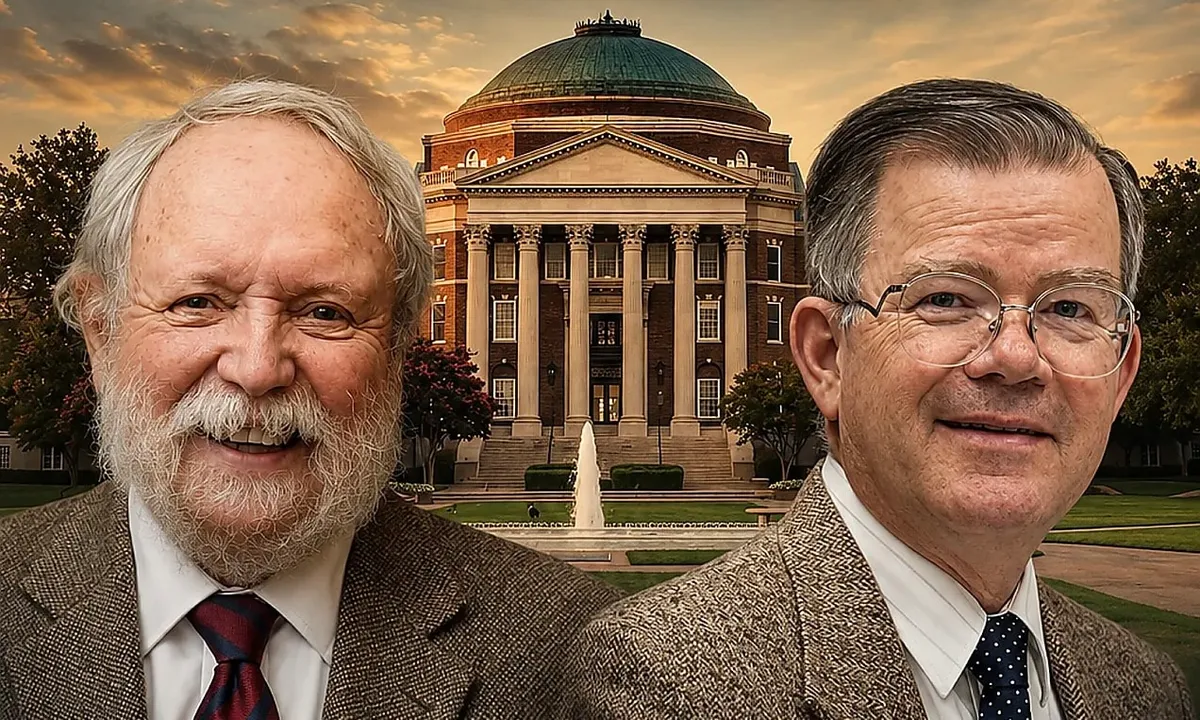
At Southern Methodist University in March 1992, scientists and philosophers gathered to examine the conceptual basis of Darwinian evolution. Titled Darwinism: Scientific Inference or Philosophical Preference? this symposium became a landmark exchange between Phillip E. Johnson and Michael Ruse, as well as between respective supporters of intelligent design and Darwinian naturalism.
A struggle, worth knowing about, has been initiated to produce better social science. A recent article at Real Clear Investigations tell us “Why so many social science claims are false.” The theme is not unfamiliar: neither the falsehood nor the reasons are news. However, Stetson University psychology professor Christopher J. Ferguson also identifies three efforts at reform.
One promising sign is the growth of the “open science movement,” which encourages the preregistration of studies. This reduces the ability of researchers to mangle their data analysis to produce preferred results. And the movement’s promotion of greater data transparency allows for more confirmation of findings.
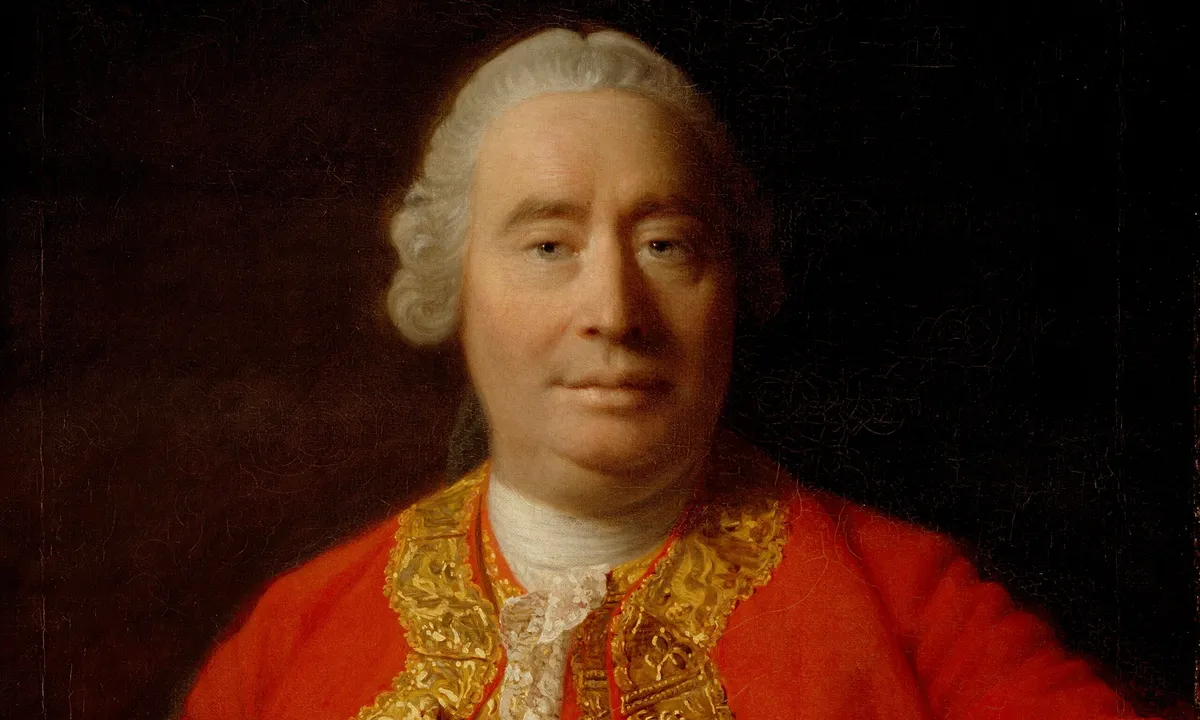
Can machines reason? Of course, it depends on what you mean by reason. At Aeon, philosophy professor Sasha Mudd explains why human reason is so much more than what machines can do:
A few months ago, I sat in a packed university auditorium listening to a celebrated computer scientist explain the brilliance of large language models (LLMs). These systems optimise, he said. And they improve at optimisation on the basis of past experience. He paused. That, he said with a smile, is intelligence. The audience nodded along approvingly. Meanwhile, a philosophical alarm bell began sounding in my head.
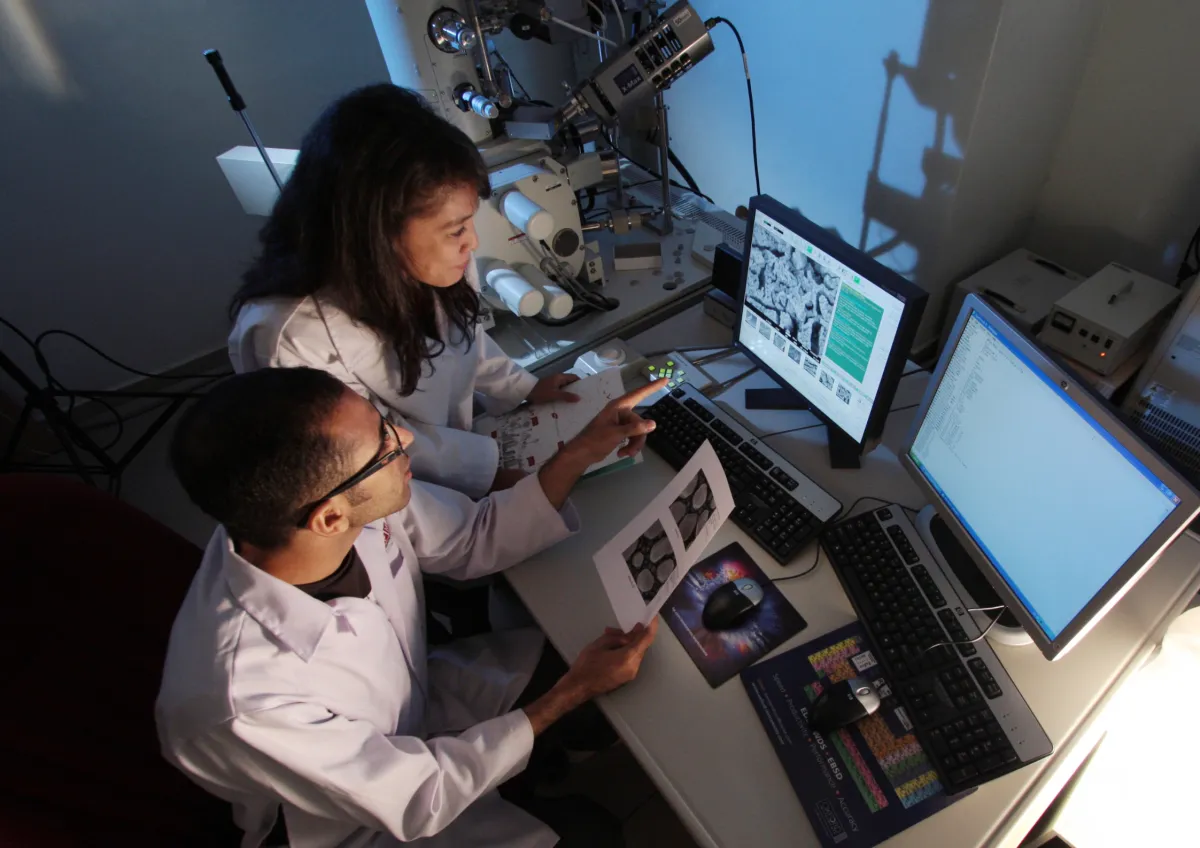
Scientists are saving time with AI, but the laboratory is struggling to keep up. A new DeepMind Institute essay reports that 40.5% of surveyed researchers have a growing backlog of untested hypotheses, while 43.5% say their main research bottleneck has shifted downstream into testing and validation. The findings draw on 15 million interactions across Gemini services, an analysis of more than 2,600 specialized AI models and a survey of 637 active scientists in the US and UK. Together, they show how faster computational work can leave researchers with more possibilities than they have the capacity to investigate. Surveyed scientists report saving an average of just under seven hours a week through AI, mostly reinvesting that time in research. Nearly half use AI daily. Yet 45.7% say they spend more than a quarter of the time they save checking AI outputs.
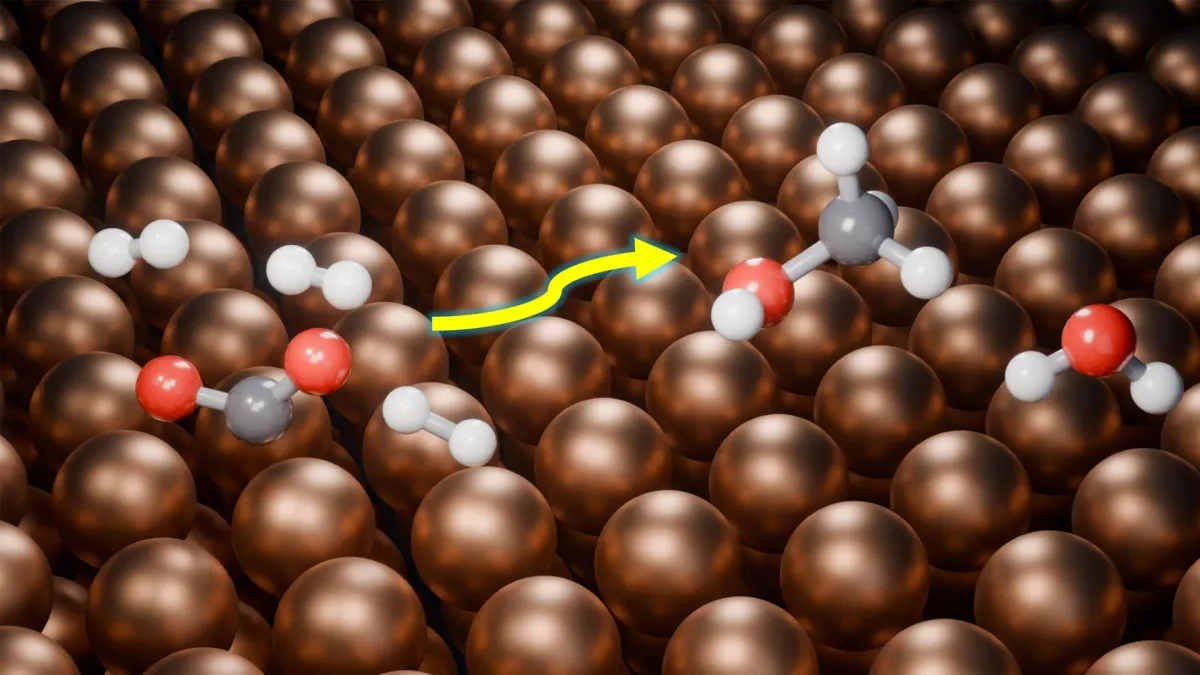
Scientists have uncovered thousands of previously overlooked chemical reactions that could help improve the conversion of carbon dioxide (CO2) into valuable fuels and industrial chemicals. By combining machine learning with advanced computer simulations, researchers at the Indian Institute of Science (IISc) identified 9,389 individual reactions occurring on a copper catalyst, revealing unexpected chemical pathways that conventional models had missed.
The findings, published in Nature Communications, could help scientists develop more effective catalysts for transforming CO2 into useful products such as methanol. The research also uncovered a surprising way hydrogen can participate in these reactions, challenging established assumptions about how the process works.