The pain of losing a friend or a family member can be devastating, but it is profoundly different from learning that a loved one is missing and may never be found.
“It’s called ambiguous loss,” said Sherry Fox, an assistant teaching professor in The School of Interdisciplinary Forensics at Arizona State University. “And it’s a horrible thing.”
Over the past year, researchers across the Faculty of Applied Science secured $97.5 million in research funding from Canadian and international partners, bringing the faculty’s five-year average to approximately $100 million annually. This sustained financial stability provides a strong foundation for researchers to think big, take bold risks and develop workable solutions to some of society’s most pressing global challenges. The newly released 2025/26 Applied Science Research Report highlights how collaborative nursing, architecture, landscape architecture, planning and engineering initiatives across UBC’s Vancouver and Okanagan campuses are generating tangible economic impacts and helping to guide national and provincial priorities. “I see the role of our Faculty as turning knowledge into possibility—driving innovation, strengthening productivity and building Canada’s future prosperity.” – Dr.
On 11 June at UNESCO Headquarters in Paris, these researchers will be recognized for their pioneering contributions to life and environmental sciences. This year's selection highlights their major roles in tackling global health and environmental challenges, from revolutionary tissue engineering and genomic research to agricultural innovation and the impact of nutrition on mental health. For this 28th edition, the programme has reached an unprecedented scale, reflecting the growing excellence of women in science worldwide. The Laureates were selected from a record 504 nominations representing 89 countries, and now join the more than 5,000 women who have been recognized by the programme so far for the excellence of their research, including now 142 International Award Laureates, among whom seven have received a Nobel Prize in science. This rigorous selection was conducted by an independent international jury chaired by Professor Brigitte L. Kieffer, Research Director Emeritus at the National Institute for Health and Medical Research (INSERM) France, Member of the French Academy of Sciences and former Laureate of the L’Oréal-UNESCO For Women in Science International Awards.
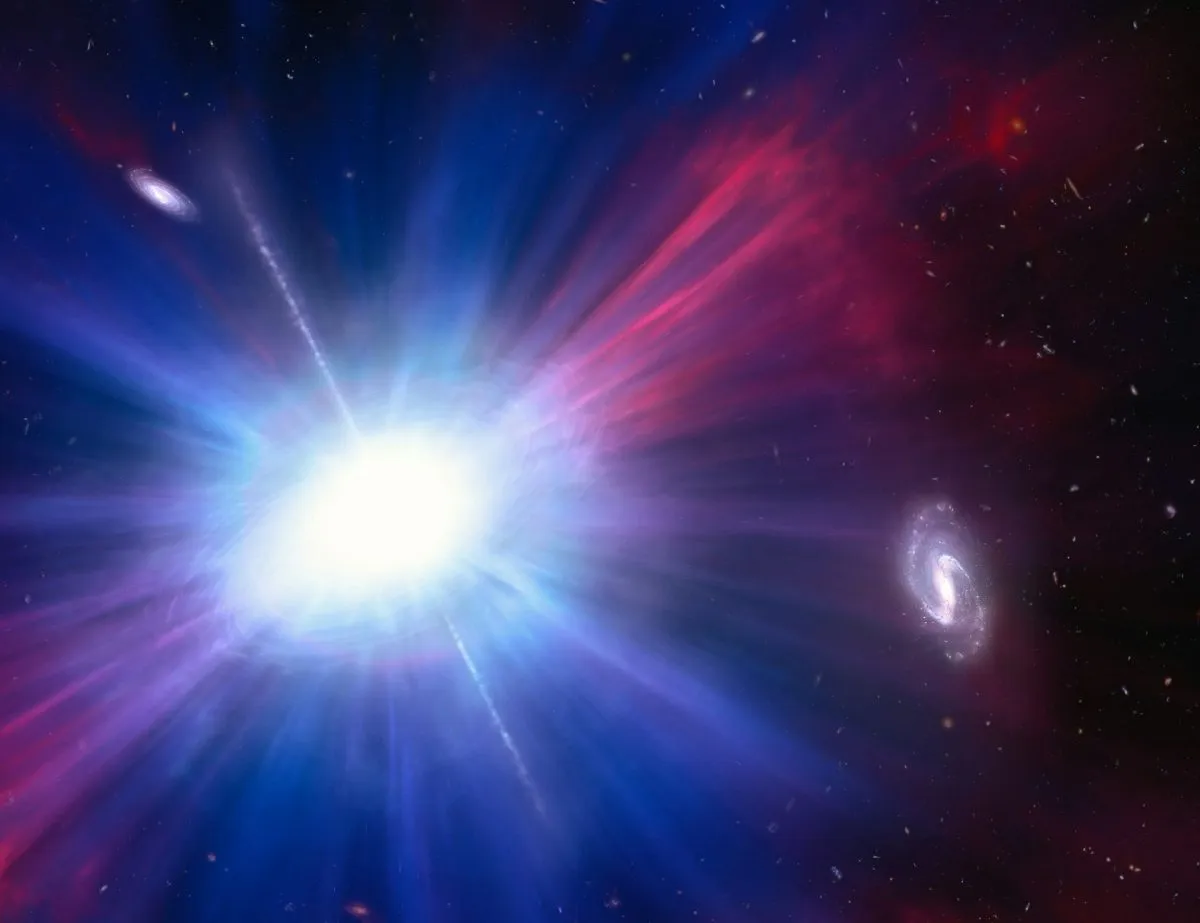
From time to time, astronomers detect strange, almost ghostly radio signals from deep space. They flare up and vanish almost instantly, leaving no time for investigation. These phenomena, known as fast radio bursts (FRBs), are among the most mysterious events in the Universe. They are brief flashes of radio waves, usually lasting tiny fractions of a second, and their unpredictable appearance in the sky has made identifying their origins difficult for nearly two decades.
Illustration of a magnetar, a source of fast radio bursts. Source: NASA
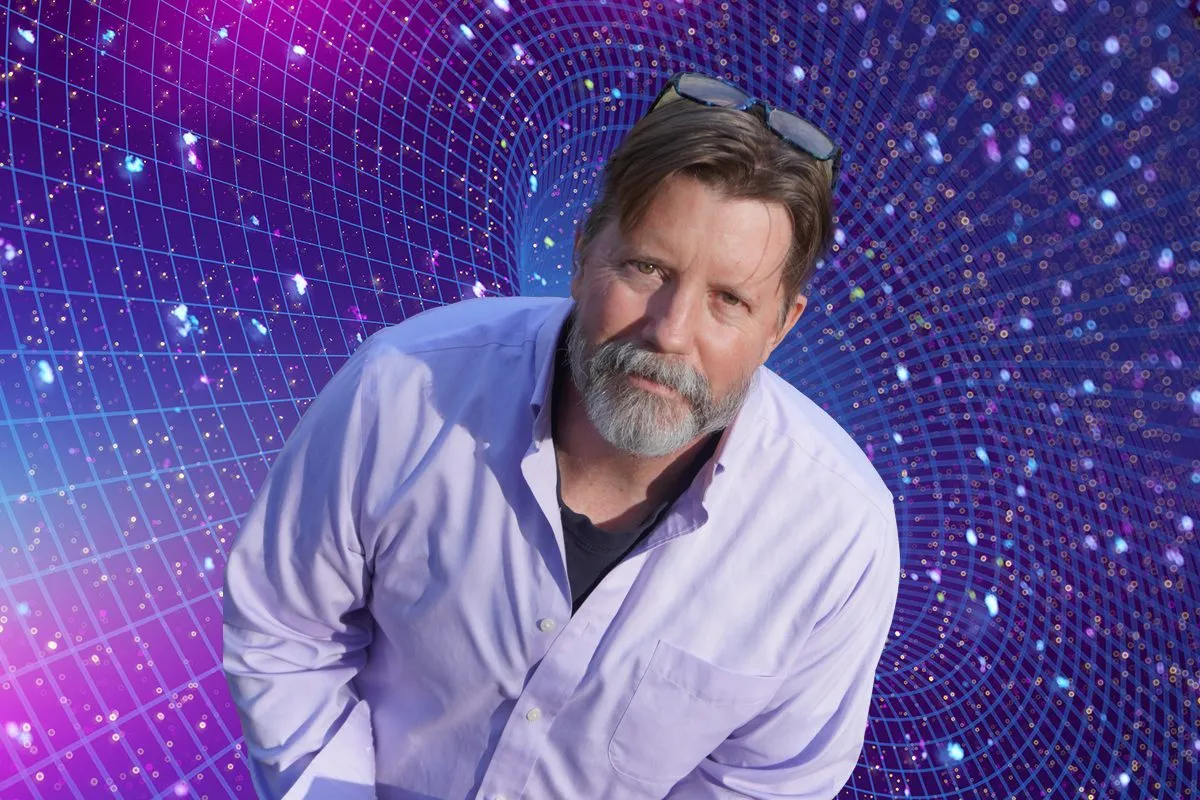
Gravity is something that we’re all innately familiar with. It keeps our feet on the ground, fights against a rocket trying to leave Earth and governs the movement of the planets and stars.
And yet, gravity is something that most of us do not fully understand. General relativity, the best theory of gravity that we have, is complicated and doesn’t operate effectively at all scales.
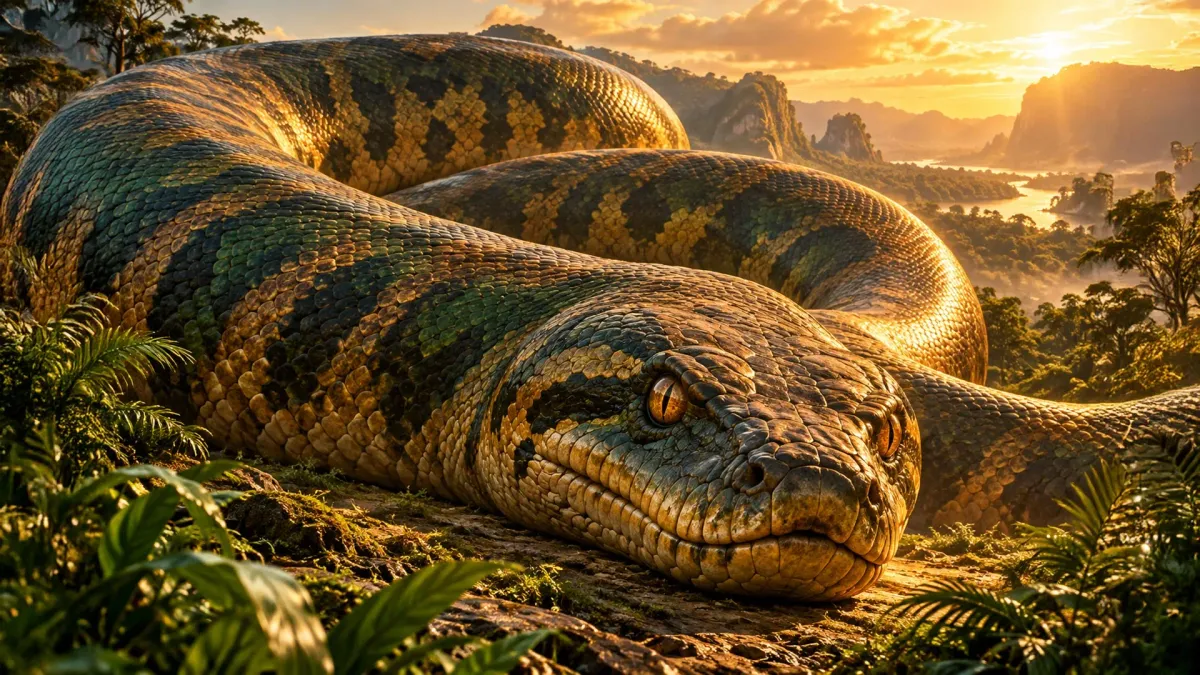
A colossal prehistoric snake that lived in India about 47 million years ago may have been one of the largest snakes ever to exist. Known as Vasuki indicus, the ancient reptile could have reached an extraordinary 15.2 meters (50 feet) in length, putting it in the same league as Titanoboa, the enormous extinct snake long regarded as the largest ever discovered.
The remarkable discovery, described in 2024 in the journal Scientific Reports, came from fossils unearthed in Gujarat, western India. Researchers estimate that Vasuki measured between 10.9 and 15.2 meters (36 and 50 feet) long, although its exact size remains uncertain. Its enormous body and unusual evolutionary history offer a glimpse into a time when giant snakes inhabited the warm, tropical landscapes of ancient India.
‘Partner Content’ is used to describe brand content that is paid for and controlled by the advertiser rather than the Euronews editorial team. This content is produced by commercial departments and does not involve Euronews editorial staff or news journalists. The funding partner has control of the topics, content and final approval in collaboration with Euronews’ commercial production department.
Cox was presented with the award at a private ceremony at the Royal Astronomical Society in London on 2 October, by co-founders of Starmus, Sir Brian May and astrophysicist Garik Israelian. STARMUS is a global platform for science, art, and human inspiration that brings together some of the most brilliant minds on the planet.
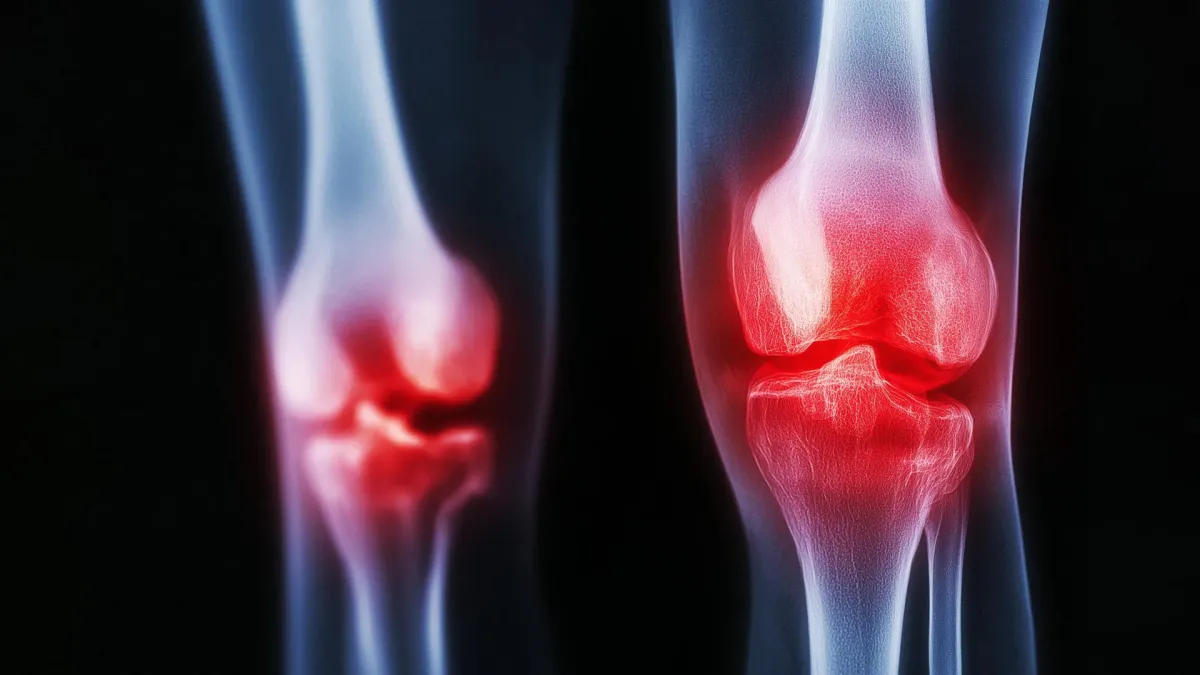
A minimally invasive procedure that targets abnormal blood vessels in the knee could provide lasting relief for people struggling with osteoarthritis, offering a potential alternative to joint replacement surgery.
In a study involving 194 patients, researchers found that a treatment using tiny particles that dissolve within hours was associated with substantial reductions in knee pain and improvements in mobility. The benefits persisted for at least 12 months, with 80% of patients assessed at the one-year follow-up reporting clinically meaningful pain relief.
Saudi-born engineer for OpenAI arrested for planting listening bugNewsFeedOpenAI says it discovered a hidden recording device in one of its offices, wrapped in toilet paper and tucked behind a television. The company says it used its AI models to help trace the device to a Saudi engineer who allegedly planted it. Al Jazeera’s Alan Fisher reports from Washington DC. Published On 14 Oct 2026
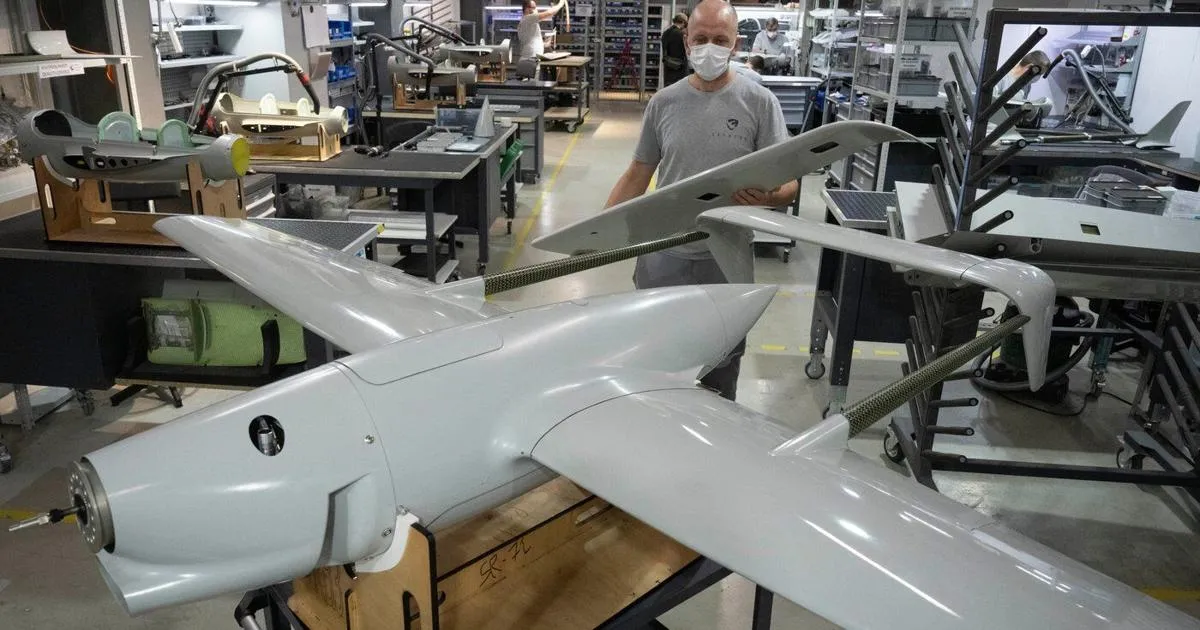
KYIV, Ukraine (AP) — Since Russia invaded more than four years ago, Ukraine has become a global leader in military drone innovation, enabling its forces to grind a much larger