It was published in Science, and the date was partly a joke. The equation behind it fit two thousand years of data almost perfectly, until the year it was published.
On 4 November 1960, the journal Science published a paper with one of the most memorable titles in the history of the journal: “Doomsday: Friday, 13 November, A. D. 2026.” Its subtitle stated that at this date, human population will approach infinity.
Plants are crucial for life on land. The energy they capture from the Sun underpins the existence of almost all land-based animals, fungi and bacteria.
In particular, flowering plants – the most productive and diverse group of land plants – dominate most ecosystems on Earth. There are at least 350,000 species, and they’re vital for capturing carbon dioxide from the air.
[LAGOS, SciDev. Net] Poor access to healthcare, limited local influence over research priorities, and an unequal distribution of scientific benefits are undermining public confidence in science, experts warn, following the release of a global trust survey.
The Wellcome Global Monitor 2026 surveyed more than 140,000 people in 140 countries in 2025 and found that trust in science had fallen below pre-pandemic levels.
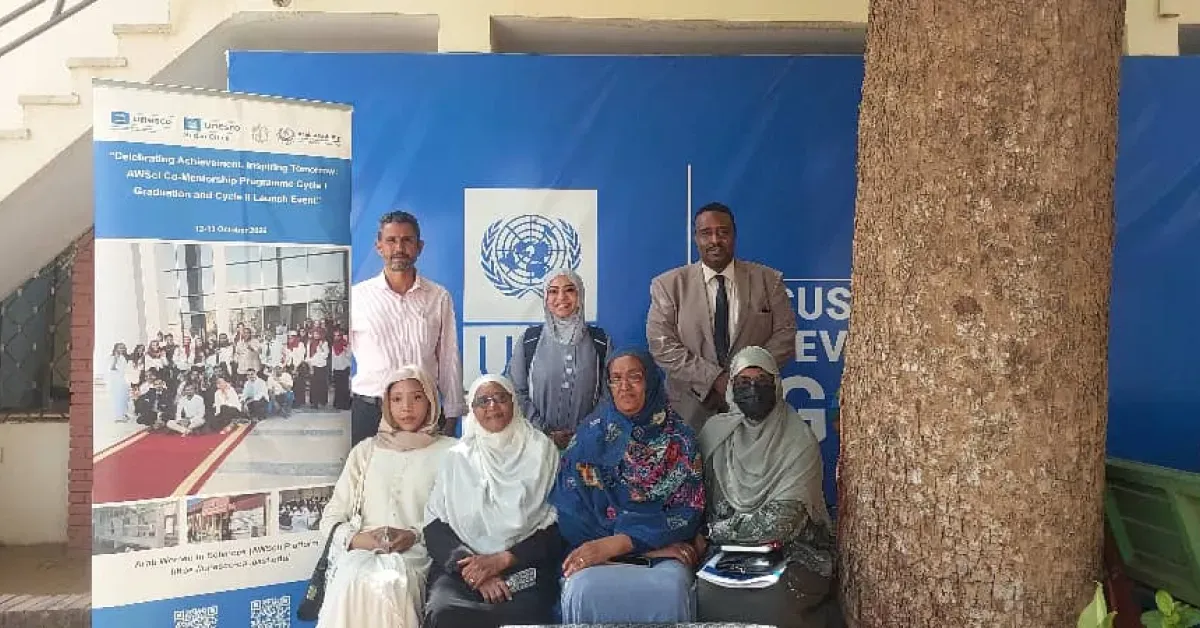
On 12 October 2026, the UNESCO Sudan Office facilitated the participation of Sudanese stakeholders in a two-day hybrid event organised in collaboration with the UNESCO Cairo Office and the Arab Academy for Science, Technology and Maritime Transport (AASTMT), under the Arab Women in Science Platform. The event, held on 12–13 October, celebrated the achievements of the first Arab Women in Science (AWSci) Co-Mentorship Programme, recognised the contributions of its volunteer mentors and launched the programme's second cycle for 2026–2027. It also brought together new participants and partners to explore opportunities for scientific cooperation and professional development across the region. @UNESCO SudanConnecting Sudanese women scientists to regional opportunitiesThe first day placed particular emphasis on Sudanese women scientists, providing an opportunity to discuss the challenges they face, share professional experiences and explore ways to strengthen their participation in scientific research. The UNESCO Sudan Office facilitated participation from Khartoum and Alexandria, connecting Sudanese stakeholders with regional scientific networks and mentorship opportunities.
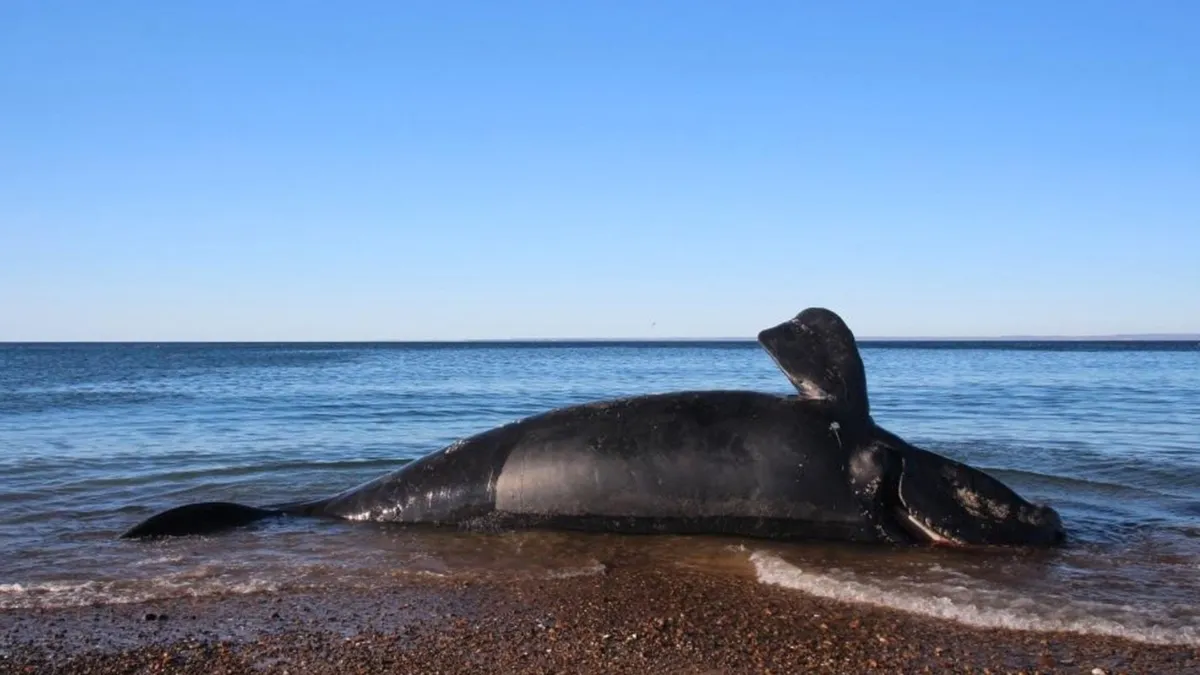
Scientists are racing to explain why hundreds of southern right whale calves have died this year in Argentine Patagonia, and the first clues are starting to emerge.
AbstractInquiry-based Science Education (IBSE) is frequently framed as a participatory and therefore inclusive approach to science learning. This paper argues that this claim rests on an under-theorized understanding of participation. Dominant classroom enactments of IBSE embed normative assumptions about epistemic competence, communicative form, and learner autonomy—assumptions that function as selective recognition conditions, shaping who is seen as capable of participating in scientific inquiry, and in what ways. Drawing on Disability Studies in Education (DSE) and its norm-critical tradition, the paper analyzes how these assumptions produce epistemic exclusion. This exclusion arises not through the intentions of individual teachers or the commitments of IBSE as a framework, but through the unexamined norms by which classroom inquiry is organized, paced, and recognized as legitimate scientific practice. The construct of the Implied Learner is introduced to name the idealized participant these norms presuppose—articulate, agentic, collaborative, and epistemically competent—whose profile is not a neutral baseline but a historically specific normative construct.
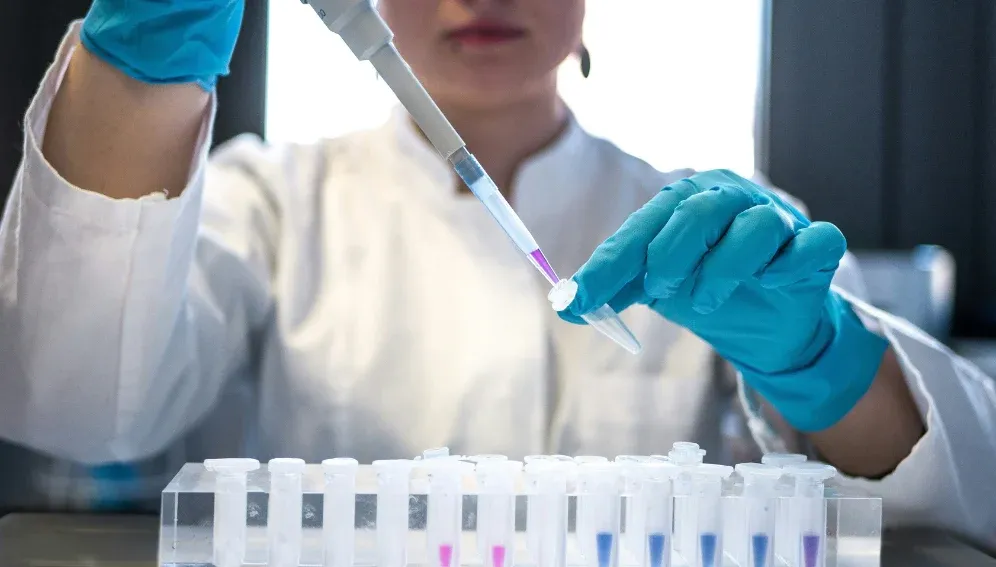
The field of nanotechnology is enabling unprecedented precision on a tiny scale. Across the University of Waterloo's Faculty of Science, researchers are innovating nanotechnology to develop solutions to challenges in medicine, chemical manufacturing, and electronics. By designing materials at the nanoscale, scientists are discovering new possibilities that could improve our day-to-day lives.
Improving drug delivery through nanotechnology
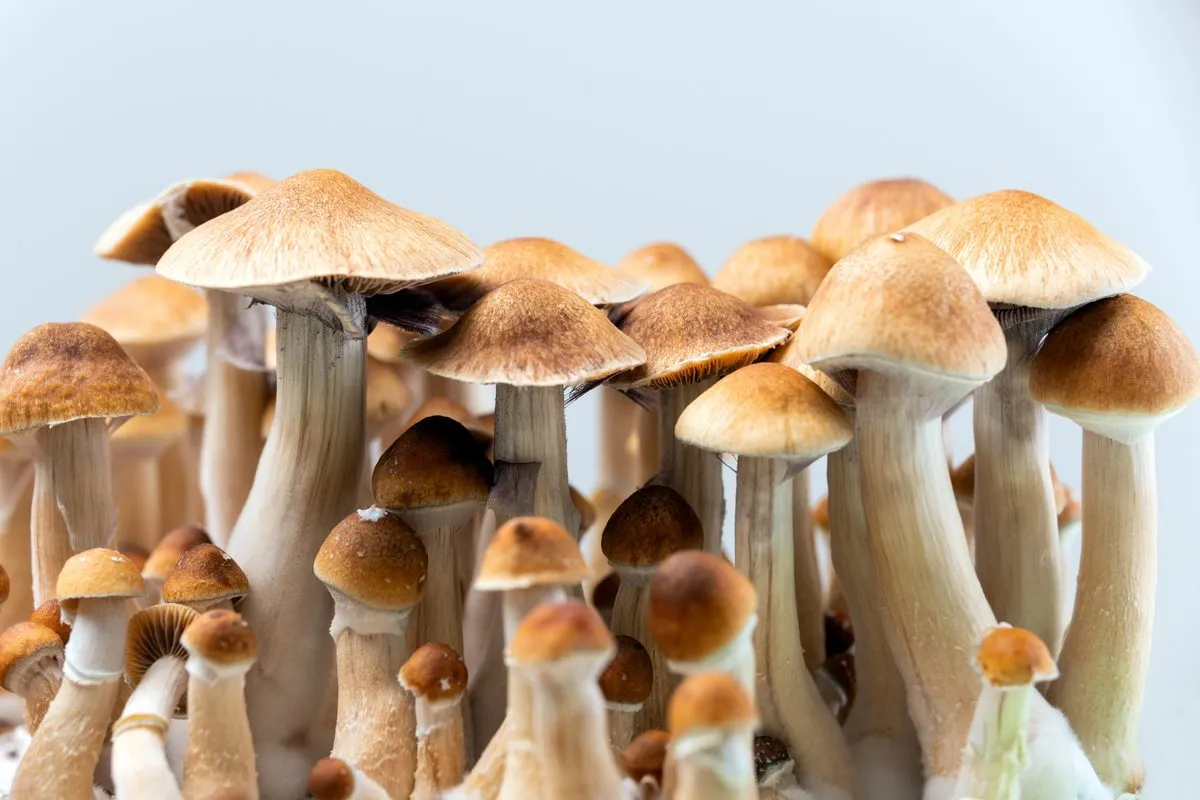
All mushrooms have a bit of magic about them. Neither animal nor plant, these are life-forms that appear as if from nowhere after rain and that we like to think pixies and toads use as umbrellas and stools.
"Large doses result in vivid, intense hallucinations, which can last for over a day. " 10 powerful, mind-altering, psychedelic plants –with some surprises
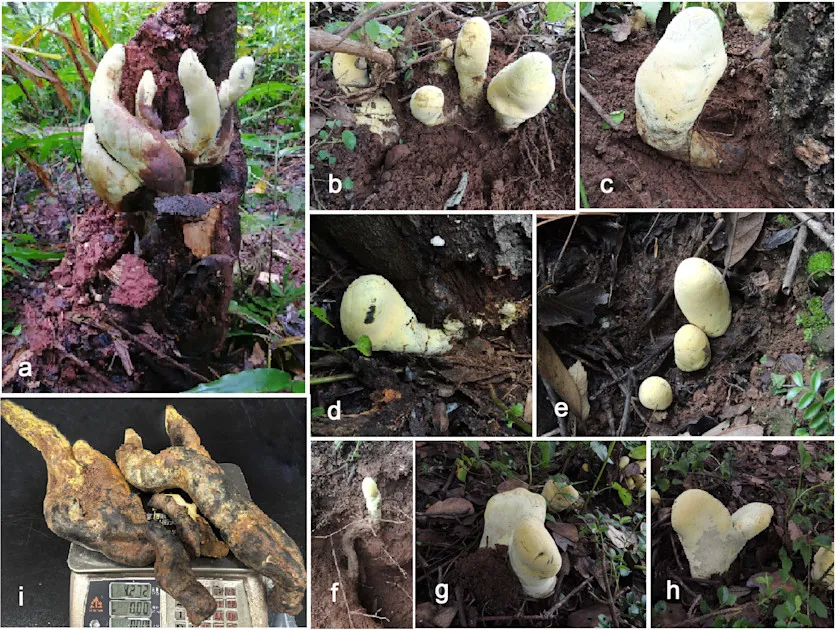
A team of scientists in China, Thailand, and Mexico has discovered a giant among fungi in the forests of Yunnan Province in China. The new species Dianjunus rex, which grows up to 50 cm tall and weighs up to 2.2 kg, constitutes on its own a new genus and new family within the order Xylariales of the Ascomycota. Analysis of its genome suggests that the new family arose approximately 65 million years ago, soon after the Cretaceous-Paleogene mass extinction, when new niches for wood-decomposing fungi may have opened up. The authors speculate that ‘D rex’ record-breaking fruiting bodies may help with spore dispersal in dense forests. Deep in the forests of Yunnan, China, scientists have discovered a ‘fungal giant’ that challenges our understanding of how large fungi can become. The newly described species, Dianjunus rex, produces vertical fruiting bodies up to 50 cm high and weighing up to 2.2 kg – the largest known within the phylum Ascomycota.
The pain of losing a friend or a family member can be devastating, but it is profoundly different from learning that a loved one is missing and may never be found.
“It’s called ambiguous loss,” said Sherry Fox, an assistant teaching professor in The School of Interdisciplinary Forensics at Arizona State University. “And it’s a horrible thing.”
Over the past year, researchers across the Faculty of Applied Science secured $97.5 million in research funding from Canadian and international partners, bringing the faculty’s five-year average to approximately $100 million annually. This sustained financial stability provides a strong foundation for researchers to think big, take bold risks and develop workable solutions to some of society’s most pressing global challenges. The newly released 2025/26 Applied Science Research Report highlights how collaborative nursing, architecture, landscape architecture, planning and engineering initiatives across UBC’s Vancouver and Okanagan campuses are generating tangible economic impacts and helping to guide national and provincial priorities. “I see the role of our Faculty as turning knowledge into possibility—driving innovation, strengthening productivity and building Canada’s future prosperity.” – Dr.
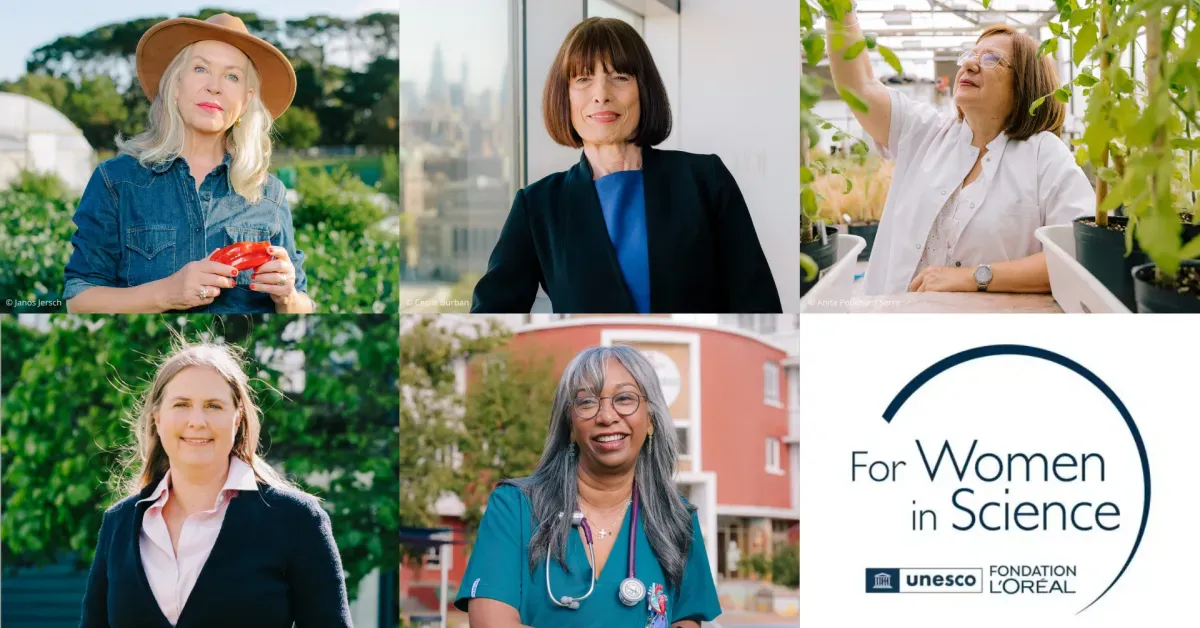
On 11 June at UNESCO Headquarters in Paris, these researchers will be recognized for their pioneering contributions to life and environmental sciences. This year's selection highlights their major roles in tackling global health and environmental challenges, from revolutionary tissue engineering and genomic research to agricultural innovation and the impact of nutrition on mental health. For this 28th edition, the programme has reached an unprecedented scale, reflecting the growing excellence of women in science worldwide. The Laureates were selected from a record 504 nominations representing 89 countries, and now join the more than 5,000 women who have been recognized by the programme so far for the excellence of their research, including now 142 International Award Laureates, among whom seven have received a Nobel Prize in science. This rigorous selection was conducted by an independent international jury chaired by Professor Brigitte L. Kieffer, Research Director Emeritus at the National Institute for Health and Medical Research (INSERM) France, Member of the French Academy of Sciences and former Laureate of the L’Oréal-UNESCO For Women in Science International Awards.
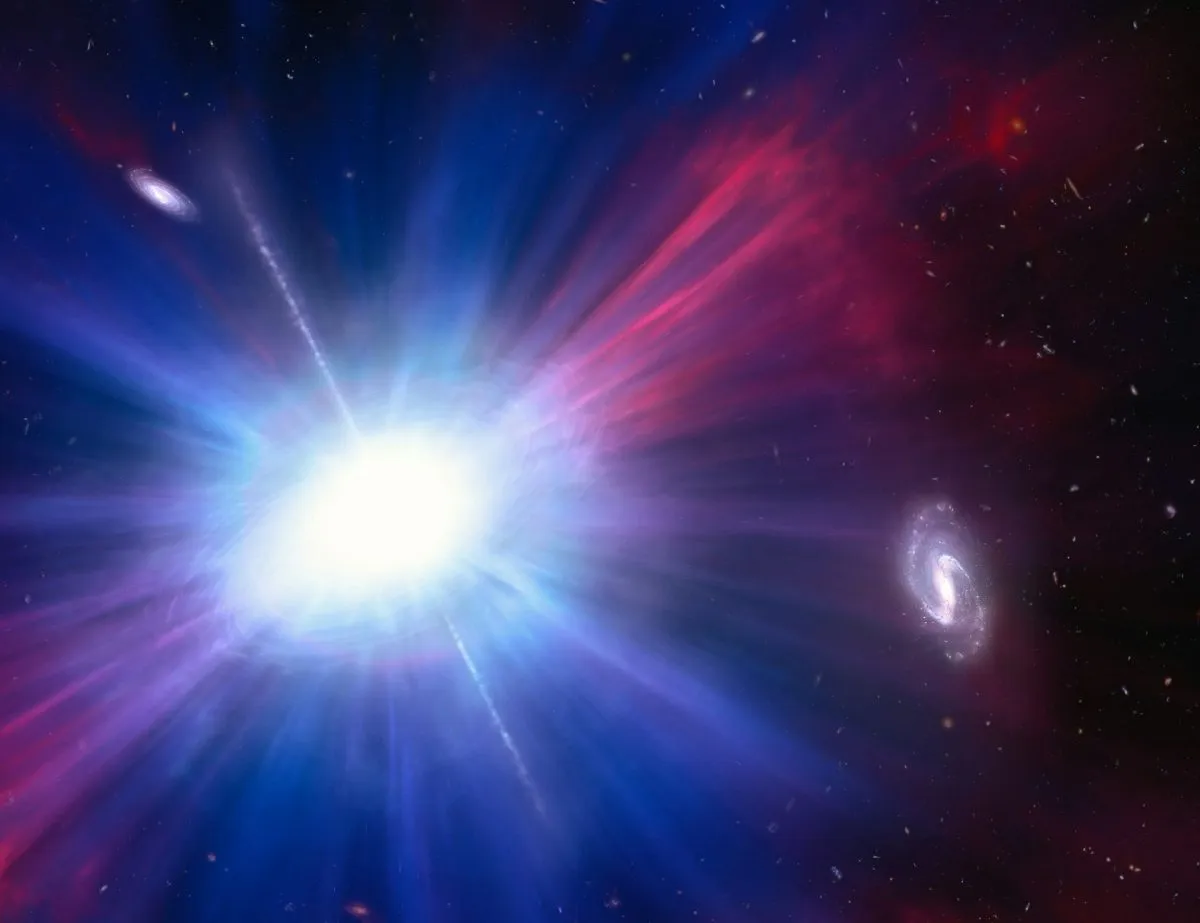
From time to time, astronomers detect strange, almost ghostly radio signals from deep space. They flare up and vanish almost instantly, leaving no time for investigation. These phenomena, known as fast radio bursts (FRBs), are among the most mysterious events in the Universe. They are brief flashes of radio waves, usually lasting tiny fractions of a second, and their unpredictable appearance in the sky has made identifying their origins difficult for nearly two decades.
Illustration of a magnetar, a source of fast radio bursts. Source: NASA
Gravity is something that we’re all innately familiar with. It keeps our feet on the ground, fights against a rocket trying to leave Earth and governs the movement of the planets and stars.
And yet, gravity is something that most of us do not fully understand. General relativity, the best theory of gravity that we have, is complicated and doesn’t operate effectively at all scales.
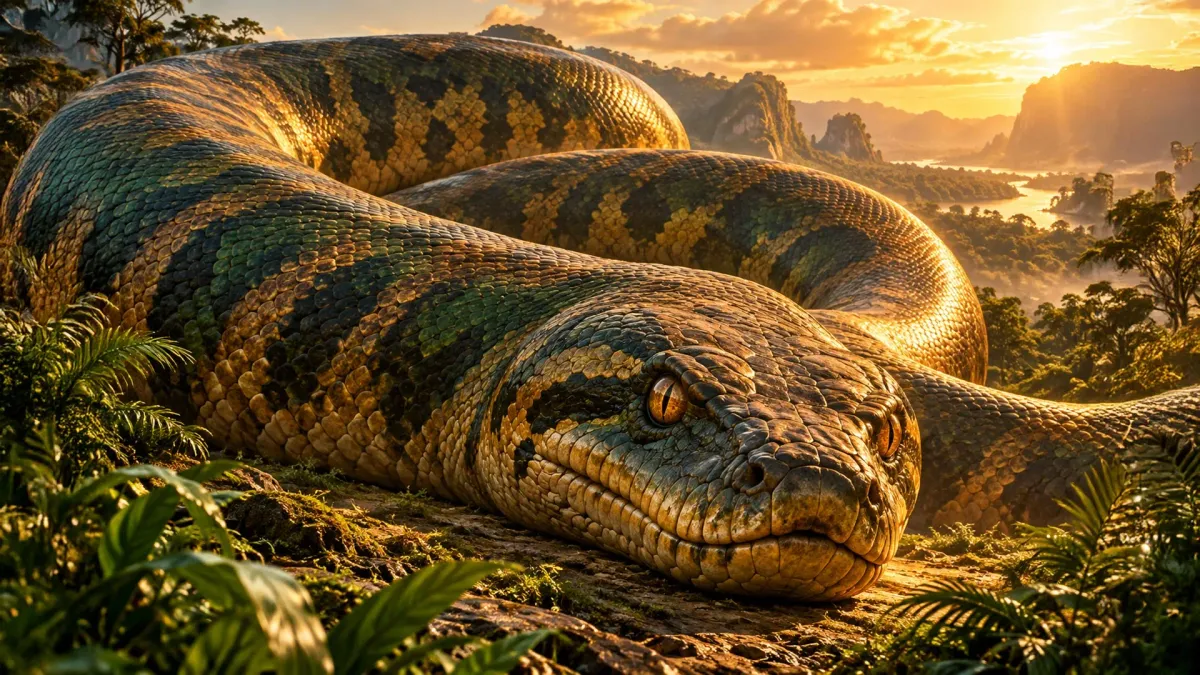
A colossal prehistoric snake that lived in India about 47 million years ago may have been one of the largest snakes ever to exist. Known as Vasuki indicus, the ancient reptile could have reached an extraordinary 15.2 meters (50 feet) in length, putting it in the same league as Titanoboa, the enormous extinct snake long regarded as the largest ever discovered.
The remarkable discovery, described in 2024 in the journal Scientific Reports, came from fossils unearthed in Gujarat, western India. Researchers estimate that Vasuki measured between 10.9 and 15.2 meters (36 and 50 feet) long, although its exact size remains uncertain. Its enormous body and unusual evolutionary history offer a glimpse into a time when giant snakes inhabited the warm, tropical landscapes of ancient India.
‘Partner Content’ is used to describe brand content that is paid for and controlled by the advertiser rather than the Euronews editorial team. This content is produced by commercial departments and does not involve Euronews editorial staff or news journalists. The funding partner has control of the topics, content and final approval in collaboration with Euronews’ commercial production department.
Cox was presented with the award at a private ceremony at the Royal Astronomical Society in London on 2 October, by co-founders of Starmus, Sir Brian May and astrophysicist Garik Israelian. STARMUS is a global platform for science, art, and human inspiration that brings together some of the most brilliant minds on the planet.