BBlogFlow

Categories

Science

9443 articles

Science

The secret to easier exercise as an adult may start in childhood - Science Daily

How much energy your body needs to move as an adult could be influenced by how active you were during childhood. A new study led by researchers at Penn State suggests that physical activity early in life may have lasting effects on movement efficiency. Using birds as a model, the scientists provided the first direct evidence that experiences during development can change how much energy animals expend when moving as adults. According to Jonas Rubenson, a professor of kinesiology at Penn State, the ability to move efficiently could play an important role in animal evolution. Animals that spend less energy getting around may have more resources available for essential activities such as finding food, hunting, and reproducing. The findings, published in Proceedings of the Royal Society B, Biological Sciences, suggest that the energy demands of movement are more adaptable than scientists previously believed.


Science Daily·
Science

Scientists reveal why some workout recovery tricks can backfire - Science Daily

Finishing a tough workout always feels good. That is, until a few hours later when those uncomfortable muscle aches start setting in. This discomfort can linger for days – making easy, everyday tasks a challenge. In search of relief, some recreational gym-goers are adopting the kind of recovery techniques once reserved for elite athletes. Social media and professional sport have helped popularize everything from ice baths and compression garments to massage and recovery supplements.

Science Daily·
Science

AI safety: Engineering can’t fix what science doesn’t understand - Bits&Chips

AI top dog Jensen Huang is confident that engineers can and will tame AI’s risks. That confidence is misguided. Nvidia boss Jensen Huang has been aggressively pushing back against AI alarmism recently. Even as AI leaders rallied behind a call from Dario Amodei to pace the development of frontier AI models, Huang dismissed the concerns as unfounded scaremongering. Insisting that there are sufficient guardrails in place, he laments the “doomer narratives” that get in the way of deploying the world’s most powerful technology.

Bits&Chips·
Science

Against all odds, a quiet miracle has unfolded in the shadow of industrial chimneys - BBC Wildlife Magazine

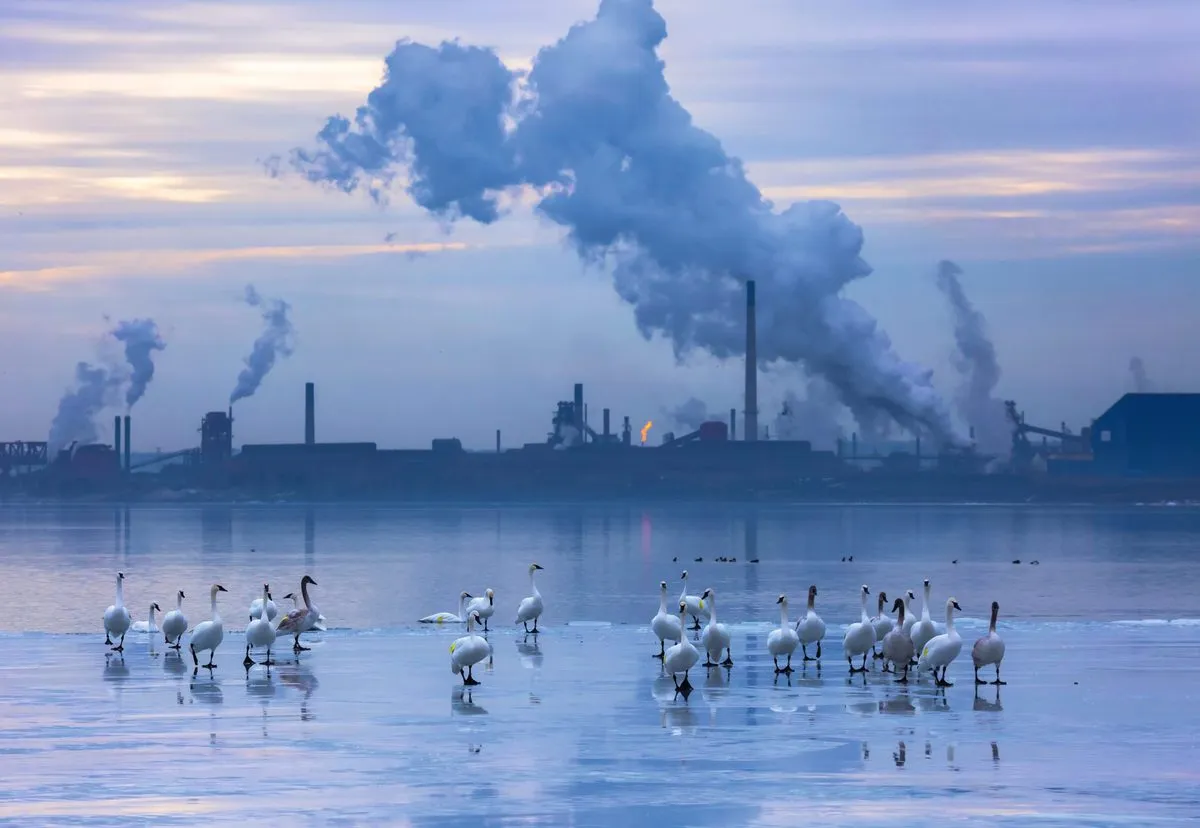
Trumpeter swans socialise on Hamilton Harbour, Lake Ontario. The peaceful scene may be somewhat at odds with the smoke-belching chimneys of the Stelco steel mill in the distance, but that the birds are in the picture at all is something to celebrate. The trumpeter – the largest swan in the world – once nested across North America in its hundreds of thousands, but was virtually hunted out of existence for its meat, feathers and even its feet. By 1886, the species had vanished from Ontario; by 1935, just 69 clung on across the entire continent.

BBC Wildlife Magazine·
Science

Animal life may be far older than its most ancient fossils – here’s how we uncovered its hidden history - The Conversation

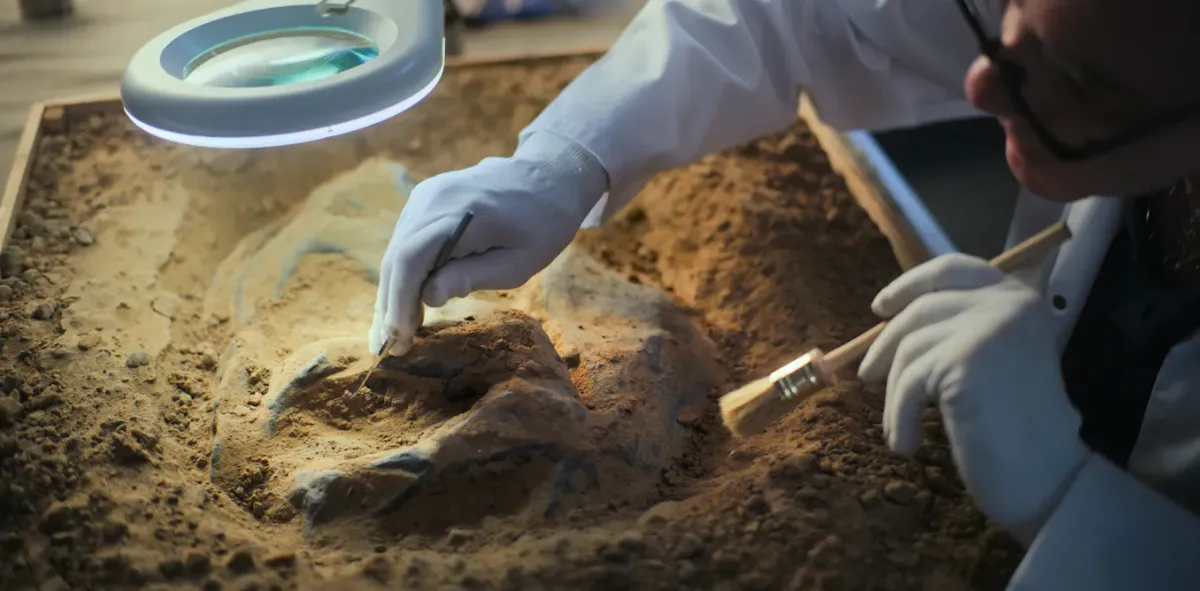
The question of when animals first evolved is one that has confounded scientists since the time of Charles Darwin. Studying rocks in north Wales in the mid-19th century, Darwin found the sudden first appearance of animal shells and skeletons in layers dating back over 500 million years perplexing. He had predicted a long history of evolution, with animals slowly gaining complexity through time, rather than this apparent instantaneous appearance of complex animals. The sudden appearance of complex animals has led scientists to argue that animals must have a “hidden history”, a period in Earth’s past prior to their fossil record where they existed but have left no trace of their presence in the rocks. Our new study may help scientists understand how long this hidden history may have lasted.

The Conversation·
Science

AI ML Now: Gert Desmet on the Future of Artificial Intelligence and Machine Learning in Separation Science - LCGC International

Gert Desmet offers his insights on the potential benefits AI/ML could offer the separation science community in the future. AI ML Now is a new video interview series from LCGC International that will explore how artificial intelligence (AI) and machine learning (ML) are reshaping separation science, featuring interviews with researchers who are advancing this constantly-evolving field. In the first episode of the series, Gert Desmet of the Vrije Universiteit Brussels, Belgium discusses where AI and ML currently stand in separation science in a video interview conducted at the ISC 2026 conference in Prague, which took place in Prague from 6–10 September 2026. Desmet began the interview by assessing the current state of the field before addressing some of the most common misconceptions about what AI and ML can (and cannot) do for chromatographers. He then evaluated if separation science is particularly amenable or poorly suited, to these data-driven AO/ML approaches. The conversation then turned to whether research in this area could move away from “black-box” AI towards physics-informed and chemically informed machine learning, which builds established theory into the models.

LCGC International·
Science

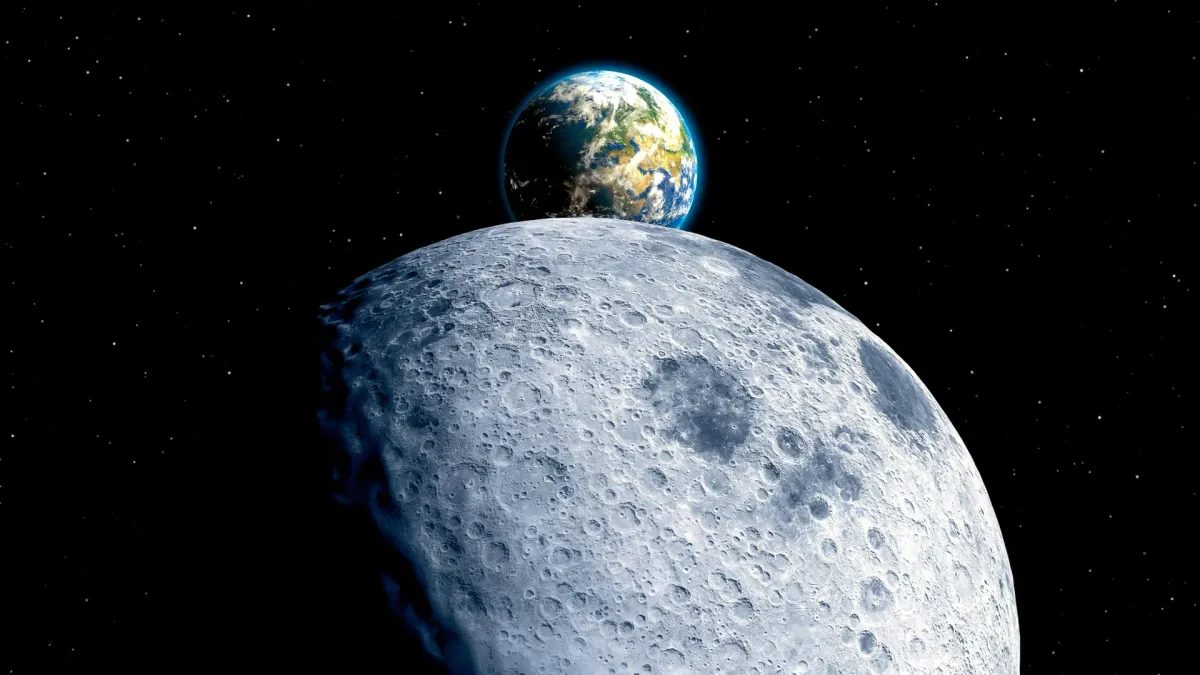
Scientists may have finally solved the mystery of the Moon’s two faces - Science Daily

Scientists investigating why the Moon's two sides look so different have uncovered new evidence that could help explain this long-standing mystery. A research team led by Professor Hejiu Hui of Nanjing University analyzed lunar rocks collected by China's Chang'e-6 (CE6) mission and found clues suggesting that enormous movements of molten rock shaped the Moon billions of years ago. The researchers examined the chemical compositions of three types of lunar rock: anorthosites, Mg-suite rocks, and mare basalts. They compared these samples from the Moon's far side with material collected from the near side during the Apollo and Chang'e-5 missions. Their findings suggest that the Moon's striking differences emerged through large-scale heat-driven circulation within its ancient lunar magma ocean (LMO), after the Moon became tidally locked to Earth.

Science Daily·
Science

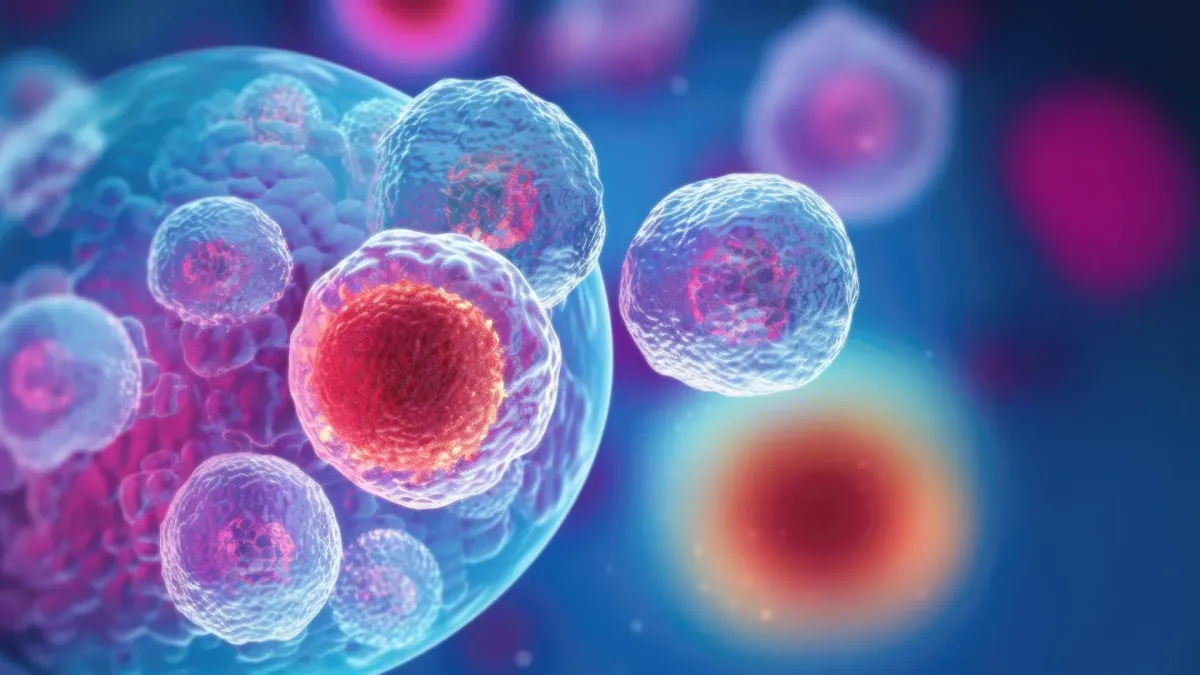
Scientists discover how harmful “zombie cells” hide from the immune system - Science Daily

Researchers led by Cedars-Sinai Health Sciences University have discovered a protein that may allow harmful aging cells to escape detection by the immune system. By helping these cells remain in the body instead of being cleared away, the protein could contribute to their accumulation and the development of health problems associated with aging. The discovery, published in Cell Metabolism, identifies PD-L2 as a potential target for therapies aimed at eliminating harmful aging cells. Scientists also believe the protein could serve as a blood marker, providing a way to detect and monitor these cells.

Science Daily·
Science

The Technological Zone is Closer to Stars Than Superhabitable Exoplanets - Avi Loeb – Medium

6 min read2 days ago--(Image credit: Greg Wyatt)If you live in a house, one out of billions of other houses on your street, it is most likely that you do not have the best living conditions. This logic should apply to habitable worlds around stars in our cosmic neighborhood.(Image credit: Greg Wyatt)The class of exoplanets more conducive to life than Earth, are labeled superhabitable worlds. They offer ideal vacation destinations for interstellar travel agencies. If we ever meet aliens from superhabitable planets, they can tell us all about the paradise exoplanets on which they were born. This will likely make us jealous but should not catch us by surprise.(Image credit: Greg Wyatt)Is there a better host star than our Sun? OBAFGKM is the Harvard spectral classification system used by astronomers to categorize stars by their surface temperature, moving from hottest (O) to coolest (M). This system was developed at the turn of the 20th century by pioneering Harvard astronomers, including Annie Jump Cannon and Williamina Fleming. They reordered an earlier, confusing alphabetical system based on hydrogen line strength into a smooth sequence reflecting effective surface temperature.

Avi Loeb – Medium·
Science

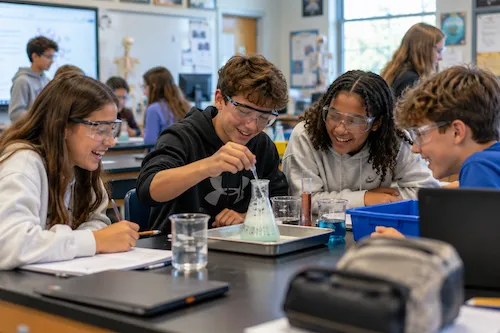
Helping students discover they belong in science - eSchool News

Growing up, science was my least favorite subject. That usually surprises people when they learn I’m a middle school science teacher. That’s the hard thing about science. The way we experience it can completely change the way we feel about it. I grew up visiting museums, exploring national parks, and having opportunities to talk with scientists in places where science was actually happening. In those spaces, science felt exciting. It was about asking questions, making discoveries, and understanding more about the world around me.

eSchool News·
Science

Google DeepMind opens its science AI models to 200 European researchers - The Next Web

Up to 200 European researchers will get direct access to Google’s most advanced science AI models, plus $3 million in computing credits, Google said today. The offer comes from its AI lab, Google DeepMind, and its cloud arm, Google Cloud. The models include AlphaFold 3, which predicts the structure of proteins and other molecules, and WeatherNext, which forecasts the weather.

The Next Web·
Science

In 1960, Three Scientists Calculated The Day Humanity's Population Would Explode: Friday, November 13, 2026. That Is Next Month - Futura, le média qui explore le monde

It was published in Science, and the date was partly a joke. The equation behind it fit two thousand years of data almost perfectly, until the year it was published. On 4 November 1960, the journal Science published a paper with one of the most memorable titles in the history of the journal: “Doomsday: Friday, 13 November, A. D. 2026.” Its subtitle stated that at this date, human population will approach infinity.

Futura, le média qui explore le monde·
Science

Why are there so many plants? New research reveals two key phases in Earth’s past - The Conversation

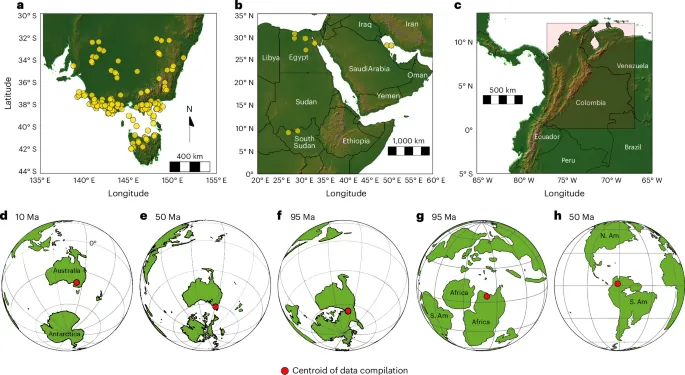
Plants are crucial for life on land. The energy they capture from the Sun underpins the existence of almost all land-based animals, fungi and bacteria. In particular, flowering plants – the most productive and diverse group of land plants – dominate most ecosystems on Earth. There are at least 350,000 species, and they’re vital for capturing carbon dioxide from the air.

The Conversation·