BBlogFlow

Categories

Science

9442 articles

Science

What Role Could Robots Play in Lunar Construction? - AZoBuild

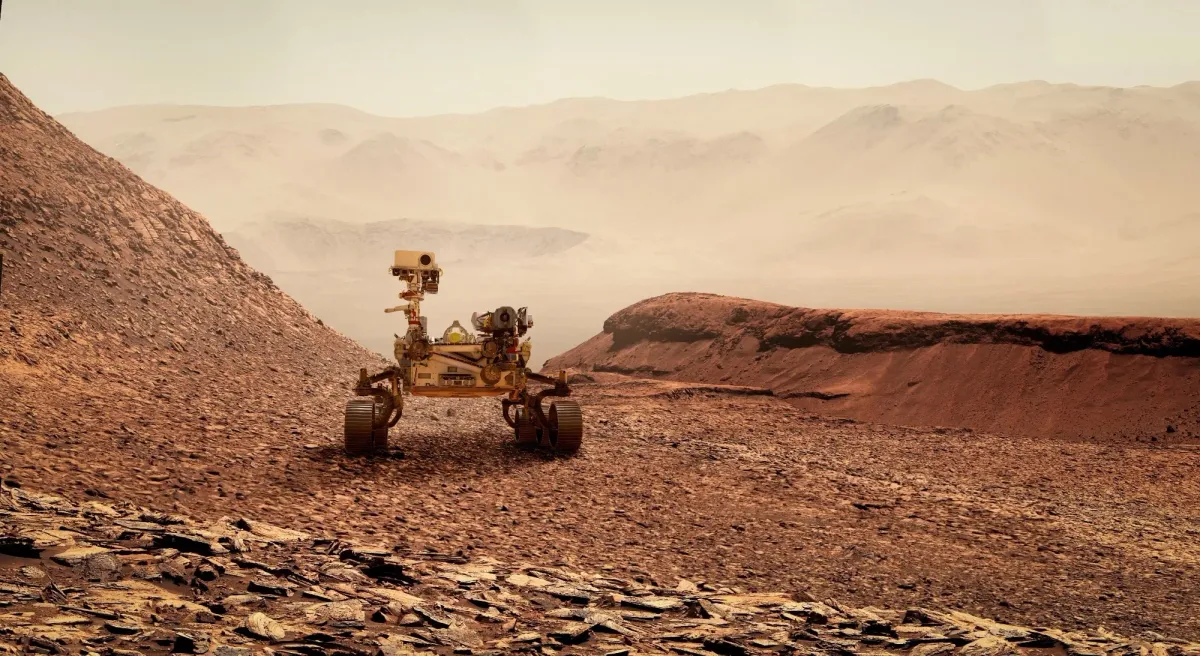
A lasting human presence on the Moon will depend on infrastructure built before astronauts arrive. Crews will need landing pads, roads, radiation shielding, and habitats that can withstand harsh temperatures and abrasive dust. However, launching these structures from Earth would inflate costs and complicate logistics. Therefore, NASA plans to utilize local soil, known as regolith, for construction. Robots are the most practical option for building in these conditions, as they can operate for extended periods in hazardous environments. The article discusses the need for robotic builders on the Moon, the use of regolith for construction, robot coordination, and staged mission plans for a lunar base.1

AZoBuild·

Science

Nvidia Commits US$1B to American Science Push in Tech Energy & Healthcare - Streetwise Reports

Nvidia Corp. (NVDA:NASDAQ) announced on October 8, 2026, commitments valued at US$1 billion to advance U. S. science over the next five years, focusing on superintelligence research and development in quantum computing, healthcare, and energy security. Nvidia's October 8 announcement commits US$1 billion over five years to U. S. super intelligence R&D in quantum computing, healthcare, and energy security, extending long-standing DOE collaborations.

Streetwise Reports·
Science

Science starts anywhere - Society for Science

Whether it’s at the kitchen table or in the living room, middle schoolers show they don’t need a sophisticated lab to innovate. Miles Wu uses household materials to test the strength of a Miura-Ori fold Courtesy of Miles Wu

Society for Science·
Science

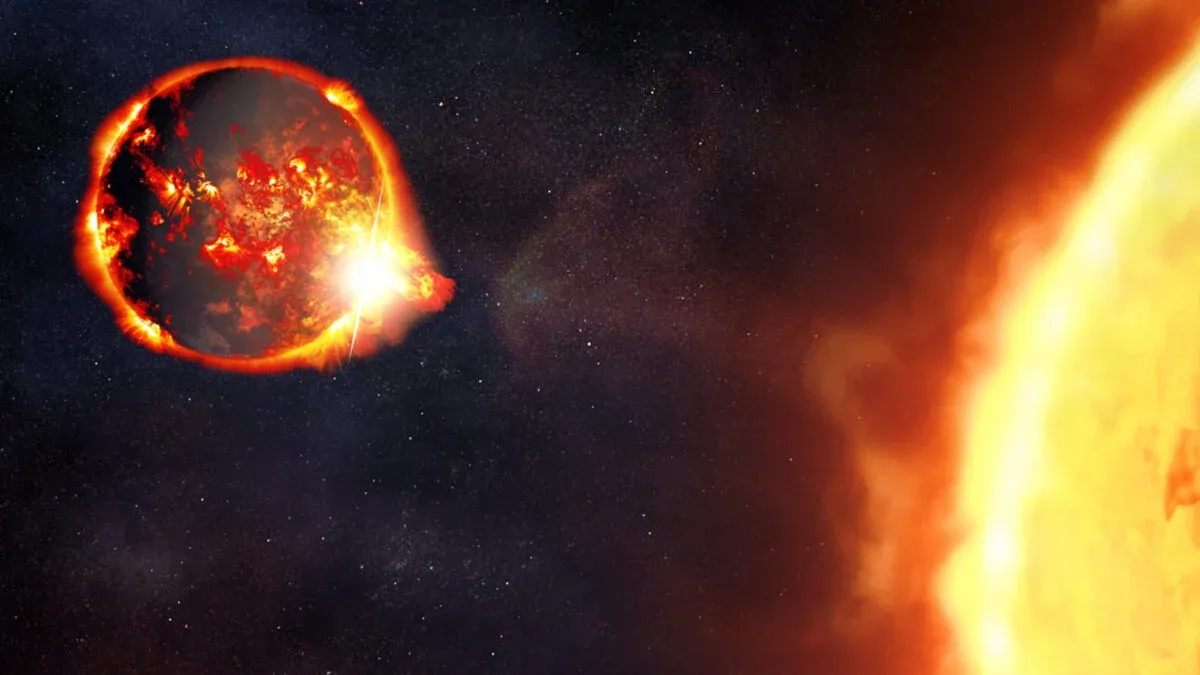
The Sun’s Death Could Tear Apart the Outer Solar System Much Sooner Than Thought - Gizmodo

Our Sun is just like any other star. That is, eventually the Sun will run out of fuel and effectively collapse—taking out, presumably, most things in our neighborhood. That won’t pose a problem for those of us alive right now, but for those of you who still care: Scientists think the doomsday for outer planets might come earlier than expected. New calculations indicate that, once the Sun transforms into a white dwarf some 7 to 8 billion years from now, the outer solar system has roughly 1 billion years left—much lower than previous estimates ranging from 100 billion to a whopping 1 quintillion years, according to a recent study published in The Astrophysical Journal Letters. The latter number was so large as it assumed the Sun would lose its mass in a relatively smooth manner, Konstantin Batygin, the study’s first author, explained to Gizmodo. In reality, the Sun’s death will likely be bumpier, which introduces more chaos to the equation. “What we’ve shown is that this timeline [of 1 quintillion years] gets front-run by the Sun’s own death,” said Batygin, an astrophyscist at the California Institute of Technology.

Gizmodo·
Science

Climate Change Is Accelerating Faster Than We Can Respond, Scientists Warn - Time Magazine

The climate is warming up faster than we can respond. According to a new report published Oct. 14 in the journal BioScience, “Earth’s climate system is moving deeper into uncharted territory.”The State of the Climate, an annual report that tracks the Earth’s “vital signs,” monitors several climate related indicators—ranging from greenhouse gas concentrations and temperature changes to tree cover loss due to wildfire. The researchers found that, of the 16 planetary vital signs, seven are currently at record extremes. This includes sea levels and greenhouse gasses in the atmosphere. Meanwhile several others, such as areas burned during wildfires and ocean heat levels, show evidence of acceleration or abrupt shifts. The researchers warn that the rate of global warming appears to have accelerated, from about 0.05°C per decade between 1880 and 1970 to roughly 0.36°C per decade between 2010 and 2024—and the 2°C threshold meant to limit planetary damage could be reached before 2050 they warn.

Time Magazine·
Science

Climate Change Is Accelerating Faster Than We Can Respond, Scientists Warn - Yahoo

The climate is warming up faster than we can respond. According to a new report published Oct. 14 in the journal BioScience, "Earth's climate system is moving deeper into uncharted territory. "The State of the Climate, an annual report that tracks the Earth's "vital signs," monitors several climate related indicators—ranging from greenhouse gas concentrations and temperature changes to tree cover loss due to wildfire. The researchers found that, of the 16 planetary vital signs, seven are currently at record extremes. This includes sea levels and greenhouse gasses in the atmosphere. Meanwhile several others, such as areas burned during wildfires and ocean heat levels, show evidence of acceleration or abrupt shifts. The researchers warn that the rate of global warming appears to have accelerated, from about 0.05°C per decade between 1880 and 1970 to roughly 0.36°C per decade between 2010 and 2024—and the 2°C threshold meant to limit planetary damage could be reached before 2050 they warn.

Yahoo·
Science

Chemists develop blueprint for designing powerful fluorescent materials for better disease detection - Phys.org

Credit: Organic Chemistry Frontiers (2026). The team, led by professors Simon Lewis and Tony James and Dr. Dan Pantos in the university's Department of Chemistry, has transformed azulene, a naturally occurring blue compound found in certain mushrooms and corals, into a versatile tool for biological imaging and chemical sensing. Scientists use chemical probes that bind to a specific molecule in the cell and glow different colors under a microscope to observe biological processes and monitor disease. Fluorescent probes consist of two parts: a "receptor" (which detects a particular substance) and a "fluorophore" (a molecule with fluorescent properties).

Phys.org·
Science

Climate scientists issue a sobering diagnosis about Earth's 'vital signs' - Scientific American

Earth faces “rapid destabilization” as a result of climate change, an international group of scientists find in the latest edition of an annual checkup of the planet’s “vital signs.”“This is no longer a warning for the future; it is a diagnosis of the present,” the authors write. The report, the latest in a series called the “State of the Climate,” measures 16 key markers of Earth’s climate. Seven of these have reached “record extremes,” says report co-author Christopher Wolf, a research scientist at Terrestrial Ecosystems Research Associates. These extremes include soaring greenhouse gas concentrations, melting sea ice and sea-level rise—driven largely by human activities. On supporting science journalismIf you're enjoying this article, consider supporting our award-winning journalism by subscribing. By purchasing a subscription you are helping to ensure the future of impactful stories about the discoveries and ideas shaping our world today. “Global warming appears to be accelerating,” Wolf says.

Scientific American·
Science

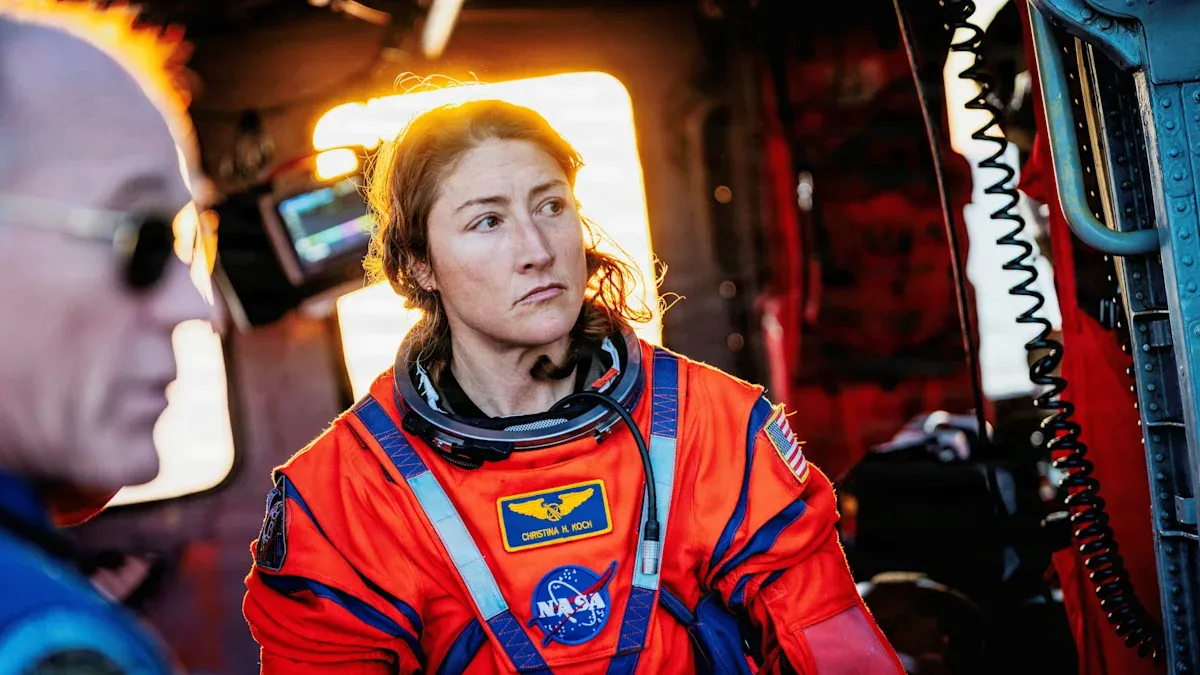
Astronaut Christina Koch trades spacesuit for desk in new role at NASA - Yahoo News Canada

NASA astronaut Christina Koch is taking a new role at the agency after making history as the first woman to fly near the moon during the Artemis II mission in April. Thirteen years after being selected as an astronaut, Koch plans to trade her spacesuit for a desk, NASA announced. The news comes about six months after Koch was part of the four-person Artemis II crew that rode a NASA spacecraft on a 10-day journey toward the moon. The mission marked a landmark moment in U. S. spaceflight, becoming not just the first crewed moon mission in half-a-century, but taking the astronauts farther from Earth than anyone had ever been. With Koch's announcement, all four of those astronauts have now stepped away from spaceflight to eye new career opportunities. Here's what to know about Koch, as well as what's next for the record-setting NASA astronaut. Rocket launches: Rocket launches due to surge in next decade across USArtemis II astronaut takes on new role at NASAEffective Nov. 1, Koch will become NASA's acting deputy chief engineer, NASA announced in an Oct. 13 press release. Koch will replace Katherine Van Hooser, who served in the role for 35 years.

Yahoo News Canada·
Science

Curiosity Greets a Spectacular Dawn Sky on Mars - Universe Today

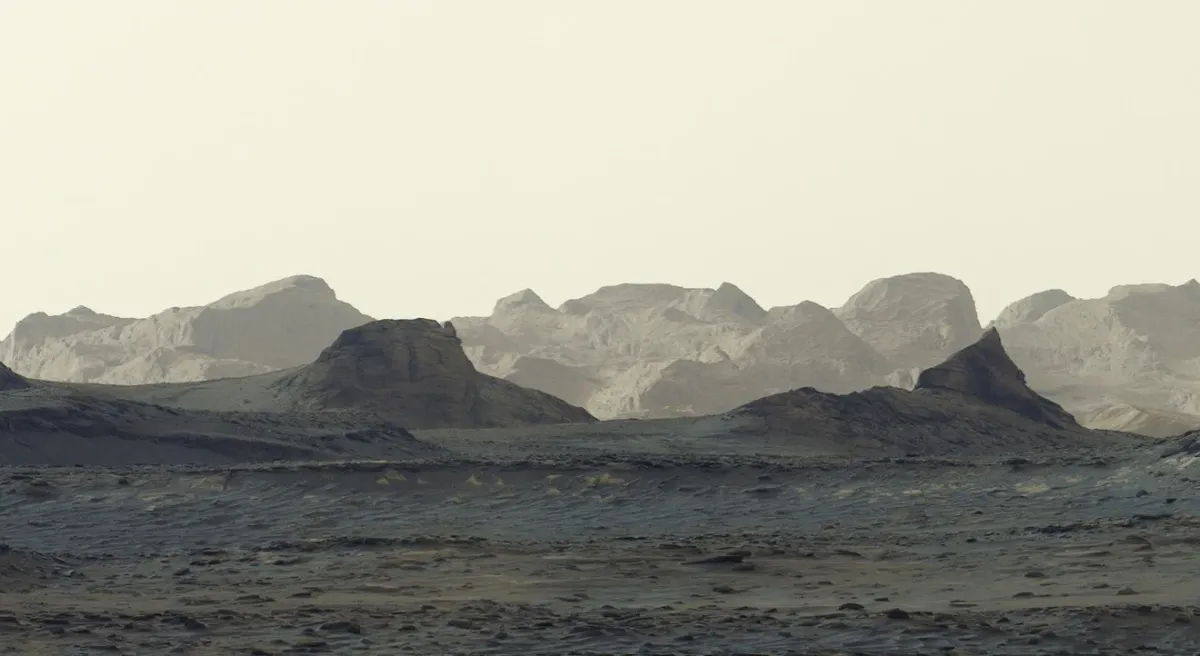
NASA’s Curiosity Mars Rover gives us another amazing view of its Gale crater home. Mars is a planetary geologist’s paradise. NASA’s Curiosity rover drove that home recently, with a captivating panorama seen from the slopes of Mount Sharp. The image shows a stunning vista, and was not white-balance adjusted during processing, to show just what a viewer might really see at sunrise standing of Mars.

Universe Today·
Science

Earth's Climate System Grows Unstable, Signs of Progress Emerge - Mirage News

The seventh annual report by an international coalition led by Oregon State University scientists says the Earth's climate system is quickly becoming unstable and that while signs of important societal changes are emerging, greater and faster action is necessary. "Rapid destabilization is now a diagnosis rather than a warning for the future," said one of the report's co-lead authors, William Ripple, distinguished professor emeritus in the OSU College of Forestry. "The accelerating expansion of renewable energy and advances in battery storage are encouraging, but they are only part of the transformation needed to stabilize the climate system. A more resilient and sustainable future depends heavily on big cuts in greenhouse gas emissions, effective adaptation and ecosystem protection. "Published today in BioScience, "The 2026 state of the climate report: challenges and opportunities" notes that of the 16 climate indicators the coalition tracks, seven are at record extremes and multiple others are also trending in the wrong direction, raising concerns about interacting feedbacks and an increasing risk of crossing critical tipping points.

Mirage News·
Science

2026 State of the Climate Report Shows a Planet Reaching Its Limits - Ground News

Published 2 days ago • loading... • Updated 5 hours agoThe report says 7 of 16 planetary vital signs are at record extremes, while renewable energy growth is still not reducing fossil fuel use fast enough. On Wednesday, researchers published a report in BioScience indicating Earth is undergoing "rapid destabilization," with seven of 16 tracked "planetary vital signs" reaching "record extremes. "Humanity continues relying on fossil fuels as the dominant energy source, pushing atmospheric carbon dioxide 50 percent higher than preindustrial levels and accelerating warming to 0.36 degrees Celsius per decade since 2010. Scientists warn accelerating trends raise the risk of Earth breaching "tipping points," such as mass coral die-offs if warming exceeds 1.5 degrees Celsius or Amazon forest degradation. Since September 2025, humans have faced immediate danger from widespread climate-fueled disasters, including heatwaves in Europe, India, and Florida, plus wildfires in Australia.

Ground News·
Science

Animal life may be far older than its most ancient fossils – here’s how we uncovered its hidden history - Tolerance.ca

By Ross Anderson, Associate Professor of Natural History, University of OxfordOrin Lole Durbin, PhD Student, Geosciences, Virginia Tech The question of when animals first evolved is one that has confounded scientists since the time of Charles Darwin. Studying rocks in north Wales in the mid-18th century, Darwin found the sudden first appearance of animal shells and skeletons in layers dating back over 500 million years perplexing. He had predicted a long history of evolution, with animals slowly gaining complexity through time, rather than this apparent instantaneous appearance of complex animals. The sudden appearance of complex animals has led scientists to argue that animals must have a “hidden history”, a period… Read complete article© The Conversation

Tolerance.ca·
Science

Cornell scientists identify rare human genetic disorder in two unusually long-legged cats - Science Daily

Two brothers named Gary and Shaggy have helped Cornell University researchers make a rare genetic discovery. In a study published in Scientific Reports, scientists reported the first molecular characterization of Marfan syndrome in domestic cats, a condition primarily recognized in humans. Gary and Shaggy first stood out as kittens because of their unusually long limbs. As they grew older, veterinarians also identified abnormalities in their eye structures and an enlarged aorta, the body's main artery. Together, these symptoms suggested Marfan syndrome, an inherited condition that weakens connective tissues throughout the body. The disorder affects approximately 1 in 4,000 people, but these brothers represented the first known documented feline cases.

Science Daily·
Science

The secret to easier exercise as an adult may start in childhood - Science Daily

How much energy your body needs to move as an adult could be influenced by how active you were during childhood. A new study led by researchers at Penn State suggests that physical activity early in life may have lasting effects on movement efficiency. Using birds as a model, the scientists provided the first direct evidence that experiences during development can change how much energy animals expend when moving as adults. According to Jonas Rubenson, a professor of kinesiology at Penn State, the ability to move efficiently could play an important role in animal evolution. Animals that spend less energy getting around may have more resources available for essential activities such as finding food, hunting, and reproducing. The findings, published in Proceedings of the Royal Society B, Biological Sciences, suggest that the energy demands of movement are more adaptable than scientists previously believed.

Science Daily·