Science
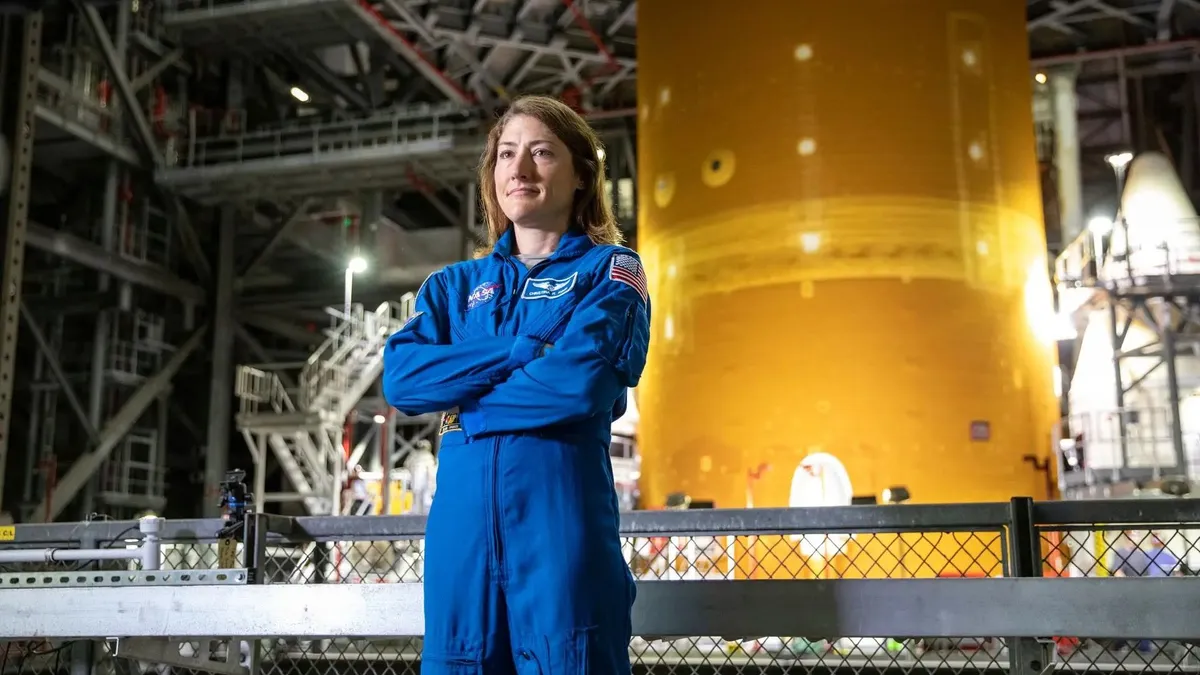
Life after the moon: Artemis II's Christina Koch steps down from active astronaut duty - Space
All four Artemis II astronauts have now moved on to different roles.
Space·
Categories
9434 articles
All four Artemis II astronauts have now moved on to different roles.

Celebrating the Class of 2026 and Memorial University's newest alumni. Oct. 14, 2026 Fall graduate Farzana Rahman says her time at Memorial University was an eye-opening experience, one where she worked with clients to solve real-world problems.
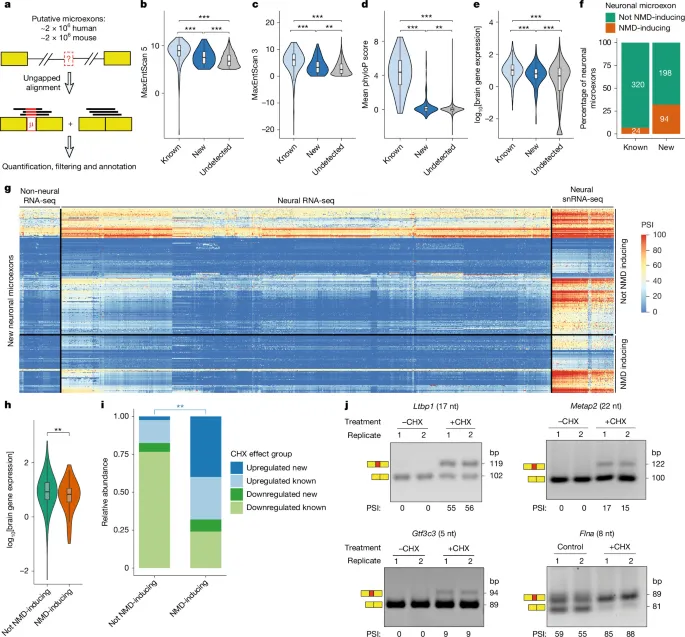
MainAutism spectrum disorder (ASD) is a highly heterogeneous condition. Common characteristics of affected individuals include altered social and communication abilities, and repetitive behaviours. Hundreds of genetic alterations have been linked to ASD5,6, and approximately 130 genes have been confidently associated with ASD susceptibility, with functions that converge on transcriptional and chromatin regulation, synaptic signalling and translational control7,8,9. However, high-confidence ASD-associated variants are detected in only around 15% of affected individuals. Among the approximately 85% of idiopathic individuals, missing genetic aetiology may be attributable, in part, to variants overlapping non-coding genomic regions with important yet difficult-to-predict functions10. Alternative splicing, a critical process by which exon and intron sequences are differentially included in transcripts to generate functional and regulatory diversity, is widespread in the mammalian nervous system11,12. Neuronally enriched, 3–27-nucleotide-long microexons represent a highly conserved class of alternative splicing1,2.
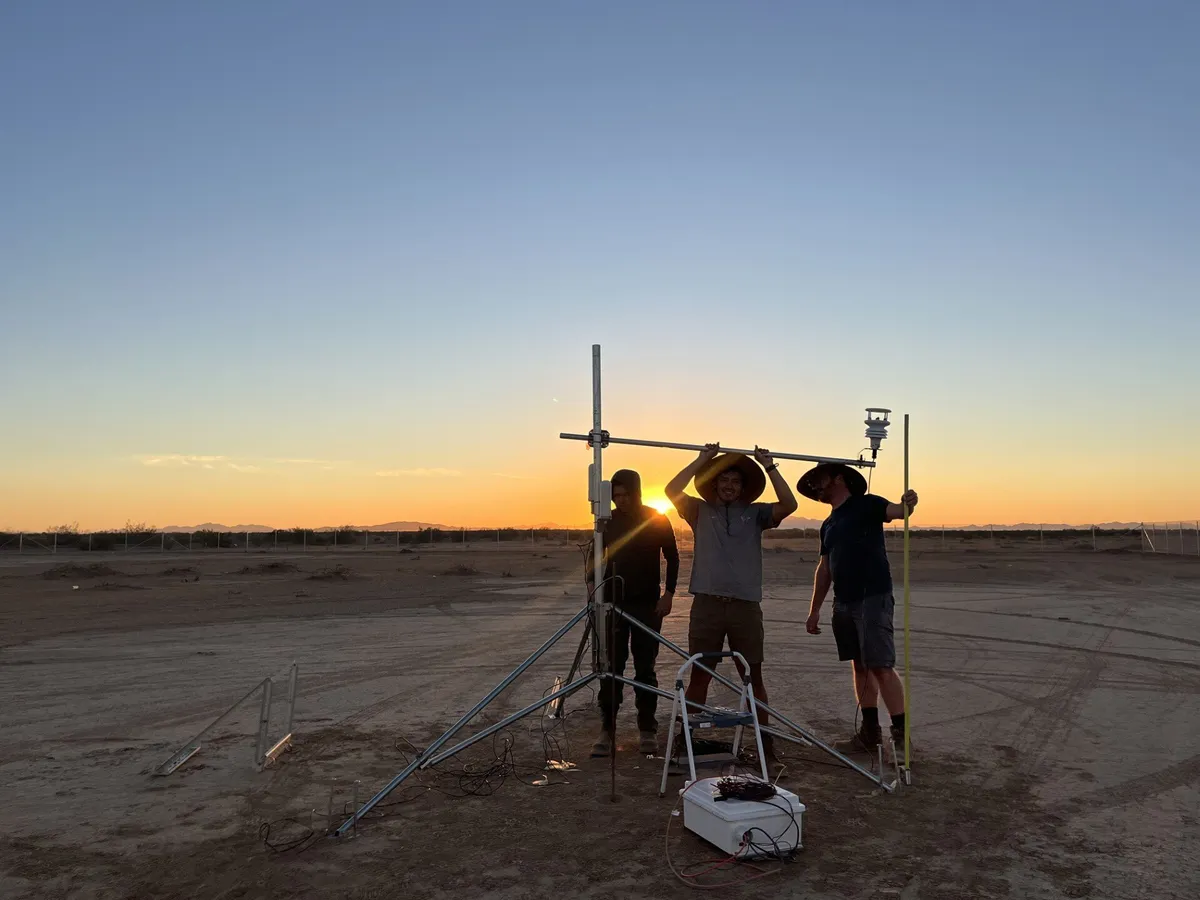
Researchers Adam Brandt, Josh Romo and Taylor Adams set up a meteorology station during preparations for controlled methane releases. Researchers have conducted the largest-ever controlled test of space-based methane monitoring, finding that dedicated methane sensors correctly detected nearly all methane plumes released on clear days. 14 in Nature, the results provide a benchmark for satellite systems increasingly used by regulators, environmental groups and companies to detect leaks and identify super-emitters of the planet-warming gas.
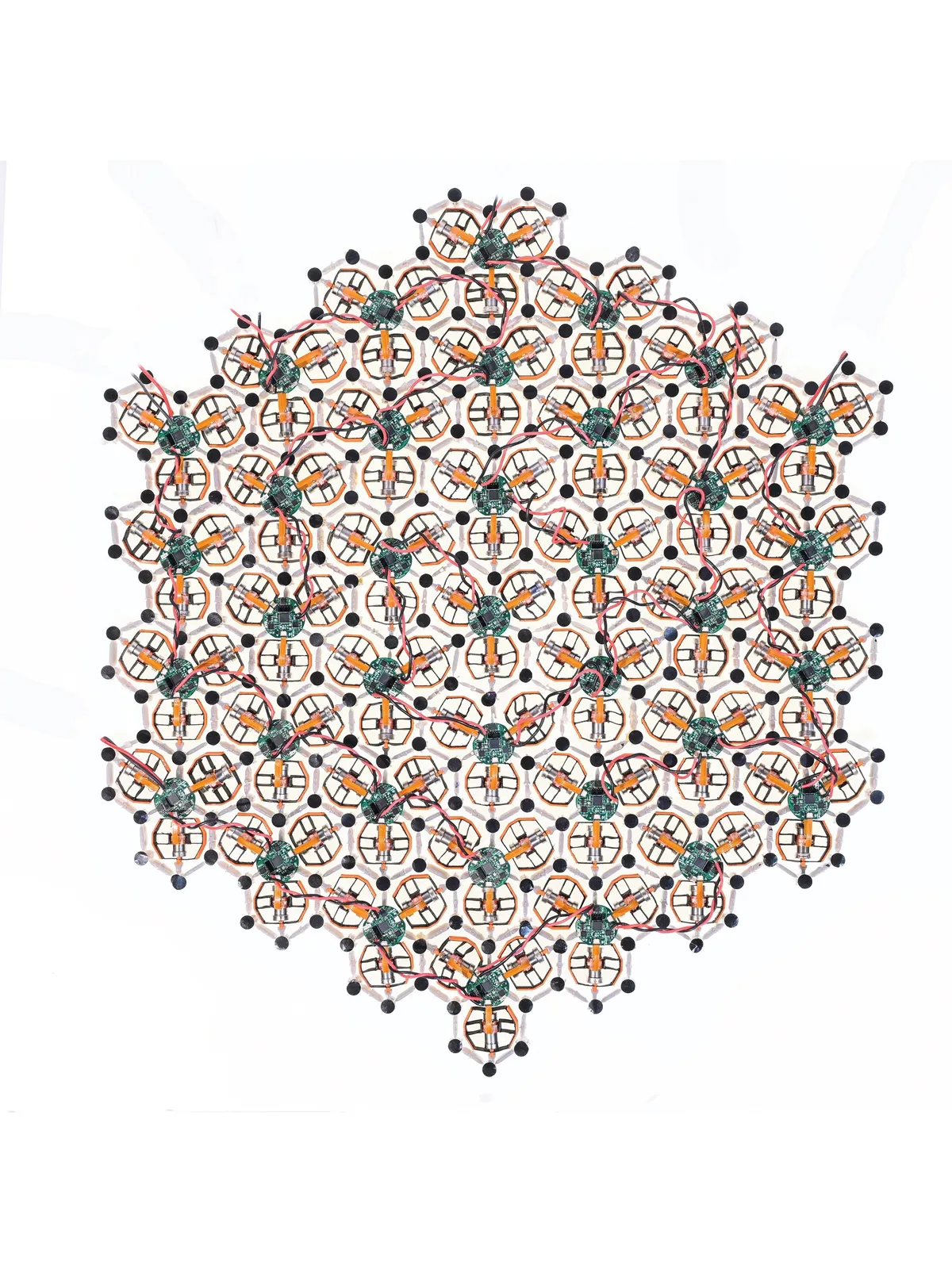
Image of wave coarsening in a metamaterial. Scientists have developed a material that can grow and coordinate its own movement until the entire structure pulses in unison, paving the way for versatile robots that behave more like living systems. 14) in Nature, engineers from the University of Birmingham working with the universities of Amsterdam, Lyon, Delft, Leiden and Cambridge reveal that they have created a mechatronic metamaterial that behaves as a 'time crystal.' Time crystals are an unusual form of matter in which particles endlessly move in regular, repeating cycles. But here, the "particles" were not the atoms of molecules: they were robots.

An early bird with many dinosaur-like features discovered in China seems to have been a fast-running, land-based carnivore with killer claws.

Sled dogs pull sleds for recreation and work. They’re some of Earth’s most powerful athletes, traversing thousands of miles of rough terrain in sub-zero temperatures, through blinding snow, and biting winds. Sled dogs have been helping humans travel across the planet’s coldest regions for centuries, hauling supplies, people, and equipment across the snow and ice. In the process, this important role that goes above and beyond simply being “man’s best friend” could have a visible impact on their evolution.
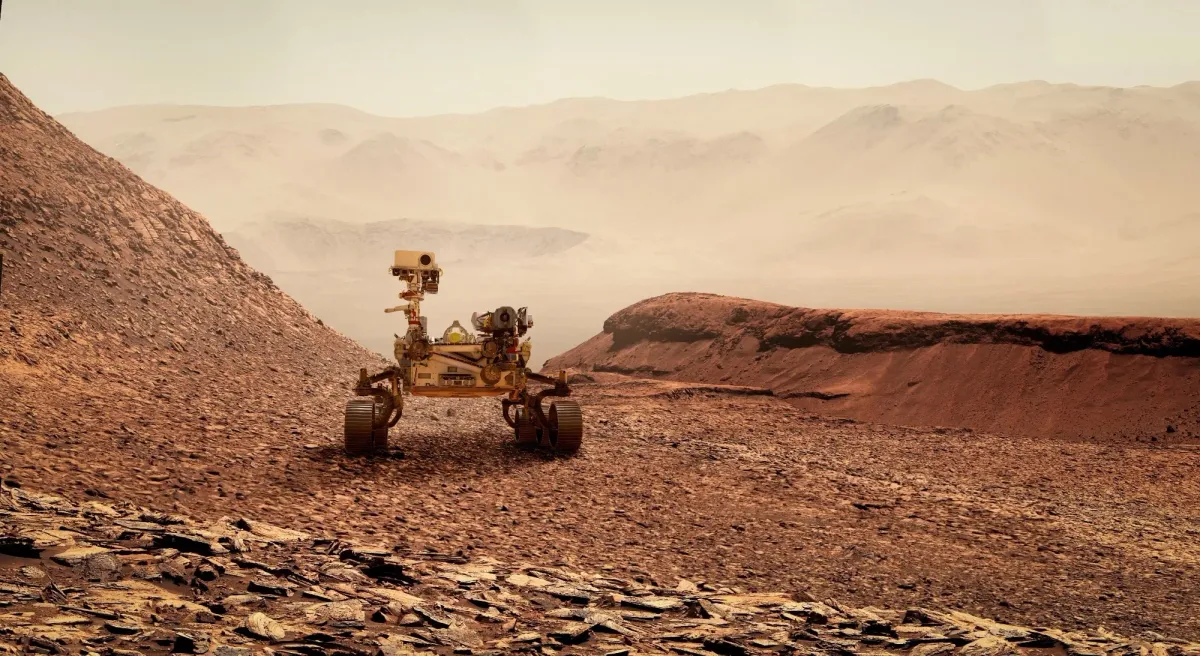
A lasting human presence on the Moon will depend on infrastructure built before astronauts arrive. Crews will need landing pads, roads, radiation shielding, and habitats that can withstand harsh temperatures and abrasive dust. However, launching these structures from Earth would inflate costs and complicate logistics. Therefore, NASA plans to utilize local soil, known as regolith, for construction. Robots are the most practical option for building in these conditions, as they can operate for extended periods in hazardous environments. The article discusses the need for robotic builders on the Moon, the use of regolith for construction, robot coordination, and staged mission plans for a lunar base.1

Nvidia Corp. (NVDA:NASDAQ) announced on October 8, 2026, commitments valued at US$1 billion to advance U. S. science over the next five years, focusing on superintelligence research and development in quantum computing, healthcare, and energy security. Nvidia's October 8 announcement commits US$1 billion over five years to U. S. super intelligence R&D in quantum computing, healthcare, and energy security, extending long-standing DOE collaborations.
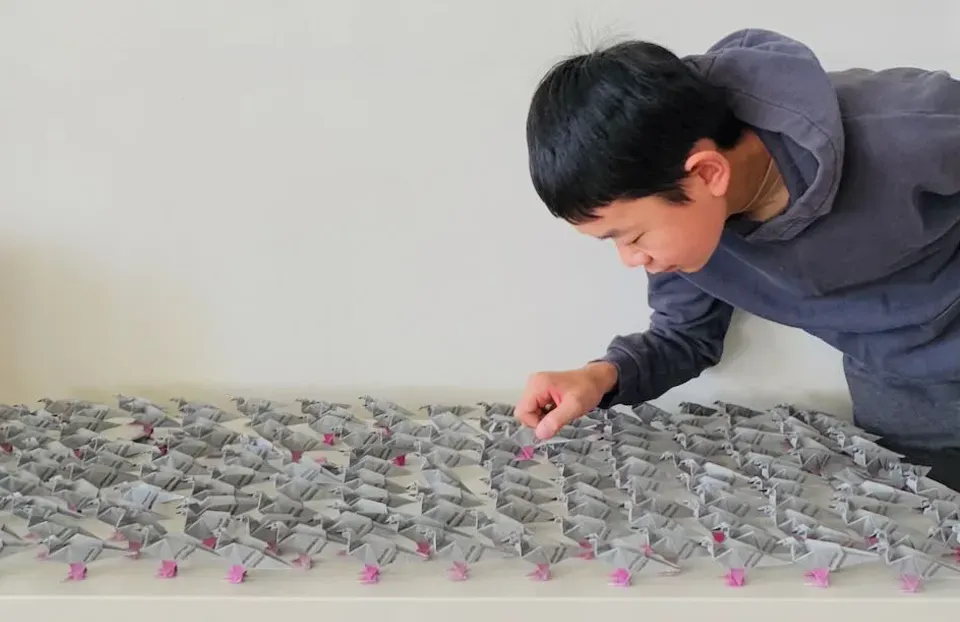
Whether it’s at the kitchen table or in the living room, middle schoolers show they don’t need a sophisticated lab to innovate. Miles Wu uses household materials to test the strength of a Miura-Ori fold Courtesy of Miles Wu

A collision may have left these galaxies without dark matter. That spells trouble for alternative gravity theories. The lack of dark matter in galaxies DF2, DF9, and DF4 (clockwise from left) was a shock to scientists, who speculate that they formed after an ancient collision.

Our Sun is just like any other star. That is, eventually the Sun will run out of fuel and effectively collapse—taking out, presumably, most things in our neighborhood. That won’t pose a problem for those of us alive right now, but for those of you who still care: Scientists think the doomsday for outer planets might come earlier than expected. New calculations indicate that, once the Sun transforms into a white dwarf some 7 to 8 billion years from now, the outer solar system has roughly 1 billion years left—much lower than previous estimates ranging from 100 billion to a whopping 1 quintillion years, according to a recent study published in The Astrophysical Journal Letters. The latter number was so large as it assumed the Sun would lose its mass in a relatively smooth manner, Konstantin Batygin, the study’s first author, explained to Gizmodo. In reality, the Sun’s death will likely be bumpier, which introduces more chaos to the equation. “What we’ve shown is that this timeline [of 1 quintillion years] gets front-run by the Sun’s own death,” said Batygin, an astrophyscist at the California Institute of Technology.
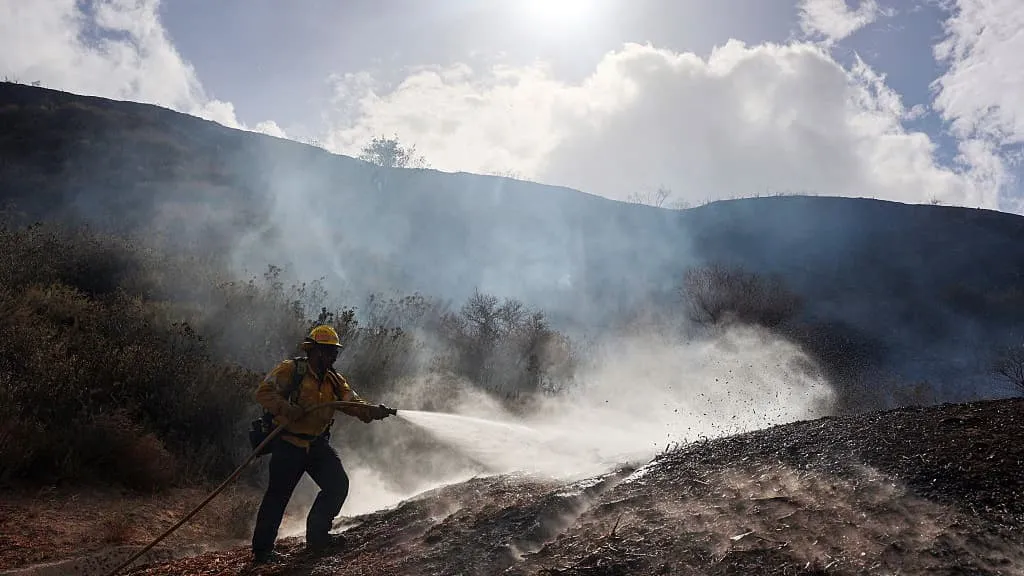
The climate is warming up faster than we can respond. According to a new report published Oct. 14 in the journal BioScience, “Earth’s climate system is moving deeper into uncharted territory.”The State of the Climate, an annual report that tracks the Earth’s “vital signs,” monitors several climate related indicators—ranging from greenhouse gas concentrations and temperature changes to tree cover loss due to wildfire. The researchers found that, of the 16 planetary vital signs, seven are currently at record extremes. This includes sea levels and greenhouse gasses in the atmosphere. Meanwhile several others, such as areas burned during wildfires and ocean heat levels, show evidence of acceleration or abrupt shifts. The researchers warn that the rate of global warming appears to have accelerated, from about 0.05°C per decade between 1880 and 1970 to roughly 0.36°C per decade between 2010 and 2024—and the 2°C threshold meant to limit planetary damage could be reached before 2050 they warn.
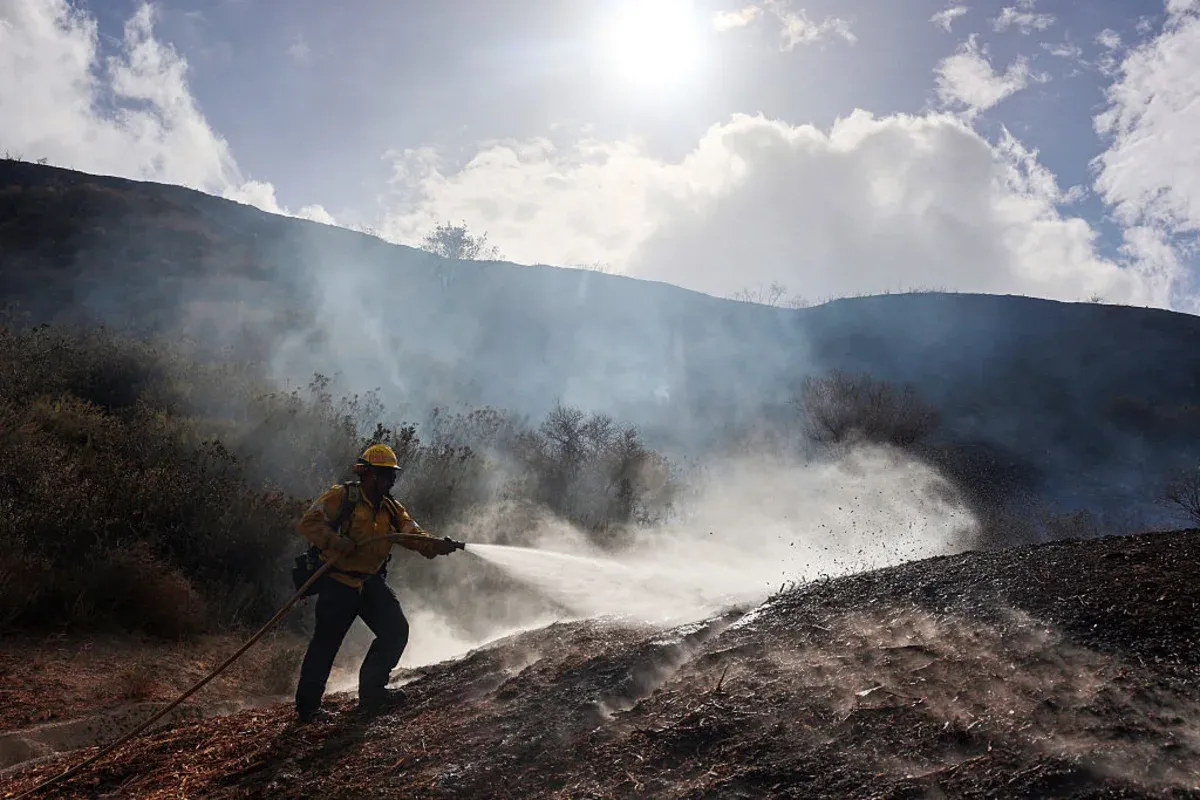
The climate is warming up faster than we can respond. According to a new report published Oct. 14 in the journal BioScience, "Earth's climate system is moving deeper into uncharted territory. "The State of the Climate, an annual report that tracks the Earth's "vital signs," monitors several climate related indicators—ranging from greenhouse gas concentrations and temperature changes to tree cover loss due to wildfire. The researchers found that, of the 16 planetary vital signs, seven are currently at record extremes. This includes sea levels and greenhouse gasses in the atmosphere. Meanwhile several others, such as areas burned during wildfires and ocean heat levels, show evidence of acceleration or abrupt shifts. The researchers warn that the rate of global warming appears to have accelerated, from about 0.05°C per decade between 1880 and 1970 to roughly 0.36°C per decade between 2010 and 2024—and the 2°C threshold meant to limit planetary damage could be reached before 2050 they warn.
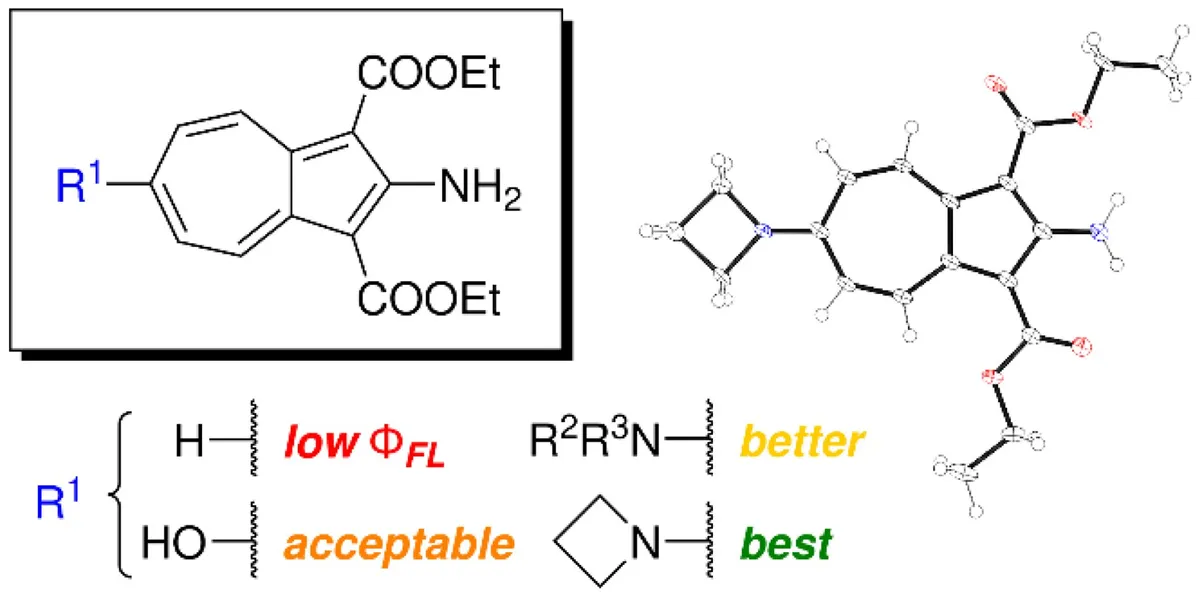
Credit: Organic Chemistry Frontiers (2026). The team, led by professors Simon Lewis and Tony James and Dr. Dan Pantos in the university's Department of Chemistry, has transformed azulene, a naturally occurring blue compound found in certain mushrooms and corals, into a versatile tool for biological imaging and chemical sensing. Scientists use chemical probes that bind to a specific molecule in the cell and glow different colors under a microscope to observe biological processes and monitor disease. Fluorescent probes consist of two parts: a "receptor" (which detects a particular substance) and a "fluorophore" (a molecule with fluorescent properties).