Flightless Jurassic bird was like a carnivorous pheasant with killer claws - Live Science
This story deserves to be shared
Send it to someone who'd care, or post it on your networks.
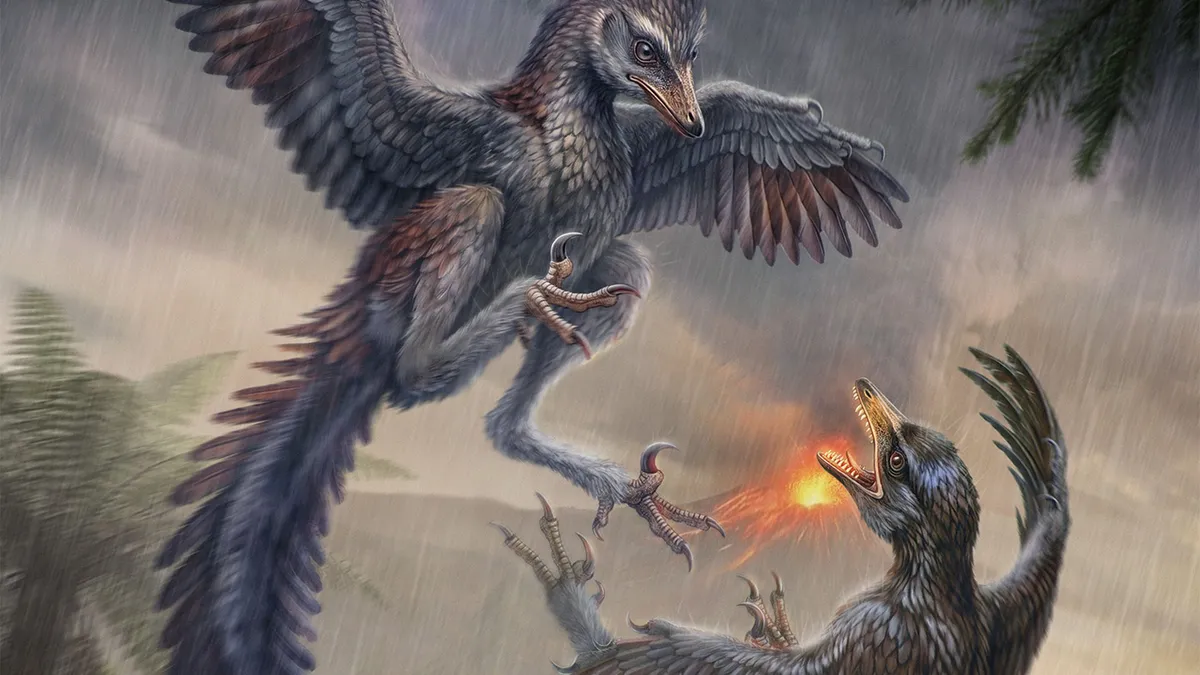
An early bird with many dinosaur-like features discovered in China seems to have been a fast-running, land-based carnivore with killer claws.
This article is an excerpt. To read the full content, visit the original source. Live Science
Related articles
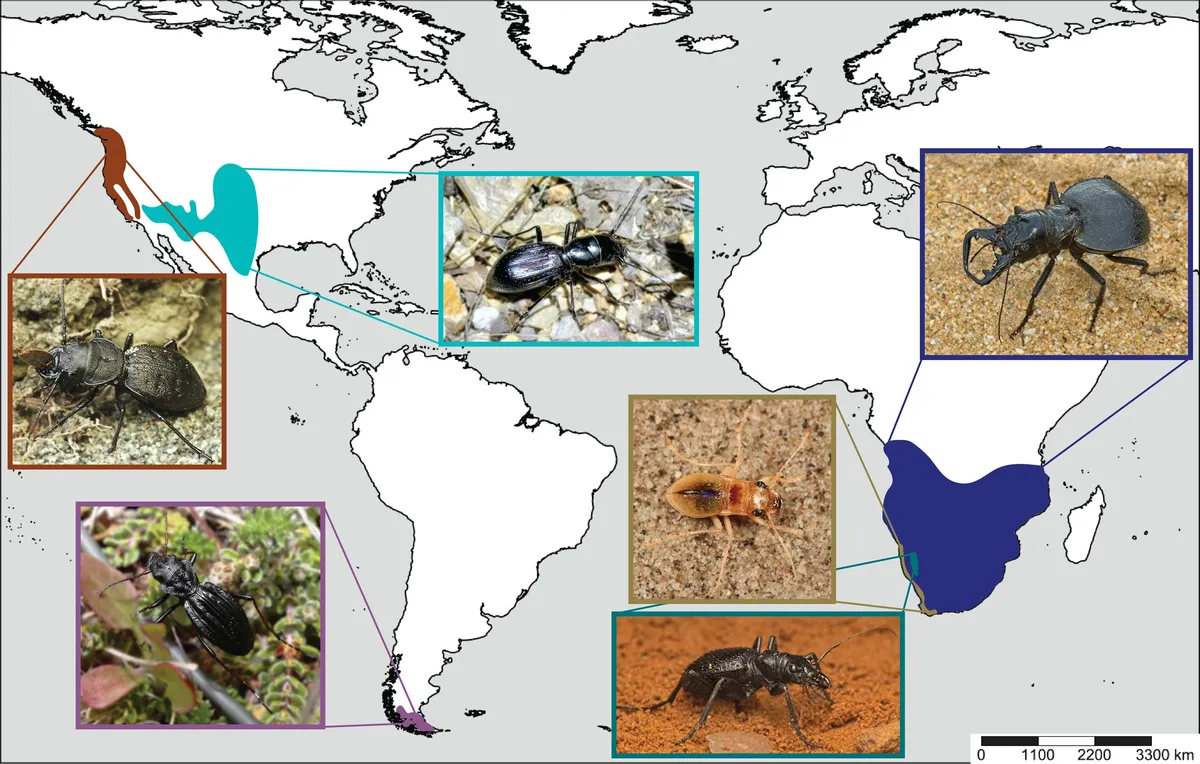
Solving the mystery behind a flightless beetle's transatlantic journey - Phys.org
Global distribution and habitus of tiger beetle genera currently in the tribe Manticorini. From left to right and top to bottom, with color denoting range depiction: Omus, brown; Amblycheila, teal; Manticora, dark blue; Picnochile, purple; Platychile, beige; Mantica, dark green. Credit: (from left to right and top to bottom) Ming-Hsun Chou, Ted MacRae, Petr Mückstein, Michael Weymann, Ye Liu, Petr Mückstein. They can't fly or swim, so why do their closest relatives appear on different continents?
Can carnivorous plants eat people? - Popular Science
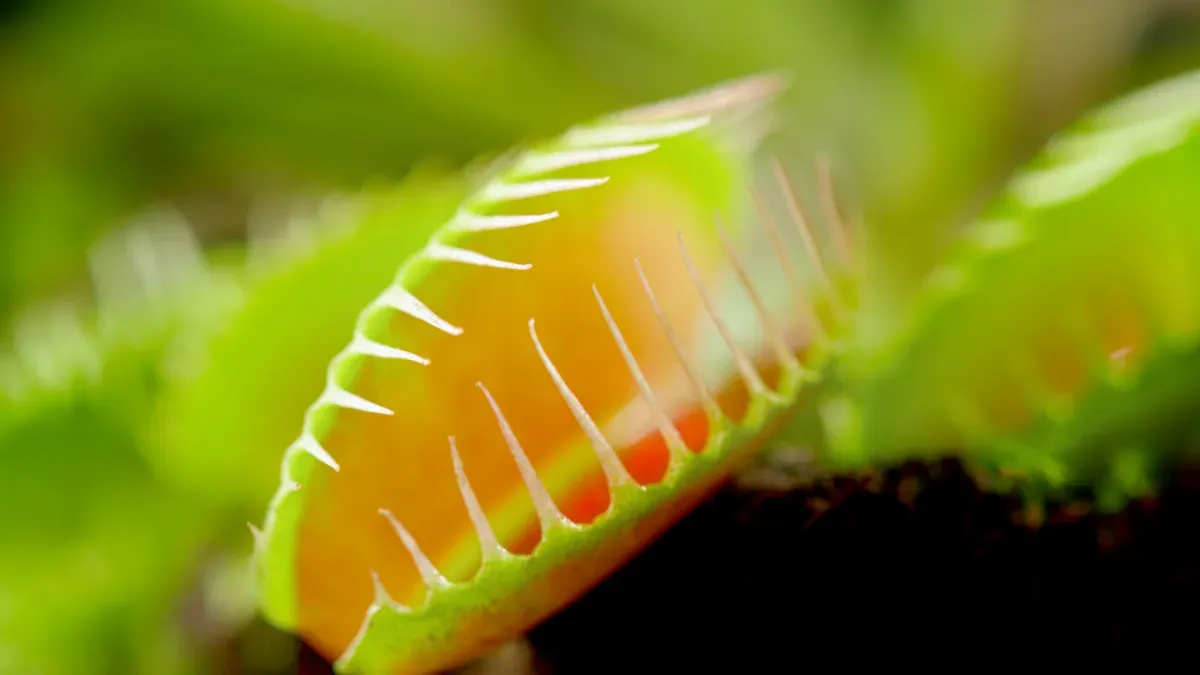
Anyone who’s seen the 1986 musical comedy, Little Shop of Horrors, is familiar with Audrey II. Audrey II looks like a towering, blood-eating Venus flytrap plant, even mimicking the jaw-like, snapping pod of real carnivorous plants. But while Venus flytraps consume insects, Audrey II feeds on humans. Thankfully, people-eating plants are fictional, says Kenny Coogan, the owner of Carnivorous Plants by Kenny Coogan, a well-known nursery in North Carolina’s Piedmont Triad area.
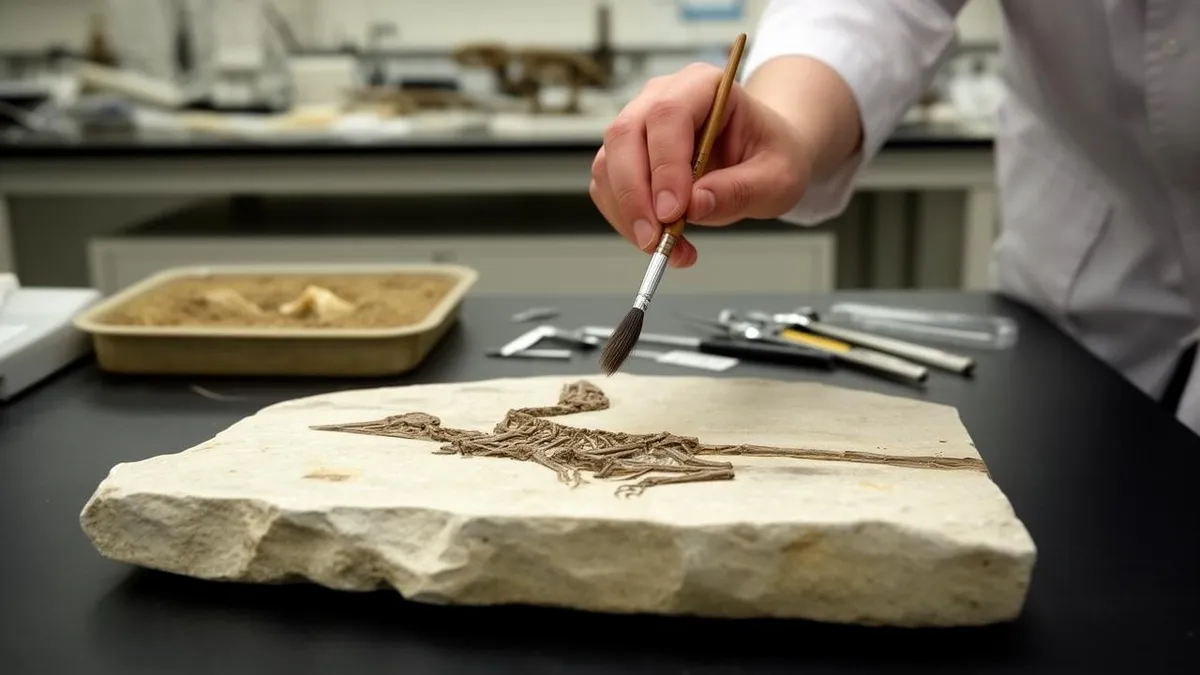
Fossil of Bird That Chose Land Over Jurassic Skies Unearthed—Avian Evolution's 'Multiple Pathways' Come into Focus - BigGo Finance
New research reveals that during the Late Jurassic period—when feathered dinosaurs were first taking to the skies—some early birds chose a different path, surviving on the ground. The discovery is being hailed as key evidence that the dinosaur-to-bird evolutionary transition was not a single linear pathway but branched into multiple directions depending on habitat. A research team led by Professor Wang Min of the Institute of Vertebrate Paleontology and Paleoanthropology (IVPP) at the Chinese Academy of Sciences announced in the international journal Nature that a 149-million-year-old fossil excavated in China's Fujian Province has been confirmed as a new ground-dwelling bird species. The team assigned the primitive bird the scientific name Yuezhuornis yangyuanensis.

UChicago scientists discover semi-aquatic Jurassic-era otter that could chew and swallow - CTV News
AtlanticNova ScotiaNew BrunswickPrince Edward Island Newfoundland and LabradorCalgaryLethbridgeKitchenerGuelphNorthern OntarioSudburyNorth BaySault Ste. MarieTimminsOttawaKingstonBrockvillePembrokeReginaYorktonSaskatoonPrince AlbertTorontoWatchWeatherPeelHamiltonDurhamYorkHaltonNiagaraQueen's ParkToronto City HallIn PicturesVancouverVancouver IslandCanadaLocal SpotlightRoyal FamilyPoliticsNanosPower PlayQuestion PeriodFederal Election 2025WorldMideast ConflictRussia-Ukraine WarWatchLatestCaptured on CameraPoliticsLifestyleConsumerHealthExplainedEntertainmentTechnologyDeception DecodedAutosEnvironmentBusinessInflationReal EstateAutos
ScienceAdviser: What did a Jurassic forest sound like? | Science | AAAS - Science | AAAS
ScienceAdviser: What did a Jurassic forest sound like? |
0 comments
No comments yet. Be the first to share your thoughts!