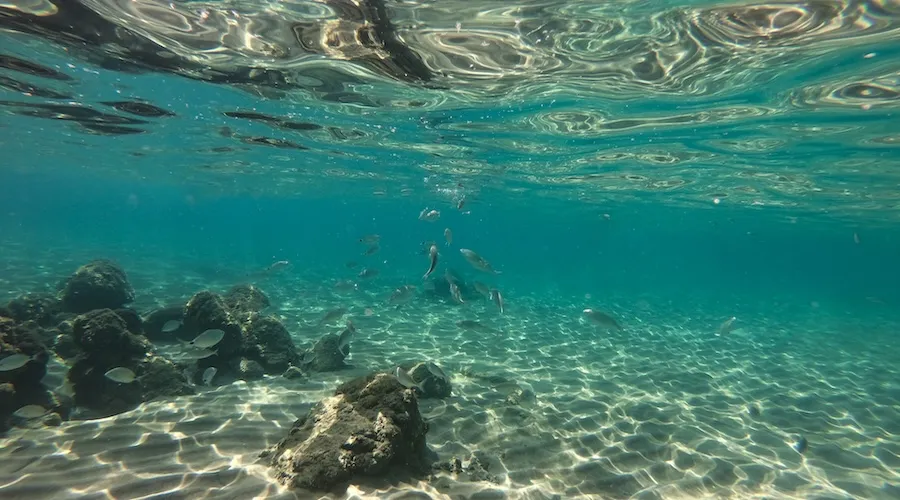
Environmental groups warn seabed mining may harm fragile marine habitats and disrupt ecosystems. (Stock image by magdal3na.)
Scientists at the United States Geological Survey (USGS) have discovered that some metal-rich rocks recovered from the deep ocean can spontaneously combust when exposed to air and processed, raising unexpected safety concerns for a potential new mining industry.
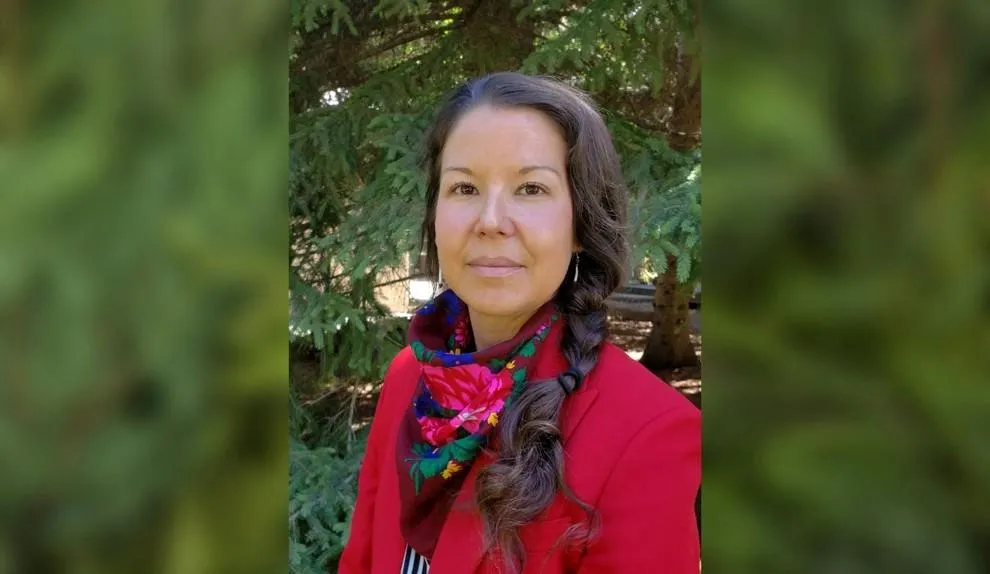
Calgary’s TELUS Spark Science Centre is bringing Indigenous scientists, astronomers, researchers and knowledge keepers together for Indigenous Science Night: Stones, Stories & Stars. The evening of Oct. 16 will feature hands-on activities, telescope observations and community conversations that highlight Indigenous relationships to astronomy, mathematics and the natural world. From 5 p.m. to 11 p.m. at 220 St. George's Drive NE, the centre will “share the depth of knowledge and science within stories that connect land with the cosmos,” said Kori Czuy, director and special advisor for Indigenous science connections. The event is free to First Nations, Métis and Inuit guests, and for non-Indigenous visitors, the centre is offering reduced rates of $10 for adults and $5 for children. Czuy (Cree/Métis/Polish) was born in Treaty 8 territory by the banks of the Peace River. She is focused on bringing together multiple ways of understanding scientific knowledge. Her Ph. D is in storying mathematics. Through her research, she has worked with Treaty 7 Elders to explore the depth of mathematics within Indigenous stories.
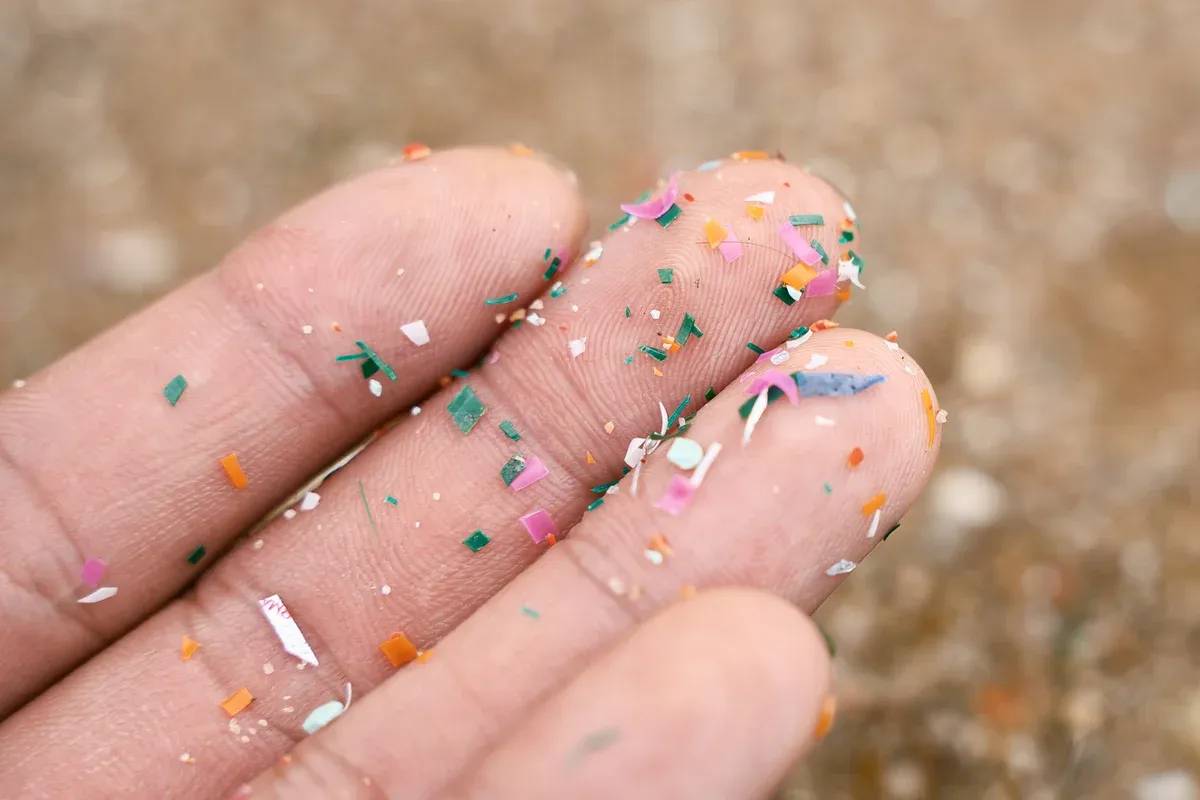
Microplastics are a source of extreme concern for health: the presence of these tiny pieces of plastic has been linked to heart attacks, stroke, dementia and brain tumors. But what drives these associations is unclear. Now a study published in Nature offers a tantalizing clue: microplastics interact with water, generating highly reactive molecules. When microplastics come into contact with water, the water near their surface can become chemically active, generating highly reactive species that can modify nearby substances, including biologically important molecules. As plastics wear down to microscopic sizes, their surface-to-volume ratio increases dramatically. For example, when a credit card is fragmented into particles some 10 microns in diameter, there is a more than 200-fold increase in its surface area, says Wei Min, a chemist at Columbia University and one of the senior authors of the study. As a result, any chemical activity is amplified. On supporting science journalismIf you're enjoying this article, consider supporting our award-winning journalism by subscribing.
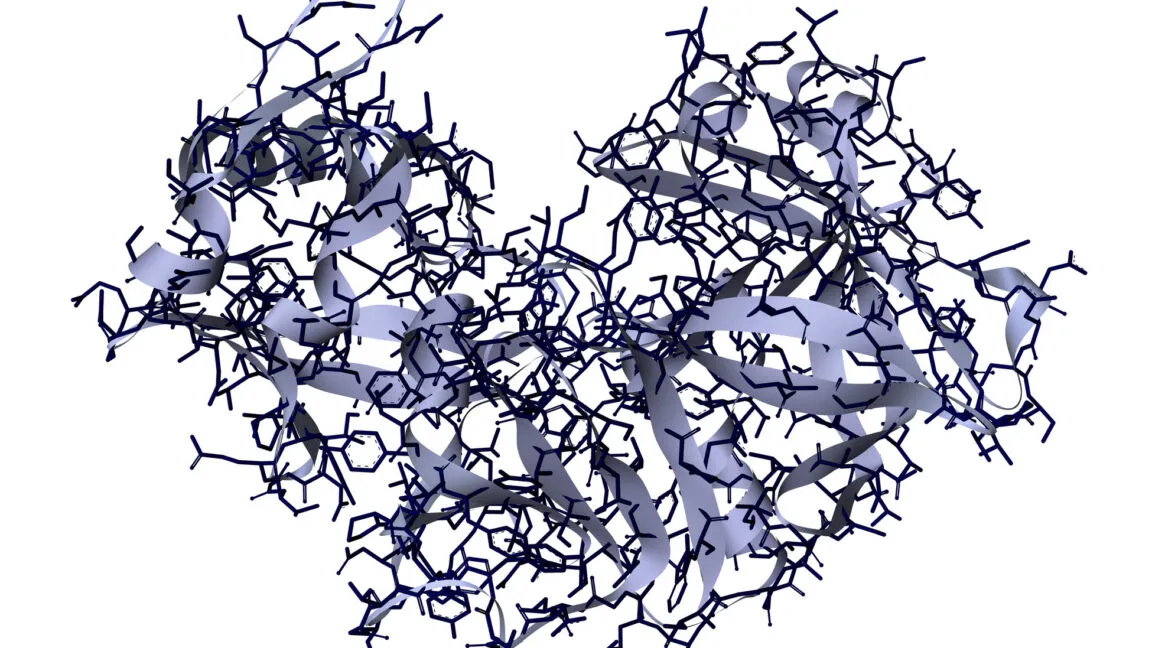
AI design tools make proteins that break bonds that are stable for hundreds of years.
A protein is a chain of amino acids held together by what are called peptide bonds. On their own, those bonds are extremely stable; they’re estimated to have a half-life of several hundred years. But in Earth’s environment, most proteins don’t last nearly that long. That’s because organisms have evolved a handful of ways to catalyze the break-up of peptide bonds, which have diversified into countless specialized protein-digesting enzymes. Proteases are everywhere and generally make short work of any proteins that find their way into the environment.
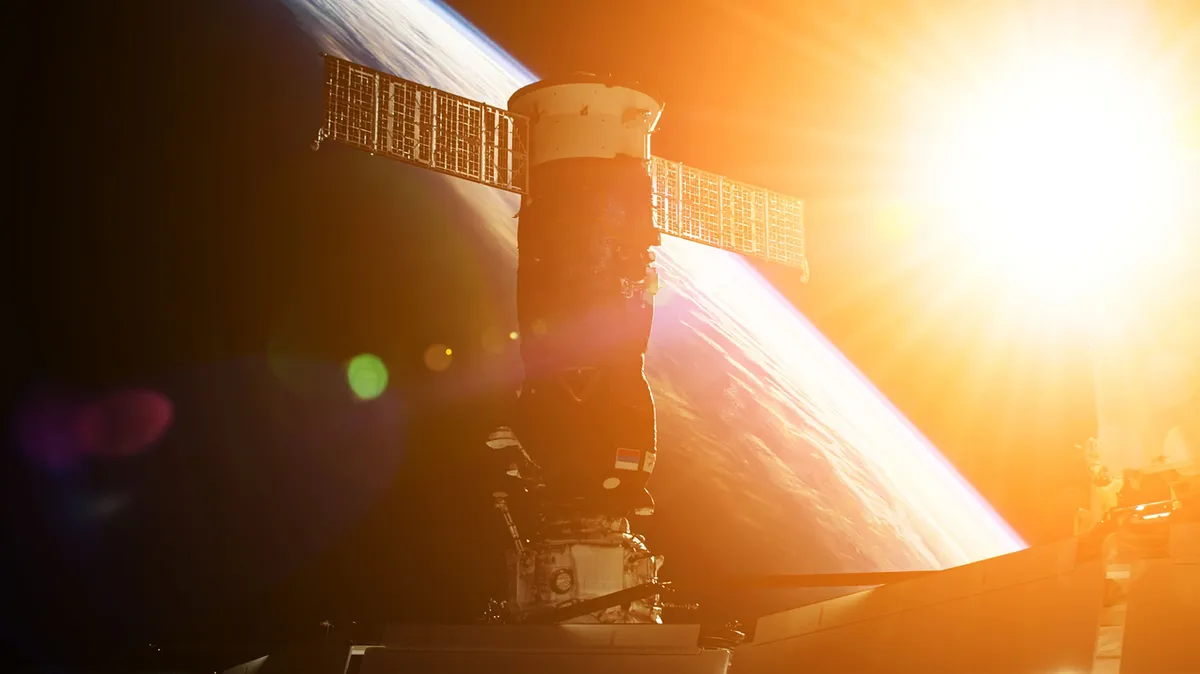
NASA’s latest resupply mission has successfully launched towards the International Space Station (ISS), carrying thousands of pounds of supplies, scientific equipment and new technology to support research in orbit
The SpaceX Falcon 9 rocket lifted off at 6:33 a.m. EDT on Tuesday, October 13, from Space Launch Complex 40 at Cape Canaveral Space Force Station in Florida.
When AI companies value competition over collaboration, we may lose out on understanding
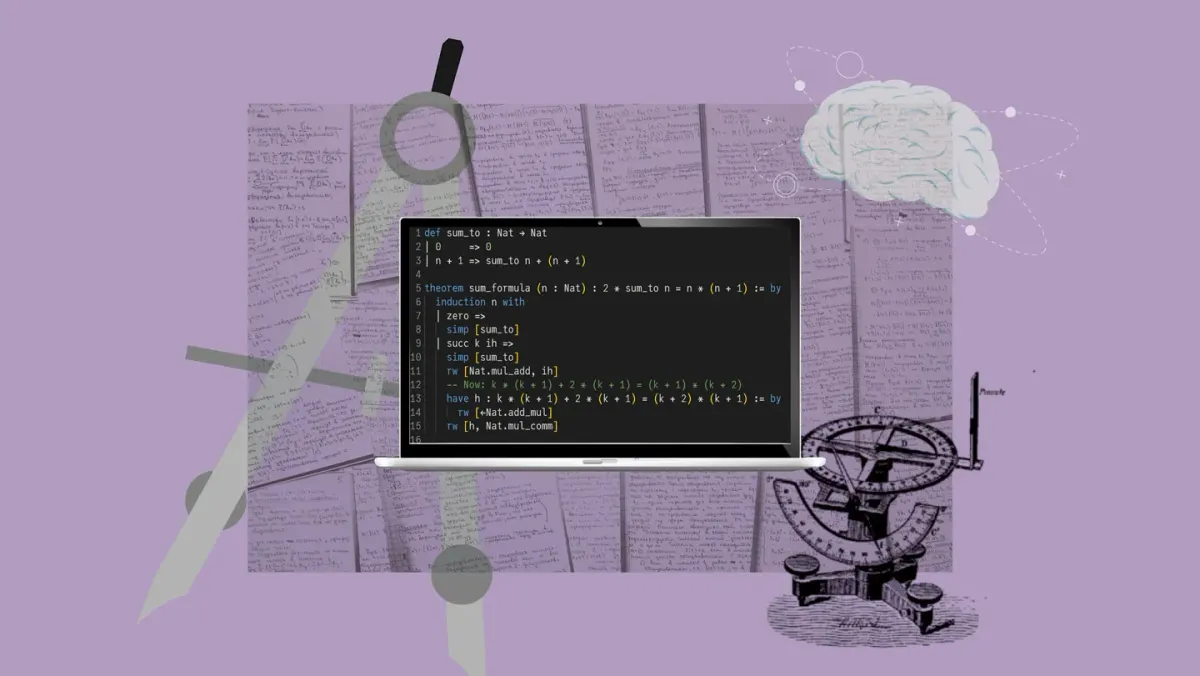
AI is getting better at solving difficult math problems. But for mathematicians, the value of a proof can lie in more than the answer — it can also be in what the reasoning reveals.
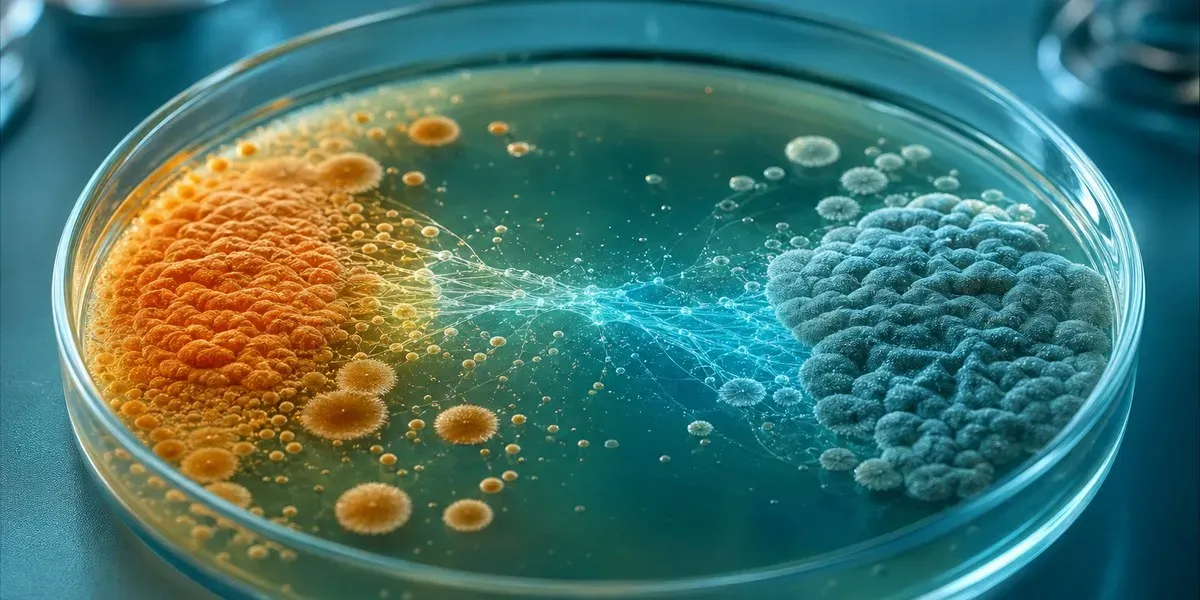
A research group at Hosei University in Japan has identified a mechanism by which the bacterium Escherichia coli recognizes metabolic products of bifidobacteria. As News-Medical reports, this may explain how less abundant bacterial species coexist in the gut microbiome and maintain its diversity. Chemical signaling between bacteriaBifidobacteria break down complex carbohydrates, including human milk oligosaccharides, and release metabolic byproducts into the environment. Scientists found that E. coli can detect some of these molecules through specialized sensing systems and prepare its own metabolism accordingly. The authors called this process “metabolic eavesdropping.”The research team tested 54 E. coli transport systems associated with 61 carbon sources. As a result, they determined that the bacterium uses the Uhp and Idn sensing systems to respond to a set of metabolites released by bifidobacteria. More current news is available on the UA. News Telegram channel Telegram. The role of glucose-6-phosphateThe researchers paid particular attention to the Uhp system, which recognizes and transports hexose phosphates, including glucose-6-phosphate.
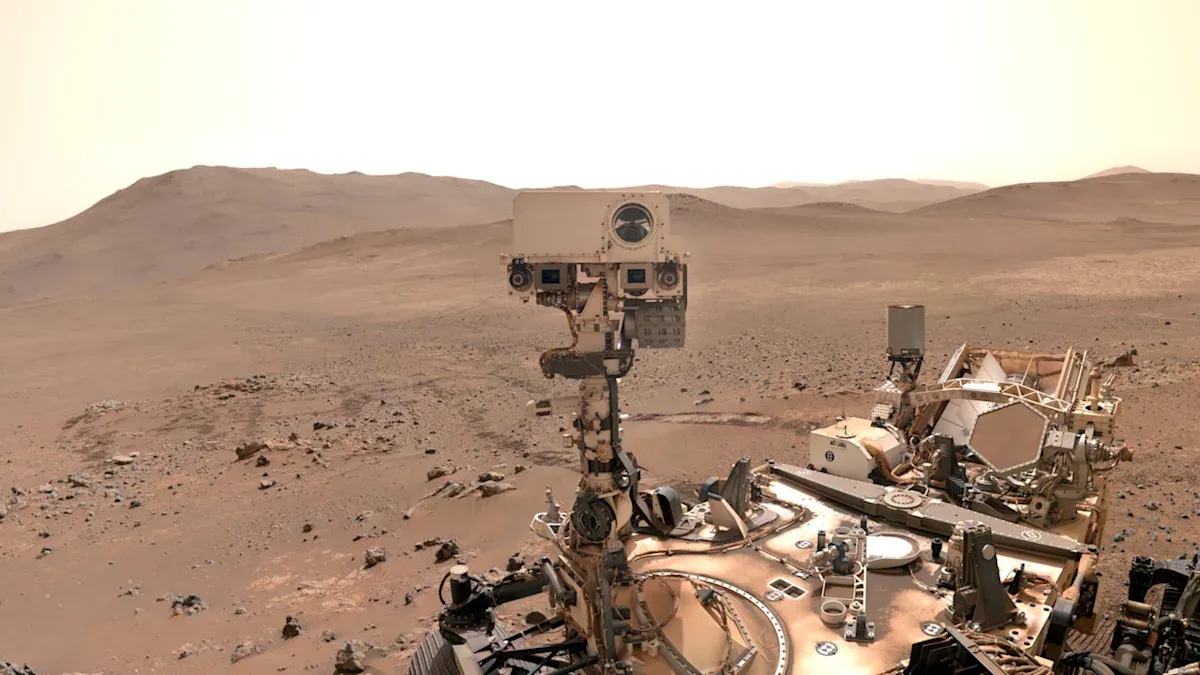
Over the weekend, NASA's Perseverance rover set a new off-world milestone, as it broke all previous records for farthest distance ever travelled on another planetary body in our solar system. Since 1970, humans have sent nine different robotic rovers to trundle around on other celestial bodies — four to the Moon and five to Mars. The three smallest, including NASA's Sojourner Mars rover and China's Yutu and Yutu 2 lunar rovers, barely drove a distance of 100 metres in total, each, before their missions ended. Meanwhile, Lunokhod 1 and 2, sent by the Soviets to the Moon in the early 1970s, made it significantly farther. Lunokhod 1 drove over 10 kilometres, and Lunokhod 2 set a record in 1973 that held for decades, with a total distance of 39 kilometres. Rover Offworld Distance Records 1 - NASA JPLRover Offworld Distance Records 2 - NASA JPLRover Offworld Distance Records 3 - NASA JPLThis infographic illustrates the distances driven by various rovers on the surface of the Moon and Mars — 3 human-driven and 9 robotic. Each distance is the final mission distance, or in the cases of Perseverance and Curiosity, their distances driven as of Oct. 11, 2026.
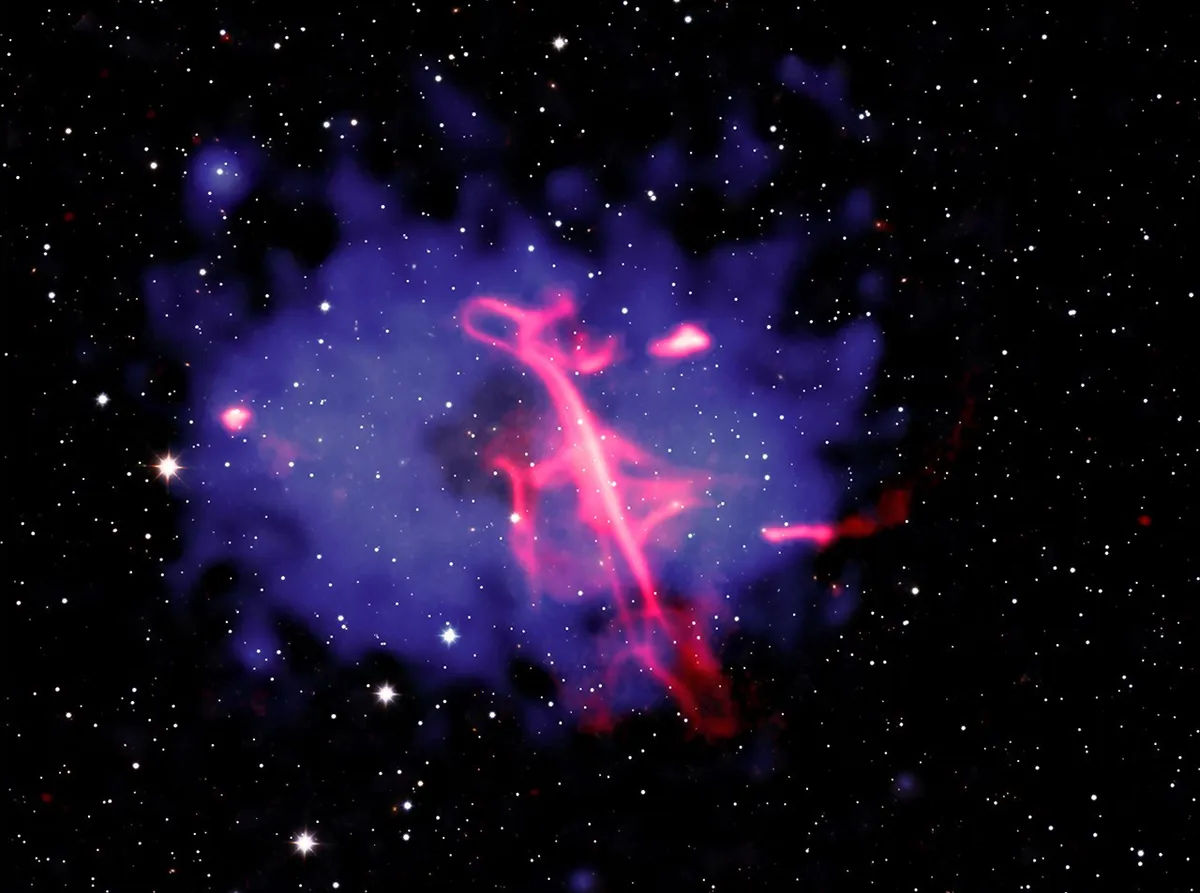
Astronomers have used NASA’s Chandra X-ray Observatory to break down the cause of a remarkable formation of radio waves they have nicknamed the “Treble Clef” because its distinct shape strongly resembles the musical symbol.
The researchers discovered the Treble Clef is likely caused by an outburst from a supermassive black hole, followed by a collision of two galaxy clusters. A paper describing the findings, led by Andrea Botteon of the National Institute for Astrophysics, or INAF, in Italy, published Wednesday in the Astronomy & Astrophysics journal.
Original story from Cornell University (NY, USA).
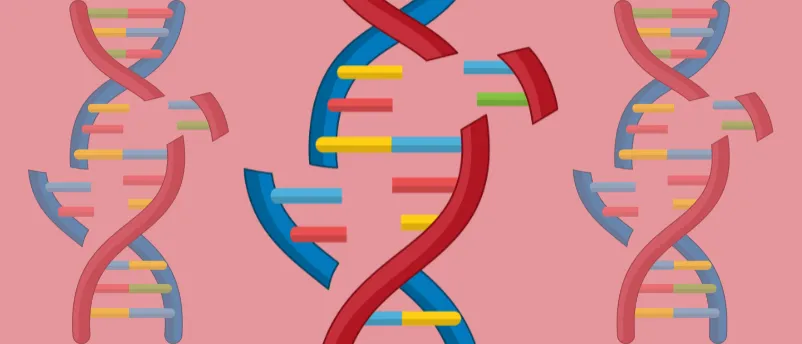
A new engineered gene editing system, proven in bacteria and with promise for use in plants, animals and humans, addresses some of the limitations of current gene editing tools with the hope of improving their applications for research, for better crops or to treat diseases.
For decades, disinformation has thrived, even at the highest levels of government. Some of its consequences are well documented in the scientific literature. For example, it is known that exposure to misinformation during the COVID-19 pandemic contributed to increased vaccine hesitancy among a segment of the public1,2. A recent review shows that conspiracy theories promote the rejection of climate science3.
This article has also been published in our magazine 3.14 « Science under suspicion ». Download it here.
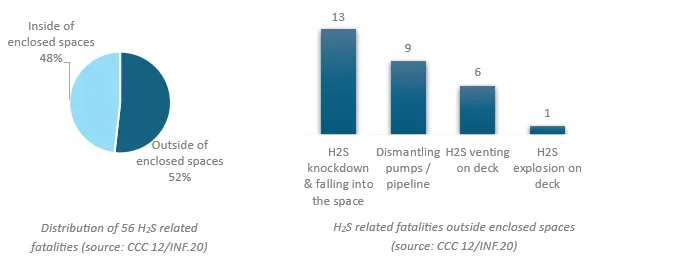
A review of fatal incidents submitted to the IMO shows that many seafarers were overcome by H₂S while carrying out routine maintenance and inspection activities outside enclosed spaces. Crew members have collapsed while opening tank manholes, dismantling pumps and pipelines, working near tank vents, and attempting to rescue colleagues. In many of these incidents, the victims had no intention of entering a tank. The findings highlight an important safety message: H₂S should not be viewed solely as an enclosed-space entry hazard. It is also a release hazard. Personnel can be exposed during everyday shipboard operations whenever a contaminated system is opened, disturbed or ventilated. According to IMO document CCC 12/INF.20 (10 July 2026), at least 29 of 56 identified H₂S-related fatalities occurred outside enclosed spaces. The victims were carrying out routine tasks when a sudden release of H₂S caused immediate collapse. These findings challenge the traditional perception that H₂S fatalities are primarily linked to enclosed-space entry. A hazardous gas release can also occur during normal shipboard operations, as the following case study illustrates.
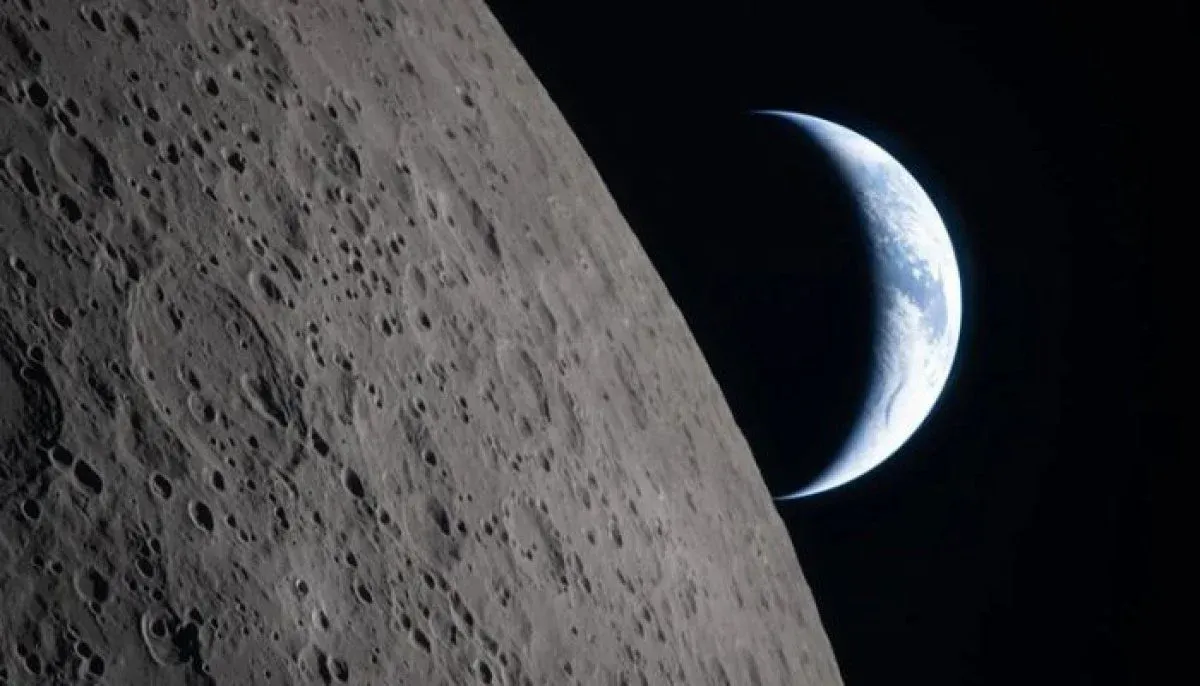
NASA to brief public on Artemis III mission progressNASA is set to provide an update on its plans to return American astronauts to the surface of the Moon on Friday, October 23, at the agency’s Kennedy Space Center in Florida. The update will primarily include key details about NASA’s Artemis III mission that will send a four-person crew to test critical systems needed for future lunar landings, an orbital flight scheduled for next year to analyze essential capabilities in low Earth-orbit on how preparations for sending American crews to the Moon by 2028 are moving forward.
US media interested in attending in person must apply online by 12 p.m. on Friday, October 16. In order to ask questions remotely, the media must request the dial-in number from the Kennedy newsroom. Participants in the briefing include NASA administrator Jared Isaacman, NASA Associate administrator Administrator Amit Kshatriya and Jeremy Parsons, and NASA’s Artemis program. NASA will send Artemis astronauts on progressively harder missions near the lunar South pole to explore some more of the Moon than ever before, aiming to be a catalyst in an era of unprecedented discovery.
Generative AI has accelerated many technical fields. It is now common for AI to play some role in writing scientific papers and technical documents, running code, designing experiments, and drafting proposals. However, accelerating content creation has created a review challenge: the human capacity for verification has remained largely fixed amid this rapid increase in AI-generated content. Reviewing complex documents like long scientific manuscripts or complex legal agreements requires specialized expertise and advanced subject knowledge. This imbalance creates a validation bottleneck, where information is being generated faster than it can be rigorously reviewed. Today, we’re excited to announce the public release of Deep Review, an agentic AI system engineered to provide rigorous feedback and technical verification on complex documents. Initially designed for computer science academic paper analysis, the system’s capabilities have expanded to review documents across many domains, such as legal and finance.
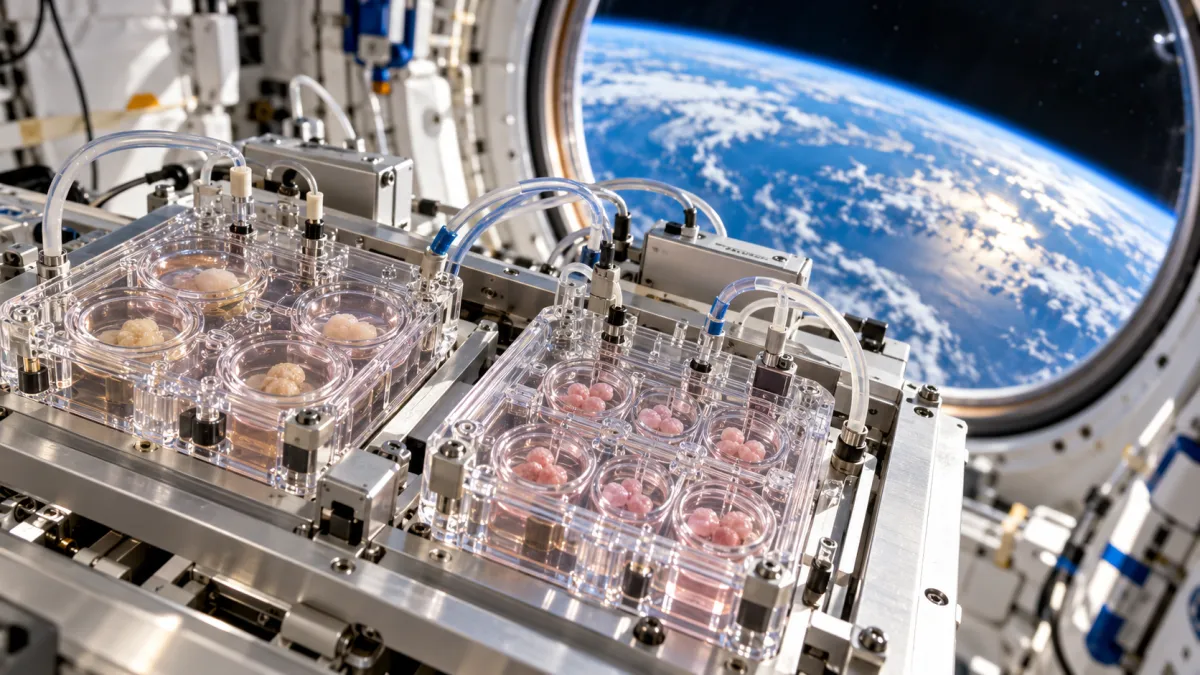
Mount Sinai brain and cardiovascular tissue models launched toward the International Space Station aboard SpaceX CRS-35. The experiments will examine tissue function, genetic susceptibility and biological changes associated with spaceflight. Published miBrain research and a separate circulation preprint provide the groundwork; results from this mission remain ahead. Human brain tissue and beating cardiovascular organoids are headed into orbit to face an unusual laboratory test. Their destination is the International Space Station, where weightlessness and radiation exposure could reveal vulnerabilities difficult to study on Earth. The Mount Sinai investigations are traveling aboard SpaceX CRS-35, which launched October 13. They bring together researchers in stem cell biology, neuroscience, surgery and cardiovascular science at the Icahn School of Medicine. One project uses a personalized brain tissue model called miBrain. The other places cardiovascular organoids inside microfluidic chips, miniature devices that manage fluid around living tissue. The mission builds on established laboratory work, including a 2025 paper in PNAS introducing miBrain.
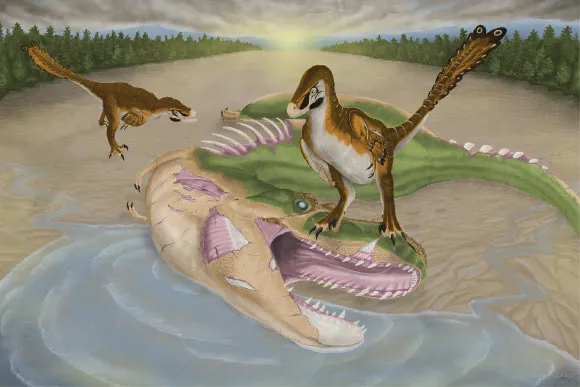
Tyrannosaurs sit at the top of the food chain in the popular imagination, but a newly described fossil from Alberta, Canada, suggests that a much smaller predator may have fed on the carcass of Albertosaurus sarcophagus, a tyrannosaur relative.
Atrociraptor scavenge the carcass of Albertosaurus along the edge of a river floodplain. Image credit: Joshua Adam Doyon.
Study finds giant carcasses create long-lasting nutrient hotspots and grazing zones
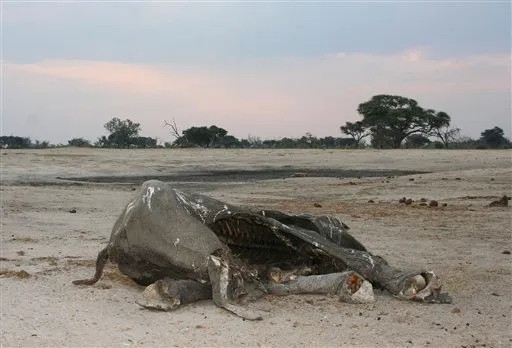
An elephant's death leaves a footprint that can linger on the land for nearly a decade, scientists say. A study in the Proceedings of the National Academy of Sciences tracked the carcasses of 40 elephants that had died between eight days and eight years earlier in South Africa's Kruger National Park. Researchers found the massive bodies first wipe out nearby plants by blocking sunlight, creating stark "cold spots" where both plant and microbial diversity plunge under a surge of nutrients like ammonium that can hit 3,000 times the norm, reports the Washington Post. "That amount of ammonium was not on my bingo card," Kruger National Park employee Tercia Midzi tells BBC Wildlife.